What To Do To Ohio Viburnum Before June Ends For Fuller Shrubs Next Year
Late June is one of those quietly important moments in the Ohio garden that it is really easy to scroll right past. The spring excitement has settled down, summer is officially doing its thing, and the viburnums are just kind of sitting there looking fine.
But here’s why it’s worth paying closer attention right now: many viburnums bloom on older wood, which means the flower buds for next spring are already starting to develop on this year’s growth.
Prune at the wrong time and those buds are gone before they ever get a chance to do anything.
Not ideal. Ohio gardeners who give their viburnums a little focused attention in late June tend to be the ones with the fullest, most floriferous shrubs come next spring.
Coincidence? Absolutely not.
1. Prune Soon After Spring Flowers Fade
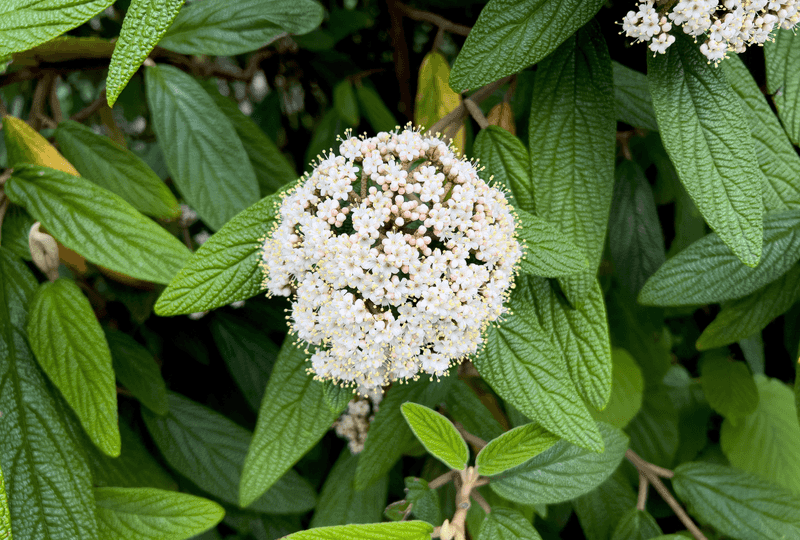
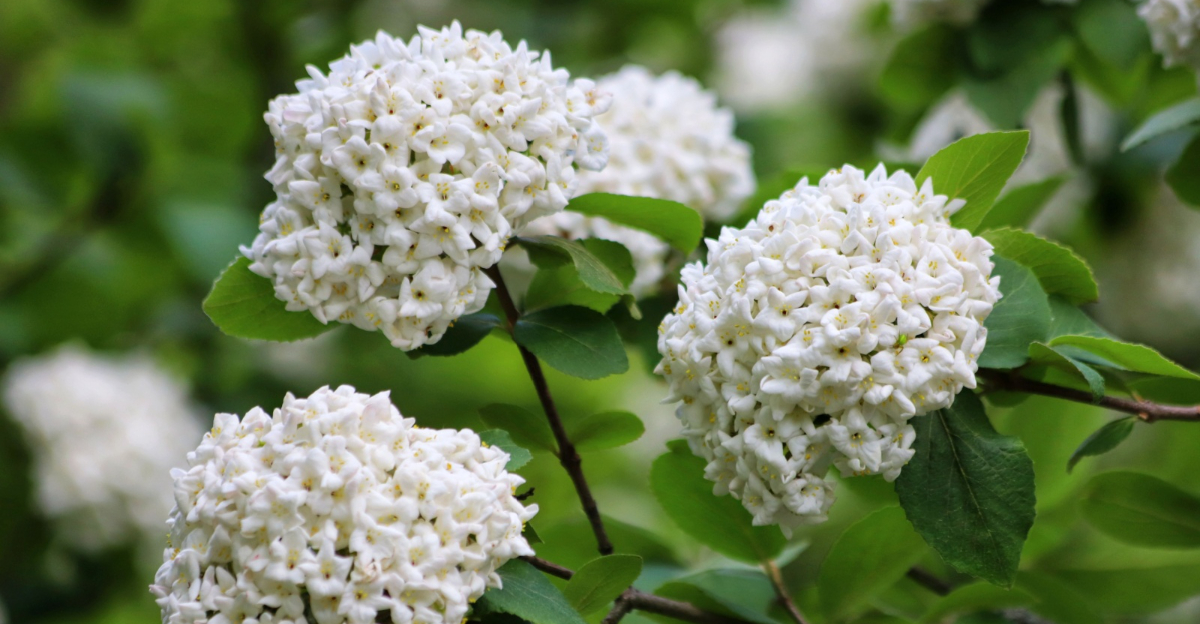
Fading bloom clusters on a viburnum are one of the clearest signals that pruning season has arrived. Once those creamy white or pinkish flower heads start to brown and drop, the window for safe, productive pruning opens up.
For Ohio gardeners managing viburnums in foundation beds or mixed borders, acting within a few weeks of bloom fade gives the shrub enough time to push new growth before the season closes.
Viburnums that bloom in spring set their flower buds on wood that grew the previous year. Pruning shortly after bloom means you are shaping the shrub without removing buds that are already forming for next spring.
Waiting until August or September raises the risk of cutting off growth that carries next year’s flowers.
A light cleanup right after flowering can also help the shrub direct energy into new stems rather than seed production. You do not need to reshape the entire plant.
Focus on improving the overall structure, removing anything that looks crowded or out of place, and letting the shrub settle into a natural, open form that supports healthy growth through the rest of Ohio’s summer season.
2. Remove Weak Or Crossing Branches
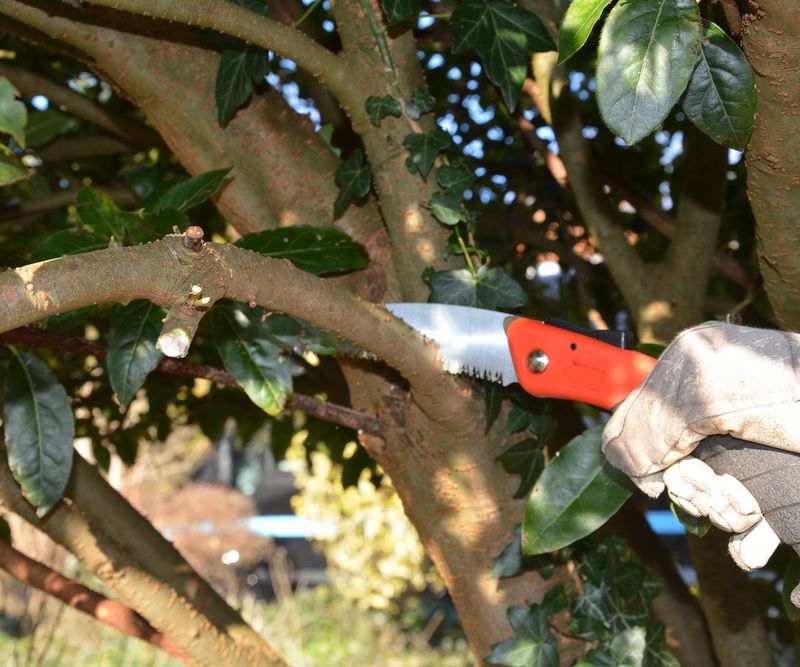
Branches that cross and rub against each other are more than just an eyesore. Over time, that constant friction can create rough wounds on the bark, leaving the shrub more exposed to stress and moisture loss during Ohio’s unpredictable early summer weather.
Spotting these branches before they cause visible damage is one of the more practical things you can do before June wraps up.
Weak stems are also worth looking for during this checkup. A branch that looks thin, pale, or barely holding its own among stronger growth is likely pulling resources without contributing much to the shrub’s overall fullness.
Removing it gives nearby stems more room and more access to light, which tends to produce denser, more attractive foliage through summer and into fall.
When you find a crossing branch, trace it back to where it connects to a larger stem or to the base of the shrub. Make a clean cut there rather than snipping it partway down.
Your Ohio Garden Changes Every Week. Your Plan Should Too.
Gardening in Ohio changes quickly throughout the season. Every Friday you’ll receive a simple weekly plan showing exactly what to plant, prune, fertilize, harvest, and protect so you never miss the right timing.
Leaving stubs can leave that section of the branch vulnerable to decline, so cutting cleanly back to a healthy lateral or the main stem tends to give the shrub a much better outcome.
A smooth, clean cut close to the branch collar heals more efficiently and keeps the viburnum looking tidy in Ohio foundation plantings and privacy screens alike.
3. Thin A Few Older Stems At The Base
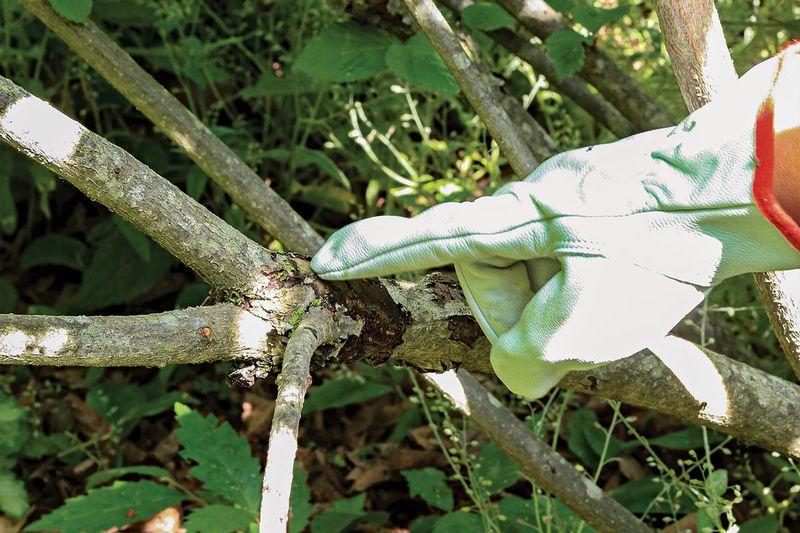
Mature viburnums in Ohio landscapes can quietly become overcrowded from the inside out. The outer branches may look full and healthy while the interior fills with older, woody stems that block light and air from reaching the center of the shrub.
Thinning a few of those older stems at ground level each year is one of the more effective ways to keep the plant producing fresh, vigorous growth.
You do not need to remove many stems to make a difference. Taking out two or three of the oldest, thickest canes each season encourages the shrub to send up new shoots from the base.
Those younger stems tend to carry more foliage and, in time, more flowers. Over several years, this gradual approach helps renew the shrub without stressing it or leaving it looking bare.
Use a sharp pair of loppers or a pruning saw for thicker canes, and cut as close to the soil line as possible. Leaving tall stubs at the base can look awkward and may not sprout reliably.
For Ohio homeowners managing large viburnum hedges or shrub rows, this kind of selective base thinning is far more sustainable than cutting the whole plant back hard and hoping it bounces back on its own.
4. Keep The Shrub’s Natural Shape
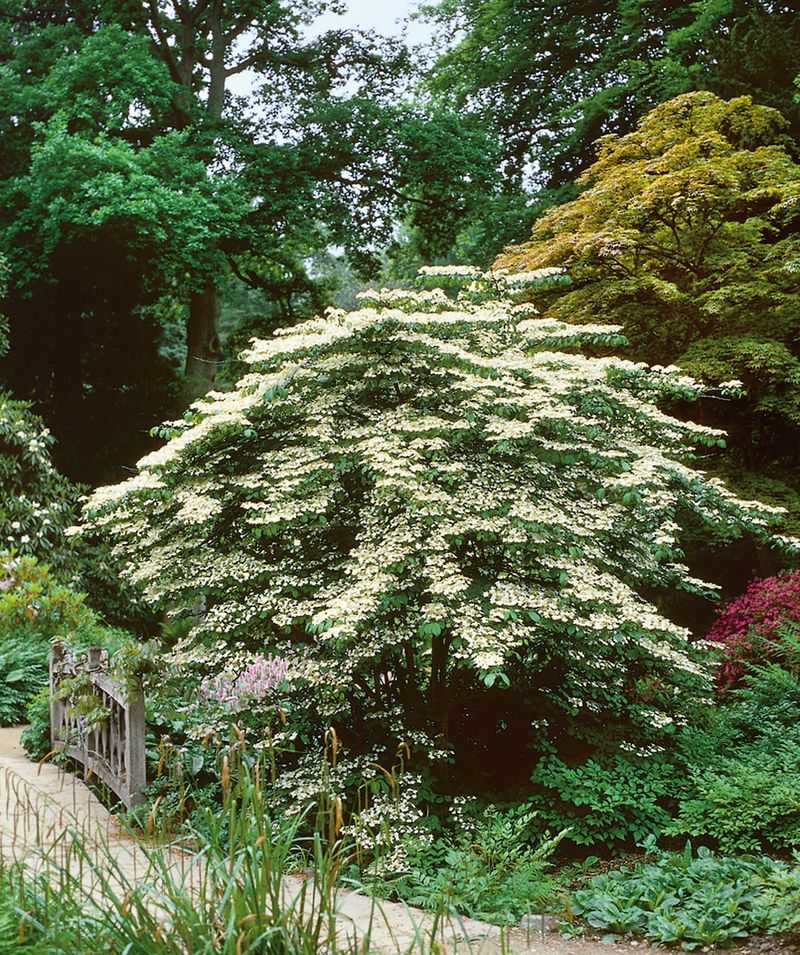
One of the most common mistakes homeowners make with viburnums is trying to force them into a shape the plant was never meant to hold. Most Ohio viburnums have a naturally rounded or arching form that looks appealing without much intervention.
Working with that shape rather than against it saves time, reduces stress on the shrub, and produces a far more attractive result in the landscape.
When you pick up your pruners, take a step back and look at the shrub from a few different angles before making any cuts. Notice where the natural lines of the plant lead.
Removing branches that break the flow of that form, rather than cutting everything to a uniform height, keeps the viburnum looking organic and relaxed rather than stiff or clipped.
Ohio landscapes that feature viburnums in mixed borders or as specimen plants tend to look their best when the shrub is allowed to express its natural growth habit.
A viburnum that arches gracefully over a pathway or fills a corner of a garden bed with layered branches has far more visual interest than one that has been cut into a tight ball or square.
Gentle, thoughtful pruning that follows the plant’s natural lines is usually the most rewarding approach for long-term fullness.
5. Avoid Shearing The Whole Shrub
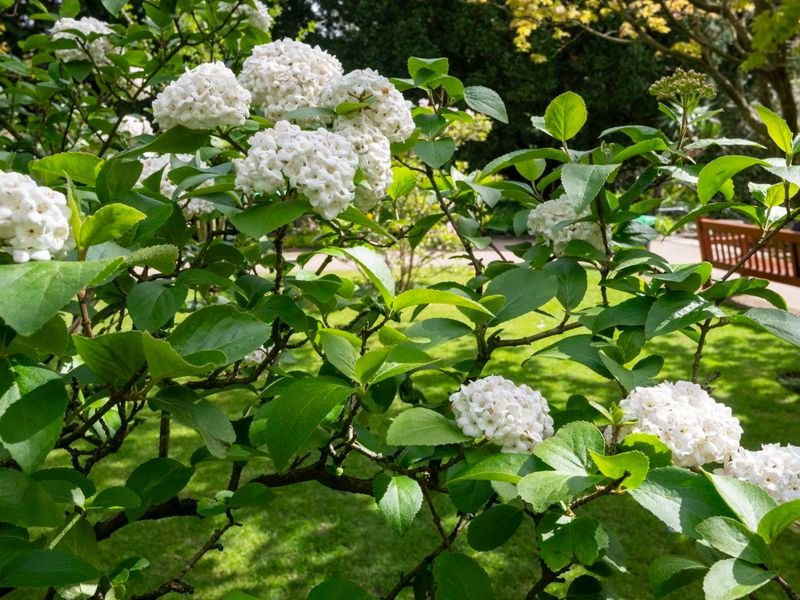
Running electric hedge shears across the entire surface of a viburnum might seem like a quick way to tidy things up, but it tends to create more problems than it solves.
Shearing cuts through stems indiscriminately, leaving many of them with blunt tips that push out a tight flush of new growth right at the surface.
That dense outer shell can actually block light from reaching the interior, which causes inner branches to thin out over time.
For spring-flowering viburnums, shearing is especially problematic when done at the wrong time. A full shear in late summer or fall removes a large portion of the growth that carries next year’s flower buds.
Even a June shear, if done aggressively, can take away more than intended and leave the shrub looking rough until it recovers.
Selective hand pruning takes a little more time than running shears across the top, but the results are noticeably better over a season or two.
Cuts made with bypass pruners follow the natural branching pattern of the plant, which keeps the interior open and allows light to reach stems throughout the shrub.
Ohio viburnums managed with selective cuts rather than full shearing tend to look fuller, healthier, and more natural in the landscape year after year.
6. Cut Back Long Shoots Selectively
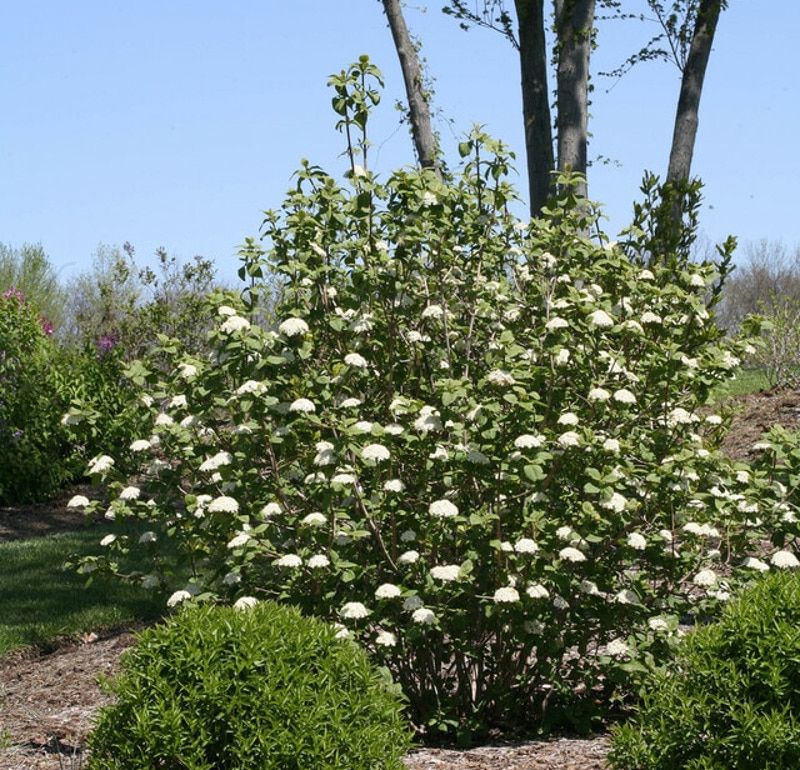
Every now and then, a viburnum sends out a shoot that grows noticeably longer than the rest of the plant.
These long, arching stems can make the shrub look uneven or slightly wild, especially in a tidy Ohio front-yard planting or foundation bed where appearance matters.
Cutting these back selectively, rather than leaving them or shearing them off at the same height as everything else, is the better approach.
When trimming a long shoot, look for a healthy side bud or lateral branch lower on the stem and make your cut just above it. That encourages the stem to branch out from that point rather than simply stopping.
Over the following weeks, you will often see two or three new shoots emerge from that area, which adds to the fullness of the shrub rather than reducing it.
Not every long shoot needs to come off. Some of them actually contribute to the natural, layered look that makes viburnums attractive in mixed borders and shrub rows.
Use your judgment about which ones are breaking the overall form of the plant and which ones add character.
A few selective cuts made thoughtfully in late June can shape the shrub in a way that encourages branching and supports a fuller appearance heading into next year’s bloom season across Ohio landscapes.
7. Stop Heavy Pruning After June
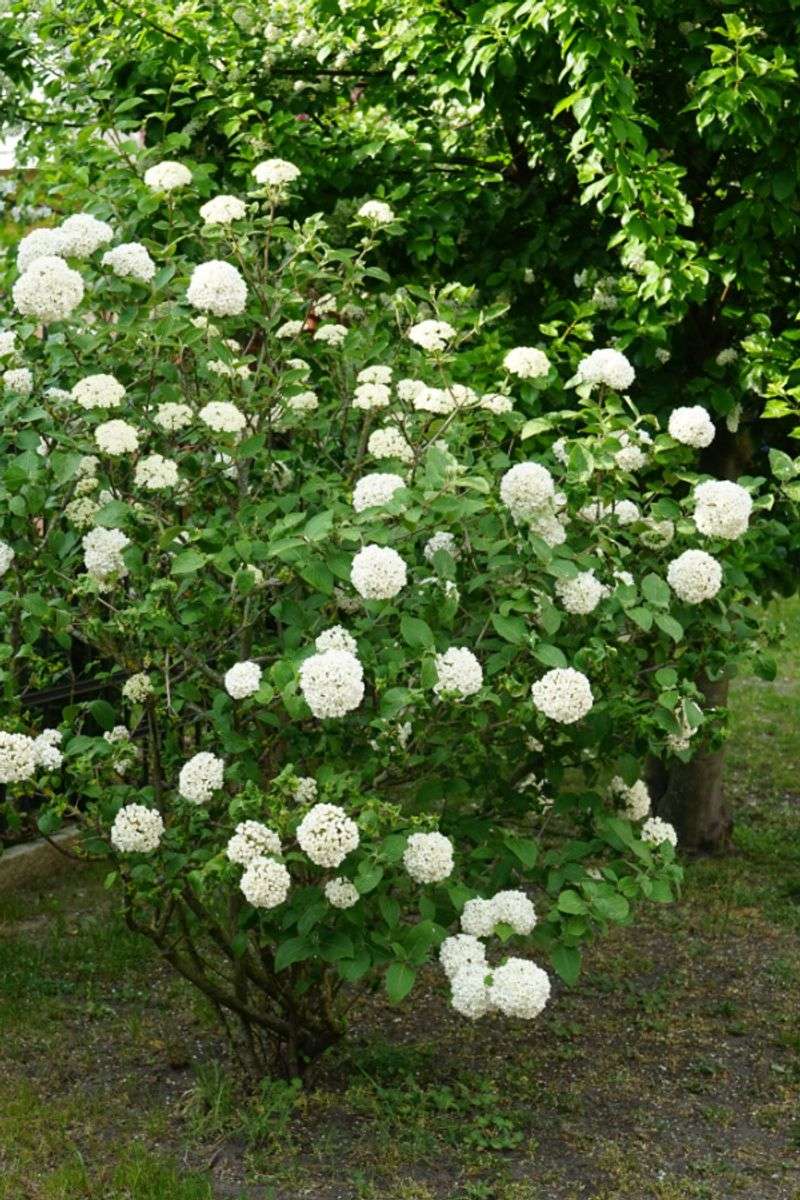
Once July arrives, the window for meaningful viburnum pruning in Ohio is largely behind you.
The shrub shifts its energy from producing new shoots to hardening off existing growth and, for spring-flowering types, quietly beginning the process of setting buds for the following year.
Heavy pruning at this stage can interrupt that process and reduce the number of flowers you see next spring.
Light cleanup cuts, like snipping off a stem that is clearly out of place or removing a branch that broke during a summer storm, are generally fine through the season.
What to avoid after June is any significant reshaping, aggressive thinning, or removal of large portions of the canopy.
That kind of pruning stimulates new growth that may not have enough time to harden before Ohio’s cooler fall temperatures arrive.
Soft, immature growth heading into fall is more vulnerable to cold stress than growth that has had time to mature through summer.
By keeping heavier cuts to the period right after bloom through the end of June, you give the viburnum the best chance to recover, branch out, and build up the energy reserves it needs for a strong showing next spring.
Patience in late summer often pays off in a noticeably fuller and more floriferous shrub the following year in Ohio landscapes.
8. Water During Dry Early Summer Stretches
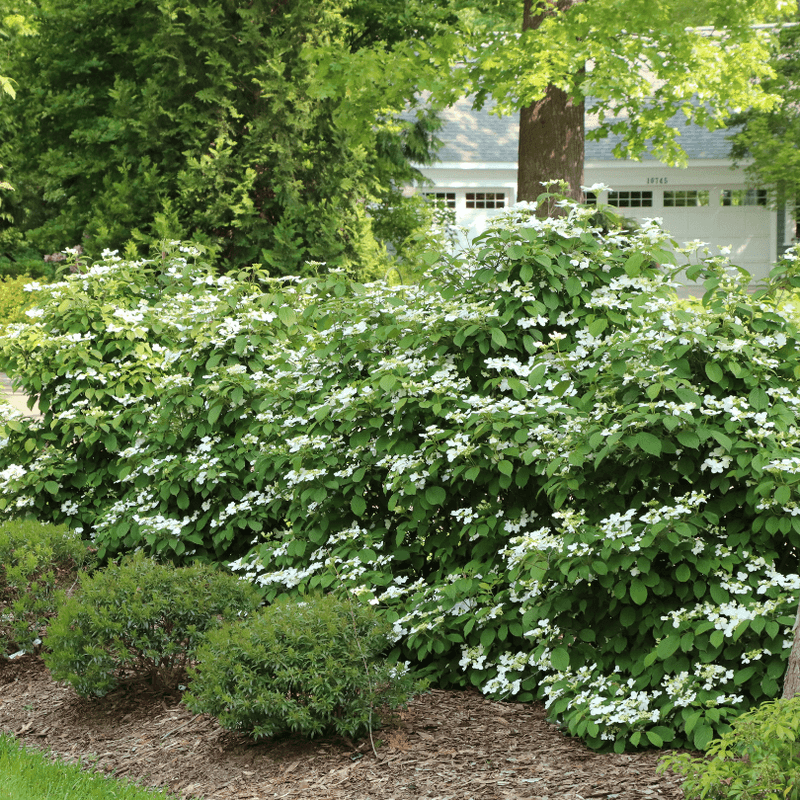
Early summer in Ohio can bring stretches of dry weather that catch gardeners off guard, especially after a rainy spring.
Viburnums are reasonably adaptable once established, but a newly planted shrub or one that was recently pruned benefits from consistent soil moisture during these drier periods.
Stress from drought during active growth can slow recovery and reduce the energy the plant has available for next year’s blooms.
Checking the soil a few inches below the surface is more reliable than going by how the top of the ground looks. If the soil feels dry at that depth and no significant rain is in the forecast, a slow, deep watering at the base of the shrub is worthwhile.
Shallow, frequent watering tends to encourage roots to stay near the surface rather than reaching deeper into the soil.
For Ohio homeowners with viburnums in foundation beds or near structures, be aware that roof overhangs and hardscape can create dry pockets even after rainfall.
Shrubs planted close to a wall or under an eave may need supplemental water more often than ones growing in an open bed.
Keeping an eye on soil moisture through June and into July gives recently pruned viburnums the support they need to push healthy new growth and stay vigorous through the rest of the season.
9. Add Mulch Without Piling It On Stems
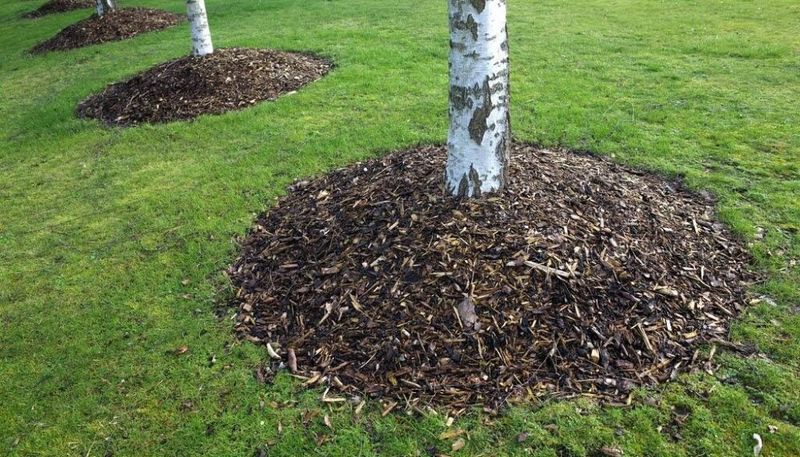
A fresh layer of mulch around your viburnum in late June does several helpful things at once.
It slows moisture loss from the soil during Ohio’s warmer summer months, moderates soil temperature, and reduces competition from weeds that might otherwise crowd the base of the shrub.
For a plant that was recently pruned or is pushing new growth, those conditions can make a real difference in how well it settles into summer.
The mistake worth avoiding is piling mulch directly against the main stems of the shrub. A thick mound of mulch pressed up against the bark traps moisture in a way that can soften and weaken the tissue at the base of the plant over time.
Keeping the mulch a few inches away from the stems allows the base of the shrub to stay dry and breathe normally.
Two to three inches of mulch spread out to the drip line of the shrub is a reasonable amount for most Ohio foundation beds and mixed borders. Wood chips, shredded bark, or leaf-based mulch all work well around viburnums.
Refresh the layer if it has thinned out from the previous year rather than adding heavily on top of old, compacted material.
A clean, even mulch application in late June sets the viburnum up for a more comfortable and productive summer growing season.