What It Really Means When Butterflies Suddenly Fill Your Texas Garden
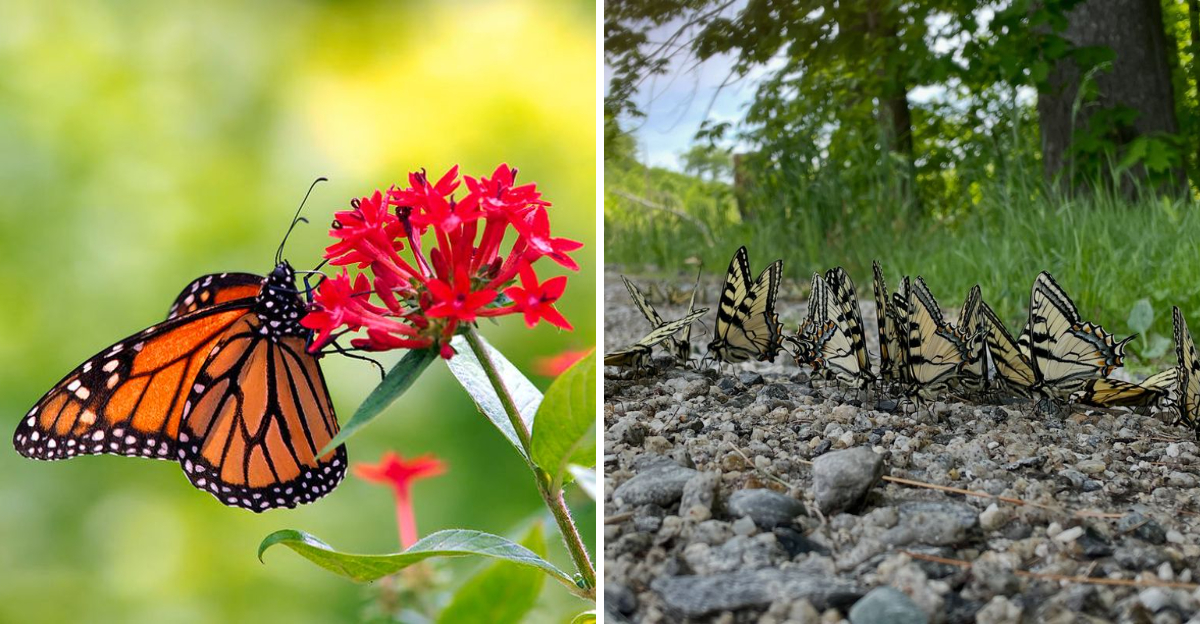
You step outside and the garden is full of butterflies. Not one or two drifting through on their way somewhere else, but a genuine gathering, multiple species moving through the flowers with a concentrated energy that feels different from a typical summer visit.
It stops you in your tracks. And after the initial delight settles in, the question arrives. Why here? Why now? Why so many at once?
A sudden influx of butterflies in your Texas garden is almost never random. These are purposeful, seasonally attuned insects, and when they gather in numbers, they’re responding to very specific conditions your garden is creating.
The timing of the gathering, the species involved, and which plants they’re concentrating on all carry information that tells you something real about your garden and about what’s happening in the broader landscape around it.
For many Texans, a garden suddenly filled with butterflies also carries personal and symbolic meaning that goes beyond scientific explanation, connecting to traditions and beliefs that run deep in many of the cultures that call Texas home.
1. Your Flowers Have Hit A Nectar Peak
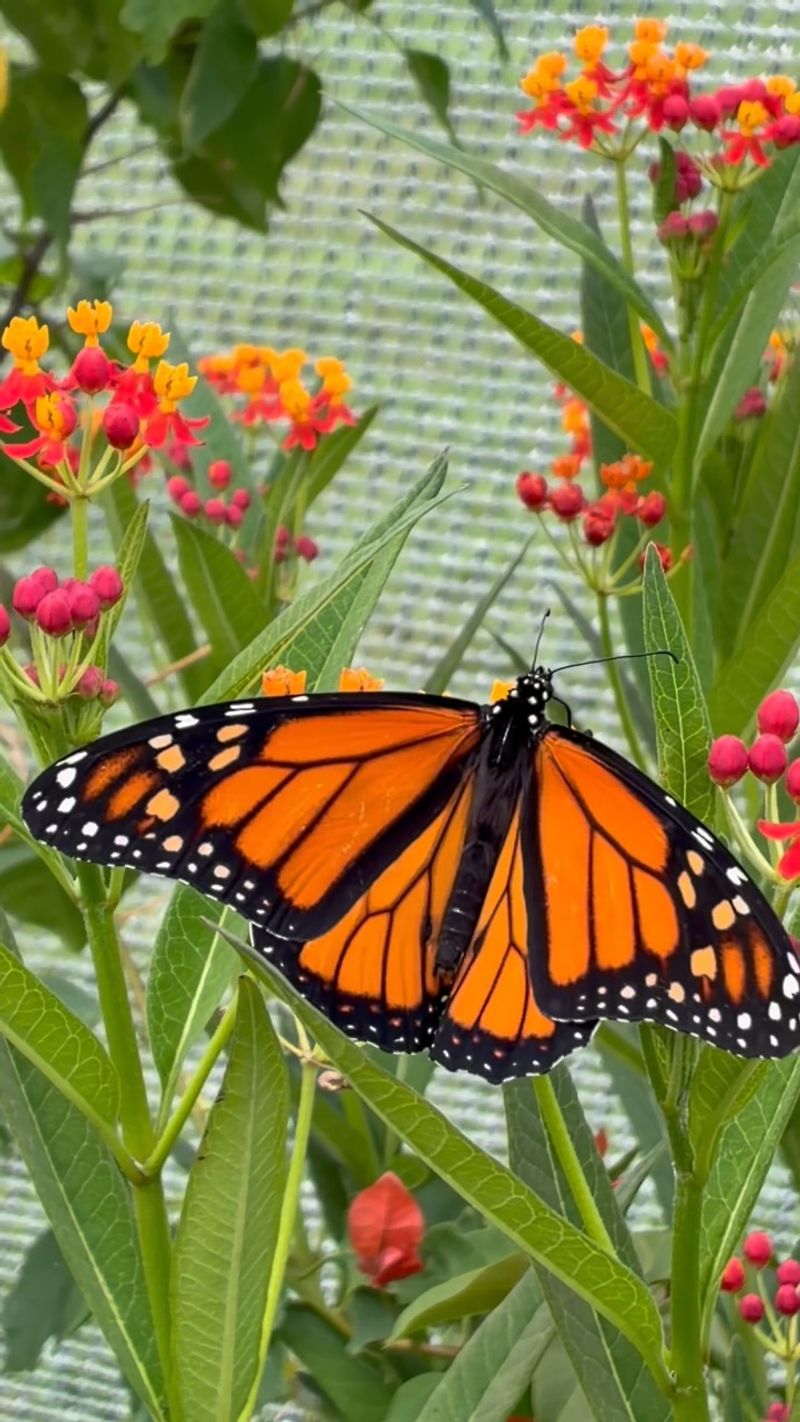
Picture stepping outside to find your garden buzzing with wings. That burst of butterfly activity often comes down to one simple thing: your flowers are producing more nectar than usual.
Plants do not bloom at a steady rate all year. They hit peaks, and when that peak arrives, butterflies notice fast.
Mass-blooming plants like lantana, milkweed, and black-eyed Susan can release a flood of nectar all at once. Word spreads quickly in the butterfly world because these insects are constantly scanning for food sources.
A garden in full bloom is basically a giant neon sign that reads “Free Food Here.” Late summer is especially important in Texas. The heat dries up many wild plants, so butterflies travel farther to find good nectar.
If your garden is still blooming strong during July, August, or September, you become a rare and valuable stop on their route.
You can keep this nectar peak going longer by planting flowers that bloom at different times. Try mixing early bloomers like bluebonnets with mid-season flowers like coneflowers and late-season plants like fall aster.
That way, your garden stays attractive for a much longer stretch of the year. Deadheading, which means removing old flower heads, also helps. It pushes plants to produce new blooms faster.
Water your garden regularly during dry spells so flowers stay healthy and keep producing nectar. The more consistent your blooms are, the more likely butterflies will show up in large groups and stick around long enough for you to enjoy them.
2. A Migration Wave May Be Passing Through
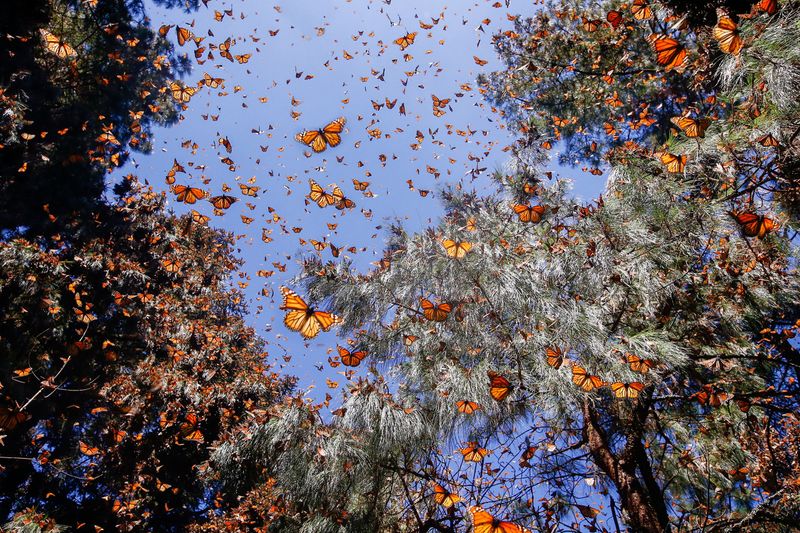
Some butterfly appearances are not random at all. They are actually part of one of nature’s most incredible journeys.
Texas sits right in the middle of major migration paths, and during certain times of year, thousands of butterflies can pass through your backyard in just a matter of days.
Monarch butterflies are the most famous migrants. Every fall, they travel from Canada and the northern United States all the way to Mexico.
Your Texas Garden Changes Every Week. Your Plan Should Too.
Gardening in Texas changes quickly throughout the season. Every Friday you’ll receive a simple weekly plan showing exactly what to plant, prune, fertilize, harvest, and protect so you never miss the right timing.
Texas is a critical stop along the way. Painted ladies also make long seasonal movements, and their numbers can swell dramatically when conditions are right.
A sudden wave of butterflies in your yard during September or October is a strong sign that a migration front is moving through your area. These butterflies are not staying forever.
They are fueling up, resting, and then moving on. Think of your garden as a highway rest stop for them.
Interestingly, cool fronts pushing down from the north can actually trigger migration movement. When temperatures drop and winds shift, butterflies take advantage of the favorable conditions to cover more ground.
After a cold front passes, you might see surprisingly large numbers appear almost overnight.
You can help migrating butterflies by keeping nectar plants available through the fall season. Gregg’s mistflower, frostweed, and native asters are excellent late-season choices in Texas.
Avoid using pesticides during migration season so butterflies can feed safely. Even a small, well-planted yard can make a real difference for thousands of butterflies making that long and demanding journey south each year.
3. Your Garden May Have The Right Host Plants
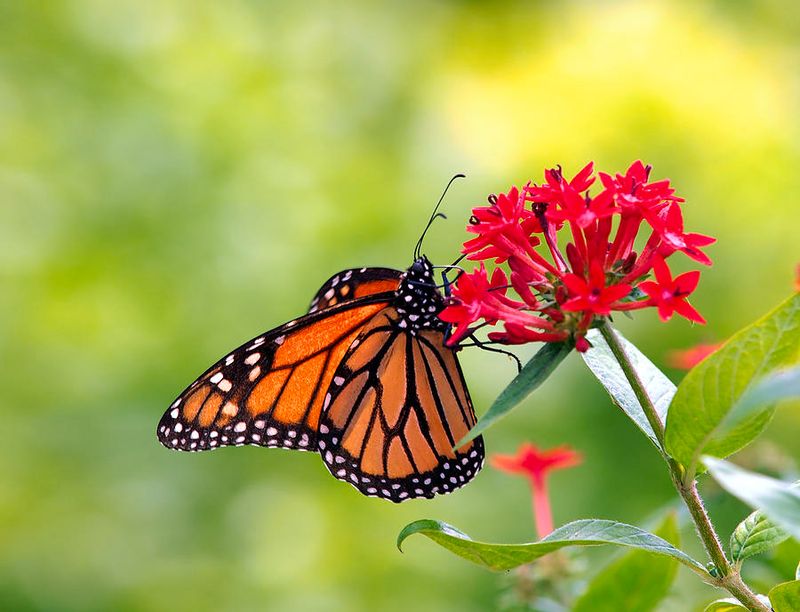
Not every garden gets crowded with butterflies, and the difference often comes down to one key factor: host plants. Adult butterflies do not just look for flowers to feed on.
They are also searching for very specific plants where they can lay their eggs. When your yard has those plants, butterflies show up in bigger numbers and stay longer.
Each butterfly species has its own preferred host plant. Monarch butterflies need milkweed.
Gulf fritillaries are drawn to passionvine. Giant swallowtails seek out citrus trees and rue. Black swallowtails love dill, fennel, and parsley. If you grow any of these, you may have accidentally created a breeding ground without even realizing it.
A garden loaded with host plants signals to adult butterflies that this is a safe place to raise their young. That is a powerful draw.
Females will circle your yard carefully before choosing the right leaf to lay their eggs on. You might spot them hovering low or landing briefly on leaves before moving on to the next spot.
Adding host plants is one of the smartest things you can do to increase butterfly numbers. Research which species are common in your part of Texas, then plant the hosts those species need.
Native plants are usually the best choice because local butterflies have evolved alongside them for thousands of years. Keep in mind that caterpillars will eat your host plants. That is actually a good sign.
Resist the urge to remove caterpillars from your garden. They are future butterflies, and every one that grows up successfully means more beautiful wings in your yard next season.
4. Recent Rain May Have Boosted Butterfly Activity
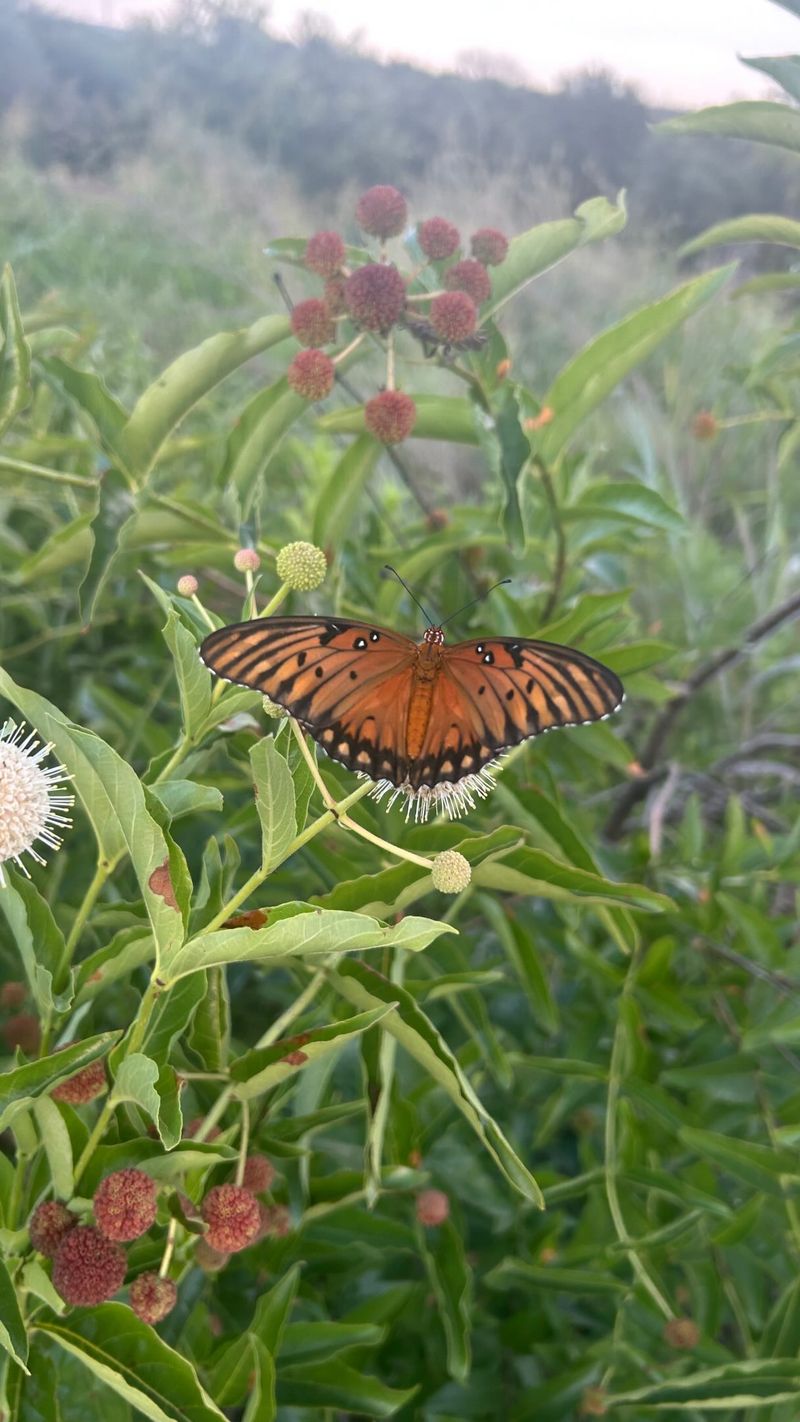
Rain changes everything in a Texas garden, sometimes almost overnight. After a long dry stretch, a good rain can trigger an explosion of new plant growth and flowering.
That fresh burst of vegetation brings butterflies rushing in from all directions, almost like flipping a switch.
When plants get the water they have been waiting for, they push out new leaves and flowers quickly. Fresh flowers mean fresh nectar, and butterflies can detect that from surprisingly far away.
A garden that looked quiet and dried out one week can become a busy butterfly hotspot just days after a good rain.
Rain also benefits butterflies in another way. It supports the growth of the plants that caterpillars eat.
More healthy leaves mean more food for young caterpillars, which means more adult butterflies emerging a few weeks later. The whole cycle speeds up after rainfall, and you can sometimes see the effects ripple through your garden over the following weeks.
In Texas, summer rains are often unpredictable. Some areas get heavy storms while nearby neighborhoods stay dry.
If you live in a spot that just received rain when the surrounding area did not, your garden may temporarily become one of the only lush green spaces around. That makes it extra attractive to butterflies looking for resources.
You can mimic the effect of rain by watering your garden deeply during dry periods. Consistent moisture keeps plants blooming longer and supports a healthier food web overall.
Even a simple drip irrigation system can make a noticeable difference in how many butterflies visit your yard during the hottest and driest parts of the Texas summer.
5. Your Yard Is Providing A Healthy Refuge
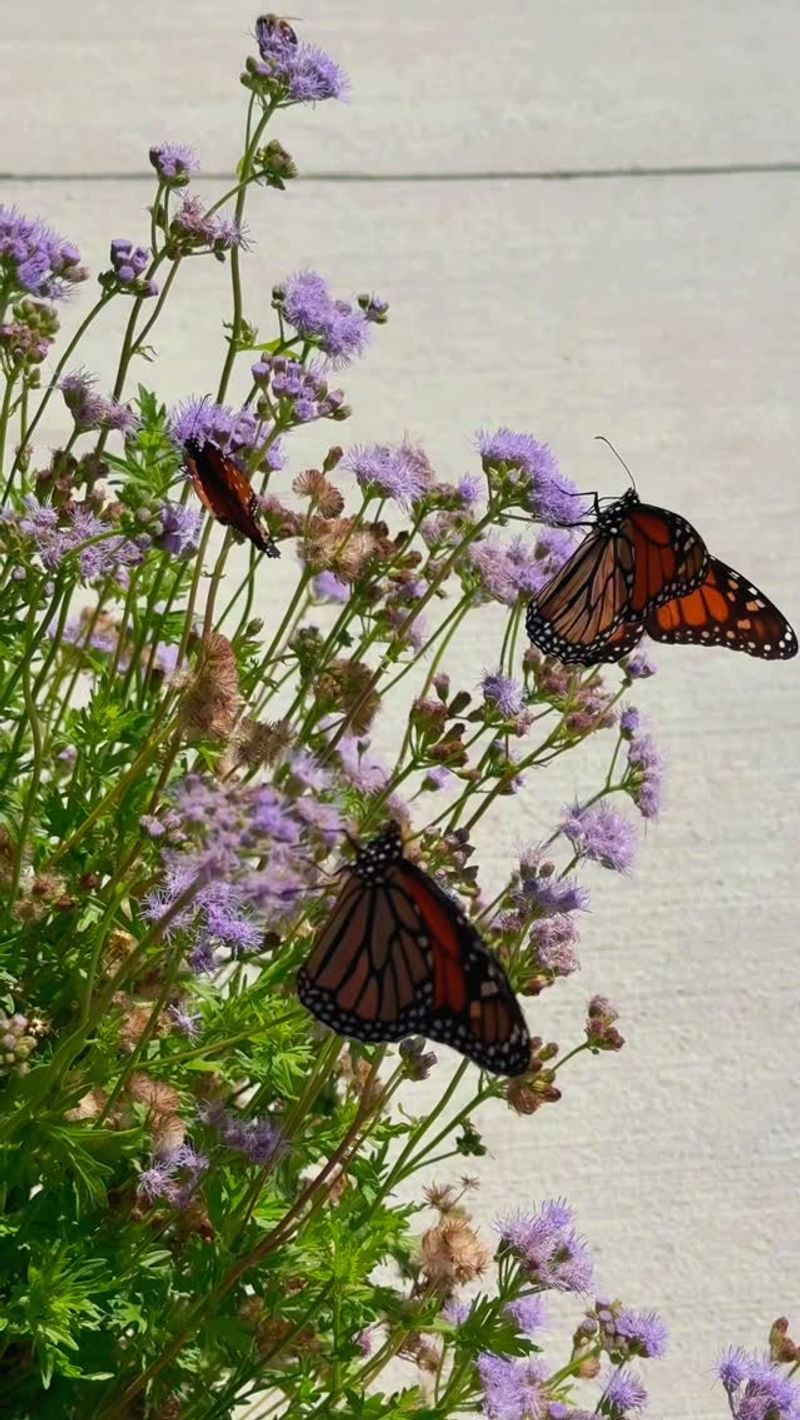
Sometimes butterflies gather in your yard simply because it is one of the best places around. If neighboring properties use a lot of pesticides, have mostly grass lawns, or offer very little plant variety, your garden stands out like an oasis.
Butterflies are smart about finding safe, resource-rich spots.
A yard that offers diverse flowers, sheltered spots for resting, and minimal chemical use can support far more butterfly activity than a typical neighborhood garden. Butterflies need more than just food.
They need warm sunny areas to bask in, windbreaks to rest behind, and spots where they feel safe from predators. When your yard checks all those boxes, they will keep coming back.
Think about what makes a butterfly feel comfortable. Open sunny patches are important because butterflies are cold-blooded and need warmth to stay active.
Dense shrubs or tall grasses give them shelter when winds pick up. A mix of plant heights creates layers that different species prefer at different times of day.
Reducing or eliminating pesticide use is probably the single biggest thing you can do to support butterflies. Even pesticides labeled as safe for bees can harm butterflies and their caterpillars.
Organic gardening practices, like encouraging natural predators and using physical barriers, protect your plants without putting butterflies at risk.
If your yard has suddenly become a butterfly magnet, take it as a genuine compliment. It means the choices you have made, whether planting native flowers, skipping harsh chemicals, or simply letting some wild plants grow, are paying off.
Your garden has become a refuge, and that is something worth celebrating and protecting.
6. They May Be Gathering For Water And Minerals
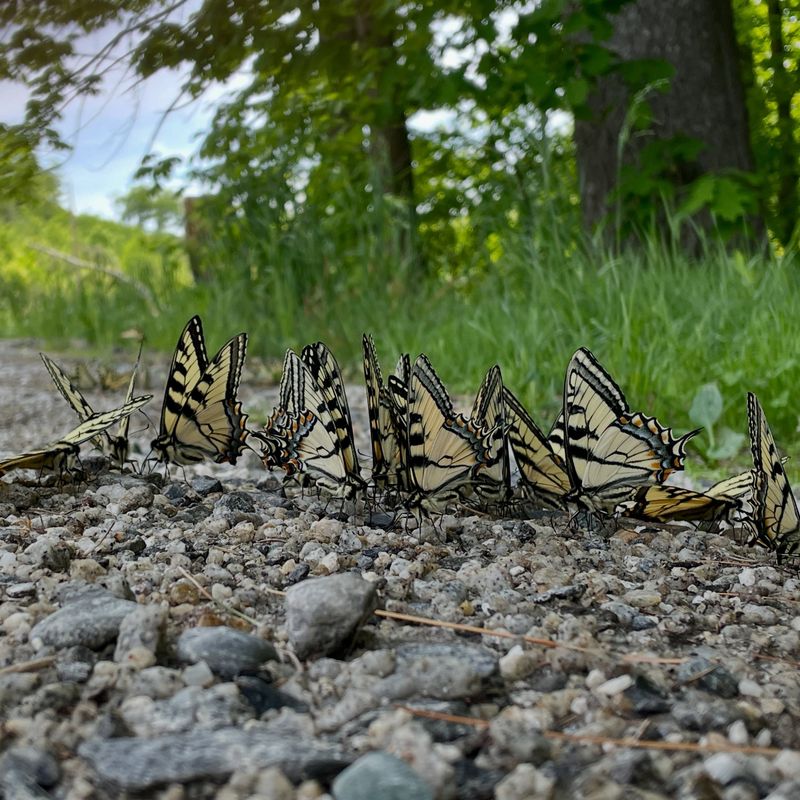
Here is something that surprises a lot of gardeners: butterflies do not always gather because of your flowers. Sometimes they are after something completely different.
A behavior called puddling brings groups of butterflies to damp soil, shallow puddles, wet sand, or even the moist edges of garden beds.
Puddling is how butterflies collect salts and minerals that they cannot get from nectar alone. Nectar is mostly sugar, which gives them energy.
But butterflies also need sodium, amino acids, and other nutrients to stay healthy and reproduce. Damp soil and puddles hold these minerals in dissolved form, making them easy to absorb.
Male butterflies puddle more often than females. Scientists believe they gather these extra nutrients to pass along to females during mating, which can improve the survival rate of their eggs.
So a big group of puddling butterflies in your yard could actually be part of a larger reproductive strategy playing out right in front of you.
If you want to encourage puddling, you can create a simple butterfly puddling station. Fill a shallow dish or tray with coarse sand, add a pinch of sea salt, and keep it consistently moist.
Place it in a sunny spot near your flowers. Butterflies will find it quickly once they discover your garden.
You might also notice puddling happening naturally after you water your garden or after rain soaks into bare soil patches. Areas near garden hoses or drip lines are popular spots.
Leaving a small patch of bare, damp soil in a sunny corner is an easy and free way to attract even more butterflies and watch this fascinating behavior up close.