The Crape Myrtle Jobs That Help Before an Arizona Winter and the Ones That Hurt
One overeager pruning job in October can leave a lovely summer tree with knobby stubs for years. Southern gardeners even coined a grim nickname for that habit, and it stuck around for good reason.
Desert fall weather makes the problem trickier, because warm afternoons trick plants into pushing tender new shoots. Then a surprise frost rolls through low spots in Arizona and scorches that soft growth overnight.
I have to admit I learned this the hard way after a busy weekend with sharp loppers. You might notice the same thing I did, since fall chores feel productive even when they backfire.
A few autumn tasks protect your tree, and a few quietly set it back before the first Arizona chill. So which jobs deserve a spot on your weekend list, and which ones should wait until spring?
1. Ease Back On Crape Myrtle Watering In October
Cooler October nights send a quiet signal to your crape myrtle that the busy growing season is winding down. I love how the leaves start blushing orange and red, almost like the tree is exhaling after summer.
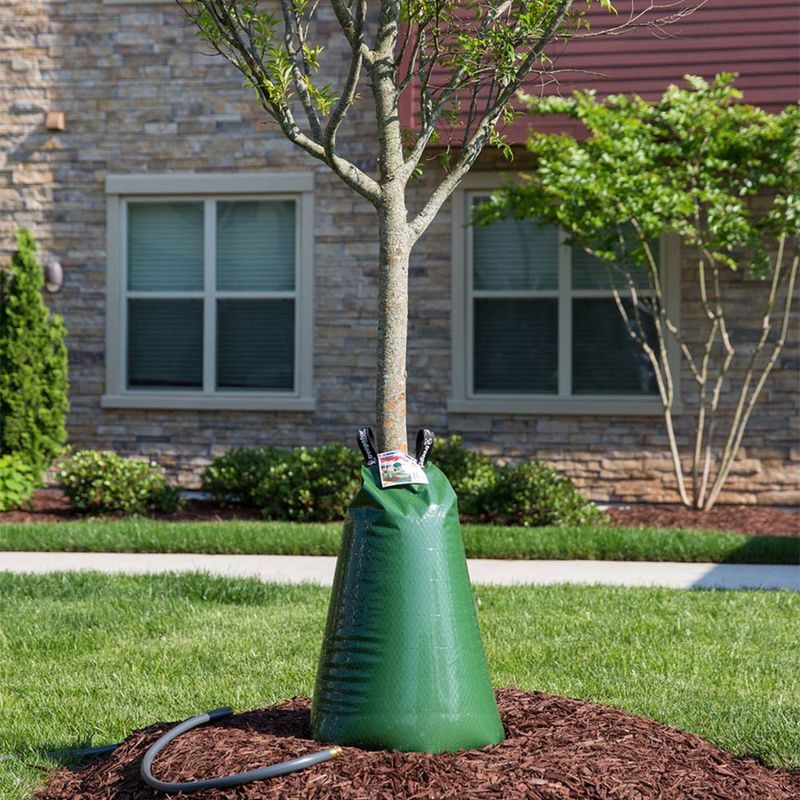
Established trees need far less water now than they did in July, so your irrigation timer deserves an update. Deep soakings every ten to twenty-one days usually work well for mature crape myrtles in fall.
Deep matters more than frequent, because roots follow moisture downward and grow sturdier when water reaches two feet. A slow drip or soaker hose running for a longer stretch gets the job done nicely.
Before you water, push a long screwdriver or soil probe into the ground near the drip line. If it slides in easily and comes out damp, give the tree a few more days.
Young trees planted this year are the exception, since their smaller roots still need more frequent drinks. Check them weekly and water whenever the top few inches of soil feel dry to your fingers.
Personally, I set a phone reminder to check the timer each month as the weather keeps cooling. Your tree will slide into winter rest more smoothly when its water schedule follows the season.
2. Soggy Soil Around Roots Invites Root Rot
Kindness can drown a crape myrtle, and soggy fall soil is one of the sneakiest ways it happens. Roots need air pockets as much as water, and saturated ground pushes that oxygen right out.
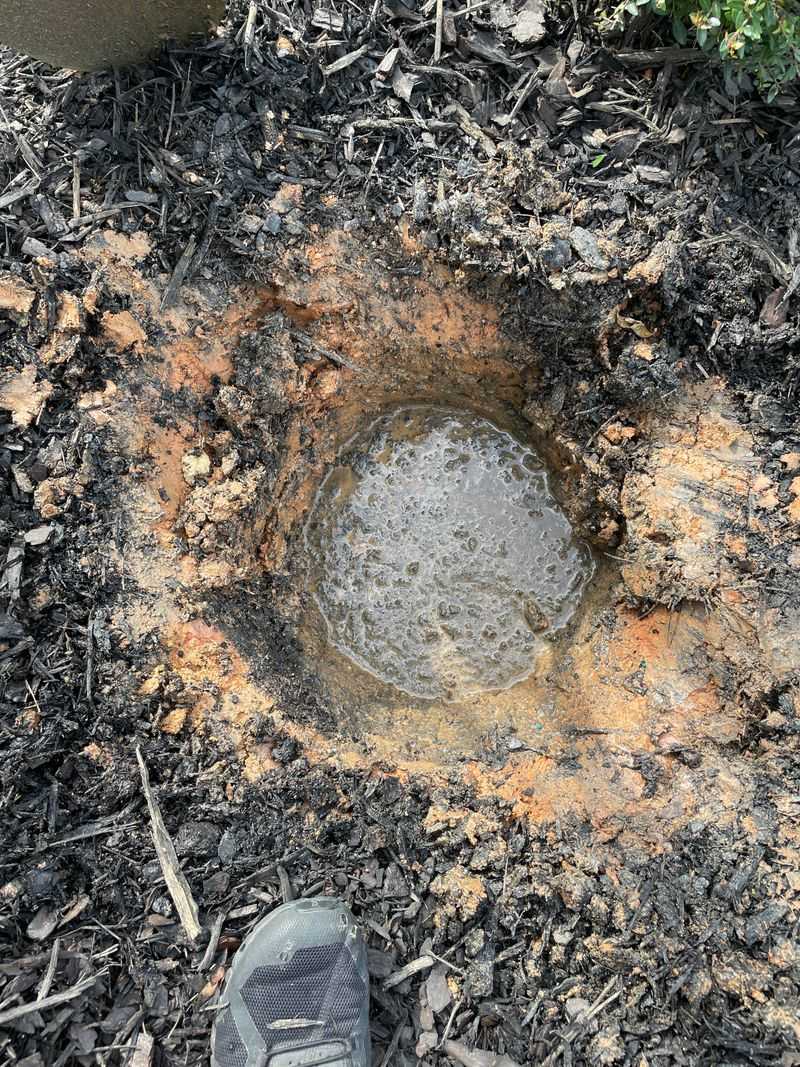
When soil stays wet as temperatures drop, fungi that cause root rot get a comfortable place to settle in. Desert caliche and heavy clay make the problem worse, because water lingers instead of draining away.
Early warning signs include yellowing leaves and a droopy look that hangs around even after watering. I find it confusing at first, since a thirsty tree and a waterlogged tree can look surprisingly similar.
Lawn sprinklers aimed at a tree trunk are frequent culprits, especially when turf watering continues into late fall. Adjust spray heads so they wet the grass rather than soaking the base of your crape myrtle.
If puddles linger for hours after irrigation, your planting spot may need better drainage before next spring. Mixing compost into a wider planting area helps, though breaking through caliche sometimes takes real digging.
Honestly, a slightly dry crape myrtle bounces back far faster than one sitting in mud all winter. Let the soil tell you when to water, rather than sticking to a summer schedule out of habit.
3. Snip Out Crossing And Broken Crape Myrtle Branches
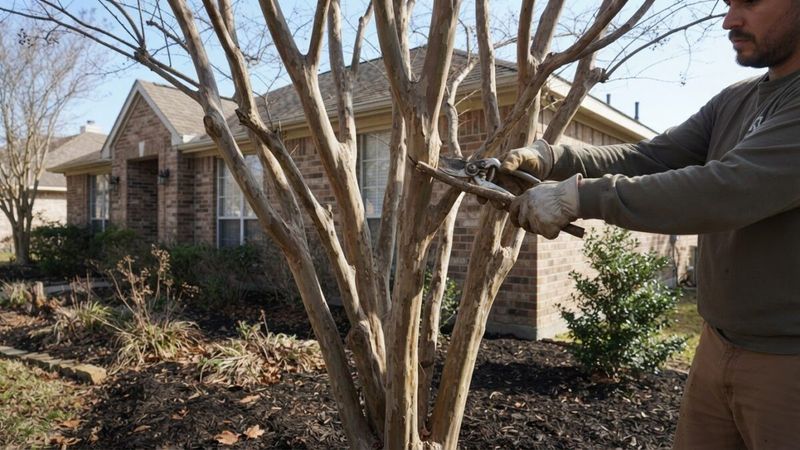
A few precise cuts this fall can make your crape myrtle look tidier without stirring up risky new growth. I like to think of it as a light trim rather than a full haircut.
Broken limbs from summer monsoon winds are fair game, and so are branches that rub against each other. Constant rubbing wounds the smooth bark, which opens doorways for decay and boring insects over time.
Removing a few inward-growing twigs also improves air flow through the canopy, which helps discourage powdery mildew. Sunlight reaches the inner branches more easily too, and the whole tree looks lighter and more graceful.
Cut just outside the branch collar, that slightly swollen ring where a limb meets a larger branch or trunk. Clean cuts at that spot heal faster than stubs or flush cuts that slice into the collar.
Keep the total removal small, because heavy pruning now can wake buds that frost will scorch later. Major shaping can wait until late winter, just before new growth begins in the desert.
Wipe your pruner blades with a household disinfectant between trees, especially if you spot cankers or odd discoloration. Sharp clean tools make smoother cuts, and your crape myrtle will reward you with tidy healing next season.
4. Topping Crape Myrtles Leaves Ugly Knobby Stubs
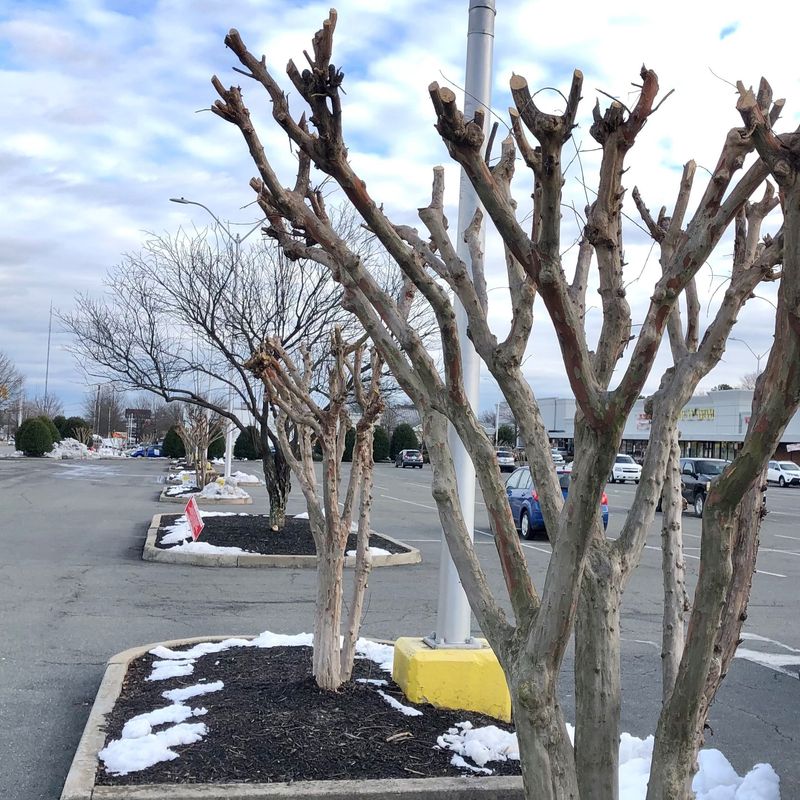
Southern gardeners nicknamed it crape murder, and the phrase fits the sight of lopped trunks lining a street. I cringe every time I see a graceful tree chopped into a row of thick, blunt fists.
Topping removes most of the branch structure and triggers clusters of skinny shoots from each cut point. Those whippy sprouts often bend under heavy blooms and create weak attachments that snap during storms.
Doing it in fall adds another problem, since warm desert days can coax tender growth before winter arrives. When a hard frost follows, those soft shoots get burned back, and the tree wastes precious energy.
Repeated topping also builds those knobby knuckles at the cut points, which many people find unattractive in winter. The tree can become more prone to pests and disease as its stored reserves keep shrinking.
You’re in for a nice surprise if you simply let your crape myrtle grow into its natural shape. The smooth, peeling bark becomes a winter showpiece when trunks are allowed to thicken and twist.
If your tree outgrows its space, choose a smaller variety next time instead of fighting its size yearly. Dwarf and semi-dwarf cultivars fit tight patios and walkways without needing drastic cuts every single year.
5. Pull Suckers From The Crape Myrtle Trunk Base
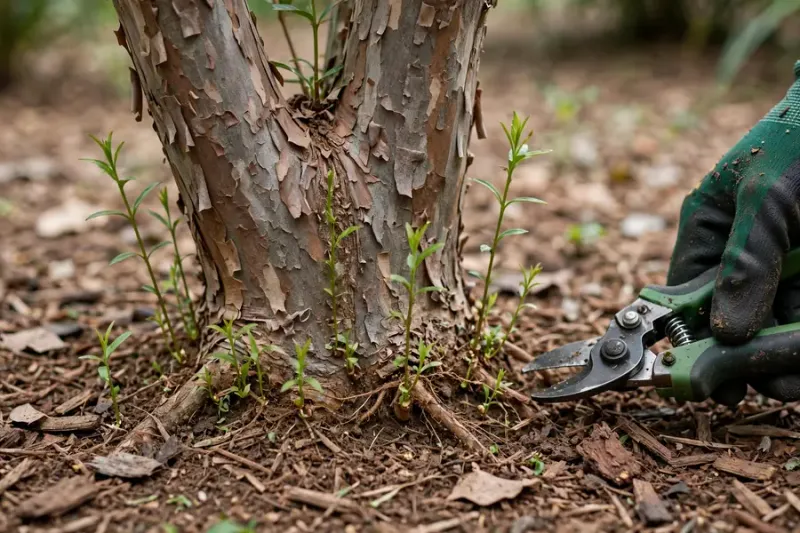
Those leafy sprouts popping up around the trunk base are basically the tree trying to start a side project. Left alone, suckers steal energy and turn a clean multi-trunk form into a messy thicket.
Fall is a fine time to remove them, because this kind of cleanup does not encourage new canopy growth. Snip each sucker as close to its origin as possible, or pull young ones while they are soft.
I find this job oddly satisfying, especially on a cool morning with coffee and a sharp pair of pruners. Ten minutes of careful work can make the whole tree look more polished and intentional in your yard.
Frequent suckering sometimes points to stress, such as root damage from digging or string trimmers nicking the bark. Keeping a mulched ring around the trunk protects it from mowers and reduces those injury-driven sprouts.
Skip weed sprays near the trunk, because some herbicides can travel through suckers into the main tree. Hand pruning is slower but far safer for a plant you have spent years carefully growing and shaping.
Check the base again every few weeks through fall, since new sprouts can appear after watering. Staying on top of them now means much less cleanup when vigorous spring growth kicks into gear.
6. Put Away The Nitrogen Fertilizer Until Spring
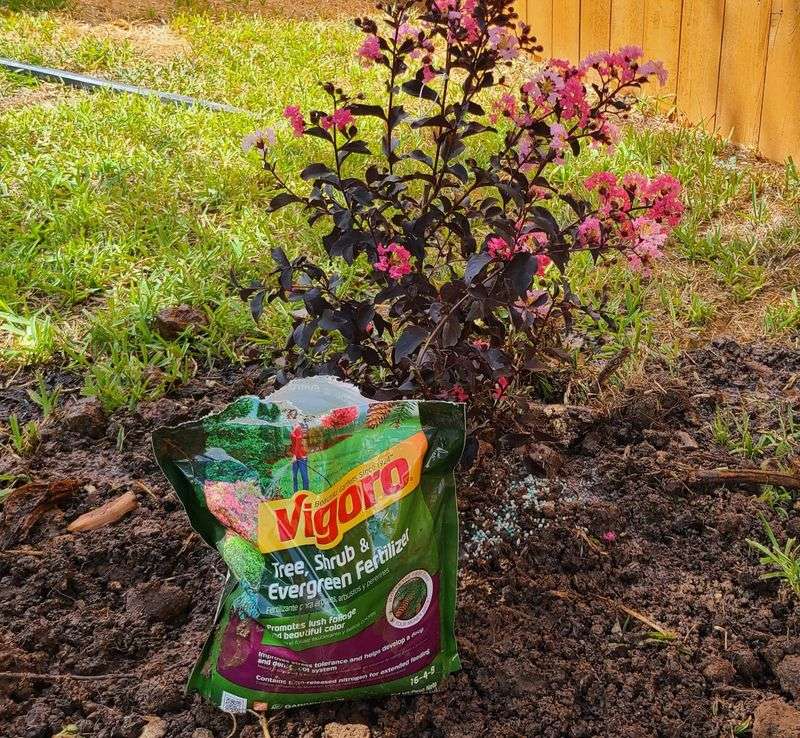
Feeding a crape myrtle in October is like handing a toddler candy right before bedtime on a school night. The tree gets a burst of energy at exactly the wrong moment, and winter frost collects the bill.
Nitrogen fuels soft, leafy growth, and new shoots that appear in fall rarely harden off before cold nights. Light feeding should wrap up by late summer, giving the plant time to settle into dormancy.
High-nitrogen lawn fertilizers are a sneaky source, since roots often spread under nearby turf and absorb them. Excess nitrogen can also mean lots of leaves and fewer flowers when summer finally rolls around.
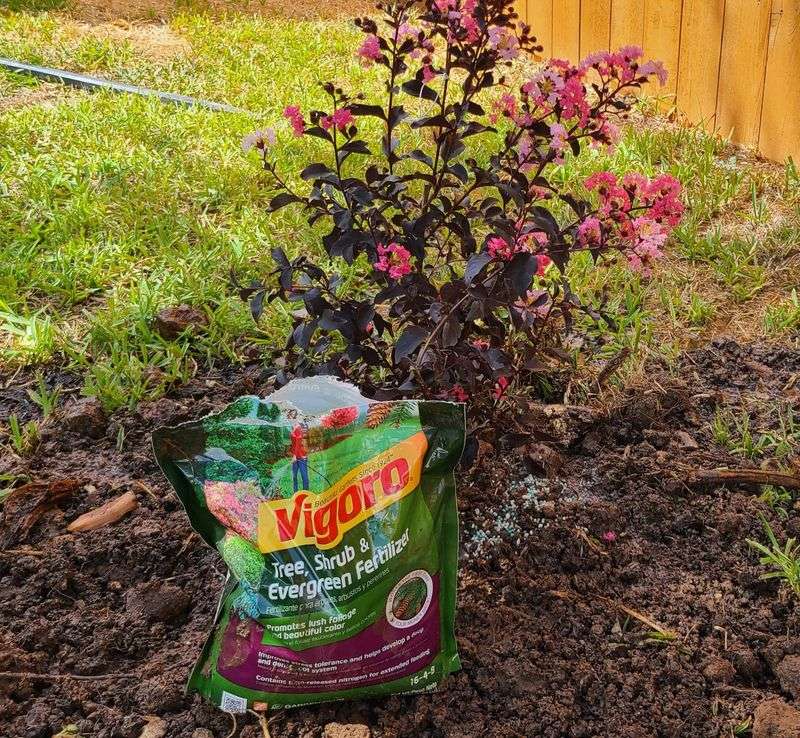
Personally, I mark my calendar for early spring, when a balanced slow-release granular product makes more sense. Something like a 10-10-10 formula, scattered under the canopy and watered in, supports steady growth.
Desert soils are often alkaline, so yellow leaves with green veins may signal iron chlorosis instead of hunger. A soil test or local nursery advice helps you treat the actual problem rather than guessing blindly.
Compost is the exception, because spreading a thin layer this fall improves soil gently without a nitrogen spike. Your crape myrtle rests better, and next summer’s blooms usually show the difference in a big way.
7. Spread Bark Mulch Around Young Crape Myrtles
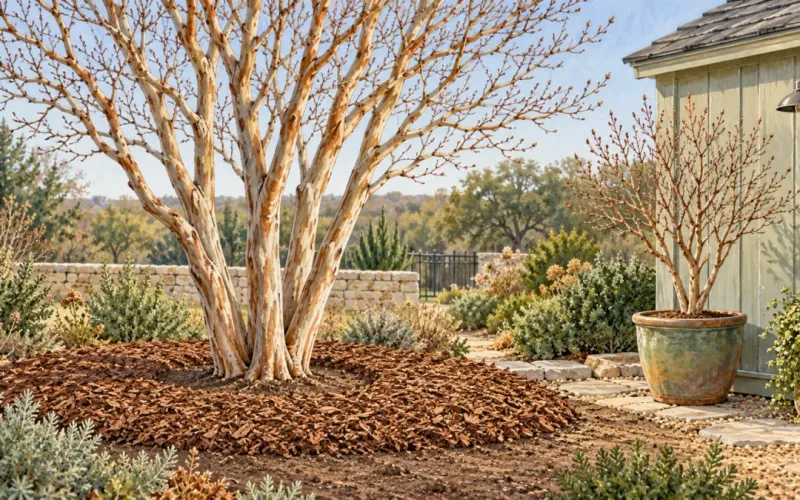
A simple blanket of shredded bark might be the most underrated fall gift you can give a crape myrtle. I love how a fresh mulch ring makes the whole bed look finished and cared for.
Mulch buffers soil temperature swings, which matter in the desert where days and nights can differ dramatically. A layer about two to three inches deep also holds moisture longer between your fall waterings.
Keep the mulch pulled back several inches from the trunk, because piling it against bark invites rot and pests. Gardeners call that mistake volcano mulching, and it shows up in plenty of commercial landscapes around town.
Young trees benefit most, since their shallow roots have not reached the steadier temperatures found deeper underground. Extend the ring out toward the drip line if you can, rather than making a tiny circle.
Organic mulch also feeds soil life as it breaks down, slowly improving tough desert dirt over the years. Earthworms and helpful fungi move in, and that underground activity helps water soak in instead of running off.
Rock mulch looks tidy, though it can reflect heat and warm the root zone more than many people expect. For crape myrtles, wood chips or shredded bark usually make the kinder and cooler choice overall.
8. Cover Young Crape Myrtles On Frosty Nights
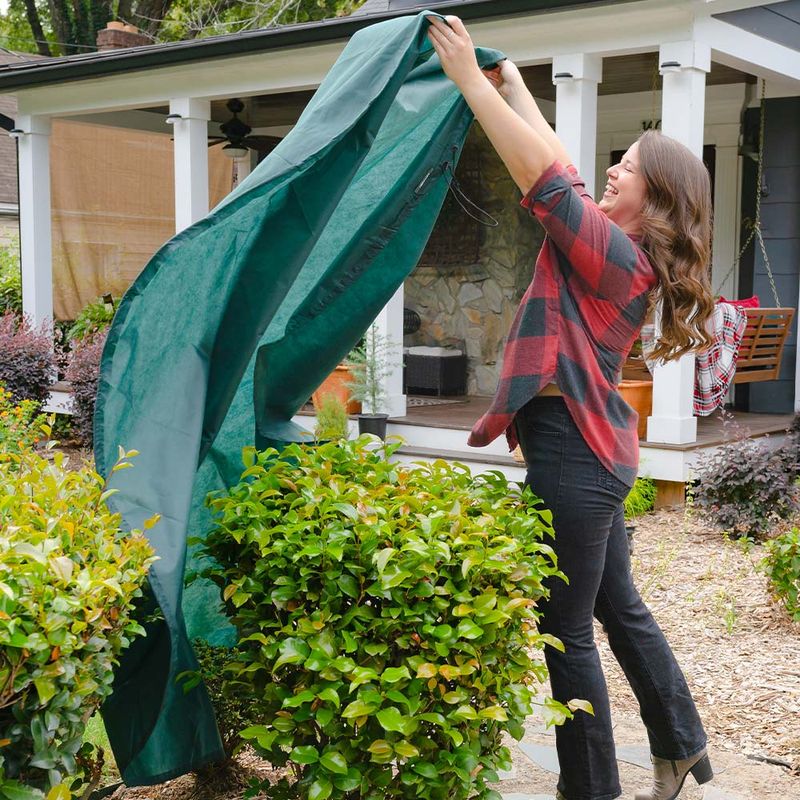
Desert winters surprise newcomers, and higher towns like Prescott regularly see hard freezes from late fall onward. Most crape myrtles are rated for zones 7 through 10, and young plants handle frost less gracefully than mature trees.
Even in Phoenix and Tucson, cold air settles into low spots and can nip first-year trees unexpectedly. Keep an eye on the forecast once November approaches, and have covers ready before you need them.
Frost cloth or an old bedsheet draped to the ground traps warmth rising from the soil overnight. Skip plastic touching the branches, since it conducts cold and can damage tender bark and buds underneath it.
Remove the cover in the morning once temperatures climb, so the plant does not overheat in the sun. I keep a few clothespins handy because desert breezes love to snatch loose fabric off shrubs.
A well-watered tree also handles cold better, since moist soil holds and releases more heat than dry soil. Water a day or two before a predicted freeze, and your covered youngster gets a double layer of protection.
Established crape myrtles usually handle typical low-desert winters, and minor tip damage can be pruned in late winter. Young trees are the ones worth babying during their first couple of seasons in your yard.
9. Hose Off Aphids Before Sooty Mold Spreads
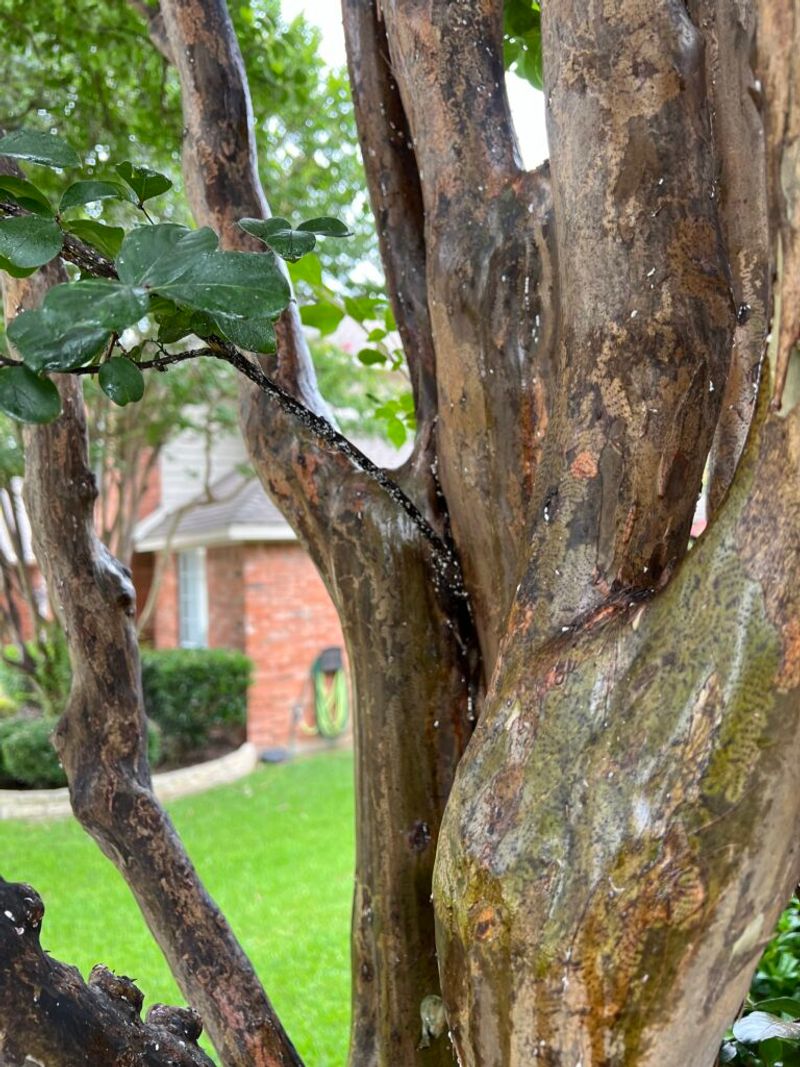
Sticky patio furniture under a crape myrtle often has a tiny culprit hiding on the leaves above. Crapemyrtle aphids sip sap and drip sugary honeydew, which coats everything below like spilled syrup.
Black sooty mold grows on that honeydew, turning leaves dull and gray and blocking some of their sunlight. The mold itself is not a parasite, but it makes the tree look grimy heading into fall.
A strong blast of water from the hose knocks many aphids off, and most cannot climb back easily. I like doing this in the morning so leaves dry quickly in the warm afternoon sun.
Lady beetles and lacewings love aphids, so heavy insecticide sprays can backfire by removing those helpful hunters. Letting beneficial insects work keeps your yard more balanced, which also benefits songbirds that hunt insects.
Powdery mildew is another fall nuisance, showing up as white dusty patches on leaves and young shoots. Good air circulation and morning watering help, and many newer cultivars were bred specifically for mildew resistance.
Aphid numbers often drop as leaves color up and fall, so a few quick rinses are usually enough. Rake fallen leaves under the tree, too, since tidy ground leaves fewer places for pests to overwinter.
10. Leave Crape Myrtle Seed Pods For Winter Finches

Those round brown seed capsules clinging to bare crape myrtle branches are much more than leftovers from summer. Finches and other small seed eaters sometimes pick at them during cooler months, adding life to a sleepy yard.
Clipping every spent cluster in fall removes that snack and offers little benefit to the tree itself. I would rather leave them and watch lesser goldfinches flutter through the branches on a crisp morning.
Still, crape myrtles are not native, and they host far fewer caterpillars than native desert trees and shrubs. Caterpillars matter because many songbirds rely on them as soft protein for their hungry nestlings each spring.
Fall is planting season in the desert, which makes October perfect for adding natives near your crape myrtle. Desert willow and Parry’s penstemon both pull in hummingbirds and native bees while sipping little water.
Brush piles or native grasses tucked nearby can also give lizards and birds shelter, and both munch on insects. A visiting roadrunner might even snack on a scorpion, which feels like free pest control to me.
Your crape myrtle can stay the summer star while native neighbors carry more of the habitat work. That pairing gives you bright color plus a yard that buzzes with life well beyond bloom season.