The Pennsylvania Native Tree That Resists Storm Damage Better Than Most
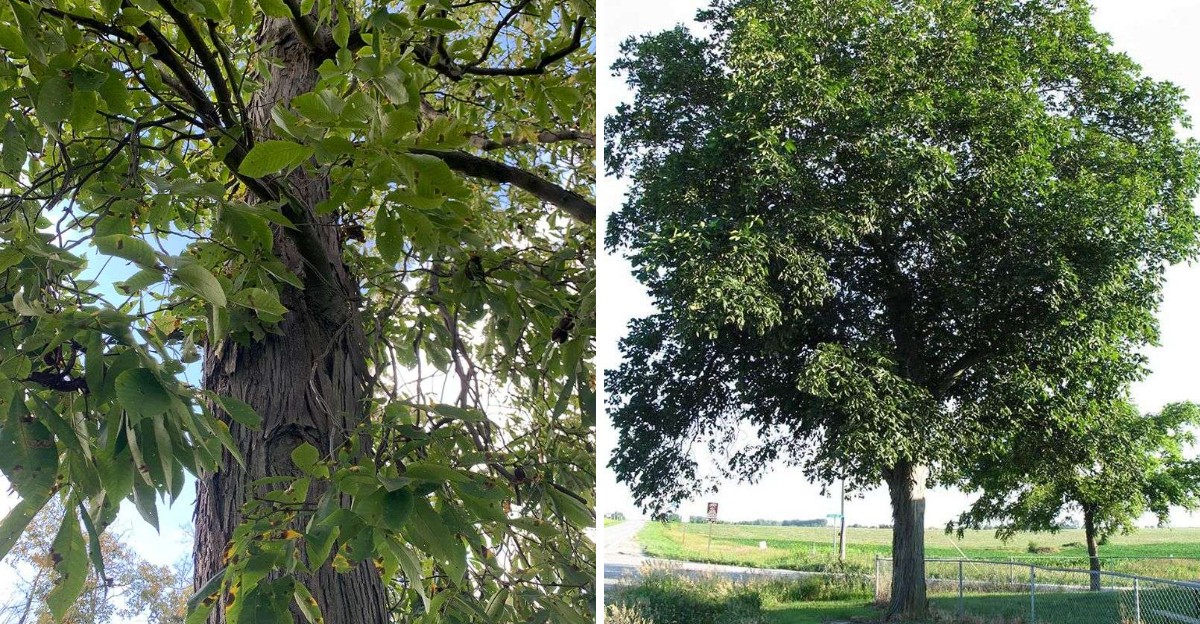
Pioneers once trusted one native wood for wagon wheels, axe handles, and the spokes that rattled over rocky roads. That same toughness still stands in Pennsylvania woods today, quietly holding its ground when summer storms tear through.
I used to walk right past these tall, shaggy giants on hikes. Then a nasty ice storm snapped limbs all over my neighborhood park, and one group of trees barely lost a twig. Nobody warned me how much a tree’s wood and roots decide its fate in bad weather.
You may already know the sound of a cracking limb at midnight. Few things make a gardener’s stomach drop faster.
Believe it or not, the tree that shrugs off much of that drama also feeds squirrels, hosts moths, and can outlive several generations of your family. Which native giant earns that kind of trust?
One Shaggy-Barked Native Keeps Standing After Wild Storms
After a big windstorm, I like to walk around and see which trees made it through. Year after year, one family keeps surprising me. Hickories, the Carya group, often stand tall while softer trees lose big limbs.
Pennsylvania is home to several native hickories. You can find shagbark, shellbark, mockernut, bitternut, pignut, and red hickory across the state.
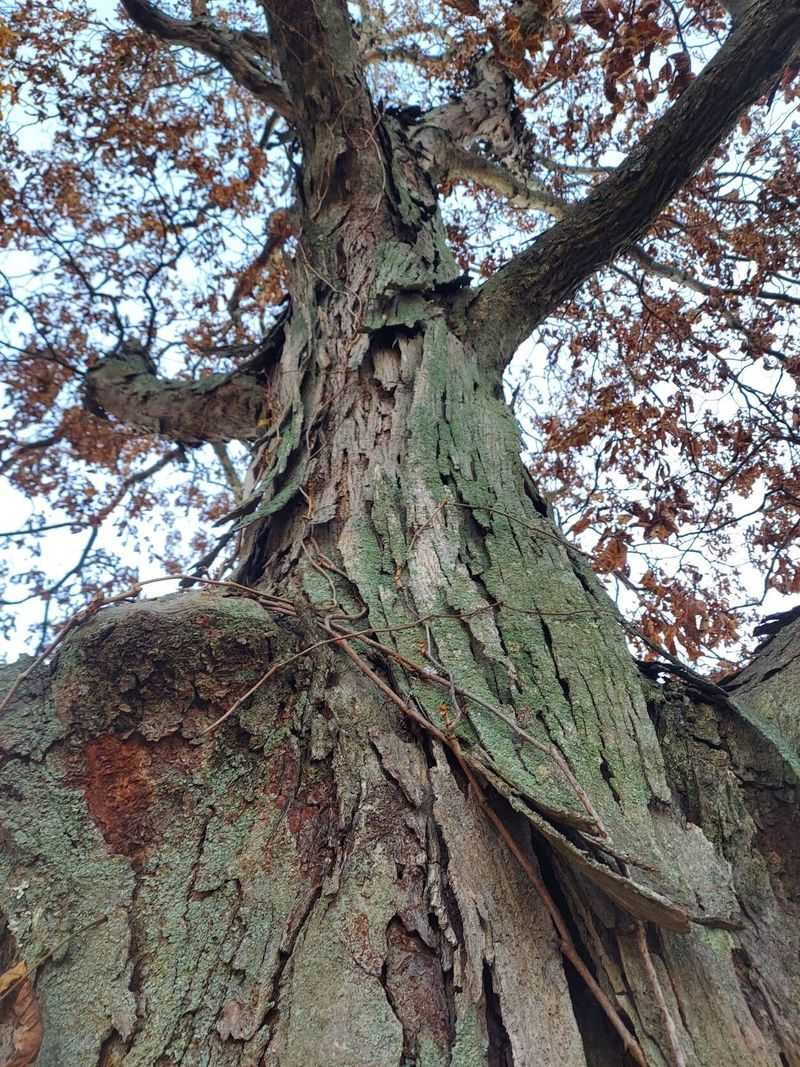
Shagbark is the easiest to spot, thanks to its long strips of curling gray bark that look like the tree needs a haircut.
Arborists and extension experts commonly rank hickories among the more storm-resistant trees in the East.
They place them in the same sturdy club as many white oaks and black gum. Fast-growing trees with weak wood, like silver maple and Bradford pear, usually land on the other end of the list.
No tree is storm-proof, of course. A tornado or a rotten trunk can bring down even the strongest giant. Still, choosing a tree with tough wood and solid anchoring stacks the odds in your favor.
Take a closer look at the woods near you. Those scruffy, shaggy trunks may be some of the most reliable neighbors your yard could ever have.
Hickory Wood Is Tough Enough For Axe Handles
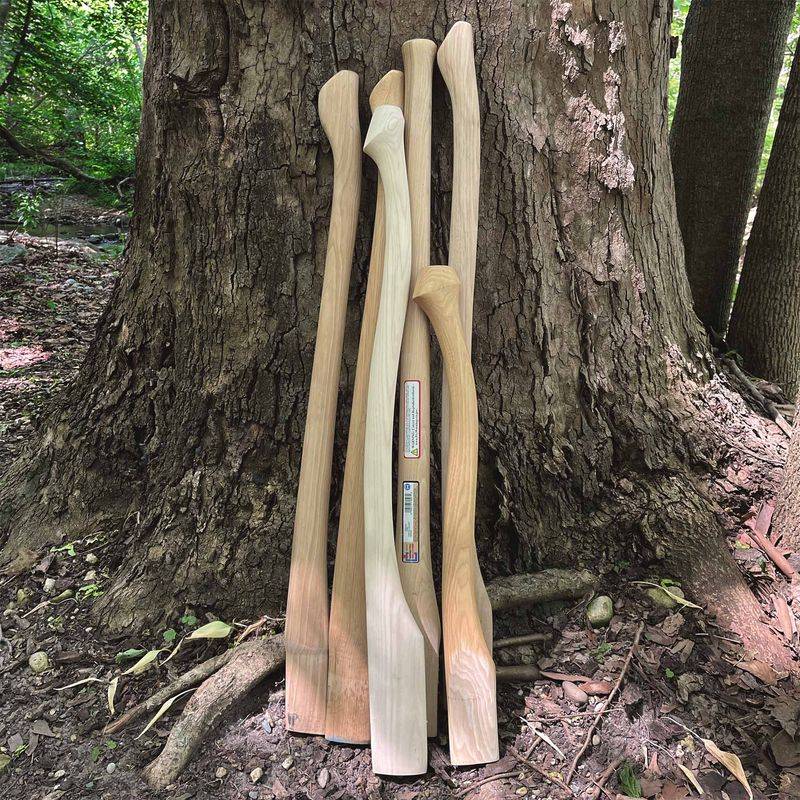
Grab an old hammer or axe from the garage. There is a decent chance its handle is hickory. Woodworkers have chosen it for generations because it absorbs shock without splitting.
The same strength helps a living tree during a storm. Hickory wood is dense, heavy, and springy.
When strong gusts push on the canopy, the branches can flex and recover instead of snapping like brittle wood.
The U.S. Forest Products Laboratory lists hickory among the hardest and stiffest native woods in North America.
Its shock resistance beats most oaks and maples. That is a big reason the tree holds onto its limbs so well.
Ice storms are another test. Freezing rain coats every twig and adds a surprising amount of weight. Research on ice storm damage has found that hickories tend to resist breakage better than many common yard trees.
Personally, I find it comforting to know the tree outside my window is built from the same stuff as my favorite splitting maul.
Strong wood is not flashy. Yet when the wind howls in March or the ice hits in January, it matters more than pretty flowers.
That Deep Hickory Taproot Anchors The Whole Tree
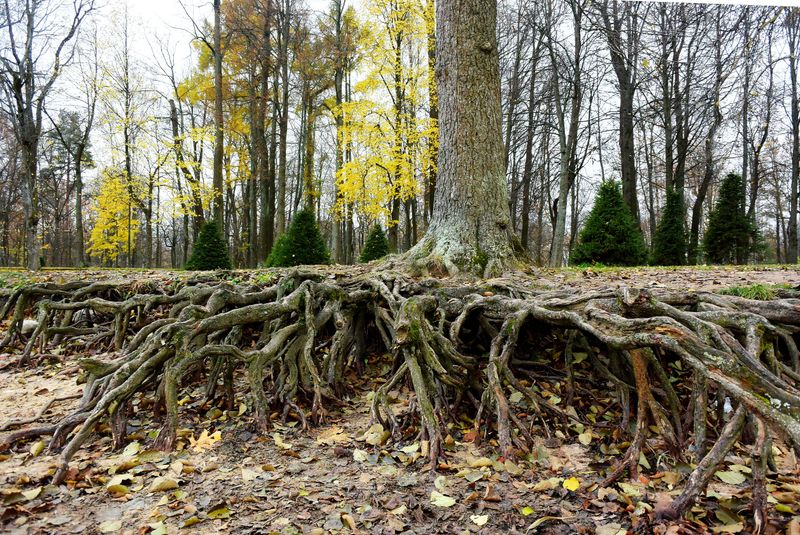
Most of a hickory’s early life happens underground. Young seedlings send a long taproot straight down before they bother growing much above the soil. A tiny sapling might look slow, but it is busy building a foundation.
That deep root acts like a tent stake. When heavy rain soaks the ground and strong winds hit, shallow-rooted trees can tip over with a big root plate attached. Hickories hold on much better because they are anchored deeper.
Over time, the tree also spreads lateral roots outward. Together, the deep and wide roots give it impressive grip in many Pennsylvania soils. Rocky ridges, clay slopes, and rolling farmland can all support certain hickory species.
There is one catch you need to know. The same taproot makes larger hickories very hard to transplant. Dig up a big one and you will likely cut that main root, and the tree may struggle for years.
So start small. A seedling, a container-grown sapling, or even a planted nut often catches up with a bigger nursery tree.
You’ll love how much stronger the roots become when you let the tree settle in from the beginning.
Pick The Right Hickory Species For Your Yard
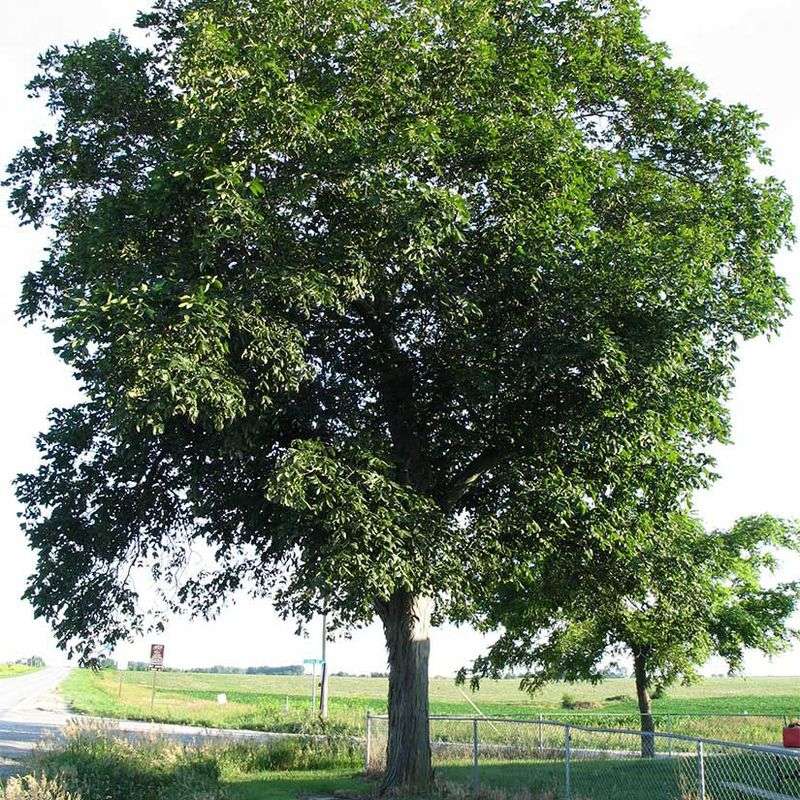
Not every hickory wants the same home. Matching the species to your site is the smartest move you can make. Each one has its own little personality.
Shagbark hickory is the crowd favorite for its peeling bark and tasty nuts. It likes well-drained soil and full sun. Shellbark hickory prefers richer, moister bottomland soils and grows the biggest nuts of the bunch.
Pignut hickory is the tough customer. It handles dry ridgetops and poorer soils, and it often grows on hillsides in central and western Pennsylvania.
Mockernut also tolerates drier, upland sites and has fuzzy leaves with a pleasant scent.
Bitternut hickory is often one of the faster growers in the group. You can spot it in winter by its bright sulfur-yellow buds. It does well in moist areas near streams.
Penn State Extension and local native plant nurseries can help you sort out which one fits your soil. A quick soil test is worth it too.
I truly believe the right species in the right spot will reward you far more than a trendy tree that fights its location every year.
Planting A Young Hickory In Spring Or Fall
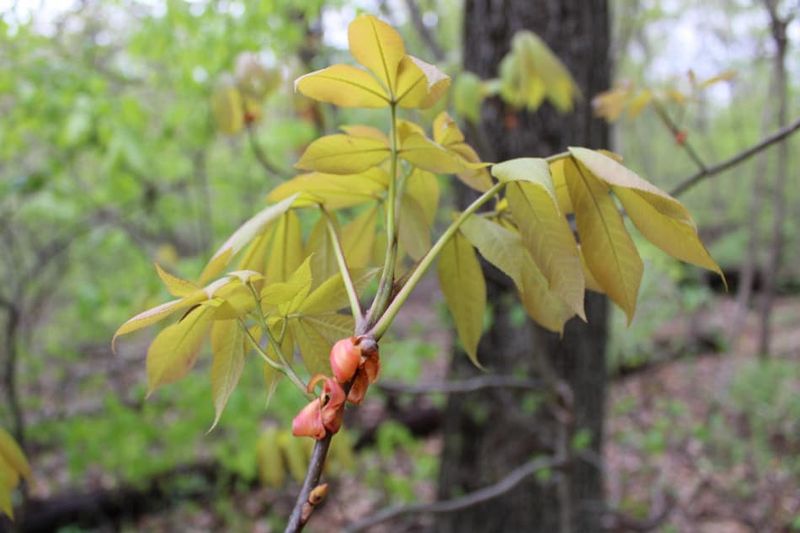
Timing matters more than you might think. In Pennsylvania, early spring and fall are the best windows for planting. Cool air and steady moisture help roots grow before summer heat or winter freeze arrives.
Choose a sunny spot with plenty of room. Hickories can eventually reach 60 to 100 feet tall, so keep them well away from your house, power lines, and septic systems. Plan for a wide crown of 40 feet or more.
Dig a hole about two to three times as wide as the root ball, but no deeper. The root flare, where the trunk widens at the base, should sit right at ground level. Planting too deep is one of the most common tree mistakes.
Backfill with the native soil you removed. Water slowly and deeply, then spread two to three inches of mulch in a wide ring. Keep mulch a few inches away from the trunk.
Want an even cheaper option? Plant fresh hickory nuts in fall, about an inch or two deep. Protect them with a wire cage, because squirrels will happily dig up your future shade tree for a snack.
Patience Pays Off With A Slow-Growing Hickory
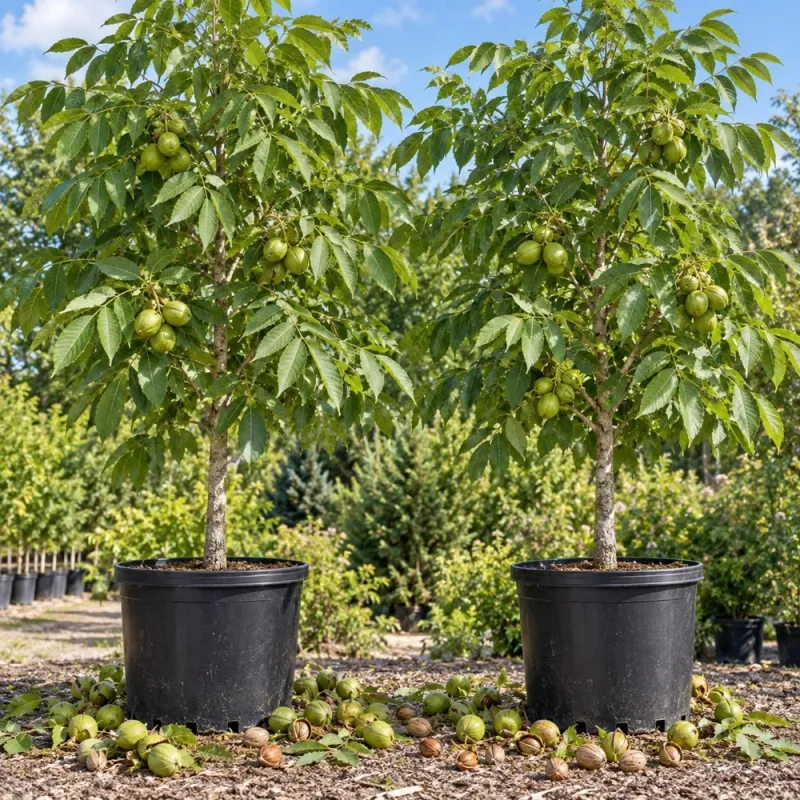
Let’s be honest about speed. Hickories are not in a hurry. Many young trees put on modest height growth while their roots develop below.
That slow pace is part of the strength story. Trees that rocket upward often form weaker, softer wood and narrow branch angles that split in storms. Slow growth tends to build denser wood and a sturdier frame.
Water young trees weekly during dry stretches for the first two or three years. A deep soak beats a quick sprinkle. Once established, mature hickories rarely need extra watering except during long droughts.
Light structural pruning on young trees helps too. Remove crossing branches and choose one strong central leader. Prune in late winter while the tree is dormant, and skip heavy cuts that leave large wounds.
Fertilizer is rarely necessary in decent soil. Pushing fast growth with lots of nitrogen can work against you. Your tree will set its own pace.
I like thinking of a hickory as a gift to the future. Some species can live 200 to 300 years or more. The shade you plant today may cool someone’s porch long after you have handed over the house keys.
Hickory Nuts And Caterpillars Feed A Crowd Of Wildlife
If my garden had a group chat, the squirrels would be sending hickory updates every September.
The nuts ripen in early to mid fall, and wildlife notices right away. Squirrels, chipmunks, wild turkeys, deer, and blue jays all take their share.
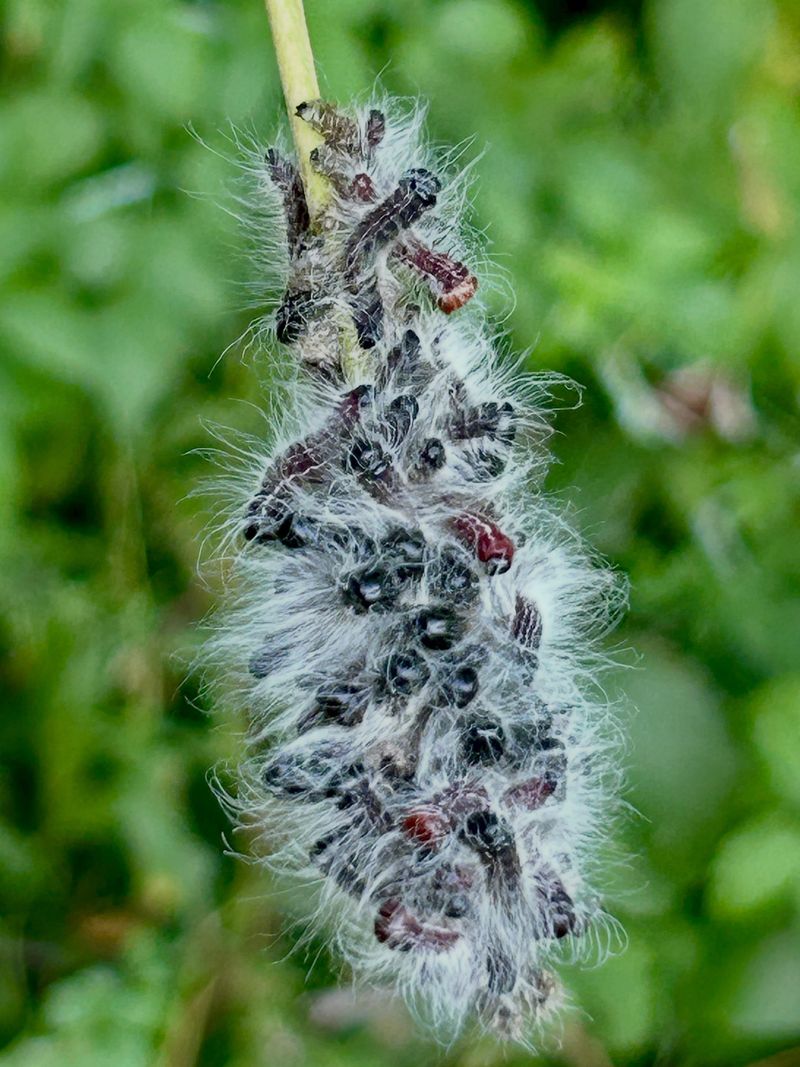
The leaves matter just as much. Research by entomologist Doug Tallamy shows hickories support around 200 species of moth and butterfly caterpillars. That makes them one of the top host trees in the eastern United States.
Why should you care about caterpillars? Most backyard songbirds feed their babies caterpillars almost exclusively.
A single brood of chickadees can need thousands of them, so a hickory works like a baby food pantry.
Look for the luna moth and the dramatic hickory horned devil, the caterpillar of the regal moth. Both can feed on hickory leaves. Spotting one feels like finding buried treasure.
The peeling shagbark plates also offer shelter. Certain bats, including the federally endangered Indiana bat, roost under loose bark in summer.
Brown creepers and other small birds tuck in there too. One tree turns into a busy, living apartment complex.
Give Your Hickory A Yearly Storm Checkup
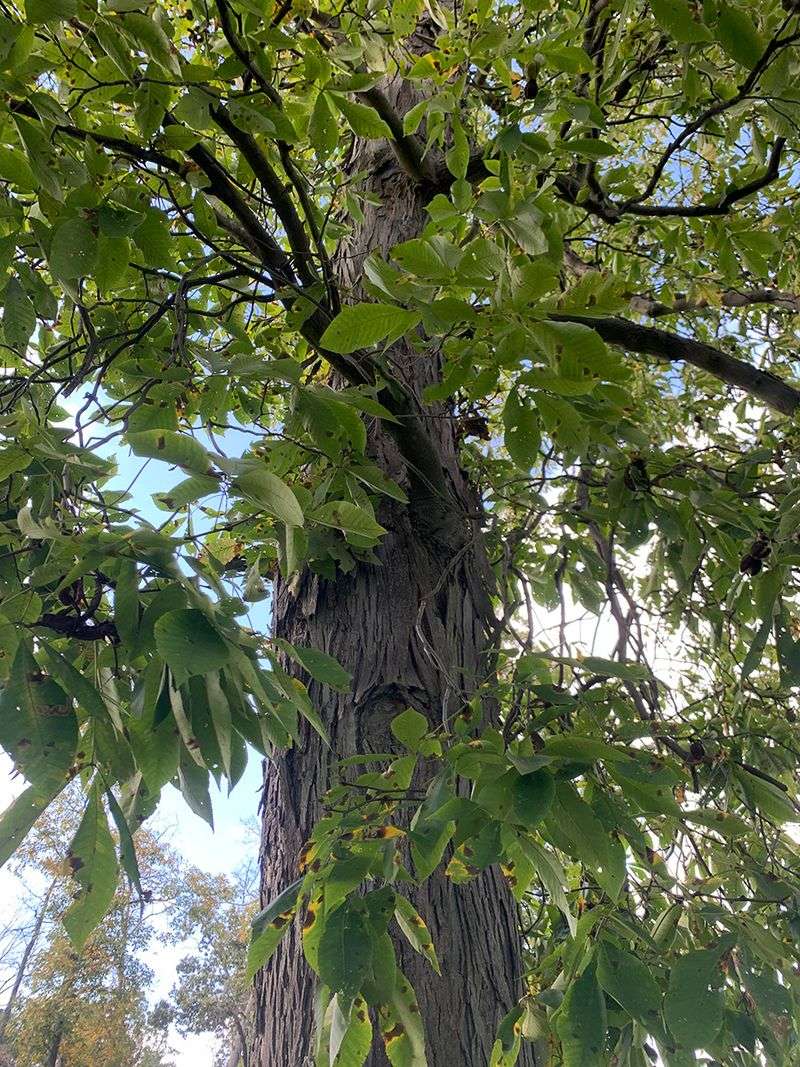
Even a champion needs a little attention. A strong species gives you a head start, but care keeps it in shape. A quick yearly walk-around goes a long way.
Look for cracks in the trunk, mushrooms at the base, or hollow areas. Check for large limbs hanging over your roof or driveway. Note any branches with tight, V-shaped unions, since those can split.
Watch the leaves in a wet spring. Hickory anthracnose causes brown blotches and early leaf drop, though it is mostly cosmetic. Raking fallen leaves helps reduce the problem next year.
Protect the root zone too. Avoid parking cars, piling soil, or trenching under the canopy. Construction damage is one of the biggest reasons sturdy trees decline.
For mature trees, a certified arborist can spot hidden weak points. The International Society of Arboriculture offers a free search tool to find one near you in Pennsylvania.
My takeaway is simple. Plant a native hickory where it has room, give it a patient start, and check on it each year.
You’ll gain a tree that handles storms well, feeds wildlife, and gives your yard deep roots for a very long time.