This Texas Native Grass Turns Yards Pink Every Fall
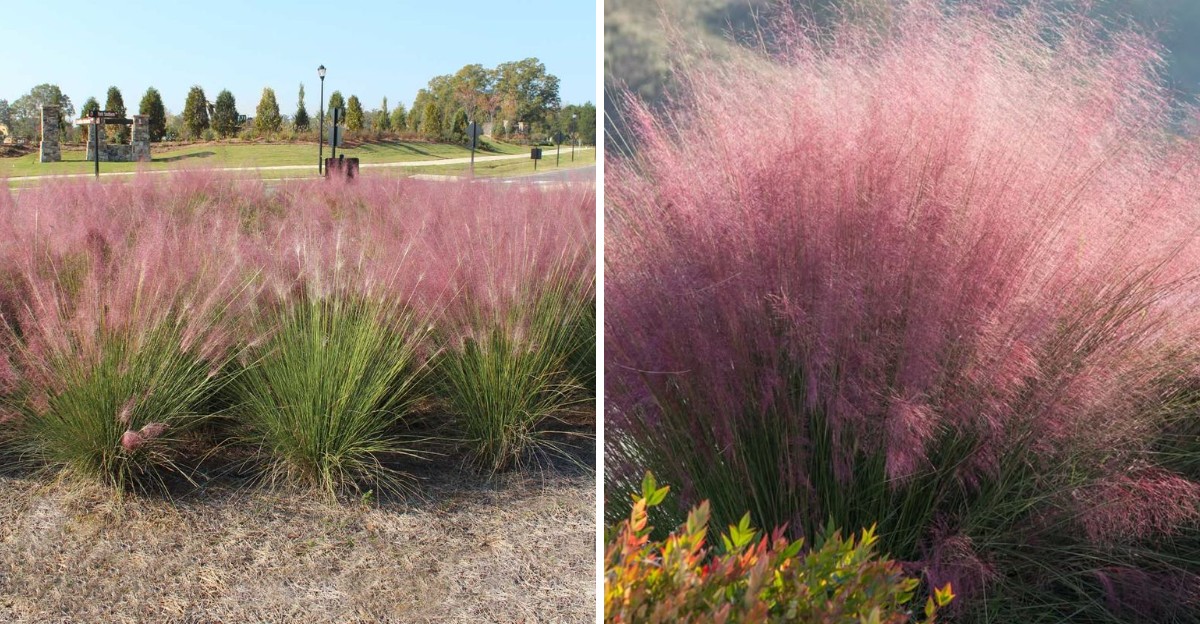
For most of the year, you’d hardly notice it. It’s just a tidy clump of fine, green grass sitting quietly in the garden. Then fall arrives, and everything changes.
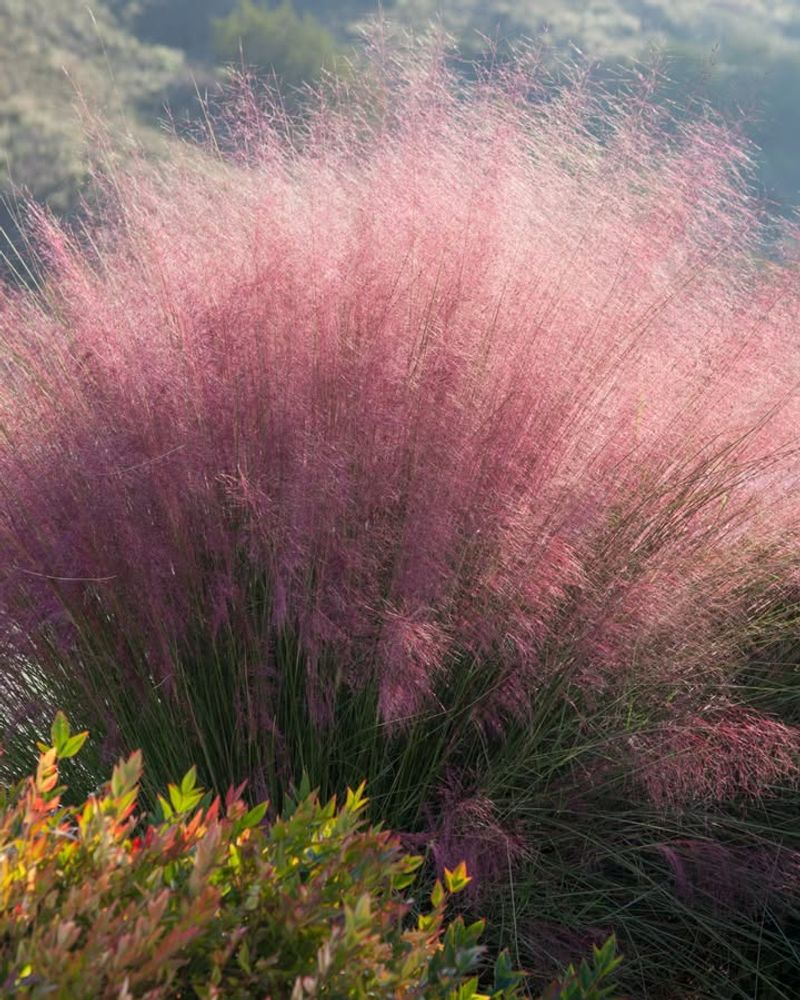
Seemingly overnight, the plant erupts in clouds of airy pink plumes. From a distance, it looks like a soft haze of cotton candy floating above the ground.
When the morning or evening sun shines through it, the whole clump seems to glow. It’s the kind of sight that makes neighbors slow down and ask what you planted.
Beauty is only part of its appeal, though. This Texas native handles heat, drought, and poor soil with ease. Deer usually leave it alone, and it needs little more than a trim once a year.
If you’ve been wanting a showstopper that’s also easy to grow, this grass is ready to steal the spotlight.
Texas’s Fall Showstopper
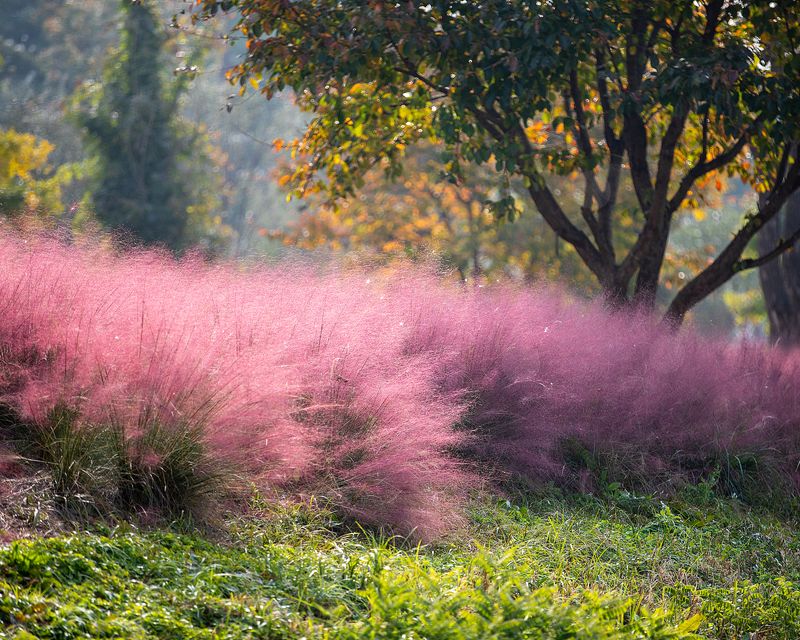
Some plants whisper, but Pink Gulf muhly sings. Its full name is Muhlenbergia capillaris, which sounds like a magic spell. Lucky for us, most people just call it Gulf muhly or pink muhly grass.
The grass grows wild in parts of Texas. You can find it in sunny prairies and open woodlands where the soil drains well. It also grows across much of the southeastern United States, from the Gulf Coast up into other states.
For most of the year, it keeps a low profile. It forms a tidy, rounded clump of very thin, green leaves.
The blades are so fine that they almost look like thread. In spring and summer, you might walk right past it without noticing.
Then fall shows up, and everything changes. The plant sends up a huge cloud of color that seems to come out of nowhere.
Neighbors often ask what that pink stuff is. It is a fun plant to share with friends because it surprises nearly everyone.
Here is a cool fact. The genus name honors Gotthilf Muhlenberg, a Pennsylvania minister and botanist from the 1700s. He studied plants so carefully that scientists named a whole group of grasses after him.
Choosing a native plant like this one brings real benefits. Native plants fit the local weather, so they usually need less help to grow. They also give shelter to small creatures like insects, lizards, and birds.
If you want a plant that is calm all year and then steals the show in autumn, Gulf muhly is a strong choice. It is quiet, humble, and full of surprises, much like a shy kid who turns out to be the best dancer at the party.
Clouds Of Pink When Fall Arrives
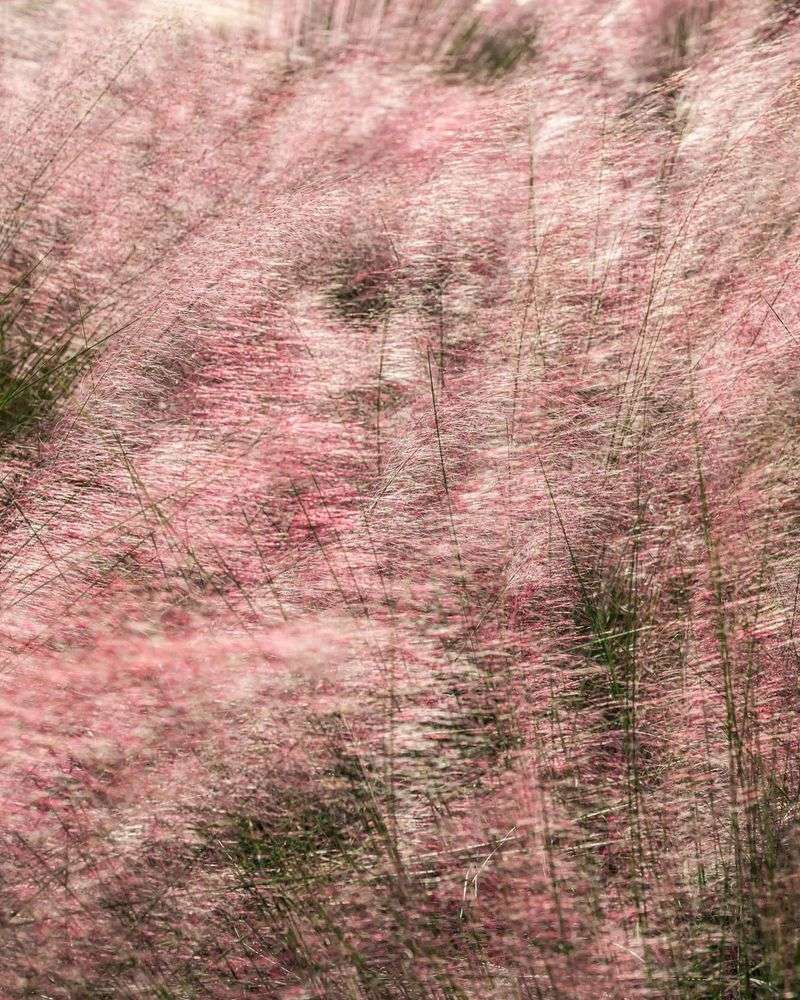
The show usually starts around September. The color often lasts into November, depending on the weather where you live. That gives you weeks of beauty when most other plants are slowing down.
So where does the pink come from? The plant grows tall, airy flower stalks called plumes. These plumes are made of tiny flowers and seeds on very thin stems. Together, they look like a soft mist hovering above the green leaves.
Your Texas Garden Changes Every Week. Your Plan Should Too.
Gardening in Texas changes quickly throughout the season. Every Friday you’ll receive a simple weekly plan showing exactly what to plant, prune, fertilize, harvest, and protect so you never miss the right timing.
The color can range from bright pink to a deep purplish rose. Every clump looks a little different. As the season goes on, the plumes slowly fade to a pale tan.
Lighting makes a huge difference. When the sun is low in the sky, the plumes seem to light up from inside.
Try looking at your grass in the early morning or late evening with the sun behind it. The glow is truly magical.
Here is a helpful tip. Plant your muhly where the sun will shine through it from behind while you look at it.
A spot on the west side of a patio works well for evening views. An east-facing spot is great for morning views from a kitchen window.
Photographers love this plant too. If you want amazing pictures, crouch low and shoot toward the sun. The pink haze will fill your camera screen, and your friends will think you visited a fancy botanical garden.
Tough Enough For Texas Heat And Drought
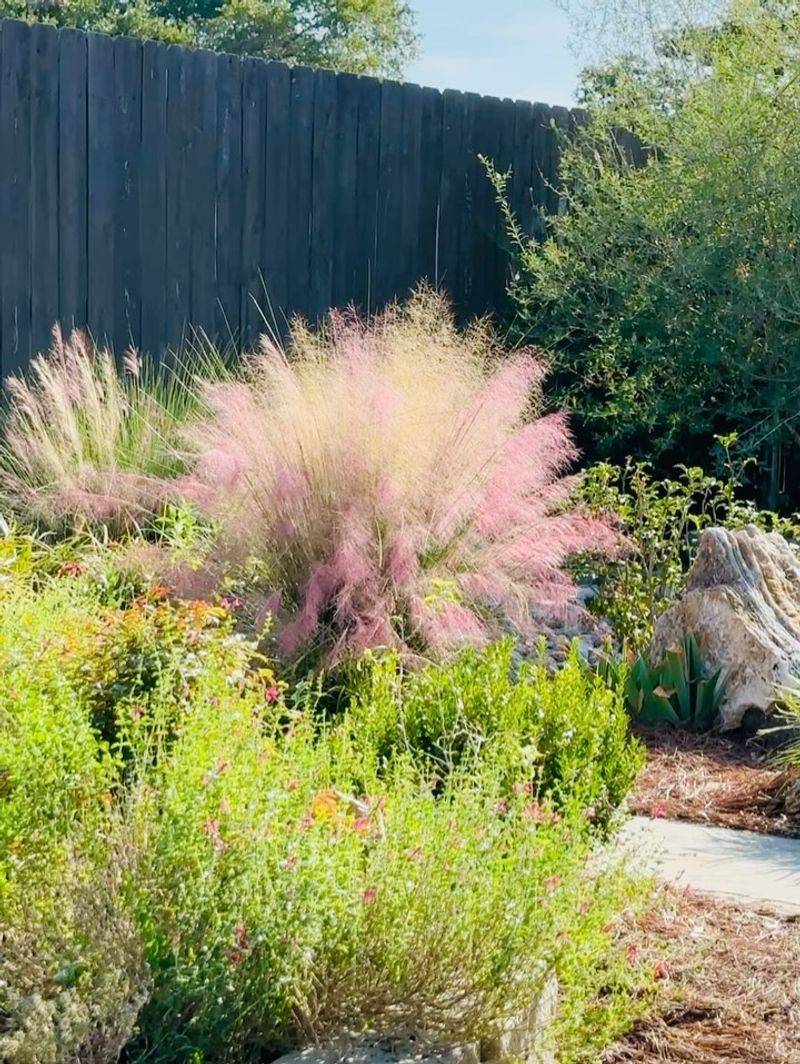
Texas summers can be brutal. Weeks above 100 degrees, very little rain, and soil that cracks like an old sidewalk. Lots of plants give up, but Gulf muhly just shrugs and keeps going.
Once it settles in, the grass handles heat like a champ. Its deep roots reach down to find moisture that shallow plants cannot touch. That is why it can go long stretches without extra water.
It also does fine in poor soil. Rocky ground, sandy patches, and thin soil over limestone are all okay. In the Hill Country, it can grow happily among stones where other plants struggle.
There is one thing it truly dislikes, though. Wet feet. If water sits around its roots for days, the plant can rot and decline. Heavy clay that stays soggy after rain is its biggest enemy.
So what can you do if your yard has thick clay? Do not worry, you still have options. Try planting on a small mound or a raised bed so water drains away. Mixing in some expanded shale, gravel, or compost can also help loosen heavy soil.
Watering during the first year is important. Young plants need a regular drink about once or twice a week while their roots grow. After that first summer, you can cut back a lot, giving water only during long dry spells.
Here is a simple test for drainage. Dig a hole about one foot deep and fill it with water. If the water is still there after a few hours, pick a different spot or build up the soil.
Get the drainage right, and this grass will stay strong through scorching summers for many years.
Low-Maintenance And Deer Resistant
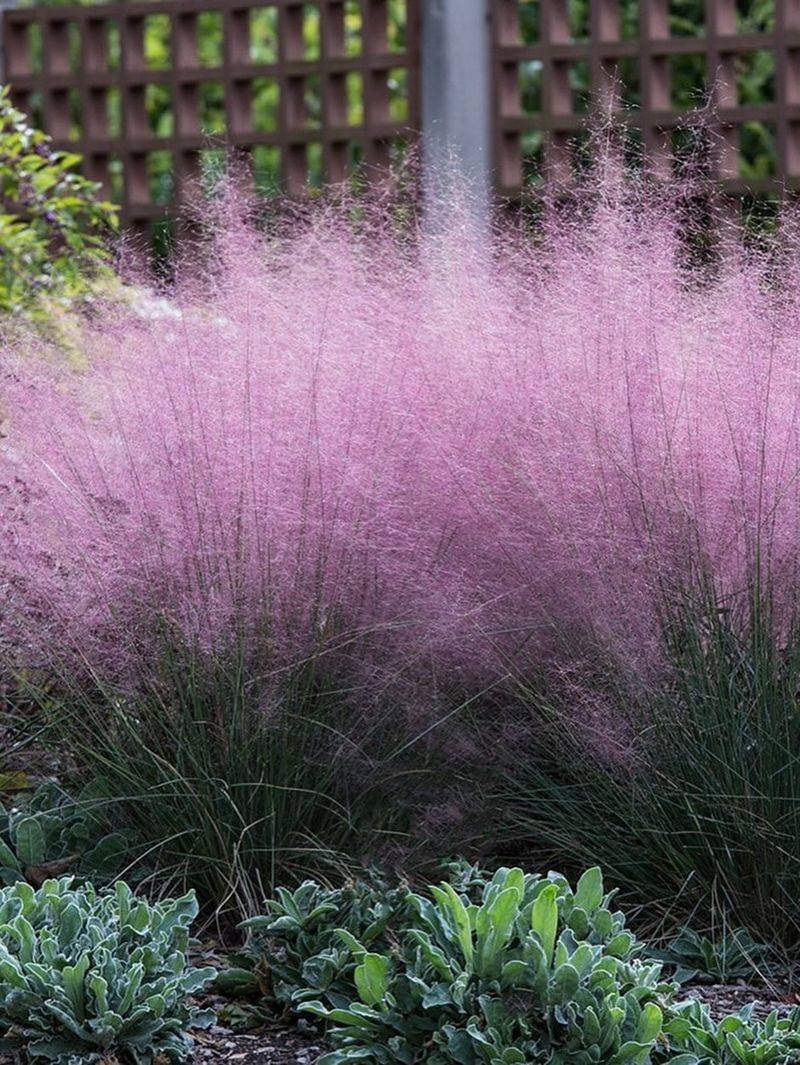
Let’s be honest. Not everyone wants to spend every weekend pulling weeds, spraying bugs, and dragging a hose around. If that sounds like you, Gulf muhly might become your new best friend.
After its first year, this grass asks for very little. You do not need to water it often. You do not need fancy fertilizer either. In fact, too much fertilizer can make it floppy and less colorful.
Bugs rarely bother it. Diseases are uncommon as long as the soil drains well. That means no harsh chemicals and more time for fun things, like reading on the porch.
Now for the good news many Texans love to hear. Deer usually leave it alone. In towns where deer wander through yards every night, that is a big deal.
Plenty of homeowners have watched deer munch their roses, hostas, and young trees down to stubs. It can be very frustrating. Gulf muhly has tough, wiry leaves that deer simply do not find tasty.
Keep in mind that no plant is totally deer proof. A very hungry deer during a drought might take a nibble of almost anything. Still, muhly grass is one of the more dependable choices for areas with heavy browsing.
Want an easy, deer-friendly garden bed? Pair your muhly with other tough natives. Good partners include Texas sage, salvias like Autumn sage, blackfoot daisy, and Mexican feathergrass. Most of these are also skipped by deer.
Fewer chores, less water, and fewer chewed plants add up to a happier gardener. You get to enjoy your yard instead of fighting with it, and that is a pretty sweet deal.
Where To Plant It For The Best Show
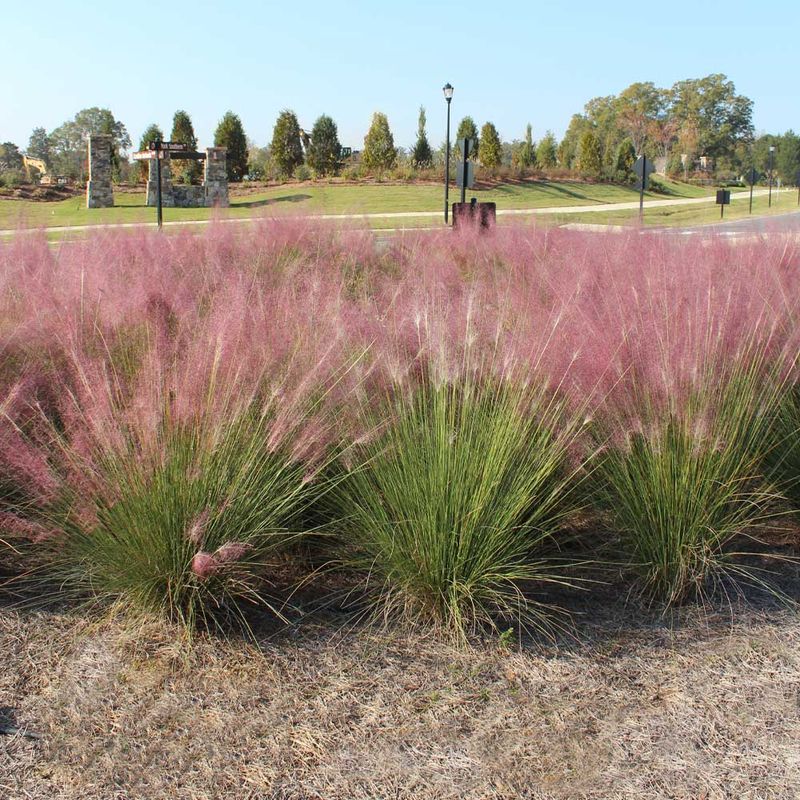
Sunshine is the secret ingredient. Gulf muhly grows best in full sun, which means at least six hours of direct light each day. More sun brings out deeper, richer pink color.
In shady spots, the plant often gets thin and leggy. It may bloom less, and the plumes can look pale. So skip the area under that big oak tree and choose an open, bright spot instead.
Size matters too. Most clumps grow about 2 to 3 feet tall and just as wide. When you plant, leave around 2 to 3 feet between each one. That spacing gives every plant room to puff out into a nice round shape.
One clump looks pretty, but a group looks amazing. Planting three, five, or even more together creates a soft pink haze in fall. Odd numbers tend to look more natural to the eye.
Borders and walkways are perfect places to try. Picture walking along a path with pink clouds on both sides. A line of muhly along a driveway or fence also makes a strong first impression for visitors.
Got a slope? Muhly grass is great there too. Hillsides drain well, and the roots help hold soil in place during heavy storms.
Timing helps your plants succeed. Fall and early spring are the best times to plant in Texas. Cooler weather gives roots a chance to grow before the summer heat arrives.
Try mixing muhly with plants that bloom at other times, like spring wildflowers. That way, your garden has something interesting all year, with the pink grass taking center stage once autumn rolls around.
Simple Care To Keep It Looking Great
Good news first. Caring for Gulf muhly is about as easy as gardening gets. A few simple steps each year will keep it fresh and full.
After the pink fades, the plumes turn a soft tan color. Do not rush to cut them off. Leaving them up through winter adds texture and movement to your yard. Frost on the dry plumes can look really lovely on a cold morning.
Birds also benefit. Small birds may visit the clumps to find seeds and shelter during chilly weather.
Late winter is trimming time. Around February, before new green shoots appear, cut the whole clump back to a few inches above the ground. Hand pruners work for small plants, while hedge shears are faster for big ones.
Try not to wait too long. If new growth has already started, you could snip the fresh tips by mistake. A quick tip is to tie the clump with twine first, then cut below the tie for an easy cleanup.
Every few years, a big clump may thin out in the middle. You can dig it up in early spring and split it into smaller pieces. Replant them and you get free plants to share.
Want to try something different? Several varieties are available. Regal Mist offers deep, rosy pink plumes that really pop. White Cloud gives you bright white plumes, which look great next to the pink kinds.
Mixing a few varieties can create a stunning fall scene. With a little trimming and a lot of sunshine, your muhly grass will reward you with clouds of color for many autumns to come.