The Invasive Florida Grass Worth Tackling In Fall Before It Spreads Even Farther
Underground stems of one Florida grass have sharp tips that can poke straight through the roots of neighboring plants. It arrived in the American South more than a century ago inside packing crates from Japan.
Ranchers in Florida later planted it on purpose as cattle feed and a soil helper for sandy pastures. Cows mostly ignored the tough, saw-edged blades, and the grass spread across huge stretches of the Southeast.
Personally, I find its fire behavior the scariest part of the whole sneaky story by far. The dense, papery thatch burns hotter than many native grasses and can scorch young pine trees.
A patch could be growing along your fence line right now, looking like ordinary lawn grass. So why do experts say fall is the smartest season to push back against this stubborn invader?
This Sneaky Invasive Grass Is Spreading Across Florida
Botanists know it as Imperata cylindrica, but most folks across the South simply call it cogongrass these days. It ranks among the worst weeds in the world, according to plant scientists who study invasive species.
The grass came to Alabama near Mobile around 1912 as packing material in shipping crates from Japan. Florida growers later brought it in on purpose during the 1930s and 1940s for forage trials.
Those trials flopped because cattle rarely enjoy chewing the coarse, sharp leaves for very long at all. Meanwhile, the grass kept spreading through roadsides, pine forests, pastures, and suburban yards across the state for decades.
Today, cogongrass is officially listed as both a Federal Noxious Weed and a Florida Noxious Weed. That label means people should not move, sell, or plant it without special permits from state or federal regulators.
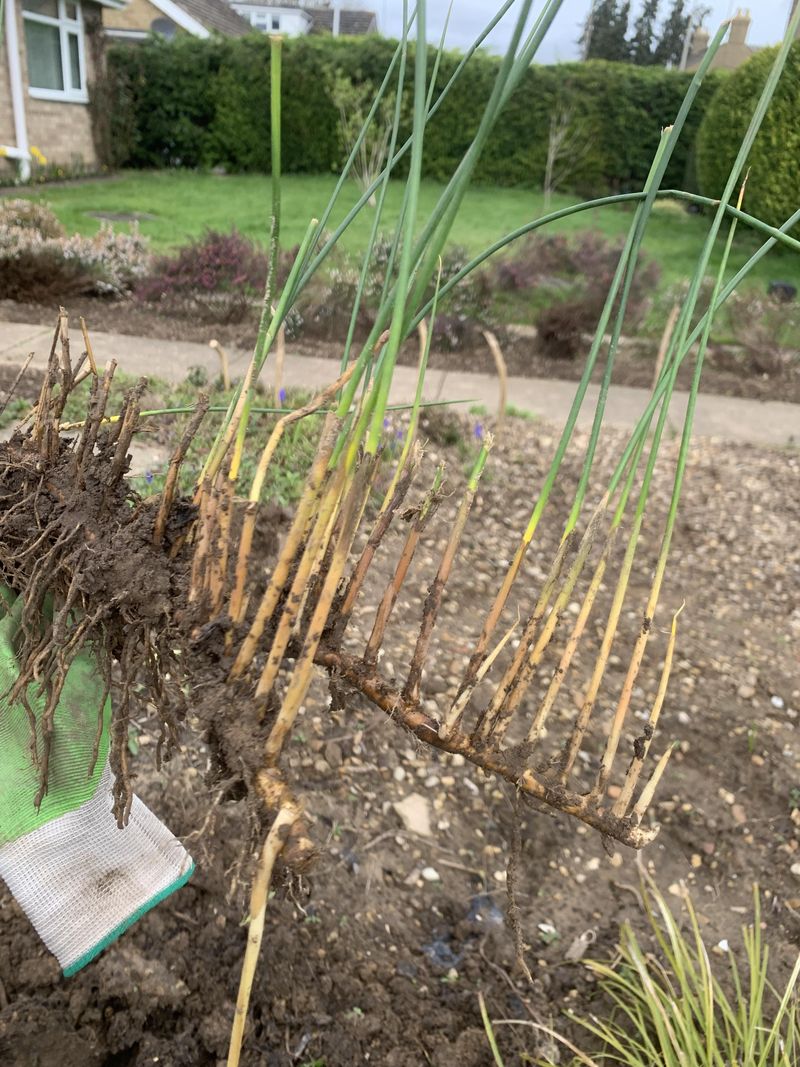
The real trouble hides underground, where tough white rhizomes form thick mats below the soil surface. Those rhizomes can make up most of the plant’s total weight, giving it huge energy reserves stored safely below ground.
Native plants like wiregrass and wildflowers struggle to compete once a dense cogongrass stand moves in nearby. Wildlife that depends on those natives, such as gopher tortoises, often loses food and good habitat.
I honestly believe knowing the name is the first real step toward protecting your own property. Once you can name the culprit, the rest of the plan starts to make a lot more sense.
Your Fall Window Is The Best Shot At Control
October is the month many Florida extension agents circle on the calendar for cogongrass control work each year. Research from UF/IFAS suggests herbicides work best from late summer through fall, roughly September to November.
The reason comes down to how the plant moves food around inside its leaves, stems, and roots. As days shorten and nights cool, cogongrass sends sugars downward to store energy in its rhizomes for winter.
A systemic herbicide sprayed carefully on the leaves rides along with those sugars into the underground network. That trip gives the product a much better chance of reaching the deep, stubborn rhizomes that resprout.
Your Florida Garden Changes Every Week. Your Plan Should Too.
Gardening in Florida changes quickly throughout the season. Every Friday you’ll receive a simple weekly plan showing exactly what to plant, prune, fertilize, harvest, and protect so you never miss the right timing.
Spraying in spring often just burns back the top growth while the roots stay mostly untouched below. Fresh green blades can pop back up within weeks, which feels pretty frustrating after all that effort.
Another fall perk involves seeds, since cogongrass mostly flowers in late winter and spring across the state. Treating patches now reduces the number of plants ready to release fluffy white seed heads next spring.
For best results, the grass should be actively growing with healthy green leaves when you spray it this month. Plants stressed by drought or covered in brown thatch absorb far less product through their blades.
Personally, I like that October weather makes this chore much more comfortable than sweaty midsummer yard work. Cooler mornings, lower humidity, and fewer bugs make it easier to stay patient and thorough outside in the yard.
You Can Spot It By That Off-Center Stripe
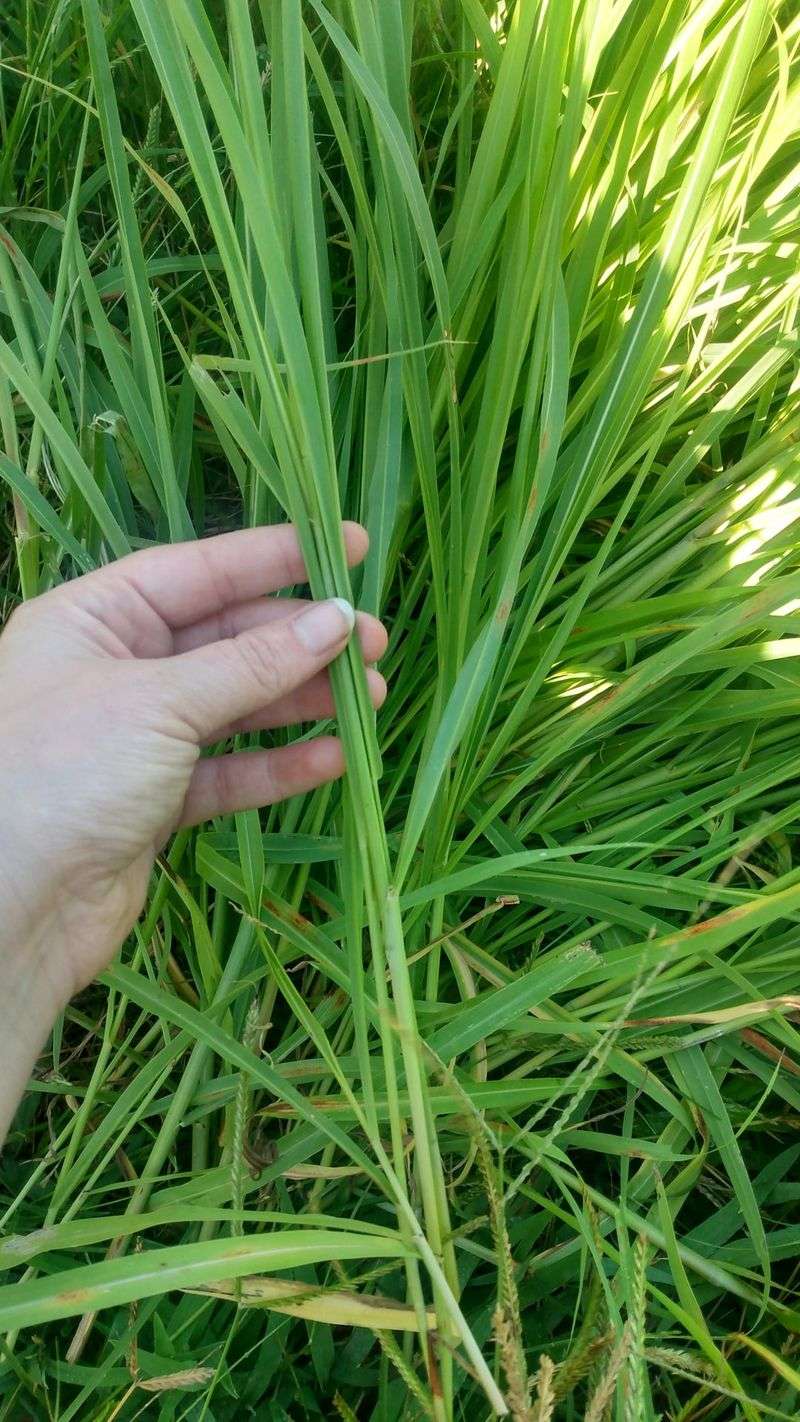
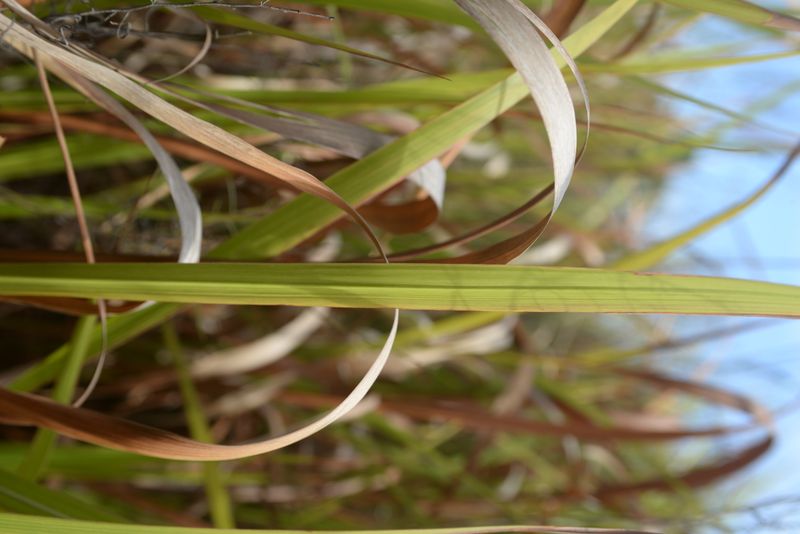
Spotting cogongrass gets easier once you learn to look for one quirky little detail on each leaf. The pale midrib runs noticeably off-center, sitting much closer to one edge instead of down the middle.
Leaves usually stand upright and can reach two to four feet tall in sunny Florida spots. Blades often look yellowish green, and many take on a reddish brown tint as fall weather cools.
Run your fingers carefully along an edge, and you will feel tiny teeth that grip like sandpaper. Those serrated margins can leave small cuts, so gloves and long sleeves are a smart idea here.
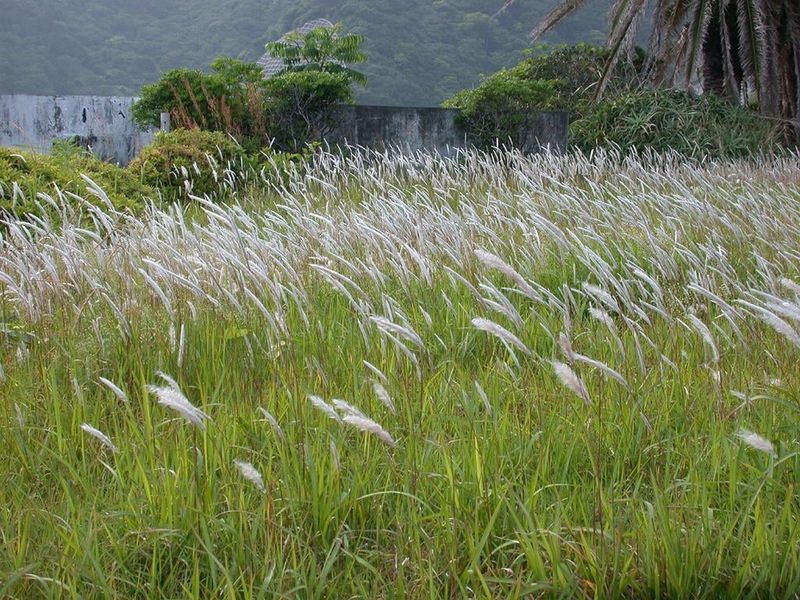
Cogongrass also tends to grow in circular patches that expand outward a little more each growing season. The patch often looks dense and uniform, with very few other plants mixed into the thick stand.
If you dig gently near the base with a trowel, look for bright white rhizomes with sharp, pointed tips. Those segmented runners feel tough and scaly, almost like thin bamboo shoots buried in sandy soil.
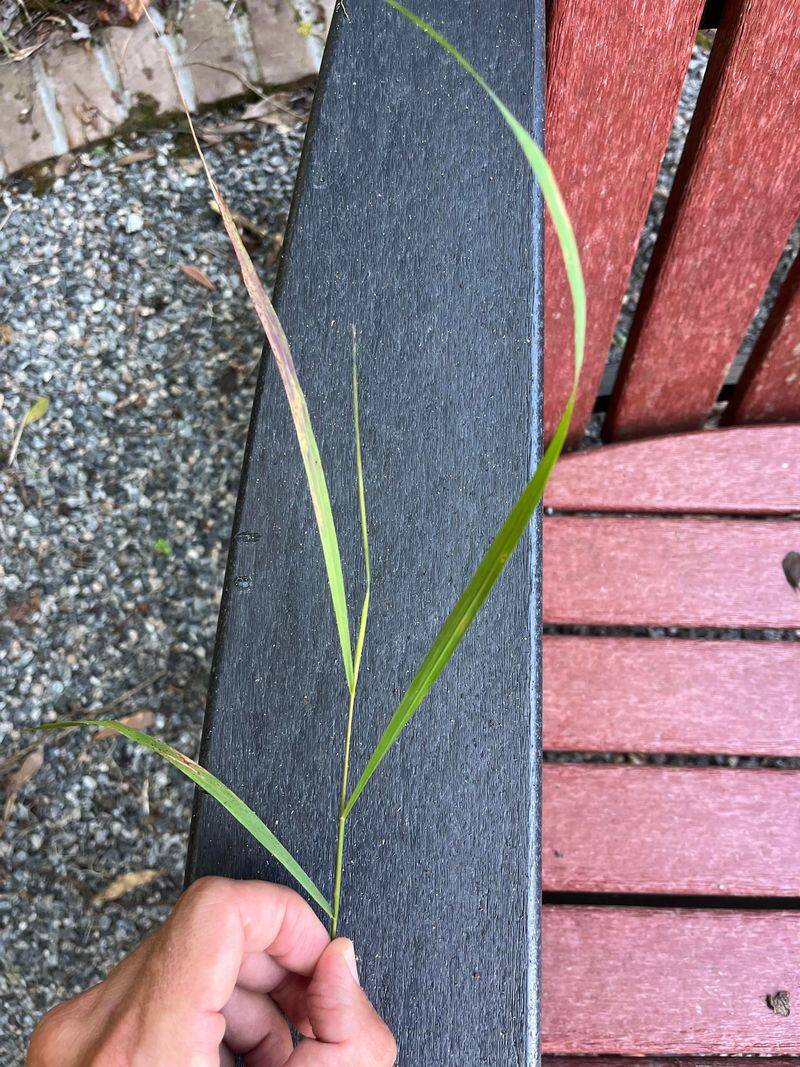
Some look-alikes cause quite a bit of confusion, including broomsedge, torpedograss, and certain native bluestem grasses found around the region. Snapping clear photos of the leaf, stripe, and roots helps your county extension office confirm the plant.
I can’t imagine treating a patch without being sure first, since many native grasses deserve protection. A quick identification check saves money, effort, and the healthy plants growing right beside the invader in your yard.
Mowing Alone Rarely Solves The Problem
Grabbing the mower feels like the natural fix, but mowing alone rarely stops cogongrass and can spread rhizome pieces on equipment. Mowing removes the leaves, yet the rhizomes below stay healthy and quickly send up fresh green shoots.
Mower blades and decks can carry small rhizome pieces to new spots across your property. Each tiny fragment has the potential to root and start a brand new patch somewhere else in the lawn.
Florida transportation guidelines recommend carefully cleaning mowers and tractors after working in infested areas along roadsides. A stiff brush or a blast from a hose removes most soil and roots clinging underneath the mower deck.
Tilling is another common mistake, since chopping rhizomes into bits can multiply the number of new plants. Fragments scattered through loose, sandy garden soil can each sprout into a new plant.
Burning is risky too, because cogongrass fires burn hot enough to damage trees and spread very quickly. Fire also clears away competition, and the grass often bounces back stronger in the open, bright sunlight.
Hand pulling rarely works either, since leaves snap off easily and leave the rhizomes behind underground. Your hands may end up scratched, while the patch carries on growing as if nothing happened at all.
Mowing still has a role, though, when it is paired with a smart herbicide schedule later. Many experts suggest mowing several weeks before spraying, so new green growth can absorb more herbicide down to the roots.
A Patient Herbicide Plan Brings Lasting Results
Most Florida extension guides point to two main herbicides for tackling cogongrass patches, glyphosate and imazapyr. Both are systemic, which means they travel inside the plant down to the rhizomes over the following weeks.
Glyphosate suits shrubs and trees better than imazapyr, but keep the spray off flower beds and plants you want to keep. Glyphosate suits shrubs and trees better than imazapyr, but it can harm any green plant the spray touches.
Imazapyr often gives longer control, but it stays active in soil and can harm nearby tree roots. Many experts suggest saving it for open areas away from oaks, pines, and prized landscape plants in your yard.
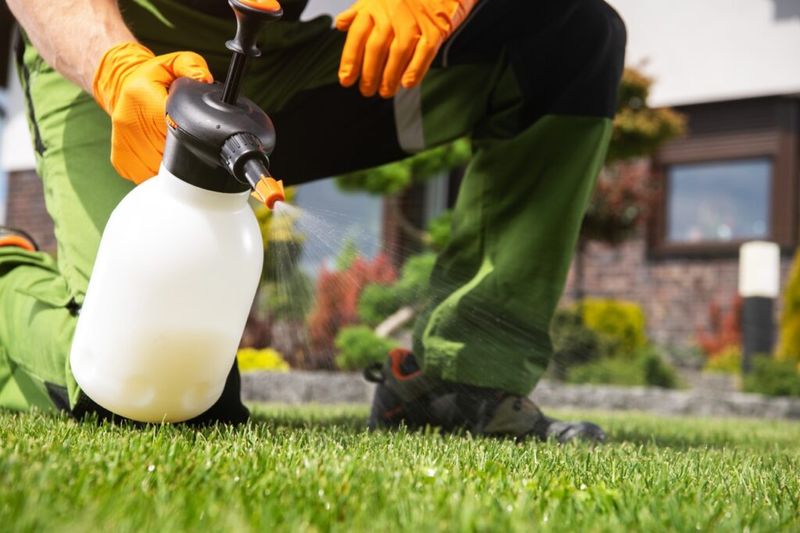
Read the product label carefully, since it is the legal guide for mixing rates and safe use around the home. Wearing gloves, long sleeves, and eye protection keeps your skin safe from splashes and drifting spray outdoors.
Spray on a calm October day so the mist lands on cogongrass instead of drifting onto neighbors. Cover the leaves evenly until they look wet, but stop before the liquid drips off the blades.
Patience matters most, because one treatment rarely clears a patch after years of hidden root growth below. UF/IFAS recommends follow-up treatments over several seasons, spot spraying any regrowth that appears the next year.
You need to treat this like a long project instead of a single weekend chore in the yard. Once cogongrass weakens, planting native grasses or ground covers helps fill the space before it tries to return.
Stop The Spread Before It Reaches Your Neighbors
Stopping new patches is far easier than managing an established stand, so prevention deserves your attention now. Many new infestations start with hitchhiking rhizomes or wind-blown seeds.
Fill dirt, mulch, and pine straw can carry cogongrass pieces from infested sites into clean Florida yards. Ask suppliers where their materials come from, and check deliveries for white rhizomes before spreading them.
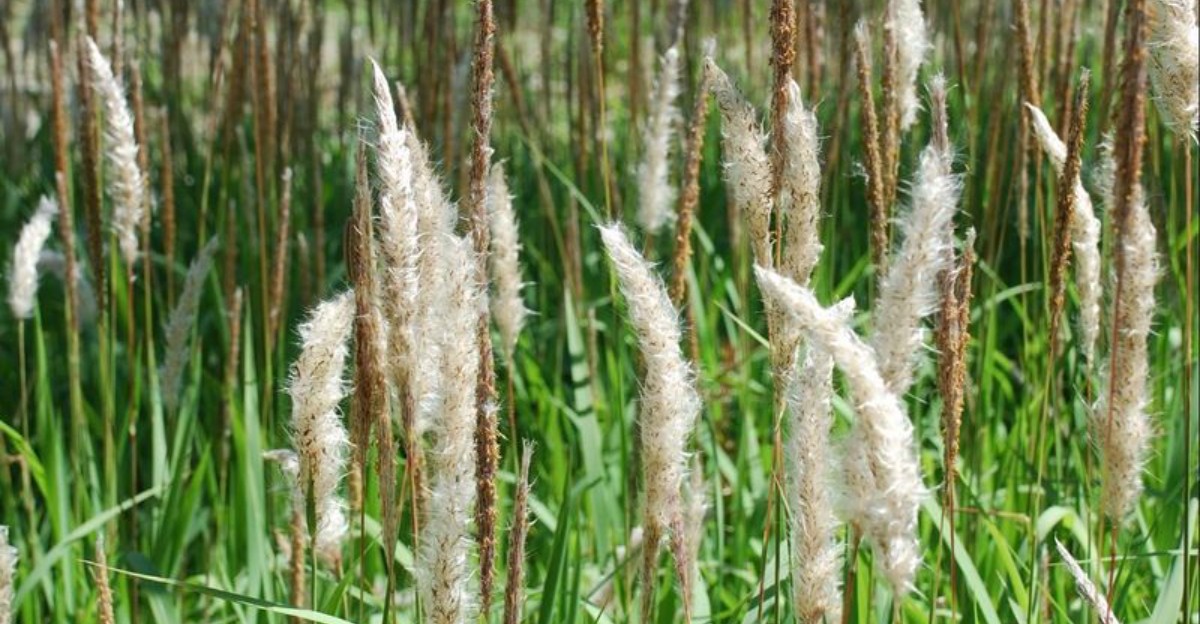
Fluffy white seed heads can drift on the wind in spring, landing in sunny, disturbed ground nearby. Keeping bare spots planted with healthy turf or native ground covers gives those seeds fewer chances to sprout.
Walk your property every few months, paying special attention to fence lines, ditches, and new construction. Catching a small patch early makes control cheaper, faster, and much less stressful for everyone involved in the work.
Neighbors matter here too, since cogongrass happily creeps across property lines without asking anyone’s permission first. A friendly chat about treating patches together this fall can protect the whole street from quick reinfestation next year.
Florida also offers help through county extension offices and local groups that focus on invasive plants statewide. Staff can confirm identification, suggest treatment timing, and share fact sheets written for homeowners like you and me.
Native wildflowers may begin to return to a cleared patch over the following seasons. Butterflies, bees, and songbirds often follow close behind, turning a stubborn problem spot into lively, buzzing habitat.