Native North Carolina Ground Covers That Suppress Weeds Better Than Vinca On Slopes And Hillsides
Vinca became the default slope solution in North Carolina yards because it works, spreads fast, and asks for almost nothing in return.
What it also does is crowd out native plants, provide no meaningful wildlife value, and spread beyond property lines into natural areas where it behaves as an invasive.
Slopes and hillsides are genuinely difficult planting situations, and the native alternatives to vinca have been underestimated for years.
Several of them establish faster than expected, handle the erosion pressure and dry conditions that slopes create, and suppress weeds with a density that matches or outperforms vinca without any of the ecological baggage.
The comparison shifts significantly once these natives are given the same chance to prove themselves.
1. Green-And-Gold
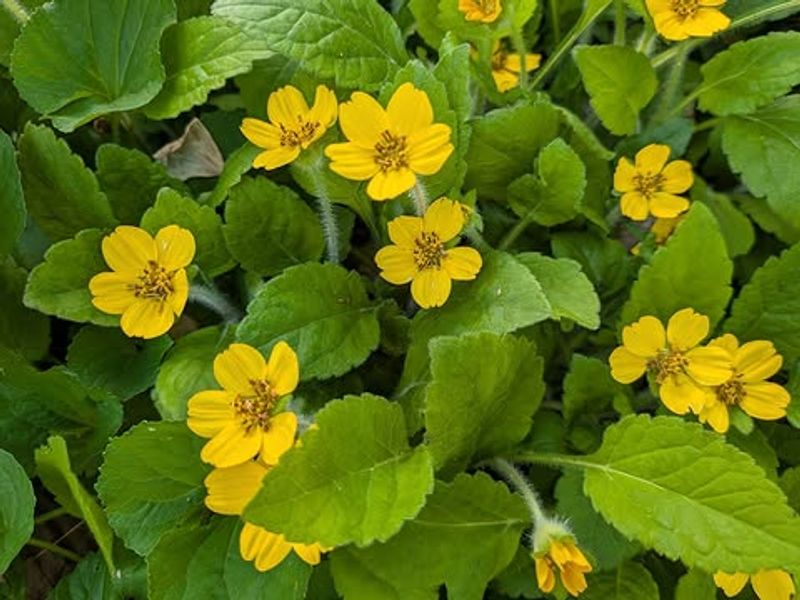
Bright yellow flowers peeking out from a carpet of dark green leaves might sound too good to be true, but that is exactly what green-and-gold delivers.
This cheerful native plant, known scientifically as Chrysogonum virginianum, is one of the best kept secrets in North Carolina gardening.
It blooms generously in spring and often keeps going through fall, adding color while doing the serious work of smothering weeds.
Green-and-gold spreads through runners and seeds, forming a dense mat that shades the soil and makes it very hard for weeds to get established.
On shaded or partly shaded slopes, it holds soil surprisingly well without needing much help from you.
Once it settles in after the first season, it becomes genuinely low-maintenance and drought tolerant. Planting it about 12 to 18 inches apart gives it room to fill in naturally over one to two seasons.
It handles clay soil better than many ground covers, which is a real bonus in much of the Piedmont.
Pair it with wild ginger or foamflower in shadier spots for a layered, weed-resistant planting that looks intentional and polished.
Nurseries that specialize in native plants usually carry it, and it is well worth seeking out as a true vinca replacement.
2. Allegheny Spurge
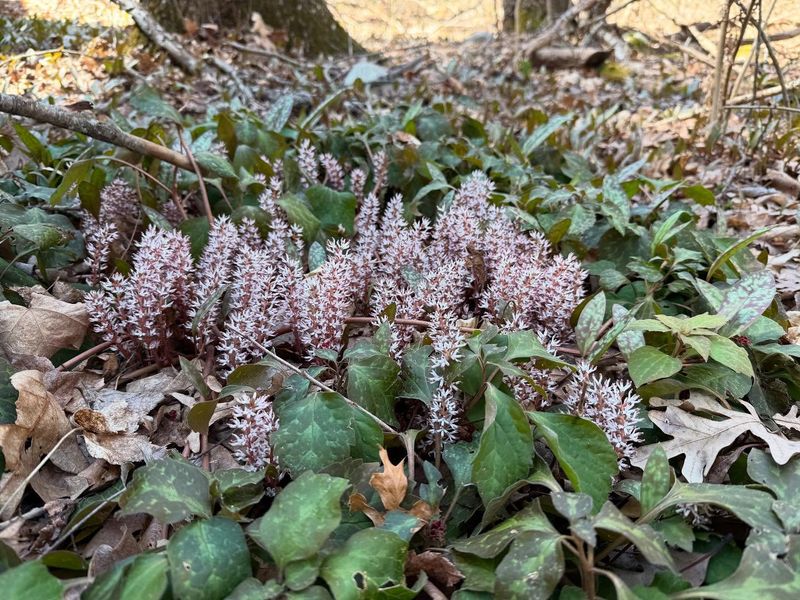
Patience pays off big time with Allegheny spurge.
Unlike its aggressive Asian cousin, Japanese pachysandra, this native version takes a couple of seasons to really get going, but what it builds is a thick, weed-suppressing carpet that barely needs any attention once it has settled in.
Gardeners who give it time are always glad they did. Pachysandra procumbens is native to the Appalachian region, including much of western and central North Carolina.
Its leaves are beautifully mottled with silver and gray markings, making it one of the most attractive ground covers available for shaded slopes.
In late winter, it sends up small white flower spikes that are subtle but genuinely lovely up close.
Because it spreads slowly through underground stems, it stays where you put it without escaping into natural areas the way vinca does.
Planting it about 12 inches apart and mulching lightly around new plants speeds up establishment considerably.
It thrives in moist, well-drained soil with plenty of organic matter, so mixing compost into the planting area before you start makes a noticeable difference. Once it knits together into a solid mass, very few weeds can push through.
Your North Carolina Garden Changes Every Week. Your Plan Should Too.
Gardening in North Carolina changes quickly throughout the season. Every Friday you’ll receive a simple weekly plan showing exactly what to plant, prune, fertilize, harvest, and protect so you never miss the right timing.
For shaded hillsides in the Piedmont or mountains, Allegheny spurge is one of the most reliable choices you can make as a long-term ground cover solution.
3. Golden Ragwort
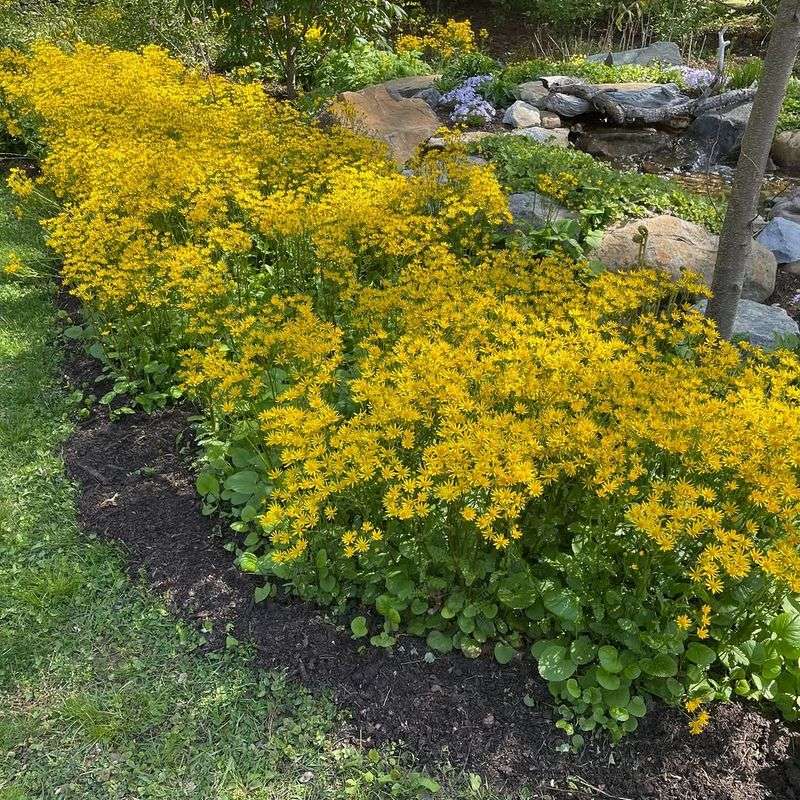
Few native plants match golden ragwort for sheer enthusiasm. Packera aurea spreads fast, blooms brilliantly, and handles wet or moist slopes with a confidence that most ground covers simply cannot match.
If you have a problem area that stays damp after rain, this plant practically thrives on the challenge.
The flowers are a vivid golden yellow, arriving in mid to late spring and lasting for several weeks.
Even without the blooms, the low rosettes of rounded, dark green leaves look tidy and attractive through most of the year.
In winter, the foliage remains semi-evergreen in much of North Carolina, which means the ground stays covered and protected even when little else is growing.
Golden ragwort spreads through both runners and self-seeding, so a small planting can fill a slope impressively within two or three seasons.
That vigor is exactly what makes it such a strong weed suppressor. On steep banks near streams or in rain garden overflow areas, it holds soil firmly while creating habitat for native bees and early pollinators.
Spacing plants about 18 inches apart gives them room to spread without overcrowding early on.
Just keep in mind that it does best with consistent moisture, so dry, rocky banks are better suited to other plants on this list.
For moist, challenging slopes, golden ragwort is genuinely hard to beat.
4. Creeping Phlox
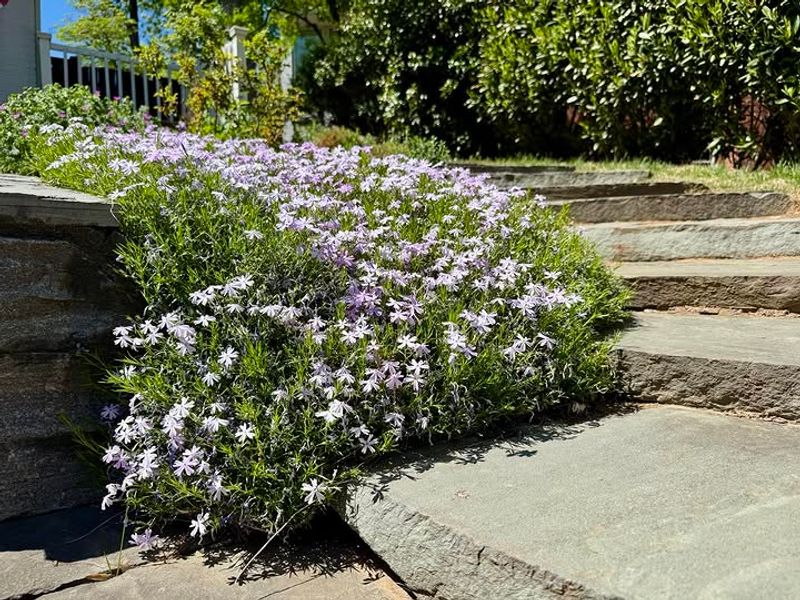
Every spring, creeping phlox puts on a show that stops people in their tracks.
Slopes covered in this plant erupt into a solid blanket of pink, lavender, white, or magenta flowers that look almost unreal.
Beyond the beauty, though, creeping phlox is a serious workhorse when it comes to holding soil on steep, sunny banks.
Phlox subulata is native to the eastern United States, including parts of North Carolina, and it has evolved to thrive in exactly the kind of poor, well-drained, rocky soil that covers many hillsides.
Its dense, needle-like foliage stays evergreen through winter, which means the soil is protected year-round. The mat it forms is tight enough to block most weed seedlings from getting any light at all.
Planting creeping phlox about 12 to 18 inches apart on a prepared slope gives it the space it needs to spread outward and downward, filling gaps steadily over the first two seasons.
It roots along its stems as it grows, which adds to its ability to anchor soil on steep grades. After flowering, a light trim encourages denser, more compact growth the following year.
Creeping phlox needs very little fertilizer and handles drought well once established.
For sunny, erosion-prone hillsides, it is one of the most visually rewarding native choices available to North Carolina gardeners who want beauty and function in the same package.
5. Barren Strawberry
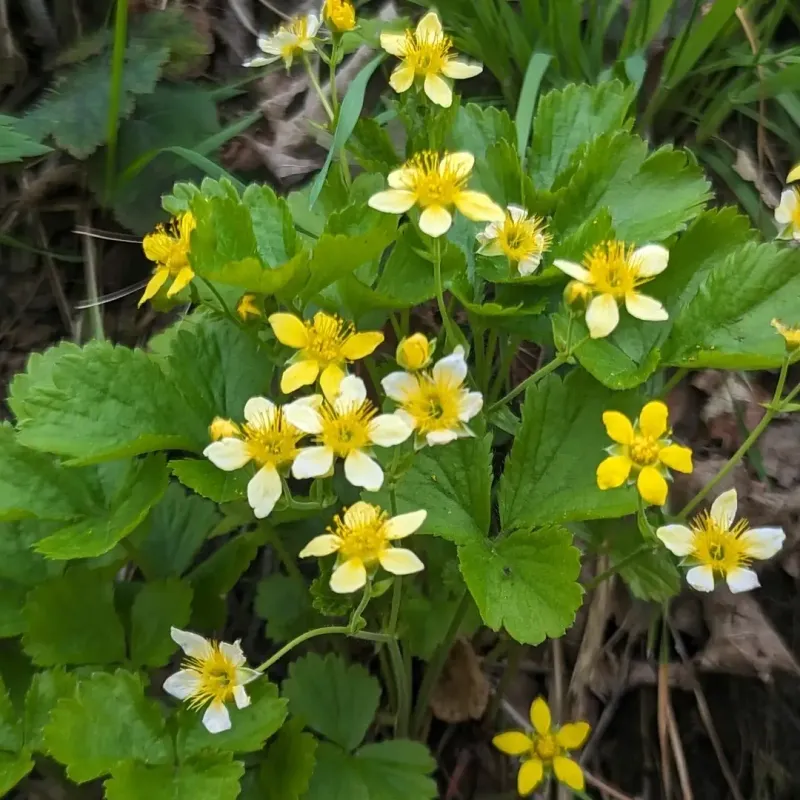
Barren strawberry might have the least glamorous name on this list, but do not let that fool you.
Waldsteinia fragarioides is one of the neatest, most reliable native ground covers for dry to moderately moist shade, forming a glossy carpet of three-part leaves that looks remarkably similar to a real strawberry plant without producing edible fruit.
That tidy, compact look makes it a favorite for gardeners who want a polished appearance on shaded slopes.
Small yellow flowers appear in spring, adding a cheerful pop of color before the surrounding woodland plants have fully leafed out.
After flowering, the foliage stays attractive and semi-evergreen through most of North Carolina winters, meaning the soil stays covered and weed seeds have very little opportunity to find bare ground.
That continuous coverage is exactly what makes barren strawberry such a strong weed suppressor.
It spreads at a moderate pace through stolons, filling in steadily without becoming aggressive or escaping into natural areas.
On dry, shaded slopes under oaks or pines where many plants struggle, barren strawberry holds its own with impressive consistency.
Planting it about 12 inches apart and keeping the area mulched during the first growing season helps it establish quickly. Once it fills in, the maintenance demands drop to nearly nothing.
For gardeners dealing with that tricky combination of shade and dry soil on a hillside, barren strawberry is genuinely one of the smartest native choices available in North Carolina.
6. Foamflower
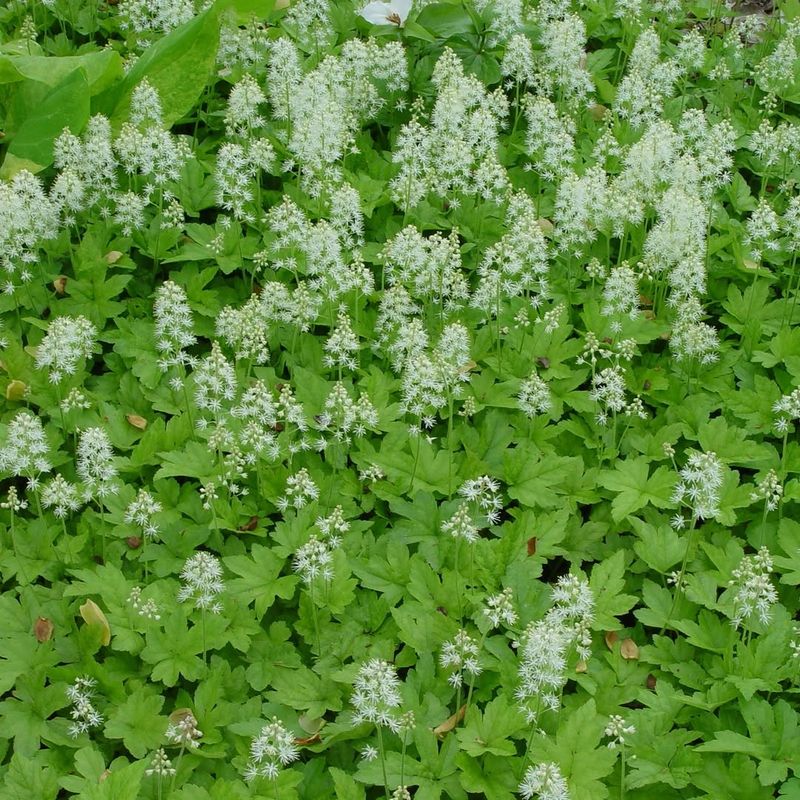
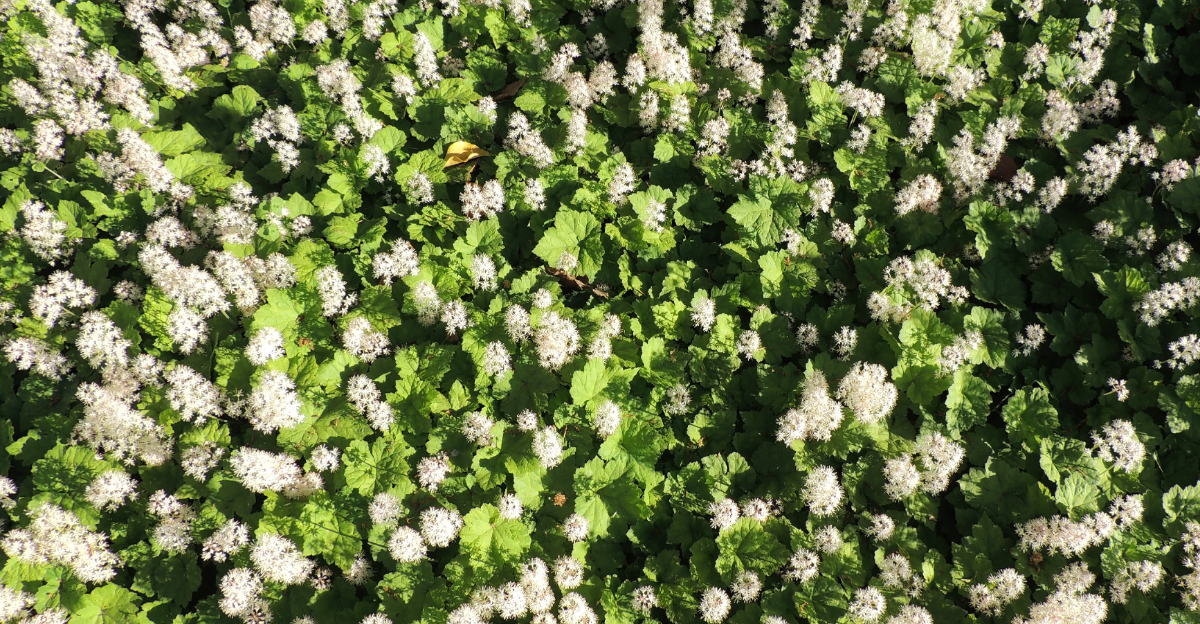
Walk through any healthy Appalachian woodland in spring and you are likely to spot foamflower lighting up the forest floor with its frothy white flower spikes.
Tiarella cordifolia is one of North Carolina’s most beloved native wildflowers, and it doubles as a genuinely excellent ground cover for shaded slopes and hillsides where vinca tends to be overused.
The combination of ornamental leaves and airy blooms makes it feel more like a garden plant than a utilitarian ground cover.
The leaves are deeply lobed and often marked with burgundy or bronze patterns along the veins, giving the plant four-season interest even when it is not in bloom.
In spring, the flower spikes rise six to eight inches above the foliage and attract native bees that are just emerging from their winter rest.
That pollinator value is something vinca simply cannot offer. Foamflower spreads through runners called stolons, forming loose colonies that fill in naturally over time without becoming overwhelming.
It stays in bounds far better than vinca and will not escape into natural woodland areas aggressively.
Moist, humus-rich soil and dappled shade bring out its best qualities, making it ideal for slopes beneath deciduous trees.
Spacing plants about 12 to 18 inches apart allows them to spread comfortably.
For anyone looking for a woodland-style ground cover that is both beautiful and ecologically responsible, foamflower is one of the most rewarding native plants you can grow in North Carolina.
7. Wild Ginger
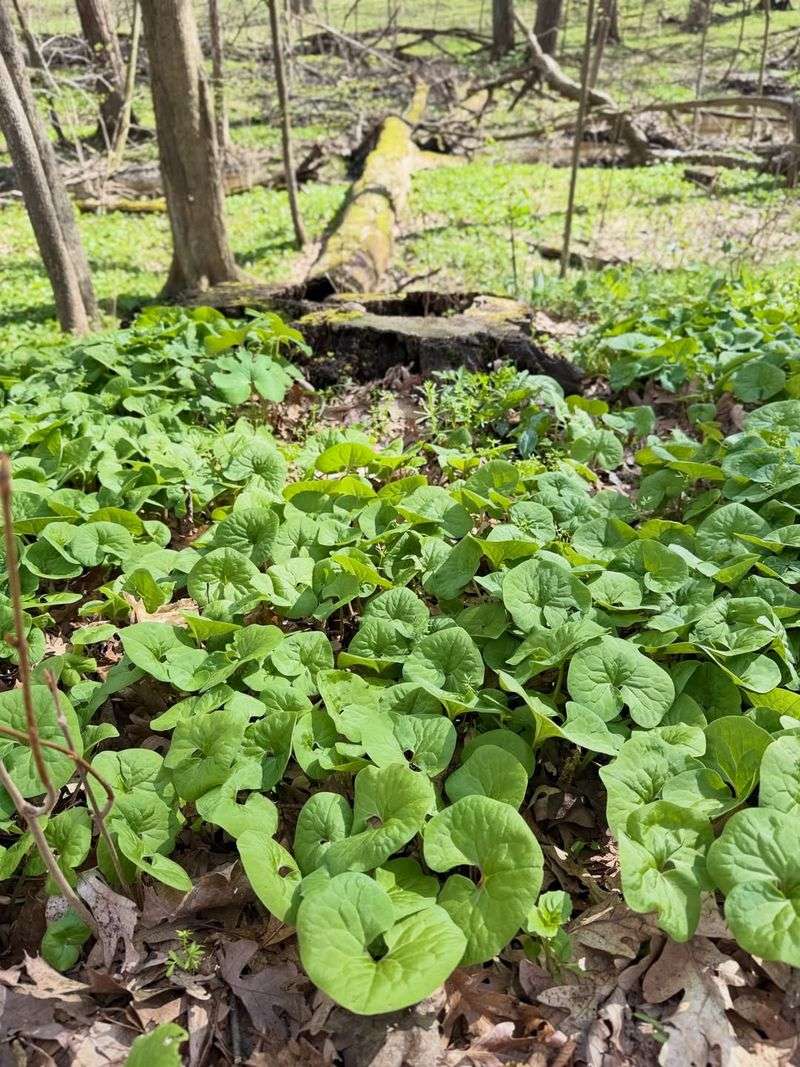
There is something quietly impressive about wild ginger. It does not produce showy flowers or chase sunlight across the garden.
Instead, Asarum canadense simply spreads steadily, growing large, velvety, heart-shaped leaves that overlap each other so thoroughly that weeds barely stand a chance underneath them.
On leafy, shaded hillsides, it creates a lush green carpet that looks like it belongs exactly where it is planted.
The hidden flowers appear at soil level in early spring, tucked beneath the leaves where only ants and ground-level insects tend to find them.
Those small visitors help with pollination, making wild ginger part of a functioning ecosystem rather than just a decorative addition to the slope.
The leaves themselves are soft and a rich, deep green that brightens up even the darkest shaded areas of the yard.
Wild ginger spreads through rhizomes at a slow to moderate pace, which means it will not take over the garden, but it will reliably fill in the space you give it over several seasons.
It prefers moist, humus-rich soil and consistent shade, thriving in conditions that challenge most other ground covers.
Planting it about 12 inches apart and top-dressing with leaf compost each fall accelerates its spread noticeably.
For shaded hillsides with decent moisture, wild ginger is one of those plants that rewards you for choosing it thoughtfully. Once established, it handles itself with very little input from the gardener.