The Meaning Behind A Groundhog Suddenly Disappearing From Your Pennsylvania Garden
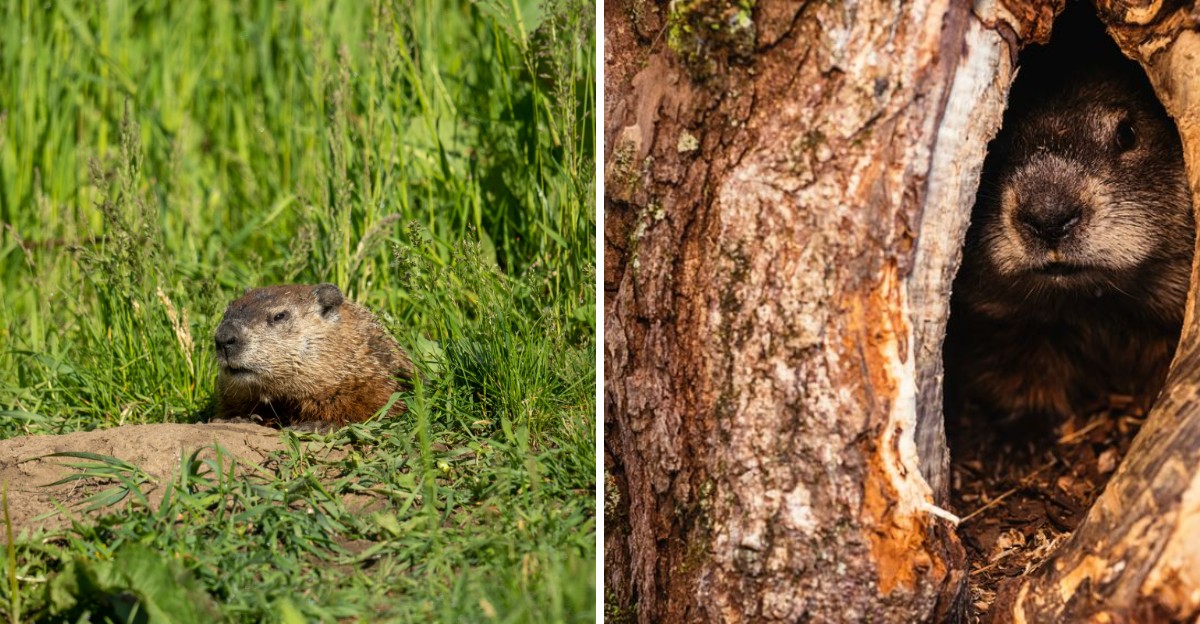
A sleeping woodchuck can drop its heart rate to about five beats per minute. Its body temperature can slide from the high 90s down to the 40s, and it may take one breath every few minutes.
I learned that the week my chubby garden bandit stopped showing up. One day it was mowing my clover like a furry lawn crew. The next day, nothing but a quiet hole by the shed.
If you garden in Pennsylvania, you have probably felt that same odd mix of relief and worry. Did it move? Did a fox find it? Is it plotting a comeback under your tomato bed?
Believe it or not, the answer usually depends on the calendar more than anything else. The time of year your visitor vanished tells you a surprising amount.
1. That Quiet Groundhog Burrow Might Be Hiding A Big Secret
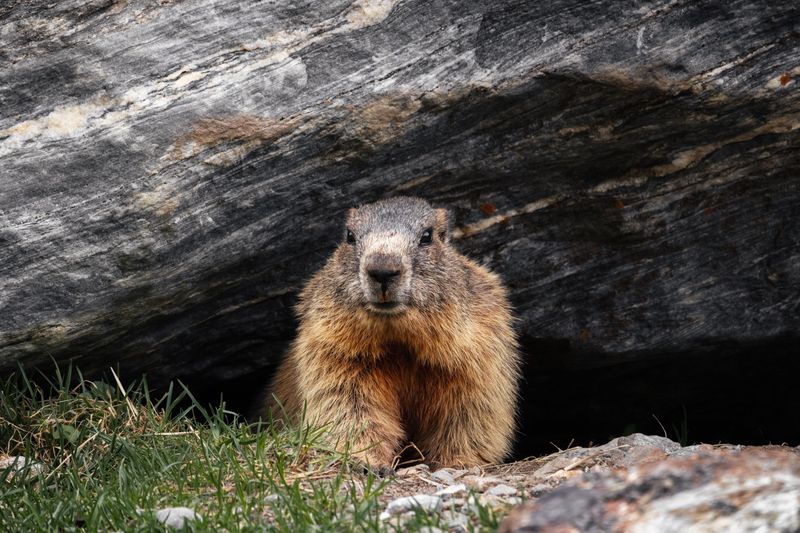
My first clue was the dirt pile. All summer, the mound by the burrow looked fresh and loose, but by early November it sat flat and still under fallen maple leaves.
Groundhogs are one of the few true hibernators in the eastern United States. In Pennsylvania, most of them head underground for the winter sometime between October and early November.
Penn State Extension and state wildlife sources note that they spend roughly three to five months below the frost line.
So if your visitor disappeared as the nights turned frosty, the most likely meaning is simple. It ate well, got fat, and went to bed. A healthy groundhog that vanishes in fall is doing exactly what nature built it to do.
Timing can shift a bit across the state. Animals in the colder northern tier and higher ridges often settle in earlier than those around Philadelphia or Pittsburgh.
Young groundhogs born that spring may stay active a little later because they are still packing on weight.
Before you assume the worst, check the date on your calendar. A disappearance in late fall is rarely a mystery at all. It is a seasonal shutdown that happens in backyards all over the Keystone State every single year.
2. Fall Feasting Comes Right Before The Woodchuck Vanishes
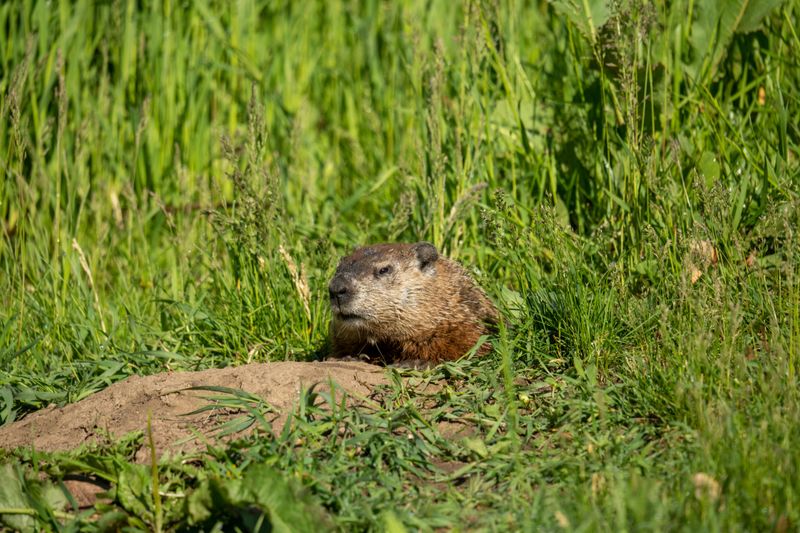
Remember how your groundhog seemed extra hungry in late summer? That was not greed. It was preparation.
Groundhogs eat heavily from summer into early fall, building fat reserves that carry them through months without food.
Some animals gain a large share of their body weight during this stretch. Clover, alfalfa, grasses, beans, squash leaves, and fallen fruit all become part of the menu.
Here is a pattern worth watching next year. When the eating frenzy peaks and then suddenly slows, hibernation is usually close.
Groundhogs often become less active in the days before they seal themselves into a winter chamber.
I started keeping a simple garden notebook after my own woodchuck vanished. I jotted down dates when I saw it grazing, when I noticed fresh digging, and when activity stopped.
After two seasons, the timing lined up almost perfectly with the first hard frosts. You can try the same trick. Note the date of your last sighting along with the weather.
Over a few years, you will learn your local pattern, which helps you plan fencing repairs and planting schedules around the animal’s quiet months. That bulked-up look you saw in September was really a packed lunch for winter.
3. A Hibernating Groundhog Slows Down In Amazing Ways
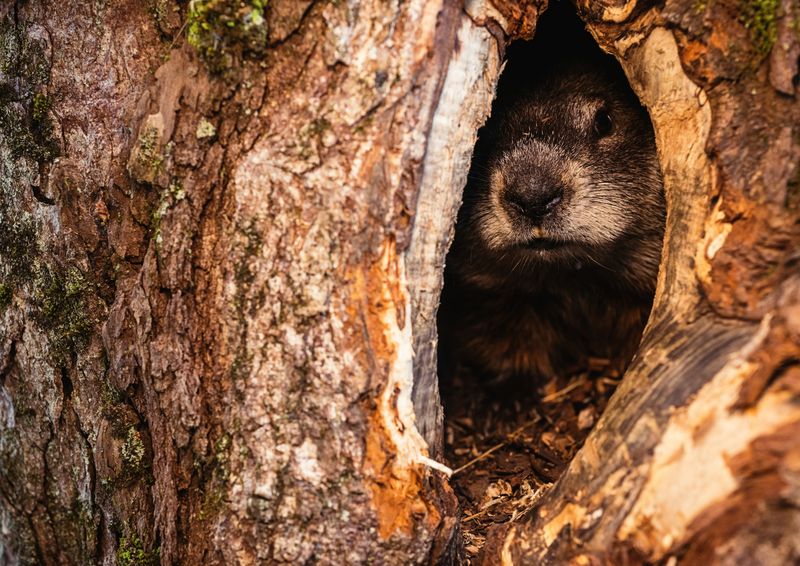
Hold your breath for a moment. A hibernating groundhog may go several minutes between breaths, and that is perfectly normal for it.
During hibernation, its body temperature can fall from around 99 degrees Fahrenheit to somewhere in the 40s, and sometimes lower.
Its heart rate drops from about 80 beats per minute to only a handful. This deep slowdown saves a huge amount of energy.
The animal curls into a ball inside a chamber often lined with dry grass. Many groundhogs use a separate winter burrow, sometimes placed in wooded or brushy edges, rather than the summer den in the open.
Fun fact time. Hibernation is not one long, unbroken nap. Groundhogs wake up briefly every so often, warm their bodies back up, and then drift back down.
Scientists are still studying exactly why these short arousals happen. Males often stir earlier in late winter, sometimes in February, to visit nearby females before mating season.
That is the real story behind those occasional groundhog sightings on snowy days.
So the silence in your garden hides a lot of quiet biology. Your visitor is underground, running on stored fat, and waiting for spring to roll back around.
4. Summer Disappearances Often Mean A Young Groundhog Moved Out
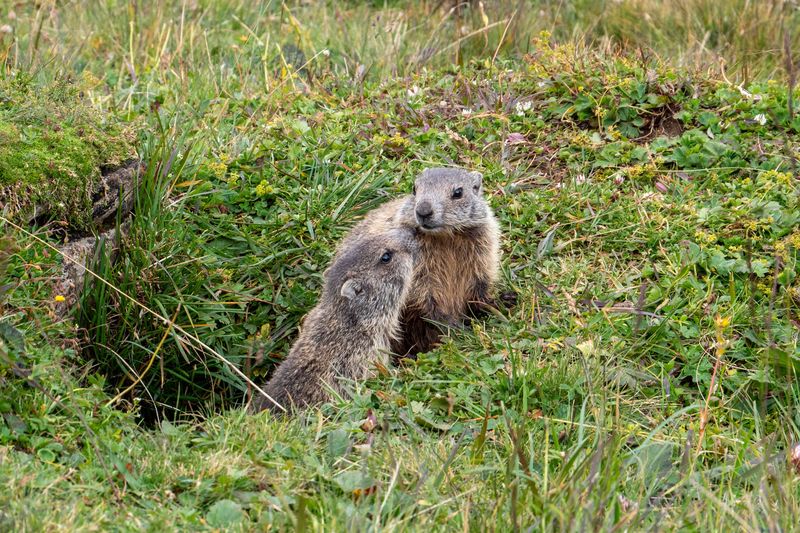
Spring babies grow up fast. Groundhog kits are born in April or May, and by late June or July they are ready to leave home.
That move is called dispersal. Young animals wander off to find their own territory and dig their own burrows.
If the groundhog you noticed in midsummer was a youngster, its sudden absence probably means it packed up and headed for new ground.
I once watched three small groundhogs tumble around a burrow by my compost pile. A few weeks later, only one was left, and soon that one was gone too. It felt sad until I learned this is the normal plan.
Adults may also shift locations in summer. A mother may leave once her young are on their own, and other adults sometimes move when food gets scarce or a better spot opens up nearby.
A practical tip goes with this. An empty summer burrow can be claimed by a new groundhog quickly. Skunks, rabbits, and foxes also use old woodchuck holes.
So enjoy the break, but keep an eye on that entrance. Your garden may host a fresh tenant before the beans are ready to pick.
5. Red Foxes And Hawks Keep Groundhogs On Their Toes
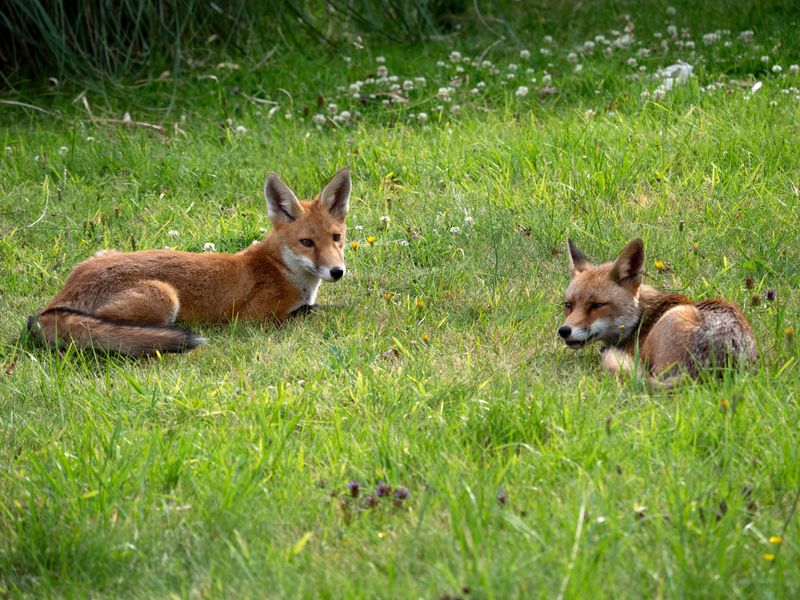
Nature runs its own patrol in Pennsylvania backyards. Red foxes, coyotes, bobcats, large hawks, and roaming dogs all hunt groundhogs, especially young ones.
Sometimes a predator does catch the animal you have been watching. Other times, the groundhog simply learns your garden feels risky and starts feeding somewhere safer. Both are possible, and you may not know which happened.
Groundhogs are surprisingly good at escaping. Their burrows usually have several entrances, including a hidden plunge hole that drops straight down.
When a fox shows up, the woodchuck can vanish in a blink and pop out somewhere else later.
Look around for clues if you suspect predators. Fox tracks in mud, scattered fur near the burrow, or a hawk perching on a nearby pole all tell part of the story.
I also learned to check my own habits. A new dog in the yard, a busy construction project next door, or even a motion light can push a skittish groundhog to change its routine.
Predators are part of a balanced garden ecosystem. They help keep rodent numbers in check, so their visits are not a disaster. Think of them as unpaid wildlife managers working the night shift.
6. An Empty Garden Plot Can Send A Woodchuck Packing

Groundhogs follow their stomachs. When the buffet closes, many of them go looking for another one.
Once your lettuce, beans, and squash are harvested, the garden may offer far less food than a nearby hayfield or a neighbor’s clover lawn.
A groundhog with plenty of options will travel to where the eating is easy. Fencing can create the same effect, and that is a win for gardeners.
Penn State Extension recommends a sturdy fence about three to four feet tall, with the bottom buried or bent outward in an L shape about a foot underground. Leaving the top loose and floppy makes climbing harder.
Electric wire placed a few inches above the ground outside the fence adds another layer of protection. Groundhogs are good climbers, so a short, rigid fence often fails.
Habitat matters too. Clearing brush piles, tall weeds, and junk near the garden removes the cover groundhogs love. Fewer hiding spots means fewer reasons to stick around.
If your groundhog vanished right after you fixed the fence or tidied the yard, congratulations. Your changes probably worked. Keep that barrier in good shape, because the next hungry woodchuck will test it.
7. Moving A Trapped Groundhog Breaks More Rules Than You Expect
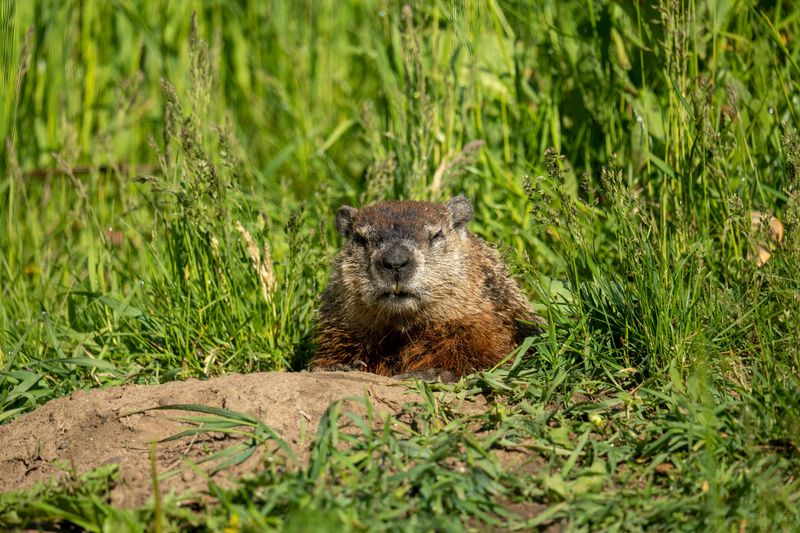
A neighbor once told me she trapped a groundhog and drove it to the woods. She meant well, but that plan can cause real trouble.
The Pennsylvania Game Commission does not allow people to relocate trapped wildlife to new areas.
Groundhogs can carry rabies, and moving animals may spread disease. Relocated animals also tend to struggle in unfamiliar territory with established residents.
Groundhogs are classified as game animals in the state, with hunting rules that vary by area. Landowners dealing with property damage have some options, but rules differ in safety zones near homes and by municipality.
Checking with the Game Commission or a licensed wildlife control operator is the safest step.
Humane exclusion works well for burrows under sheds or decks. A one-way door at the main entrance lets the animal leave but blocks it from coming back. After the burrow stays quiet, you can fill and secure it.
Timing matters here. Avoid exclusion in spring when babies may be trapped inside, and avoid sealing burrows in winter while an animal is hibernating.
So if your groundhog disappeared after someone else stepped in, it is worth asking how. Following the rules protects people, pets, and wildlife.
8. Check For Fresh Dirt Before Filling That Groundhog Hole
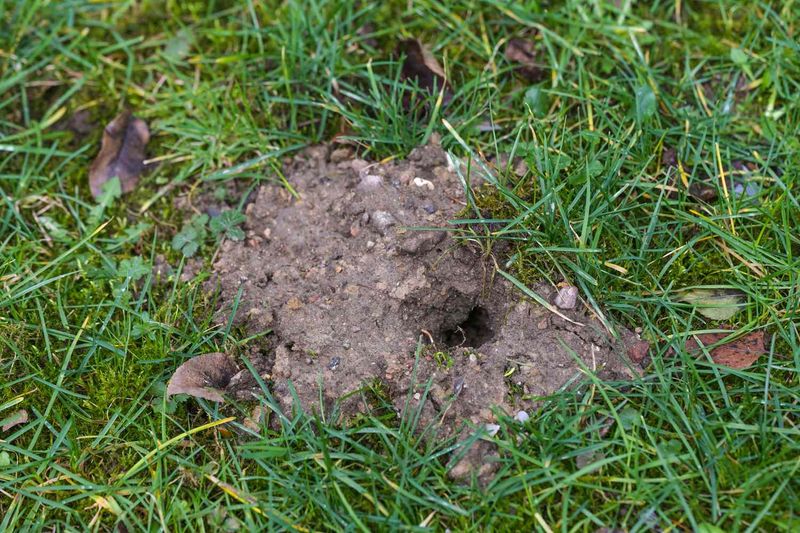
Grab a few sticks and some crumpled newspaper. You are about to become a burrow detective.
A quiet hole does not prove the groundhog is gone. It might be using another entrance, sleeping through the day, or hibernating far below. Loosely stuffing paper or leaning twigs across each entrance is an easy test.
Check them every day or two. If the material gets pushed aside, someone is still home. If everything stays untouched for a week or more during the warm season, the burrow is likely empty.
Other signs help too. Fresh soil, new tracks, chewed plants, and a worn path all point to activity. Grass growing over the rim and spider webs across the opening suggest the tenant left.
During winter, leave active-looking burrows alone. Wait until late spring or summer, after any young have left, before filling holes.
Pack them firmly with soil and rock, or bury hardware cloth across the opening to discourage new digging.
My biggest takeaway is patience. A vanishing groundhog usually means a normal season, a move, or a smarter garden setup. Watch the signs, protect your beds, and you will be ready when spring wakes everybody up again.