Why Do Georgia Armadillos Dig More After Heavy Fall Rain?
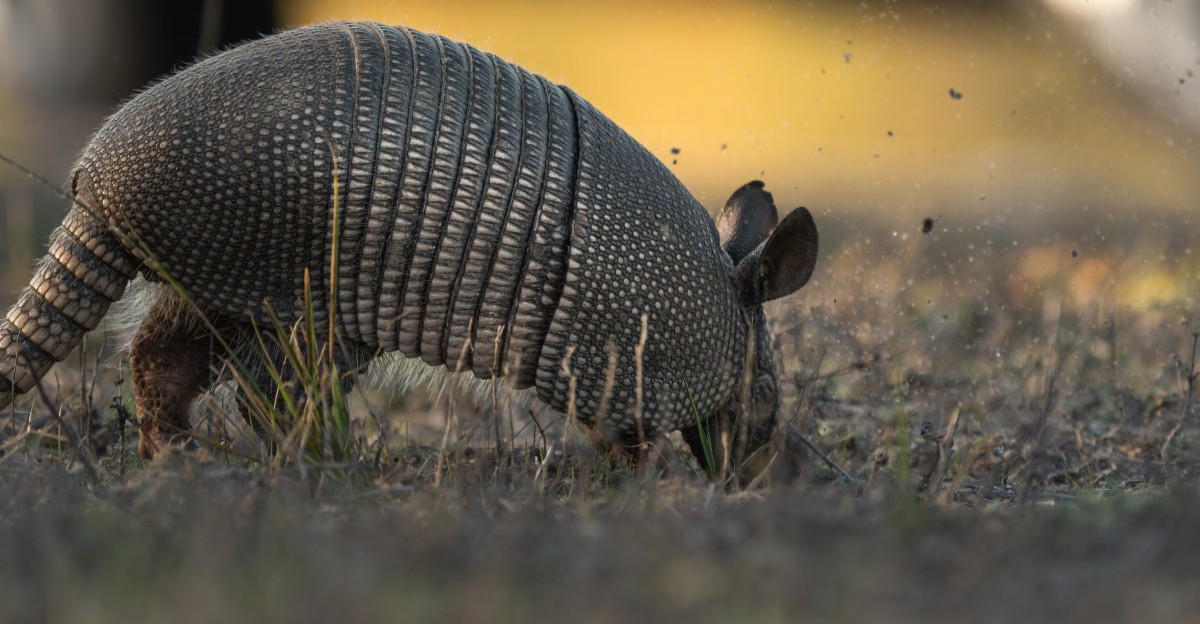
Just one animal can leave dozens of little cone-shaped pits in one lawn overnight, and it barely uses its eyes to do it. Its nose does most of the work, sniffing out food through several inches of soil.
Here in Georgia, those pits seem to pop up like magic after a soaking autumn storm. One morning the grass looks fine.
The next, it looks like someone went hunting for buried coins with a spoon.
I can’t imagine a more frustrating way to greet a cool fall day. Still, I have to admit I admire the skill behind it.
You need serious talent to find a single grub in the dark, using only your sense of smell.
Why does a good rain turn this quiet night visitor into a digging machine? The answer starts with what wet soil does to the hidden world under your feet.
1. Those Cone-Shaped Lawn Holes Follow the Smell of Dinner
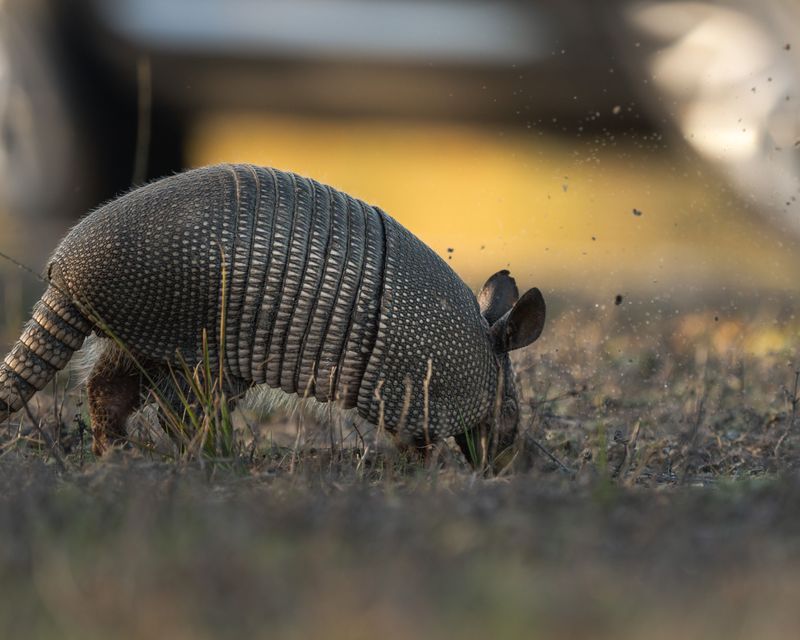
Shallow, cone-shaped pits in your yard may indicate that a nine-banded armadillo has been searching for food. These animals have poor eyesight, so they lean on an amazing nose to track food.
The University of Georgia notes that armadillos feed mostly on insects and other invertebrates. Over 90 percent of their diet comes from creatures like beetle larvae, ants, earthworms, and grubs.
They are not after your plant roots or bulbs at all.
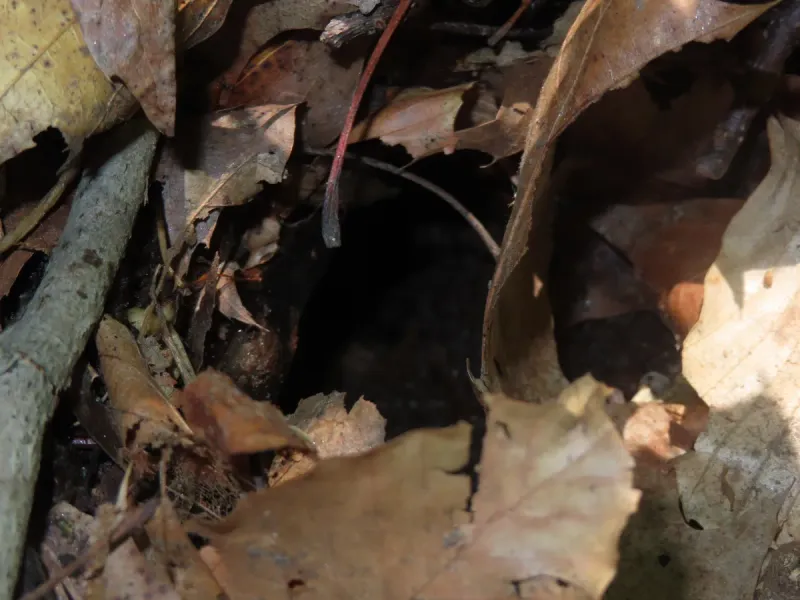
When an armadillo catches a scent, it pokes its snout into the ground and digs fast with strong front claws. Then it uses a long, sticky tongue to slurp up the prize.
The whole process takes only a few seconds before it waddles to the next spot.
That explains the scattered pattern you often see. One animal may check dozens of spots in a single night, testing each one like a shopper sampling snacks.
Personally, I find it helpful to remember that the holes are a clue, not just a mess. Lots of digging usually means lots of soil life.
Your lawn may simply be hosting a busy underground buffet that an armadillo found before you did.
2. Soft Rain-Soaked Soil Makes Armadillo Digging Easy
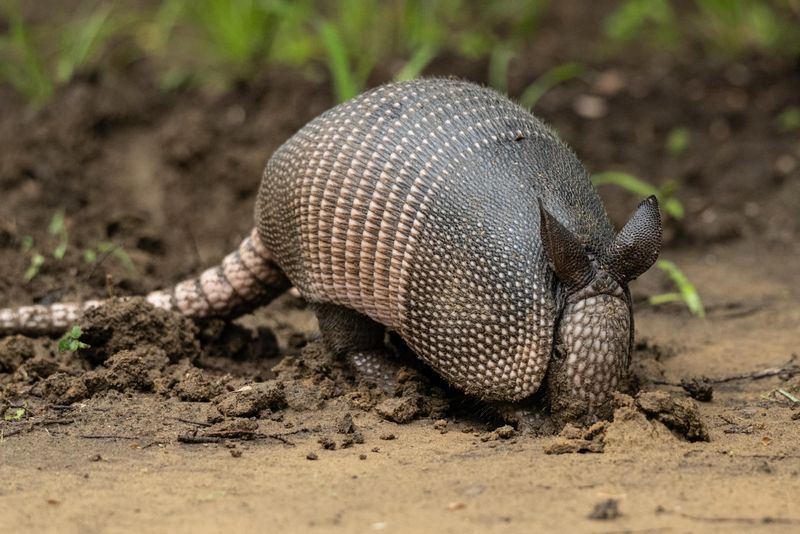
Try digging in hard, dry Georgia clay with a garden trowel. Now try it after a long rain, and you will feel the difference right away.
Armadillos feel it too. Their claws are powerful, but dry, packed ground takes more energy to break.
After heavy rain, the soil turns soft and loose, so each dig costs less effort and brings faster rewards.
Wet soil also seems to carry odors better. Moisture helps scent molecules travel, which may make buried insects easier for that sensitive nose to locate.
Wildlife experts often link armadillo activity to moist conditions for this reason.
There is another twist. Earthworms and many soil insects move upward when the ground is wet.
Some worms even come to the surface during soaking rains. That puts food closer to the top, right where a hungry armadillo can reach it.
So a heavy fall storm does two jobs at once. It softens the ground and pulls snacks upward.
Put those together, and your yard suddenly looks like an easy meal.
A quick tip from me: after big storms, check your lawn early. Pressing loose turf back down right away helps the grass recover faster.
3. White Grubs Rise Closer to Your Grass in Autumn
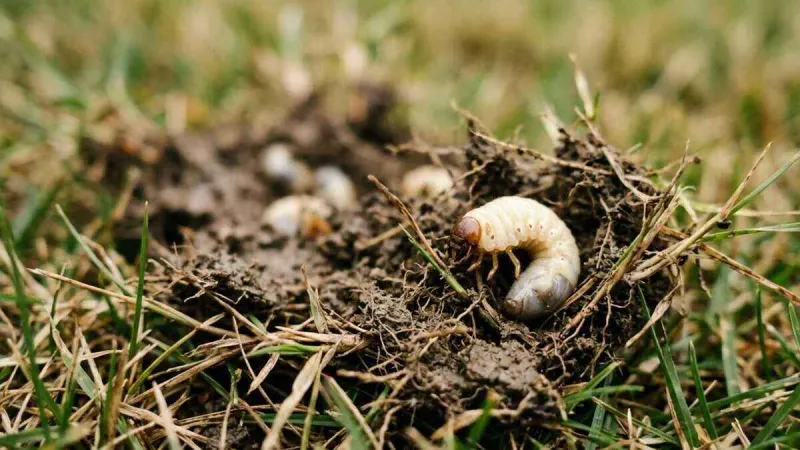
Lift a piece of loose turf in early fall, and you might spot a curled, creamy white grub staring back. Those plump larvae are a top reason armadillos visit.
White grubs are the young of beetles like June beetles and Japanese beetles. Adults lay eggs in summer, and the larvae feed on grass roots through late summer and fall.
UGA Extension explains that grubs often stay near the soil surface during warm months before moving deeper as winter cold sets in.
That timing matters. In Georgia, early and mid fall can still feel warm, so grubs remain shallow.
Add a heavy rain that softens the ground, and you have a perfect setup for an armadillo feast.
Want to know if grubs are the culprit? Cut a one-foot square of turf on three sides and peel it back.
The number of grubs per square foot that warrants treatment depends on the beetle species, turf condition, and extent of lawn damage.
Here’s a fun fact. Armadillos actually eat some lawn pests for you.
The trouble is the holes they leave. Checking grub numbers first helps you decide whether the problem is the insects, the digger, or both.
4. An Armored Night Forager Can’t Pack On Winter Fat
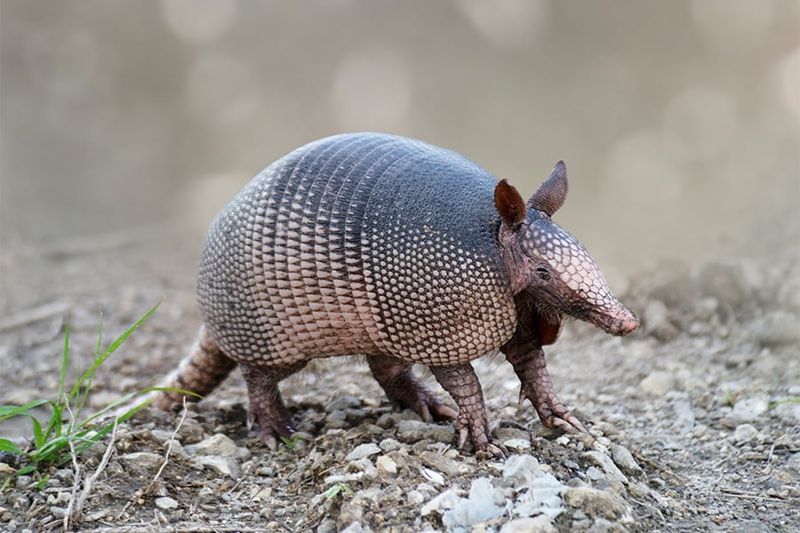
Bears bulk up before winter. Squirrels stash acorns.
Armadillos do neither, and that changes everything about their fall behavior.
Nine-banded armadillos have a low body temperature and very little body fat. They do not hibernate, and they cannot store much energy for lean times.
Long cold snaps can be hard on them, which is one reason they stay in the warmer Southeast.
Because of this, they have to eat steadily. As nights cool down, many armadillos shift their schedule.
In summer they roam mostly after dark, but in cooler months you may spot them out in the warm afternoon or early evening instead.
Fall is basically their last good shopping window before winter makes insects scarce. When a heavy rain makes food easy to reach, it makes sense for them to dig hard and fast.
Every grub counts.
I like knowing this, because it makes the digging feel less personal. That armadillo isn’t picking on your lawn.
It is following a simple rule: eat now while the eating is good.
Spotting one in daylight during fall is usually normal. Give it space, and it will likely shuffle back toward its burrow soon.
5. Watered Lawns and Mulched Beds Draw Armadillos In
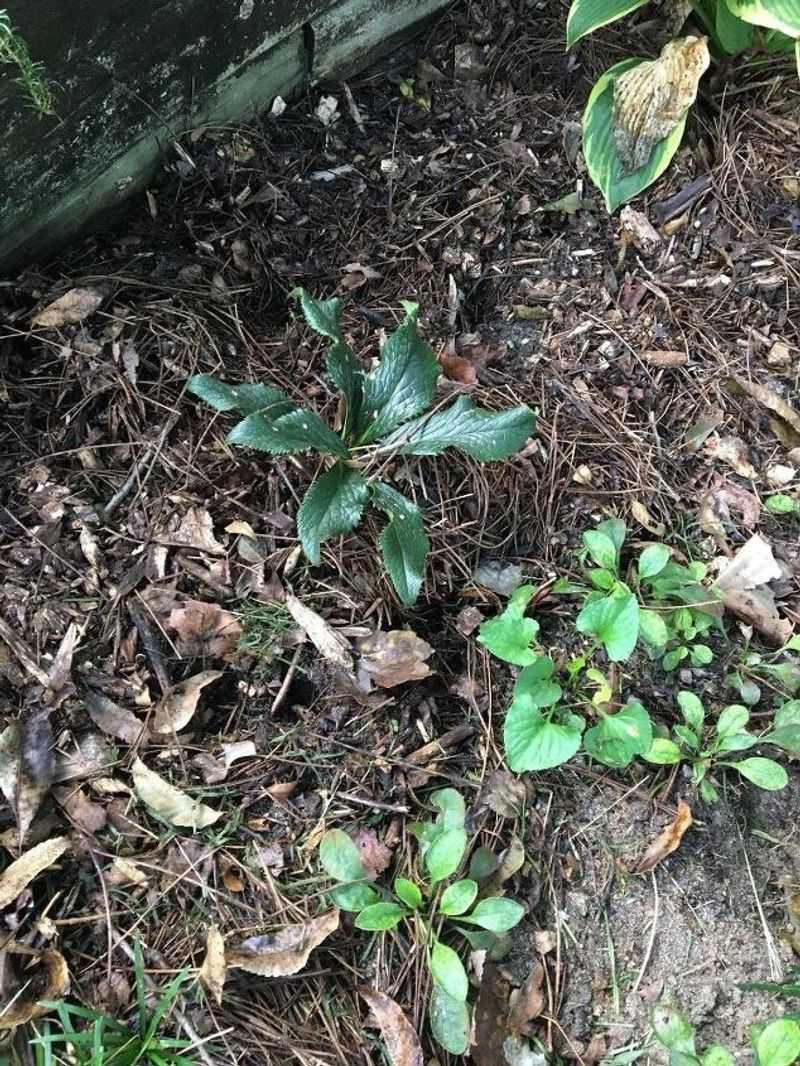
Our neat suburban yards can look like a five-star restaurant to an armadillo. Green turf, damp mulch, and shady beds tend to hold plenty of insects.
Armadillos favor soft, moist soil near cover and water. Irrigated lawns, leafy borders, and thick mulch keep moisture in the ground, and that moisture supports worms, grubs, and beetles.
After a fall storm, these spots stay wet even longer.
Mulched beds take a beating. Armadillos often plow through pine straw or shredded bark looking for bugs, flipping small plants and scattering mulch onto sidewalks.
Many gardeners blame squirrels or skunks at first.
So how do you tell? Armadillo holes are usually small cones, about one to three inches deep and three to five inches wide.
Skunk holes tend to be smaller and neater. Moles leave raised tunnels instead of open pits.
Range matters too. Armadillos have spread northward over the decades and now live across most of Georgia, with heavy numbers in the south and middle of the state.
North Georgia mountain yards see fewer, though sightings have grown.
Knowing which parts of your yard stay soggiest shows you where trouble will likely start.
6. Handle Armadillos Carefully and Know Georgia’s Rules
Safety first, folks. Armadillos look harmless, but they deserve careful handling for a few good reasons.
Some nine-banded armadillos carry the bacteria that cause Hansen’s disease, also called leprosy. The CDC says the risk to most people is low, yet bare-handed contact is a poor idea.
Wear gloves when filling holes near burrows, and wash your hands afterward.
Legally, Georgia treats the armadillo as a nongame species without protected status. The Georgia Department of Natural Resources generally allows landowners to remove them, but local ordinances may limit trapping, relocation, or firearm use.
Check your city or county rules before acting.
Relocating a trapped armadillo can also bring trouble, since releasing wildlife on other property may require permission. Many homeowners hire a licensed wildlife control operator instead.
Trapping takes patience. Bait rarely works because armadillos want live insects.
Setting a cage trap along a fence or path, with boards forming a funnel toward it, often brings better results.
One more caution: poisons are not approved for armadillos. Skip the home remedies like mothballs too.
They are unsafe around pets and kids, and research shows they do little to change armadillo behavior.
7. A Sturdy Garden Fence Keeps Fall Diggers Out
Ready for a game plan? You can’t stop the rain, but you can make your yard far less tempting when the next storm rolls through.
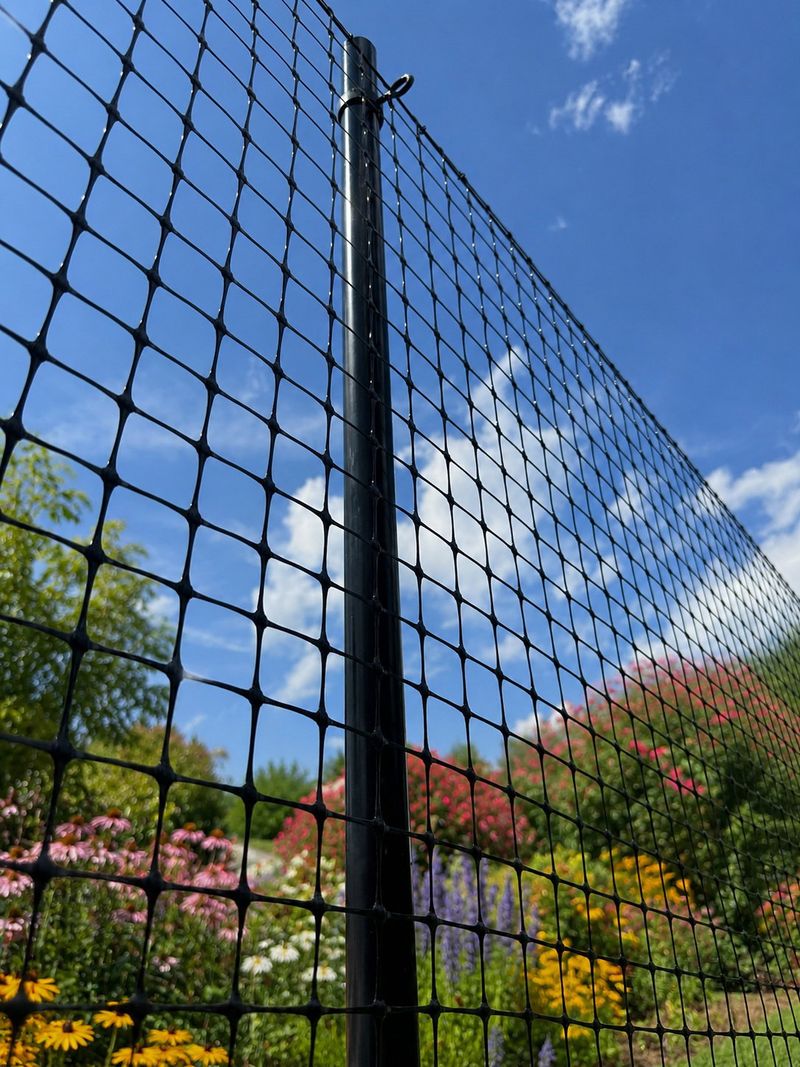
Exclusion works best for small areas. UGA and wildlife agencies suggest a fence about two feet tall, buried at least a foot deep or bent outward in an L-shape along the bottom.
Armadillos dig well but rarely climb, so this design often stops them cold at garden beds.
Next, look at your watering. Cut back irrigation in fall, especially after heavy rain.
Drier soil holds fewer worms and feels harder to dig.
Tidy up hiding spots too. Clear brush piles, trim thick shrubs near the ground, and close off gaps under decks or sheds where a burrow could start.
If grubs are heavy, a targeted lawn treatment can help, but keep expectations realistic. Armadillos also eat earthworms and other critters, so grub control alone rarely solves the problem.
My favorite habit is simple. Walk your yard the morning after a big rain, tamp down loose turf, and note where the digging clusters.
Those hot spots tell you exactly where to start next fall.