The Native Florida Wildflowers You Plant From Seed In Fall For A Spring Meadow
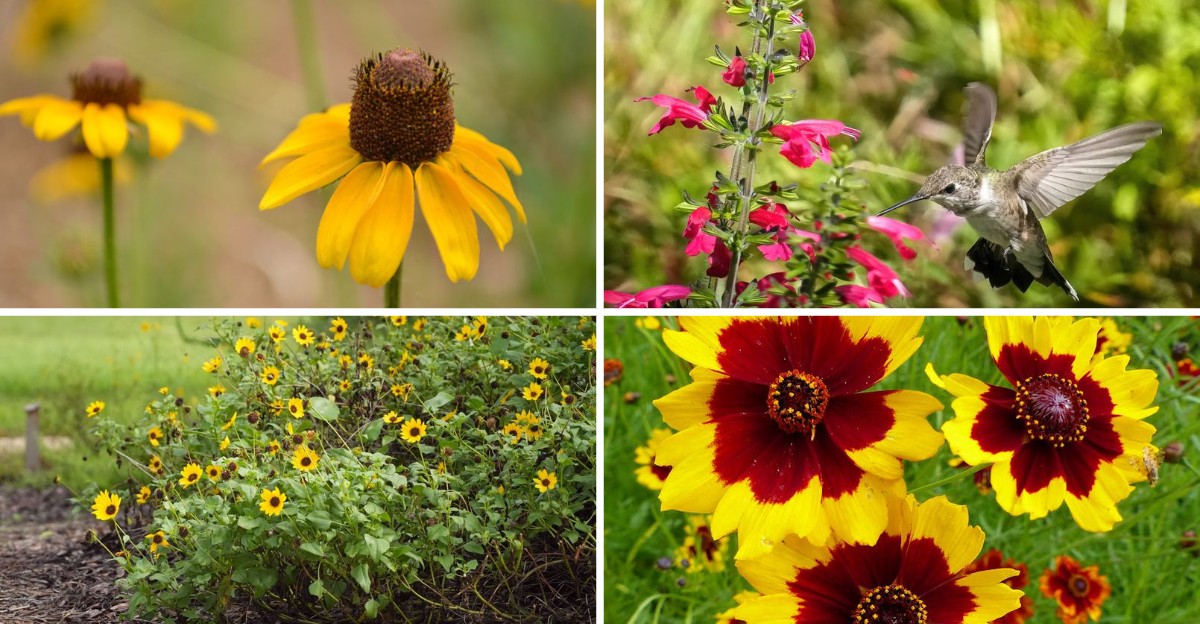
Picture a sunny field buzzing with bees, butterflies, and color that seems to glow at sunrise. Now imagine creating that whole scene with a handful of tiny seeds and a little patience.
Many people think of planting in spring, but the real magic often starts when the air cools. Seeds tucked into the ground right now get months to settle, sprout roots, and wake up strong.
Mother Nature already follows this schedule, dropping seeds in autumn and letting winter rains do the watering. You are simply copying her homework, which feels a little sneaky but works beautifully in the garden.
Native blooms bring extra perks, since they handle heat, sandy soil, and surprise droughts with grace. They also feed local pollinators that have relied on them for thousands of years before lawns arrived.
1. Blanket Flower Brings The Sunset To Sandy Soil
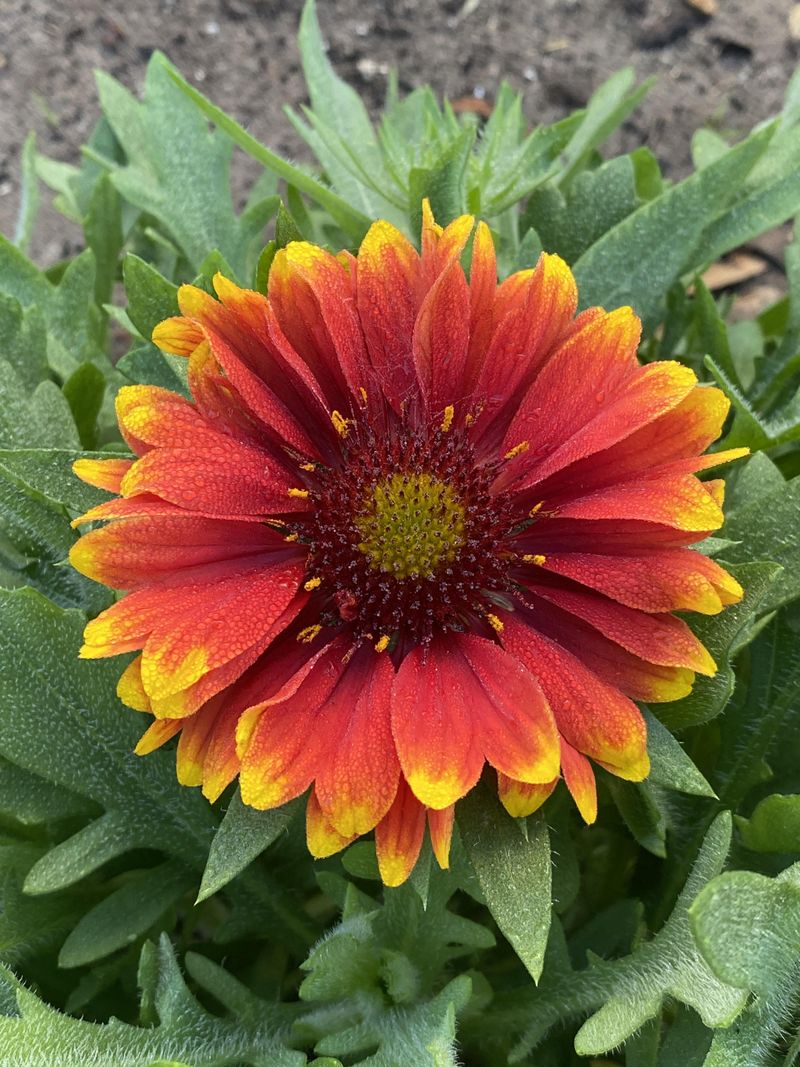
Picture a tiny sunset sitting on a stem, with deep red centers fading into bright yellow tips. Blanket flower is often said to be named for the colorful woven blankets made by Native Americans.
Along Florida beaches and roadsides, this tough plant grows in nearly pure sand where many flowers would struggle. It handles salt spray, hot sun, and poor soil, which makes it a smart pick for beginners.
Early October is a fine time to scatter the seeds, once the worst of the summer heat fades. Rake the soil lightly, toss the seeds on top, and press them down gently with your shoe.
Avoid burying them deep, since blanket flower seeds need a bit of sunlight touching them to sprout well. Water them lightly for a few weeks if fall rains are skimpy, then let nature take over.
Over winter, small fuzzy leaves form low rosettes that hug the ground and quietly build strong roots. By spring, those plants push up flower stems and start blooming, often continuing for many warm months after.
Butterflies, native bees, and even small beetles visit the blooms, making your meadow feel alive and busy. Later, the round seed heads feed goldfinches and other small birds looking for an easy autumn snack.
One quirky bonus is that blanket flower often reseeds itself, so a single planting can return yearly. Leave a few spent blooms standing at the end of the growing season to keep the cycle going.
2. Leavenworth’s Tickseed Is A True Florida Original
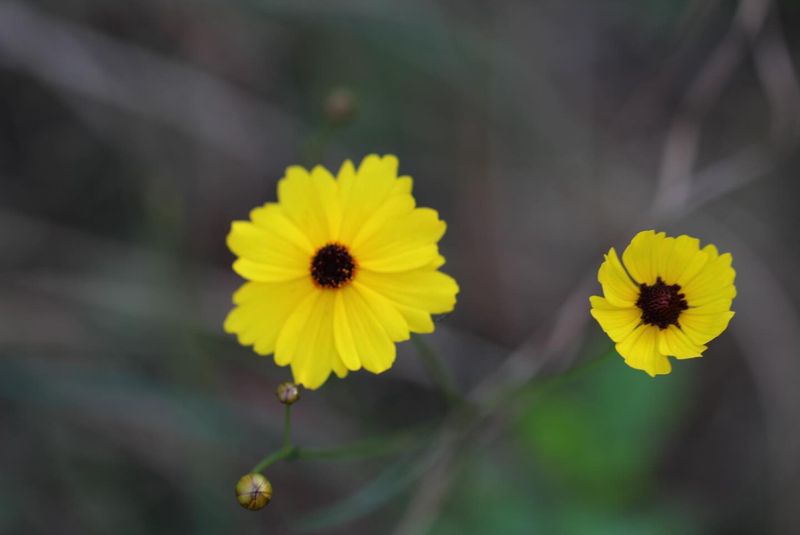
In 1991, Florida lawmakers named coreopsis the official state wildflower, and Leavenworth’s tickseed is one of the species behind that honor. It grows naturally almost nowhere else, so planting it means growing a real piece of local history.
The odd name comes from its tiny, dark seeds, which resemble small insects when clustered together. Relax, though, because they are harmless seeds that will not crawl anywhere.
Golden yellow petals with notched tips surround a rich dark brown center, creating a cheerful daisy look. Plants often reach two to three feet tall, swaying in the breeze like tiny dancers on thin stems.
Unlike many wildflowers, this one actually enjoys damp spots, such as ditches, low areas, and rain gardens. It still grows fine in average soil, though, as long as it gets plenty of direct sunshine.
Your Florida Garden Changes Every Week. Your Plan Should Too.
Gardening in Florida changes quickly throughout the season. Every Friday you’ll receive a simple weekly plan showing exactly what to plant, prune, fertilize, harvest, and protect so you never miss the right timing.
For fall sowing, mix the tiny seeds with dry sand so you can spread them more evenly. Scatter the mix over cleared, bare soil in October or November, and skip covering it with dirt.
Seedlings form flat green clumps through the cooler months, then shoot up flower stalks as days lengthen. Blooms can last from spring into summer, and some plants in South Florida flower nearly year-round.
Bees and butterflies flock to the bright petals, while birds pick at the ripe seeds later in autumn. Plant a big patch, and you will be showing off true state pride right in your own front yard.
3. Black-Eyed Susan Wins Hearts With Its Friendly Face
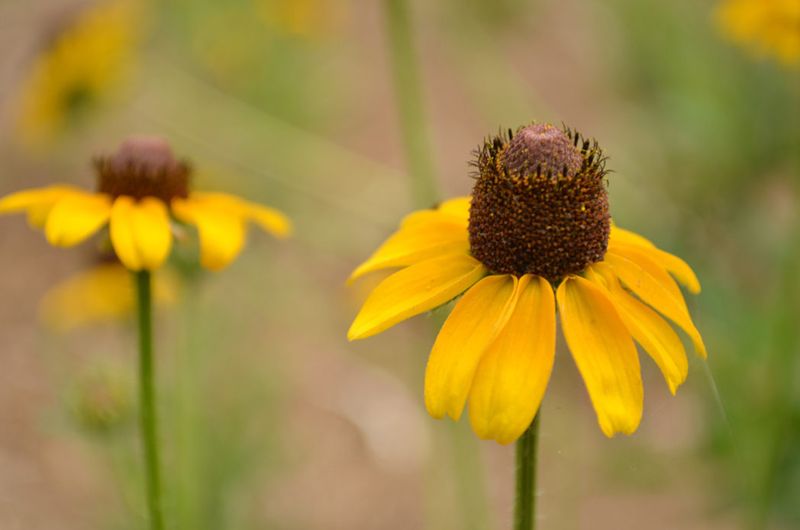
Ask a few gardeners about wildflowers, and black-eyed Susan will likely come up quickly. Its golden petals and chocolate brown center feel familiar, like a sunny memory from childhood summers.
Florida has its own native forms of this classic flower, so it fits right in with local conditions. Plants grow about one to three feet tall and handle sandy soil and clay alike.
Many black-eyed Susans in the state act as short-lived perennials, lasting a couple of years before fading. Luckily, they drop plenty of seeds, so new plants pop up to replace the older ones each season.
Sow the seeds this fall by sprinkling them on loosened soil and pressing them firmly into place. Seeds need light to sprout, and a cool spell helps too, which matches the coming months nicely.
Keep the area weeded during winter so grass and other plants do not crowd out the young seedlings. A light layer of pine straw around, but not over, the seedlings can help hold in moisture.
Once spring arrives, expect waves of blooms that butterflies, bees, and hoverflies visit throughout the day. Cut a few stems for a vase, since the flowers last nearly a week indoors with fresh water.
Fun fact: the dark center is actually made of hundreds of tiny flowers packed tightly together. Leave the seed heads standing in late season, and small songbirds will gladly stop by for a meal.
4. Scarlet Sage Rolls Out The Red Carpet For Hummingbirds
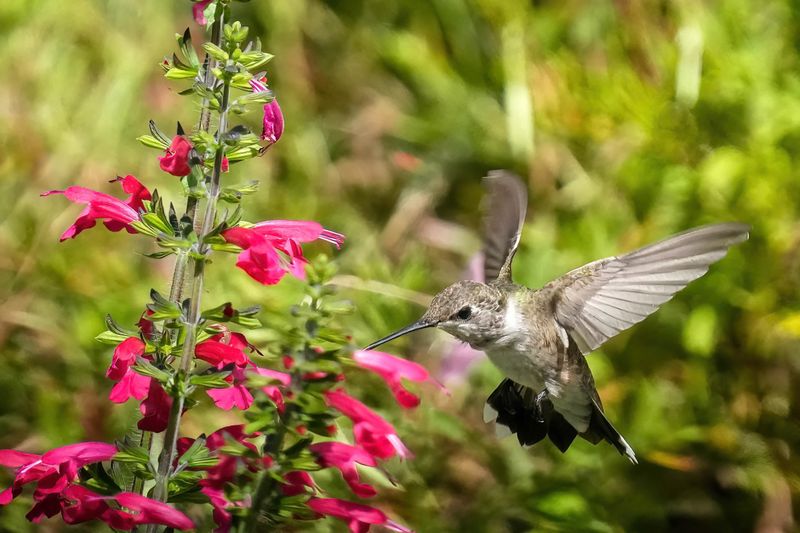
Hummingbirds seem to have a secret map, and scarlet sage is marked on it with a giant star. Its slender red tubes are shaped perfectly for their long beaks, so visits often begin soon after the first blooms open.
Fall is prime time for hummingbird traffic, as many birds pass through or settle in for winter. Starting seeds now gives you plants ready to welcome the next wave of tiny visitors in spring.
Scarlet sage is one of the easiest wildflowers to grow from seed, even for first-time gardeners. Scatter seeds on bare soil, cover them with a thin dusting of dirt, and keep them lightly moist.
Plants usually grow two to three feet tall, with fuzzy, heart-shaped leaves that give off a mild scent when crushed. Sun is best, but this sage also tolerates light shade better than most meadow flowers you might choose.
In warmer parts of the state, plants may bloom through mild winters and keep feeding pollinators through the season. Up north, a cold snap may knock them back, but the dropped seeds sprout again once soil warms.
Butterflies like sulphurs and swallowtails also sip from the flowers, so the hummingbirds will have to share. Carpenter bees sometimes cheat by biting holes in the base of the tubes, which is funny to watch.
Pink and white varieties exist too, though the classic red tends to draw the most hummingbird attention. Tuck a few plants near a window, and you can watch the tiny birds hover while sipping breakfast.
5. Beach Sunflower Spreads Sunshine Across The Ground
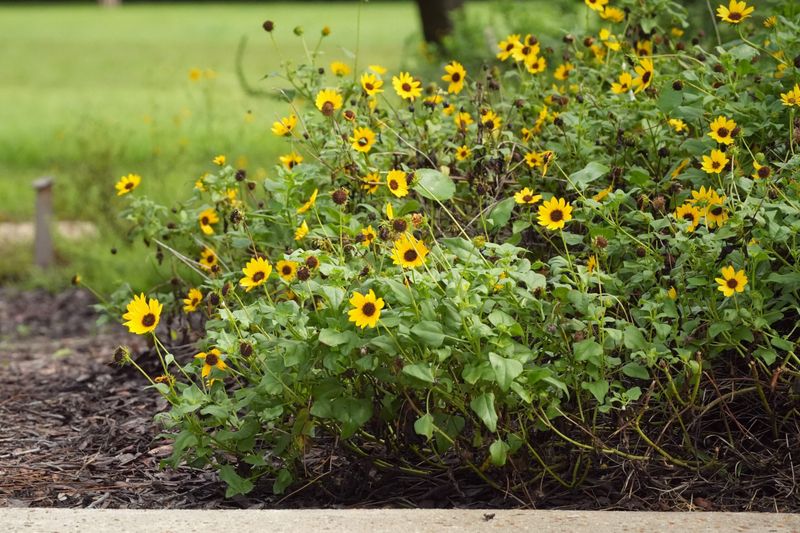
Think of a sunflower that decided to lie down and relax on the beach instead of standing tall. Beach sunflower creeps along the ground, forming a bright golden carpet about one to two feet high.
Native to coastal dunes, it shrugs off salty breezes, scorching sand, and long stretches without rain. Even if you live far from the ocean, it grows happily in sunny inland yards across Florida.
The flowers look like small cheerful sunflowers, about three inches wide, with yellow petals and dark centers. Sandpaper-rough leaves may help the plant hold moisture, which could explain how it survives such harsh, dry beach spots.
Seeds are larger than most wildflower seeds, so plant them about a quarter inch deep this fall. Soaking them in water overnight before planting can help them sprout faster once they hit the soil.
In southern Florida, young plants may start blooming during the mild winter, adding color when lawns look tired. Farther north, expect leafy growth through the cool months and a burst of flowers as spring warms.
Because it spreads quickly, beach sunflower works great on slopes where it helps hold loose sand in place. Give it room to roam, or trim the edges now and then to keep it politely in bounds.
Butterflies and bees visit throughout the day, and the seeds attract songbirds that hop through the low stems. Pair it with taller wildflowers, and it becomes a sunny, cheerful front border for your whole meadow.
6. Spotted Beebalm Looks Like Something From Another Planet
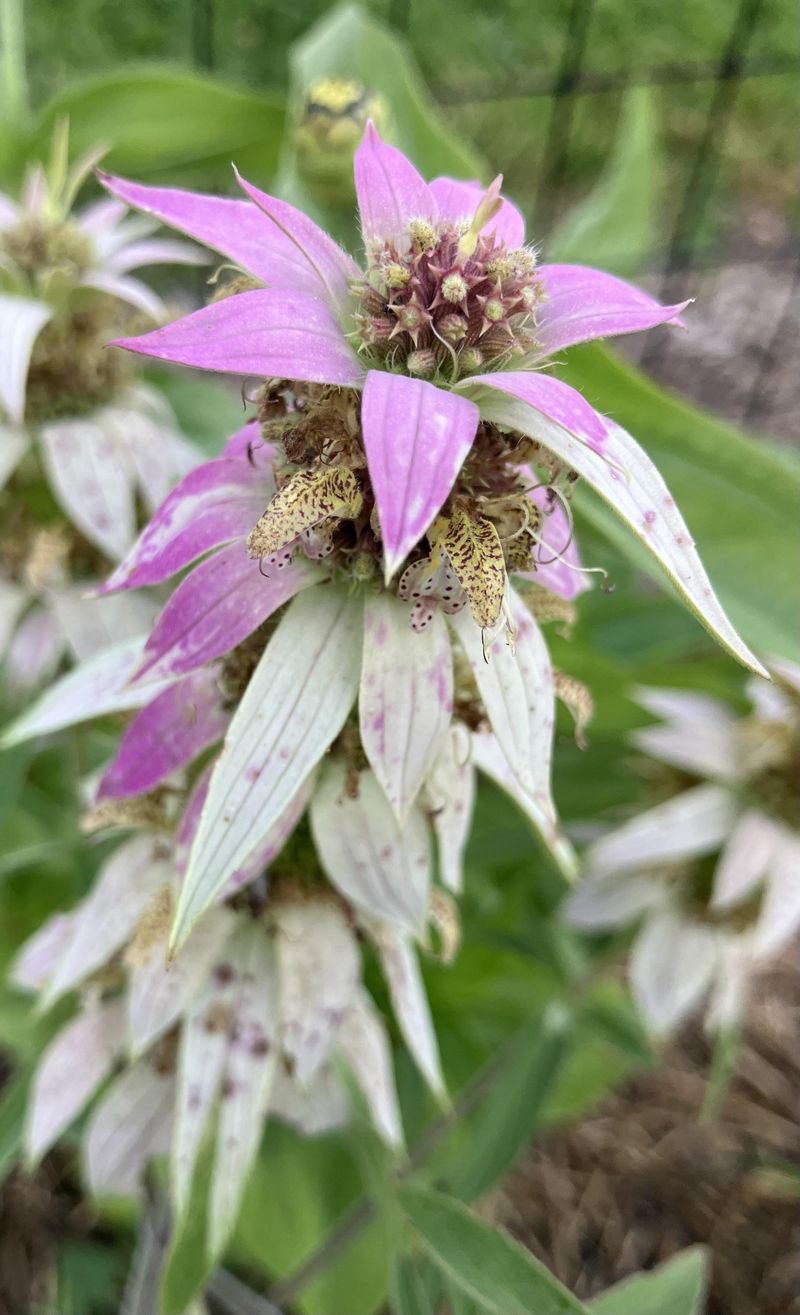
Have you ever seen a flower that looks like a stack of tiny pagodas wearing pink party hats? Spotted beebalm stacks its blooms in layers, with pale, spotted flowers tucked above showy pink and lavender leaves.
Those colorful leaves are called bracts, and they do most of the flashy work of grabbing attention. The real flowers are small, yellowish, and covered in purple dots, like they were splattered with paint.
Brush past the plant, and you will notice a strong spicy scent that resembles oregano or thyme. That smell comes from natural oils, and people have long used the leaves for teas and remedies.
Pollinators go wild for it, especially native wasps, which are gentle visitors that help control garden pests. Bees, butterflies, and moths join the party too, turning each plant into a buzzing little hotspot.
Spotted beebalm loves dry, sandy soil and full sun, so it suits many yards quite naturally. Rich, soggy soil can cause it to flop over or struggle, so skip the fertilizer for this one.
Sow the fine seeds in October on bare, raked ground, pressing them in without covering them up. Small leafy clumps will form over winter before stretching up to about two feet tall later on.
Blooms usually show up through summer and into fall, giving your meadow a second wave of interest. Many plants come back for a few years, and they often reseed into nearby open spots too.
7. Purple Coneflower Adds A Touch Of Northern Charm
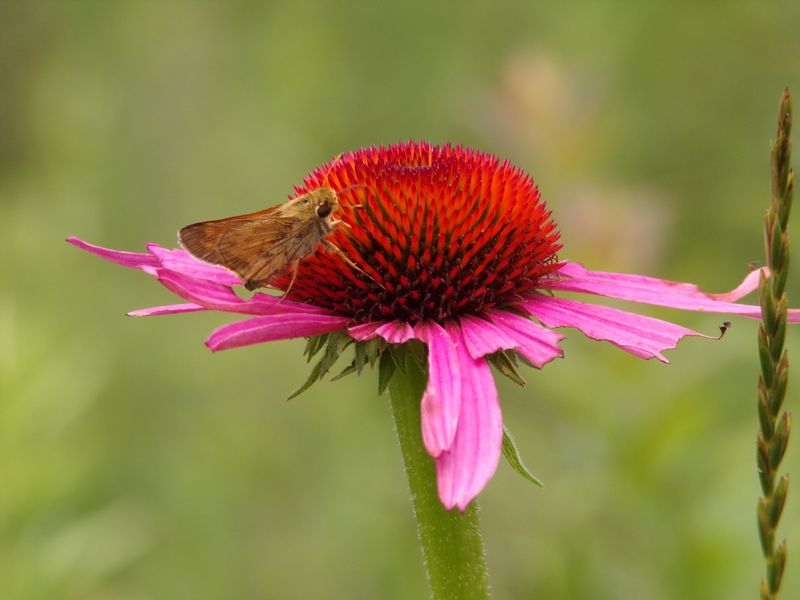
Few flowers are as famous as purple coneflower, which shows up in gardens, herbal teas, and nature guides. What surprises many people is that it grows wild in only a handful of spots in northern Florida and is listed as endangered by the state.
Because of its northern roots, it performs best in North and Central Florida, where winters bring a real chill. Gardeners in the far south may find it struggles with the steady heat and lack of cold.
Cold matters because coneflower seeds like a chilly, damp rest period before they decide to sprout. Planting them in fall lets winter handle that step for you, with no fridge tricks needed.
Cover the seeds with about an eighth inch of soil, and mark the spot so you remember it. Seedlings can be slow to appear, so a little patience goes a long way with this one.
Mature plants reach two to four feet tall, topped with droopy pink-purple petals around a spiky orange cone. Many plants bloom lightly in their first year, then put on a much bigger show the next season.
Give coneflower well-drained soil and some afternoon shade if your yard bakes in the strong sun. Soggy roots are its biggest weakness, so raised beds or gentle slopes can make a real difference.
The name echinacea comes from a Greek word for hedgehog, a nod to that prickly center cone. Butterflies love landing on it, and the dry seed heads give small songbirds a reason to visit later.
8. Plains Coreopsis Paints The Meadow In Bold Colors
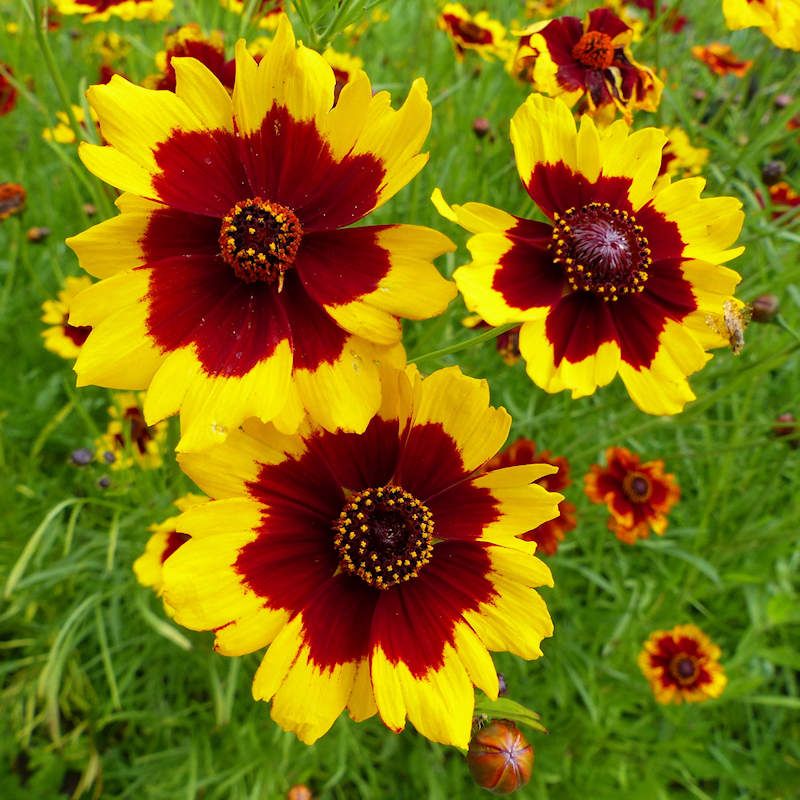
Long ago, people boiled plains coreopsis flowers to make bright orange and red dyes for cloth. Its scientific name, tinctoria, even refers to coloring fabric, which hints at its long and colorful past.
Each bloom has golden yellow petals with a rich maroon blotch near the center, like a tiny painted ring. Masses of these flowers dancing on wiry stems look like confetti tossed across a green field.
Unlike most flowers on this list, plains coreopsis is an annual, meaning it grows, blooms, and seeds within one year. Fall sowing works beautifully, since seedlings settle in over winter and burst into flower by late spring.
The seeds are tiny, so scatter them on raked soil and simply press them down with your palm. A gentle sprinkle of water helps them settle, and fall rains can usually handle the rest.
Plains coreopsis loves moist spots and tolerates poor soil, so it fills in tricky areas with ease. It mixes well with Leavenworth’s tickseed, creating a two-tone wave of yellow and maroon across your meadow.
Bees and butterflies visit the open, flat flowers, which make easy landing pads for small, busy insects. After blooming, let the plants drop their seeds before mowing, and next year’s meadow can plant itself.
Kids often love growing this flower because it sprouts quickly and rewards them with fast, cheerful color. Hand a child a seed packet this fall, and watch their excitement bloom right along with the flowers.