The Native Ohio Tree Gardeners Overlook Until Its Nuts Start Falling
Bark that peels away in long, curling strips can stop a hiker cold on an Ohio woodland trail on a crisp October afternoon. Those loose plates give the tree a rugged, shaggy look that very few other native Ohio trees can match.
I love how the strips curl outward from the trunk like old wood shavings. Small bats and other woodland creatures may tuck behind that loose bark to rest during the day.
The tree drops thick-husked nuts onto the ground each fall in woodlands and yards across Ohio. Squirrels often hurry to gather them up before you can even bend down for a closer look.
It helps to know how this tree grows, how it feeds wildlife, and how it fits into a home landscape. Could the shaggiest tree on your street also turn out to be the most useful one for your yard?
The Shaggy Trunk You Keep Walking Past
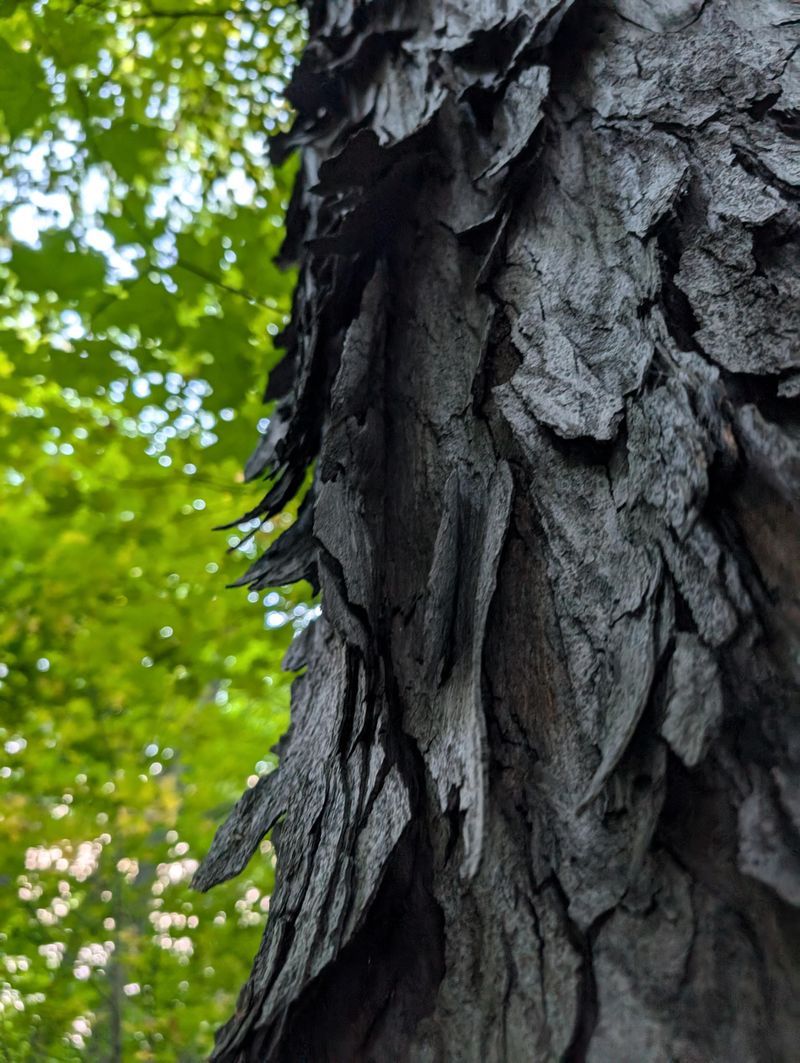
Shagbark hickory is a native Ohio tree, known as Carya ovata, and its peeling bark is the easiest clue to spot. Long gray plates curl away from the trunk on mature trees. Younger trees look smoother, so many gardeners miss them.
Ohio State University extension materials describe it as a large deciduous tree with compound leaves and sweet edible nuts. In October, the leaves turn golden yellow and brown. That color makes the tree stand out along fence lines and woodland edges.
Walk slowly around your yard and look closely at the trunks you pass each day. A tree with thin, tight bark may be a young hickory still waiting to shag. Leaves with five, and sometimes seven, leaflets are another helpful clue.
Patience matters here, because this tree grows slowly and lives for many decades. Some trees in the wild reach well over a hundred years of age. Planting one is really a gift for the people who come after you.
Check for bark first, then look at the leaves on the ground. A few fallen leaflets in October can help you confirm what you have. Take a photo each fall and compare it year to year.
You may find a hidden native right outside your door.
Nuts Drop Right When Fall Settles In
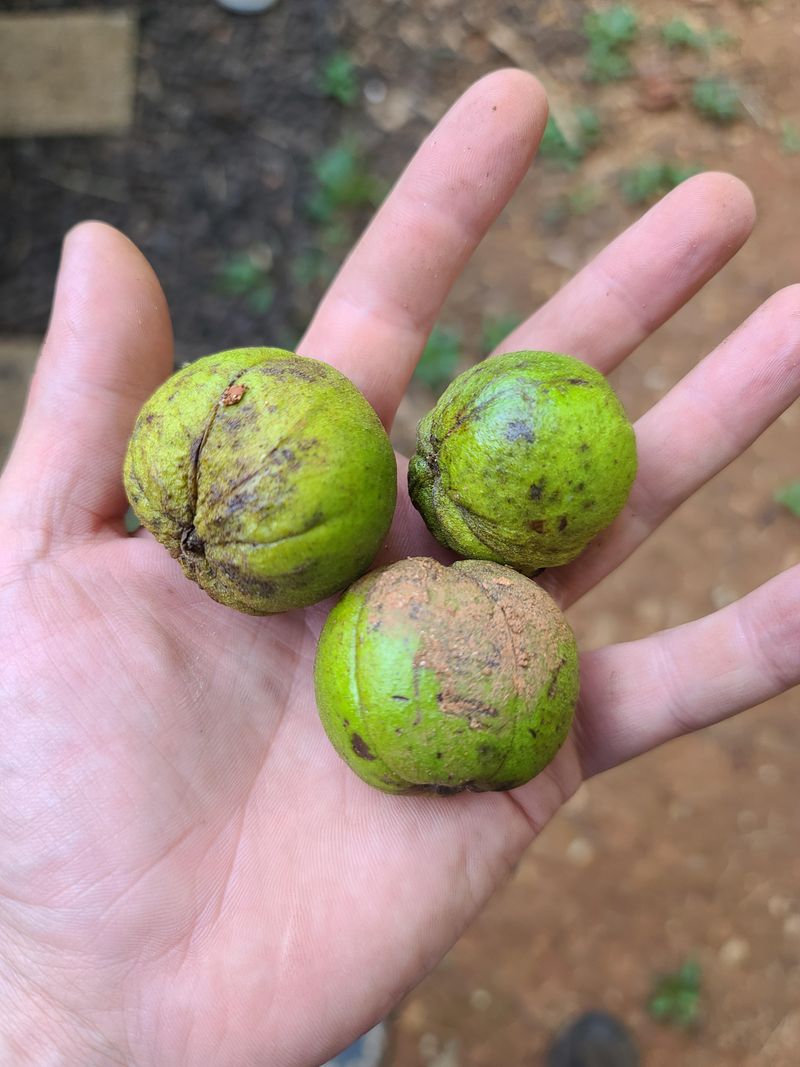
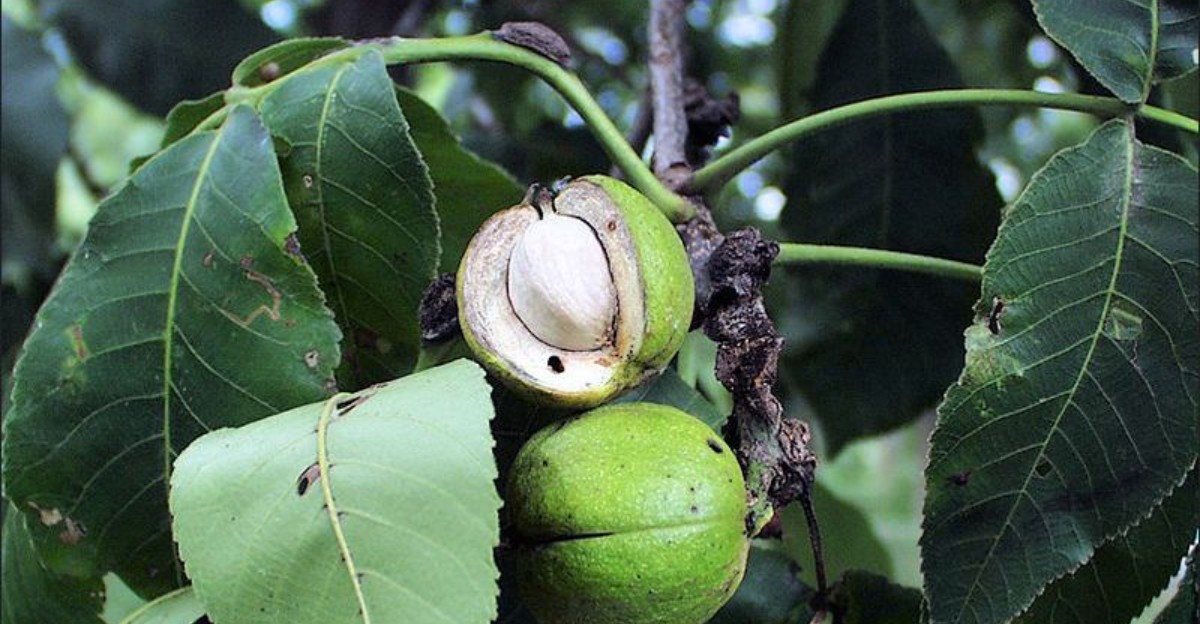
Thump, thump, thump goes the sound of hickory nuts hitting a roof or driveway in early autumn. The nuts fall from September into October in Ohio, often with their husks still attached. Each husk usually splits into four parts as it dries.
Inside is a pale, hard shell that holds a sweet kernel. Many people say the flavor reminds them of pecans, which are close cousins. Wildlife agrees, since squirrels and chipmunks gather them fast.
If you want to try some, pick up nuts soon after they land. Leaving them on damp ground can invite mold. Wear gloves, because the husks can leave stains on your hands.
Dry the nuts in a cool, airy spot for a couple of weeks. Cracking them takes real effort, so a sturdy nutcracker or a small hammer helps. Pick out the shell bits carefully before eating.
Your Ohio Garden Changes Every Week. Your Plan Should Too.
Gardening in Ohio changes quickly throughout the season. Every Friday you’ll receive a simple weekly plan showing exactly what to plant, prune, fertilize, harvest, and protect so you never miss the right timing.
Not every tree produces a heavy crop each year. Extension sources note that nut yields can vary from season to season.
Extension sources note that nut yields can vary from season to season. A light year is usually not a sign that something is wrong.
Wildlife Treat Your Yard Like a Diner
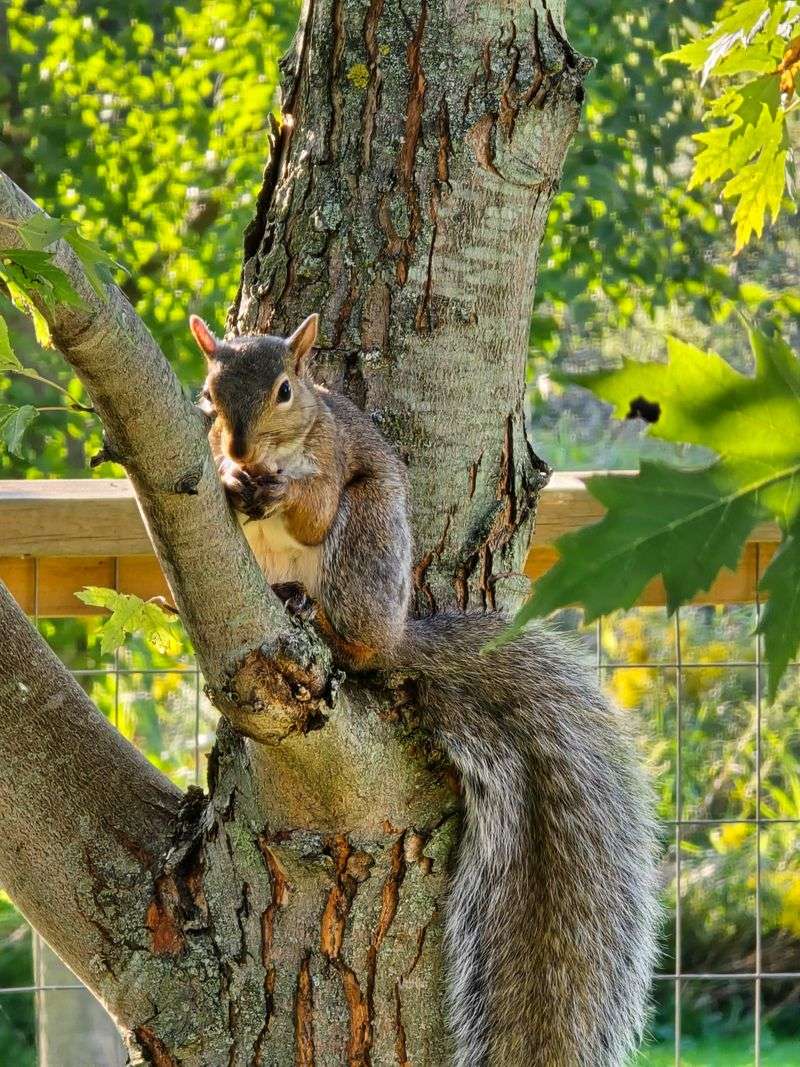
Squirrels are not the only visitors that benefit from a hickory in the yard. Chipmunks, deer, turkeys, and woodpeckers all take advantage of the nuts or the tree itself. A single tree can become a busy spot in fall.
The bark offers shelter too. Researchers have found that Indiana bats and northern long-eared bats sometimes roost behind loose bark plates. Leaving old hickories standing can support these small mammals.
Caterpillars of several moths feed on hickory leaves, and birds then feed on those caterpillars. That chain of life makes native trees valuable. A yard with one large hickory may hold more life than a whole row of ornamental shrubs.
You can help by leaving a few fallen nuts and leaves under the tree. Raked leaves can go into a loose pile at the edge of the yard. Insects and small creatures will use that cover through winter.
Keep a notebook by the window in October. Jot down who shows up and what time of day they visit. Kids often enjoy this activity, and it turns a quiet tree into a lively show.
Planting Mistakes Worth Skipping
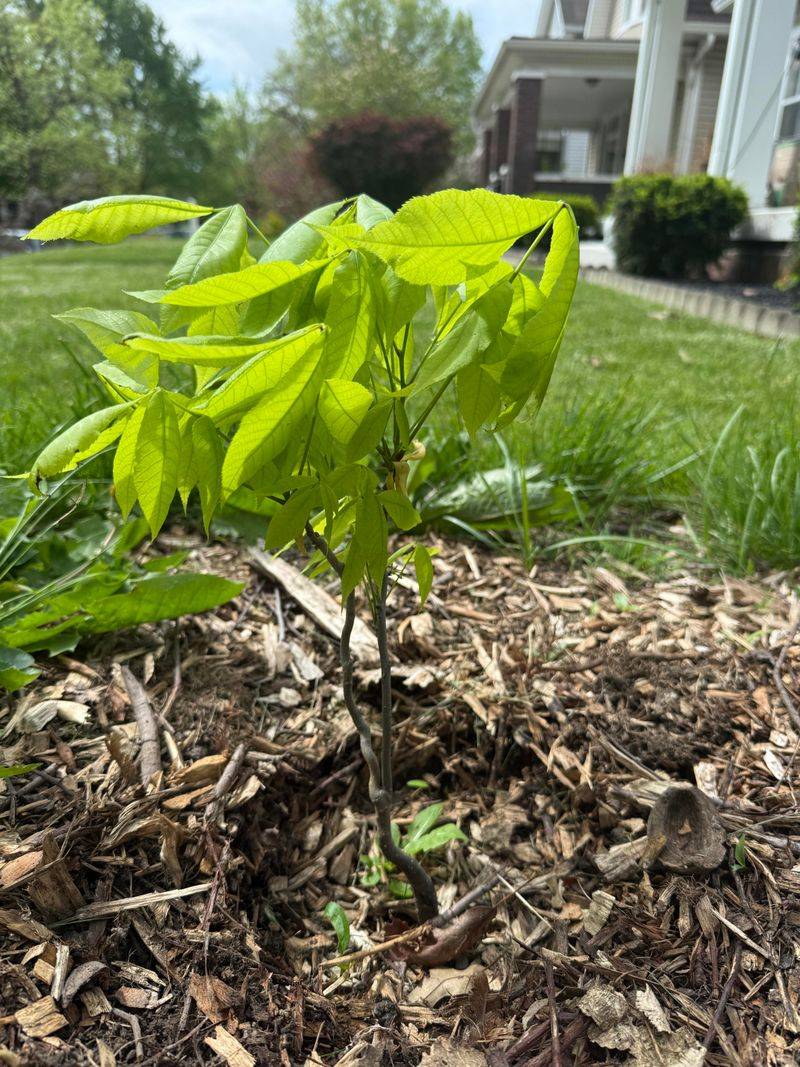
A common slip is tucking a hickory too close to the house or a driveway. Mature trees can reach sixty to eighty feet tall and spread wide. Give yours plenty of open sky.
Another trouble spot is the root system. Hickories grow a deep taproot, so they dislike being moved once they get going. Buying a very large tree from a nursery can lead to struggle.
Small container-grown or young seedlings tend to settle in best. Pick a site with full sun and deep, well-drained soil. Ohio State extension guidance notes that hickories prefer moist but not soggy ground.
Fall is a fine time for planting in Ohio, since cooler air eases stress. Water the new tree weekly if rain is scarce. Add a ring of mulch, but keep it a few inches from the trunk.
Skip heavy fertilizer in the first year. Slow growth is normal, and forcing it does little good. Think of the first few seasons as root building time.
Before digging, look up and check for power lines overhead.
Cleanup Tricks for Falling Husks

Hickory nuts can roll underfoot like marbles, so a quick cleanup keeps your yard safe. Walk the lawn each few days during peak drop. A wide leaf rake or a rolling nut gatherer saves your back.
Mowing over nuts is a poor idea, since hard shells can bounce or dull a blade. Gather them first and then mow. Wear sturdy shoes while you work.
Bring a bucket and sort what you find. Nuts that feel heavy usually hold good kernels, while light ones are often empty. Sort the empty ones into the compost or leave them for wildlife.
Husks break down slowly, but they add useful material to a compost pile. Chop them with a spade first to speed things up. Mix them with fallen leaves for balance.
Keep pets and small children in mind during heavy drops. Nuts and husks can be hard for curious little mouths to handle, so check the grass before play time.
A little steady effort each week keeps the chore light and the lawn tidy.
Care Habits That Keep It Thriving
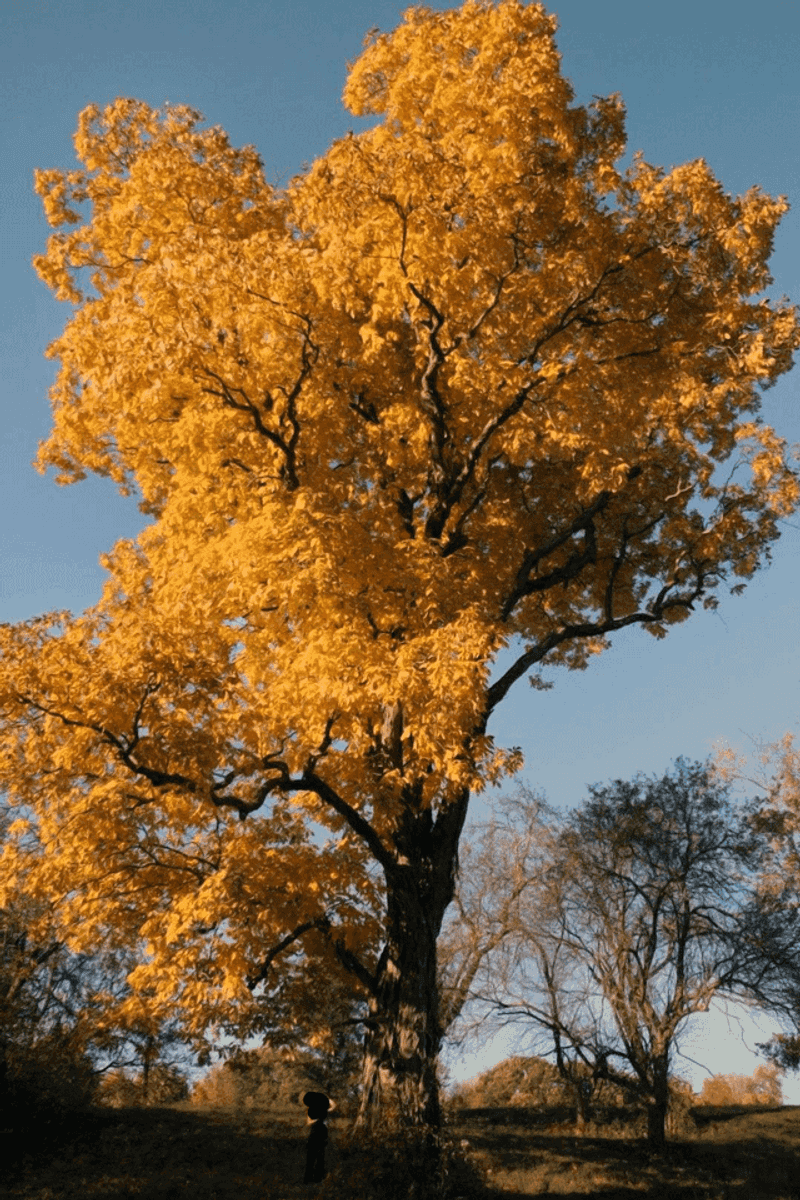
Once established, a hickory asks for very little from you. Most of its care is simple observation through the seasons. A walk around the trunk in October is a good habit.
Look for cracked limbs, odd leaf spots, or fresh sawdust at the base. Pests such as hickory bark beetles can bother stressed trees. Healthy trees usually resist problems better.
Protect the roots by keeping heavy equipment away from the drip line. Compacted soil can slow growth for years. A wide mulch circle keeps mowers at a safe distance.
Water young trees during dry fall spells until the ground freezes. Older trees mostly manage on their own. Contact your county extension office if you spot something unusual.
Pruning is best done in late winter, while the tree rests. Remove only damaged or crossing branches. Hire a certified arborist for any large limbs.
Give your hickory time, and it will reward you with golden leaves, shaggy bark, and generous harvests for generations.