The Native Pennsylvania Plant That Covered Prairies Before Settlement Is Coming Back
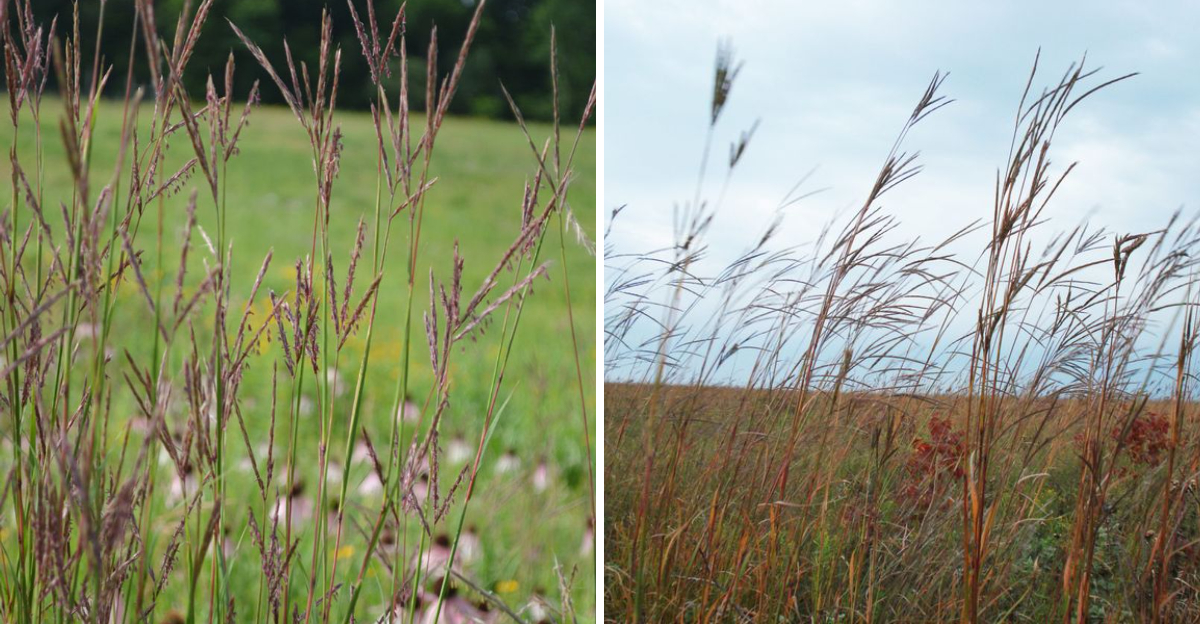
Before Pennsylvania was a patchwork of farms, suburbs, and managed landscapes, much of its open land looked very different from anything most people alive today have ever seen.
Vast native prairies and meadows stretched across areas that are now fields and neighborhoods, dominated by plants that evolved over thousands of years alongside the soils, the climate, and the wildlife of this region.
Most of those plants disappeared when the land was cleared and converted. One of the most significant is quietly coming back.
There’s a native Pennsylvania plant that once covered vast stretches of the state’s open landscapes and has been largely absent from residential and managed land for well over a century. It’s not a rare wildflower tucked into a protected natural area.
It’s a substantial, ecologically powerful plant that shaped entire prairie ecosystems, provided habitat and food for wildlife that no longer has enough of it, and built the kind of deep, carbon rich soil that Pennsylvania’s open land was known for before settlement changed everything.
Native plant enthusiasts and restoration ecologists have been working to bring it back. Here’s what it is and why your yard is a perfect place to join that effort.
Big Bluestem Was Once A Major Prairie Grass
Picture a sea of grass stretching as far as the eye can see, standing taller than a grown adult. That was the reality of North America’s tallgrass prairies before European settlement arrived.
Big bluestem, known scientifically as Andropogon gerardii, was the undisputed champion of those grasslands. It could grow six to eight feet tall and dominated millions of acres from the Great Plains all the way into the eastern states, including Pennsylvania.
Prairies may not be the first thing people think of when they imagine Pennsylvania, but small native grasslands did exist here before widespread farming and development took hold.
Big bluestem thrived in those open, sunny spaces, forming dense communities with other native grasses and wildflowers.
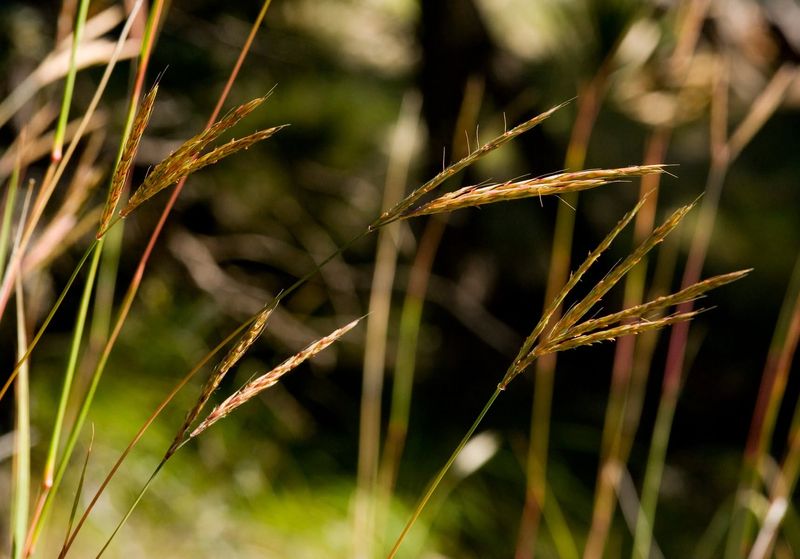
It earned the nickname “turkeyfoot” because its seed heads split into three finger-like branches that look just like a turkey’s foot.
Bison, elk, and countless insects depended on this grass for food and shelter. Its tough stems and deep roots helped hold the soil together even during strong storms and heavy rains.
Without big bluestem, the prairie ecosystem simply could not function the way it did.
Sadly, most of these grasslands disappeared as settlers cleared land for agriculture. Estimates suggest that over 99 percent of North America’s original tallgrass prairie has been lost.
Big bluestem went from being one of the most common plants on the continent to a grass that many people have never even heard of. Understanding its historic role is the first step toward appreciating why bringing it back matters so much today.
Its Deep Roots Make It Extremely Resilient
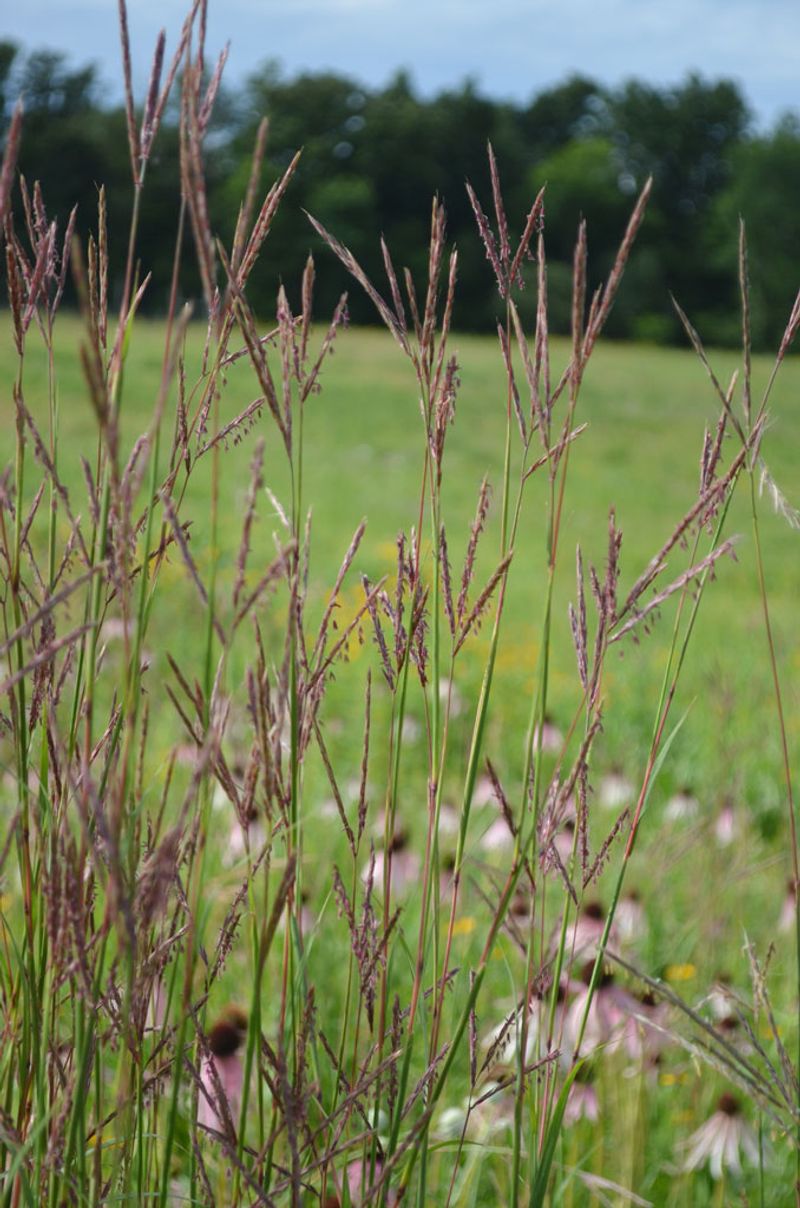
Here is something that might surprise you: big bluestem grows more underground than above it. While the stems can reach six feet tall, the roots can plunge ten to twelve feet deep into the earth.
Your Pennsylvania Garden Changes Every Week. Your Plan Should Too.
Gardening in Pennsylvania changes quickly throughout the season. Every Friday you’ll receive a simple weekly plan showing exactly what to plant, prune, fertilize, harvest, and protect so you never miss the right timing.
That is an incredible feat for any plant, and it is exactly what makes big bluestem one of the toughest grasses in North America. Those deep roots allow it to reach water sources that shallow-rooted plants simply cannot access during dry spells.
Drought is no match for a plant with roots this powerful. Even during long stretches without rain, big bluestem stays green and healthy while other plants around it struggle.
Farmers and land managers have taken notice of this trait, especially as climate patterns become less predictable. A plant that can handle heat and drought without much help is exactly what many landscapes need right now.
Beyond surviving tough conditions, those roots do something amazing for the soil itself. As the roots grow and eventually break down, they add organic matter deep into the ground.
This improves soil structure, making it easier for water to move through and for other plants to establish themselves nearby. Big bluestem’s root system also helps hold soil in place during heavy rains, reducing erosion on slopes and along stream banks.
Carbon storage is another hidden benefit. Deep roots lock carbon into the soil rather than releasing it into the atmosphere.
Scientists studying climate solutions have pointed to native prairie grasses like big bluestem as natural tools for capturing carbon. Its resilience is not just good for the plant itself. It is genuinely good for the land around it.
Native Restoration Projects Are Bringing It Back
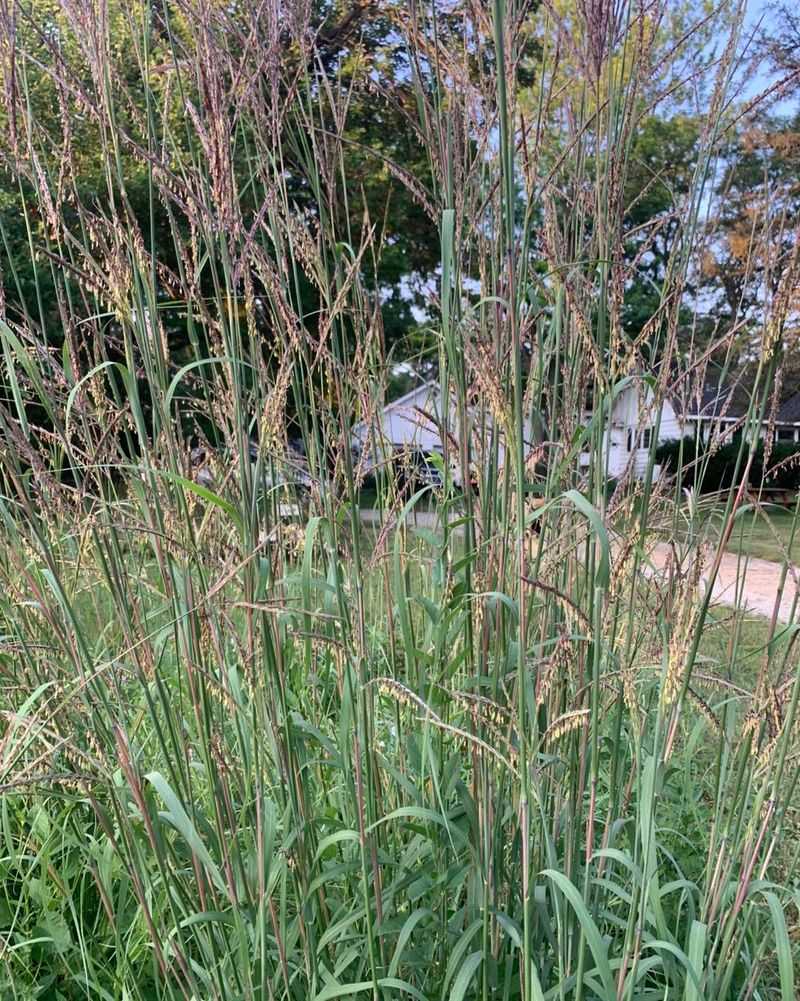
Across Pennsylvania and neighboring states, a quiet revolution is happening in fields, parks, and roadsides. Ecologists, land trusts, and everyday gardeners are working together to restore native grasslands that were lost over the past few centuries.
Big bluestem is almost always at the center of these efforts. Because it was such a foundational species in historic grasslands, planting it again helps kickstart the recovery of an entire ecosystem rather than just a single plant.
Organizations like the Pennsylvania Department of Conservation and Natural Resources and various local land trusts have launched restoration programs that include big bluestem as a key species.
These projects often involve removing invasive plants first, then seeding or transplanting native grasses and wildflowers.
Big bluestem tends to establish slowly at first, but once its deep roots take hold, it becomes incredibly stable and long-lived.
Roadsides are an unexpected but important site for these plantings. Pennsylvania has experimented with planting native grasses along highway corridors instead of traditional turf grass.
Big bluestem requires far less mowing and maintenance than standard lawn grass, which saves money and reduces emissions from mowing equipment. Over time, these strips of native grass can become corridors connecting larger patches of habitat.
School gardens and community green spaces have also become sites for big bluestem restoration. When kids see this grass up close and learn about its history, they tend to become passionate advocates for native plants.
Restoration is not just about ecology. It is about rebuilding a relationship between people and the landscapes they live in.
Big bluestem serves as a living reminder of what Pennsylvania’s wild places once looked like.
It Provides Habitat For Pennsylvania Wildlife
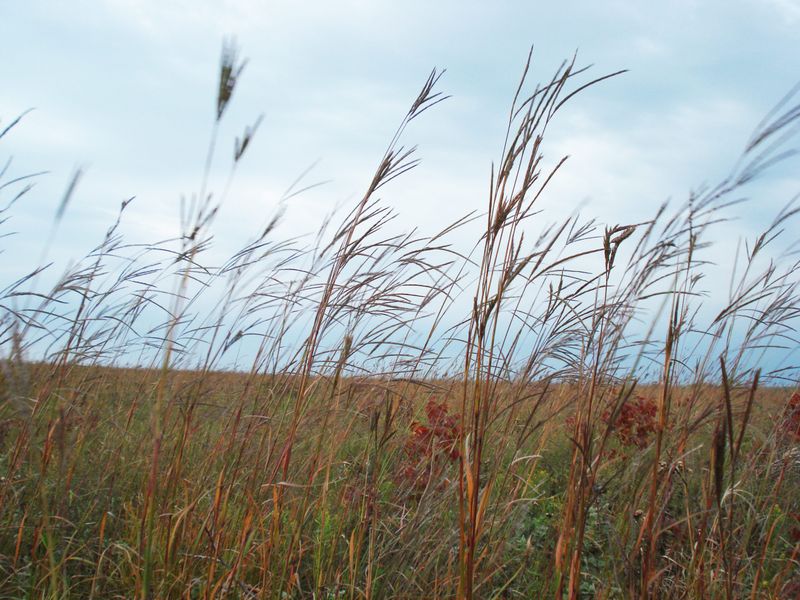
Walk through a stand of mature big bluestem on a warm summer day and you will quickly realize you are not alone. The grass buzzes, chirps, and rustles with life.
Dozens of insect species use big bluestem as a host plant, meaning they depend on it specifically to complete their life cycle. Skipper butterflies, in particular, are closely tied to big bluestem and related native grasses.
Without this plant, several skipper species would struggle to survive in Pennsylvania. Birds love big bluestem too, and for good reason.
The tall stems create dense cover where ground-nesting birds like bobolinks, meadowlarks, and grasshopper sparrows can raise their young safely away from predators.
These bird species have experienced serious population declines across the eastern United States as grassland habitat has shrunk. Restoring big bluestem directly supports their recovery by giving them places to nest and feed.
In fall and winter, the seed heads of big bluestem become a food source for sparrows, finches, and other seed-eating birds. Leaving the stems standing through the cold months rather than cutting them down in autumn makes a real difference for wildlife.
Small mammals like meadow voles also use the dried grass for nesting material and cover from hawks and other predators.
Even pollinators benefit from big bluestem’s presence. While the grass itself is wind-pollinated and does not produce nectar-rich flowers, its presence in a meadow supports the overall health of the plant community.
A healthy native plant community attracts more pollinators overall. Big bluestem acts like an anchor species, holding the whole web of life together in one thriving place.
It Adds Four Seasons Of Interest To Gardens
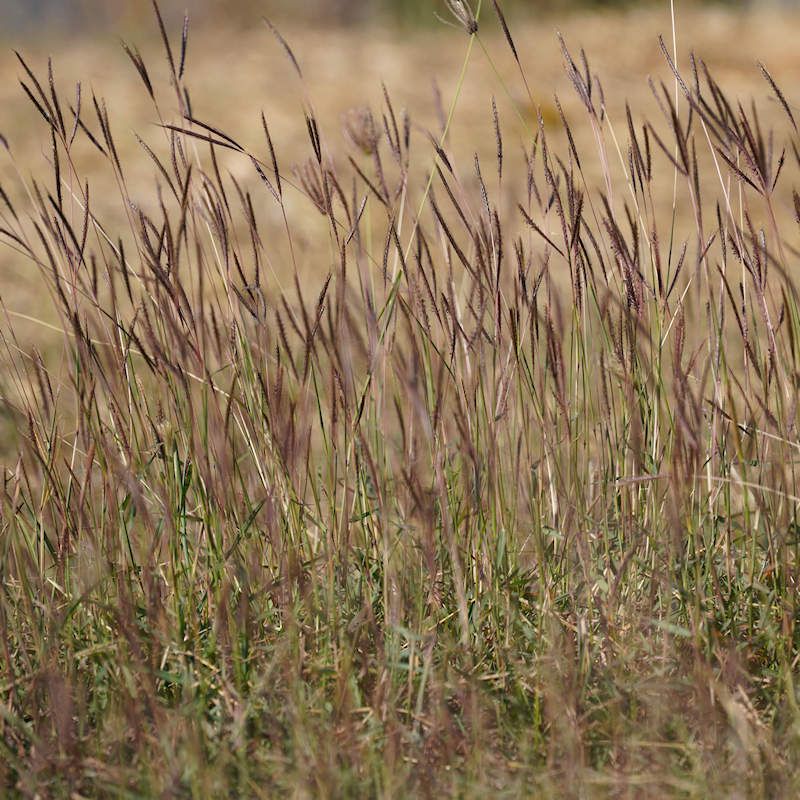
Most ornamental grasses offer one or two seasons of good looks and then fade into the background. Big bluestem is different.
It earns its place in the garden by delivering something interesting during every single month of the year, making it one of the most rewarding native plants a gardener can choose.
Few plants can make that claim, and even fewer can back it up with the ecological benefits that come along for the ride.
Spring starts things off with fresh blue-green shoots emerging from the ground as temperatures warm. The color is soft and cool, offering a nice contrast to the bright greens of other garden plants.
By midsummer, the stems are tall and upright, creating a bold vertical element that adds structure to naturalistic plantings. The distinctive turkeyfoot seed heads appear in late summer and are genuinely one of the most charming features any grass can offer.
Fall is where big bluestem truly steals the show. As temperatures drop, the foliage transforms into shades of copper, burgundy, and deep red-orange.
Few native plants match this fall color display, and it continues deepening through October and into November. Standing next to goldenrod or asters in bloom, big bluestem in fall color is a breathtaking sight.
Winter brings a quieter kind of beauty. The dried tan stems hold their shape through wind and snow, catching morning frost and casting long shadows on cold sunny days.
Rather than looking bare or messy, a clump of big bluestem in winter looks intentional and sculptural. Gardeners who leave it standing until late winter get the added bonus of watching birds visit regularly to pick at the remaining seeds.
Plant It Where It Has Room To Grow
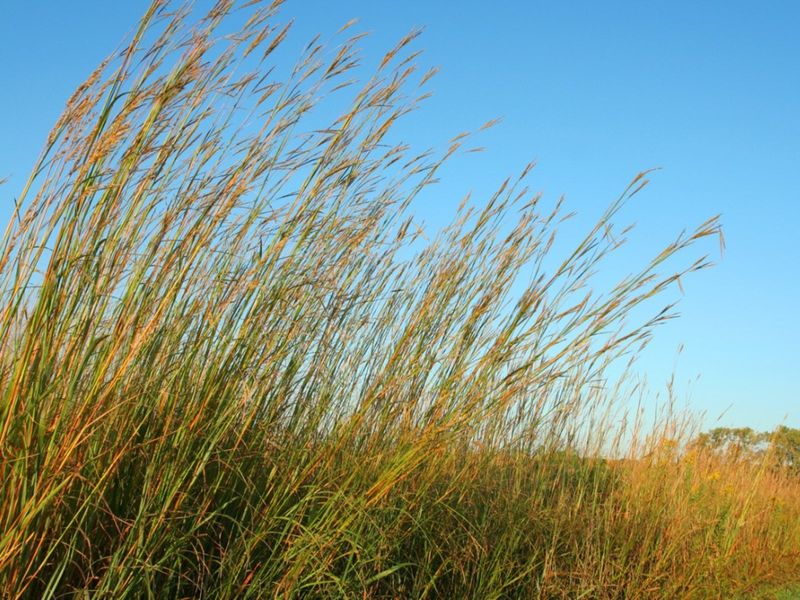
Ready to grow big bluestem in your own yard? Good news: it is easier than you might think, as long as you give it the right conditions from the start.
The most important thing to know is that big bluestem is a sun lover. Plant it in a spot that receives at least six hours of direct sunlight each day.
Shade will cause it to flop over and perform poorly, so skip the shady corners and save those for woodland plants instead.
Soil type matters, but not in the way you might expect. Big bluestem actually prefers lean, well-drained soil rather than rich garden beds.
If your soil is too fertile, the plant can grow floppy and weak instead of standing tall and upright. Sandy or rocky soils that drain quickly are often ideal.
Avoid planting it in low spots where water collects after rain, as standing water can damage the roots over time.
Give each plant plenty of space. A mature clump of big bluestem can spread two to three feet wide and grow five to seven feet tall in good conditions.
Crowding it will limit airflow and slow its growth. Spacing plants three feet apart allows them to fill in naturally without competing too aggressively with each other or with neighboring plants.
Watering needs are minimal once the plant is established, usually after its first full growing season. During that first year, water it regularly to help those famous deep roots get started.
After that, rainfall alone is typically enough in most Pennsylvania locations. Big bluestem is a low-maintenance, high-reward plant that fits beautifully into rain gardens, meadow plantings, and naturalistic landscape designs.