The November Mistake That Could Keep Georgia Amaryllis From Blooming By Christmas
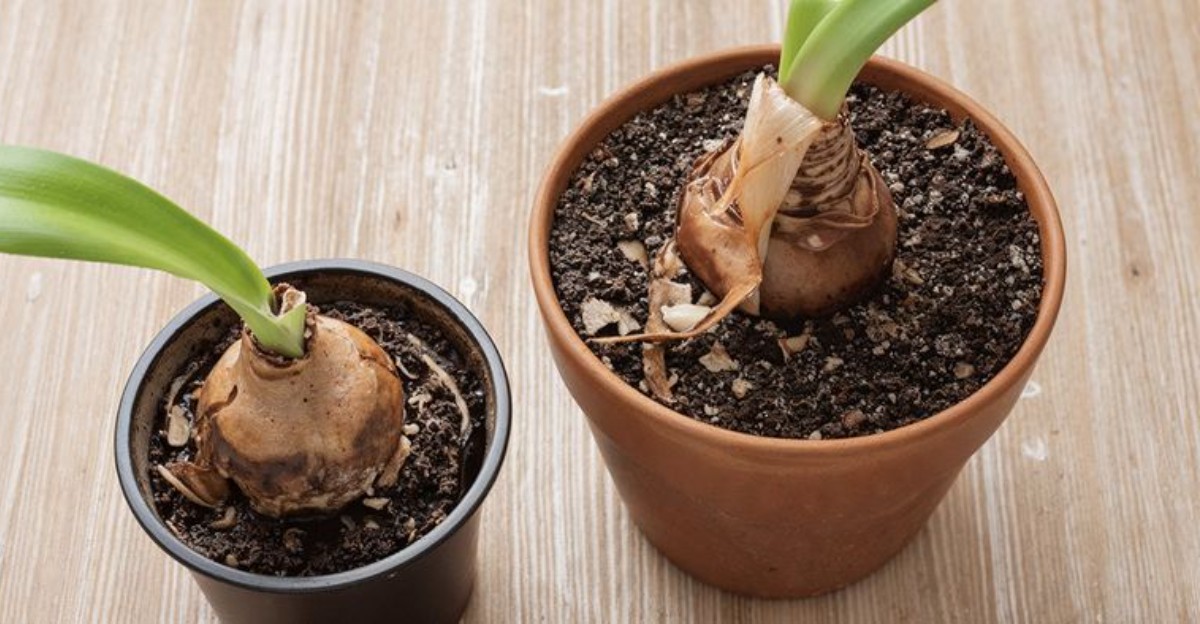
A single bulb the size of a softball can push up a flower stalk taller than a ruler and hold four giant trumpets on top. Yet that same bulb can sit in its pot for weeks looking like a sleepy onion.
I love that kind of drama in a houseplant. You plant it, you water it, and then you wait to see if it keeps its promise.
Here in Georgia, November feels like the perfect month to start holiday projects. The pecans are falling, the porch needs wreaths, and the stores are stacked with boxed bulbs.
Somehow, I end up bringing home another amaryllis bulb every year without giving the timing much thought.
The catch is a quiet one, and it hides inside the calendar. Gardeners lose their Christmas flowers to it every single season.
So what exactly is ticking away while that bulb sits in its box?
1. That Boxed Amaryllis Bulb Is Running On A Clock
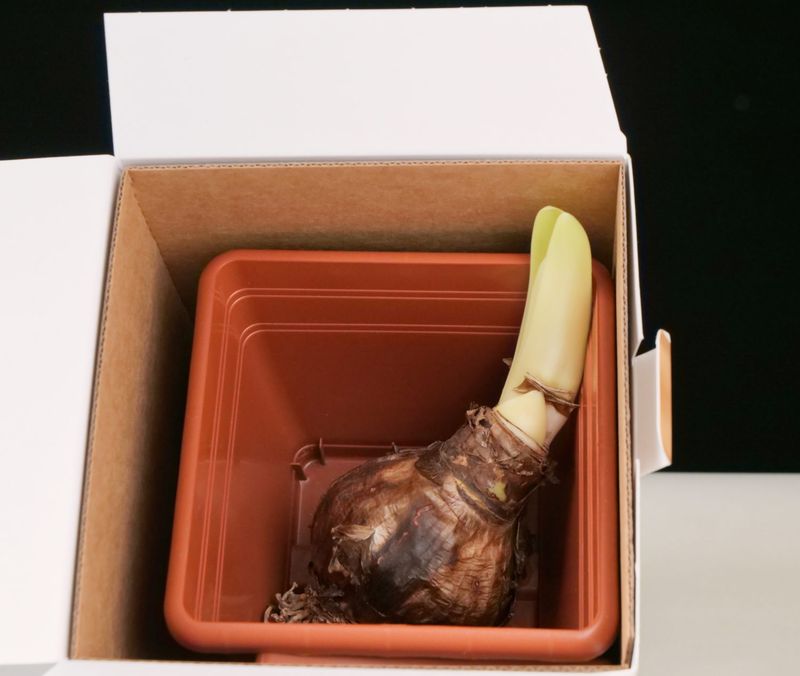
Every amaryllis bulb comes with a built-in timer, and it does not care about your holiday plans. Once you pot it up and give it warmth and water, the countdown begins.
Most bulbs need about six to ten weeks from planting to full bloom. Some fast varieties open in as little as four weeks, while others drag their feet closer to ten.
Bulb size, variety, and room temperature all nudge that number up or down.
So here is the November mistake in plain words. Many of us buy the bulb early, set the box on a shelf, and forget about it until Thanksgiving leftovers are gone.
By then, the clock has very little room left before December 25.
I made this exact slip one year. My bulb was gorgeous, but it opened on January 9, long after the tree came down.
Lovely flowers, wrong party.
The bulb was not broken. It simply followed its natural rhythm, and I started it too late.
The fix starts with knowing that the planting date matters more than almost anything else you do. Fancy pots and special soil help a little, but they cannot speed a bulb past its biological schedule.
2. Pot Your Amaryllis By Early November For Christmas Flowers
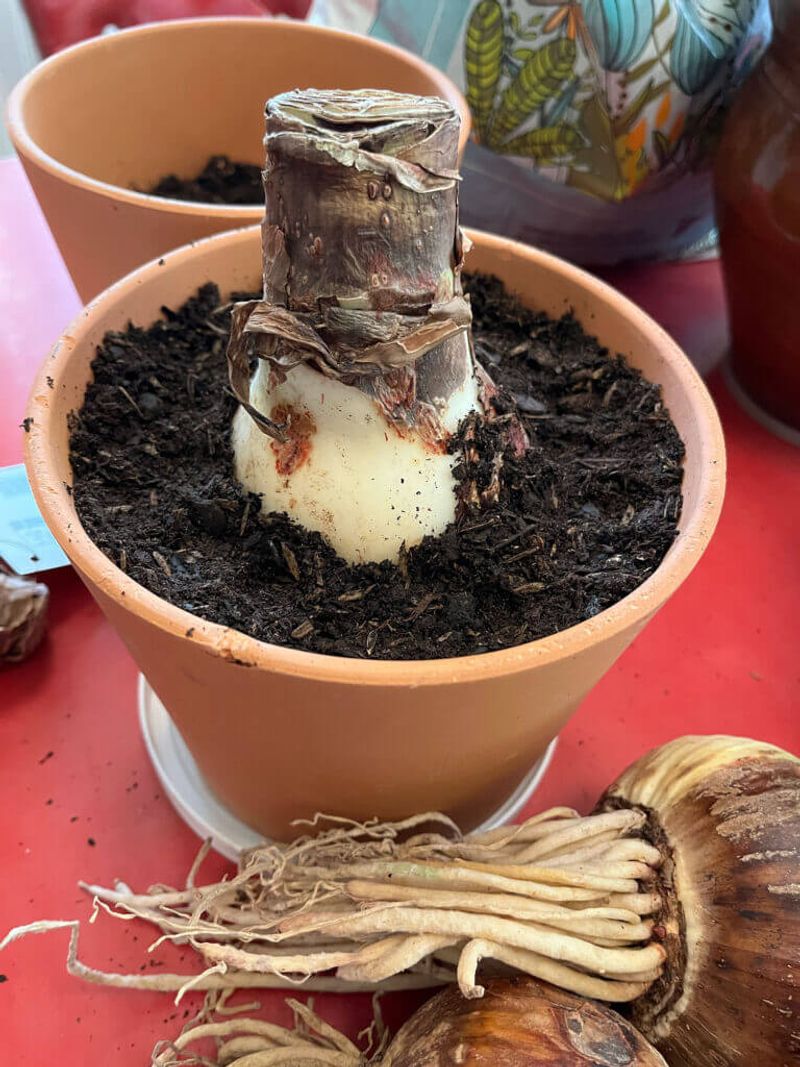
Mark your calendar now, because the sweet spot is late October through the first week or two of November. Planting in that window gives most bulbs enough runway to flower right around the holidays.
Counting backward is simple. Christmas is about seven weeks after November 6, which fits nicely inside the usual six-to-ten-week range.
A bulb potted on November 20, though, has only five weeks, and many varieties may not bloom in time for Christmas.
If your bulb is still in its box this week, open it today. Choose a heavy pot only an inch or two wider than the bulb, since amaryllis likes snug quarters.
Make sure there is a drainage hole in the bottom.
Use a light, well-drained potting mix rather than garden soil. Set the bulb so the top third to half sits above the soil line.
Your Georgia Garden Changes Every Week. Your Plan Should Too.
Gardening in Georgia changes quickly throughout the season. Every Friday you’ll receive a simple weekly plan showing exactly what to plant, prune, fertilize, harvest, and protect so you never miss the right timing.
That exposed shoulder helps prevent rot.
Water once, deeply, and let the extra drain away. Then wait until you see green growth before watering much again.
Already past mid-November? Shop for a bulb that has a flower stalk peeking out of the neck.
Garden centers often carry these, and they give you a head start of a week or more.
You can also stagger plantings every two weeks. One pot might hit Christmas, another New Year, and a third brightens dreary January.
Honestly, I like that plan even better.
3. Saved Amaryllis Bulbs Needed Their Nap Back In September
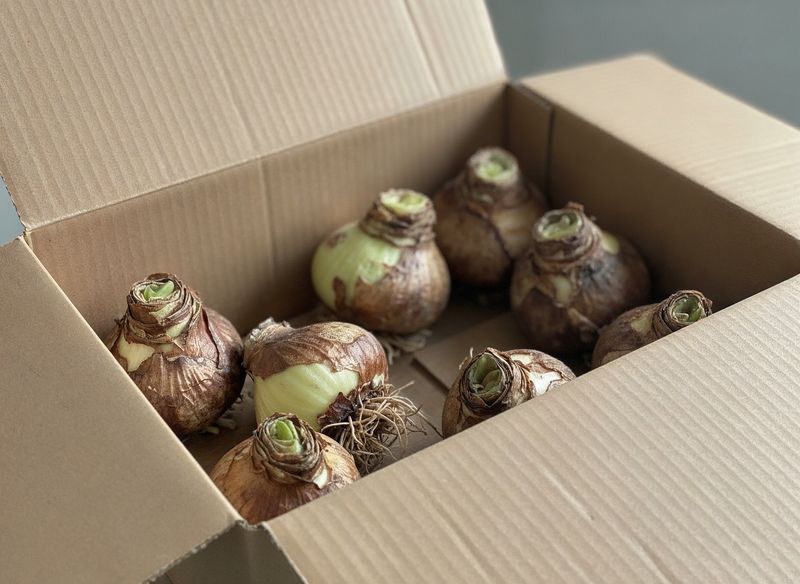
Reblooming an old bulb feels like a small victory, and I cheer every time one comes back. The tricky part is that a saved bulb runs on a different schedule than a store-bought one.
Store bulbs arrive already rested. Your own bulb, the one that summered on the patio, usually needs a dormant break before it can flower on cue.
That rest period is often eight to twelve weeks in a cool, dark, dry spot.
Do the math, and you see the problem. To bloom by Christmas, that rest should start around late August or early September.
You stop watering, let the leaves fade, and store the bulb near 50 to 55 degrees.
Many Georgia gardeners bring pots inside only when the first frost threatens in late October or November. A bulb that starts resting then will not finish its nap until January or later.
Here is a fun bit of background. Amaryllis bulbs sold for the holidays are mostly Hippeastrum hybrids, whose wild relatives come from South America.
Their rest instinct follows dry seasons, not Christmas trees.
Missed the window this year? No worries at all.
Rest the bulb now and plan for a cheerful late winter show instead.
Then set a phone reminder for late August next year. That tiny note might be the most useful gardening tool you own.
4. A Chilly Windowsill Slows Amaryllis Stalks To A Crawl
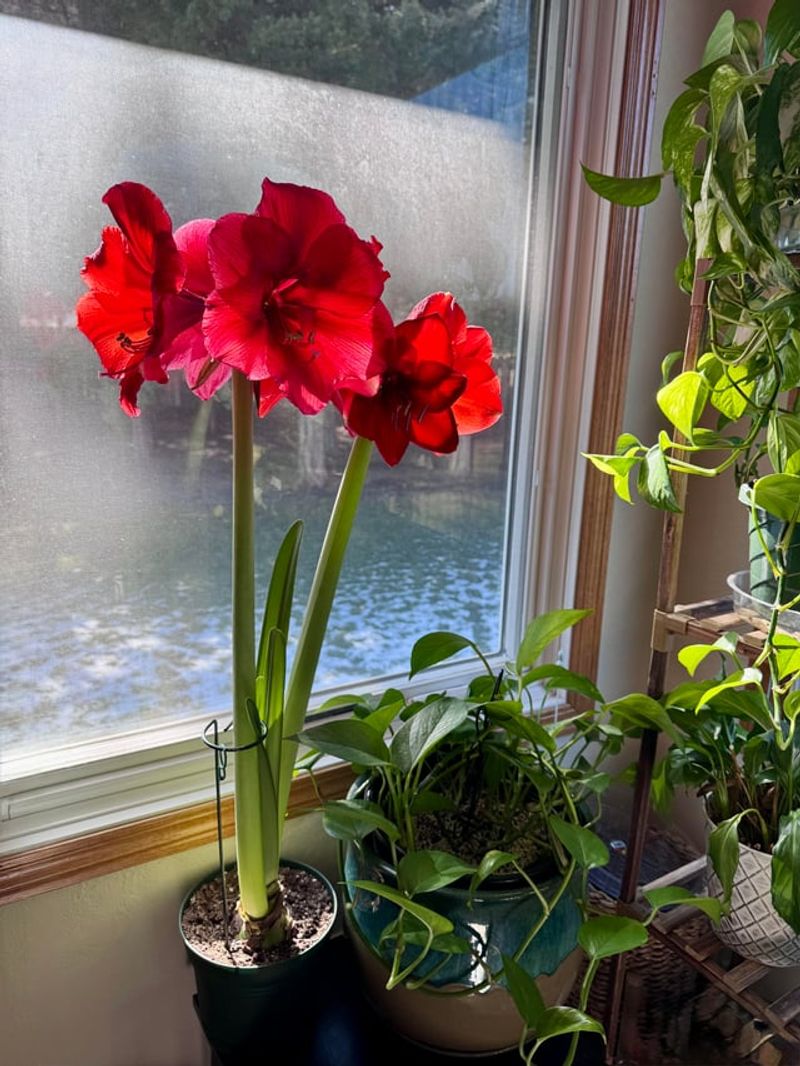
Cool rooms are cozy for us under a blanket, but amaryllis bulbs find them downright boring. Warmth is what wakes them up.
Growers generally recommend temperatures around 68 to 75 degrees while the bulb is getting started. Bottom warmth helps even more, since roots respond quickly to a warm pot.
A spot near a heat source, but not right against it, often does the trick.
Georgia homes can surprise you here. Many of us keep thermostats low in mild November weather, and old windows let in drafts at night.
That chilly glass can drop a sill well below room temperature.
Light matters too. Once green shows, move the pot to the brightest window you have, ideally facing south or west.
Bright light keeps the stalk sturdy instead of stretched and floppy.
Turn the pot a quarter turn every few days. Amaryllis stalks lean hard toward the sun, and a crooked stem can tip over the whole pot.
A simple indoor thermometer costs a few dollars and tells you a lot. I keep one on my plant shelf and check it on cold mornings.
If your spot reads in the low 60s, look for a warmer room. That small move could shave days off the bloom time, and days count in December.
5. Too Much Water Can Rot An Amaryllis Bulb Before It Sprouts
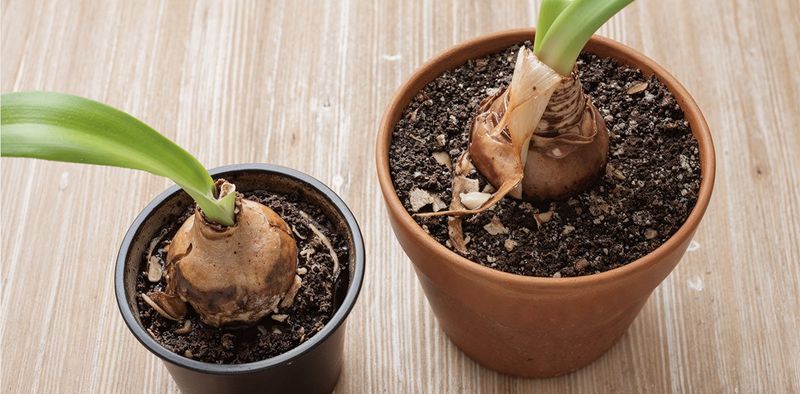
Kindness can backfire with these bulbs, and the watering can is usually the culprit. A freshly potted bulb has few working roots, so it cannot drink much yet.
Soggy soil around a sleepy bulb invites rot. The base turns soft and mushy, and the bulb may sit there for weeks doing nothing.
Sometimes it never recovers.
After that first deep watering, keep the mix barely moist. Poke a finger an inch down, and water only when it feels dry.
In my house, that often means once a week or less early on.
Once leaves and a stalk appear, the plant uses more water. You can water more often then, still letting the top inch dry between drinks.
Check those decorative holiday pots, too. Many have no drainage hole, and water collects at the bottom unseen.
Set a plastic nursery pot inside the pretty one, and dump extra water after each watering.
Skip the saucer full of water as well. A bulb sitting in a puddle is a bulb in trouble.
Here is a handy sign to watch. A healthy bulb feels firm, like a fresh onion.
If yours gets squishy or smells sour, ease off watering right away and let the pot dry. Catching it early gives your bulb its best chance.
6. Keep Amaryllis Bulbs Away From That Fruit Bowl
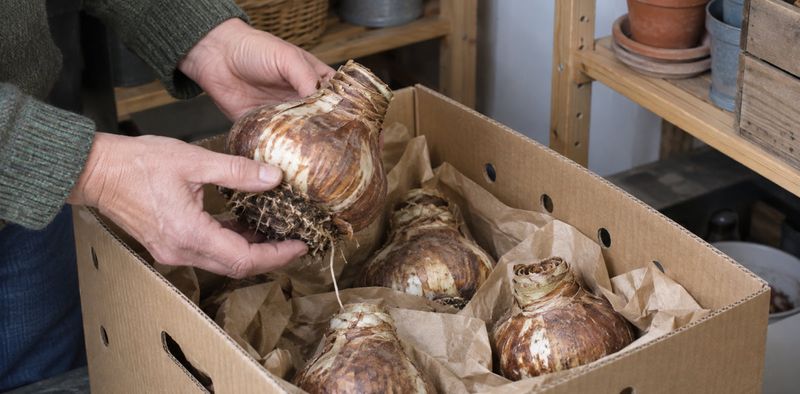
Apples on the counter look innocent enough. Still, they might be the sneakiest threat to your holiday flowers.
Ripening fruit gives off ethylene, a natural gas that speeds up ripening. Bulb experts warn that ethylene can harm the developing flower inside a bulb.
The result can be a bulb that grows leaves but skips the blooms.
Apples, bananas, and pears are common sources. During November, many kitchens hold big bowls of fruit for holiday baking.
Avoid storing boxed bulbs in enclosed spaces with ripening fruit, where ethylene gas can accumulate and potentially damage developing flowers.
The same goes for storage. If you rest bulbs in a fridge or a cool garage, keep them away from produce drawers and bags of apples.
A separate shelf or box works well.
Honestly, I had no idea about this until a fellow gardener mentioned it at a plant swap. My fruit bowl now lives on the opposite side of the room from my bulbs.
Another quiet trouble spot is an unheated car trunk. Leaving bulbs in a cold or hot vehicle for days can stress them before they ever reach a pot.
Treat bulbs like fresh flowers you just bought. Bring them home, unbox them, check that they feel firm, and plant them soon.
The less time they spend waiting, the better your odds for a December show.
7. Speed Up Or Slow Down Amaryllis Buds In December
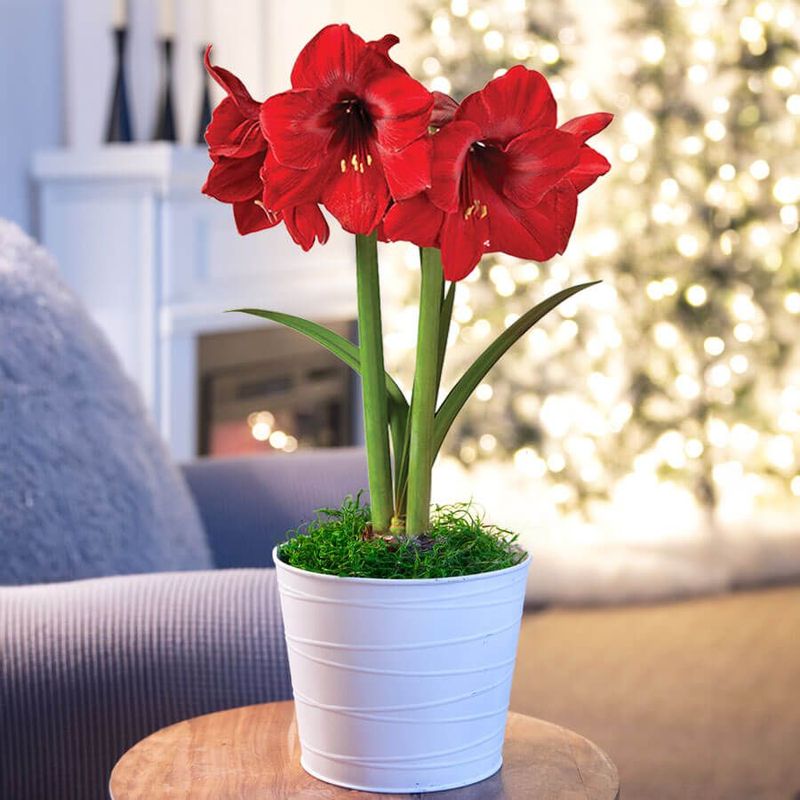
December arrives, and suddenly everyone is staring at the plant. Will it make it?
Luckily, you still have a few tricks.
If growth looks slow, give it more warmth. Moving the pot to a cozy room, or a spot with gentle bottom heat, can push the stalk along.
Brighter light helps too.
If buds are swelling too fast and might open early, do the opposite. A cooler room, around 60 to 65 degrees, slows things down.
Less direct sun can also help the plant pace itself.
Once flowers open, cooler temperatures help them last longer. Keep the plant out of hot sun and away from heater vents.
Blooms often hold for a week or two this way.
A fun fact for curious readers: one sturdy stalk usually carries two to four or more trumpet flowers. Big, healthy bulbs can send up a second stalk a few weeks later.
Tall stalks get top-heavy, so add a slim stake or a decorative stick. Tie the stem loosely with soft twine.
Remember that these adjustments shift timing by days, not weeks. A bulb planted in late November rarely catches up enough for Christmas Eve.
Still, I find it a joy to watch those buds crack open, whatever the date on the calendar says.
8. Those Long Amaryllis Leaves Are Next Christmas In Disguise
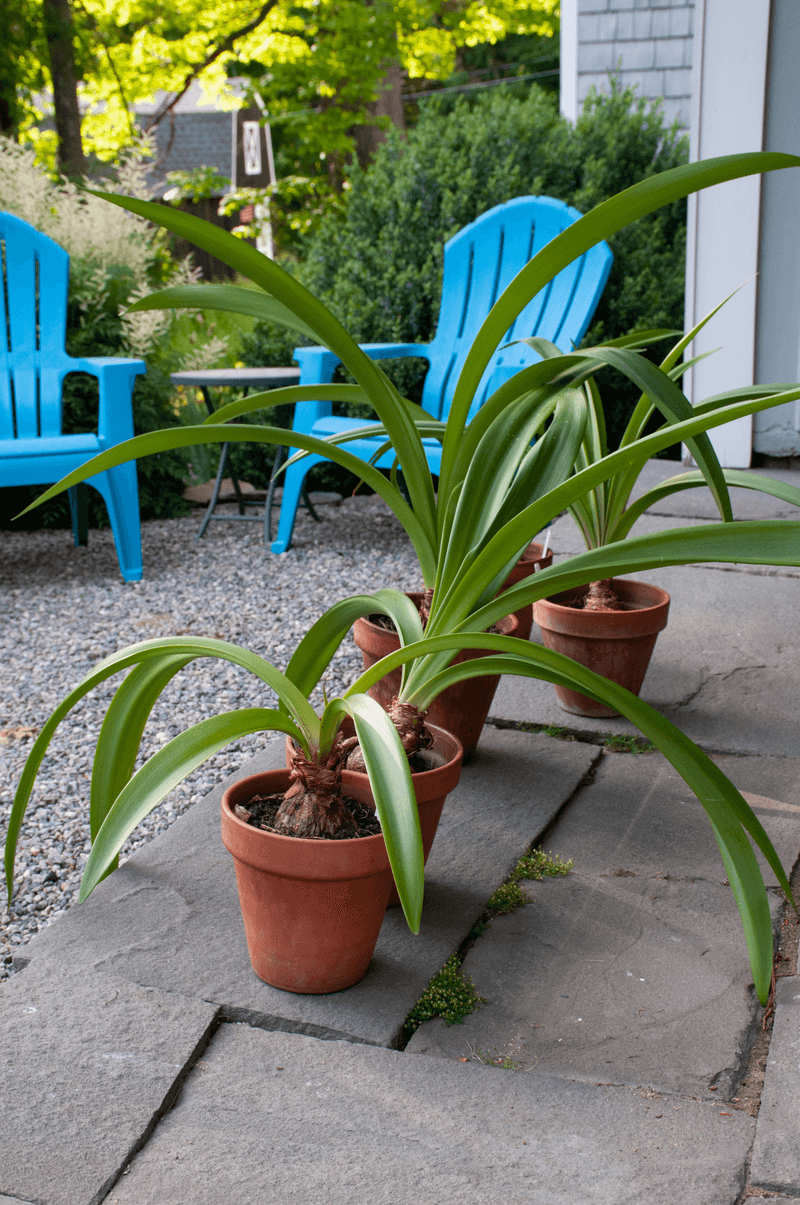
The flowers fade, the tree comes down, and the pot looks a bit plain. Please do not toss it, because the real work for next year starts now.
Cut the spent flower stalk an inch or two above the bulb. Leave every leaf in place.
Those long green straps make the food the bulb stores for future blooms.
Keep the plant in a bright window through winter. Water when the top inch dries, and feed with a balanced houseplant fertilizer every few weeks.
Georgia gardeners have a nice advantage here. Once frost danger passes in spring, usually March in south Georgia and April farther north, the pot can move outside to a spot with morning sun and afternoon shade.
In the warmest parts of the state, around zones 8b and 9a, some gardeners even plant amaryllis in the ground. Many varieties handle mild winters there with mulch.
In the colder north Georgia mountains, pots are the safer choice.
Then circle late August on your calendar. That is when you cut back watering, let the leaves yellow, and start the rest period for a Christmas encore.
Personally, I think a rebloomed bulb is far sweeter than a new one. It carries a little history, and it reminds you that good timing really is half the magic.