These Invasive Shrubs Are Changing Pennsylvania Gardens Forever
Pennsylvania gardens are being quietly reshaped by a problem that most homeowners never see coming.
Invasive shrubs that were planted deliberately, purchased from garden centers, and cared for like any other landscape plant are spreading far beyond the yards that originally contained them.
They’re moving into natural areas, crowding out native vegetation, and establishing themselves with a permanence that is genuinely difficult to reverse.
The damage is happening slowly enough to overlook, and that’s exactly what makes it so serious.
These shrubs don’t look like invaders. They look like established, often attractive plants doing what plants do.
But beneath that familiar appearance is an ecological story that Pennsylvania botanists and land managers have been watching with increasing alarm for years.
Species diversity declines, native wildlife loses critical food and habitat, and the Pennsylvania landscape gradually becomes something that functions very differently from what it was.
Several of the most problematic invasive shrubs are still being sold and planted right now. Here’s what they are, what they’re doing, and what Pennsylvania gardeners can plant instead.
1. Japanese Barberry (Berberis Thunbergii)
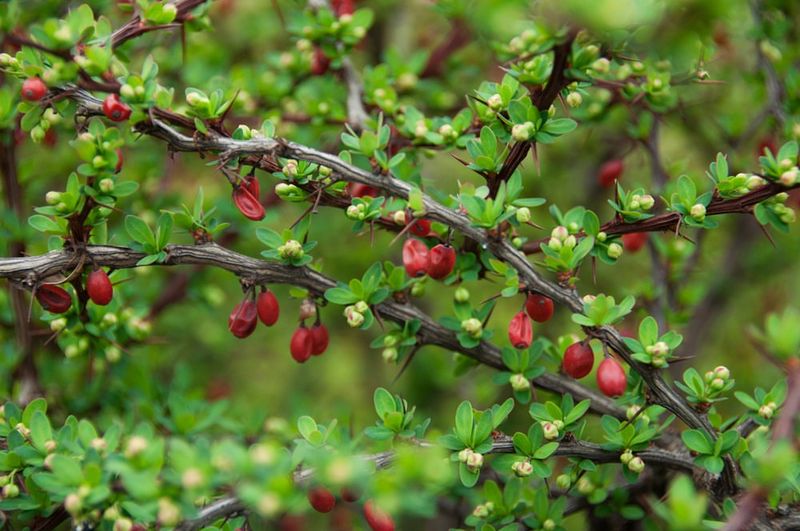
Walk through almost any Pennsylvania woodland edge, and you might notice low, thorny shrubs forming dense, tangled mats beneath the trees. That is likely Japanese barberry, one of the most widespread invasive shrubs in the state.
It was once a popular landscaping choice because of its colorful foliage, sharp thorns, and resistance to deer browsing.
The problem is that Japanese barberry does not stay put. Birds eat the small red berries and spread the seeds into forests, fields, and roadsides.
Once established, it forms thick understory thickets that block sunlight and crowd out native wildflowers and tree seedlings. The dense, low canopy it creates also traps moisture near the ground, which can attract black-legged ticks, the kind that carry Lyme disease.
Pennsylvania officially classifies Japanese barberry as a Class B noxious weed, meaning its sale and planting are regulated. A small number of approved sterile cultivars are still allowed, but most varieties found in garden centers should be avoided.
If you already have Japanese barberry in your yard, it is worth removing it carefully and replacing it with native alternatives like native spicebush or native viburnums.
Removing barberry takes patience. Young plants can be pulled by hand with thick gloves, but older, established shrubs need cutting back and root removal.
Staying on top of new seedlings each season makes a big difference. Choosing native shrubs instead supports local wildlife and keeps your garden looking great without the ecological cost. Pennsylvania’s forests will thank you for making the switch.
2. Burning Bush (Euonymus Alatus)
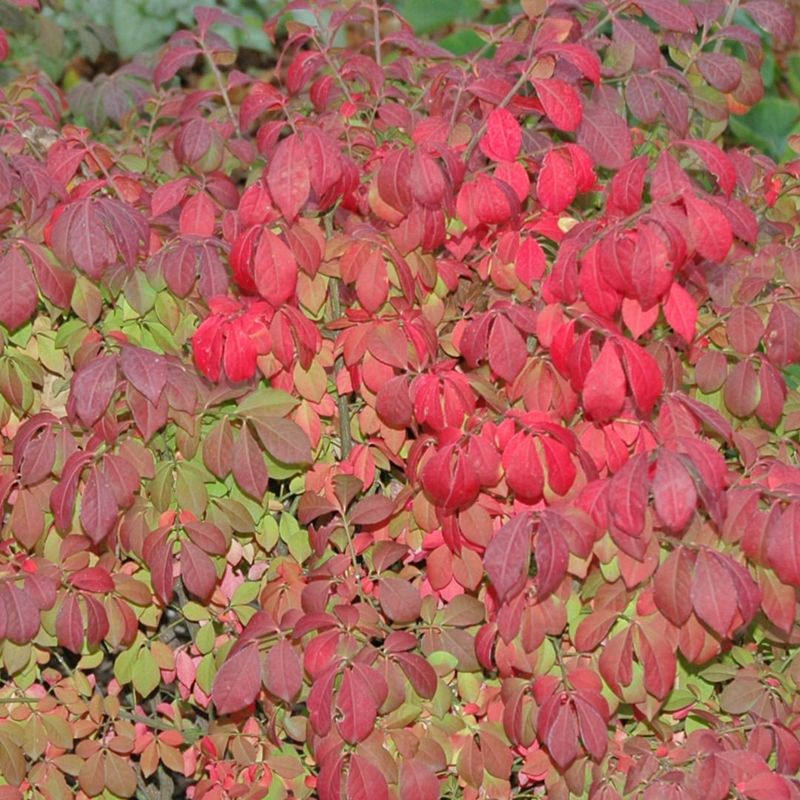
Few plants put on a fall color show quite like burning bush. Its leaves turn a blazing, fire-engine red every autumn, which is exactly why it became one of the most popular landscaping shrubs in the eastern United States.
Nurseries sold millions of them, and homeowners planted them in front yards, along driveways, and in foundation beds all across Pennsylvania.
The trouble started when birds figured out that the small fruits were worth eating. Birds spread the seeds into streamsides, forest edges, and open woodlands far from any garden.
Your Pennsylvania Garden Changes Every Week. Your Plan Should Too.
Gardening in Pennsylvania changes quickly throughout the season. Every Friday you’ll receive a simple weekly plan showing exactly what to plant, prune, fertilize, harvest, and protect so you never miss the right timing.
Seedlings sprouted, grew fast, and eventually formed dense stands that blocked light and moisture from reaching native plants below. Over time, burning bush changed the composition of plant communities in ways that are hard to reverse.
Pennsylvania now classifies burning bush as a Class B noxious weed. Selling or planting it without restriction is no longer allowed in the state.
If you have a burning bush in your yard, you may want to think about replacing it with a native shrub that offers similar seasonal color without the ecological baggage.
Native options like highbush blueberry, native witch hazel, or Virginia sweetspire turn beautiful shades of red and orange in fall.
Removing burning bush is not too complicated for most homeowners. Smaller shrubs can be dug out with a shovel, roots and all.
Larger specimens may need repeated cutting and monitoring to keep new growth from returning. Acting sooner rather than later limits how far seeds can spread.
Swapping it out for a native plant is a simple way to make a real difference in your local environment.
3. Invasive Privets (Ligustrum Species)
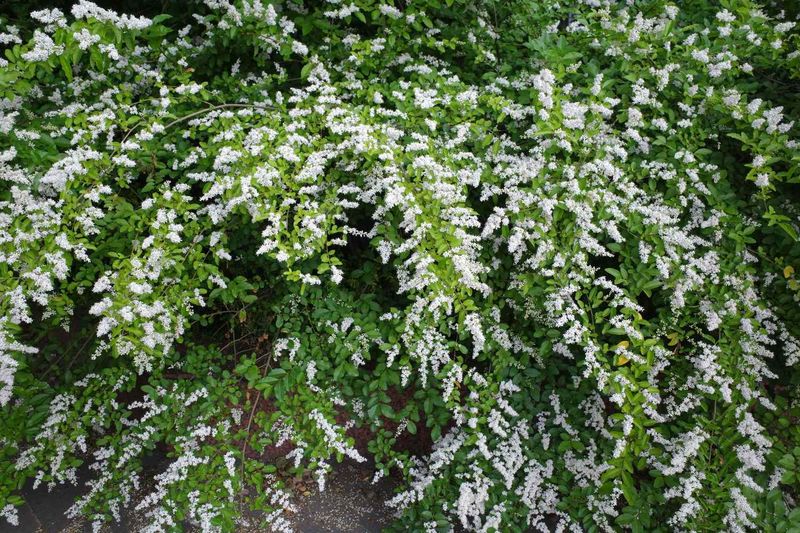
Privets have been used as formal hedges for centuries. They grow fast, tolerate heavy pruning, and stay dense enough to form a solid green wall.
That made them a go-to choice for homeowners who wanted privacy screening or a neat, manicured garden border. But what looks tidy in a yard can become a serious problem just beyond the fence line.
Several privet species spread aggressively through bird-dispersed fruit. Birds eat the small dark berries and deposit the seeds in natural areas, where the plants take hold and form thick, persistent colonies.
These colonies shade out native plants and alter the structure of forest understories and streamside habitats. Privets also leaf out early and hold their leaves late, giving them a competitive edge over native species.
Pennsylvania takes privet seriously. Japanese privet is listed as a Class A noxious weed, the most serious category, meaning it must be controlled wherever it is found.
Chinese, European, and border privets are classified as Class B noxious weeds, which still restricts their sale and planting. If you have any privet species in your yard, checking which one it is and whether it is spreading is a smart move.
Replacing privet with native alternatives is easier than most people expect. Native shrubs like inkberry holly, buttonbush, or native viburnums provide similar screening and structure while supporting local birds, bees, and butterflies.
Removing established privet colonies often requires cutting stems back and treating the stumps, or repeated mowing to weaken the root system over time. Starting that process now prevents bigger problems later in your garden and beyond.
4. Invasive Bush Honeysuckles (Lonicera Species)
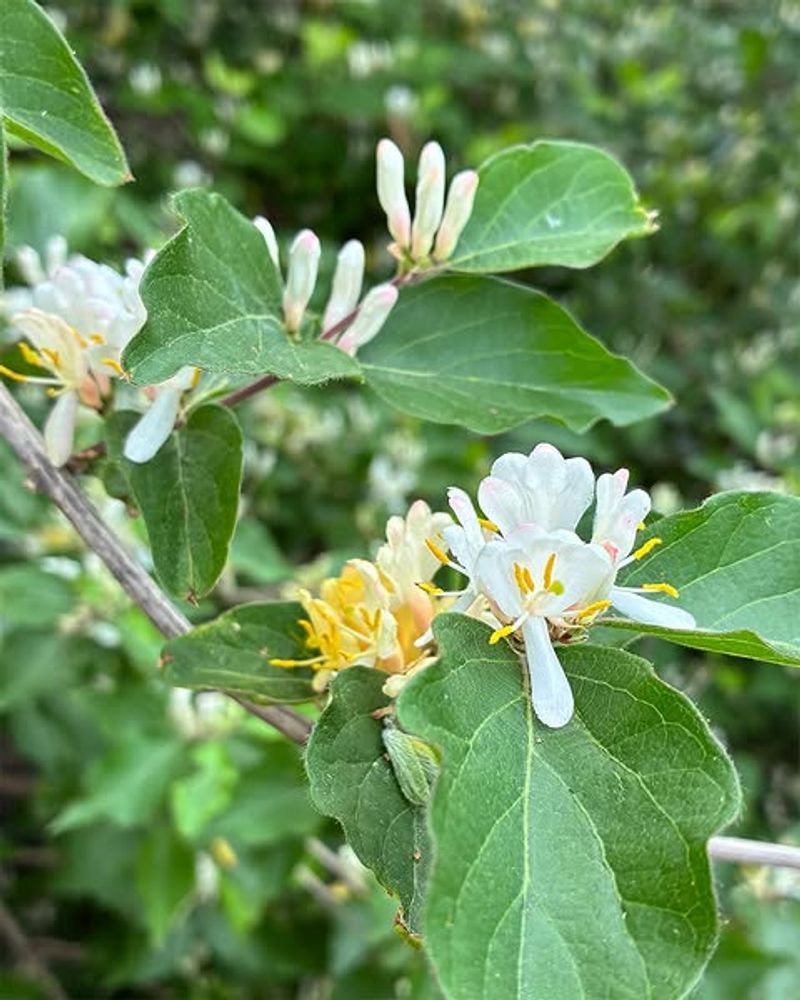
There is a trick that invasive bush honeysuckles use that gives them a huge advantage over native plants: they leaf out weeks earlier in spring and stay green weeks later in fall.
That extended growing season means they capture sunlight and resources while native plants are still dormant or already shutting down for winter.
Over time, this timing edge allows them to completely take over field edges, pastures, and woodland understories.
Several species fall under this category, including Amur, Morrow’s, Tatarian, Bell’s, and fragrant honeysuckle. All of them grow fast, produce abundant red berries that birds love, and bounce back quickly after being cut.
Pennsylvania classifies all of these invasive shrub honeysuckles as Class B noxious weeds. They are among the most common invasive plants found across the state.
One important note before grabbing pruning shears: native honeysuckle species also grow in Pennsylvania. Native bush honeysuckles look similar but have solid stems, while invasive species typically have hollow or pithy stems when cut.
Getting the identification right before removing any plant matters a great deal. Consulting a local extension office or plant identification guide is a worthwhile step.
If you have confirmed invasive honeysuckle on your property, removal is most effective in early spring or late fall when the plants stand out against bare ground. Pulling young plants by the roots works well.
For larger, older shrubs, cutting and follow-up treatment of new growth over multiple seasons is usually needed. Replacing them with native shrubs like native viburnums or elderberry restores habitat and keeps your landscape thriving naturally.
5. Autumn Olive (Elaeagnus Umbellata)
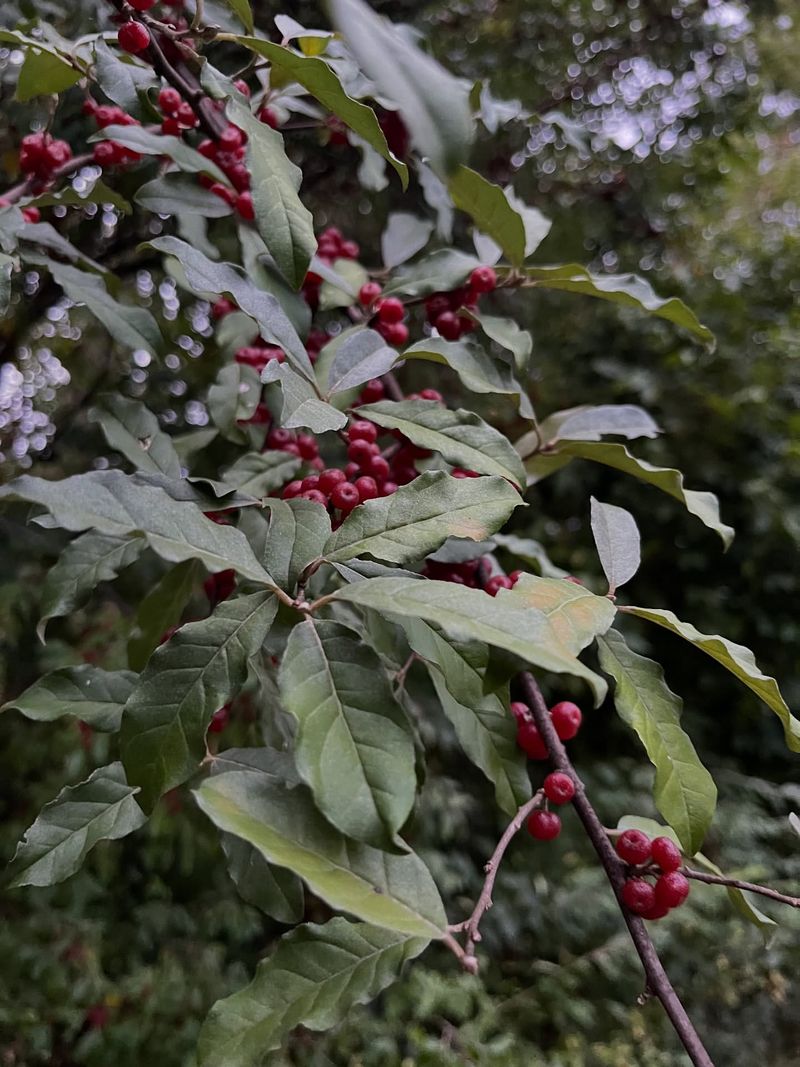
Back in the mid-1900s, autumn olive was actually planted on purpose across large areas of the eastern United States. Conservationists recommended it for erosion control, wildlife habitat, and reclaiming strip-mined land.
It was thought to be a helpful plant because it fixes nitrogen in the soil and produces huge quantities of small red berries that many birds and animals eat eagerly.
The problem with that plan became clear over time. Autumn olive spreads far too aggressively.
A single mature shrub can produce tens of thousands of seeds in a season, and birds carry those seeds across wide distances. The plant now dominates abandoned fields, roadsides, pastures, and disturbed open ground throughout Pennsylvania.
Its fast growth and nitrogen-fixing ability actually make the soil less hospitable to native wildflowers that prefer lower-nutrient conditions.
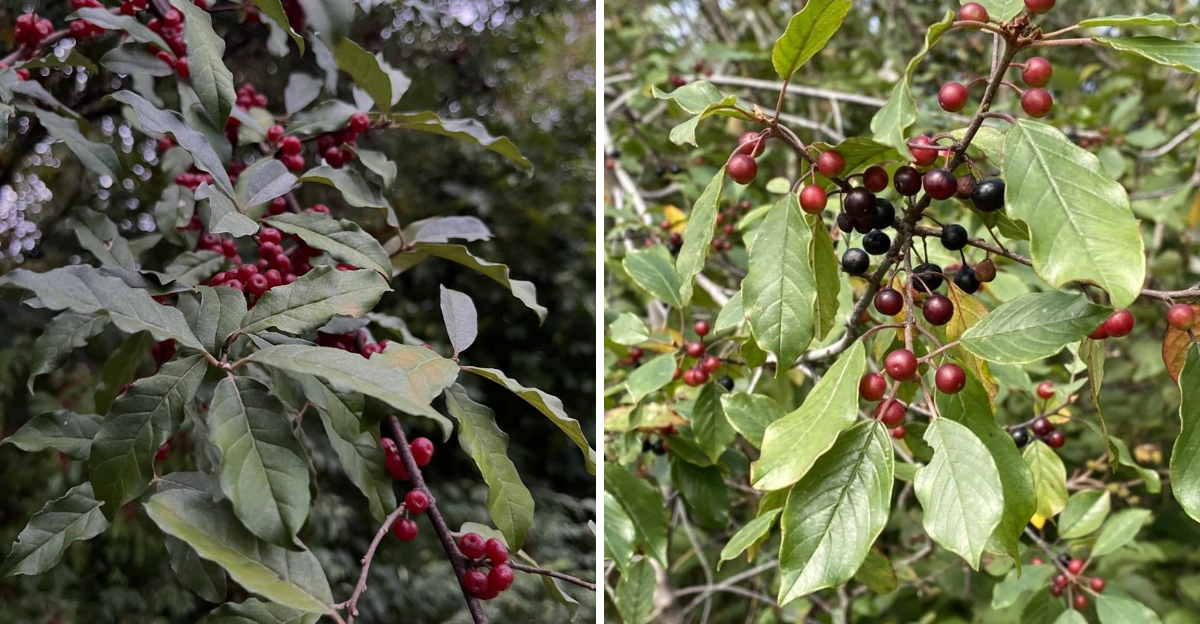
The silvery-backed leaves and speckled red fruit make autumn olive fairly easy to identify once you know what to look for.
While the berries are edible for people and popular with wildlife, the plant replaces native fruit-producing shrubs that provide better overall nutritional value for local bird and animal populations.
Native options like serviceberry, elderberry, and native viburnums offer more ecological benefit without the aggressive spread.
Controlling autumn olive on a property is doable but requires persistence. Small seedlings pull out easily after rain when the soil is soft.
Larger shrubs need to be cut and monitored for regrowth, which can be vigorous. Treating the cut stumps promptly reduces the chances of resprouting.
Getting neighbors involved in removal efforts helps too, since seeds can blow in from nearby properties and undo your hard work quickly.
6. Multiflora Rose (Rosa Multiflora)
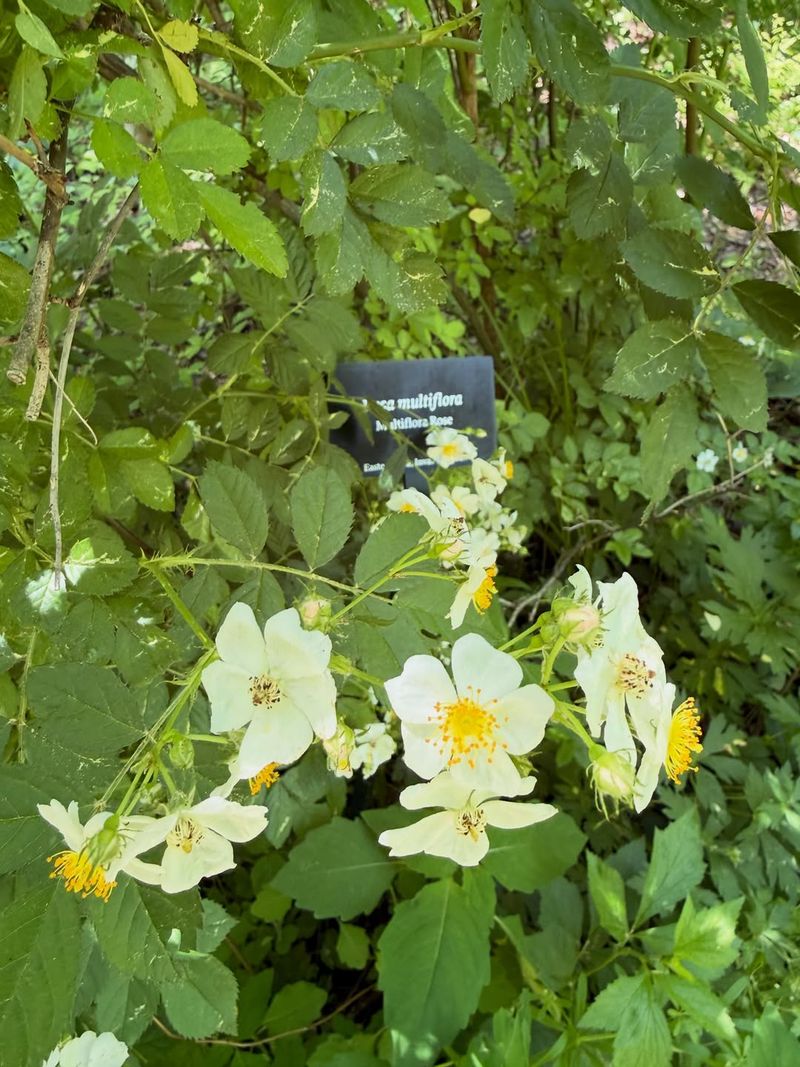
Multiflora rose has thorns, arching canes, and a relentless drive to spread that makes it one of the most recognizable invasive shrubs in Pennsylvania.
It was introduced from Asia and, like autumn olive, was once promoted by conservation agencies as a living fence and wildlife habitat plant.
Farmers planted it along field edges thinking it would provide shelter for game birds and hold soil along slopes.
That well-intentioned introduction turned into a widespread problem. Multiflora rose now blankets field edges, old pastures, woodland borders, and neglected garden corners across the state.
Birds feast on the small red hips and spread seeds broadly. Arching stems also root wherever they touch the ground, allowing single plants to expand into large, nearly impenetrable thickets over just a few seasons.
Pennsylvania classifies multiflora rose as a Class B noxious weed. Landowners are required to make reasonable efforts to control it on their property.
Despite its pretty white flowers in late spring, the long-term damage it causes to native plant communities and agricultural land is significant.
Livestock cannot graze in areas overtaken by its thorny masses, and native shrubs and wildflowers simply cannot compete with its aggressive growth.
Removing multiflora rose is tough work but very satisfying. Heavy gloves and long sleeves are a must.
Young plants can be pulled or dug out, while mature plants require cutting and repeat monitoring. New shoots come up fast after cutting, so checking back every few weeks during the growing season helps prevent regrowth from taking over again.
Replacing cleared areas with native grasses and wildflowers helps prevent multiflora rose and other invasive plants from moving back in.
7. Common And Glossy Buckthorn (Rhamnus Cathartica And Frangula Alnus)
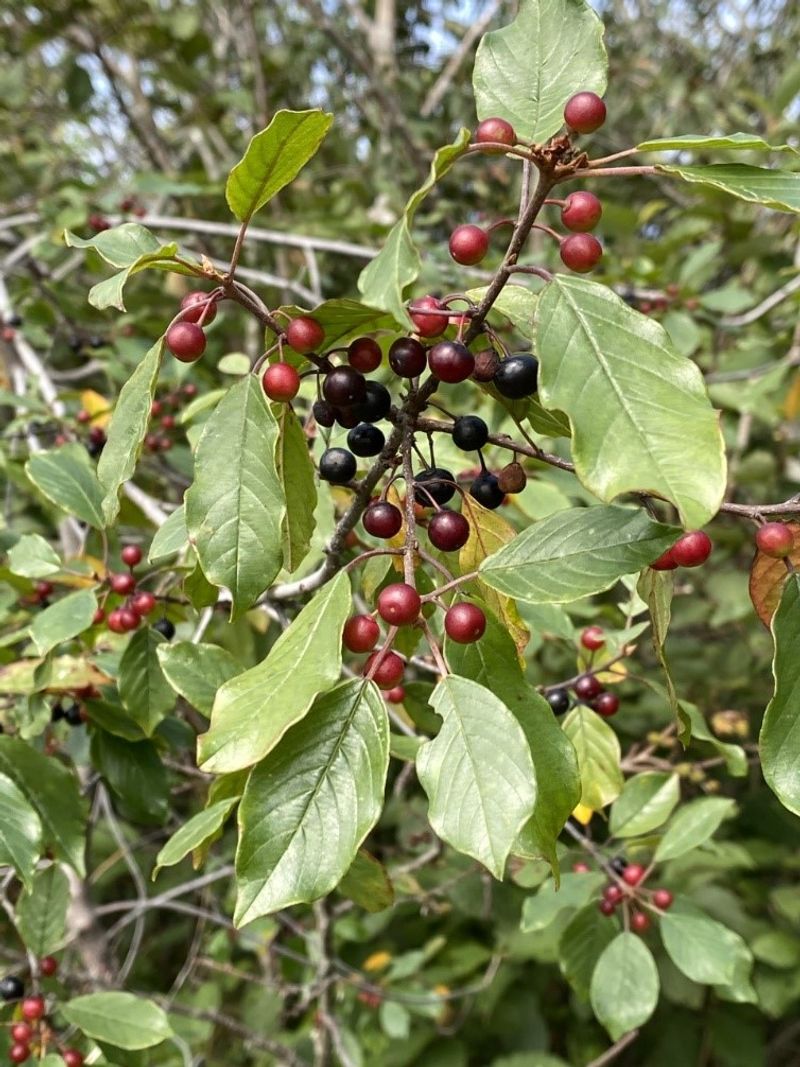
Buckthorns are sneaky invaders. They grow slowly and blend in with the surrounding landscape until suddenly you realize they have taken over an entire woodland edge or wetland margin.
Both common buckthorn and glossy buckthorn can grow as large shrubs or small trees, and both produce dark berries that birds spread widely. Once established, they are very difficult to get rid of completely.
Common buckthorn tends to invade woodland edges, fence rows, and disturbed upland areas. Glossy buckthorn has a particular fondness for wet areas and is especially troublesome in Pennsylvania’s wetlands and stream corridors.
Both species create dense shade that prevents native tree seedlings, wildflowers, and shrubs from growing underneath them. They also leaf out early and hold leaves late, similar to invasive honeysuckles, which extends their competitive advantage over native plants.
Both buckthorns are Pennsylvania Class B noxious weeds. One approved cultivar of glossy buckthorn is exempt from the restriction, but all wild-type plants are considered invasive and should be managed.
Identifying them correctly is helpful before starting removal. Common buckthorn has small thorns at branch tips and deeply veined leaves, while glossy buckthorn has smooth, shiny leaves with no thorns and distinctive white-streaked bark.
Removing buckthorn takes real commitment because the roots resprout aggressively after cutting. Treating cut stumps right away is the most effective approach for mature plants.
Pulling young seedlings by hand in spring, when the soil is moist, removes the entire root and reduces regrowth. Staying consistent over two or three seasons makes a noticeable difference.
Replanting cleared areas with native shrubs and trees seals the gap and keeps buckthorn from coming right back.