The Winter Brush Pile That Brings Cardinals, Juncos and Wrens into Ohio Yards
A Carolina wren weighs about as much as four quarters, yet it stays put through Ohio winters instead of flying south.
That tiny bird survives on grit, insects and one simple trick. It finds a tangled hiding spot out of the wind and away from hungry hawks.
I love that the answer is sitting in most yards already. Fallen limbs, storm debris and that old holiday tree can become the busiest bird spot you own.
Personally, I get more joy from that scruffy corner than from any tidy flower bed.
You do not need fancy feeders or a big budget. You need branches, a free afternoon and a little patience.
The birds will handle the rest.
Why do red cardinals, gray snowbirds and bubbly little wrens keep ducking into the same messy heap? The answer is simpler, and smarter, than you might expect.
That Messy Pile of Branches Is Doing a Hidden Job for Cardinals
Sharp-shinned and Cooper’s hawks hunt backyard songbirds all winter long. A small bird caught in the open has only seconds to find cover.
That is where a brush pile earns its keep.
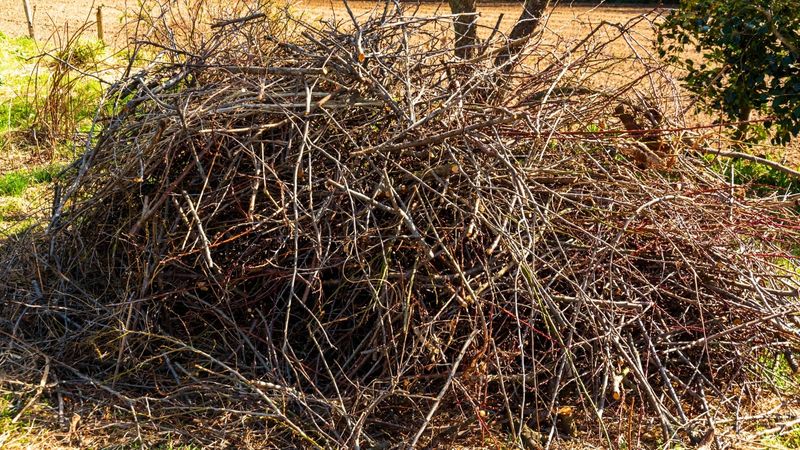
A loose heap of branches works like a safe room with many doors. Cardinals can dart inside, sit still and wait until the danger passes.
Hawks struggle to chase prey through a maze of twigs.
Wind is the other big threat. A gusty January night in Ohio can pull heat from a bird’s body fast.
Inside a thick pile, the air stays calmer, and snow on top adds an extra layer of protection.
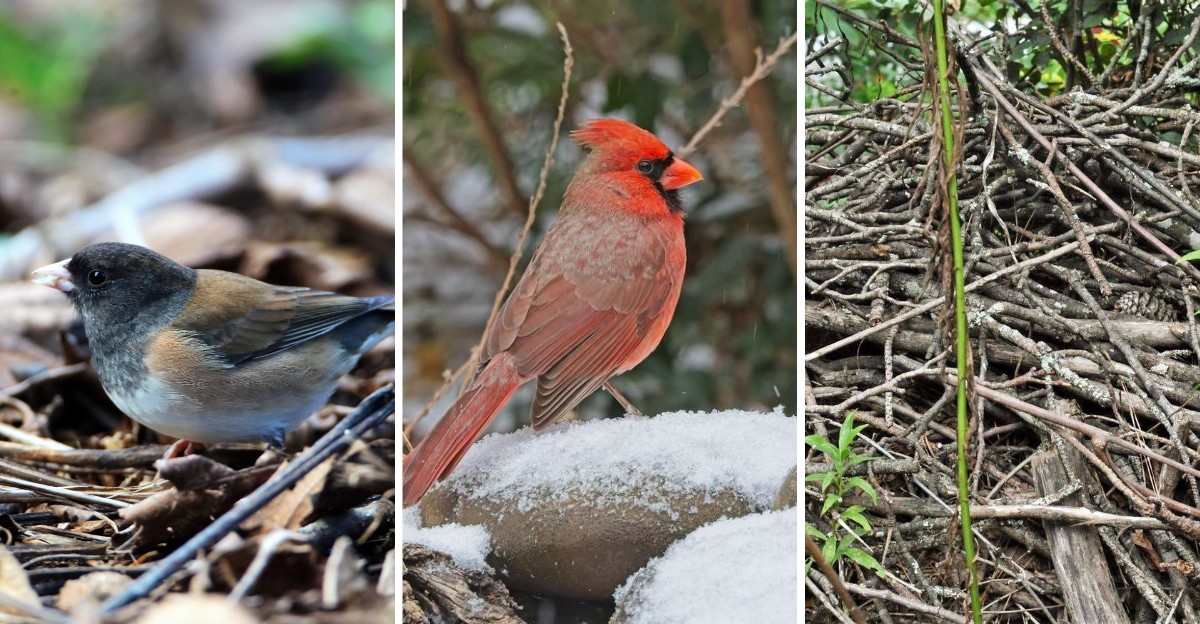
Personally, I think of it as a bird-sized cabin. Cardinals do not migrate, so they need dependable shelter close to food from December through March.
If your yard has a feeder but no nearby cover, birds may visit nervously and leave quickly.
Place a pile within about 10 to 15 feet of your feeders. Birds get a quick escape route without giving cats a sneaky ambush spot right beside the seed.
That balance makes a big difference.
Once you see a cardinal flash into the branches and calmly peek out, you will understand the appeal.
Build Your Brush Pile Like a Log Cabin From the Ground Up
Start with the biggest pieces you have. Logs about six inches thick or larger make the best foundation.
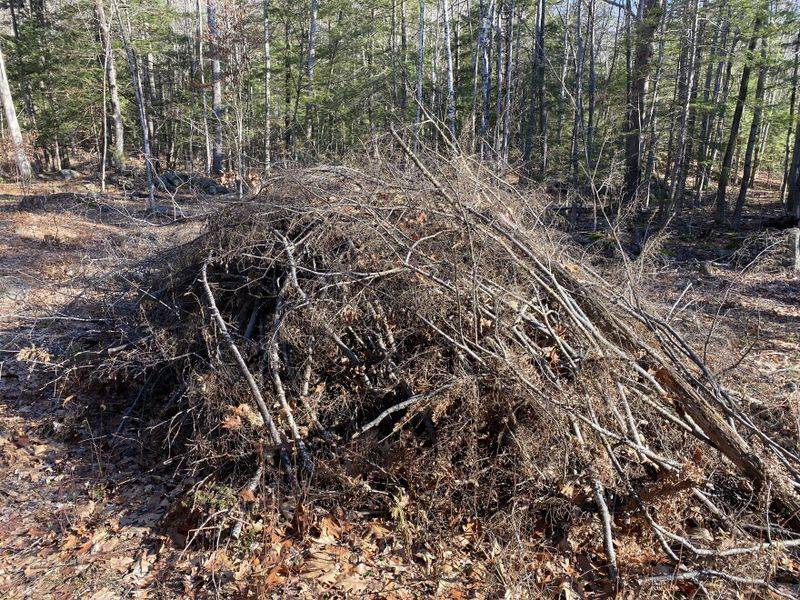
Lay them in a crisscross pattern, a bit like stacking Lincoln Logs. The goal is open space at ground level.
Gaps of roughly six to twelve inches give birds easy ways in and out.
Next, add medium limbs across the base. Then pile thinner branches and twigs on top.
Keep the center fairly dense and let the edges stay a little looser.
Many wildlife guides suggest a pile around four to six feet tall and about six to ten feet wide. A smaller version still helps in a tight suburban lot.
Even a waist-high pile can shelter juncos and wrens.
You can also skip the base and simply lean branches in a teepee shape. That works fine, though air pockets near the ground may collapse sooner.
Avoid packing everything flat and tight. Birds need tunnels and pockets, not a solid wall.
If you can see light peeking through in spots, you are on the right track.
The best part is that you rarely need to buy anything. Storm-fallen limbs and pruning scraps from your own shrubs are perfect building material.
Old Christmas Trees Make a Cozy Evergreen Roof
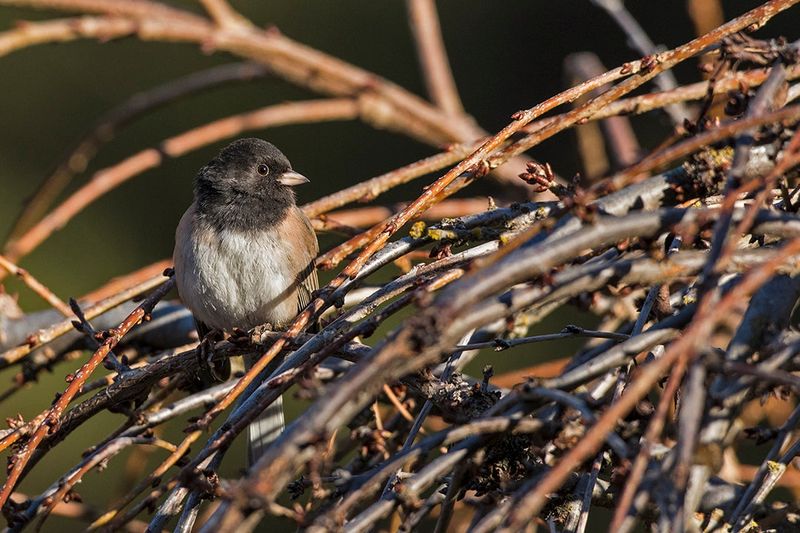
After the holidays, your tree still has one more gift to give. Laid across the top of a brush pile, it turns into a snug evergreen roof.
Needles block wind and shed some rain and snow. That keeps the inside of the pile drier, which matters a lot when temperatures drop below freezing.
Wet feathers lose their insulating power quickly.
Remove every bit of tinsel, wire, hooks and ornaments first. Tinsel can tangle tiny feet, and metal pieces have no place in a wildlife pile.
Give the branches a good shake to check.
Do you have a neighbor who tosses a tree at the curb? Ask if you can grab it.
Two or three trees stacked on top work even better than one.
Evergreen clippings from pines, spruces or junipers help too. Just trim with care and avoid cutting more than your shrubs can handle.
Some Ohio parks and conservation groups collect used trees each January for habitat projects. That tells you how useful they are.
Your backyard can run its own small version of that program.
By late winter, the needles will drop and fade. Simply add a fresh layer next December and keep the roof going.
Dark-Eyed Juncos Love Foraging Right Beside the Branches
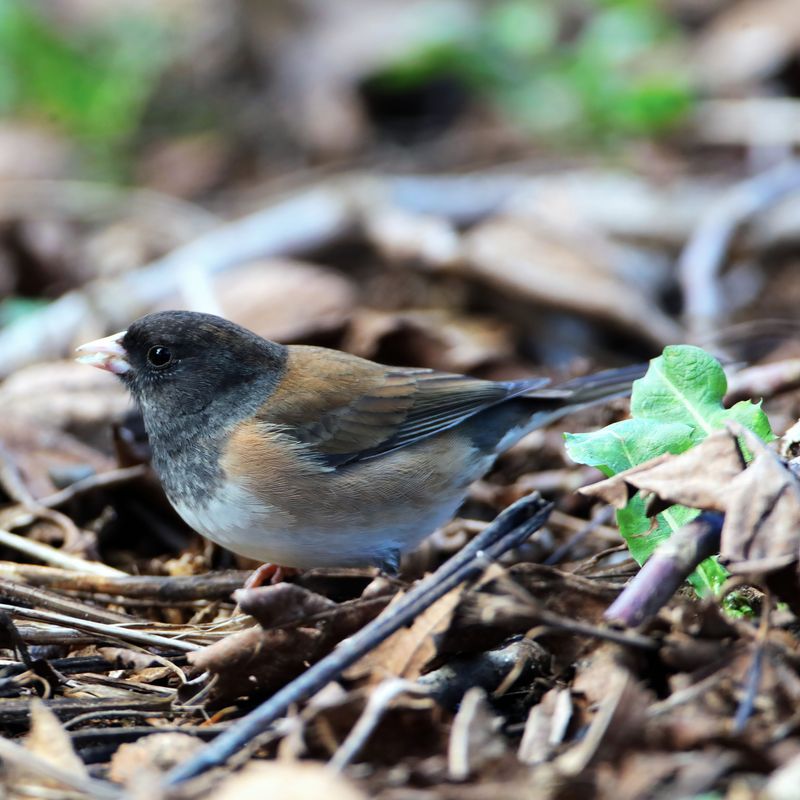
Folks often call them snowbirds, and the nickname fits. Dark-eyed juncos usually show up in Ohio around October and stay until spring.
They nest farther north, in Canada and high mountain forests. Our yards are their winter getaway, which sounds funny when the wind is howling.
Juncos are ground feeders. You will spot them hopping and scratching for fallen seeds instead of clinging to feeders.
Watch for that flash of white tail feathers when they flush.
A brush pile suits them perfectly. They can scratch around the edges, then zip inside if a hawk or cat appears.
Flocks often hang near the same cover day after day.
You can help by scattering a little millet or sunflower chips on the ground near the pile. Leaving native plants like coneflowers and goldenrod standing nearby adds natural seeds too.
Keep the area near the base clear enough for birds to see danger coming. A small open patch of ground in front of the pile works nicely.
I find their busy little shuffles strangely relaxing on a gray morning. Once a junco flock picks your yard, you may see them almost every day until April.
Carolina Wrens Treat a Brush Pile Like a Treasure Hunt
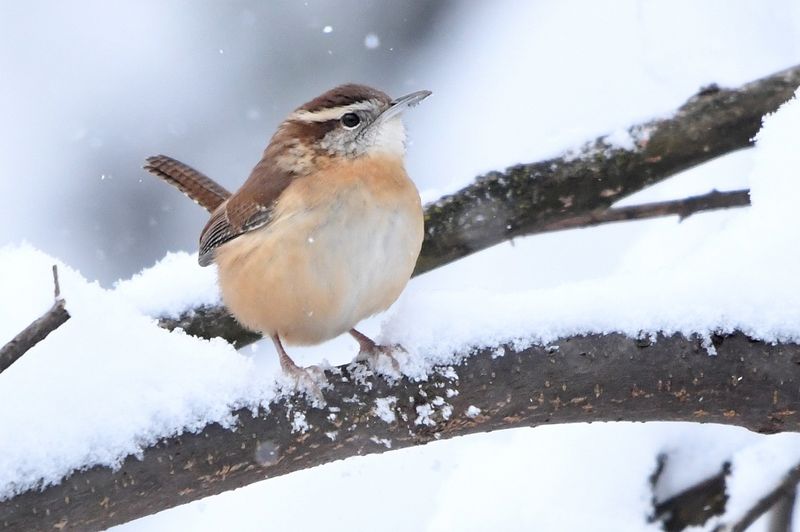
Loud songs from a bird this small seem almost unfair. Carolina wrens can belt out their teakettle call even in the middle of winter.
These rusty brown birds live in Ohio year-round. They poke through tangles, leaf litter and woodpiles looking for insects and spiders.
A brush pile is basically their favorite playground.
Harsh winters can hit them hard. After severe cold and heavy snow, populations in northern areas often drop, then slowly bounce back during milder years.
Good shelter near food can give them a better shot.
Wrens also visit suet feeders, especially during long freezes. Pairing suet with a nearby brush pile gives them protein and protection in one spot.
Watch for their cocked-up tail and bold white eyebrow stripe. They move like tiny detectives, hopping in, popping out and scolding anything that seems suspicious.
You might also spot a winter wren in brushy, shady spots, especially near creeks or wooded edges. It is smaller, darker and much shyer.
It tends to creep around low cover like a feathered mouse.
Either way, a wren checking out your pile is a sign you built something useful.
Rotting Branches Hide a Winter Insect Buffet
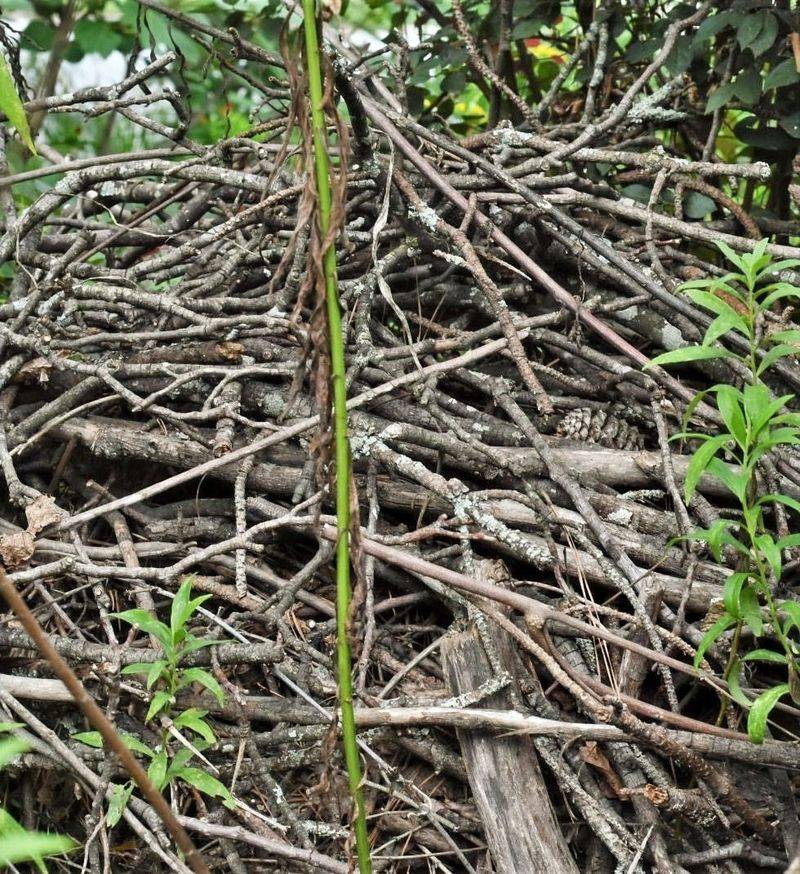
Wood starts breaking down the moment it hits the ground. Fungi, beetles and other small critters move in and start the slow work of decay.
Many insects spend winter tucked under bark or inside crevices as eggs, larvae or resting adults. To a hungry wren, that pile looks like a pantry with the lights off.
Protein is precious in cold weather. Insect-eating birds need it to keep their energy up, and frozen ground hides most food sources.
Brush gives them one more place to search.
Older piles become even richer over time. Softer, crumbly wood holds more bugs, while fresher branches give better shelter.
Both stages have value.
Skip pesticides anywhere near your pile. Spraying would remove the very insects your birds are hunting.
Spiders, millipedes and ground beetles also find homes here. Several of these critters help gardens by eating pests in the warmer months.
Have you ever lifted a log and found a world of tiny life underneath? A brush pile is that same discovery, just bigger.
I like knowing my yard scraps are feeding birds instead of filling a landfill.
Late Fall Is the Sweet Spot to Stack Your Brush Pile
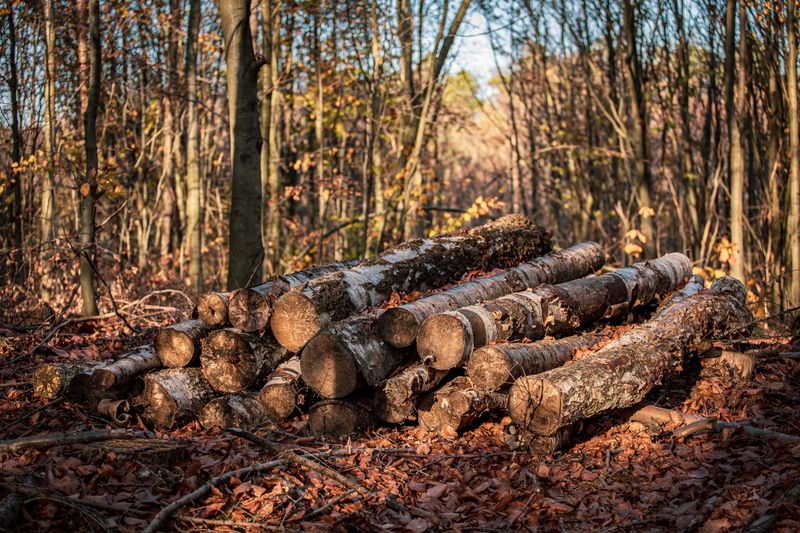
Timing matters more than you might think. Late fall and early winter line up nicely with when birds start hunting for shelter.
Juncos arrive in fall, and resident cardinals and wrens begin settling into winter routines. Having cover ready before the first hard freeze means birds can find it early and keep using it.
Fall cleanup also hands you free supplies. Pruned limbs, storm branches and spent stems can go straight onto the pile instead of the curb.
Wait until late winter or very early spring for big rebuilding jobs. Moving brush during nesting season, roughly spring through summer, could disturb birds or rabbits raising young inside.
Plan to add new branches every year. Piles slowly settle and shrink as wood breaks down.
A fresh layer each fall keeps the structure tall and full of air pockets.
Some gardeners keep two piles going at once. One newer pile offers great cover, while an older one serves as an insect-rich food spot.
Avoid using diseased wood or limbs from trees with known pest problems. Check with Ohio State University Extension if you are unsure about a particular tree.
Tuck Your Brush Pile Near Berry Shrubs and Away From the House
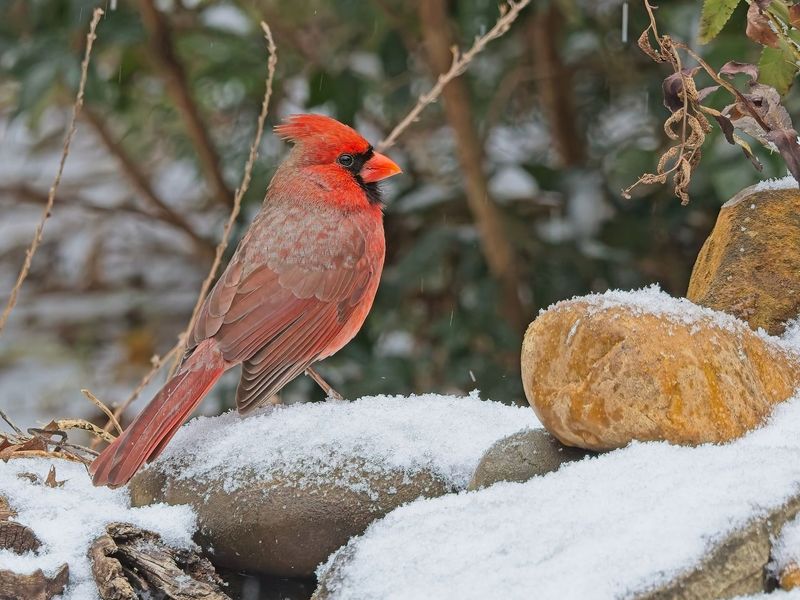
Location can make an ordinary pile feel like a five-star bird hotel. Spots near shrubs, fence lines or woodland edges tend to draw the most visitors.
Birds like to travel along cover instead of crossing wide open lawns. Connecting your pile to existing plantings gives them a safer path.
Native berry shrubs make great neighbors. Winterberry, gray dogwood, American cranberrybush viburnum and serviceberry all offer food in Ohio.
Please skip invasive bush honeysuckle and multiflora rose, even though birds eat their fruit.
Keep the pile a good distance from your house, shed and deck. That reduces fire risk and lowers the chance of mice or other critters moving too close to your walls.
A quieter corner works best for suburban lots. Screening the pile behind a shrub can keep it tidy-looking for neighbors and homeowner associations.
Check local rules before building in a front yard.
Pick a spot you can see from a window too. You built this for the birds, but the show is for you.
Grab some branches this weekend and start small. By midwinter, you may count cardinals, juncos and wrens sharing the same scruffy corner.