The Real Reason Love Bug Season Is Getting Worse In Florida Every Year
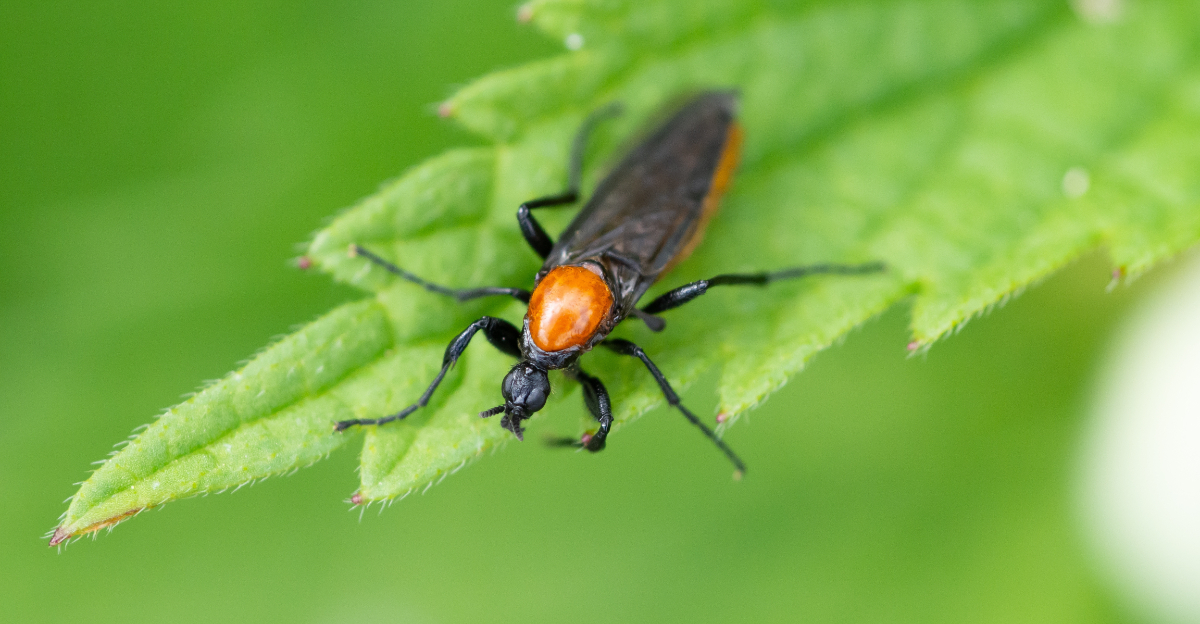
Somewhere between April and September, Florida drivers start noticing the same strange pattern. Windshields turn into sticky, black-speckled canvases within minutes of merging onto the highway.
It is not your imagination. Each season the swarms feel thicker, longer, and harder to outrun, and almost nobody driving through them can explain why.
The real explanation sits in Florida’s heat and humidity. Weather patterns quietly decide how brutal a given year will be long before the first swarm appears.
The moment you see what actually triggers these waves, driving through Florida stops feeling like a gamble and starts feeling like something you can finally plan around.
Rainfall And Heat Are Quietly Fueling The Surge
Warm rain and sticky heat are a love bug’s best friends. Florida’s climate has been delivering both in bigger doses, and the bugs are thriving because of it.
Love bugs need moisture to survive their larval stage underground. When rainfall increases, the soil stays damp longer, giving larvae the wet conditions they need to grow fast.
Heat speeds up their development too. Warmer temperatures mean larvae mature quicker and emerge in larger numbers than cooler years would allow. Wetter, hotter years tend to line up with heavier swarms, and the pattern is hard to ignore.
Florida has been seeing heavier rainfall events in recent years. That extra moisture soaks into the ground and creates a nursery effect for developing larvae.
When those larvae finally emerge as adults, they do it all at once. That synchronized emergence is what creates the thick, swirling clouds of bugs that coat your car in seconds.
Higher average temperatures also extend the season slightly each year. Even a few extra warm weeks can add another generation to the population cycle.
Rainfall and heat together create a feedback loop that love bugs exploit with stunning efficiency. As Florida’s climate keeps shifting, expect the swarms to keep growing in size and intensity each season.
A Life Cycle Built For Florida’s Climate
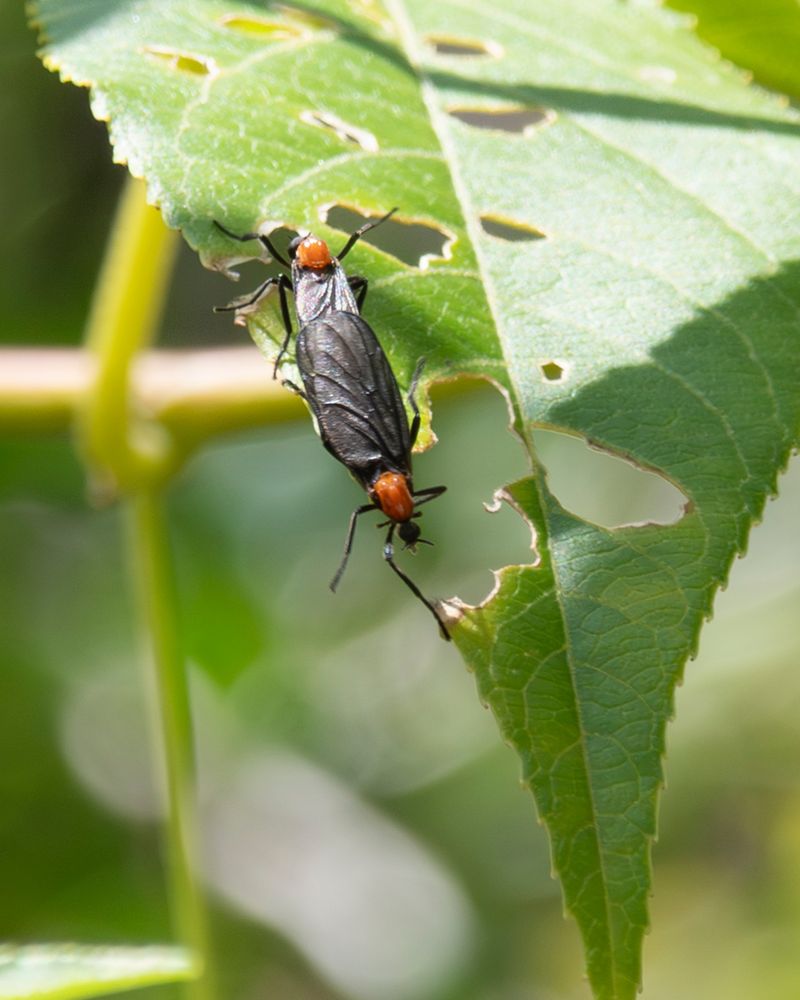
Love bugs did not stumble into Florida by accident. Their biology fits this state like a glove, and that is a big part of why they are so hard to control.
Female love bugs lay eggs in moist, decaying plant material. Florida’s landscape is packed with rotting grass, wet soil, and organic debris along roadsides.
Those eggs hatch into larvae that feed on decomposing matter underground. The larvae can spend several months developing before they emerge as adults ready to mate.
Adult love bugs live only about three to five days. But in that short window, they mate, swarm, and lay hundreds of new eggs before the cycle runs its course.
That rapid turnaround means populations can explode fast. One good breeding season can set the stage for an even larger emergence the following year.
Florida’s year-round warmth means there is almost no hard freeze to interrupt the cycle. In colder states, winter thins out vulnerable life stages and keeps populations in check.
Here, the cycle runs nearly uninterrupted. Larvae stay warm, fed, and protected underground while waiting for the right temperature cue to emerge.
Your Florida Garden Changes Every Week. Your Plan Should Too.
Gardening in Florida changes quickly throughout the season. Every Friday you’ll receive a simple weekly plan showing exactly what to plant, prune, fertilize, harvest, and protect so you never miss the right timing.
What makes love bug season worse each year is that this cycle has no natural off switch in Florida’s climate. The conditions that support their growth are not going away, and neither are the swarms that follow.
Two Peak Windows Each Year, Spring And Late Summer
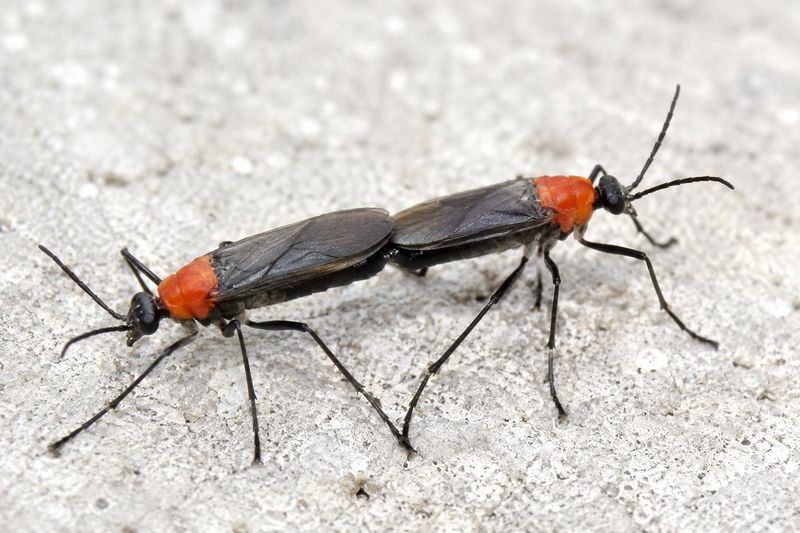
Mark your calendar twice. Love bugs hit Florida hard in late April through May, then again from late August through September.
These two windows line up with specific temperature and moisture conditions that trigger mass adult emergence. When those conditions hit, millions of bugs appear almost overnight.
The spring season tends to be slightly smaller. Cooler soil temperatures during winter slow larval development, so fewer bugs are ready to emerge in spring compared to late summer.
The late summer swarm is often the worst one. By August, soil temperatures are at their peak, larvae have had months to develop, and the population has built up since spring.
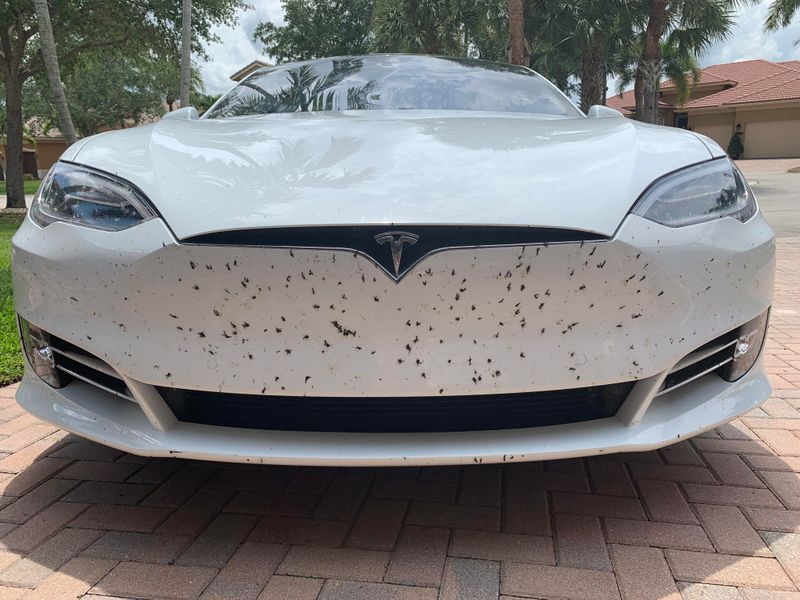
Drivers who commute during these windows notice the difference immediately. A car left outside for even an hour can end up coated in a thick layer of splattered insects.
The timing also lines up with peak driving season. Summer road trips and back-to-school commutes put more cars on the road right when swarms are at their heaviest.
Each peak window typically lasts four to five weeks. That may not sound long, but for anyone trying to keep a clean car or open a window, it feels endless.
Seeing these two windows coming gives you a chance to prepare. Stock up on car wax and bug remover before love bug season hits, not during it.
Nutrient-Rich Soil Gives Larvae A Head Start
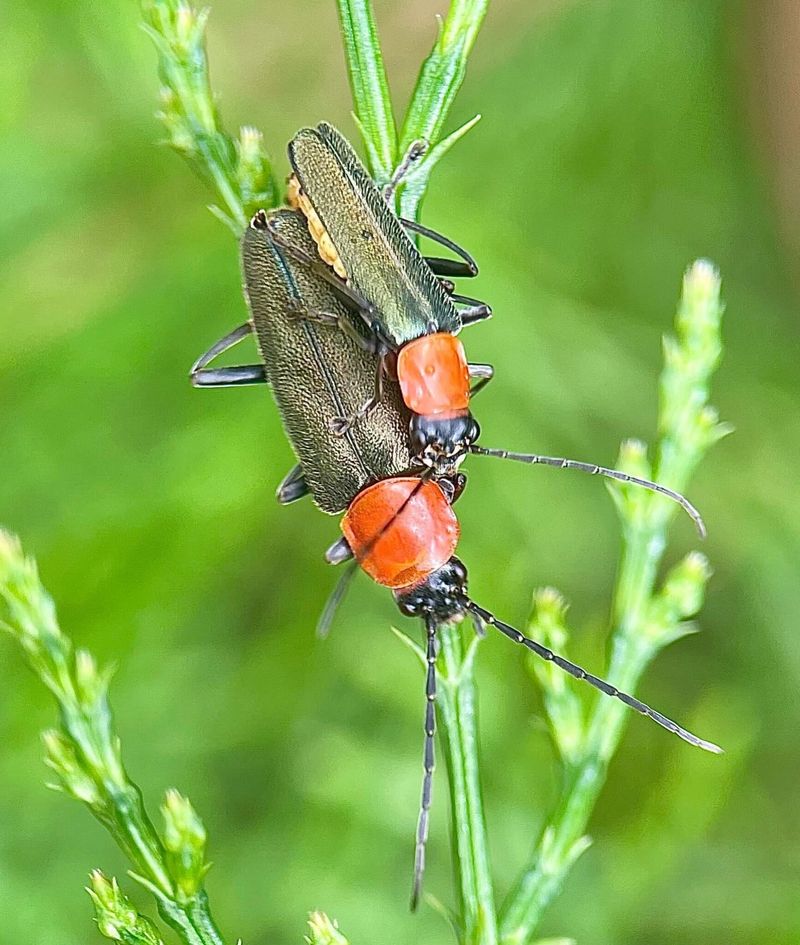
Florida’s roadsides are basically a buffet for love bug larvae. The thick organic layer that builds up along highways gives young bugs everything they need to grow fast.
Larvae feed on decaying plant material, and Florida produces a lot of it. Warm temperatures speed up decomposition, which means the food supply for larvae is almost always plentiful.
Road maintenance crews often mow grass and leave the clippings in place. Those clippings break down quickly in the heat and add a fresh layer of organic matter to the soil.
That extra organic layer acts like fertilizer for larvae. Better nutrition means faster growth, higher survival rates, and more adults ready to emerge when temperatures spike.
Fertilizer runoff from nearby lawns and farms also enriches roadside soil. Higher nutrient levels support denser plant growth, which eventually becomes more food for the next larval generation.
Urban expansion has pushed more fertilized lawns and landscaped areas right up against highways. That creates a nutrient-rich corridor running for hundreds of miles across the state.
Researchers studying love bug populations have found the heaviest swarms near areas with thick organic soil layers, pointing to a real link between soil quality and swarm size.
Richer soil tends to produce bigger swarms year after year. As long as Florida’s roadsides stay packed with organic matter, love bug populations will keep finding the fuel they need to surge.
Some Years Bring Noticeably Fewer Swarms
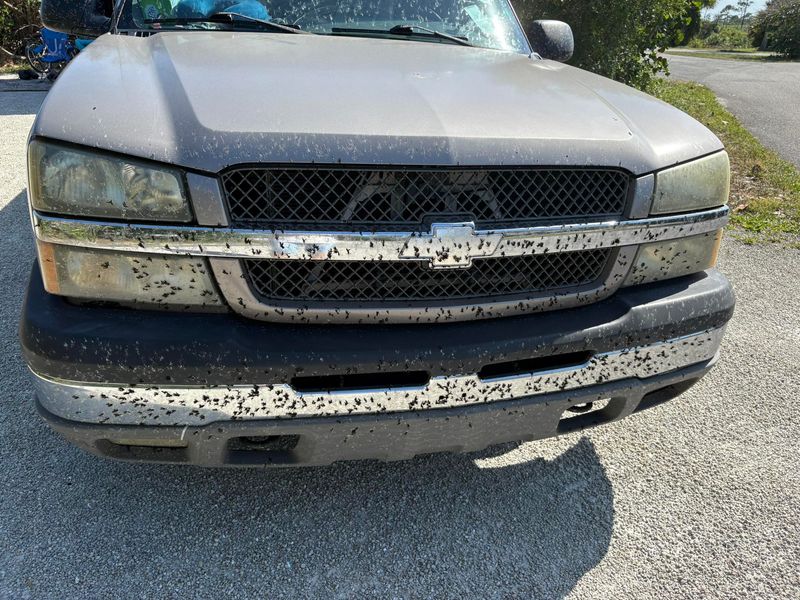
Not every love bug season hits the same way. Some years feel almost manageable, and there are real reasons behind that variation.
Dry springs reduce larval survival rates significantly. Without enough moisture in the soil, larvae struggle to develop and many do not make it to the adult stage.
A cold snap in late winter can also slow things down. Even a brief dip in temperature can delay larval development and push emergence windows back by weeks.
Wind patterns matter too. Strong, consistent winds during peak swarm weeks can scatter adult populations and make them feel thinner on the ground, even if total numbers are high.
Some lighter years are simply the result of a smaller previous season. If the fall emergence is weak, fewer eggs are laid, and the following spring produces a smaller crop of adults.
Natural predators like spiders and ground beetles do pick off some larvae. In years when predator populations are healthy, they can put a small dent in local love bug numbers.
Flooding can also take a toll on large numbers of larvae. When soil stays waterlogged for extended periods, larvae fail to survive long enough to complete development.
The takeaway here is that weather variation creates natural population swings. A rough love bug season is often followed by a calmer one, giving Florida residents a brief, welcome break from the annual swarm.
Small Steps That Limit Damage To Your Car And Home
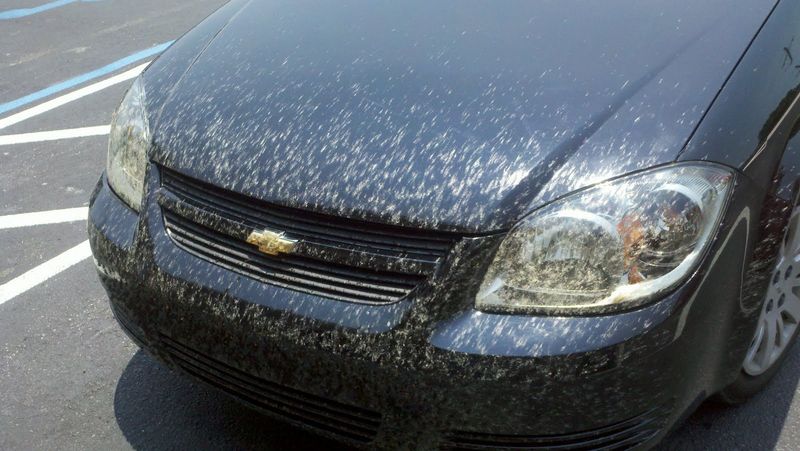
You cannot stop love bug season, but you can protect your property with a few smart moves. A little preparation goes a long way when swarms are at their peak.
Wax your car before the season starts. A fresh coat of wax creates a slick surface that makes bug splatter much easier to rinse off before it bonds to the paint.
Bug splatter is widely believed to be acidic, and it can damage your car’s finish fast if left too long. The longer you wait to clean it off, the harder it gets to remove without scratching the surface.
Keep a spray bottle of water and a soft cloth in your car. A quick wipe-down at each stop prevents buildup from hardening between longer drives.
Bug deflectors and mesh screens for your grille are worth the investment. They block a significant portion of bugs from reaching your radiator and causing overheating during peak swarm weeks.
At home, turn off outdoor lights during peak evening hours. Love bugs are attracted to light and heat, so reducing both can keep them away from your entry points.
Avoid parking near tall grass or heavily vegetated areas during swarm season. Those spots are prime gathering zones for adult bugs looking for mates.
Conditions across the state keep tilting in these bugs’ favor, and nothing suggests that trend will reverse anytime soon. Taking these small steps now means less damage, less frustration, and a much cleaner windshield when the next swarm rolls in.