What Crepe Myrtle Roots Actually Do To A Florida Yard Over Time
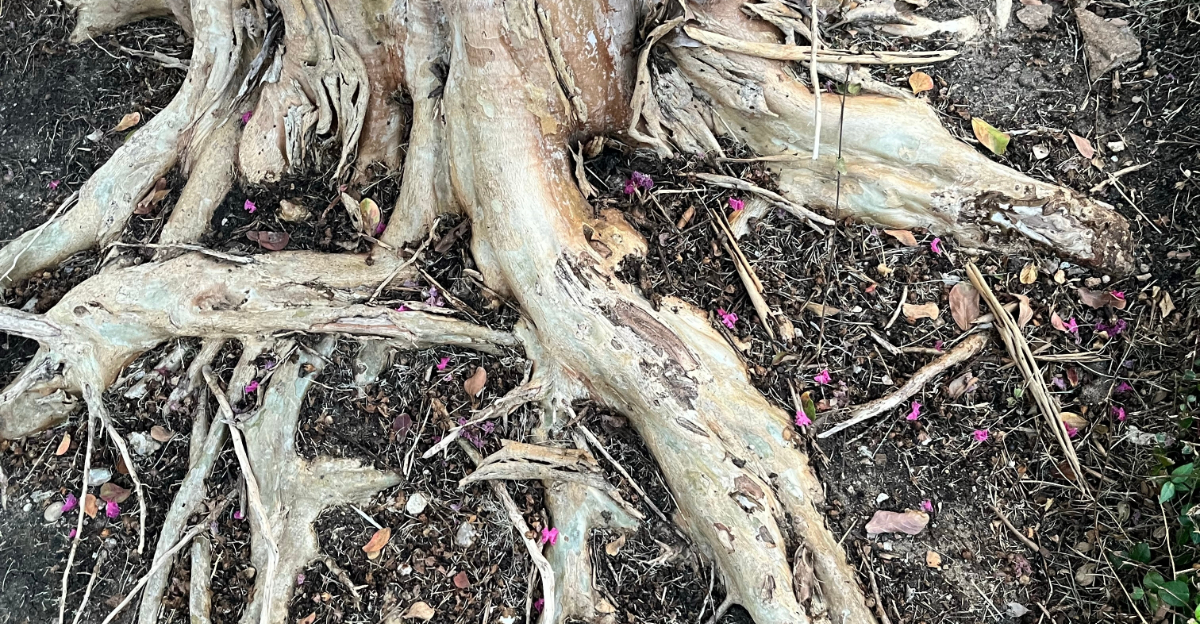
Nobody plants a crepe myrtle thinking about the roots. The bloom sells it.
The color, the summer performance, the way it looks lining a driveway in July. The roots are an afterthought that become a main character somewhere around year five without anyone scheduling that conversation.
By then the yard has already been having it without you. Crepe myrtle roots are patient and they are persistent.
What they do to a Florida yard over time is not dramatic enough to notice all at once and significant enough to matter once the full picture becomes clear. The tree above keeps looking fine.
That is part of what makes this so easy to miss for so long. What actually happens underground, on what timeline, and what it eventually means for everything else in the yard is a story worth knowing before the roots finish telling it their way.
1. Most Of The Root Action Happens Closer To The Surface
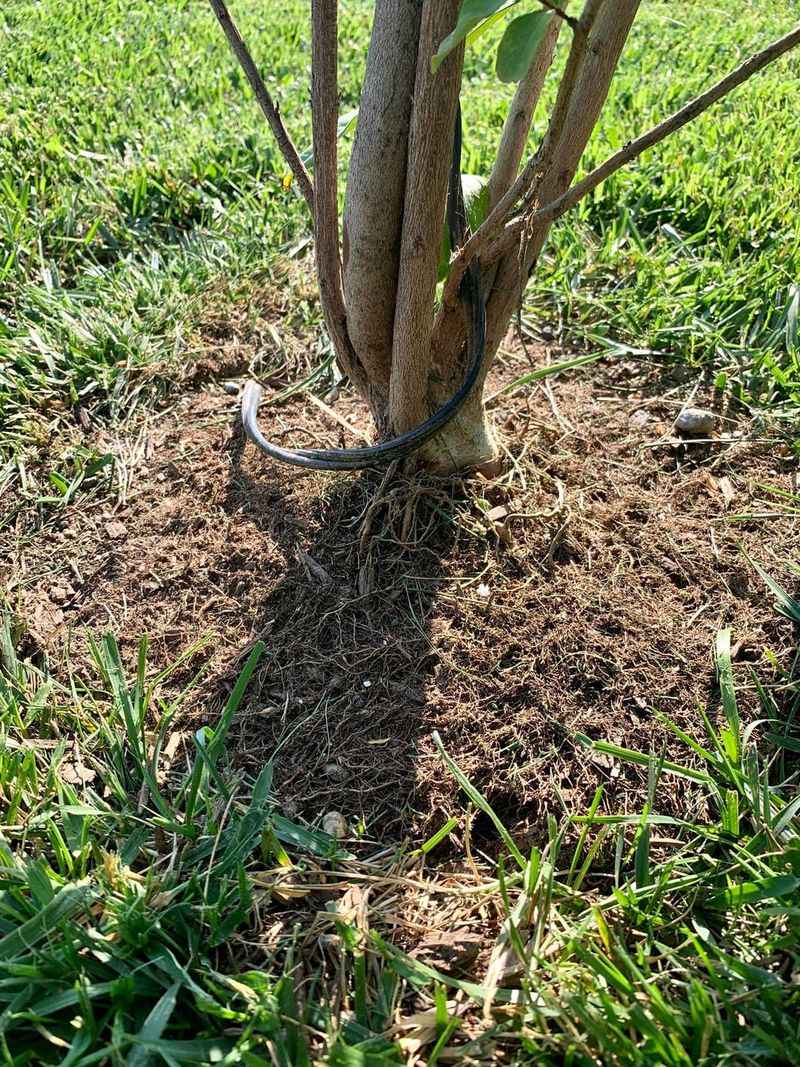
Scratch a few inches below the mulch near an established crepe myrtle and you will likely find a web of fine, fibrous roots spreading outward in every direction.
University of Florida IFAS Extension describes crape myrtles as having a relatively shallow, fibrous root system.
Most active roots therefore concentrate in the upper soil layers rather than growing deep into the ground.
Shallow does not mean every root sits right at the surface like a tripping hazard. It means the bulk of the root mass works through the zone where water, oxygen, and nutrients are most available.
In Florida’s sandy soils, that zone tends to be the top foot or two of the soil profile, because drainage is fast and nutrients do not linger deep.
As a tree matures, those fibrous roots extend horizontally well beyond the trunk. They follow moisture and loose soil rather than pushing straight down through compacted layers.
A tree that has been growing for a decade has roots reaching into areas that look completely unrelated to the tree from above ground.
Homeowners sometimes assume a small trunk means a small root system. That assumption can lead to surprises when digging nearby beds or installing irrigation lines.
The root network of a mature tree is a living map of where resources were available during each growing season.
2. The Root Zone Eventually Outgrows That Neat Little Planting Bed
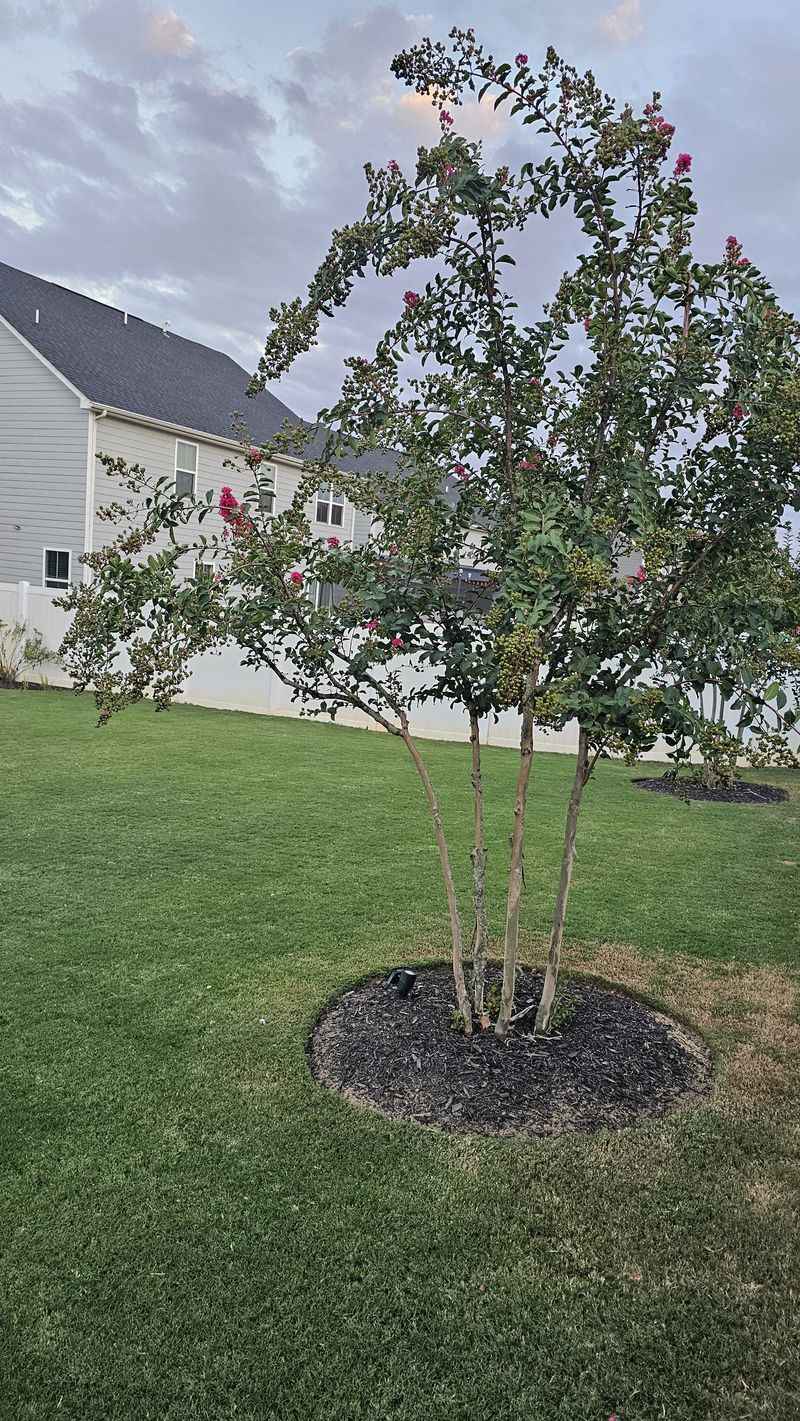
That tidy ring of mulch around the trunk looks organized and intentional, but a mature crepe myrtle stopped caring about that boundary years ago. Roots do not read landscape plans.
They grow wherever soil conditions allow, and in a well-irrigated Florida yard, that means pushing outward in every direction well past the edge of any decorative bed.
NC State Extension notes that tree roots commonly extend two to three times the width of the canopy or more in favorable soil.
A crape myrtle with a canopy spread of 15 feet may have roots actively working through soil that stretches far beyond what any mulch ring would suggest.
The original planting hole becomes almost irrelevant once a tree is fully established.
Your Florida Garden Changes Every Week. Your Plan Should Too.
Gardening in Florida changes quickly throughout the season. Every Friday you’ll receive a simple weekly plan showing exactly what to plant, prune, fertilize, harvest, and protect so you never miss the right timing.
This matters most when homeowners decide to add annuals, install new shrubs, or dig trenches near an established tree. Cutting through that outer root zone can stress the tree and reduce its ability to take up water efficiently.
Florida’s dry seasons make water access especially important for keeping trees healthy through periods of low rainfall.
Rethinking that mulch circle as a guide rather than a boundary is a useful mental shift. Extending mulch farther out from the trunk, even informally, protects more of the root zone and reduces competition from surrounding turf.
A wider protected area around a mature tree almost always benefits the tree more than a picture-perfect ring does.
3. Nearby Grass Starts Competing For The Same Water
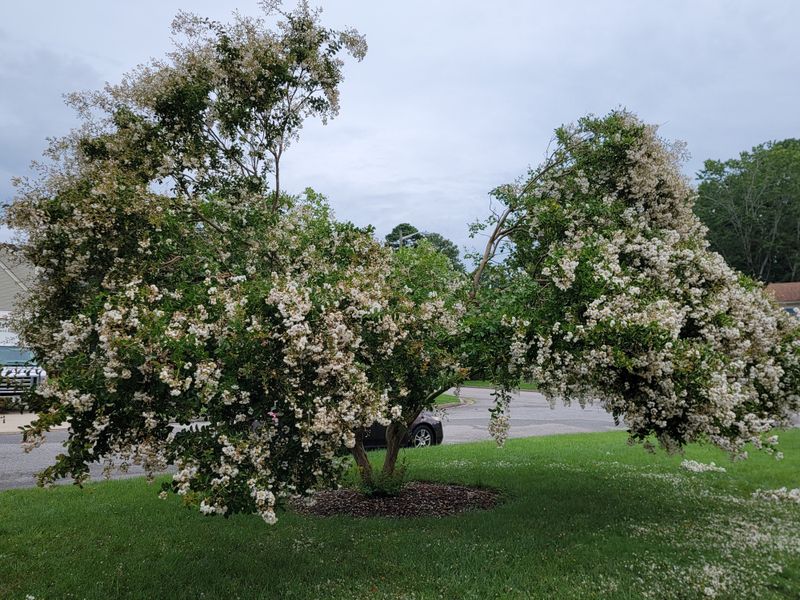
A lawn that looked perfectly even a few years after planting may start showing thin or uneven patches as a crape myrtle matures. Part of that change happens because tree roots and turf roots eventually share the same soil space.
Both compete for the same limited supply of moisture and nutrients.
Turf grasses common in Florida, such as St. Augustinegrass, are already demanding when it comes to water and fertilizer. Add a maturing tree with a wide, fibrous root system into that same zone and competition becomes a real factor, especially during dry stretches.
UF/IFAS Extension points out that Florida’s sandy soils hold less water than heavier clay soils. That makes root competition more noticeable during periods without regular rain or irrigation.
Shade from the canopy adds another layer to the equation. St. Augustinegrass has moderate shade tolerance, but reduced light combined with root competition can make turf perform poorly beneath and around the tree’s canopy edge.
Adjusting irrigation so the tree’s root zone receives adequate moisture during dry periods can help both the tree and the surrounding lawn stay healthier.
Switching to a more shade-tolerant ground cover in the area directly beneath the canopy is one practical option.
Mulching that area instead of trying to maintain grass reduces competition and helps retain soil moisture where the tree needs it most during Florida’s warmest months.
4. Root Suckers Can Turn Into A Recurring Yard Chore
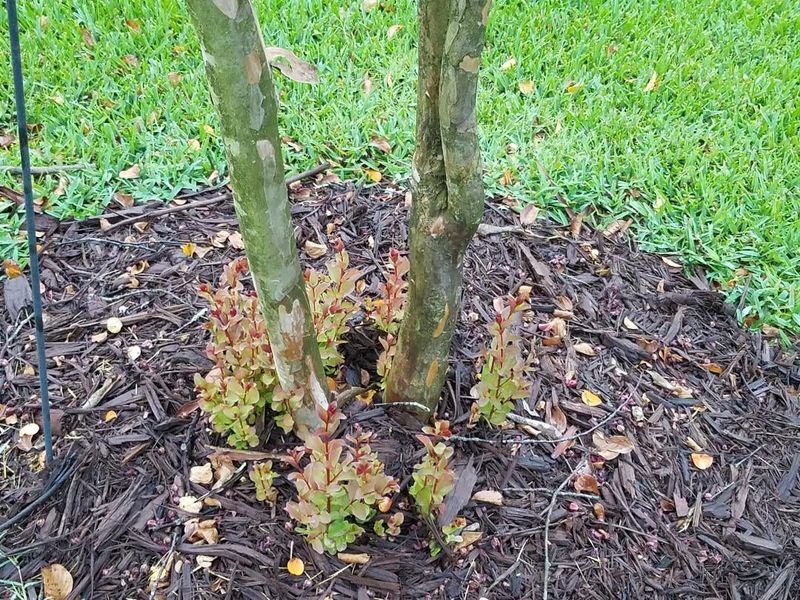
Spend a spring morning walking your yard and you might spot small leafy sprouts pushing up from the soil around an established crepe myrtle. Those are root or basal suckers, and they are one of the more hands-on realities of owning a mature tree.
They grow from buds at or near the base of the trunk, or occasionally from shallow lateral roots just below the soil surface.
UF/IFAS Extension notes that heavy pruning, including the common practice known as crape murder, can stimulate more vigorous suckering.
When a tree is repeatedly cut back hard, it responds by pushing out new growth from multiple points, including from the base.
Homeowners who avoid severe pruning tend to deal with fewer suckers each season.
Removing suckers is straightforward but needs to be done consistently. Pulling or cutting them off at the point where they emerge, rather than just snipping the visible tip, reduces how quickly they return.
Leaving them in place allows them to grow into competing stems that change the tree’s natural form.
Suckers are not the same as seedlings sprouting from dropped seed nearby. Seedlings have their own root systems and grow from a different location entirely.
Telling them apart is easy once you trace the stem back to its source. A sucker connects directly to the parent tree’s base or root, while a seedling stands on its own.
Staying consistent with removal each season keeps the chore manageable.
5. Planting Too Deep Creates Problems Right At The Base
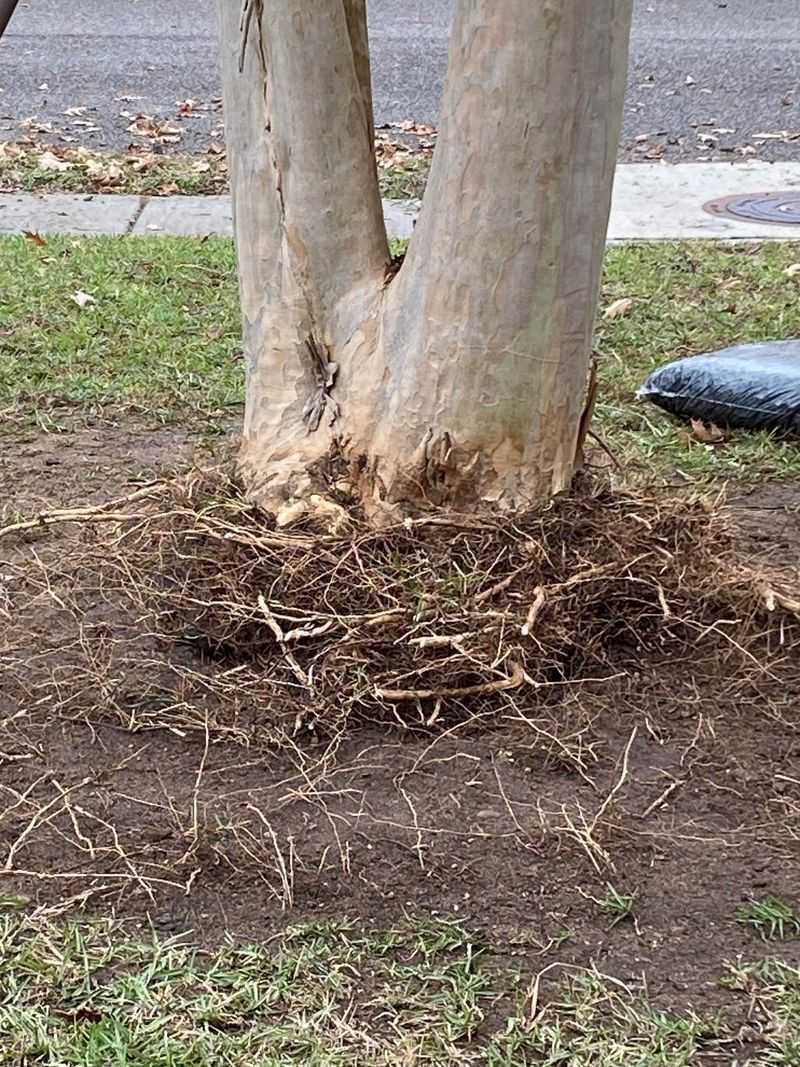
A visual clue that something went wrong at planting is a trunk that disappears straight into the ground without any visible flare at the base. Healthy trees have a root flare, which is the area where the trunk widens and transitions into the main root structure.
That flare should be visible at or just above soil level.
Burying the root flare under soil or mulch creates conditions that can lead to bark decay and structural weakness at the base of the trunk. UF/IFAS Extension and other university sources emphasize planting trees at the correct depth.
Keeping the root flare at or slightly above grade is one of the most important steps in establishing a healthy tree.
The problem with planting too deep is that it often stays hidden for years. A young tree may look perfectly fine while the buried base slowly develops issues beneath the soil surface.
By the time symptoms appear above ground, the problem has usually been developing for a long time. Florida’s warm, humid conditions can speed up bark breakdown in areas where moisture and soil stay in constant contact with the trunk.
Checking an existing tree is straightforward. Carefully remove any excess soil or mulch piled against the trunk until the root flare becomes visible.
Pull mulch back so it does not directly contact the trunk. Keeping it a few inches from the base is a simple step widely recommended by extension sources for landscape trees.
6. Tight Spaces Leave Less Room For Healthy Root Growth
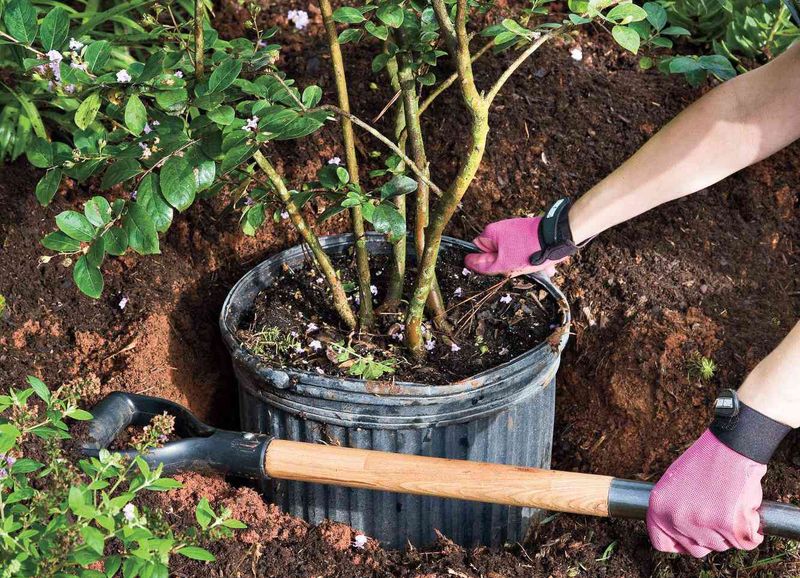
Crape myrtles are often planted in parking lot islands, narrow sidewalk cutouts, and tight foundation beds. Those sites may not provide as much root space as the tree will eventually need.
A tree placed in a cramped spot does not stop growing. It adapts, but adaptation in a restricted space often means reduced long-term health and a shorter productive life.
UF/IFAS Extension notes that crape myrtles can perform well in limited urban soil spaces. That tolerance makes them a popular choice for challenging spots in Florida landscapes.
That tolerance for tight conditions is real, but there is a meaningful difference between tolerating a restricted site and genuinely thriving in one.
Compacted soil is one of the biggest limiting factors in tight planting areas. Roots need oxygen as well as water, and compacted soil reduces the pore space that allows both to move through.
Poor drainage in a confined bed compounds the problem by keeping roots in saturated conditions that restrict growth and reduce uptake efficiency.
Matching cultivar size to available space is the most straightforward way to prevent this conflict. Crape myrtles now come in sizes ranging from dwarf shrubs under four feet to large trees exceeding 30 feet.
Choose a dwarf or semi-dwarf variety for a tight planting space. Its smaller size gives the root system a better chance of fitting without constant pruning above ground or cramped conditions below it.
7. Sidewalk Trouble Is Not As Inevitable As It Sounds
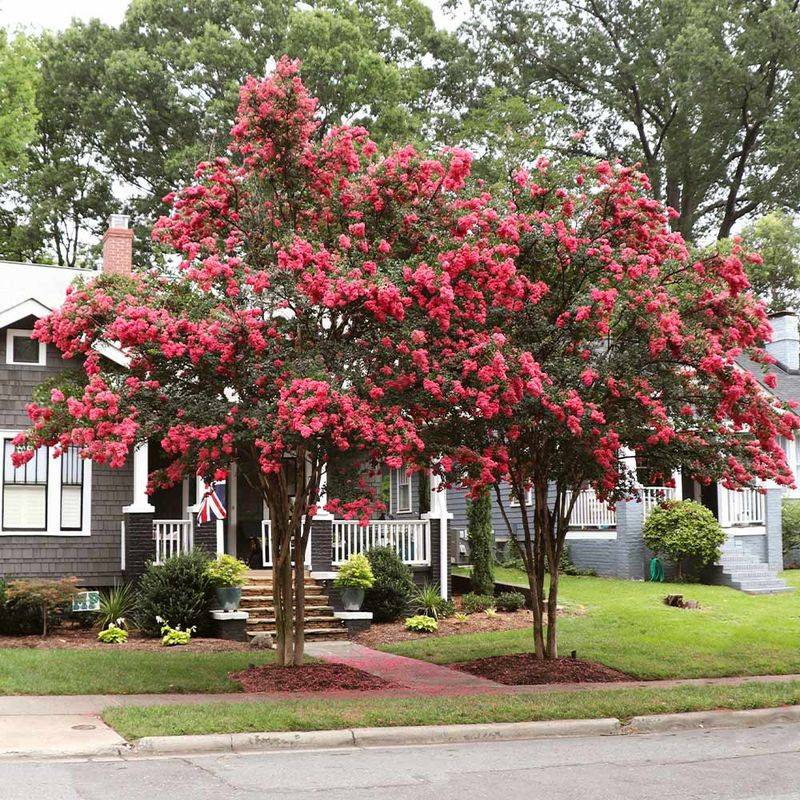
Few landscaping fears spread faster than the idea that any tree planted near a sidewalk or driveway will eventually crack it. Crape myrtles carry this reputation in some neighborhoods.
However, horticultural and arboricultural sources tell a more nuanced story than many homeowners expect.
Roots follow available soil space, moisture, and oxygen rather than seeking out concrete to lift. A root growing near pavement does not automatically become a structural problem.
Existing cracks in concrete, poor original installation, and soil movement from moisture changes often play a bigger role in pavement damage than roots alone.
University extension sources generally advise against planting large-maturing trees directly adjacent to hardscape, but they also distinguish between risk and certainty.
Crape myrtles are not in the same category as species known for aggressive, large-diameter surface roots. Their fibrous root systems are less likely to generate the kind of force that lifts slabs compared to trees with coarser, more expansive root structures.
Planting distance, mature tree size, and existing soil and pavement conditions all influence what actually happens at a specific site.
Choosing a smaller cultivar for spots near walkways, patios, or driveways significantly reduces any potential conflict.
A dwarf variety planted a reasonable distance from a concrete edge poses far less concern than a large-maturing tree placed directly beside it.
Selecting the right size for the right location is the practical answer, not avoiding crape myrtles near hardscape altogether.