The Worst Brassicas For North Carolina Raised Beds And The Ones That Thrive
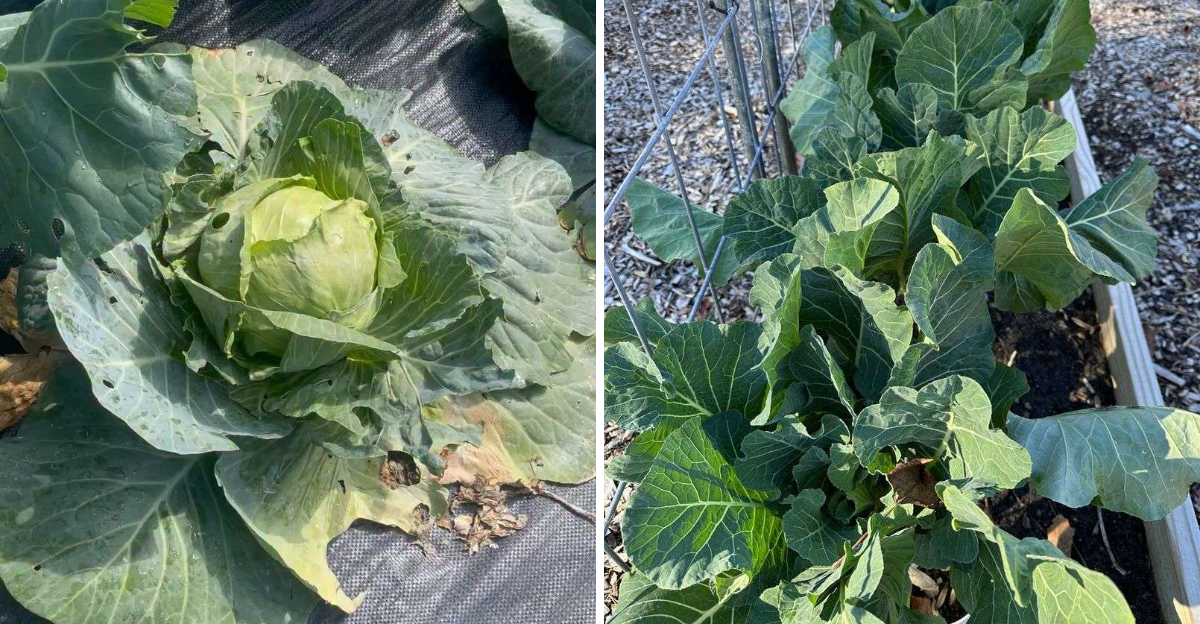
Raised beds solve plenty of gardening problems, but not every brassica actually performs well within their specific conditions, despite what garden centers might suggest.
Some varieties genuinely struggle in this setup, while others take full advantage of everything a raised bed has to offer.
Most gardeners assume all brassicas behave similarly, missing the very real differences that determine success or failure in this particular growing environment.
Understanding which varieties belong in your raised beds, and which ones you should skip entirely, could save you from a disappointing harvest this fall.
Many people only discover this distinction after watching certain plants struggle despite doing everything else right. Once you know which brassicas actually thrive in raised beds, planning your fall garden becomes a lot more straightforward.
This list could be the difference between a raised bed that overproduces and one that barely delivers.
1. Brussels Sprouts Demand Too Much Patience
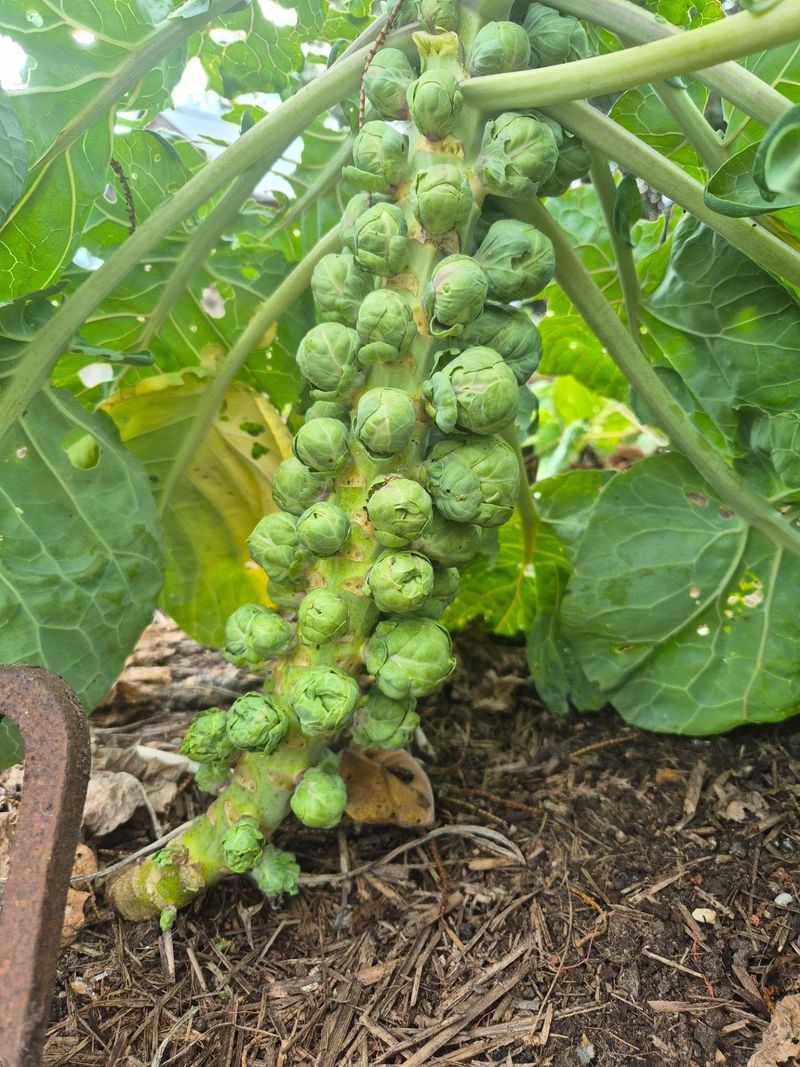
Waiting on Brussels sprouts can test even the calmest gardener. These plants need a long, cool stretch to form those tidy little sprouts along their tall stalks.
In North Carolina, warm weather often arrives before the plant finishes its slow work. The trouble starts with timing. Brussels sprouts want three to four months of steady, chilly conditions to develop firm sprouts.
Southern springs heat up fast, and southern falls can bounce between warm and cool, which confuses the plant and leaves you with loose, bitter sprouts.
Space is another headache. A single stalk grows two to three feet tall and spreads wide, yet it gives you only one harvest window.
In a raised bed where every inch counts, that trade feels wasteful compared to greens you can cut again and again.
Pests love them too. Cabbage worms and aphids often move in during the long growing season, and the extended time on the ground means more chances for trouble to build up.
If you really want to try, plant them in mid to late summer so they mature during the coolest part of fall. Choose fast-maturing types and keep the soil rich and evenly watered.
Honestly, though, most North Carolina gardeners get better results filling that space with quicker, more forgiving crops. Brussels sprouts can work in cooler mountain areas, but in the piedmont and coastal zones, the reward rarely matches the effort.
Save your patience and your raised bed room for plants that pay you back sooner.
2. Cauliflower Is Surprisingly Fussy
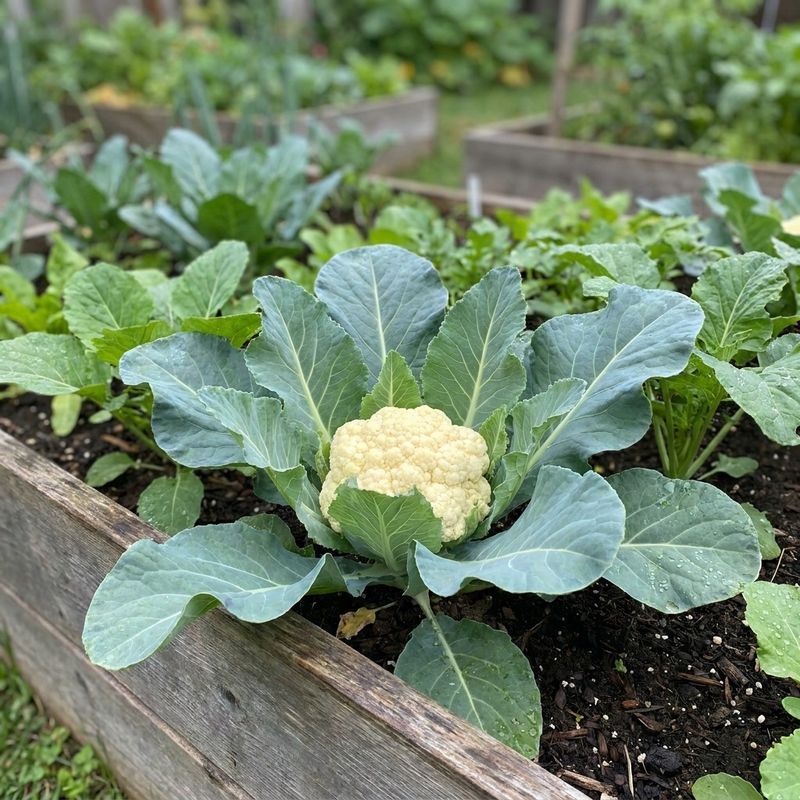
Cauliflower looks simple, but it hides a picky personality. Growing a big, snowy head takes just the right weather and a lot of babysitting. One warm spell or dry stretch can ruin the whole thing.
The plant wants cool, steady temperatures while it forms its head. In North Carolina, fall is your best shot, yet the timing has to be nearly perfect.
Plant too early and the heat scorches it, plant too late and frost slows it down before the head fills out.
Consistency matters more than almost anything. Cauliflower hates stress from uneven watering or sudden temperature jumps.
Your North Carolina Garden Changes Every Week. Your Plan Should Too.
Gardening in North Carolina changes quickly throughout the season. Every Friday you’ll receive a simple weekly plan showing exactly what to plant, prune, fertilize, harvest, and protect so you never miss the right timing.
When it gets upset, it forms tiny buttons instead of one full head, or the curds turn loose and grainy.
Many types also need blanching, which means folding the leaves over the head to keep it white. That extra step adds work most gardeners would rather skip.
Nutrients play a big role too. Cauliflower is a heavy feeder and wants rich soil packed with steady nitrogen. Skimp on feeding and you get disappointing results.
If you want to give it a go, start seeds indoors and set transplants out so they mature during the mild days of mid fall. Pick self-blanching varieties to save yourself trouble, and keep the soil evenly moist with a thick layer of mulch.
Even with careful planning, cauliflower stays one of the trickiest brassicas for raised beds here. Beginners especially may find the effort frustrating. Unless you love a challenge, there are easier crops that fill your plate with far less fuss.
3. Savoy Cabbage Takes Extra Work
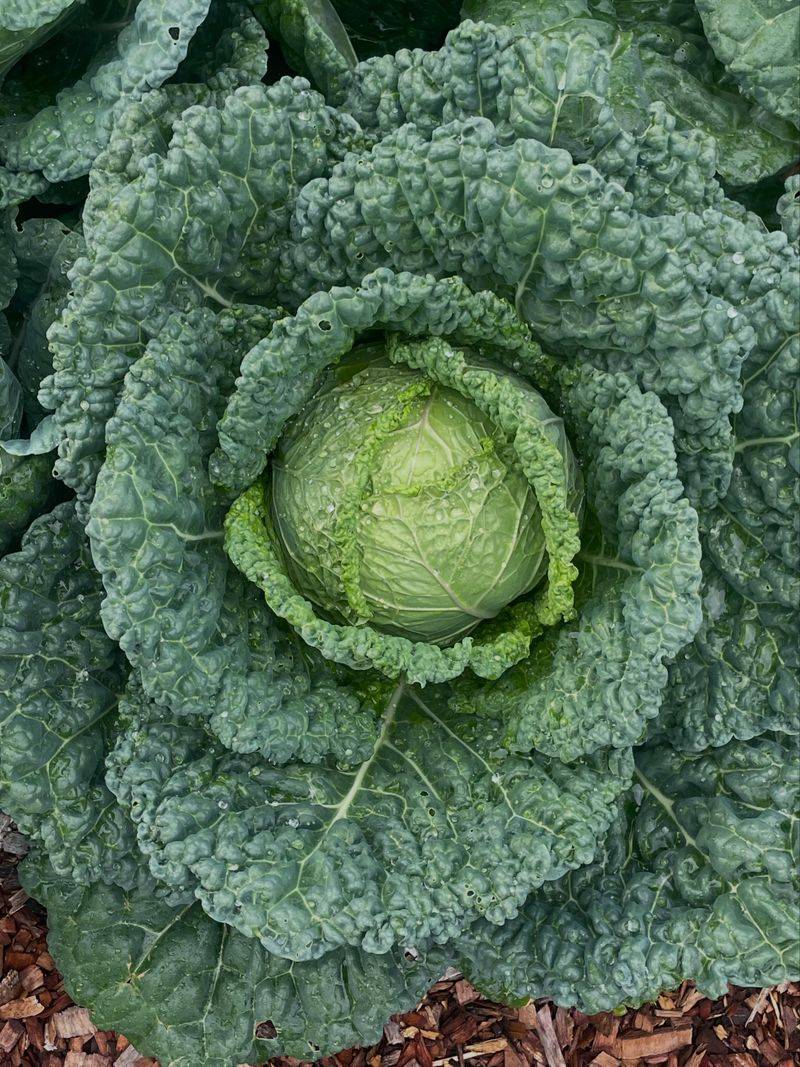
Savoy cabbage catches the eye with its fancy crinkled leaves, but that beauty comes with strings attached. This cabbage asks for more attention than its smooth-leaved cousins, and it can frustrate gardeners who expected an easy ride.
Those ruffled leaves grow slowly. Savoy needs a longer season than plain green cabbage, which means more time in your bed and more chances for problems to pop up along the way.
Pests find the crinkled leaves especially cozy. Aphids and cabbage worms tuck themselves into all those folds, making them hard to spot and even harder to wash off later. You end up inspecting each plant far more often.
Space is a real concern too. A single Savoy head sprawls wide and deep, hogging room in a raised bed that could grow several fast crops instead. For one harvest, that is a big commitment.
Water and feeding must stay steady. Any stress can cause the heads to split or stay loose, and the delicate leaves scorch quickly if a hot day sneaks in during spring or early fall.
Should you still want to grow it, plant for a fall harvest so the heads mature in cool weather. Keep the soil rich, mulch well, and check the leaves regularly for hidden hitchhikers.
Savoy cabbage can be worth it for cooks who love its tender texture in soups and rolls. Still, most North Carolina gardeners find the extra effort and space demands hard to justify.
Simpler leafy greens give you more food with far less babysitting.
4. Heading Broccoli Needs Perfect Timing
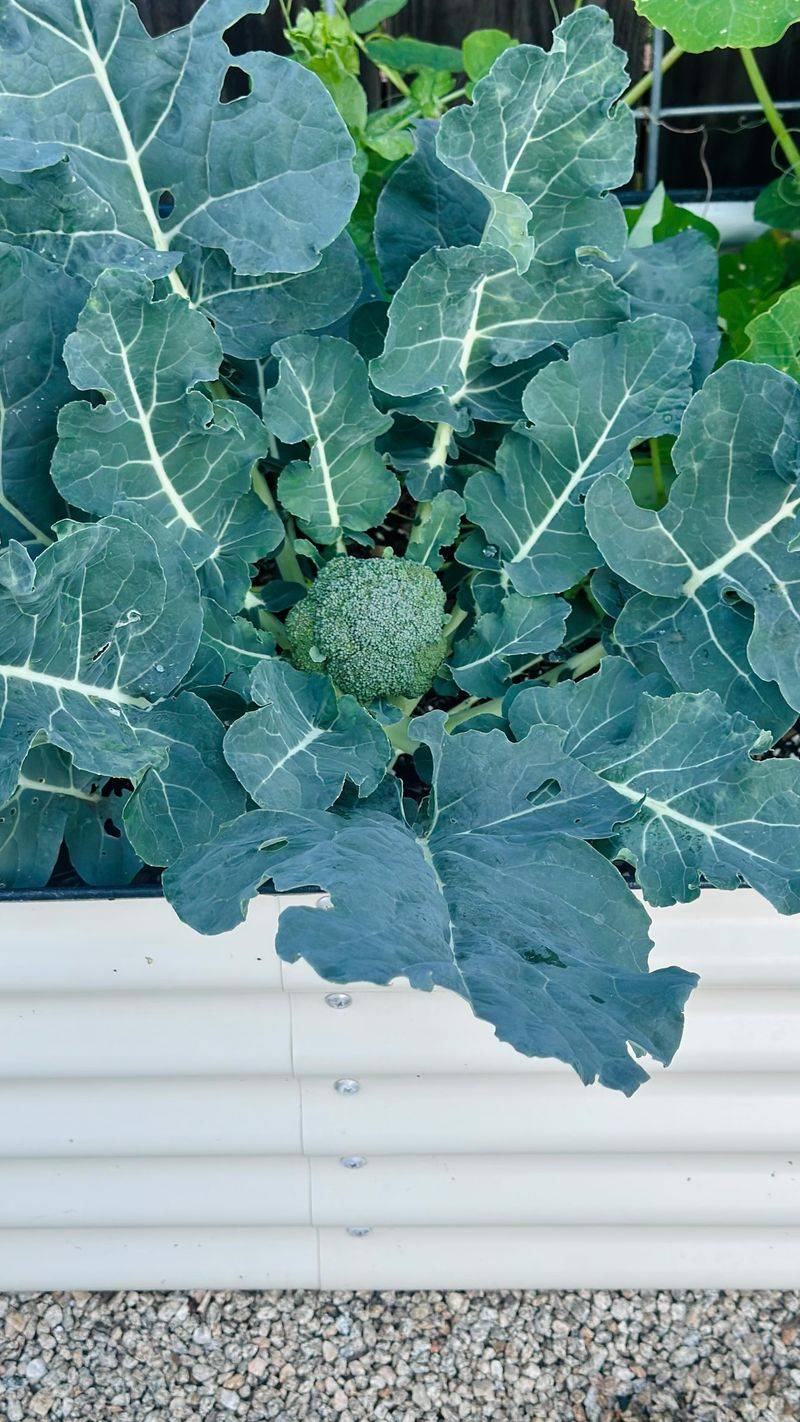
Broccoli teases gardeners with the promise of a big, tight head, then makes you work for it. The plant is picky about weather, and North Carolina’s mood swings can throw off your whole harvest.
Temperature is the make-or-break factor. Broccoli forms its best heads during cool, steady stretches, ideally in the low sixties.
When a warm spell hits, the plant rushes to flower and the head bursts into loose yellow buds before you can pick it.
Spring plantings often lose the race against summer heat. By the time the head starts forming, the weather turns hot and the whole plant bolts. Fall gives better odds, but only if you plant at just the right moment.
Choosing the wrong variety adds to the risk. Some types need long, cool seasons that our climate simply does not offer, so picking a heat-tolerant, quick-maturing cultivar makes a huge difference.
Water and feeding also shape the outcome. Uneven moisture or hungry soil leads to small, tough heads that never fill out the way you hoped.
To boost your chances, set transplants out so the head matures during the coolest window of fall. Look for reliable short-season varieties and keep the bed evenly watered with rich, well-drained soil.
One nice perk is the side shoots. After you cut the main head, many plants keep pushing out small florets for weeks, stretching your harvest.
Broccoli can succeed here, but only with careful planning. Miss the timing and you get flowers instead of dinner, which is why it lands on the tricky list.
5. Large Cabbages Crowd The Bed
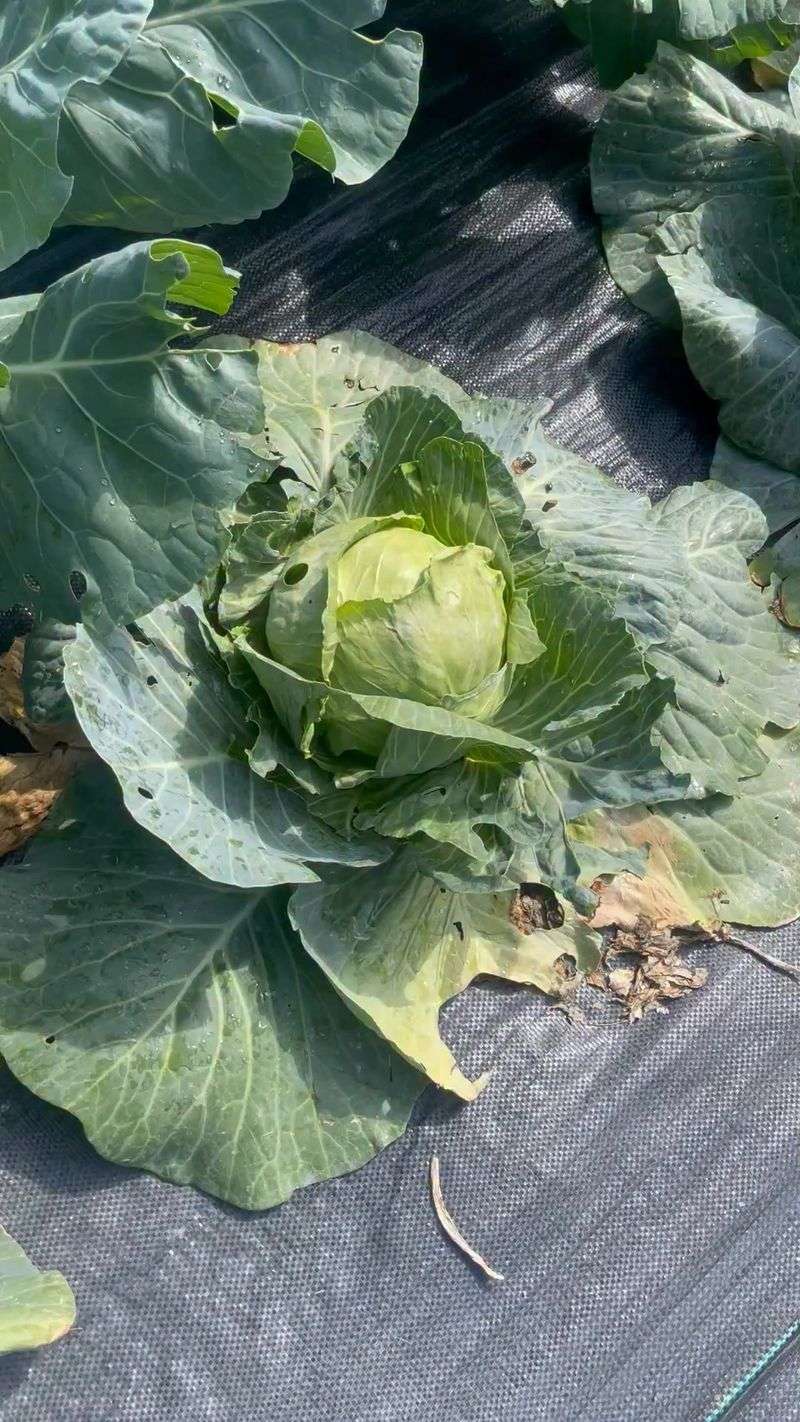
Full-size cabbage is a garden showstopper, but it eats up space like nothing else. One giant head can claim a big chunk of your raised bed, and all you get in return is a single harvest.
The math is tough to ignore. A large cabbage often needs a foot and a half of room in every direction. In a small raised bed, that means dedicating a whole section to one plant for months on end.
Cut-and-come-again greens make the trade look even worse. Instead of one payoff, crops like leaf lettuce and mustard let you snip leaves over and over. A single cabbage cannot compete with that kind of steady supply.
Timing adds pressure too. Big heads need a long, cool season to size up properly, and North Carolina’s warm spells can cause them to split or bolt before they finish.
Pests also treat those broad leaves like a buffet. Cabbage worms and loopers chew away, and a large plant gives them plenty of surface to feast on.
If you truly want a big head, grow just one or two and give them their own corner with rich soil and steady water. Plant for a fall harvest so they mature in cooler days, and mulch to keep moisture even.
For most raised bed gardeners, though, smaller cabbages or leafy greens make far better use of limited room. Trading one hulking head for weeks of repeated harvests keeps your bed productive and your kitchen stocked all season long.
6. Horseradish Can Take Over
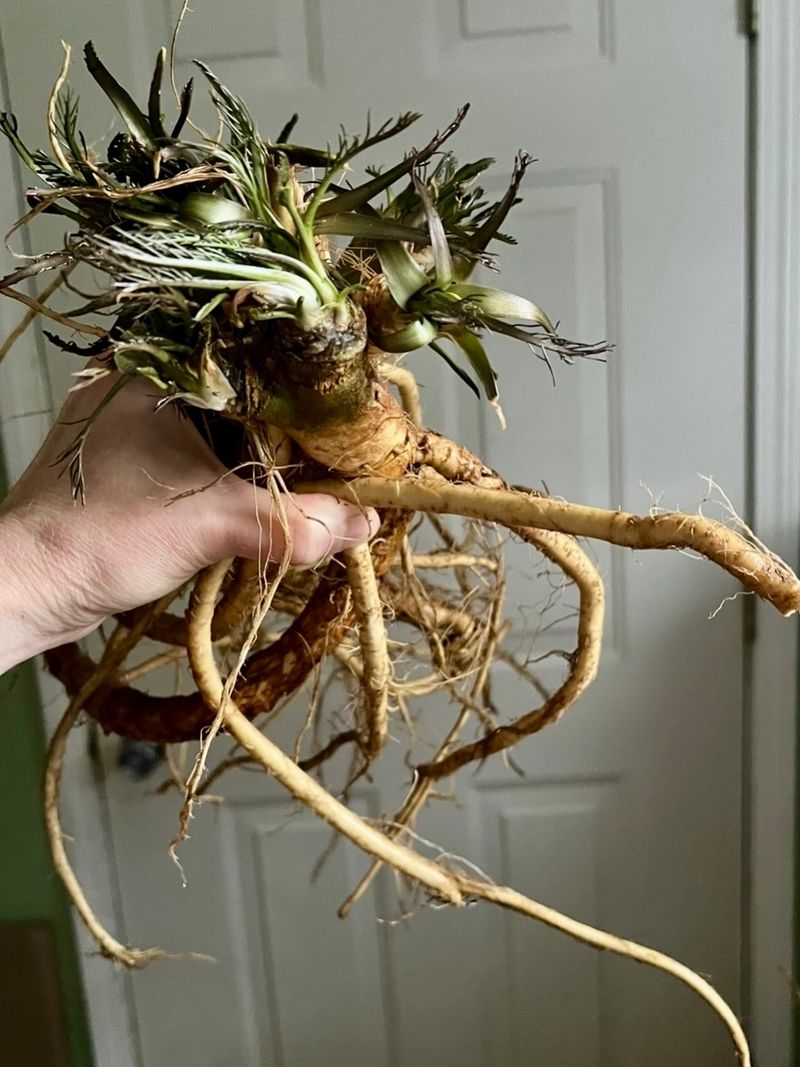
Horseradish brings serious flavor, but it can turn into an unwelcome guest that never leaves. Plant it once in a shared raised bed and you may spend years trying to get it back under control.
The problem lives underground. Horseradish spreads through its roots, and even a tiny broken piece left in the soil can sprout a brand new plant. Dig one up and you often create three more.
In a mixed bed, that habit spells trouble. The roots creep sideways and pop up among your other veggies, muscling in on space and nutrients your carrots or lettuce need.
Removing it is a real chore. Because the roots run deep and break easily, pulling every scrap out is nearly impossible. Missed bits return the next season, stronger than before.
The leaves grow big and bold too, casting shade over nearby plants that want full sun. Before long, one horseradish clump can dominate an entire corner.
If you love the spicy root, the smart move is to grow it in its own container or a buried pot with a solid bottom. That barrier keeps the roots trapped and your raised bed peaceful.
Harvest in fall after a light frost, when the flavor peaks, and always dig carefully to gather as much root as you can.
Horseradish is a fun and useful plant, no doubt about it. The catch is its aggressive nature, which makes it a poor roommate for a tidy raised bed. Give it a separate home and everyone stays happy.
7. Wasabi Is A Poor Raised Bed Bet
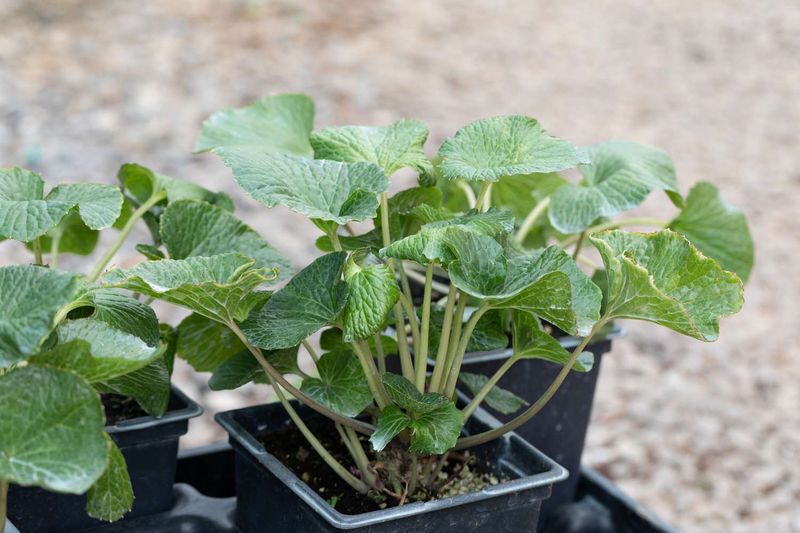
Wasabi sounds exciting, like a gourmet secret hiding in your garden. Reality is far less glamorous, because this plant is one of the fussiest crops you could ever try in a raised bed.
Its home tells the story. Wasabi naturally grows along cool mountain streams in Japan, where water runs constantly and shade keeps things chilly. A sunny North Carolina raised bed offers almost none of that.
Temperature is a deal-breaker. Wasabi wants steady coolness, roughly between forty-five and seventy degrees, all year long. Our hot summers push it far past its comfort zone and stress the plant badly.
Moisture demands are just as tricky. The roots need constant humidity and clean flowing water, not the drier soil of a typical bed. Keeping that balance takes special setups most home gardeners cannot manage.
Patience is the final hurdle. Even under perfect care, wasabi takes two years or more to grow a usable rhizome. That is a long wait for a plant that could fail at any point along the way.
If you are truly determined, you would need a shady, cool spot with running or constantly refreshed water and rich, moist soil. A greenhouse or a specialized bog setup gives the only real shot.
For nearly everyone, though, wasabi belongs on the skip list. The famous green paste at restaurants is usually horseradish anyway, which grows far more easily.
Save yourself the heartache and let this delicate plant stay in its misty mountain streams where it truly belongs.
8. Kale Keeps Producing
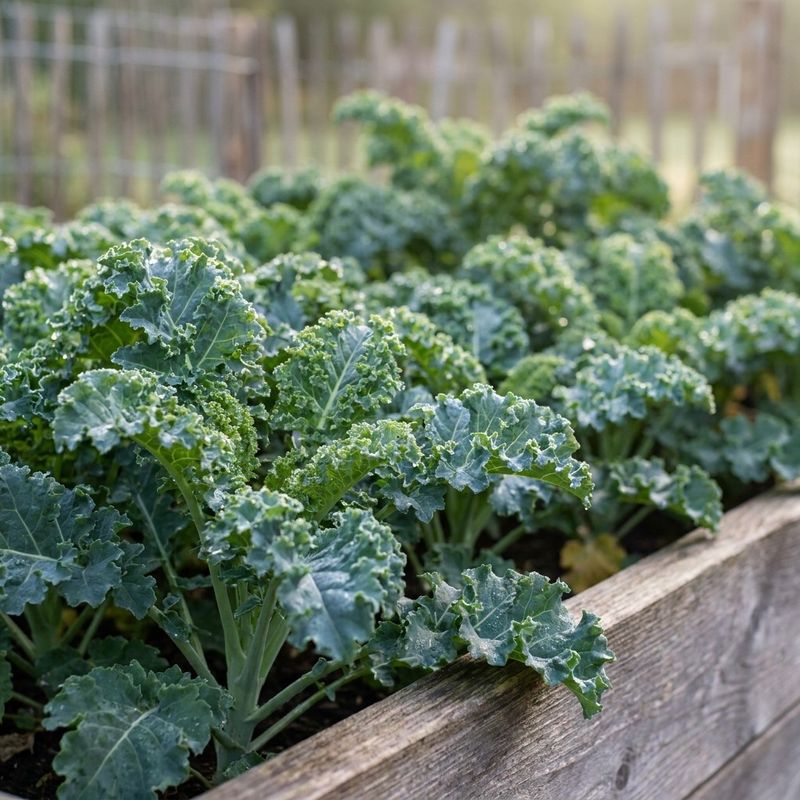
Kale is the friend who shows up and never lets you down. Toss it in a raised bed and it rewards you with armloads of leaves through cold weather that would flatten other plants.
Cold is where kale shines. Frost actually makes the leaves sweeter, turning starches into sugars so your winter salads taste better than your summer ones. North Carolina’s mild cold snaps suit it perfectly.
Harvesting feels almost magical. Instead of taking the whole plant, you pick the outer leaves and let the center keep growing. One plant can feed you for months without slowing down.
Space use is smart too. Kale grows upright and tidy, fitting nicely into a raised bed without sprawling everywhere or crowding its neighbors.
Pests bother it less than many brassicas, especially in cooler months when cabbage worms fade away. That means less spraying and more relaxing.
Getting started is easy. Plant seeds or transplants in late summer for fall and winter harvests, and give the soil a good dose of compost.
Keep it watered during dry spells and mulch to hold moisture. Variety adds fun. Curly types add texture to salads, while flat Lacinato leaves shine in soups and chips. There is a kale for every kitchen.
Did you know kale can survive temperatures well below freezing and bounce right back? That toughness makes it a standout for southern gardeners who want fresh greens even in January.
For raised beds in North Carolina, kale is a reliable, generous, and genuinely rewarding choice you will plant again and again.
9. Collards Love Southern Gardens
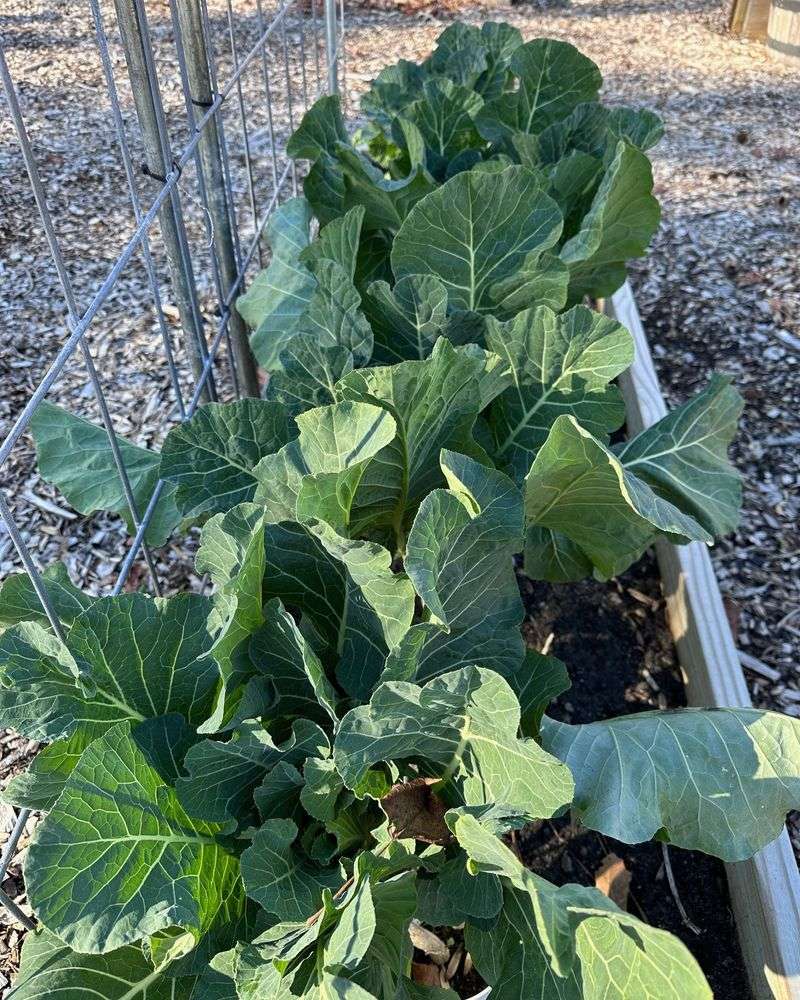
Collards feel right at home in southern soil, almost like they were made for it. These broad, leafy plants shrug off cool weather and keep feeding your table when many crops have called it quits.
Toughness is their trademark. Collards handle frost with ease and even taste better after a chilly night, developing a sweeter, milder flavor that fans adore.
The harvest never seems to stop. Pick the lower leaves as you need them and the plant keeps sending up fresh growth from the top. A few plants can supply a family for months.
North Carolina’s long fall and gentle winter give collards exactly what they want. While northern gardeners rush to beat the cold, southern growers enjoy a stretched-out season full of steady picking.
Space works in your favor too. Though the leaves grow large, the plants stand tall rather than sprawling, so they fit neatly along the edge or center of a raised bed.
Starting them is simple. Sow seeds or set transplants in late summer, feed the soil with compost, and keep the water steady. Mulch helps hold moisture and keeps the roots comfortable.
Cooking brings out their charm. Slow-simmered collards are a southern classic, but young leaves also work great chopped into stir-fries or wraps.
Here is a fun bit of history: collards have been grown in the American South for centuries and remain a beloved holiday tradition. For raised bed gardeners in North Carolina, they offer dependable harvests, easy care, and a true taste of home worth celebrating.
10. Mustard Greens Grow Fast
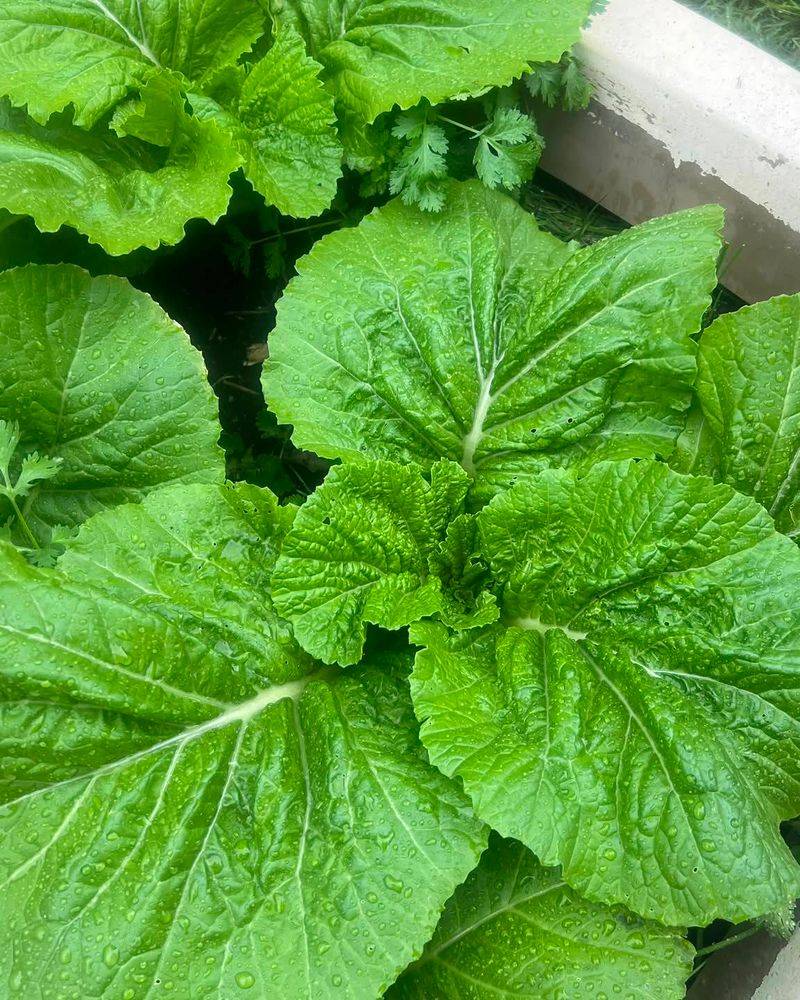
Speedy and spicy, mustard greens are the answer for gardeners who hate waiting. Drop a few seeds and within weeks you are snipping peppery leaves for salads and sautes.
Fast growth is their superpower. Many types are ready to harvest in about a month, which means you can grow several rounds in a single cool season and never run short.
Compact size makes them perfect for tight beds. Mustard greens stay small and neat, so you can tuck them between larger plants or fill a whole row without hogging space.
Cool weather brings out their best. In North Carolina, fall and early spring give mustard greens the mild temperatures they crave, keeping the leaves tender and full of zip.
Cut-and-come-again picking stretches the fun. Snip the outer leaves and the plant keeps producing, letting you enjoy repeated harvests from the same little clump.
Flavor sets them apart from milder greens. That signature bite adds excitement to dishes, and cooking softens the sharpness into something warm and savory.
Planting could not be easier. Scatter seeds directly in the bed, keep the soil moist, and thin the seedlings so each plant has a little breathing room. Compost gives them a healthy boost.
Watch for warm spells, since heat makes mustard bolt and turn bitter fast. Timing your plantings for cool stretches keeps them sweet and productive.
Colorful varieties add beauty too, from frilly green to deep purple leaves that brighten any bed. For quick, reliable, and flavorful harvests, mustard greens earn a happy spot in North Carolina raised beds.