This Is The Underrated Michigan Native Shrub That Screens Yards And Supports Wildlife
Many Michigan homeowners eventually get frustrated with their privacy fence. It cost a lot, it looks stiff, and it does absolutely nothing for the yard beyond blocking sightlines.
There is a native shrub growing along Michigan roadsides and stream banks right now that does almost everything a fence does and keeps going from there.
It screens the yard, feeds pollinators in spring, draws birds in late summer, turns burgundy in fall, and handles Michigan winters without any special treatment.
Many people have never heard of it, which is the only surprising part. It has been growing across Michigan for centuries without any help from gardeners, and it turns out it does not need much from them now either.
Seven things explain why this shrub deserves a spot in more Michigan yards than it currently occupies.
Meet The Shrub Many Michigan Gardeners Overlook
Not every great plant gets the spotlight it deserves, and nannyberry viburnum is the clearest example of that in Michigan landscaping.
Known botanically as Viburnum lentago, this plant is native to the Great Lakes region and grows naturally across most of Michigan, from the Lower Peninsula into parts of the Upper Peninsula. It has been here far longer than any nursery catalog.
Nannyberry is a multi-stemmed deciduous shrub reaching ten to eighteen feet tall at full maturity, with some specimens pushing past that range in ideal growing conditions.
The growth habit is naturally arching and layered, filling in beautifully without much guidance from the gardener.
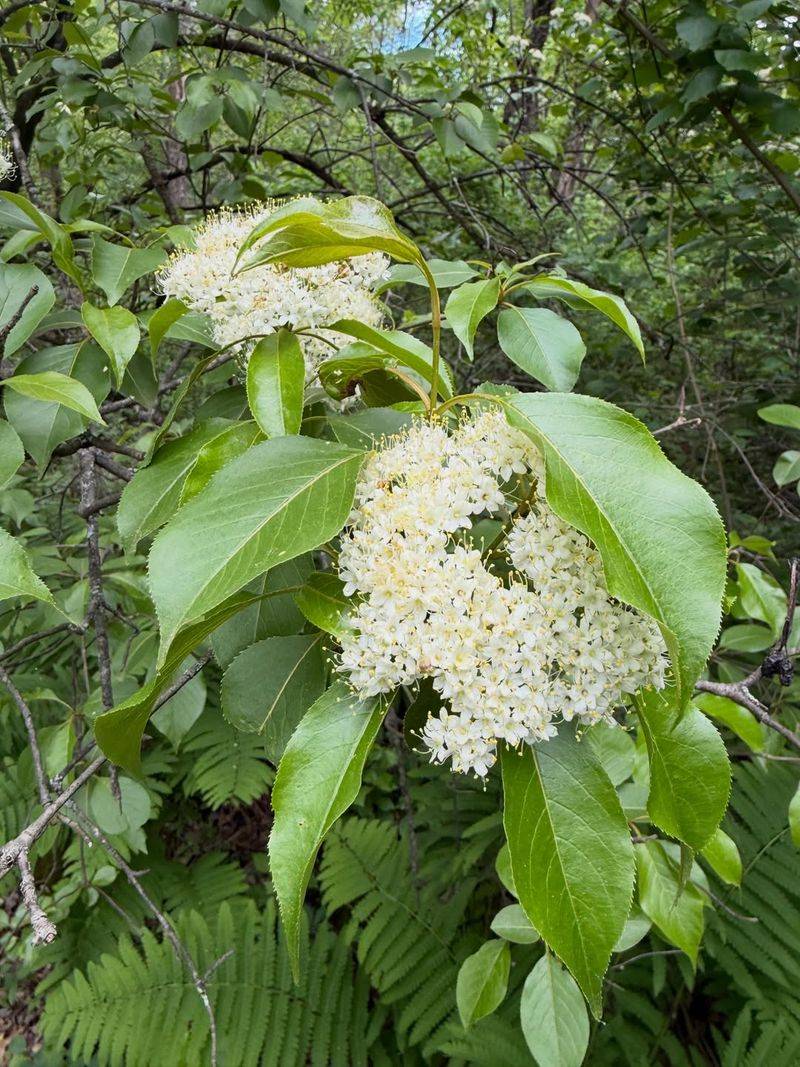
The leaves are glossy, dark green, and oval-shaped with finely toothed edges that catch light in a genuinely satisfying way throughout the growing season.
Michigan State University Extension lists nannyberry as an excellent choice for naturalized plantings, rain gardens, and native hedgerows.
It tolerates wet soils, part shade, and periods of drought once established, which is a combination of flexibility that most shrubs, native or otherwise, simply cannot offer.
Unlike ornamentals that require consistent intervention to stay healthy, nannyberry has spent thousands of years adapting to Michigan’s clay soils, cold winters, and unpredictable springs.
Planting it feels less like a landscaping decision and more like working with the land rather than against it.
That kind of alignment between plant and place produces outcomes that purchased ornamentals rarely match, regardless of how much care and money goes into them.
Dense Growth Creates Softer Privacy
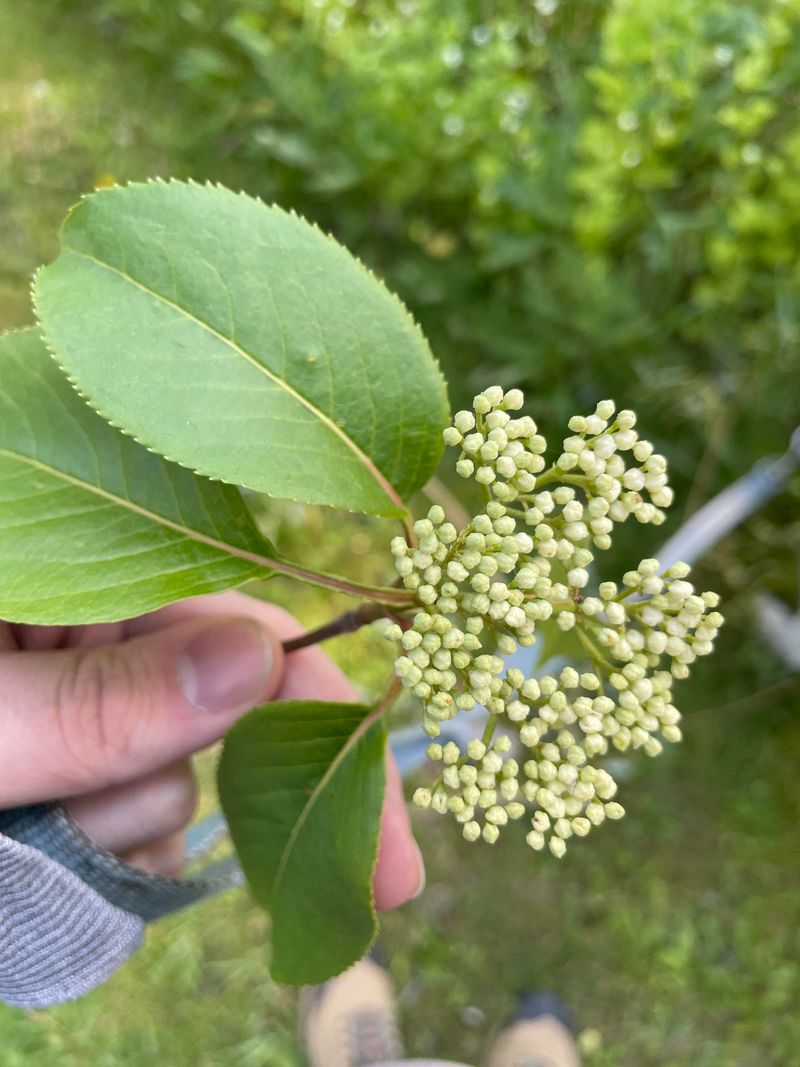
Fences serve a purpose, but they can make a yard feel closed off and rigid in ways that work against the overall feeling of the space.
Nannyberry offers something a fence cannot deliver: a living screen that softens sound, filters wind, and genuinely improves as it matures.
The naturally arching branches layer over each other as the shrub develops, creating a wall of foliage dense enough to block sightlines without looking forced or constructed.
Understanding the growth pattern helps set realistic expectations. Nannyberry spreads through root suckers, gradually forming a multi-stemmed thicket over several years.
That spreading habit is exactly what makes it so effective as a privacy screen.
Your Michigan Garden Changes Every Week. Your Plan Should Too.
Gardening in Michigan changes quickly throughout the season. Every Friday you’ll receive a simple weekly plan showing exactly what to plant, prune, fertilize, harvest, and protect so you never miss the right timing.
The result is a fuller, more natural-looking barrier than any single-trunk tree or clipped hedge produces, and it grows tall enough to screen second-story windows and raised decks as well as ground-level views.
Planted along a property line or behind a patio, nannyberry creates a layered backdrop that feels like a woodland edge rather than a barrier.
The informal shape integrates naturally with other native plantings, perennial beds, and lawn areas without looking out of place or requiring a design professional to make it work.
The screen can be left to grow entirely on its own for the fullest natural effect, or guided lightly over time toward a specific shape.
Either approach produces real, functional privacy. Unlike a wooden fence, nannyberry never warps, splinters, fades, or needs repainting after a tough Michigan winter.
The maintenance comparison alone is worth considering before the next fence quote arrives.
Spring Flowers Feed Early Pollinators
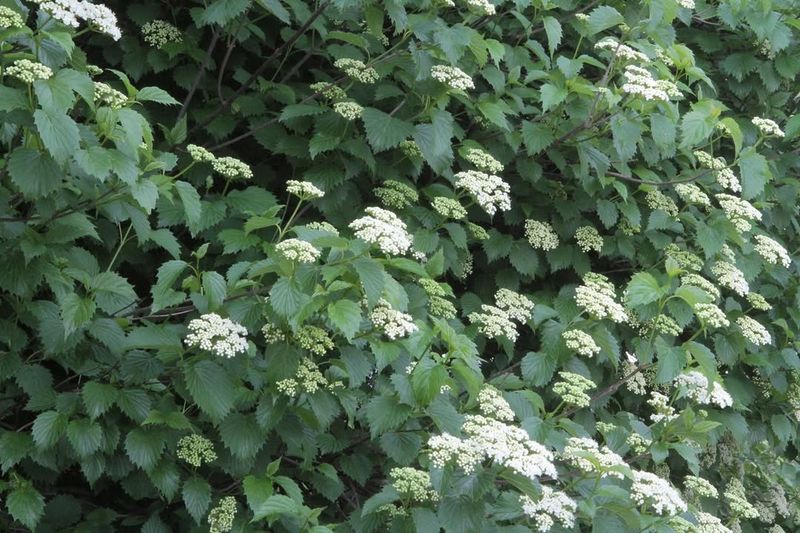
Every spring, nannyberry delivers something most people never expect from a privacy shrub.
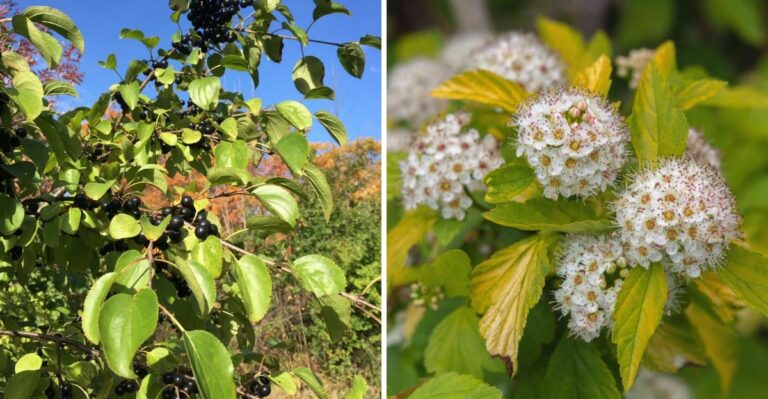
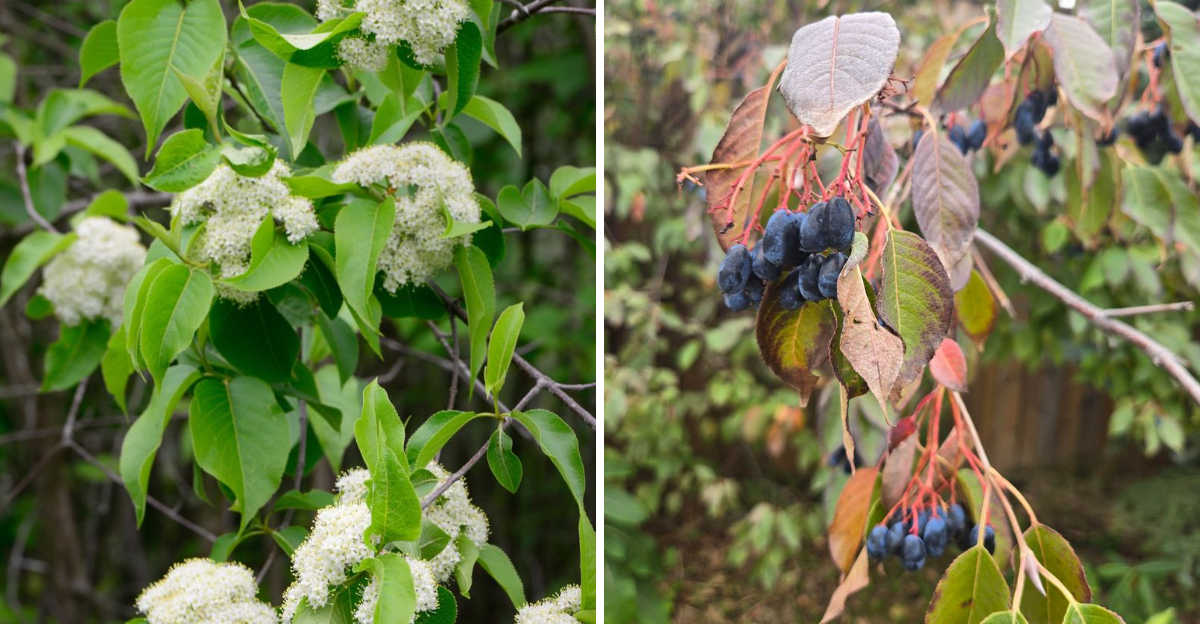
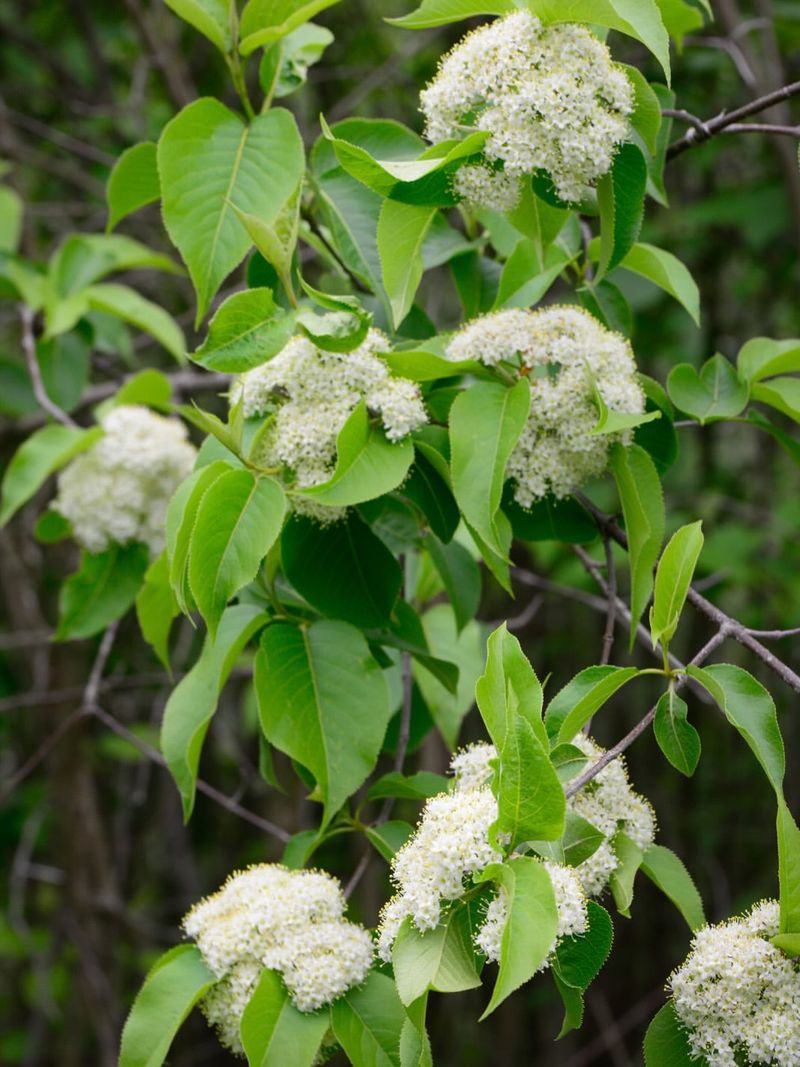
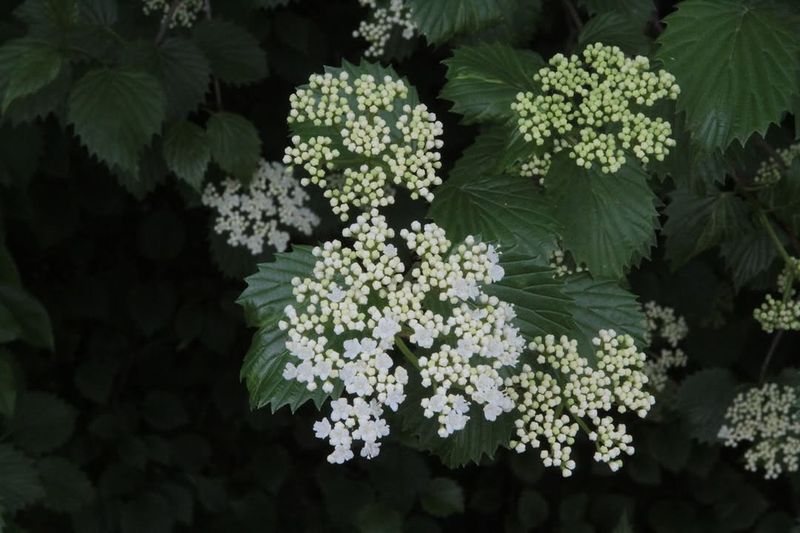
Flat-topped clusters of small, creamy white flowers appear in May and June, right when early pollinators are actively searching for food after a long Michigan winter.
These flower clusters can measure up to five inches across, making them genuinely noticeable when the shrub hits full bloom.
Native bees respond enthusiastically to nannyberry flowers. Bumblebees, sweat bees, and several species of mining bees visit the blooms consistently throughout the flowering period.
Native flies, beetles, and butterflies also arrive looking for nectar at a time when fewer plants are offering it.
The early bloom timing fills an important gap in the seasonal food supply for pollinators that emerged before most flowering shrubs and perennials have opened.
Viburnums as a group rank among the highest-value pollinator plants in the native shrub category, and nannyberry sits near the top of that list because of its generous bloom size and strategic timing.
Planting nannyberry near a vegetable garden or fruit tree planting can improve pollination rates for food crops by drawing in beneficial insects that then move through the surrounding area.
The flowers carry a light, pleasant fragrance that is noticeable up close without being overpowering.
For a shrub that most people choose purely for screening purposes, the spring bloom delivers a genuinely unexpected bonus.
The yard buzzes with activity in May and June in a way that no fence, wall, or clipped hedge ever produces, and it happens without any intervention from the gardener whatsoever.
Summer Fruit Brings Bird Activity
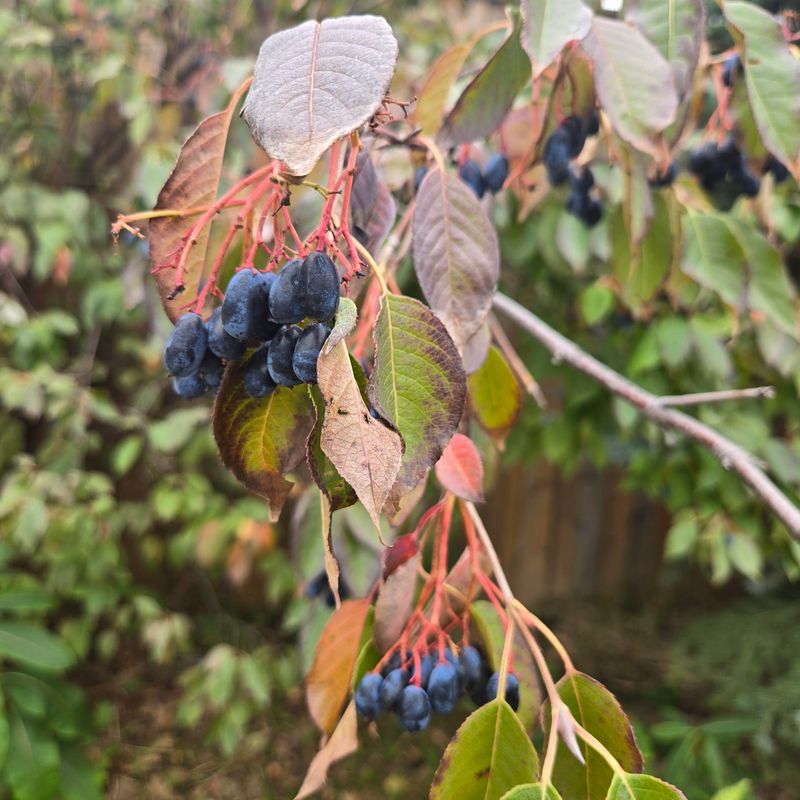
By late summer, nannyberry earns its name in the most literal sense.
The flower clusters from spring transform into drooping bunches of small, oval fruits that ripen through a sequence of green, yellow, rose, and finally deep blue-black by late August and September.
These berries are nutritious, high in natural sugars, and precisely what birds need before migration season begins in earnest.
The bird species that visit nannyberry for its fruit represent a genuinely impressive list. Cedar waxwings, robins, bluebirds, thrushes, and several warbler species actively seek out the ripe berries.
Wild turkeys and ruffed grouse forage beneath the shrub for fallen fruit. For anyone trying to attract more birds to the yard without installing feeders, nannyberry is one of the most consistently effective native plants available for that purpose.
The fruit persists on the shrub longer than many other berry-producing plants, extending the feeding window well into fall.
That persistence matters specifically for migrating birds passing through Michigan in October, when high-calorie food is critical for fueling long flights.
The shrub recovers well from deer browse and continues producing fruit reliably year after year without requiring any special treatment to maintain production.
The ripe berries are technically edible for people too, carrying a sweet, date-like flavor that some gardeners enjoy fresh or cooked into preserves.
Whether the harvest gets shared with the birds or sampled directly, the fruit is a genuine seasonal highlight that a privacy fence cannot compete with on any level.
Fall Color Adds Another Season
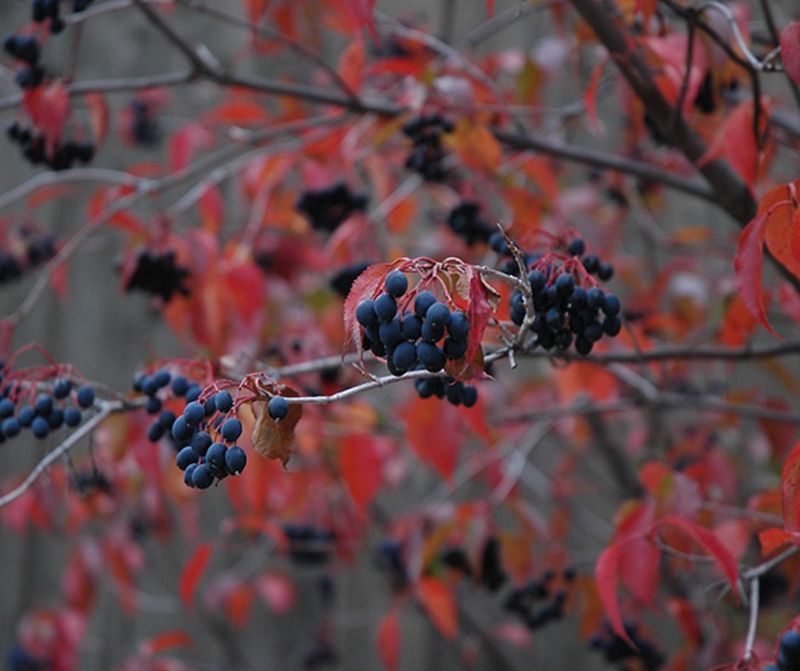
Most people plant nannyberry for screening or wildlife value, and then fall arrives and completely changes the conversation about why the shrub belongs in a Michigan yard.
The foliage shifts from glossy green into rich shades of burgundy, deep red, and purple through September and October, producing a display that rivals the most celebrated ornamental shrubs available at any nursery.
The color peaks in October, often right as the last dark berries still cling to the branches.
That combination of colorful foliage and dangling fruit clusters creates a layered visual effect that looks considered and designed, even though nannyberry achieves it entirely through its own seasonal rhythm.
No special fertilizers, no fall treatments, no additional work from the gardener.
For Michigan homeowners who want four-season interest from their landscape plantings, nannyberry delivers in a way that most screening shrubs simply cannot.
Arborvitae maintains its green year-round but offers nothing in terms of seasonal change or visual interest beyond basic coverage.
Privet hedges drop their leaves and contribute nothing through the dormant season. Nannyberry transitions through a genuinely beautiful fall display and then provides structure along with remaining fruit interest through early winter before the leaves finally fall.
A privacy screen that earns its keep visually across every season is a significantly better investment than one that simply blocks sightlines and stops there.
Fall color is the part of that investment most gardeners did not expect when they planted it, and it never fails to generate the kind of neighborly conversation that eventually leads to someone asking where to buy one.
Native Roots Handle Michigan Weather
Michigan weather is not gentle with landscape plants.
Polar vortex winters, late spring frosts, summer drought stretches, and heavy clay soils test the limits of most ornamental shrubs regularly.
Nannyberry handles all of it with a quiet resilience that comes directly from thousands of years of growing in exactly this environment.
That adaptability is not a marketing claim. It is what native plants deliver when they are matched to the region they evolved in.
Nannyberry grows naturally along stream banks, at forest edges, and in wet areas across Michigan, which means it handles poorly drained soils and seasonal flooding far better than most landscape alternatives.
Part shade suits it equally well alongside full sun, making it genuinely useful along the north side of a structure or beneath the canopy of taller trees where other shrubs consistently underperform or struggle to establish.
Young plants do benefit from consistent moisture during their first two growing seasons, particularly in extremely dry or sandy soil conditions.
That establishment period is the one moment when the plant needs some attention from the gardener. Once past it, nannyberry becomes significantly more self-sufficient and requires very little ongoing care to stay healthy and productive.
Cold hardiness to USDA Zone 3 means Michigan winters pose essentially no threat to a mature plant.
For homeowners who have grown tired of replacing shrubs that cannot survive a serious Michigan February, nannyberry is the straightforward answer.
Plant it, water it through the first two summers, and then let it grow. It handles everything else on its own.
Spacing Keeps The Screen Healthy
Planting nannyberry without thinking through spacing is the single mistake that causes the most problems over time.
Because this shrub spreads through root suckers and reaches ten to eighteen feet wide at full maturity, planting too close together creates crowding that reduces airflow, limits fruit production, and weakens the screen over time rather than strengthening it.
A spacing of six to ten feet between plants allows each shrub to spread naturally without competing too aggressively with its neighbors.
For a denser screen in a shorter timeframe, planting in a staggered double row with plants offset from each other fills visual gaps more quickly while still providing each plant enough room to develop a full, healthy form over time.
Considering mature size before any plants go in the ground prevents the management headaches that come from a shrub outgrowing its allotted space.
Nannyberry planted too close to a house foundation, a fence line, or a sidewalk edge requires constant correction that the gardener did not sign up for and the plant does not need.
Given appropriate room from structures and neighboring plants, it develops a full, natural form that reads as intentional and established within three to five years.
Two-gallon or larger container plants provide the fastest visible establishment. Bare-root stock planted in early spring is a cost-effective alternative for larger hedgerow projects where budget matters more than immediate visual impact.
Either option produces the same long-term result. Getting the spacing right from day one is the decision that determines how much enjoyment and how little frustration the planting provides across the decades ahead.