These Are The 8 Toughest Native Ohio Plants For Beating Late-Summer Heat And Drought
Late summer heat and drought sort Ohio plants into two honest categories. The ones built for it and the ones performing a very convincing impression of coping until they are not.
By August, the difference between those two groups is visible from across the yard. Ohio native plants evolved through the same brutal late summers that are testing every garden right now.
They did not adapt to Ohio conditions. They developed inside them over thousands of years, and that history shows up clearly when everything else in the yard starts showing stress.
The toughest natives for this window are not just survivors. They perform through conditions that send cultivated plants into decline.
Bloom, structure, wildlife value, all of it continues through late summer heat and drought that most garden plants treat as a reason to quit. Eight natives have built a reputation for exactly this.
Late summer is where they earn it.
1. Butterfly Weed Keeps Its Cool When Sunny Beds Turn Dry
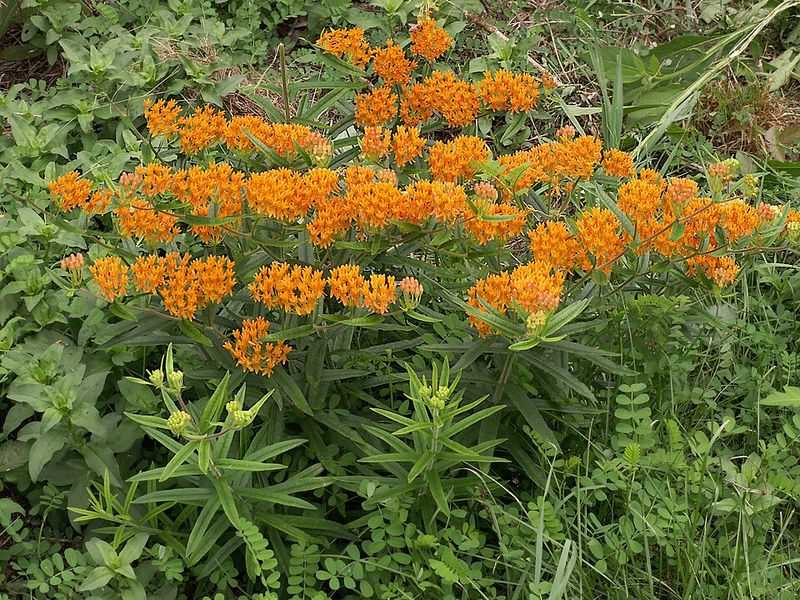
Few things stand out in a parched late-summer bed quite like a plant still holding its color without extra attention. Asclepias tuberosa, commonly called butterfly weed, does exactly that in full sun and dry, well-drained soil.
Unlike some of its milkweed relatives, this species is not a plant for moist ground. It is specifically adapted to dry, open sites and performs best where drainage is good.
Butterfly weed develops a deep, fleshy taproot over time. That root system is what allows an established plant to access moisture that shallower-rooted plants cannot reach during dry stretches.
Because of this taproot, established plants do not transplant easily, so choosing the right spot from the beginning matters. Plan for a plant that reaches roughly one to three feet tall at maturity.
Bloom time runs from early to midsummer, with bright orange flower clusters that attract several native bee species. The plant also serves as a host for monarch butterfly larvae.
Goldfinches and other seed-eating birds may visit the seed pods in fall. New plants need consistent moisture during the first growing season to develop that taproot.
Once established, this species is well suited to lean, dry soil in a sunny border or meadow-style planting. Rich, overly amended soil can actually reduce performance.
2. Purple Coneflower Takes Heat Without Giving Up Its Summer Color
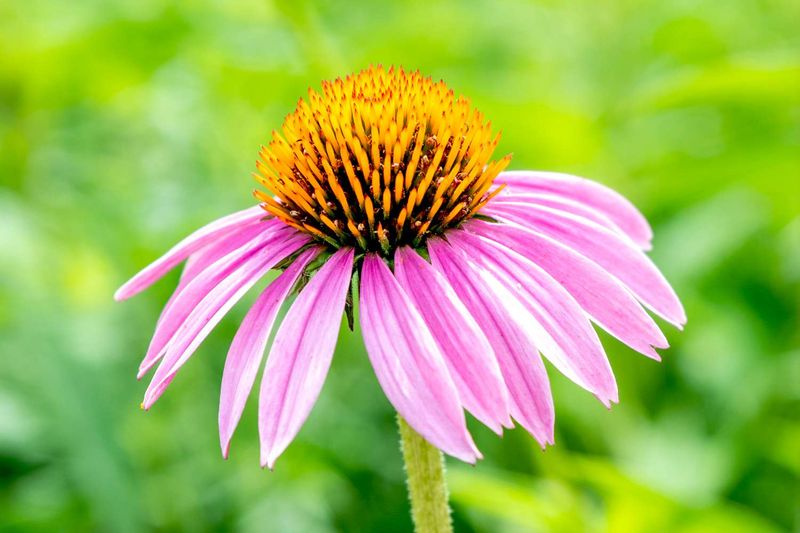
A bed that has gone weeks without meaningful rain can thin out fast. Echinacea purpurea, known as purple coneflower, is one of the more dependable summer-flowering perennials for sunny spots where soil drains freely.
It is native to Ohio and grows naturally in open woods, prairies, and disturbed sunny areas across the state.
Mature plants typically reach two to four feet tall with a spread of one to two feet. Flowers appear from early to midsummer and can persist for several weeks.
Leaving spent flower heads in place rather than trimming allows seeds to develop, which goldfinches actively seek out in late summer and fall. The seed heads also add some structure to a bed after the petals drop.
Your Ohio Garden Changes Every Week. Your Plan Should Too.
Gardening in Ohio changes quickly throughout the season. Every Friday you’ll receive a simple weekly plan showing exactly what to plant, prune, fertilize, harvest, and protect so you never miss the right timing.
Purple coneflower tolerates dry soil reasonably well once it has had a full season to establish. Good drainage is more important than soil richness.
Plants growing in soggy or consistently wet ground are more prone to root problems than those in average or lean, well-drained soil. During a very prolonged dry stretch, even established plants may show some leaf stress, so supplemental water during extreme conditions is still appropriate.
A sunny border, a native planting, or a mixed perennial bed with good drainage are all suitable settings for this species.
3. Little Bluestem Was Built For Hot Dry Prairie Ground
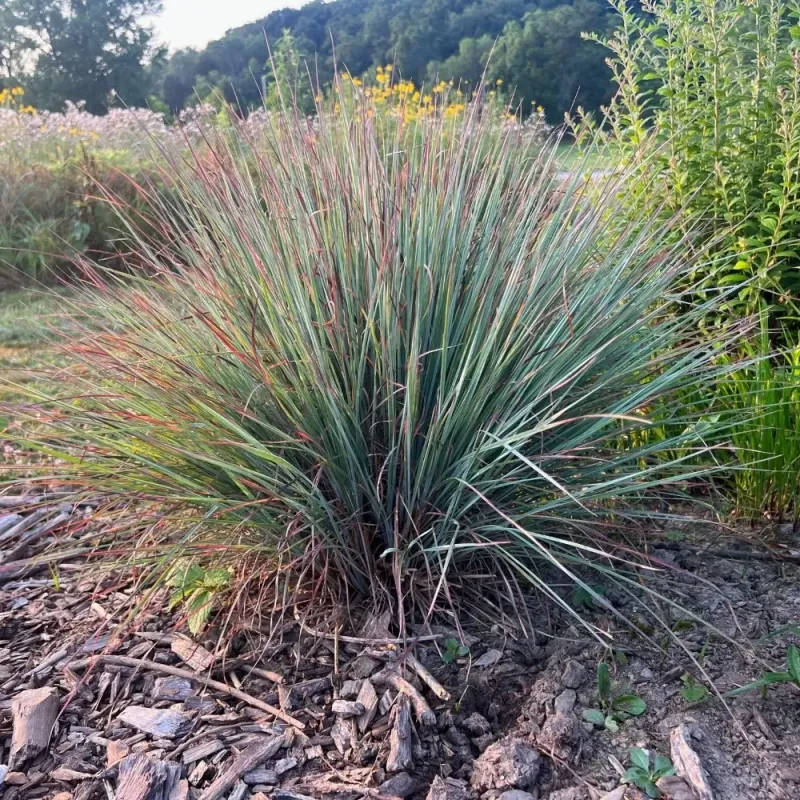
Warm-season native grasses behave differently from flowering perennials, and little bluestem illustrates that difference well.
Schizachyrium scoparium stays relatively compact and blue-green through summer, then shifts to copper, orange, and red tones as temperatures drop in fall.
That seasonal color change gives it ornamental value well beyond its bloom period.
Little bluestem is native across Ohio and grows naturally in dry prairies, open fields, and rocky or sandy soils.
It is well documented as a drought-tolerant grass once established, largely because of its extensive, fibrous root system that penetrates deeply into the soil profile.
Mature plants typically reach two to four feet tall depending on site conditions. Full sun and well-drained soil are the primary requirements.
It can tolerate some heavier soils, but standing water and poor drainage are problematic.
In a landscape setting, little bluestem works well in sunny borders, naturalistic plantings, and erosion-prone dry slopes. It provides nesting material for some bird species and seeds that small birds consume in fall and winter.
The dried stems and seed heads also hold their form through winter, adding structure when most other plants have gone dormant. New plants need regular moisture through their first season.
After that, established clumps generally need little supplemental water during normal dry periods in a well-drained site.
4. Black Eyed Susan Keeps Going Through Heat And Lean Soil
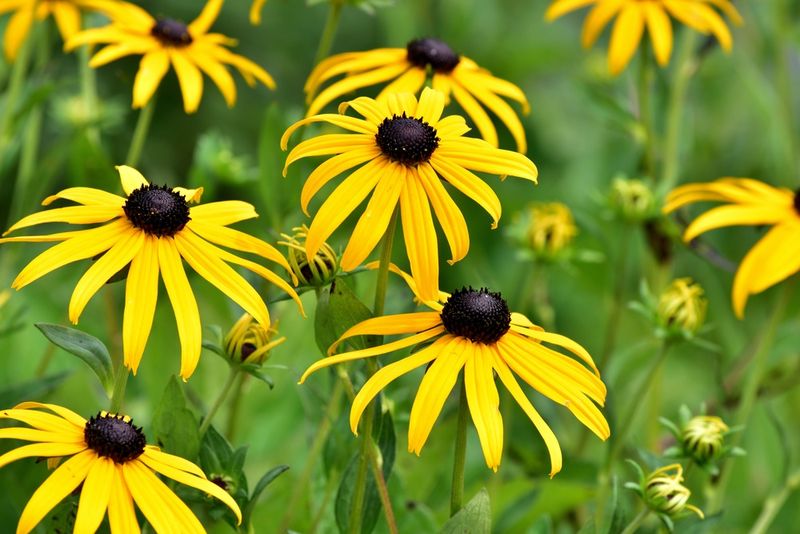
Lean soil is often treated as a problem to fix, but some plants genuinely prefer it. Rudbeckia hirta, the native black-eyed Susan, is one of them.
Overly rich or heavily amended soil can actually push this species toward lush foliage at the expense of flowers. A sunny spot with average to poor, well-drained soil suits it far better.
Rudbeckia hirta is native to Ohio and grows naturally in open fields, roadsides, and dry prairies. It behaves as a biennial or short-lived perennial under typical garden conditions, meaning a single plant may not persist for many years.
Self-seeding, though, allows it to maintain a presence in a bed over time without replanting. Mature plants reach one to three feet tall and bloom from early summer into fall, making them one of the longer-flowering native species available for sunny sites.
The yellow ray flowers with dark brown centers are visited by native bees for both pollen and nectar. Seed heads left standing after bloom attract finches and other small birds.
Established plants handle dry stretches reasonably well, but a plant that is wilting in extreme heat still benefits from a deep watering. Lean soil in this context means average or moderately low fertility, not severely compacted or chemically depleted ground.
A sunny border or naturalistic planting is a natural fit.
5. Ninebark Gives Dry Yards A Tougher Native Shrub Option
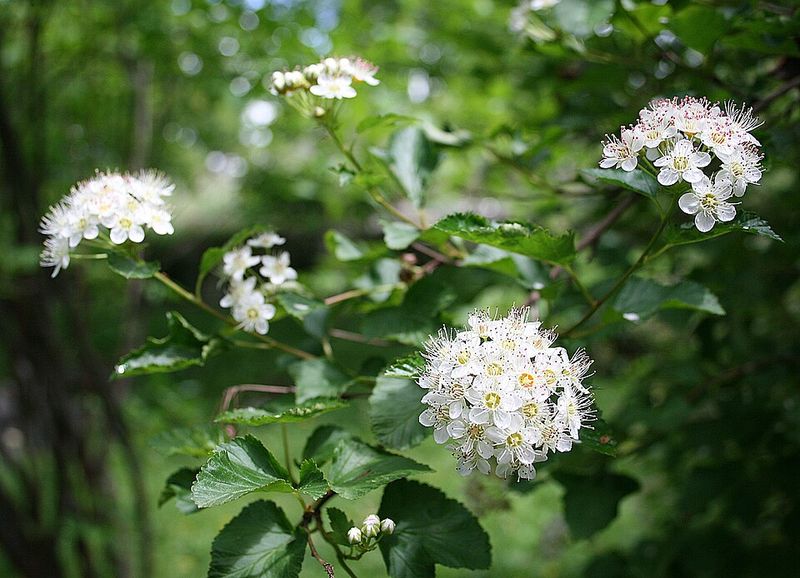
Perennials fill a bed, but a site that needs structure, mass, or year-round presence calls for something woody. Physocarpus opulifolius, the native ninebark, is a deciduous shrub that can fill that role in a sunny to partly shaded spot where the soil drains adequately.
It is native to Ohio and occurs naturally along stream banks, rocky slopes, and open woodland edges across the region.
The straight species can reach five to ten feet tall and nearly as wide at maturity, so it works best where space allows a substantial shrub. Clusters of small white to pale pink flowers appear in late spring to early summer.
After bloom, reddish seed clusters develop and are used by some bird species. The bark peels in thin layers on older stems, which adds visual texture through winter when foliage is absent.
Ninebark adapts to a range of soil types, from clay to loam, and tolerates dry periods once it is well established.
It is not a plant that thrives in permanently dry or droughty soil, but established specimens handle periodic dry spells better than many other shrubs of similar size.
Partial shade is tolerated, though flowering tends to be more abundant in full sun. New plantings need regular watering through the first full growing season.
This shrub works well as a background plant, a property screen, or an anchor in a naturalistic planting.
6. New Jersey Tea Handles Dry Ground Without Taking Over The Bed
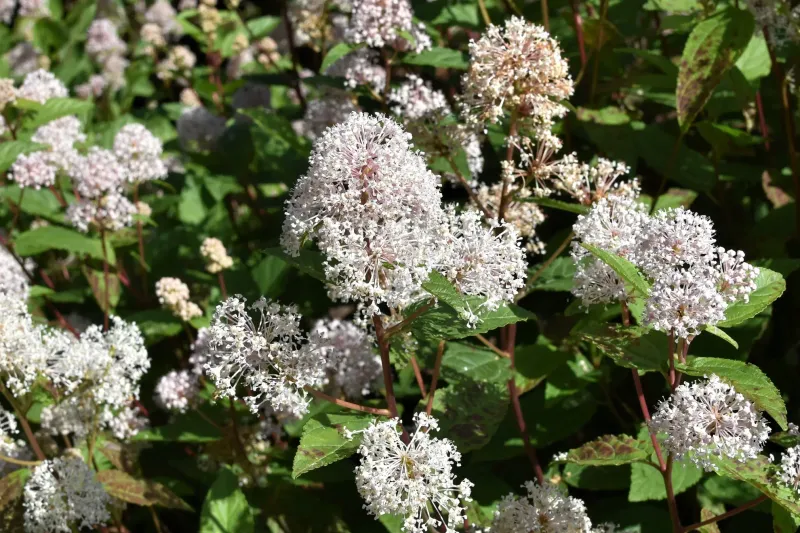
A compact, flowering shrub for a dry, sunny spot is harder to find than it sounds. Ceanothus americanus, known as New Jersey tea, fits that description and stays at a manageable scale.
Mature plants typically reach two to four feet tall with a similar spread. That makes this species more suitable for a mixed border or smaller planting than a large ninebark.
New Jersey tea is native to Ohio and grows naturally in dry open woods, rocky slopes, and prairie edges. It is associated with well-drained to dry soils and performs poorly in sites that stay wet.
The plant has a deep root system that contributes to its ability to persist through dry periods once established. Clusters of small white flowers appear in late spring to early summer and attract native bees and other pollinators seeking nectar.
Unlike some shrubs that spread aggressively by runners, New Jersey tea tends to stay in a defined clump. That makes it easier to use in a smaller planting area.
It does not spread in a way that would overtake neighboring plants under typical conditions. Full sun to light shade suits it best, and soil that drains well is more important than soil fertility.
New transplants need consistent moisture until roots are established. After that, the plant is well suited to sites that dry out between rain events.
7. Rattlesnake Master Looks Right At Home In Hot Baked Soil
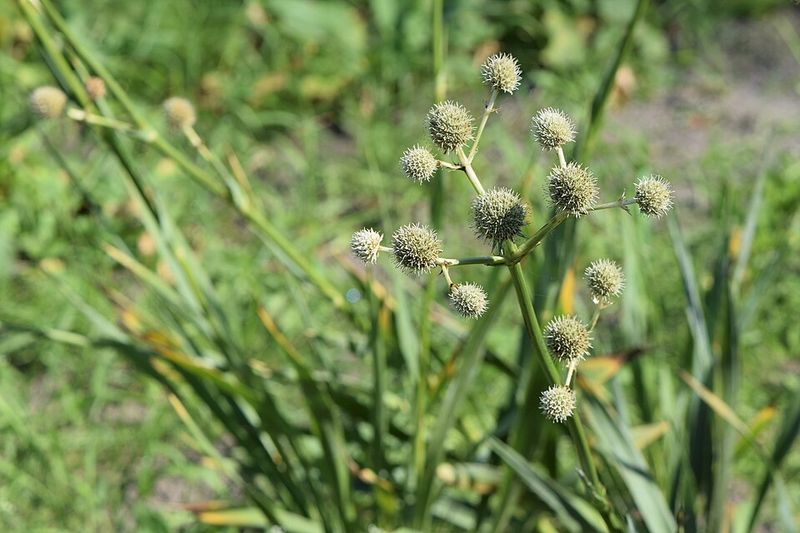
Some plants look like they belong in a dry, open landscape simply by their form. Eryngium yuccifolium, known as rattlesnake master, has a presence that sets it apart from typical garden perennials.
Its long, strap-like leaves with soft marginal teeth give it a structural quality that reads well from a distance. The rounded, whitish flower heads rise on stiff stems above the foliage in mid to late summer.
This species is native to Ohio and occurs naturally in dry to mesic prairies and open ground. It is suited to full sun and well-drained soil.
Sandy or gravelly soils work well, though it can grow in heavier soils as long as drainage is adequate. Mature plants typically reach three to five feet tall in flower.
The plant does not perform well in consistently wet or shaded sites.
Rattlesnake master is not a typical cottage garden plant. It fits naturally in prairie-style plantings, dry native borders, and open sunny areas where its architectural form can stand out.
Native bees and wasps visit the flower heads for nectar and pollen. During extended dry periods, established plants generally hold their form without supplemental water on well-drained sites.
The foliage may still show some stress in extreme conditions. Rattlesnake master is a slow grower and may take a couple of seasons to reach flowering size from a young plant.
8. Aromatic Aster Saves Its Best Show For The End Of Summer
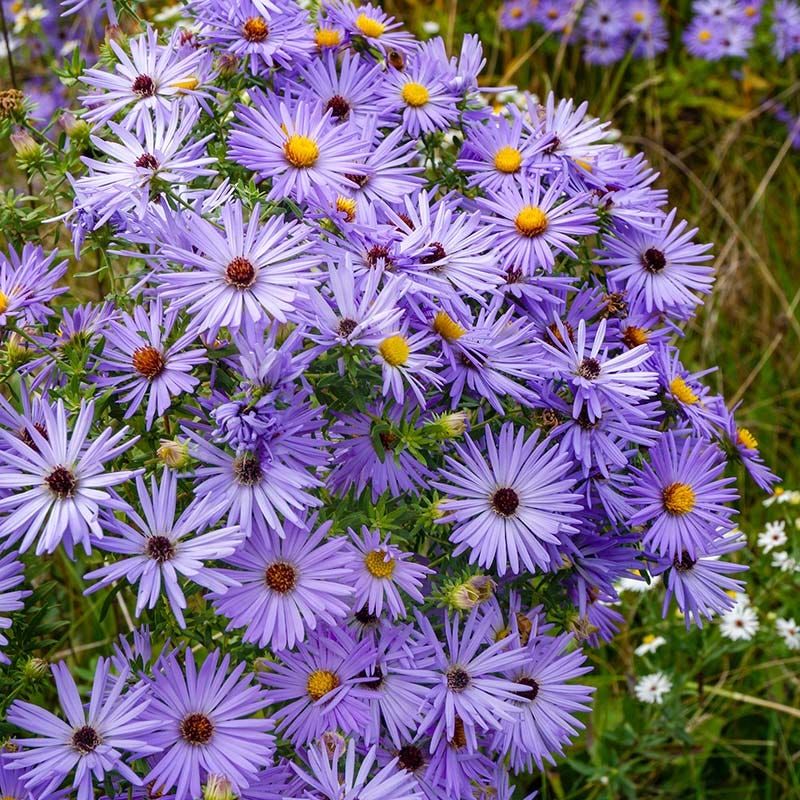
Most summer-flowering perennials are winding down by the time August gives way to September, leaving sunny beds looking thin and faded. Symphyotrichum oblongifolium, called aromatic aster, fills that late-season gap with small violet to blue-purple flowers.
At peak bloom, those flowers can cover the plant almost completely. Bloom time generally runs from late summer into fall, though exact timing varies with site conditions and annual weather patterns.
Aromatic aster is native to Ohio and is associated with dry, open rocky or sandy sites, prairies, and sunny slopes. It is well documented as a drought-tolerant species for well-drained soil.
Mature plants form low, spreading mounds typically one to three feet tall and two to four feet wide. Full sun brings the best flowering.
Plants in partial shade may bloom less freely and tend toward a looser, more open shape.
The flowers attract native bees, including bumble bees and smaller native bee species, that are still foraging late in the season. Aromatic aster can spread by both seed and stem layering over time, forming broader clumps.
Gardeners who want to manage its spread can cut plants back in late spring, which also tends to keep the habit more compact without removing the late-season flowers.
Selecting plants with a documented late bloom season, like this one, helps ensure a yard has interest and pollinator value right through the end of summer.