These Underused Native Florida Trees Were Made For Front Yards
Florida front yards often get filled with the same familiar palms, crape myrtles, and clipped hedges. Some of the best-looking trees for the job are native picks many homeowners still overlook.
These trees bring shade, structure, seasonal interest, and a sense of place without making the landscape feel overdone. Many can handle heat, sandy soil, storms, and local wildlife better than trendier ornamentals that need constant attention.
They also add something a front yard should have: character. A well-chosen native tree can frame a walkway, soften a driveway, boost curb appeal, and support birds and pollinators at the same time.
For Florida homeowners ready to move beyond the usual nursery lineup, these underused native trees offer a smarter, more natural way to make the front yard feel finished.
1. Chickasaw Plum Brings Spring Flowers To Sunny Front Yards
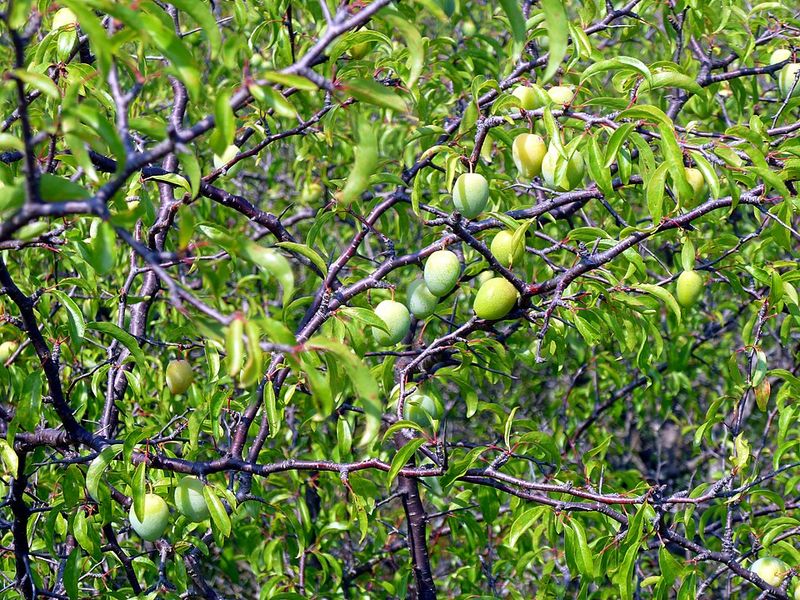
A sunny front edge that needs a burst of early spring color is exactly where Chickasaw plum (Prunus angustifolia) earns its place. Before the leaves even fully emerge, this small Florida native tree covers itself in clusters of tiny white flowers that practically glow against bare branches.
The bloom season is brief but striking, and it arrives early enough to feel like a real seasonal event in the front yard.
Birds and pollinators respond quickly to the flowers and fruit. Small plums ripen in summer and attract birds, making this a genuinely useful wildlife tree, not just a pretty one.
Its informal, slightly twiggy structure suits naturalistic front yards better than clipped formal beds. It works well along sunny property edges, open mixed borders, or informal front-yard plantings with room to breathe.
The honest limitation here is suckering. Chickasaw plum can spread from the roots and form thickets over time if not managed.
Plan to edit suckers regularly if you want a single-trunk or small multi-trunk form. Give it enough space, at least eight to ten feet from structures, and more from driveways or sidewalks.
This is not the right tree for a narrow foundation bed or a tightly maintained formal strip. Check mature spread before planting near property lines.
In the right naturalistic yard with room to grow, it rewards you with one of the earliest floral shows of the season.
2. Fringe Tree Makes A Small Yard Feel Special In Bloom
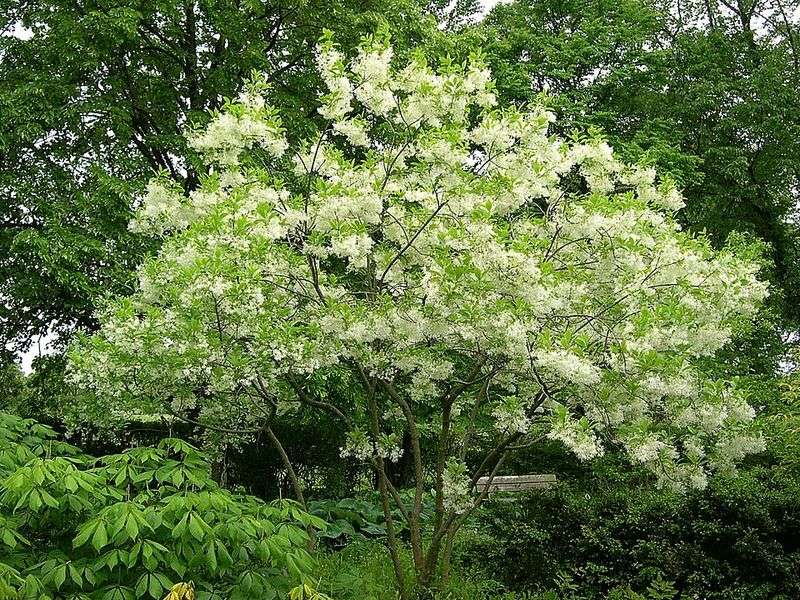
Few native small trees stop people in their tracks the way fringe tree (Chionanthus virginicus) does in bloom. The flowers appear in spring as long, drooping clusters of white, thread-like petals that give the whole canopy a soft, cloud-like appearance.
Planted near a front entry or along a bed where you approach the house, that bloom feels intentional and refined, not accidental.
Fringe tree stays small enough for most front yards, typically reaching fifteen to twenty feet at maturity, though growth is slow. That slow pace is worth knowing upfront.
This is not a tree that fills space quickly, so patience is part of the deal. It can handle part sun or filtered light where supported by the site.
Your Florida Garden Changes Every Week. Your Plan Should Too.
Gardening in Florida changes quickly throughout the season. Every Friday you’ll receive a simple weekly plan showing exactly what to plant, prune, fertilize, harvest, and protect so you never miss the right timing.
That makes it a candidate for entry beds with a few hours of afternoon shade from the house or nearby trees.
Placement near a front walk, porch corner, or bed anchor works well when the bloom season is treated as the main event. After flowering, it settles into a clean, rounded form with attractive foliage through the warmer months.
Female plants may produce small blue-black fruit that birds occasionally visit. Check HOA rules before planting any tree in a front-yard bed visible from the street.
Give it at least six to eight feet of clearance from the house foundation, and plan spacing based on mature spread rather than the nursery container size.
3. Dahoon Holly Adds Glossy Structure Without Taking Over
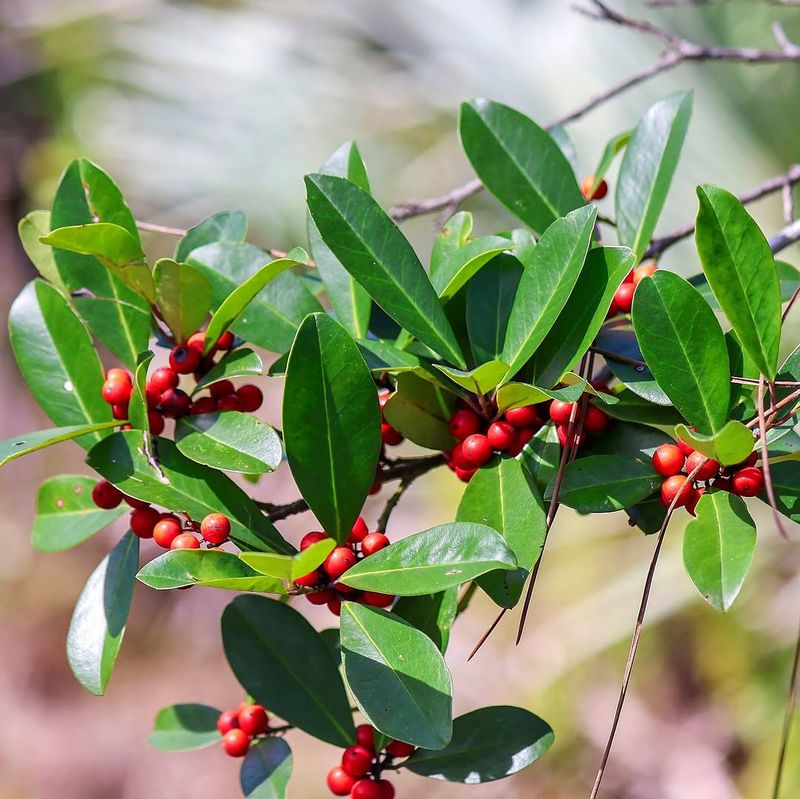
Glossy evergreen foliage and clusters of red berries are the short version of what dahoon holly (Ilex cassine) brings to a Florida front yard. It also handles moist or average soil without complaint.
The longer version includes a tree that can anchor a front bed with clean structure year-round. It also offers real wildlife value during the winter months when berries ripen and birds arrive to feed.
Dahoon holly can grow as a large shrub or a small tree. It can eventually reach fifteen to thirty feet in height depending on site conditions and how much it is shaped over time.
That mature size matters for placement decisions. It should not be squeezed against a house foundation, planted under roofline overhangs, or placed too close to driveways without accounting for eventual canopy spread.
Give it room and it becomes a handsome vertical accent.
Berry production requires both male and female plants nearby, so if fruit is the goal, plan accordingly when purchasing. Wildlife value is well-documented, with several bird species visiting for berries.
The glossy, dark green leaves hold up well in heat and humidity, and the tree tolerates wetter front-yard areas where other trees might struggle. Check mature height against any overhead utility lines before planting.
In the right spot, with room to develop naturally, dahoon holly delivers evergreen presence and seasonal color that feels genuinely native to this landscape.
4. Yaupon Holly Gives Front Beds A Clean Native Evergreen
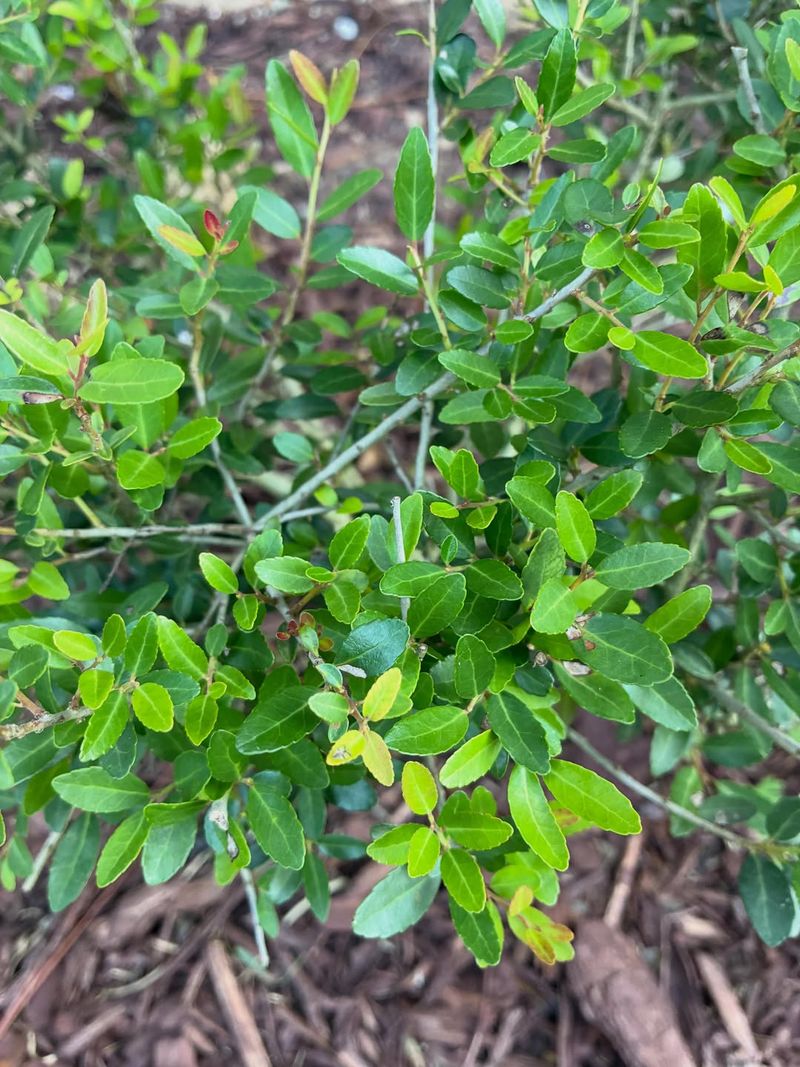
Versatility is yaupon holly’s (Ilex vomitoria) strongest selling point in a front-yard design. This native evergreen can be grown as a dense large shrub, a pruned small tree, or a naturalistic multi-trunk form, and it handles all three roles without much drama.
The fine-textured foliage stays green year-round, giving front beds a polished, consistent look even through dry spells or cooler months.
Red berries appear on female plants in fall and winter, adding seasonal color and drawing birds to the yard. Cultivar selection matters here because named varieties vary widely in size, form, and growth rate.
Dwarf cultivars stay compact for foundation beds, while standard forms can reach fifteen to twenty feet or more. Choosing the right cultivar for the available space prevents years of aggressive pruning to keep the plant in bounds.
Near entries, driveways, or front-yard beds with enough clearance, yaupon holly can look polished without feeling like a generic landscape filler. It tolerates pruning well, which gives you control over form over time.
That said, plan for mature size before placing it too close to a foundation, sidewalk edge, or driveway corner. Wildlife value is solid, with birds feeding on berries through winter.
Check HOA guidelines before planting, as some communities have specific rules about front-yard shrubs and small trees. Call 811 before digging to locate underground utilities.
5. Red Buckeye Brings Early Color To Part-Shade Entrances
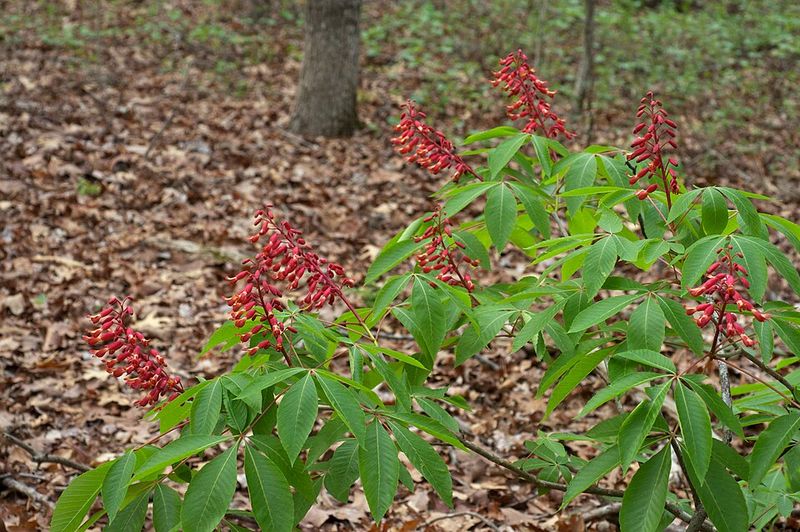
Before most front-yard trees even think about flowering, red buckeye (Aesculus pavia) is already putting on a show. The upright clusters of tubular red flowers appear in early spring and act as a reliable magnet for hummingbirds moving through the region.
For a part-shade entry bed or a front yard with a woodland edge feel, that early burst of red is genuinely hard to match. Few other native small trees of similar scale offer the same effect.
Red buckeye stays small, typically reaching ten to fifteen feet in height, which suits entry beds, porch corners, and front-yard accent spots near the house.
It performs best with some afternoon shade or filtered light, making it a natural fit for spots that get morning sun and relief from the harshest afternoon heat.
A well-placed red buckeye near a front walk or entry can frame the approach to the house beautifully during its bloom window.
The honest trade-off is summer appearance. In some conditions, red buckeye may go semi-dormant or look tired by midsummer, especially in drier sites.
Pairing it with plants that carry visual interest through summer and fall prevents the bed from looking neglected after the early show fades.
All parts of the plant are considered toxic if ingested, so placement away from areas where small children or pets regularly play is a smart precaution.
Plan spacing at least six feet from the foundation.
6. Flatwoods Plum Fits Sunny Edges With A Natural Look
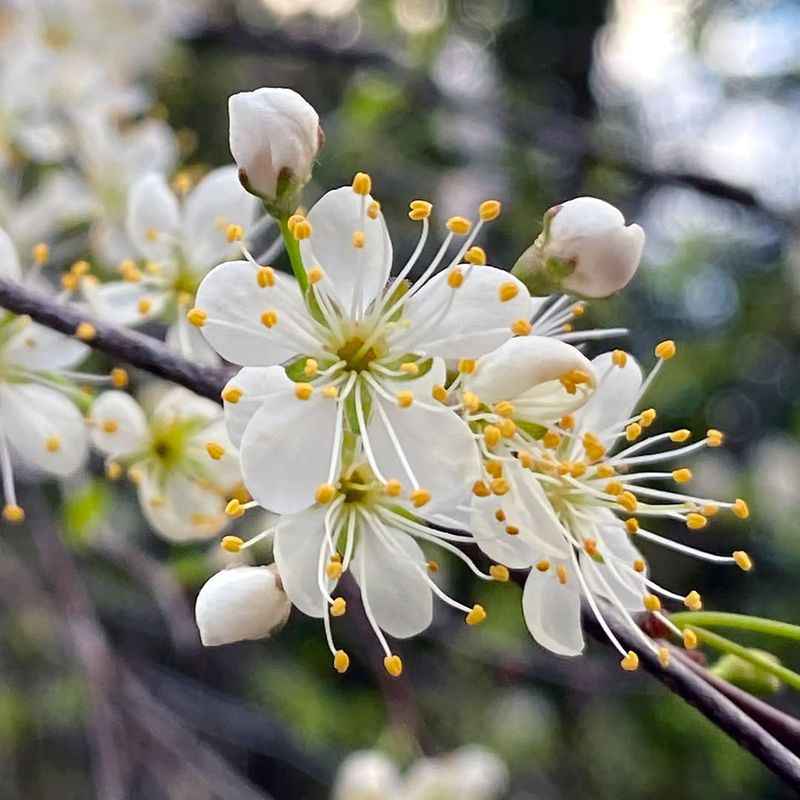
Spring in a sunny front yard gets a different kind of quiet elegance when flatwoods plum (Prunus umbellata) is in bloom. The white flowers appear on bare branches in late winter to early spring.
They create a delicate, airy display that feels more like a wildflower moment than a typical landscape ornamental. For yards leaning toward a naturalistic or low-formality design, that quality is genuinely appealing.
Flatwoods plum is native to northern and central regions of the state, where it grows in open woodlands, flatwoods edges, and sunny mixed borders. It suits those same conditions in a home landscape.
It works well along property edges, open sunny beds, or informal front-yard plantings with room for a small tree with a loose, natural habit. Wildlife value comes from both the flowers and the small dark plums that ripen in summer and attract birds.
This is not the right tree for a narrow foundation strip, a tightly clipped formal bed, or a front yard that needs year-round dense structure.
It can sucker or spread at the base in some conditions, so regular editing may be needed to maintain a clean single or multi-trunk form.
Mature height ranges from ten to twenty feet depending on site. Keep it at least eight feet from structures and well clear of driveways and sidewalks.
Verify native range and regional fit with your local UF/IFAS Extension office before purchasing.
7. Wild Lime Adds A Small Tree Shape With Thorny Character
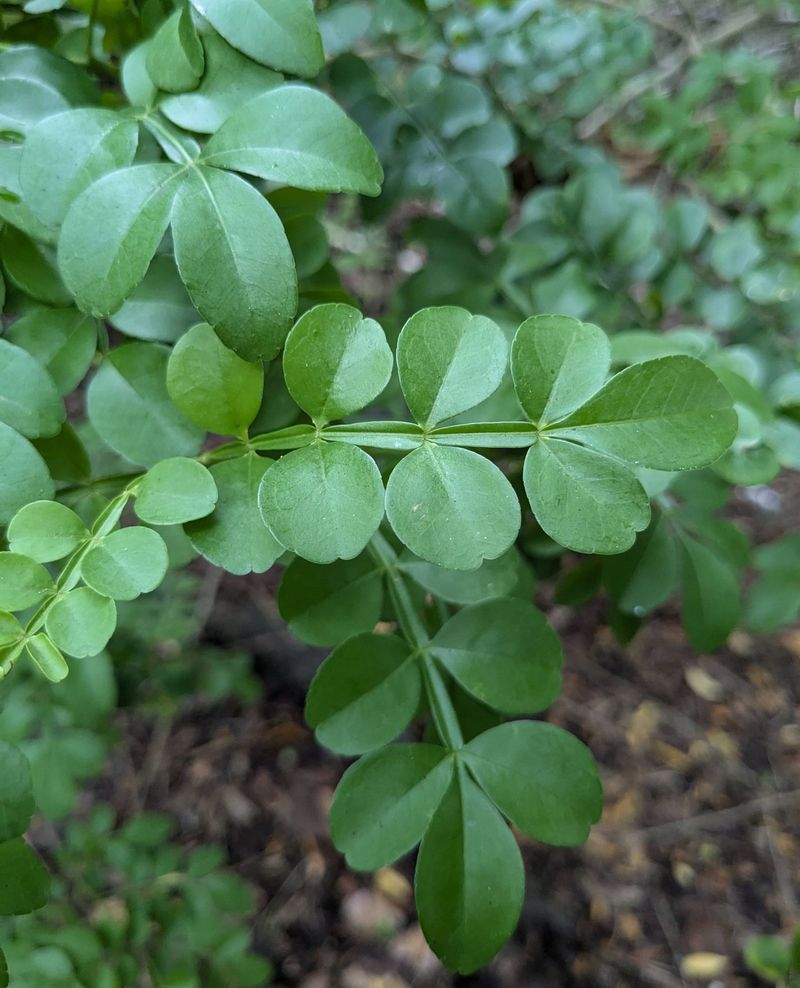
Wild lime (Zanthoxylum fagara) is not a tree you plant without thinking carefully about where people walk.
The thorns are real, recurved, and sharp enough to catch clothing and skin, which makes placement the most important decision before this tree ever goes in the ground.
Keep it well away from front walks, narrow gates, mailbox paths, pet areas, and anywhere children move through regularly. With smart siting, though, it earns its place.
The fine texture of the small, glossy leaves gives wild lime a delicate, almost tropical appearance that reads well as a specimen accent in warm-region front yards. It can be grown as a large shrub or trained into a small tree form over time.
Caterpillars of the giant swallowtail butterfly use it as a host plant, which adds real ecological value to a front yard designed with wildlife in mind. That butterfly connection alone makes it worth considering for a naturalistic design.
Mature size is typically in the range of ten to fifteen feet. That is manageable for many front-yard spots when given adequate clearance from structures, driveways, and sidewalks.
It performs best in warm, well-drained sites and is more suited to southern and coastal regions than to northern areas of the state. Verify regional fit before purchasing.
As a boundary accent or a specimen placed in an open bed with clear sightlines, wild lime adds character that few other native small trees can match. Check local ordinances before planting near the right-of-way.
8. Sweet Acacia Turns Dry Front Yards Into A Fragrant Show
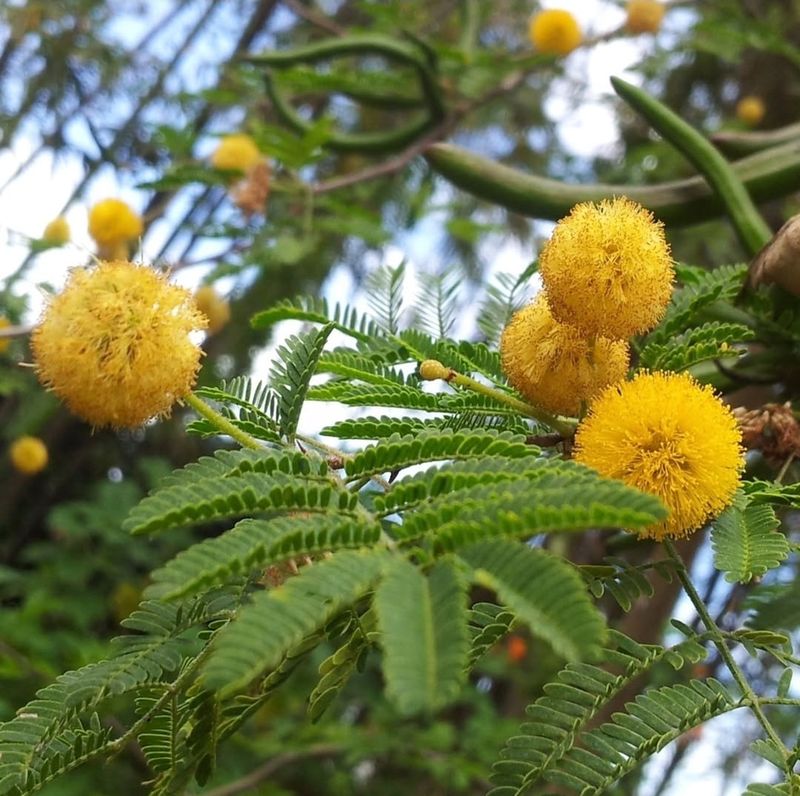
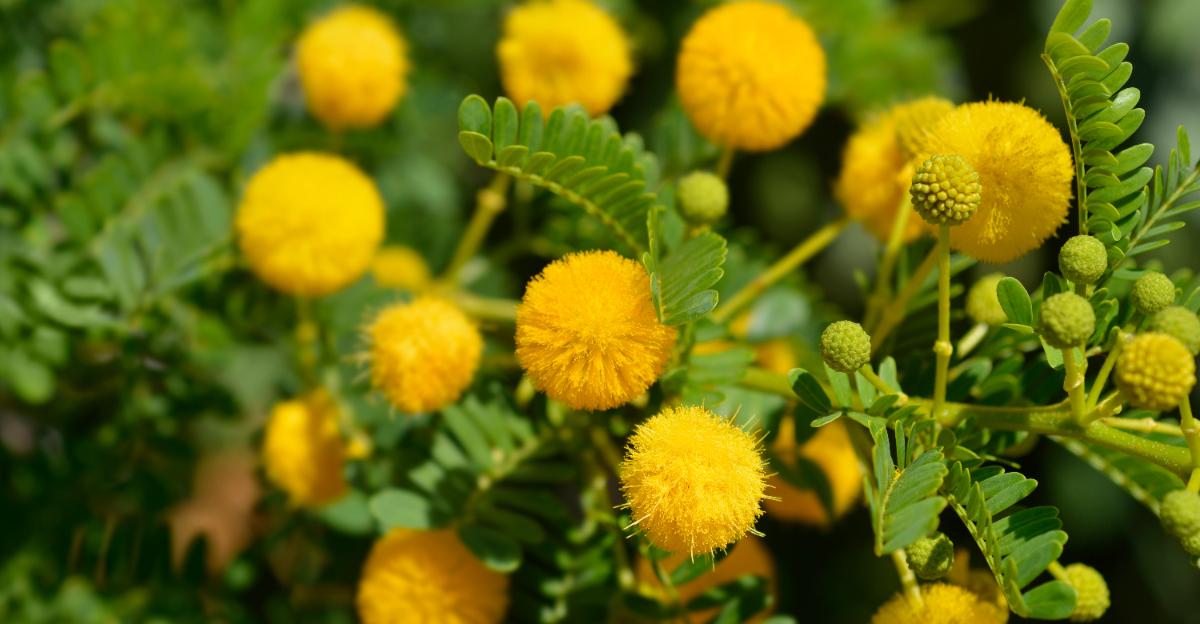
The fragrance alone sets sweet acacia (Vachellia farnesiana) apart. When the bright yellow, pom-pom-shaped flowers open in late winter and early spring, the scent carries across the yard in warm air.
That is a quality almost no other native small tree in a dry front yard can offer. For sunny, well-drained sites in southern and central regions where drought tolerance matters, this tree fills a design role that few others can match.
Sweet acacia has a complicated native status worth clarifying. It is considered native or regionally native in parts of this state, particularly in southern regions, but its range and nativity are debated in some botanical sources.
Verify native status and regional fit with a local UF/IFAS Extension office or the Florida Native Plant Society chapter nearest you before purchasing.
The accepted scientific name has shifted over time from Acacia farnesiana to Vachellia farnesiana, so use the current name when sourcing plants.
The thorns are significant and placement must reflect that honestly. Sweet acacia should not be planted near front walks, mailbox paths, driveways with tight clearance, or any area where people or pets brush past regularly.
Mature height can reach ten to twenty feet depending on conditions. Wet soil is not suitable for this tree.
Its fine, feathery foliage and open canopy give it a light, airy presence in the landscape. In the right dry, sunny front yard with enough clearance, it delivers fragrance, flowers, and drought-tolerant character that rewards careful planning.