This Little-Known Pest Is Suddenly Threatening Boxwood Hedges Across Maryland
Boxwoods across Maryland are shifting quietly, and almost nobody has noticed yet. Pale caterpillars consume leaves before you even spot them.
Webbing spreads fast, quietly concealing damage until it becomes obvious. Maryland’s nurseries missed it, and so did most homeowners.
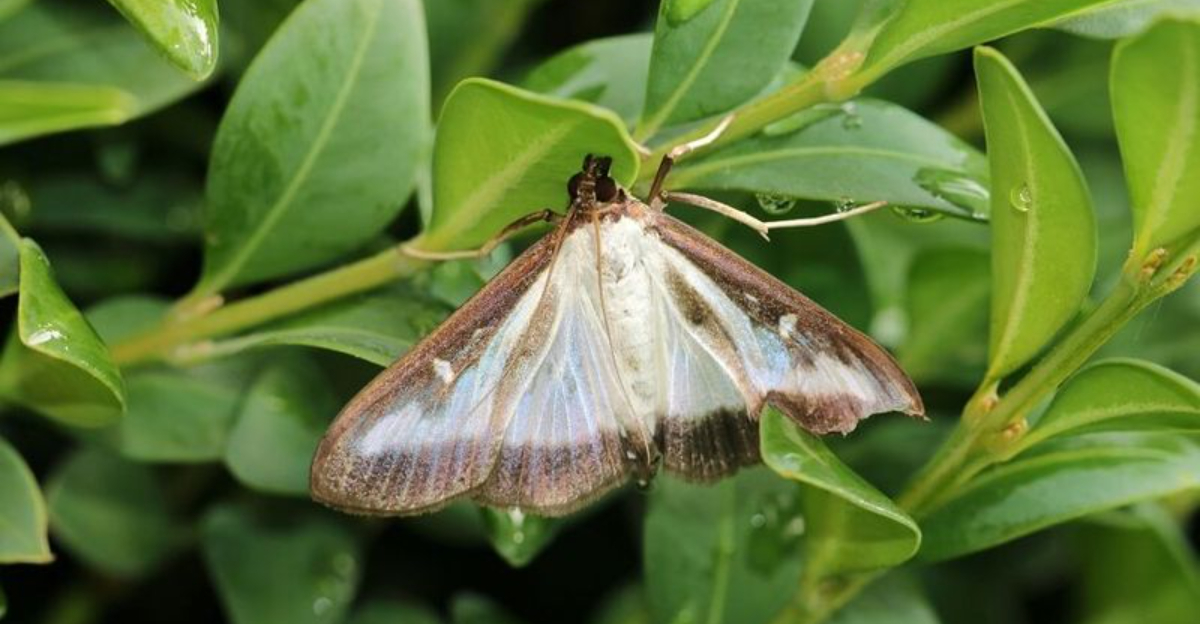
This newcomer crossed oceans, then borders, then straight into your backyard. Adult moths often look harmless, almost pretty, and easy to overlook.
Larvae hide deep inside dense foliage, feeding quietly from within. Damage spreads outward long before any visible wilting appears.
Treatments exist, but precise timing matters enormously for real results here. Waiting costs you the entire shrub, not just leaves.
Neighboring yards can quickly become launch points for fresh infestations too. Every single day without action increases your overall risk.
You might already have it without even knowing yet. Nobody warned you clearly, but now you finally know. Ignoring this concern will end up costing you far more than leaves.
What Is The Box Tree Moth
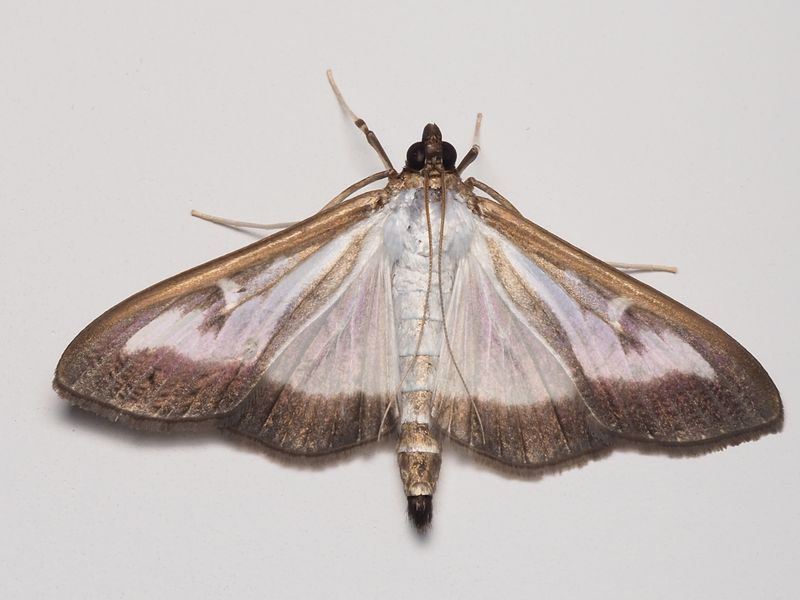
Most gardeners have never heard of it, but the box tree moth is now one of the most alarming newcomers in American horticulture. Its scientific name is Cydalima perspectalis, and it originally came from East Asia.
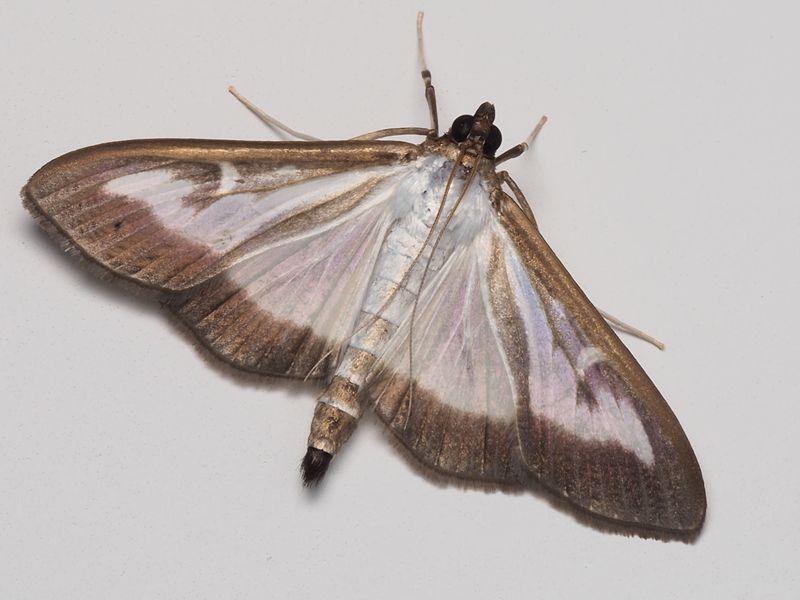
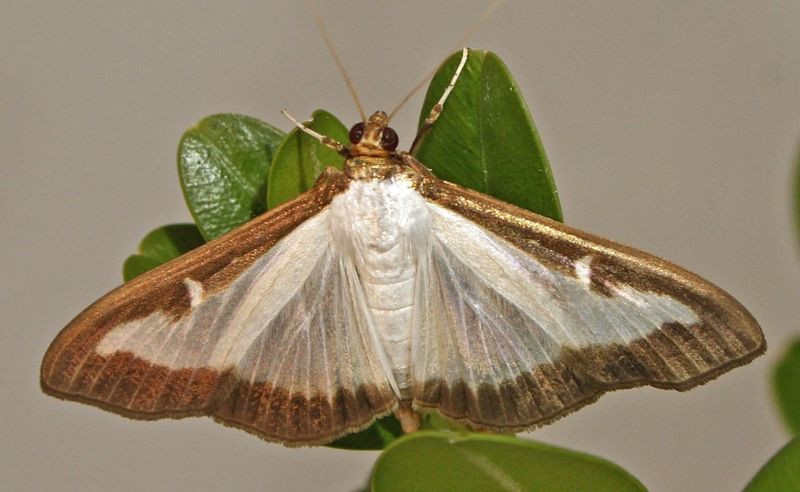
The moth looks almost harmless at first glance, typically with white wings trimmed in dark brown borders, though a darker brown color form also exists.
Adult moths are not the real problem, though. The caterpillars are the destructive force behind the damage. They hatch from small, flat, yellowish-green eggs laid in clusters on boxwood leaves.
Once those caterpillars emerge, they start feeding immediately and aggressively. They chew through leaves, stems, and even the bark of boxwood plants.
A large caterpillar colony can defoliate a full-sized hedge in as little as two to three weeks during peak feeding season.
The caterpillars are pale green with black stripes and small black dots running down their sides.
They spin a fine webbing around the branches as they feed, which is often the first visible clue something is wrong. Many homeowners mistake this webbing for spider activity at first.
The box tree moth completes two to three generations per year in warmer climates. That means populations can increase rapidly within a single growing season.
Understanding what this pest looks like is the first step toward protecting your boxwood hedges from serious harm.
From Unheard Of To Widespread In Just A Year
Speed is what makes this pest so alarming. The box tree moth was first detected in North America in Ontario, Canada, back in 2018.
Within a few years, it had crossed into the northeastern United States and began appearing in multiple states.
Maryland has since reported confirmed cases of its own, prompting concern among local gardeners and nurseries.
Nurseries, landscapers, and homeowners had little warning before the pest arrived. Few gardeners or nurseries were prepared for how quickly the pest spread.
The moth travels in multiple ways, making containment incredibly difficult. Infested nursery plants shipped across state lines have been one major pathway for spread.
Your Maryland Garden Changes Every Week. Your Plan Should Too.
Gardening in Maryland changes quickly throughout the season. Every Friday you’ll receive a simple weekly plan showing exactly what to plant, prune, fertilize, harvest, and protect so you never miss the right timing.
People unknowingly purchase already-infested boxwoods and bring the pest directly into their yards.
Wind also helps adult moths move from one neighborhood to the next. A single fertilized female can lay hundreds of eggs during her short lifespan.
That reproductive power can turn one small outbreak into a widespread concern within one season.
Several states have introduced restrictions on boxwood plant sales and shipments in an effort to slow the spread. These restrictions aim to limit the movement of infested nursery stock between regions.
Still, experts warn that once a pest like this gains a foothold, slowing it down is far easier than stopping it.
The speed of this spread is a clear signal for boxwood owners across the mid-Atlantic region to act early. Staying informed and acting early gives your hedges the best possible chance of survival.
Signs Your Boxwood Hedge Is Infested
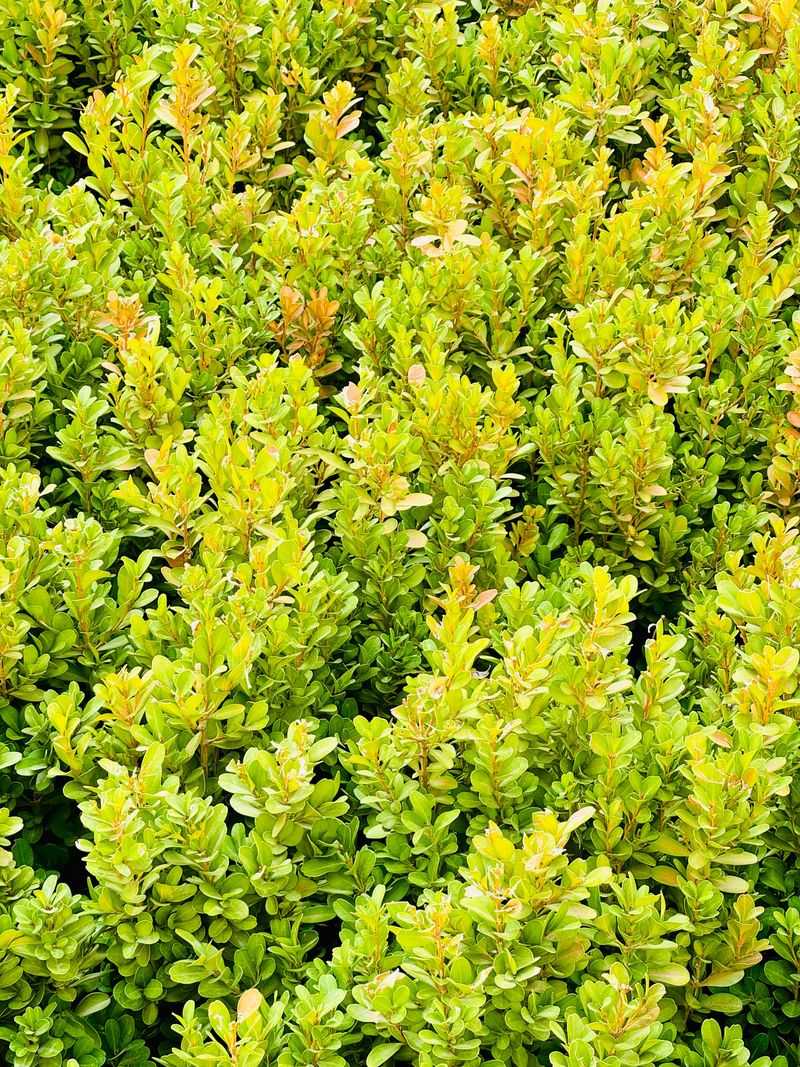
Catching an infestation early can save your entire hedge. The earliest sign is often fine, silky webbing woven between the inner branches of a boxwood shrub.
This webbing looks almost like a spider has moved in, but look closer and you will find something far more troubling.
Tiny pale caterpillars hide inside that webbing, feeding on the soft leaf tissue. As they grow larger, the damage becomes much more obvious. Leaves start turning yellow, then brown, then papery and dry.
Another telltale sign is what experts call “windowing.” This happens when caterpillars eat the green tissue off a leaf but leave the thin outer skin intact. The leaf looks like frosted glass, and it is one of the most distinctive clues of box tree moth activity.
As the infestation worsens, entire sections of a hedge can look thin and discolored. Branches may be completely bare of leaves while the rest of the plant still looks green. This uneven, patchy browning is an early indicator of a worsening infestation.
Check for small, pale green caterpillars with black stripes hiding near the base of branches. Look for shed skins, dark frass (insect droppings), and chewed stem tips.
Spotting even one or two caterpillars means the population is likely much larger than you think.
Regular inspections during spring and summer give you the best shot at catching trouble before it spirals out of control.
Why This Moth Is So Damaging To Boxwoods
Boxwood plants have almost no natural defense against the box tree moth. In East Asia, where this pest originated, local boxwood species evolved alongside it over thousands of years.
North American and European boxwood varieties never had that chance, making them extremely vulnerable.
The caterpillars do not just nibble. They systematically feed on leaves, strip bark from young stems, and girdle branches by feeding all the way around them.
Once a branch is girdled, water and nutrients can no longer flow through it, and that branch stops growing.
What makes the damage even worse is the speed at which it happens. By the time most homeowners notice something is wrong, the damage is already severe.
Boxwoods are also slow-growing plants, which adds to the difficulty of recovery. Even if a plant makes it through an infestation, recovery takes years of careful care.
Heavily defoliated shrubs are also far more vulnerable to drought stress, fungal infections, and winter damage.
The moth also targets every species of boxwood commonly grown in American gardens. English boxwood, American boxwood, Japanese boxwood, and Korean boxwood are all at risk.
No boxwood variety has shown strong natural resistance, though some cultivars appear less preferred by the moth than others.
The combination of fast feeding, broad plant vulnerability, and slow recovery time makes this pest particularly damaging. Protecting boxwood hedges now is far smarter than trying to nurse them back to health later.
Steps To Take If You Spot This Pest
Finding this pest in your yard is stressful, but acting fast makes a real difference. Start by carefully inspecting the entire hedge, not just the section that looks damaged. Caterpillars often spread to neighboring branches before the visible symptoms appear.
Hand-picking caterpillars works well for small infestations. Drop them into a bucket of soapy water to remove them from the plant.
Wear gloves and check the undersides of leaves where eggs and young caterpillars like to hide.
For larger infestations, a biological insecticide containing Bacillus thuringiensis, commonly called Bt, is a highly effective option.
Bt is a naturally occurring soil bacteria that stops caterpillars without harming birds, bees, or other beneficial insects. Apply it in the evening when caterpillars are most active and feeding.
Spinosad is another organic-approved treatment that works well against box tree moth larvae. It disrupts the nervous system of caterpillars on contact and through ingestion.
Both Bt and spinosad are widely available at garden centers and home improvement stores.
Remove and bag all plant debris, webbing, and fallen leaves from around infested shrubs. Do not compost this material, as eggs and young caterpillars can survive in yard waste piles.
Sealing debris in plastic bags before disposal cuts off one important way the pest continues to spread. Repeat treatments according to product label instructions, typically every one to two weeks during the growing season.
Consistency is the key to breaking the moth’s reproductive cycle and protecting your boxwood hedges long-term.
How Maryland Is Working To Contain The Spread

State officials have taken an active role in addressing this threat. State agencies typically monitor for pests like the box tree moth through agricultural departments.
Checking the Maryland Department of Agriculture’s website is a good way to find current, local guidance.
Pheromone traps are a common tool used to monitor moth populations in nurseries, parks, and residential areas.
These pheromone traps attract male moths and help officials map where populations are establishing. Early detection through trapping gives agencies a window to respond before infestations become unmanageable.
The data collected is also shared with federal partners to build a clearer national picture. Maryland has also implemented regulations on the sale and movement of boxwood plants within certain counties.
Nurseries are required to inspect their stock and certify it as pest-free before selling to consumers. These rules are designed to prevent infested plants from spreading the moth to new areas.
Public outreach is another major part of the containment strategy. Extension offices across the state are hosting workshops and distributing educational materials to homeowners and landscapers.
The goal is to train as many eyes as possible to spot infestations early. Residents are encouraged to report any suspected sightings to the Maryland Department of Agriculture or their local extension office.
Citizen reports often play a key role in helping officials track and confirm new pest locations. Every report matters and helps build a faster, smarter response.
Maryland’s approach shows that addressing the box tree moth threatening boxwood hedges takes coordination, community awareness, and consistent action from everyone involved.