What It Means When This Winged Pest Shows Up On Your Connecticut Maples
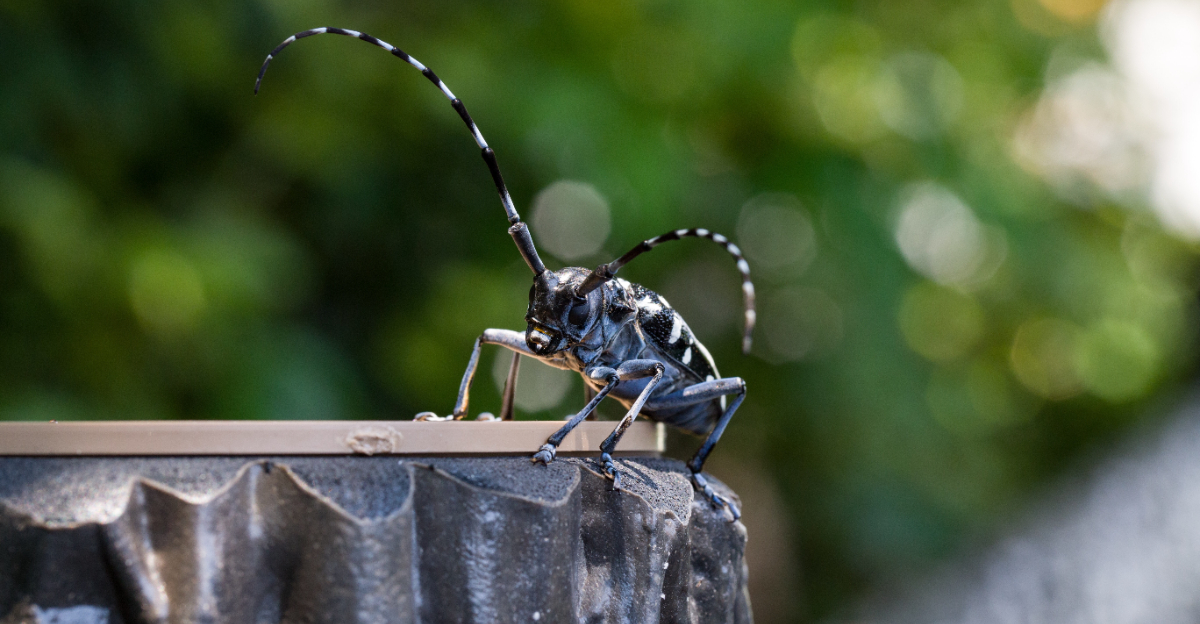
A shiny black shape catches your eye near the trunk of your maple, dotted with tiny white flecks like scattered paint. At first glance, it looks almost decorative.
Look closer, though, and something feels off. This isn’t a random garden visitor passing through your Connecticut yard.
Certain signs on a tree tell a bigger story than most homeowners realize. Small round holes in the bark, sawdust piles at the base, branches that seem to thin out for no clear reason.
Your neighbors’ maples could be next in line. What this creature actually is, and why it matters so much right now, might change how you look at every tree on your street.
Identifying The Insect Behind This Sudden Appearance
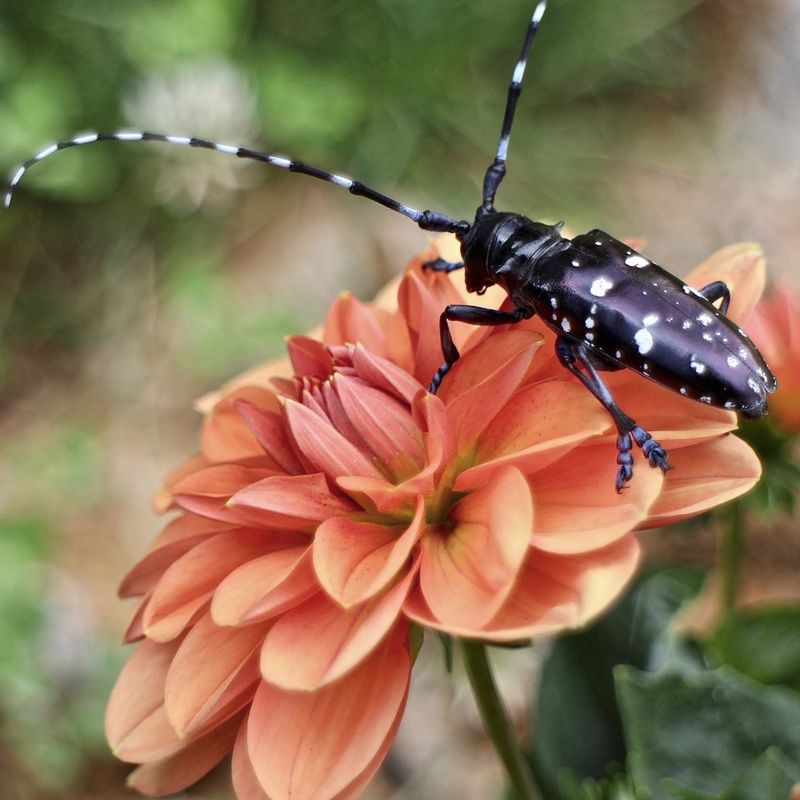
You glance at your maple and something stops you cold. A beetle the size of your thumb is clinging to the bark, looking like nothing you have ever seen before.
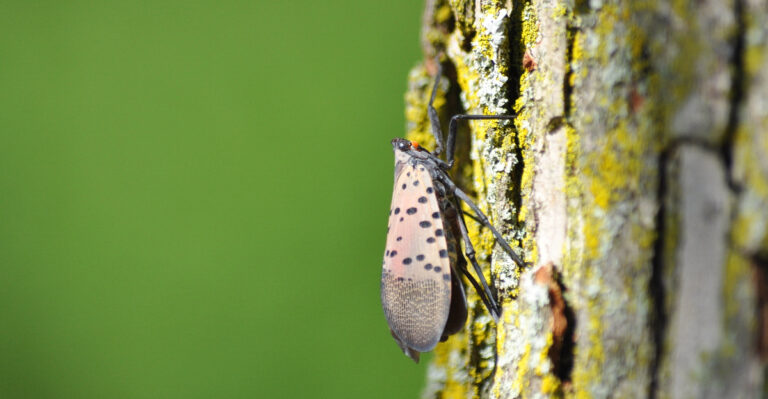
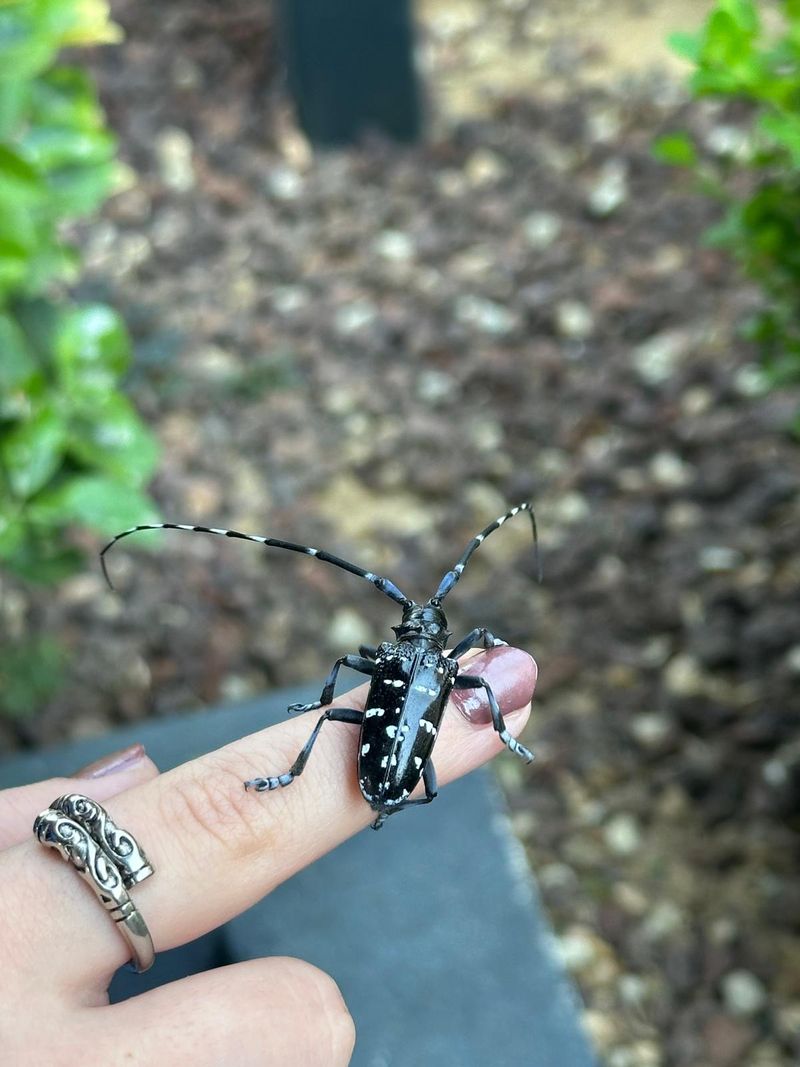
The Asian Longhorned Beetle is not subtle. Its shiny black body is covered in white spots, and its antennae are banded in black and white.
Those antennae can stretch longer than the beetle’s entire body. That feature alone makes this insect hard to confuse with common backyard bugs.
This pest arrived in the United States from Asia, likely hidden inside wooden shipping crates. It was first detected in New York in 1996 and has been spreading steadily ever since.
Connecticut has been closely monitoring its dense maple forests for years due to proximity to infested areas. Homeowners are often the first to spot this beetle before any official survey team does.
This beetle tends to appear most often from July through October. That is prime season for adult beetles to emerge, mate, and chew into new trees.
Adult beetles are strong fliers but tend to stay close to where they hatched. So if you see one on your maple, the source is likely that very tree or one right next to it.
Report any sighting immediately to the Connecticut Agricultural Experiment Station. Early reporting has already helped contain outbreaks in several towns across the Northeast.
A Closer Look At This Beetle’s Unmistakable Appearance
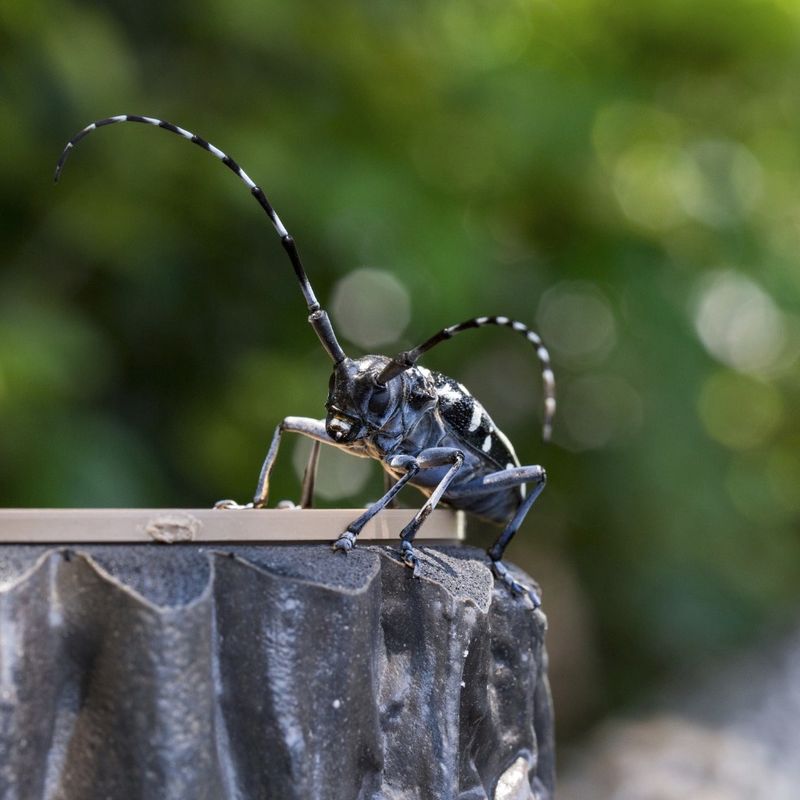
Picture a beetle that looks like it was painted by someone with a flair for drama. Glossy black shell, bright white polka dots, and antennae longer than its own body.
Adult beetles typically measure between 1 and 1.5 inches long. That makes them noticeably large compared to most beetles you encounter in a backyard setting.
The antennae have alternating black and white bands, almost like tiny candy canes. Each antenna can be twice the length of the beetle’s body in mature adults.
The legs have a bluish tint at the base, which adds another unusual visual detail. Six legs total, all attached to a thick, rounded thorax just behind the head.
The wings are hard and shiny, folded flat across the back when the beetle is at rest. Those wings open to reveal a softer set underneath used for actual flight.
On the underside, the body appears lighter and less dramatic than the top. Females tend to be slightly larger than males, though both look nearly identical at a glance.
Your Connecticut Garden Changes Every Week. Your Plan Should Too.
Gardening in Connecticut changes quickly throughout the season. Every Friday you’ll receive a simple weekly plan showing exactly what to plant, prune, fertilize, harvest, and protect so you never miss the right timing.
Young larvae are not visible because they live inside the tree. Only the adults emerge to the surface, which is why spotting one on bark is such a significant warning sign.
Many people mistake this pest for a harmless beetle or a decorative insect. Recognizing its exact appearance helps you act fast the moment it turns up on your trees.
Signs Of Damage To Watch For On Maple Tree
Your maple might be under attack long before you ever spot the beetle itself. The tree sends out distress signals, and learning to read them is a real advantage.
One of the first signs is yellowing leaves in midsummer, when the tree should look its greenest. Leaves turning yellow or falling early often mean something is feeding inside the trunk or branches.
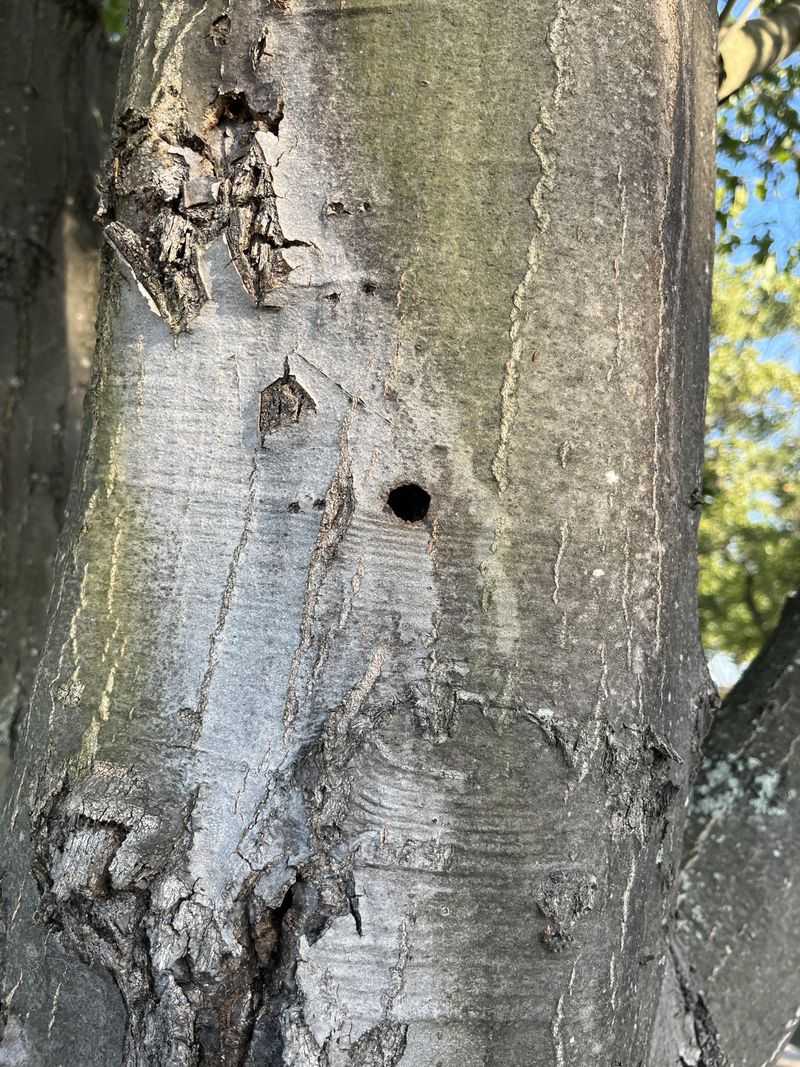
Look for perfectly round exit holes about the size of a dime on branches and the trunk. These holes are where adult beetles chewed their way out after spending months developing inside the wood.
Sawdust-like frass piled at the base of the tree is another red flag. This material is the waste product left behind as larvae tunnel through the wood.
The tips of branches may weaken and lose leaves first, gradually thinning out the upper canopy. When sections of the canopy look sparse or bare while the rest of the tree is full, that pattern is telling.
Sap may ooze from the bark where beetles have been active. That sticky discharge often leaves dark staining streaks running down the trunk.
Shallow oval egg sites on the bark surface look like small wounds or scars. Female beetles chew these spots deliberately before depositing eggs just beneath the surface.
Catching these signs early gives your arborist the best chance to help. By the time this beetle becomes visible, the damage is already underway beneath the surface.
Natural Predators That Help Control This Pest
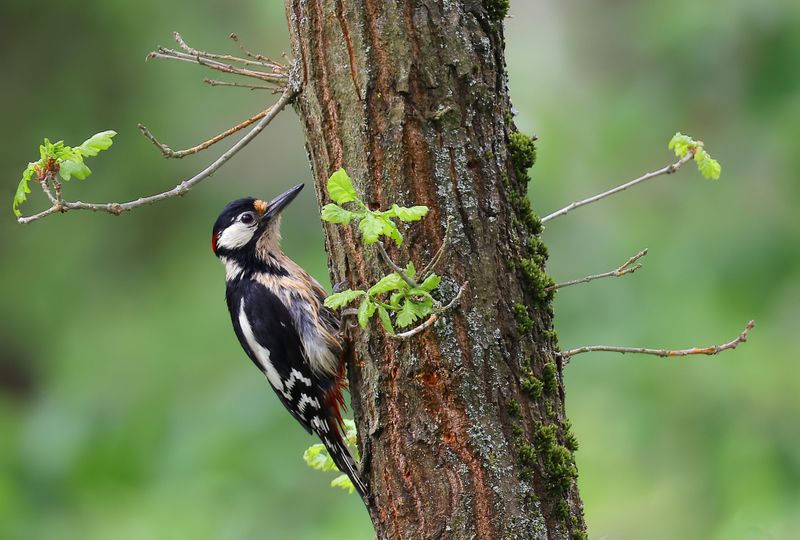
Nature has its own pest control crew, and some of them are already working in your yard. The trouble is, they have not yet caught up to this particular invader.
Woodpeckers are among the most active hunters of wood-boring larvae. They can hear and sense movement beneath bark, making them surprisingly effective at finding beetle grubs.
Pileated woodpeckers in particular can excavate deep into wood to reach hidden larvae. If you see heavy woodpecker activity on a tree, that is worth paying attention to.
Certain parasitic wasps lay eggs inside beetle larvae as a natural control method. Researchers are actively studying which species might target Asian Longhorned Beetle larvae specifically.
Entomopathogenic fungi are another area of active research. These naturally occurring fungi infect and break down insect bodies without harming the surrounding environment.
Birds like nuthatches and creepers forage along bark surfaces and may consume exposed eggs or newly hatched larvae. Their foraging habits make them quiet but consistent allies.
The problem is that this beetle is not native here, so local predators did not evolve alongside it. That mismatch gives the pest a significant head start over anything trying to stop it naturally.
Supporting bird habitat with native plantings and nest boxes can increase predator populations over time. A yard rich in biodiversity creates more opportunities for nature to help manage pest pressure on your maples.
Treatment Options For Trees Affected By This Beetle
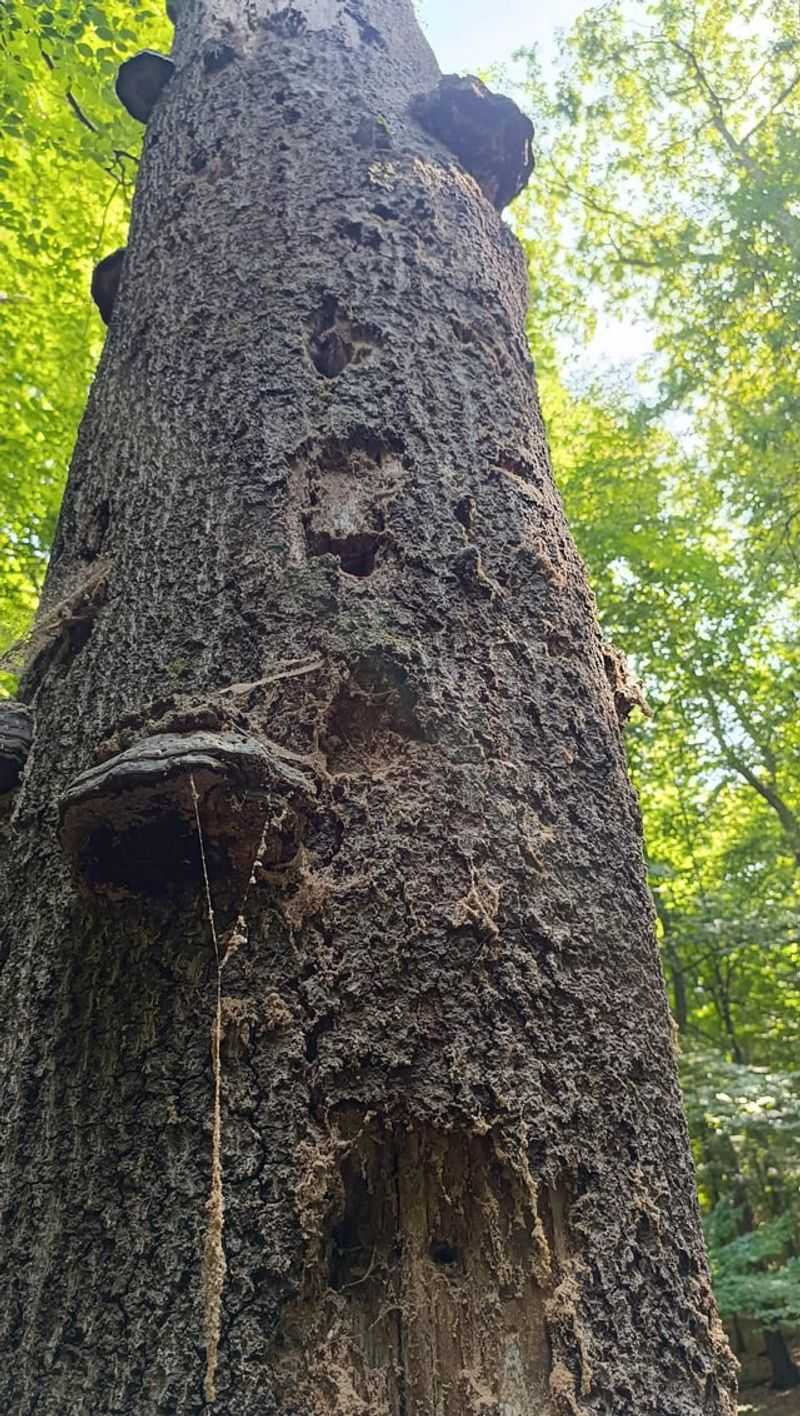
Finding out your maple has this beetle is stressful, but you are not out of options. Acting fast and working with the right professionals can make a real difference.
The most effective treatment for established trees is a systemic insecticide called imidacloprid. It is applied as a soil drench or trunk injection and moves through the tree’s vascular system.
When the beetle larvae feed on treated wood, the insecticide stops them in their tracks. This approach protects the tree from the inside out, which is where the damage actually happens.
Trunk injections tend to work faster than soil applications because the chemical enters the tree directly. A licensed arborist can perform this treatment safely and at the correct dosage.
Dinotefuran is another insecticide option that can be applied as a bark spray. It absorbs through the outer bark and reaches the cambium layer where larvae feed.
These treatments are most effective as preventive measures on trees near known infestations. When a tree becomes heavily compromised, treatment options become more limited and less reliable.
State and federal programs sometimes provide free treatment or removal services in confirmed outbreak zones. Check with the Connecticut Department of Energy and Environmental Protection for current assistance programs.
Do not attempt to treat this pest with store-bought sprays alone. If this beetle is confirmed on your property, professional intervention is the most reliable path forward.
Protecting Your Maples From Future Infestations
Prevention is where you actually make the biggest difference. A few smart habits now can keep your maples healthy and pest-free for years ahead.
Start by inspecting your trees every summer, especially from July through September. Walk around each trunk, scan the bark, and look up into the canopy for early warning signs.
Avoid moving firewood from one location to another without checking its origin. Beetle larvae travel hidden inside cut wood, and that is one of the main ways infestations spread to new areas.
Buy firewood locally and burn it where you buy it. That one habit alone has helped slow the spread of wood-boring pests across multiple states in the Northeast.
Keep your trees healthy with proper watering, mulching, and occasional fertilization. A stressed tree is a more vulnerable tree, so strong root health builds natural resistance to pest pressure.
Avoid pruning maples in late summer if possible, since fresh cuts can attract beetles looking for egg-laying sites. Spring pruning reduces that risk significantly.
Plant a diverse mix of tree species in your yard rather than relying on maples alone. Biodiversity reduces the risk of losing your entire canopy to one targeted pest.
Stay connected with local extension services and state alerts about pest activity in your area. Early alerts about activity nearby give you the head start you need to protect your own trees.