What Michigan Gardeners Should Do With Shasta Daisies Now For Bigger Blooms Next Year
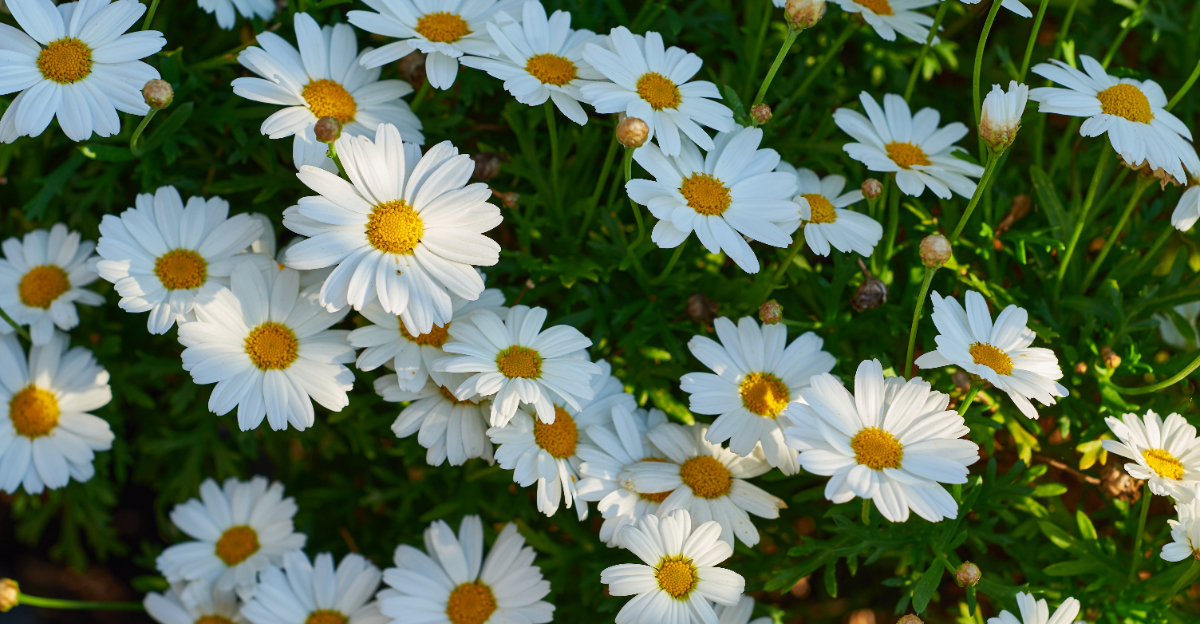
Shasta daisies often get left alone once their summer blooms start fading, with most Michigan gardeners assuming there’s nothing more to do until next year rolls back around.
But what happens to these plants right now actually plays a much bigger role in next year’s flower show than most people realize.
Skipping a specific task during this window could mean noticeably smaller or sparser blooms compared to what’s actually possible.
It has nothing to do with fertilizer schedules, and everything to do with something most gardeners walk right past without a second thought.
Understanding what shasta daisies genuinely need at this point in the season could completely change how full and vibrant next year’s blooms turn out to be.
Many gardeners only discover this connection after a disappointing bloom season leaves them wondering what went wrong. A few minutes of attention now could make all the difference months from now.
1. Keep Snipping Off Spent Flowers
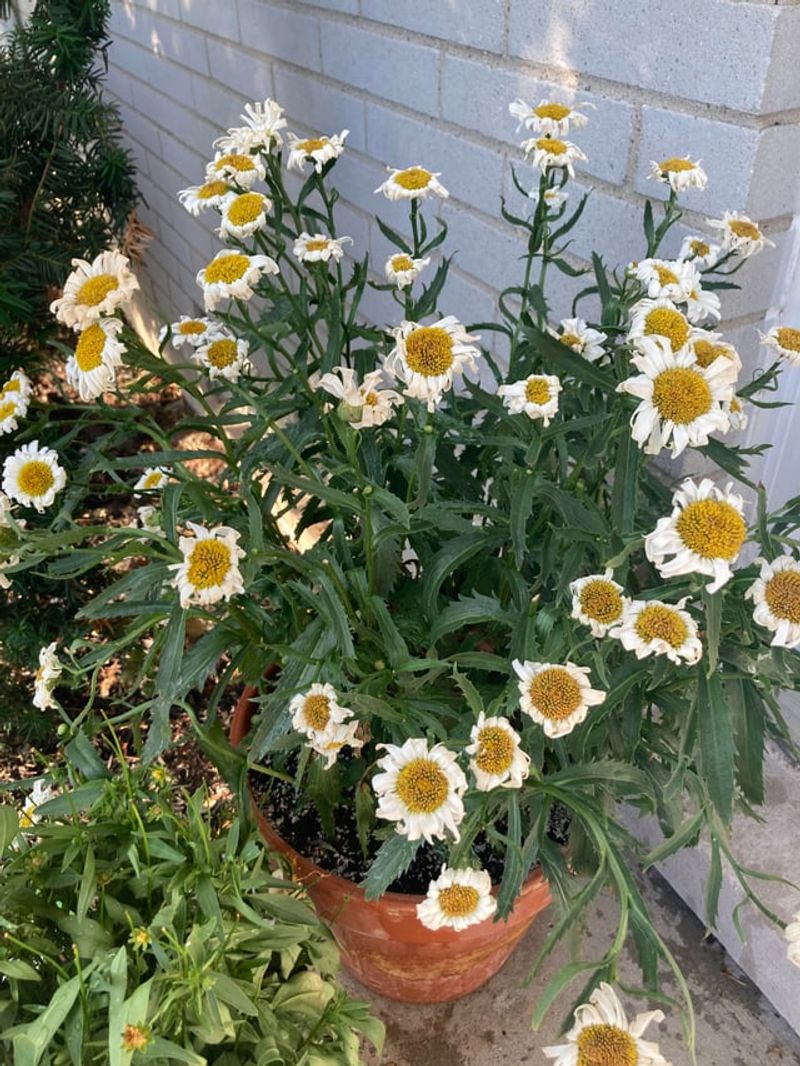
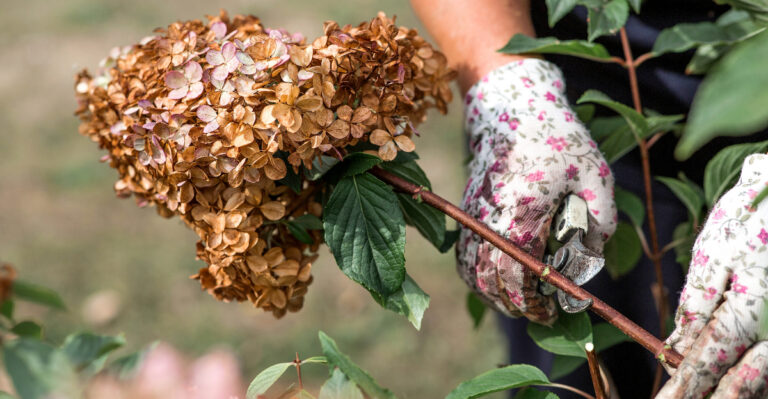
Nothing wakes up a tired daisy patch faster than a quick round of snipping. When flowers fade and turn brown, they start forming seeds, and that quiet little job pulls energy away from the rest of the plant.
By removing those spent blooms, you tell the daisy to keep making new flowers instead of packing all its strength into seed heads. This trick is called deadheading, though we can simply call it tidying up.
Grab clean scissors or garden snips and cut each faded flower just above the next healthy leaf or bud.
Late summer in Michigan is the perfect stretch for this. Your plants still have warm days ahead, so encouraging a second wave of blooms is totally realistic. Many gardeners are surprised by how many extra flowers pop up after a good trim.
Try to check your daisies every few days rather than waiting weeks. A little steady attention keeps the whole clump looking fresh and colorful. Toss the trimmed pieces into your compost pile if they look healthy.
There is a bonus, too. When a plant is not busy producing seed, it can send more energy down into the roots. Stronger roots now mean bigger, bushier growth when spring rolls around.
Think of snipping as a friendly nudge that keeps the flower factory running. It costs you only a few minutes, yet the payoff shows up in both this season and the next. Your future self will thank you when those blooms return fuller and brighter.
2. Cut Finished Flower Stems Back
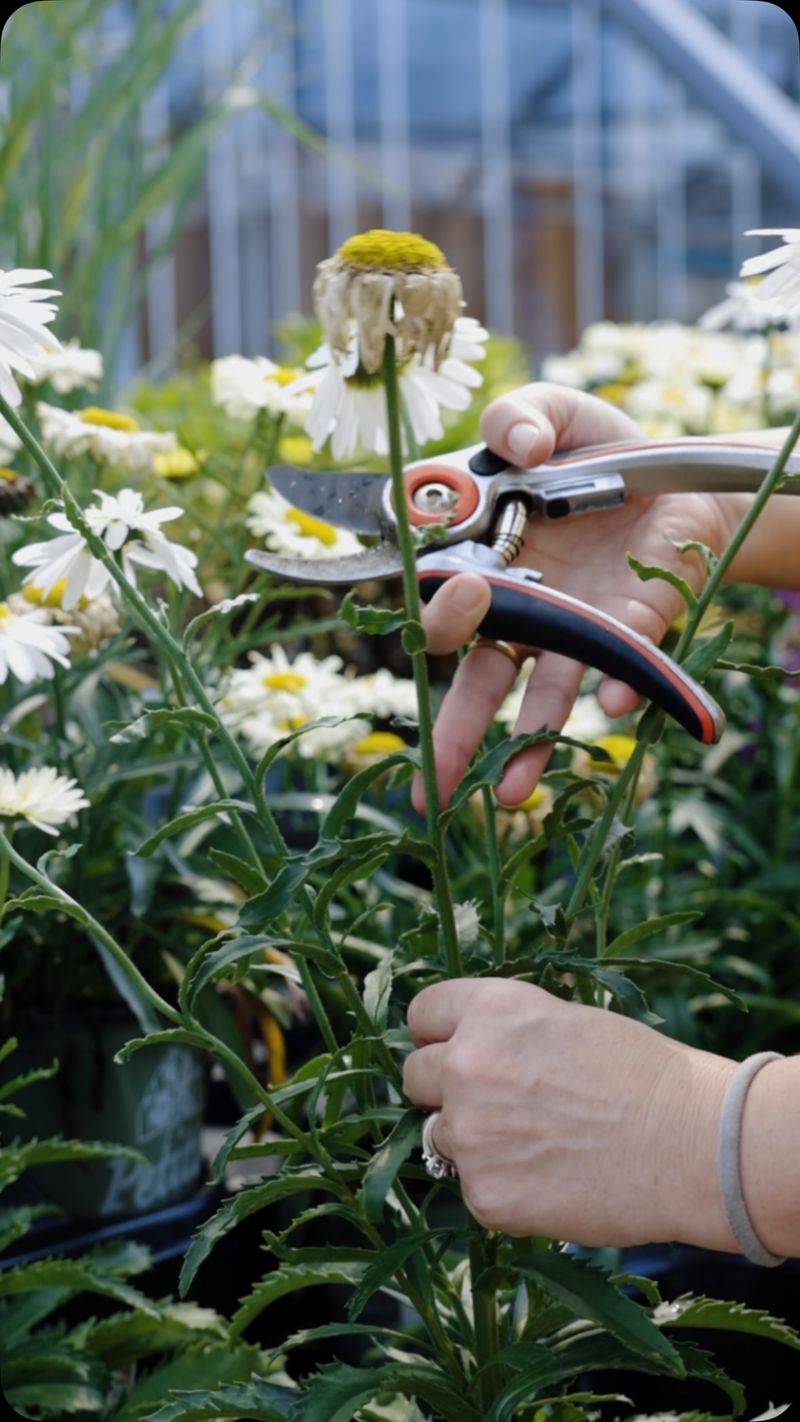
Once a whole stem has stopped flowering for good, it starts to look scraggly and thin. Cutting those spent stems back is a smart move that keeps your daisies neat and focused on healthy growth.
Follow each finished stem down toward the base of the plant. You will notice a low mound of fresh green leaves near the soil, often called basal foliage. Snip the tired stem down close to that leafy cluster, but leave the green leaves alone.
Those low leaves are the plant’s power source. They soak up sunlight and turn it into food, which keeps the roots strong and ready for next year. Removing them by accident would slow the whole plant down, so aim carefully.
Your Michigan Garden Changes Every Week. Your Plan Should Too.
Gardening in Michigan changes quickly throughout the season. Every Friday you’ll receive a simple weekly plan showing exactly what to plant, prune, fertilize, harvest, and protect so you never miss the right timing.
This kind of trimming also improves airflow around the clump. Better airflow means less trapped moisture, which helps keep leaf spots and mildew from taking hold. Healthy leaves lead to a healthier plant overall.
Use clean, sharp tools so you make smooth cuts instead of ragged tears. A quick wipe with rubbing alcohol between plants keeps any problems from spreading. It only takes a moment and protects your whole garden.
After the cutback, your daisy patch will look tidy and green rather than brown and floppy. That fresh appearance is nice for you, and it signals the plant to keep building energy below ground.
Think of this step as clearing the clutter so the plant can concentrate on what matters. Come next summer, that stored energy shows up as thicker stems and a fuller burst of blooms.
3. Divide Crowded Clumps This Fall
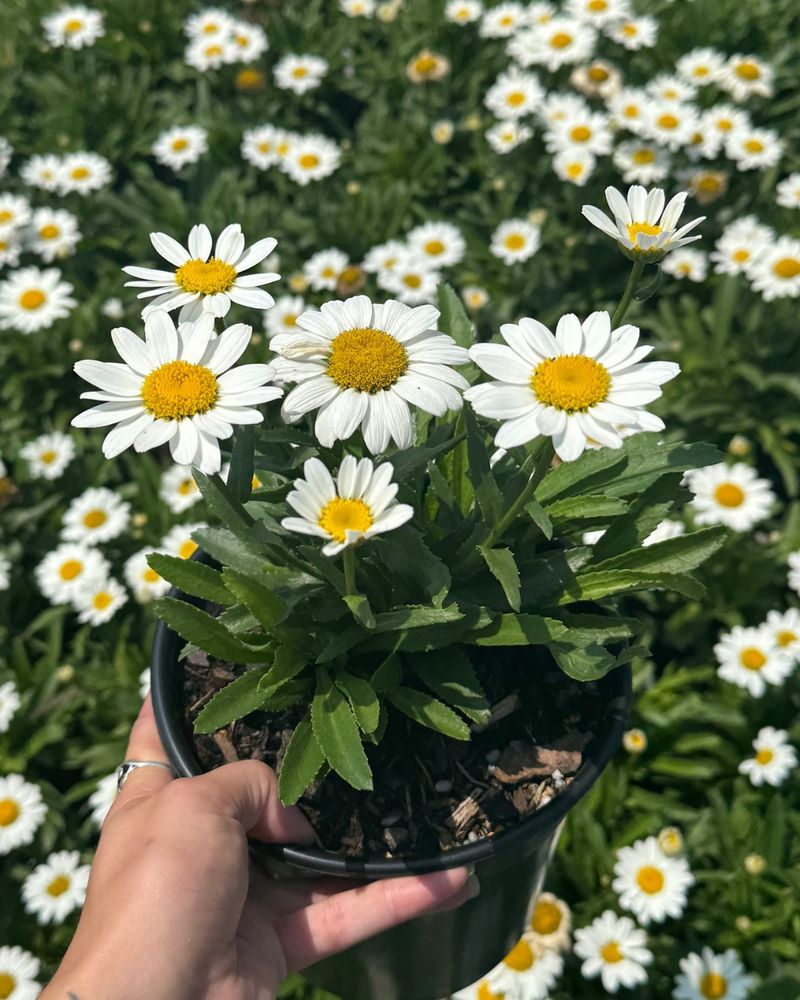
Shasta daisies are generous growers, and over time a single plant can spread into a thick, crowded clump. When that happens, the center often thins out while the edges keep pushing outward.
Dividing every three or four years fixes this. Once flowering winds down in fall, you can lift the whole clump and split it into smaller, healthier pieces. Each piece then has room to grow fresh roots and stems.
Start by watering the plant a day before, so the soil loosens. Dig a wide circle around the clump and gently pry it up with a garden fork or spade. Try to keep as many roots attached as possible.
Once the clump is out of the ground, pull or cut it into sections. Aim for chunks about the size of your fist, each with a few leaves and a good bunch of roots. Toss out any weak or hollow centers.
Fall in Michigan gives divisions time to settle before the ground freezes. The cooler air is easy on the plants, and the still-warm soil encourages roots to spread. Replant your divisions right away so they do not dry out.
Space the new plants about a foot or two apart. That breathing room lets each one soak up sun and nutrients without fighting its neighbors.
Dividing might feel a little bold, almost like giving your plant a haircut and a fresh start at once. Yet daisies love it, and the reward is a garden full of vigorous plants covered in blooms next summer.
4. Give The Divisions Plenty Of Sun
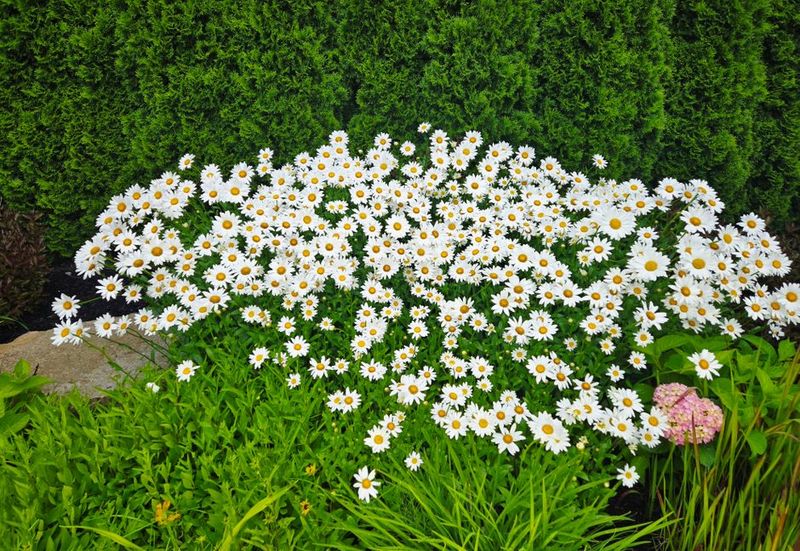
Sunlight is the secret ingredient behind a daisy’s cheerful blooms. When you replant your divisions, picking a bright, open spot makes a huge difference in how they perform next year.
Shasta daisies crave full sun, which means at least six hours of direct light each day. In that kind of spot, they grow sturdy stems, deep green leaves, and loads of flowers.
In too much shade, they stretch, flop, and bloom only here and there.
Take a walk around your yard and watch where the sunshine lands. Notice how tall trees or fences might block light during part of the day. The best planting areas get steady sun from morning through afternoon.
When you tuck each division into the ground, set the crown level with the soil surface. Firm the dirt gently around the roots so no air pockets remain. Then give the plant a good drink to help it settle.
Michigan summers offer plenty of warmth and light, so a sunny bed lets your daisies make the most of the growing season. More sun means more food stored in the roots, and that translates straight into bigger flower displays.
If your only open space gets a bit of afternoon shade, that is usually fine, since daisies still handle a little dappled light. Just avoid deep, shady corners where they will struggle.
Giving your divisions a front-row seat to the sun is one of the kindest things you can do. Reward them with light now, and they will pay you back with a bright, blooming show next season.
5. Fix Poor Drainage Before Winter
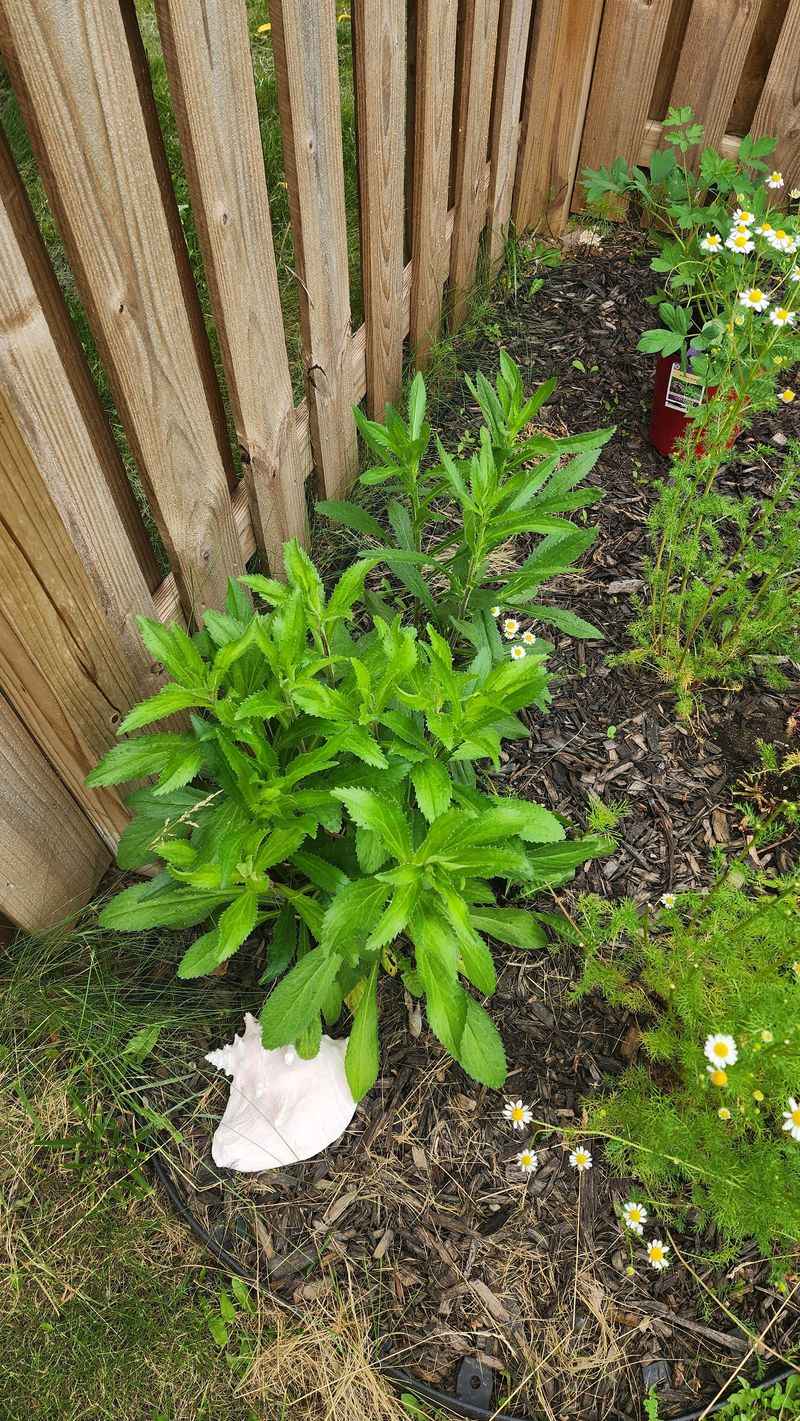
Soggy soil is the biggest challenge Shasta daisies face during a Michigan winter. While these plants shrug off cold, they really dislike sitting in cold, wet ground for months.
When water pools around the crown, the base of the plant can rot and weaken. That is why fixing drainage now, before winter arrives, protects your daisies for years to come.
Take a close look at your beds after a heavy rain. If puddles linger for a long time, or the soil feels muddy and dense, you have a drainage problem worth solving. Spotting it early gives you time to act.
One easy fix is to mix compost or coarse organic matter into the soil. This loosens heavy clay and helps water flow through instead of collecting. Working it in around your daisies improves the whole bed.
Another option is to move plants to a higher, better-draining spot. Raised beds and gentle slopes both keep water moving away from the roots. Even a slight rise can make a big difference.
You can also build a small mound and plant your daisy right on top. Elevating the crown just a few inches keeps it above the soggy zone during wet spells.
Michigan winters bring plenty of snow and rain, so preparing the ground pays off big. Roots that stay reasonably dry come through the cold months strong and ready to grow.
Take care of drainage now, and you remove the number one worry for overwintering daisies. Healthy, well-drained roots reward you with vigorous plants and heavier blooms when spring returns.
6. Water New Divisions When The Soil Is Dry
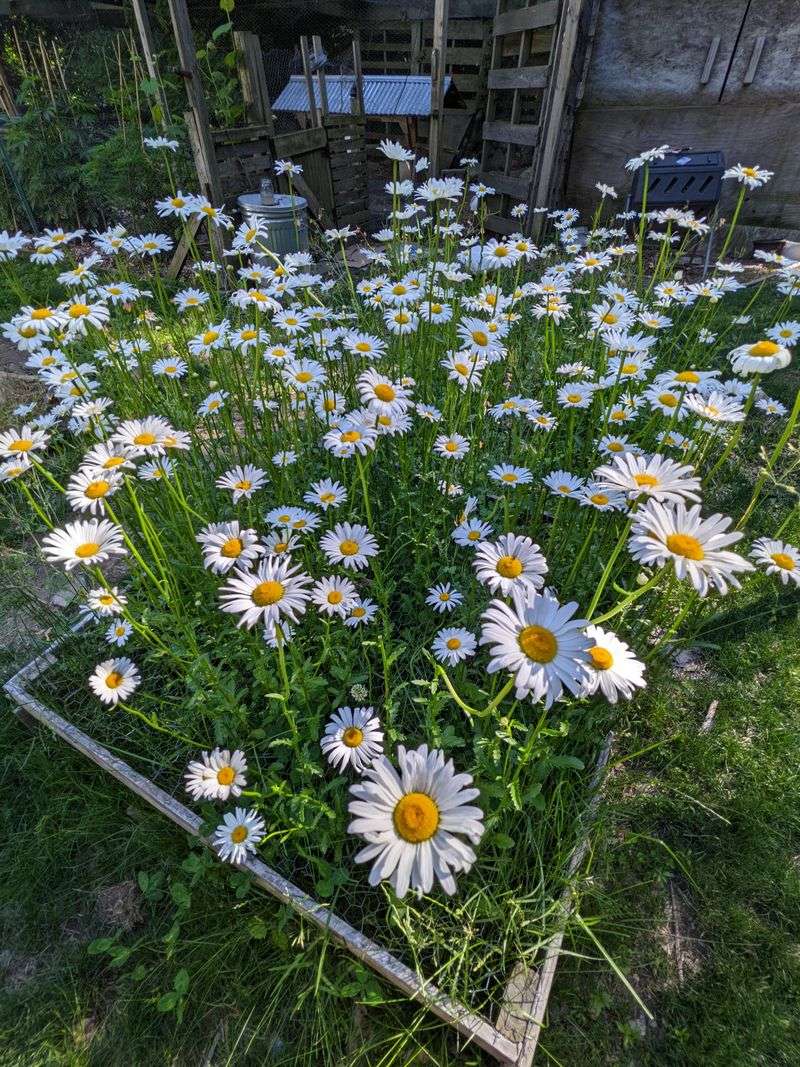
Freshly divided daisies are a bit like new arrivals settling into a new home. They need steady moisture to grow roots, but they also hate having soggy feet.
The trick is to water based on what the soil tells you, not on a strict schedule. Push a finger about an inch into the dirt near the plant. If it feels dry, it is time to water. If it feels damp, wait a little longer.
When you do water, give a slow, deep soak rather than a quick sprinkle. Deep watering encourages roots to reach down, which builds a stronger foundation for next year. Shallow splashes only wet the surface.
During the first few weeks after dividing, check the soil every couple of days. New plants have small root systems, so they dry out faster than established clumps. Your attention now helps them settle in fast.
Be careful not to overdo it, though. Constantly wet soil can smother the roots and lead to rot, especially as the weather cools. Balance is the goal, moist but never swampy.
Michigan fall often brings helpful rain, so let nature share the workload. On rainy stretches, you may not need to water at all. On dry, breezy days, step in and help.
Watering in the morning is smart, since leaves dry off before evening. That simple habit keeps mildew and leaf problems from creeping in.
Give your divisions the right amount of water, and they will build sturdy roots before winter. Well-watered plants settle in happily and burst back with energy in spring.
7. Skip The Heavy Late Season Feeding
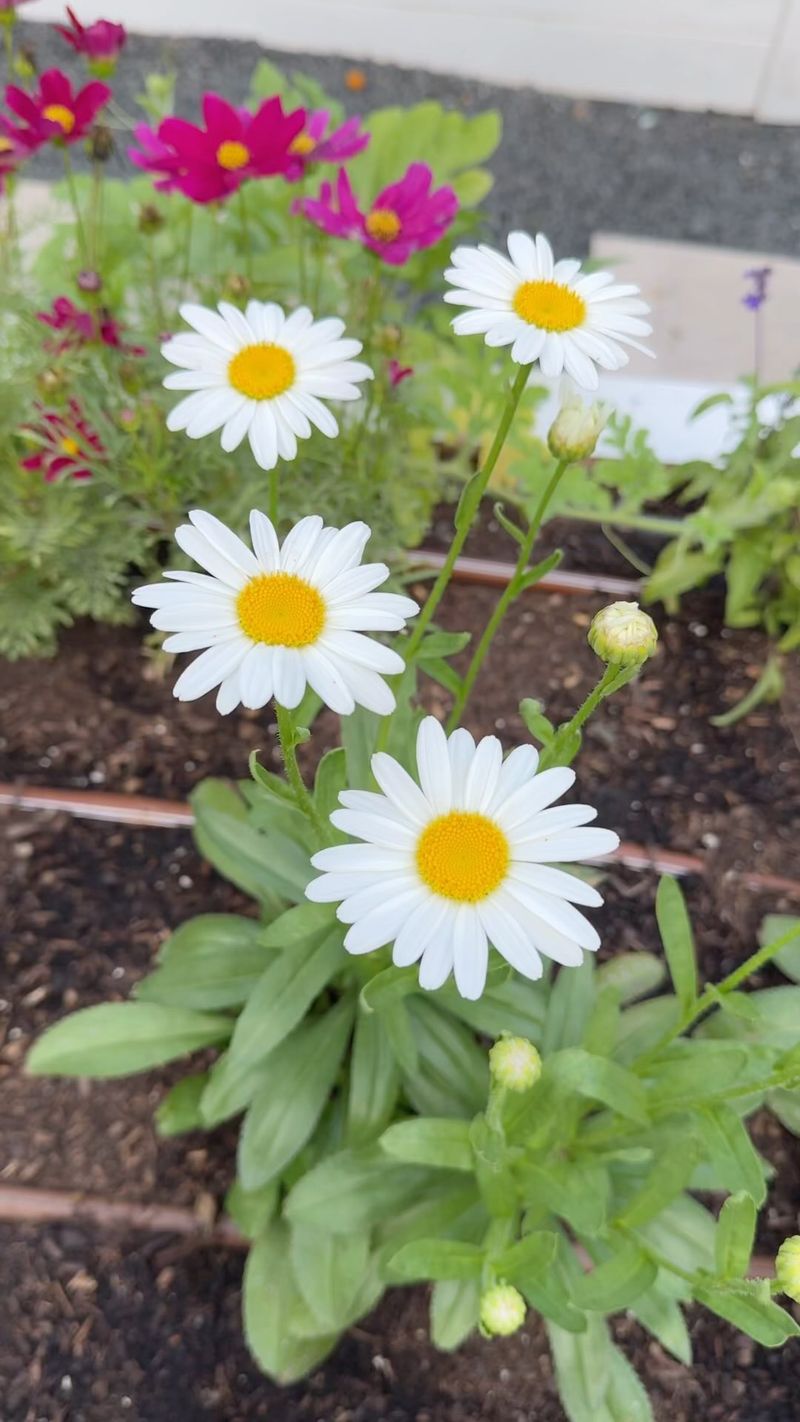
It is tempting to reach for the fertilizer bag whenever a plant looks tired, but late season is not the time to pour on food for your daisies. Heavy feeding now can actually work against you.
Fertilizer, especially the kind rich in nitrogen, pushes out soft new growth. That tender growth does not have time to toughen up before winter, so it can be damaged by cold. Your plant ends up spending energy in the wrong direction.
Instead of guessing, let a soil test guide you. A simple test tells you exactly which nutrients your soil has plenty of and which it lacks. Michigan State University Extension offers affordable soil tests that are easy to use.
Once you have the results, you can feed with a purpose. If a nutrient is truly missing, you add just what the soil needs and nothing more. That approach saves money and protects your plants.
Most healthy garden beds already hold enough nutrients to carry daisies through the season. Adding extra when it is not needed can even burn roots or throw the soil out of balance.
If you want to boost your soil gently, a thin layer of compost is a safer choice. It releases nutrients slowly and improves the dirt over time without shocking the plant.
Testing before feeding might feel like an extra step, yet it turns you into a smarter gardener. You stop wasting product and start giving your daisies precisely what they crave.
Hold off on heavy feeding now, and your daisies will spend fall building strong roots for a fantastic spring.
8. Wait Before Adding Winter Mulch
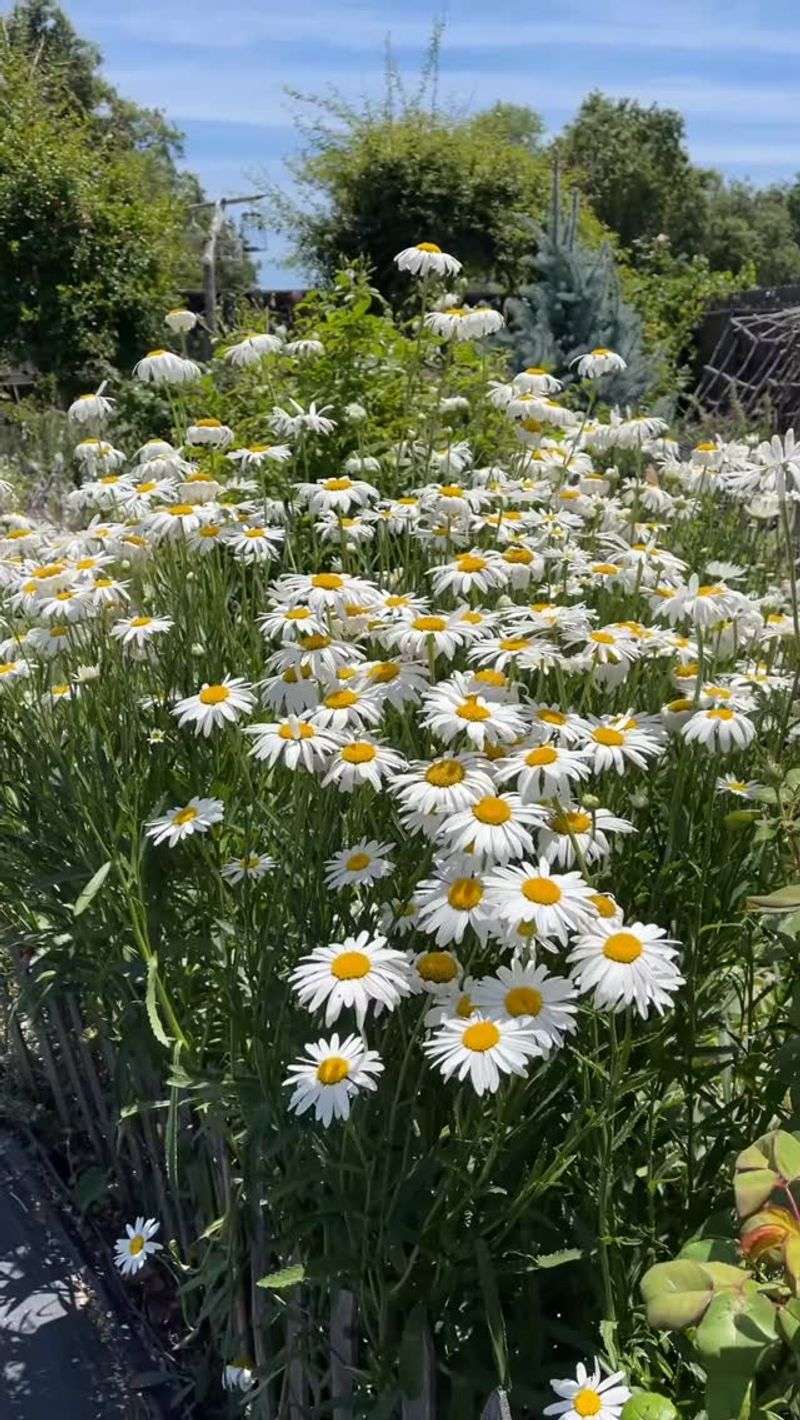
Mulch is a wonderful winter blanket for newly divided daisies, but timing is everything. Piling it on too early can cause more trouble than it prevents.
The main job of winter mulch is to keep the soil temperature steady. When the ground freezes and then thaws again, it can push plants upward and expose their roots. Mulch stops that seesaw effect.
Here is the key point: wait until the ground has frozen before spreading mulch. If you add it while the soil is still warm, you create a cozy hideout for voles and other critters that nibble on roots. A frozen ground keeps those pests away.
Once winter settles in, spread a few inches of straw, shredded leaves, or bark around your divisions. This layer locks the cold in place and shields tender new roots through the coldest stretch.
Be careful not to bury the crown, which is the spot where stems meet the roots. Piling mulch directly on top can trap moisture there and cause rot. Leave a little breathing space right around the center of each plant.
In Michigan, the ground usually freezes solid by late fall or early winter, so watch the weather and act once it hardens. A frosty morning is your signal that mulching time has arrived.
Come spring, gently pull the mulch back as new growth appears. That lets the sun warm the soil and wakes your daisies up.
Mulch at the right moment, and your divisions rest safely all winter, ready to explode with blooms when warm days return.