7 Trees Texas Homeowners May Need A Permit To Heavily Prune
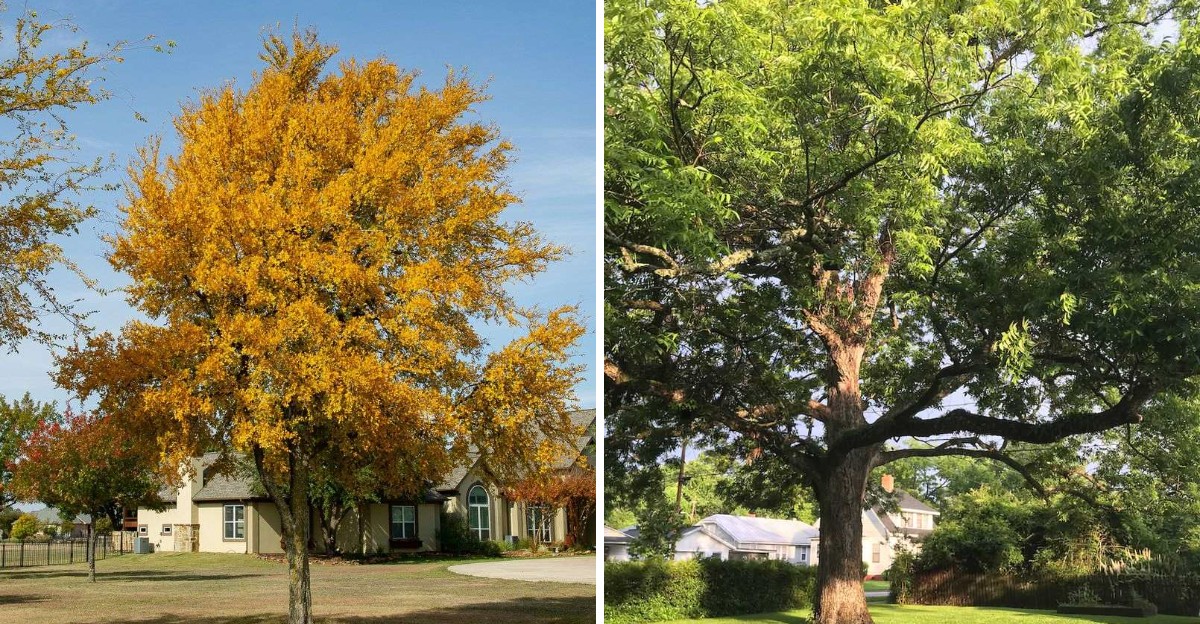
In Austin, cutting off one quarter of a big tree’s canopy in one season can require a city permit. Nobody warned me that my own backyard shade might come with paperwork and a visit from a city arborist.
Texas has no statewide permit for trimming trees on private land, so the rules come from each city. Austin, Dallas, Fort Worth, and San Antonio all protect certain big trees once trunks reach a specific width.
I love a good pruning day as much as anyone, with loppers in hand and sawdust on my boots. Still, I believe a quick call to your city forester beats an expensive surprise later in the year.
Some of the trees on this list probably shade your patio right now without you giving them a second thought. So which familiar Texas giants could land you in hot water if you trim too much?
1. Live Oak
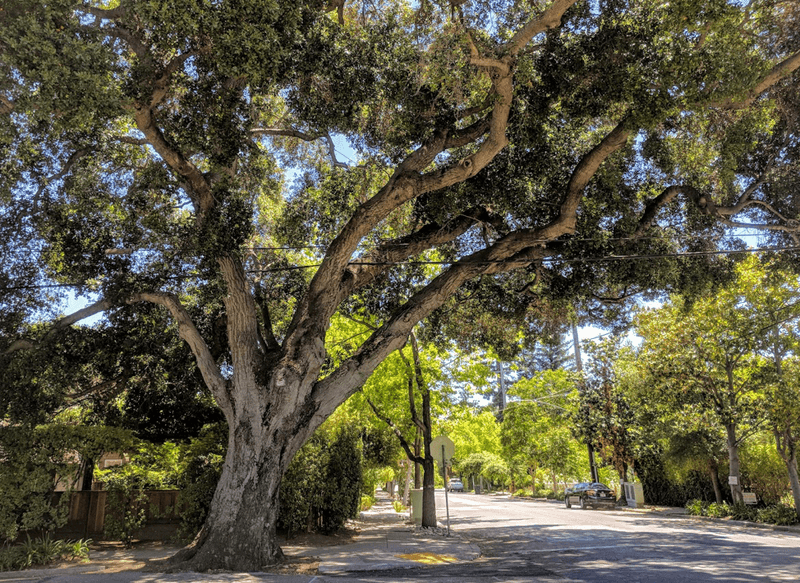
Few trees spread their arms like a live oak, whose limbs can stretch wider than the tree is tall. I can’t imagine a summer porch without that cool, dappled shade drifting across the old wooden boards.
In Austin, live oaks fall under the heritage tree rules once the trunk reaches 24 inches across at breast height. That measurement is taken 4.5 feet above the ground, so grab a tape and wrap it around the trunk.
Divide that circumference number by about 3.14, and you will have a close estimate of the diameter. Removing 25 percent or more of a protected tree’s canopy in one growing season requires an Austin permit.
Dallas protects most trees once they reach 8 inches in diameter, and live oaks earn extra attention at larger sizes. Heavy pruning or topping counts as serious injury there, which the city treats much like removing the tree.
Oak wilt adds another reason to be careful, because fresh pruning cuts can attract beetles that carry the fungus.
Texas A&M Forest Service suggests avoiding oak pruning from February through June and painting every fresh wound.
Personally, I schedule oak trimming for the coldest stretch of winter or the hottest weeks of late summer. A certified arborist can help you stay under the canopy limits while keeping that grand silhouette intact.
Before any big cut, call your city forestry office and ask whether your specific tree is regulated. A five-minute phone call costs nothing, while an unpermitted cut can bring fines and replacement planting requirements.
2. Post Oak
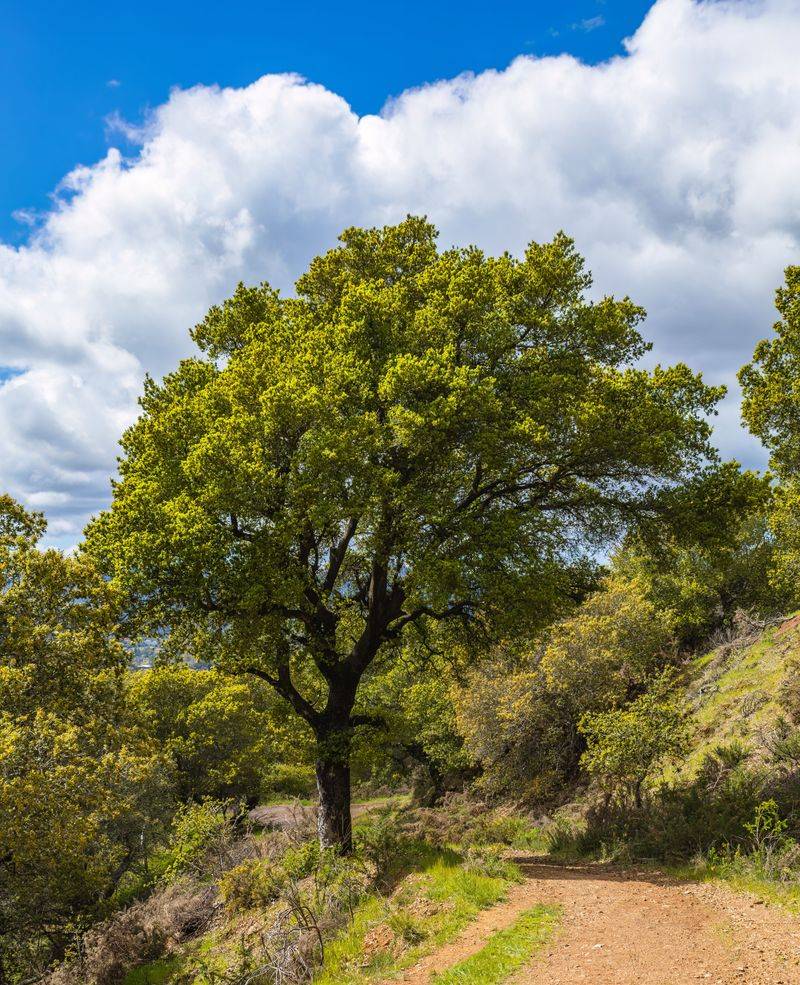
Post oaks have leaves shaped like a little cross, which makes them one of the easiest oaks to spot. I used to walk right past these rugged trees, until I learned how touchy they are about disturbance.
Arborists often describe post oaks as sensitive, because root damage and soil changes can trigger a slow decline. Many of them grow on old Cross Timbers land, where some trees have stood for well over a century.
Austin lists them among its heritage species, so big specimens follow the same 25 percent canopy rule. Dallas considers post oaks significant at just 12 inches in diameter, a much lower bar than most species.
Fort Worth also treats large post oaks as significant trees, and their pruning falls under city review. Size thresholds there depend on location, so check current rules before you touch a single big limb.
The critical root zone matters just as much as the branches for this tree, and maybe even more. Trenching or piling fresh soil under the canopy can require permission in cities with strong tree ordinances.
My best advice is to keep heavy equipment and new patio projects well outside the drip line. Light trimming of small broken twigs is usually fine, but heavier cuts deserve a professional opinion first.
Like live oaks, post oaks can catch oak wilt, so the same seasonal pruning caution applies here too. Patience pays off with this slow grower, and your grandchildren may thank you for it someday.
3. Cedar Elm
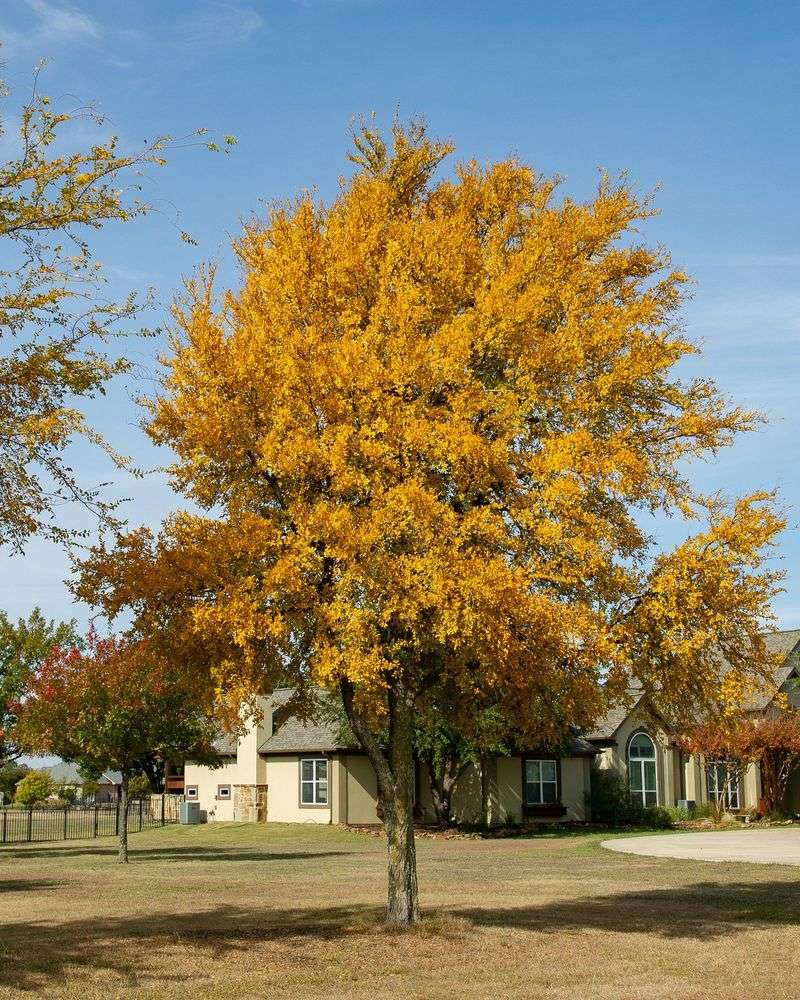
Cedar elm leaves feel like fine sandpaper when you rub them, and that rough texture is a fun identification trick. I have to admit, I spent years thinking these tough little trees were nothing special at all.
Cedar elms shrug off heavy clay and long droughts, which is why they line so many city streets. They also bloom in late summer, an unusual habit for an elm, with tiny flowers most people overlook.
Austin includes cedar elm on its heritage list, so trunks 24 inches or wider get extra protection. Trimming a quarter or more of that canopy in one season means you need a permit first.
Dallas labels cedar elms significant at 24 inches, and San Antonio treats trunks that size as heritage trees. Smaller cedar elms may still be protected in Dallas, since its general rules start at 8 inches.
Street trees bring a separate twist, because many cedar elms grow in the strip between the sidewalk and curb. That strip often belongs to the city, and trimming there usually needs approval no matter the trunk size.
Some cities allow routine clearance pruning over sidewalks, but they often still want you to request permission. Look up your property survey to see exactly where your lot ends and the public right-of-way begins.
When you do prune, make clean cuts just outside the branch collar instead of leaving ragged stubs. Your cedar elm will seal those wounds faster, and you will stay on the right side of the rules.
4. Pecan
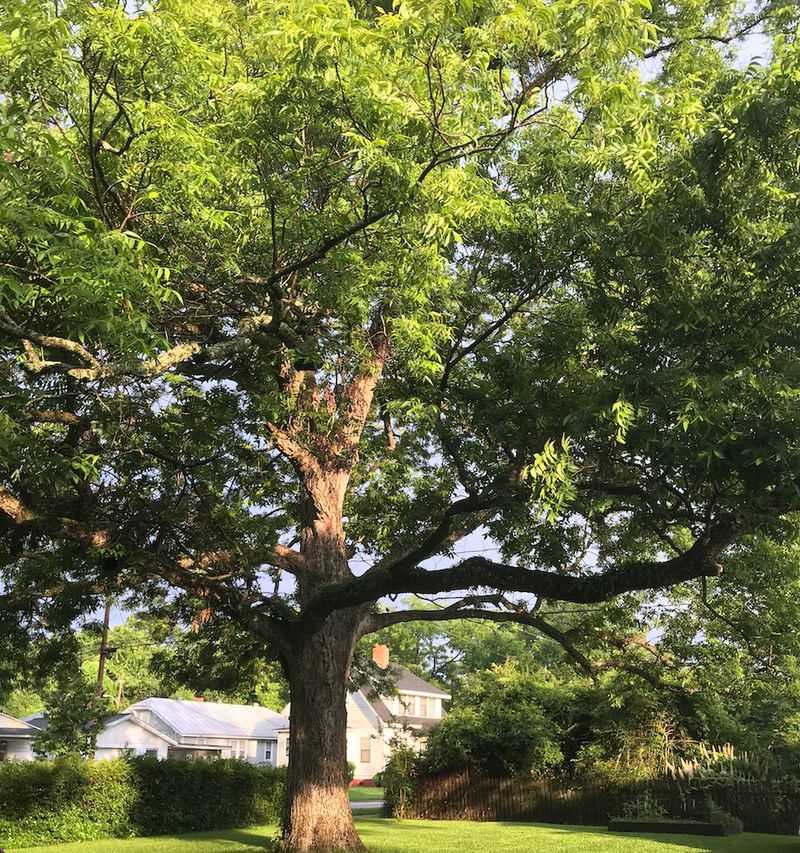
Lawmakers named the pecan the official state tree in 1919, and plenty of families still guard their backyard giants.
Nothing beats crunching through fallen pecan husks in autumn while collecting a bucket of fresh nuts.
Those generous harvests come with a catch, because mature pecans often grow well over 70 feet tall. Trunks that size quickly pass the heritage thresholds that Austin and San Antonio set at 24 inches.
In Austin, pruning away a quarter of a heritage pecan’s canopy in one growing season requires a permit. Dallas also lists pecan as significant at 24 inches, where excessive pruning is treated as serious injury.
Pecan wood can be brittle, so storms sometimes snap big limbs and tempt owners into heavy cuts. Removing a broken or hazardous limb is often allowed, but documenting the damage with photos is smart.
Topping a pecan to shrink it is a common mistake that weakens the tree and invites decay. Thinning cuts that remove a few select limbs keep the shape natural and the nut crop healthier.
Late winter is a popular time to prune pecans, since the bare branches reveal the structure clearly. You can see crossing limbs easily then, and the tree has months to recover before nuts form.
Personally, I would rather share a few extra pecans with squirrels than pay a hefty fine. Hire an arborist who knows your local ordinance, and ask them to put the pruning plan in writing.
5. Bald Cypress
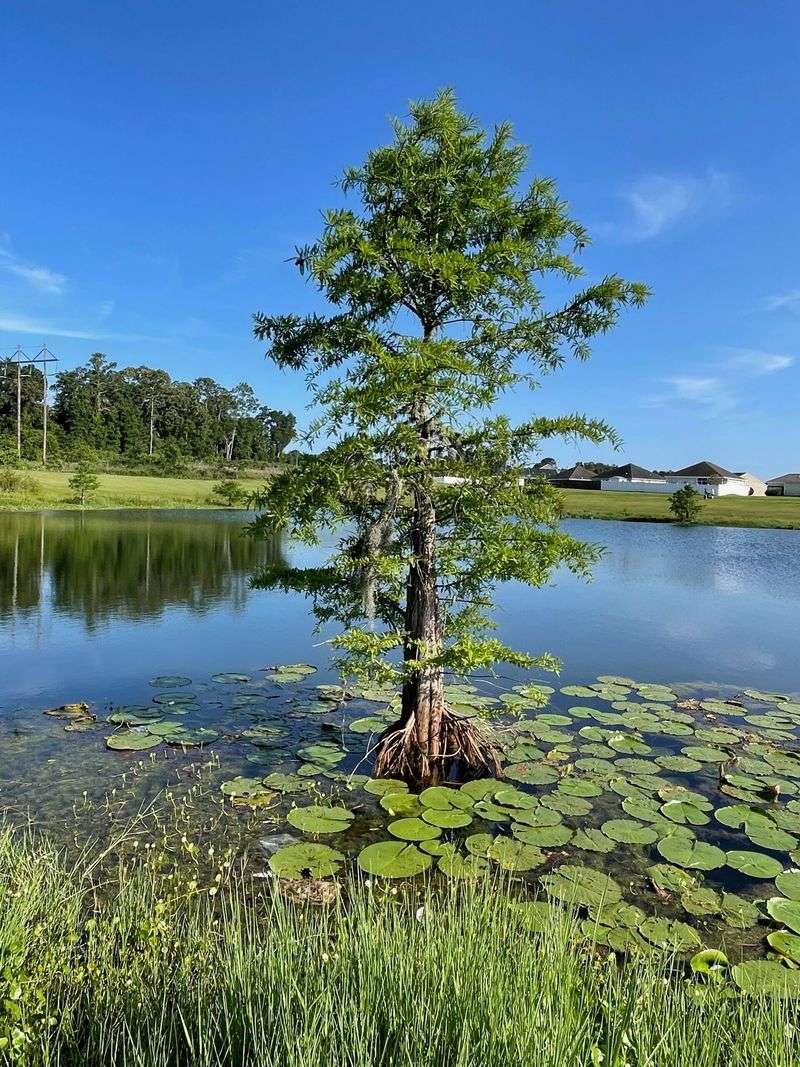
Bald cypress trees drop their soft needles every fall, which explains the funny bald part of the name. Before they go bare, the feathery foliage turns a rusty cinnamon color that I find hard to resist.
Along rivers, these trees push up woody knees from their roots, and nobody fully agrees on their purpose. Some scientists suspect the knees help with stability, while others think they may assist with gas exchange.
Mature bald cypress trees can live for centuries, and some trunks along Hill Country rivers are enormous. Austin places this species on its heritage list, so a 24 inch trunk triggers stricter rules.
Pruning a quarter or more of the canopy within one season requires a permit from the city there. San Antonio also protects large heritage-sized trees, and removing or harming them can bring costly mitigation requirements.
Creekside homes face another layer, because waterfront land may carry floodplain or riparian protections in some cities. Before cutting near a creek, ask whether any watershed or environmental rules apply to your yard.
Bald cypress naturally grows in a tidy pyramid shape, so it rarely needs much heavy trimming anyway. Removing a few low limbs for headroom is usually plenty, especially on younger trees in open lawns.
Resist the urge to shape it into a hedge or chop the central leader off the top. That single main trunk gives the tree its graceful form, and losing it creates weak, crowded regrowth.
6. American Elm
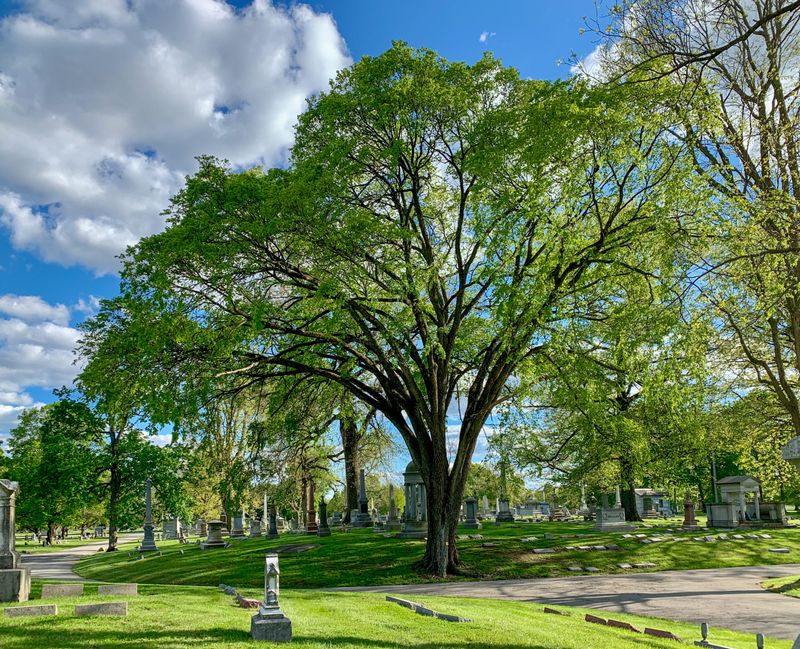
Dutch elm disease swept through many American cities last century, yet some stately American elms still shade older neighborhoods. Every time I spot one, I stop and admire that vase shape arching high over the street.
American elm is native to the eastern half of the state, often growing along creeks and bottomlands. Its leaves are much larger than cedar elm leaves, which makes telling the two trees apart fairly easy.
Austin counts American elm among its heritage species, so trunks of 24 inches or more are regulated. Dallas lists it as significant at that same size, and heavy pruning there can count as serious injury.
Disease prevention gives you one more good reason to plan elm pruning carefully instead of grabbing a saw on impulse. Elm bark beetles spread the fungus, and fresh wounds during their active season can attract unwanted attention.
Many arborists recommend pruning elms during the dormant winter season, when those bark beetles are mostly inactive. Clean your tools between trees, too, since that simple habit helps limit the spread of many tree problems.
If your elm shows yellowing, wilting leaves on one branch in early summer, call an arborist quickly. Removing a diseased limb may still need city approval if the tree is large enough to be protected.
Honestly, an old American elm in your yard is a living piece of your neighborhood’s long history. Treat it gently, and the city rules will feel less like red tape and more like teamwork.
7. Eastern Black Walnut
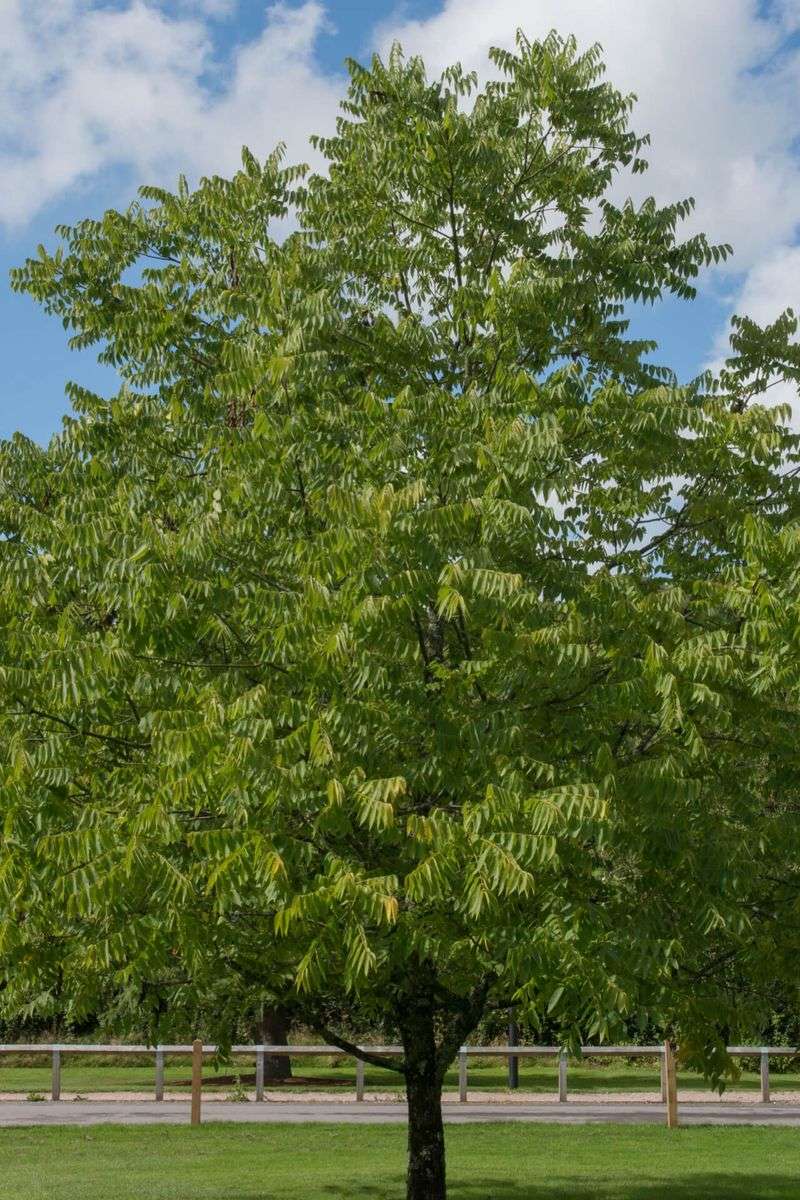
Black walnut roots release a natural compound called juglone, and tomatoes planted nearby often wilt and struggle.
To my surprise, that same tree with the grumpy reputation also earns heritage protection in the city of Austin.
Eastern black walnut grows naturally in the eastern and central parts of Texas, often along streams. Its dark, heavy wood is prized by woodworkers, and the round green husks stain hands a deep brown.
Austin regulates trunks of 24 inches or wider, and cutting a quarter of the canopy requires a permit. Dallas also considers black walnut significant at 24 inches, so excessive pruning there counts as serious injury.
San Antonio protects heritage-sized trees of many species, and big walnuts can easily fall into that group.
Houston works differently, since most single-family lots there need no city permit for private backyard tree trimming.
Even so, HOA rules and deed restrictions can still limit what Houston homeowners do with their trees. Trees growing in public rights-of-way need city permission in nearly every large city across the state.
Walnut sap may ooze from cuts made in late winter, though most experts say that bleeding rarely harms the tree. Focus on removing crossing or broken branches, and leave the strong main structure alone whenever possible.
Grab your gloves before collecting walnuts, because those husks leave stubborn stains that last for days. Plant your vegetable garden well beyond the root zone, and this moody giant can be a wonderful neighbor.