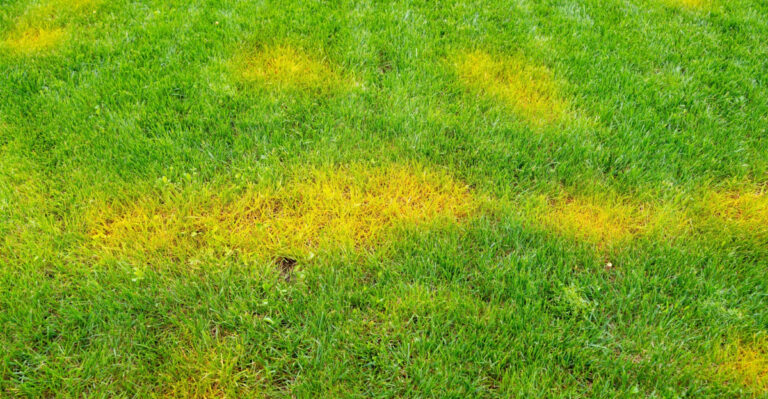
Warning Signs Of A Skunk Den Under Your Texas Deck
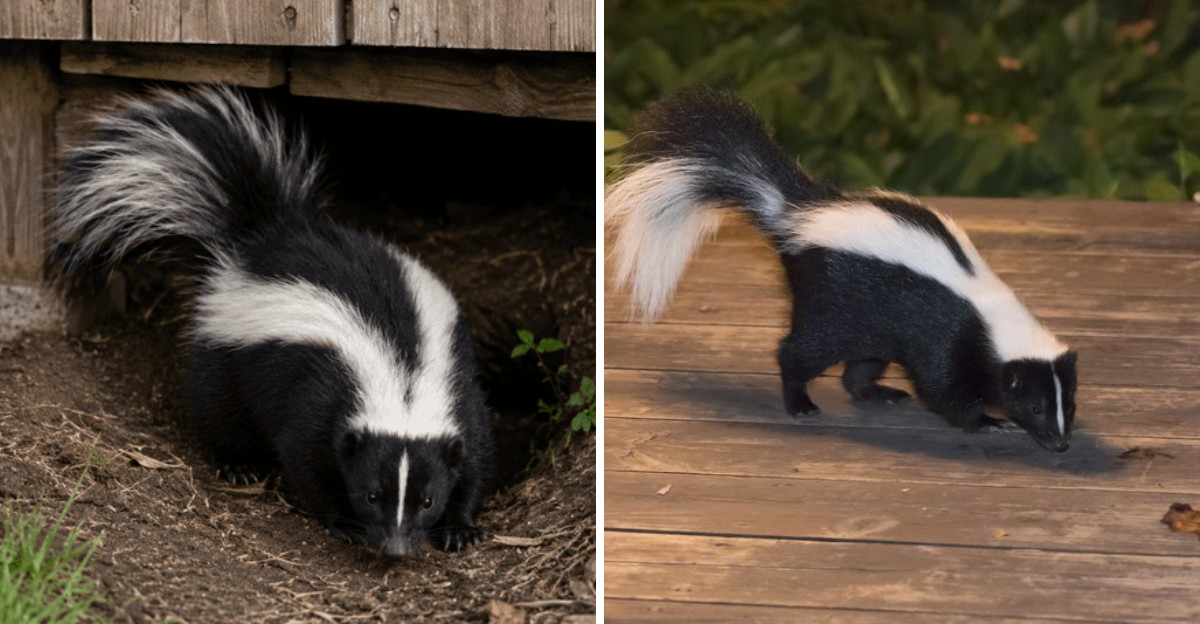
A startled skunk can aim its spray roughly ten feet, and it usually stamps its feet as a warning first. Nobody warned me that such a polite little dance comes before the smelliest surprise in the whole backyard.
Texas is home to several skunk species, including striped, spotted, and hog-nosed skunks. Many of them love the dark, dry pocket of space under a low wooden deck in Texas neighborhoods.
I used to walk right past the tiny clues in my own yard, until one evening changed my mind. You might notice odd holes, faint smells, or a dog that refuses to stop sniffing one shady corner.
Believe it or not, the signs are fairly easy to read once you know what to watch for.
1. A Faint Musky Smell Drifting From Under The Deck
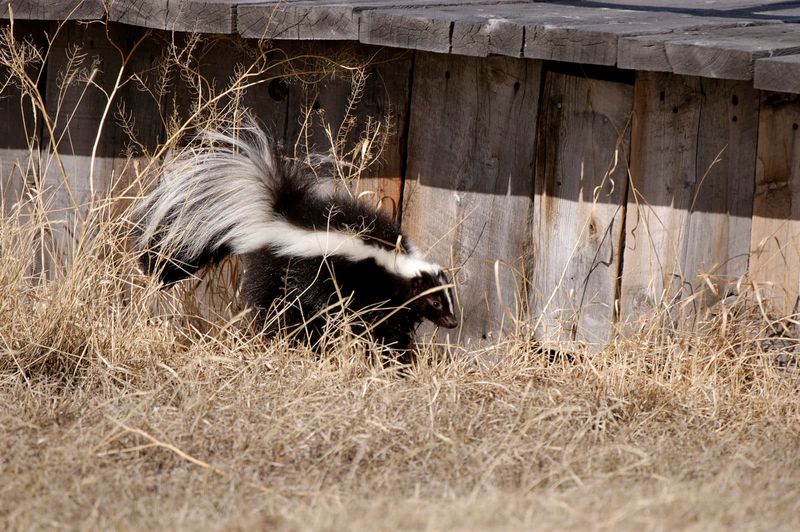
Your nose often catches a skunk long before your eyes ever do, especially on calm and humid summer evenings. A light, musky scent near the deck can hint that a striped skunk is resting just below your boards.
Skunks do not spray every night, so the smell may be faint rather than overpowering most of the time. Small amounts of musk can still cling to soil, wood, and fur around a den they use often.
I have to admit, I once blamed that odor on a passing animal crossing the street at night. When the scent showed up near the same corner for a week, I finally grabbed a flashlight and looked.
Pay attention to where the smell feels strongest, since it often points toward a hidden entrance nearby. Walk slowly around the deck edge in daylight, sniffing near gaps, steps, and loose skirting boards.
Odor near your home can also drift through vents or crawl space openings when air stays still. If your house starts smelling musky indoors, the den may sit closer to the foundation than you expected.
Skunk activity often rises from late winter into early spring, when mating season keeps them busy. Males roam more during that stretch, so occasional spray smells may become more noticeable around your neighborhood.
Trust what your nose tells you, but avoid poking sticks or hoses into any suspected hole. A frightened skunk may spray, so calm observation from a distance is the smartest first step for everyone.
2. Small Cone Shaped Holes Dotting Your Lawn
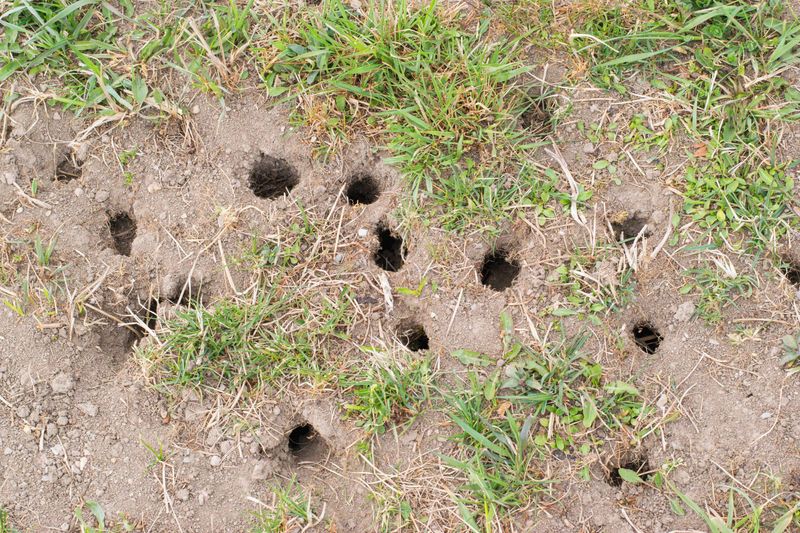
Morning coffee feels different when your lawn suddenly looks like someone poked it with a giant pencil overnight. Those small, shallow, cone shaped holes are a classic sign of a skunk hunting for tasty grubs.
Skunks dig with strong front claws, flipping up bits of turf while searching for beetle larvae and insects. The holes are usually about three or four inches across, which makes them easy to spot after rain.
Personally, I find it a little funny that skunks act like free pest control for our lawns. They happily munch white grubs, though the bumpy turf they leave behind is not quite the same favor.
Watered lawns often attract more digging, since moist soil keeps grubs close to the surface for hungry diggers. If you see fresh holes each morning, something is likely feeding nearby on a nightly schedule.
Armadillos also dig in many yards, so compare the holes before blaming the wrong animal right away. Armadillo holes tend to be deeper and narrower, while skunk holes look shallow with loosened, flipped up soil.
Holes that cluster near the deck can mean the animal does not travel far from home. A skunk that eats and sleeps in the same yard has found a comfortable setup worth checking more closely.
Reducing grubs through healthy lawn care can make your yard less tempting over time for these diggers. Ask your county extension office about grub timing before using any treatment, since many lawns need none.
3. A Round Burrow Opening Beside The Deck Skirting
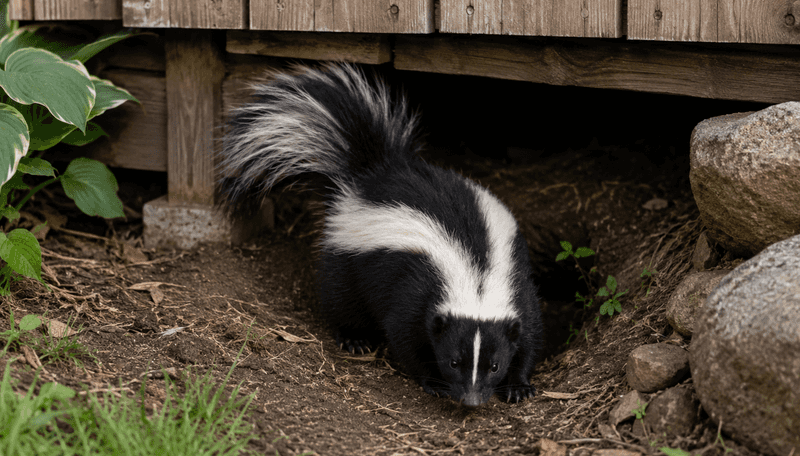
Some clues hide in plain sight, like a neat little doorway tucked under the edge of your deck skirting. A round or oval opening about four to six inches wide can be a skunk entrance.
Fresh dirt piled near the hole often means someone has been digging or widening the space lately. Skunks frequently move into gaps that already exist instead of digging large new tunnels on their own.
Take a closer look along steps, lattice panels, and spots where the boards sit close to the ground. Low, dark spaces with dry soil give skunks a safe place to rest during the bright daytime hours.
You might also spot a flattened trail of grass leading toward the opening from your lawn or garden. That little path forms when an animal walks the same route night after night, almost like a commute.
A simple test can help you learn if anyone is home before you seal any openings. Loosely stuff the hole with newspaper or sprinkle flour, then check the next morning for disturbance or tracks.
Never seal a hole without confirming it is empty, especially during spring when young may be inside. Trapped babies cause real heartache and terrible odors, so patience pays off for both you and the animals.
Once the skunk leaves on its own, install sturdy wire mesh buried several inches deep around the deck. An L shaped footer of hardware cloth helps block future diggers from sneaking back underneath your boards.
4. Rustling And Scratching Sounds After Sunset
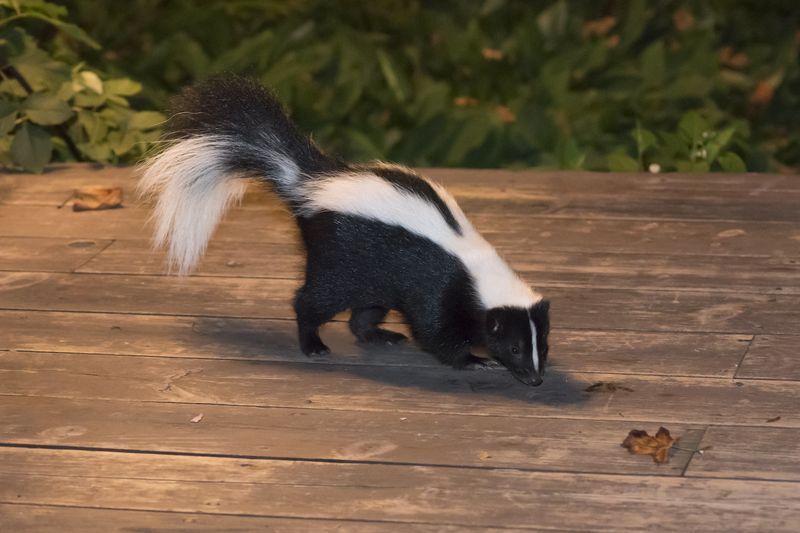
Quiet evenings on the porch can turn curious when the floor beneath your chair starts making soft shuffling noises. Skunks are mostly active at night, so their sounds often begin right around dusk.
You may hear gentle scratching, slow rustling, or the soft thump of a body settling into the dirt. These sounds usually feel slower and heavier than the quick, busy scurry of mice or rats.
Nobody warned me how loud a small animal can sound under hollow wooden boards on a still night. My first guess was a stray cat, which is fair, since adult skunks are roughly house cat sized.
Late spring often brings another sound worth noticing, the faint squeaking or chirping of young skunks. Mothers usually give birth around May, and the kits stay hidden in the den for several weeks.
Hearing babies changes your plans, because removing or blocking the mother too early can strand the young inside. Most families start leaving with their mother by midsummer, which often makes waiting the kindest option.
Skunks in colder northern areas may stay sluggish during winter, sometimes sharing dens to keep warm together. In much of the southern part of the state, mild weather lets them stay active through most months.
Listening from a safe distance gives you valuable information without risking a smelly encounter up close. Keep a simple notebook of when the sounds happen, since that schedule helps you plan any exclusion work.
5. Your Dog Sniffing One Spot Under The Deck
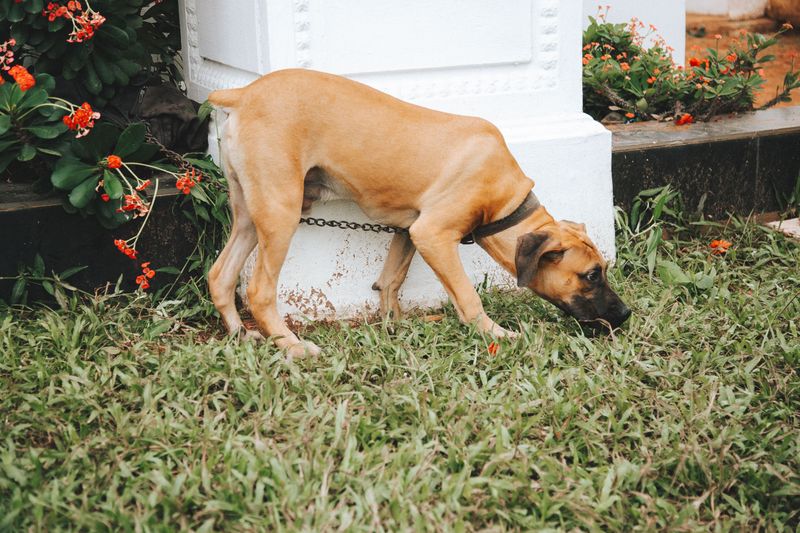
Dogs make wonderful backyard detectives, and their noses often notice a new neighbor days before we do. When your pup keeps returning to the same corner of the deck, it may be tracking skunk scent.
Repeated sniffing, digging, or whining at one spot deserves your attention, especially around dusk or early morning. Those are the hours when skunks usually come and go from their resting place nearby.
I love how dogs refuse to let a mystery go, but this particular mystery can end badly. A curious nose pushed into a den entrance is a perfect recipe for a face full of spray.
Keep dogs leashed or supervised in the evening if you suspect a skunk is living under the deck. Turning on a porch light and making some noise before letting pets out can warn wildlife to move along.
Skunks are also a known rabies carrier in Texas, so keeping pet vaccinations current really matters. Contact your veterinarian promptly if your pet tangles with any wild animal, even if no bite is visible.
Sometimes a dog comes inside smelling faintly musky without any obvious spray incident at all. That lingering scent suggests it got close to the den and brushed against areas where the skunk rests.
Instead of scolding your pet for that odd behavior, treat it as a helpful early alert. Then check the area in daylight for holes, tracks, and droppings while your furry assistant waits safely indoors.
6. Skunk Droppings And Tracks Near The Deck
Footprints tell stories, and skunk tracks have a charming little signature once you learn to read them. Each print shows five toes, with longer claw marks on the front feet built for digging.
Soft soil, mud, or a dusting of flour near the deck edge can capture these prints nicely overnight. Skunks waddle with a shuffling gait, so their tracks often look a bit messy compared with a cat’s.
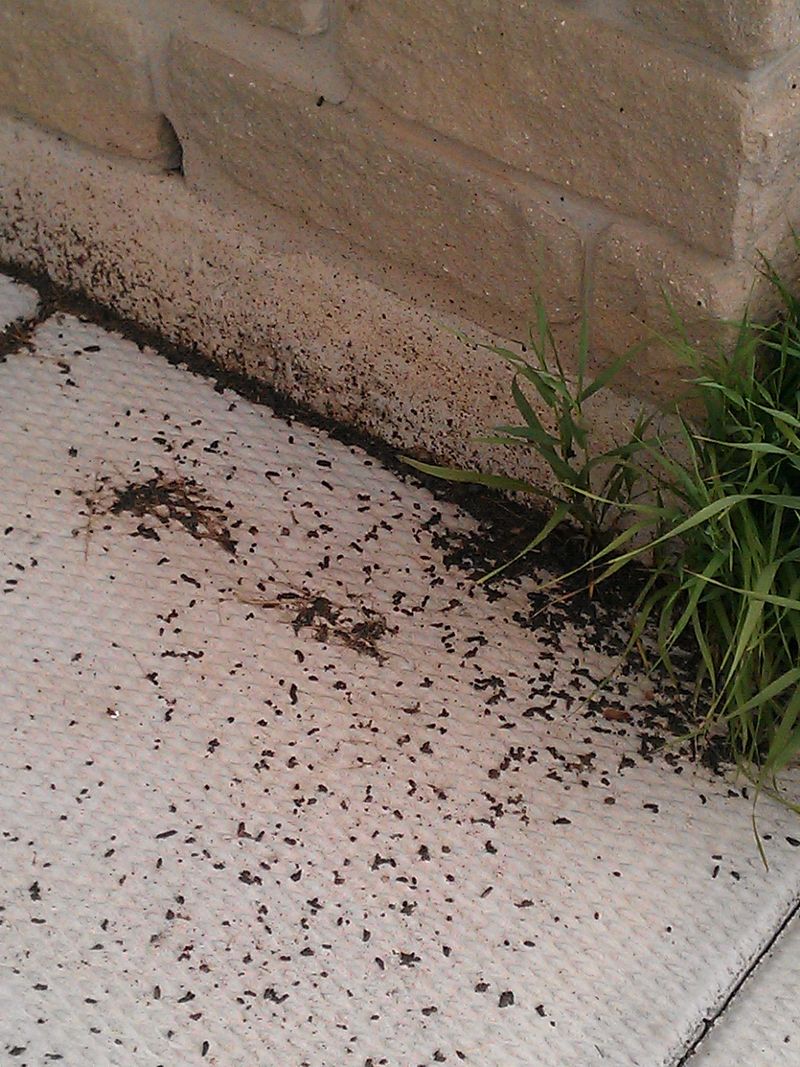
Droppings offer another clue, though nobody enjoys this part of backyard detective work very much. Skunk scat is usually tubular with blunt ends, roughly a quarter to half inch thick and a few inches long.
You may notice insect parts, seeds, or bits of fur inside, since skunks eat a varied menu. That mix reflects their omnivore diet of grubs, beetles, fruit, eggs, and the occasional small rodent.
Raccoons tend to use the same bathroom spot over and over, building up noticeable piles in one area. Skunk droppings are usually more scattered, often showing up near feeding areas or close to the den entrance.
Please wear gloves and use a shovel or bag if you need to clean up any wildlife droppings. Wildlife waste can carry parasites and germs, so wash your hands well and keep children and pets away.
Spotting tracks and droppings together with lawn holes builds a convincing case for a resident skunk. That combined evidence helps you decide whether to call a licensed wildlife control professional for safe help.
7. Rooted Garden Beds From A Hog Nosed Skunk
Some Texas gardeners meet a skunk with a snout that looks borrowed from a tiny pig. The American hog-nosed skunk uses its bare, broad nose to root through soil for insects and larvae.
This species has one wide white stripe down its back, which makes it look different from striped skunks. It lives across parts of central, southern, and western Texas, including rocky Hill Country areas and brushy country.
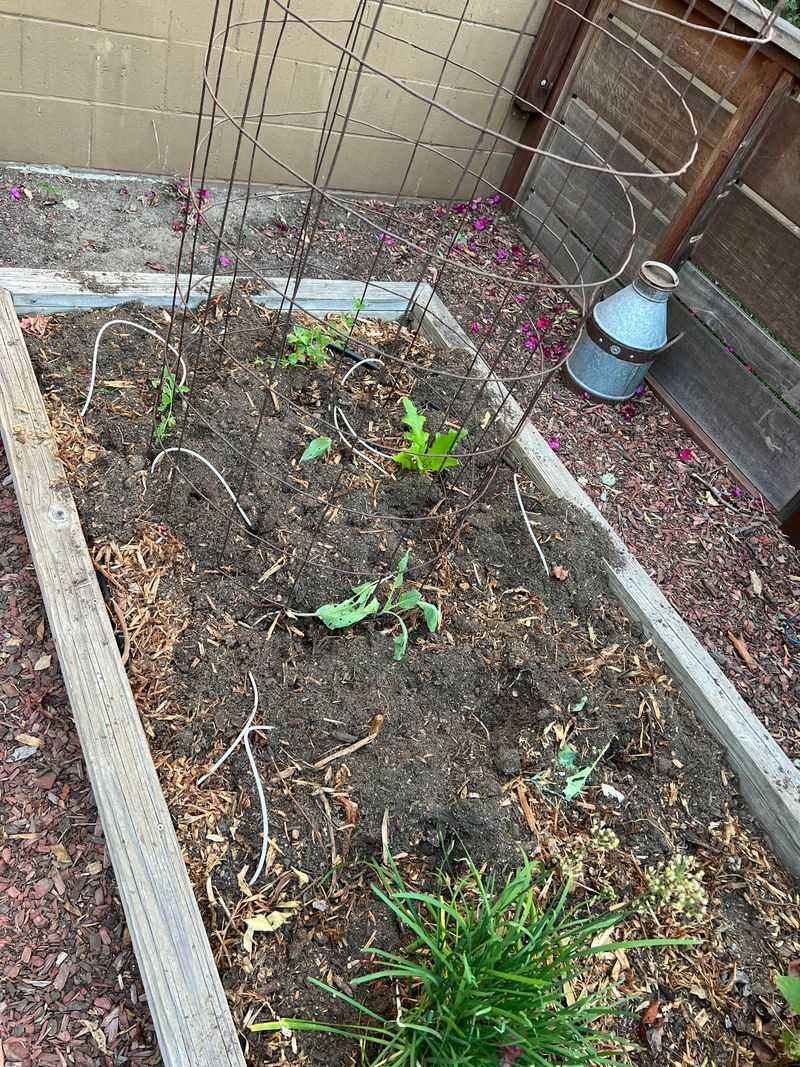
To my surprise, these skunks can leave patches that look plowed rather than neatly poked with small holes. Mulch gets shoved aside, soil gets flipped over, and small stones may be nudged out of place overnight.
Garden beds near the deck can suffer when a hungry skunk searches for beetle grubs among plant roots. Newly planted seedlings sometimes get uprooted by accident, even though the skunk was mostly after insects underneath.
Hog-nosed skunks often den in rock piles, brush, or sheltered spaces, so a low deck can look appealing. Clearing woodpiles and debris near the structure removes extra hiding spots that make your yard feel cozy to them.
Picking up fallen fruit and storing pet food indoors also helps reduce easy meals for nighttime visitors. Fewer snacks around the yard often means fewer reasons for any skunk to settle down nearby.
Texas allows landowners to handle nuisance skunks, but local rules and rabies concerns make professional help a smart choice. Check with your city or county animal services before trapping, since requirements can vary by location.