What Georgia Dogwoods Need In September For Next Spring’s Flowers
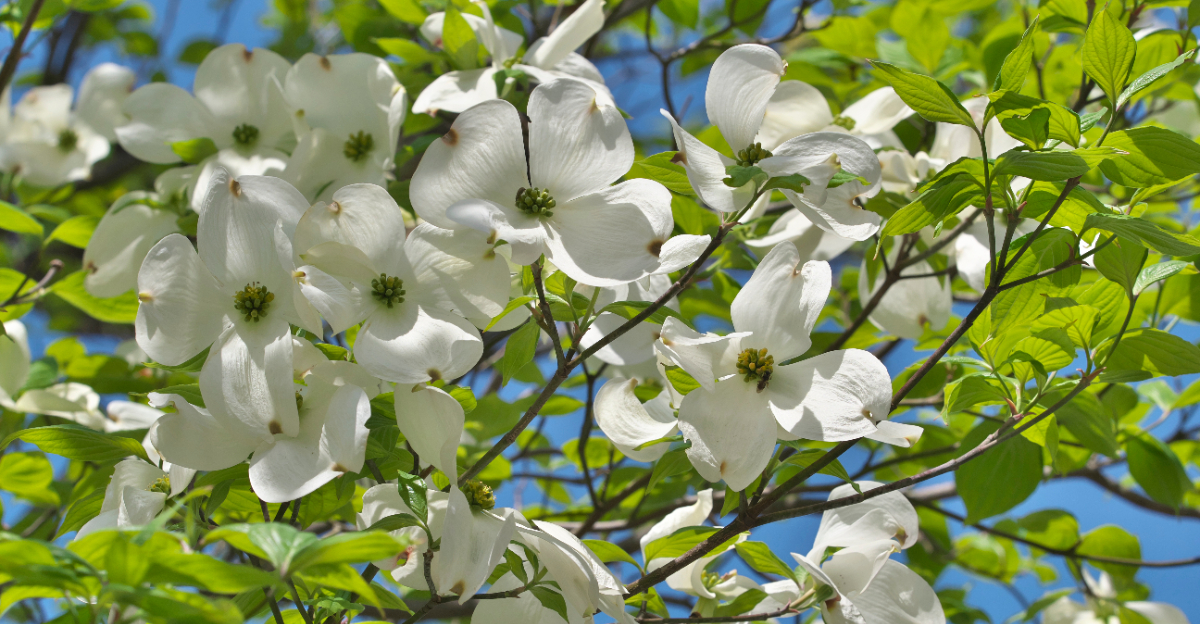
Next spring’s dogwood flowers begin their story long before your yard starts waking up from winter. By September, those familiar trees are already carrying flower buds that deserve careful treatment.
What you avoid doing now can matter just as much as any care you provide.
Georgia dogwoods have spent months handling summer heat, and early fall brings another shift in their yearly cycle. This is not the time to treat every branch like spring growth is still ahead.
Look closely before making changes simply because the blooming season feels far away.
Your tree is preparing for next year while this year’s leaves are still hanging on. Simple care choices can help protect the work it has already started.
September may seem quiet, but your dogwood’s next flower show is already taking shape.
1. Protect The Flower Buds Already Forming For Spring
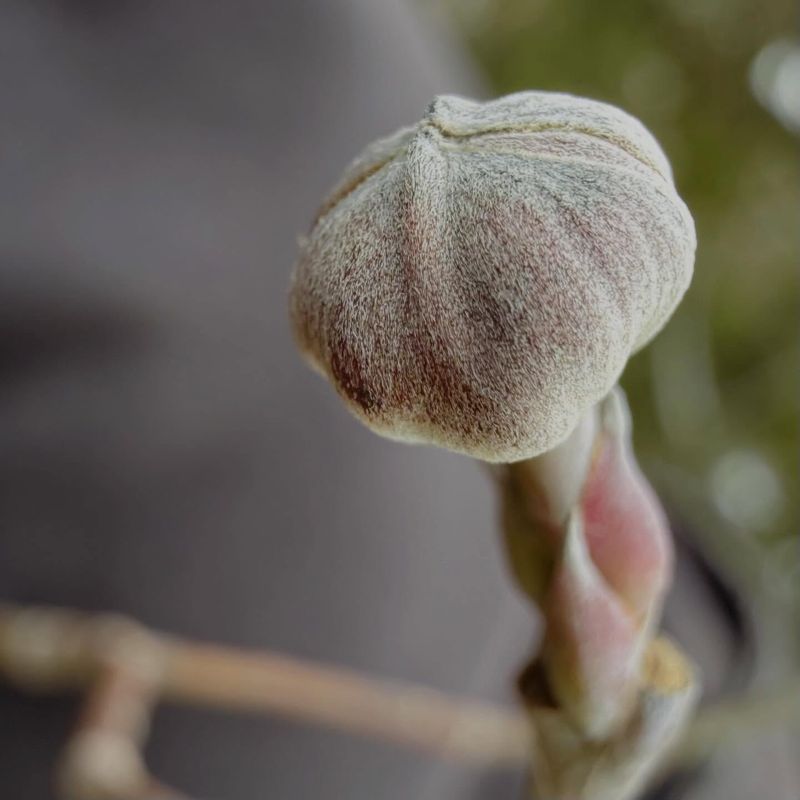
Right now, while the calendar says fall, your dogwood is already thinking about spring. Flower buds on flowering dogwoods form in late summer and stay on the branches through winter.
By the time September arrives, those buds are already set and sitting at the tips of the branches.
Anything that damages those tips puts next spring’s bloom at risk. Physical bumps from lawn equipment, strong pressure washing near the canopy, or careless handling around the tree can knock off or injure developing buds.
These are small and easy to overlook, but they matter.
Stress from drought, soil compaction, or pest pressure can also weaken bud development. A tree that struggled through a hot, dry August may have set fewer buds than one that stayed consistently watered.
Checking on the tree’s overall condition now gives you a chance to correct what you can before winter settles in.
Walk around the tree and look at the branch tips. Healthy dogwood buds are rounded and firm.
If tips look shriveled or broken, something has already interfered. You cannot recover lost buds, but you can protect what remains.
Keeping foot traffic and equipment out from under the canopy through fall helps preserve those buds until they open in spring.
2. Leave The Pruning Tools Alone This September
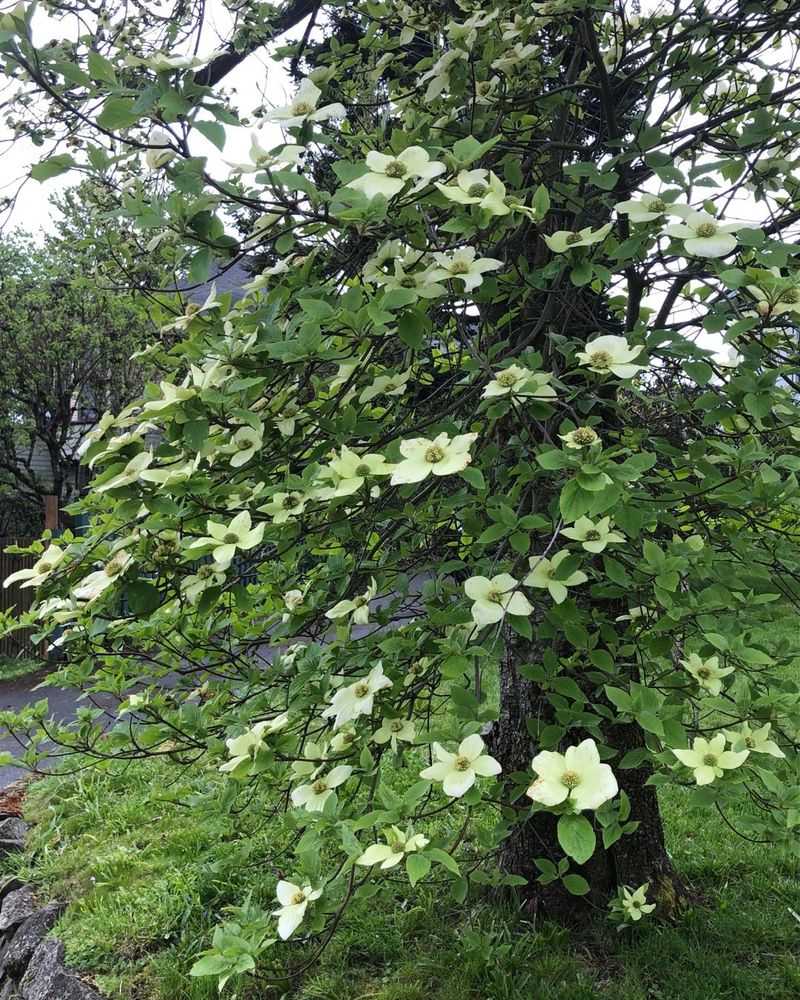
Picking up the pruning shears in September feels productive, but it can quietly set back next spring’s bloom. Flowering dogwoods carry their flower buds at the very tips of their branches.
Cutting those tips off removes the buds before they ever get a chance to open.
Late summer and fall pruning is one of the more common reasons dogwoods underperform in spring. Gardeners see a few wayward branches and want to tidy things up.
The tree looks fine afterward, but the bloom count drops noticeably the following April.
Pruning is best done right after the tree finishes flowering in spring. At that point, the old buds have already opened and new growth has not yet set next season’s buds.
You get a clean window to shape the tree without sacrificing the coming year’s flowers.
September is not that window. If a branch is broken, crossing another, or showing signs of a problem, removing it is reasonable.
Your Georgia Garden Changes Every Week. Your Plan Should Too.
Gardening in Georgia changes quickly throughout the season. Every Friday you’ll receive a simple weekly plan showing exactly what to plant, prune, fertilize, harvest, and protect so you never miss the right timing.
But routine shaping, trimming for size, or cutting back for appearance should wait. The tree is heading into a rest period and does not need the added stress of unnecessary cuts.
Put the tools away and let the buds stay where they are until spring has come and gone.
3. Give The Tree Relief From Harsh Afternoon Sun
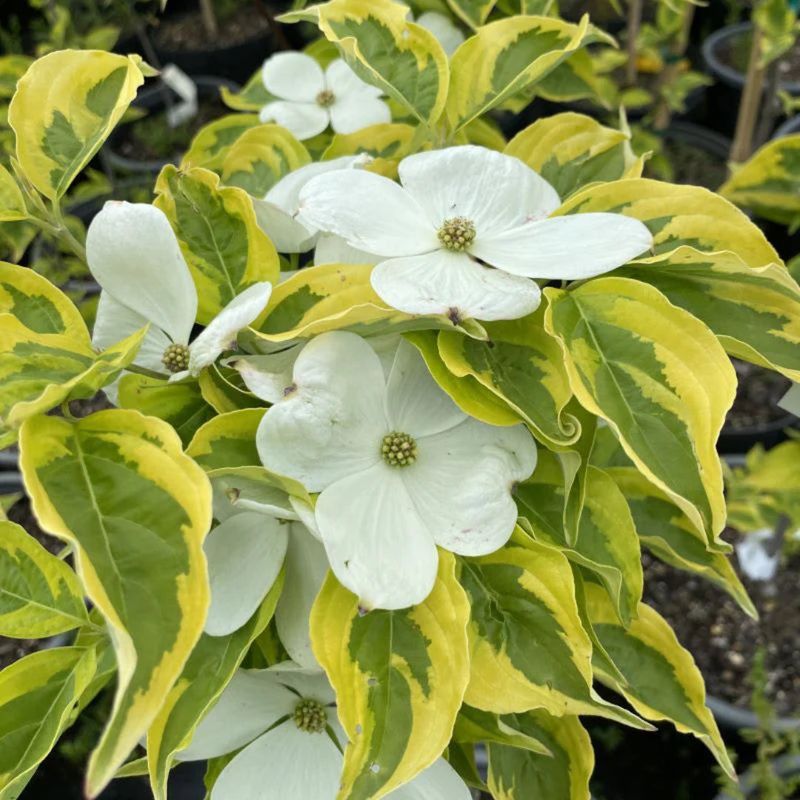
Flowering dogwoods are edge-of-the-forest trees by nature. They grew up beneath taller canopies, getting morning light and afternoon shade.
Planting one in full sun exposure, especially with hot western afternoon rays, puts the tree under ongoing stress.
In Georgia, afternoon sun in September can still be intense. A dogwood sitting in full, unbroken sun through the hottest part of the day may show leaf scorch, early leaf drop, or overall fatigue by fall.
Stressed trees going into winter tend to bloom less reliably in spring.
If your dogwood is in a spot with heavy afternoon exposure, there are a few practical options. Taller shrubs or small trees planted nearby on the west side can create some natural relief over time.
Temporary shade cloth is another option for trees in particularly harsh spots, though it is not a long-term solution.
For newly planted dogwoods, site selection matters more than almost anything else. A spot with morning sun and afternoon shade sets the tree up for better long-term health.
Established trees are harder to relocate, but even modest improvements to their light environment can reduce stress. A tree that is not fighting sun damage through summer and fall tends to enter spring with more energy available for flowering.
4. Water Deeply When Rainfall Is Not Enough
September rainfall in the Southeast is unpredictable. Some years bring steady rain through early fall.
Other years, the region stays dry well into October. Dogwoods heading into winter without enough soil moisture carry that stress forward, and it can show up in reduced flowering come spring.
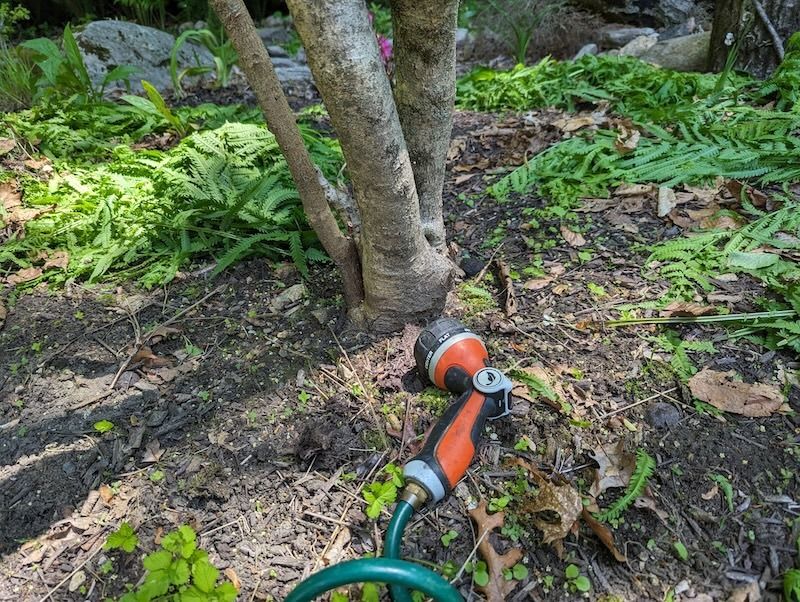
Watering deeply is more effective than watering frequently with small amounts. A slow, deep soak once or twice a week during dry stretches encourages roots to stay healthy through the fall transition.
Shallow, frequent watering can lead to surface rooting, which makes the tree more vulnerable to temperature swings.
The goal is consistent moisture in the root zone, not soggy soil. Waterlogged conditions around dogwood roots can cause their own set of problems.
Well-drained soil that stays evenly moist is the target. If water is pooling and not absorbing within a few hours, drainage may need attention.
A simple way to check soil moisture is to push a finger or a screwdriver about three inches into the ground near the drip line. If it comes out dry, the tree likely needs water.
If it comes out with moist soil clinging to it, conditions are probably adequate. Adjust based on what you actually find rather than following a fixed schedule regardless of conditions.
5. Refresh Mulch Around The Root Zone
Mulch does quiet, steady work all year long. Around dogwoods, it helps hold soil moisture, moderate soil temperature, and reduce competition from grass and weeds.
Going into fall with a thin or patchy mulch layer means the root zone has less protection through the cooler months ahead.
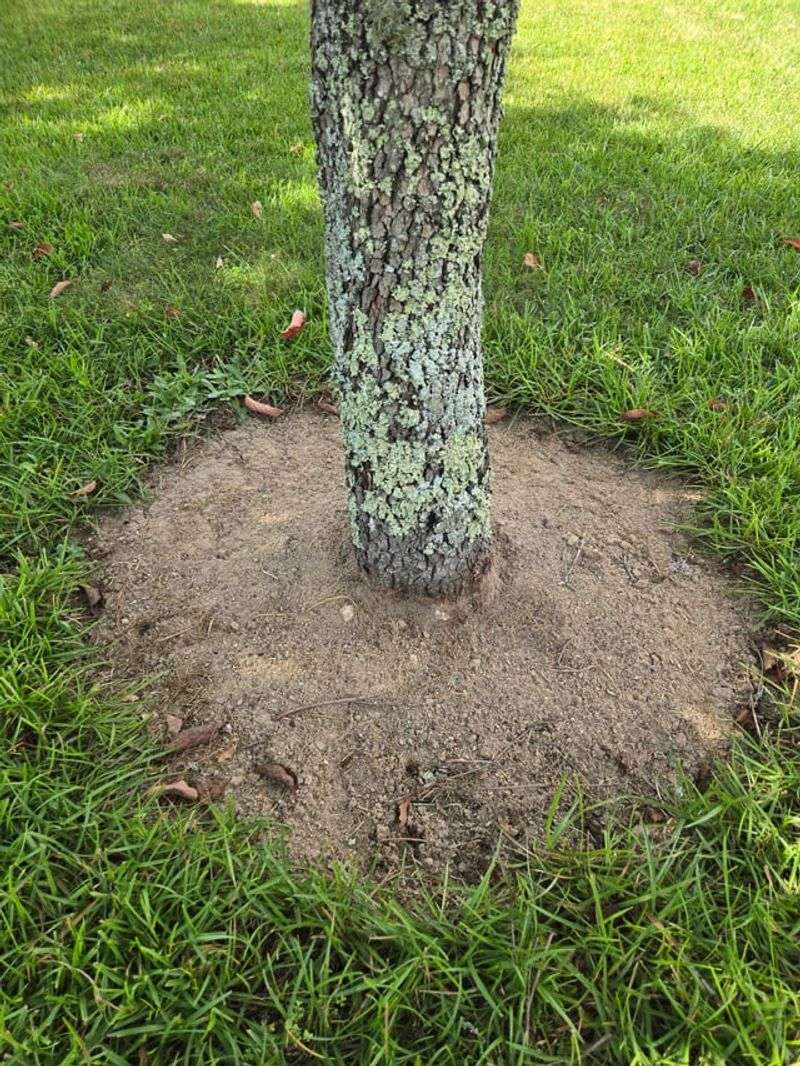
A fresh layer of organic mulch in September, about two to three inches deep, can make a real difference. Shredded hardwood, pine bark, or wood chips all work well.
Spread the mulch out to the drip line of the canopy if possible, covering as much of the root zone as you can reach.
One important detail: keep mulch pulled back a few inches from the base of the trunk. Mulch pressed against the bark can trap moisture against the wood and create conditions where problems develop over time.
A small gap between the mulch and the trunk is the right approach.
Avoid piling mulch into a thick mound against the trunk. A flat, even layer spread wide is far more useful than a deep pile concentrated near the base.
Dogwood roots are shallow and spread outward. Covering a wide area with a moderate mulch depth protects more of the root system than a small, deep pile close to the tree.
Refreshing what is already there, rather than adding excessive new layers, is usually enough.
6. Keep Fallen Leaves From Hiding Tree Problems
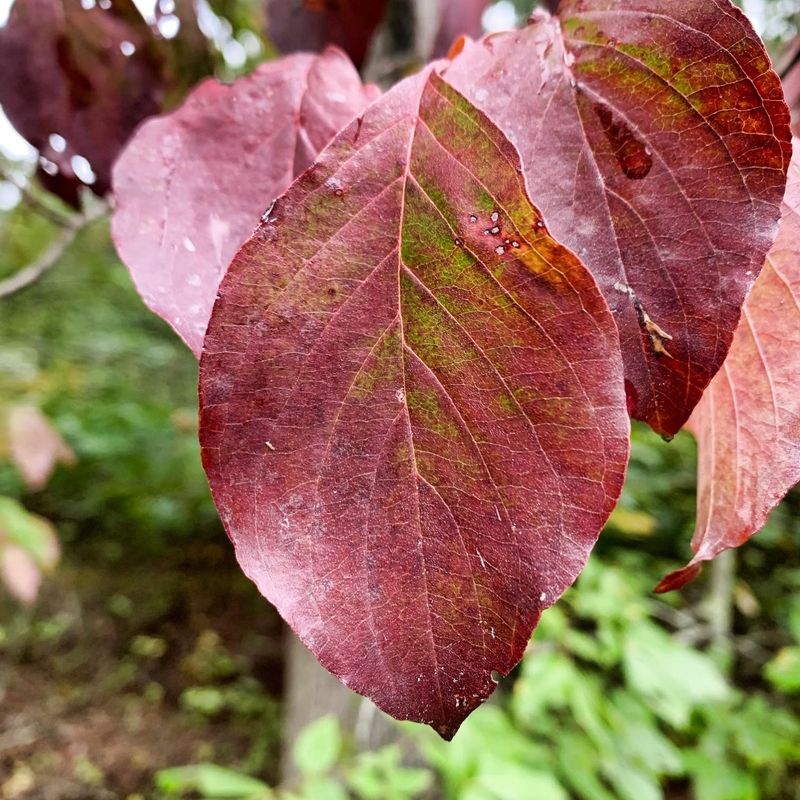
Before the leaves fall off completely, they can tell you something useful. September is a good time to take a slow walk around the tree and look at the foliage while it is still attached.
Spotting, unusual discoloration, or patchy yellowing may point to conditions worth noting before everything drops.
Dogwood foliage naturally turns red or reddish-purple in fall, which is normal and expected. What stands out is spotting with defined edges, dark blotches, or leaf distortion that does not match the typical fall color shift.
These signs do not automatically mean something serious, but they are worth tracking.
Once leaves fall and cover the ground, it gets harder to read what was happening with the tree. Raking or clearing fallen leaves from around the base also removes potential hiding spots for overwintering pests and pathogens.
Clean ground around the tree going into winter is a reasonable practice.
You do not need to be an expert to notice when something looks off. Take a few photos of any unusual leaves before they drop.
A local cooperative extension office can often help identify what you are seeing if it turns out to be something that needs attention.
Catching a potential issue in September, while the tree is still leafed out, gives you more options than discovering it in spring when bloom season is already underway.
7. Protect Shallow Roots From Yard Damage
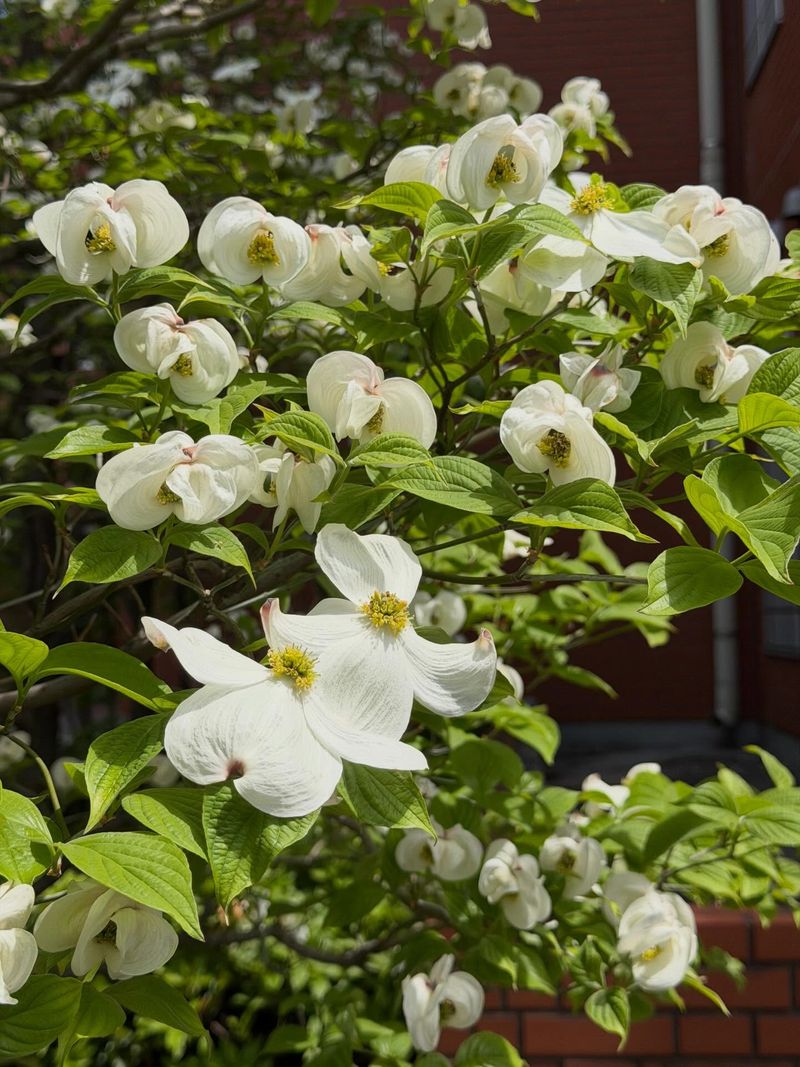
Dogwood roots run close to the surface. Unlike deep-rooted trees, flowering dogwoods spread their roots outward in the upper layers of soil, often right beneath the grass or mulch layer.
That makes them easy to damage without realizing it.
September yard projects can be risky for established dogwoods. Digging for new plantings, running trenches for irrigation lines, or parking heavy equipment under the canopy can sever or compress roots that the tree depends on.
Root damage does not show up immediately. A tree can look fine through fall and winter, then bloom poorly or decline the following spring.
The area beneath the canopy, out to the drip line, is where most of the feeder roots are active. Avoiding soil disturbance in that zone is one of the simplest ways to protect a mature dogwood.
Foot traffic alone, if heavy and repeated, can compact soil enough to affect root function over time.
Marking the drip line with a simple border or stakes can help remind family members and contractors where to avoid working.
If yard projects are planned near an established dogwood, routing them around the canopy edge rather than through it is worth the extra effort.
Roots that stay undisturbed through fall go into winter in better shape, and trees with healthy root systems tend to flower more reliably when spring arrives.