What It Means When California Succulents Start Changing Color In Fall
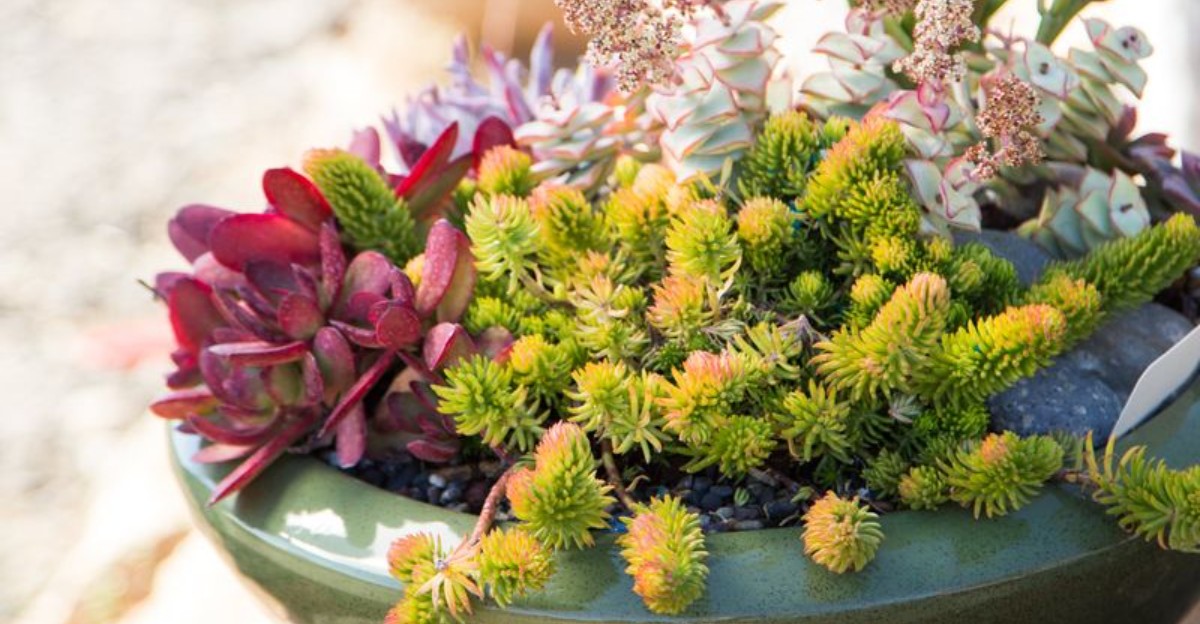
Your succulents just sent you a message.
No text. No email. No little ping on your phone. Just a quiet change that shows up one crisp morning, right when you least expect it.
Maybe the jade by the front steps looks a little different. Maybe the rosettes on the patio caught your eye for a new reason.
Something has shifted, and it is hard to ignore.
So what exactly are they trying to say? Is it a warning? A compliment?
Some gardeners panic. Others grab the hose on instinct. A few simply shrug and hope for the best.
The truth sits somewhere much more interesting. That change tells a story about sunlight, temperature, water, and the way these tough little plants protect themselves.
Most of the time, the news is good. Once in a while, it hints at something that deserves a closer look.
Curious how to read the message correctly? Grab your coffee and step outside for a peek. Your plants have been patiently waiting for you to notice.
Cooler Temperatures Trigger Stress Pigments
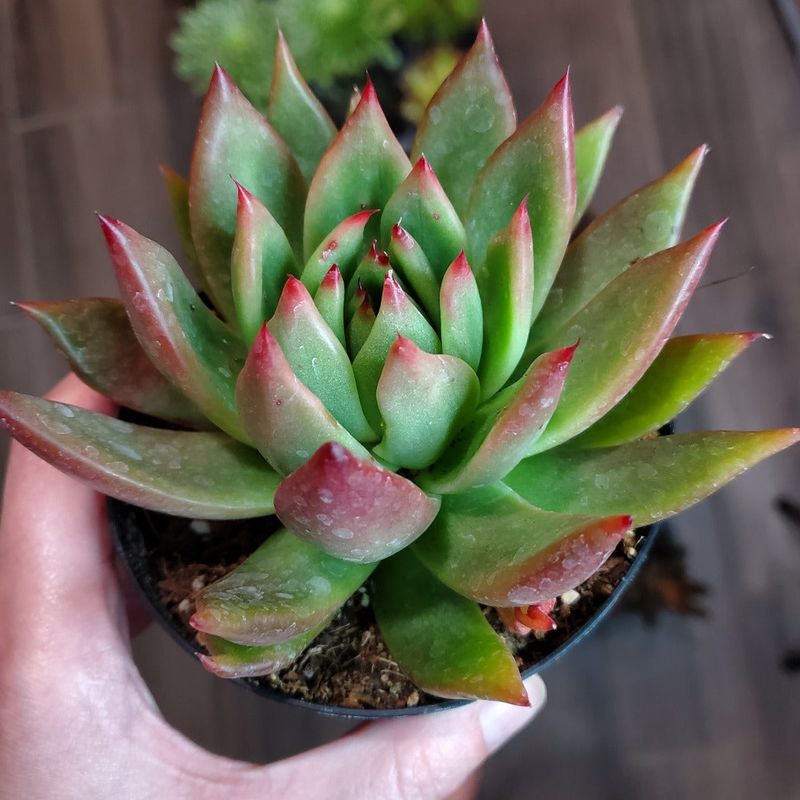
October nights in the Central Valley finally dip below 50 degrees. Your echeveria notices before you do.
Inside its leaves, a quiet chemical switch flips on.
Many succulents respond to cool nights with pigments called anthocyanins. They belong to the same family that makes blueberries blue and red cabbage purple.
In plants, these pigments act a bit like natural sunscreen. They may help protect leaf cells when cold slows normal growth.
Chlorophyll, the green pigment, turns sunlight into food. That process slows down as temperatures drop.
The sun still shines, though, so the plant can take in more light energy than it can use. Red and purple pigments help shield the leaf from that extra load.
California’s fall weather makes this easy to spot. Warm, sunny days followed by cool nights show up from coastal San Diego to the Sierra foothills.
Jade, sedum, aeonium, and many echeverias tend to blush at leaf tips and edges first.
Now keep an eye on those leaf margins, because the show starts small. Nighttime lows in the 40s and 50s usually kick things off.
Frost is another story. Many succulents can suffer damage below 32 degrees.
Cover tender plants or tuck pots under an eave on the coldest nights.
Your succulents get a rosy glow without a single trip to the makeup counter. Mother Nature handles the blush all on her own.
More Direct Sun Intensifies The Shift
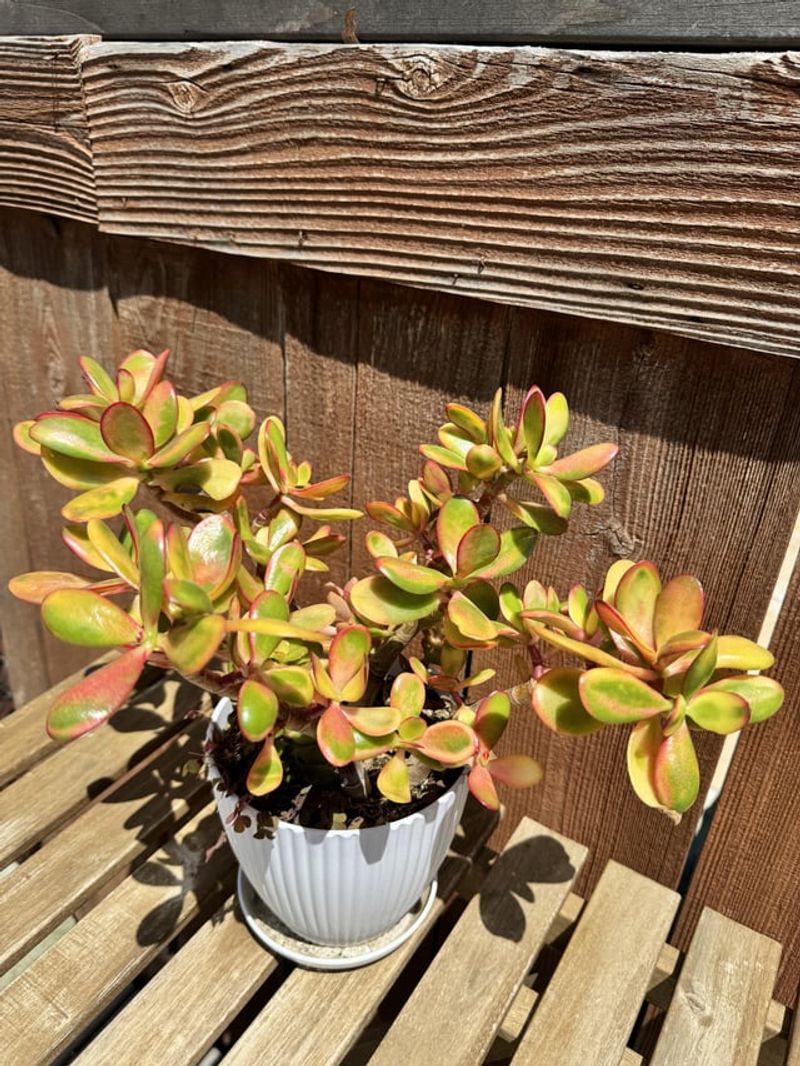
Try a simple experiment this fall. Set one pot of jade in a bright, sunny spot and leave its twin in partial shade.
After a few weeks, the sunny one will likely show red edges. The shady twin tends to stay mostly green.
Sunlight is a big driver of succulent color. Strong, direct light pushes the plant to produce more protective pigments.
Cool air plus bright sun makes a powerful combination. That pairing explains why fall colors can look so bold in California gardens.
Fall also changes the sun itself. Trees drop leaves, shade patterns shift, and some spots suddenly get more light than in summer.
Your California Garden Changes Every Week. Your Plan Should Too.
Gardening in California changes quickly throughout the season. Every Friday you’ll receive a simple weekly plan showing exactly what to plant, prune, fertilize, harvest, and protect so you never miss the right timing.
A plant tucked in shade in July might sit in full sun by November.
Now for a tip that color fans will love. Move succulents toward brighter light a little at a time, over a week or two.
A sudden leap from shade to harsh sun can scorch leaves.
Learn the difference between a blush and a burn. A healthy color shift spreads evenly and looks bright.
Sunburn usually shows up as bleached white, tan, or crispy brown patches on the side that faces the sun. Those spots will not turn green again.
Your jade twins may end up with very different fall looks. One goes bold and red, the other stays classic green, and both are perfectly happy.
Siblings, after all, rarely dress alike.
Reduced Water Can Deepen The Color Too
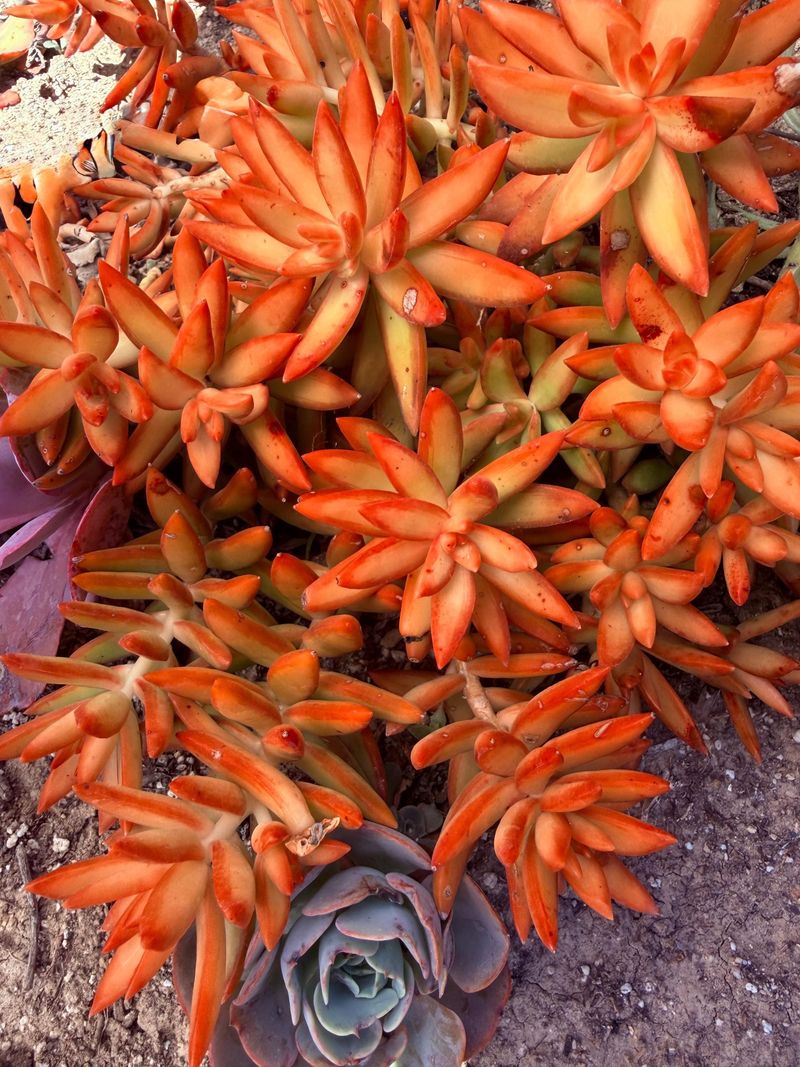
Good news for busy gardeners: a lighter hand with the hose can actually make succulents prettier. Many people notice brighter plants after a stretch of fewer drinks.
A real reason sits behind that pattern.
Mild water stress triggers pigment production in many succulents. Drier soil slows growth and shifts the plant into a more protective mode.
Extra anthocyanins often show up as deeper reds, oranges, and purples. The effect grows stronger when dry soil lines up with cool nights and bright sun.
Fall is a natural time for this in California. Many succulents slow down as days shorten, so they need less water than in summer heat.
A lighter schedule fits their needs and brings out richer color at the same time.
Now for an easy rule to follow. Let the soil dry out completely before the next drink. Then soak it well and let the extra drain away.
Check with your finger an inch or two down. Damp soil means wait a few more days.
Balance still matters, though. Leaves that look deeply wrinkled, thin, or deflated signal real thirst.
A good drink usually plumps them back up within a few days. The color often stays put afterward.
Your succulents get richer color, and you get more free time. That is a rare win-win in the garden world.
Red And Purple Tones Are Usually Healthy
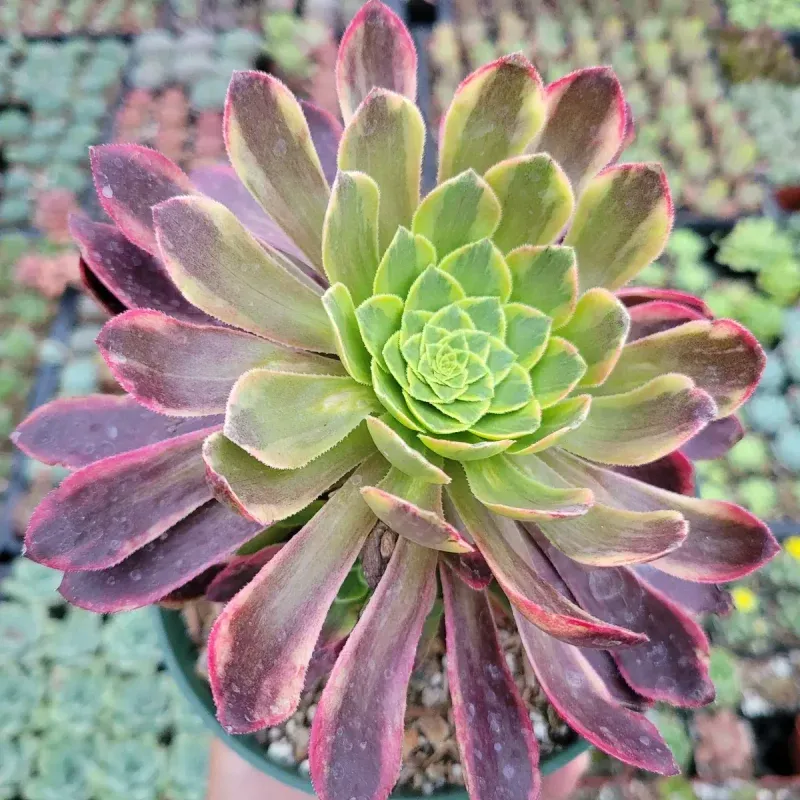
Take a deep breath, plant parent. That bright red rim on your jade or the purple glow on your aeonium is almost always good news.
Your plant is doing exactly what nature designed it to do.
The word stress can sound scary, but it means something gentler here. Mild stress from cool air, bright light, or drier soil nudges the plant to protect itself.
Those colorful pigments are part of that protection, like a hiker who puts on a sun hat.
Maple trees offer a helpful comparison. Nobody panics when a maple turns orange in October.
Your succulents put on their own seasonal show, just in a smaller, more compact package.
Now take a close look at the whole plant, because the details tell the real story. Healthy leaves stay firm and plump. The rosette holds its shape.
New growth in the center still looks normal, even with a pink tint.
Plenty of popular varieties earn fame for fall color. Sedum ‘Firestorm,’ echeveria ‘Afterglow,’ and pencil cactus ‘Sticks on Fire’ all blaze once conditions cool down.
Growers seek them out for exactly that reason.
A colorful display in your yard means your plants feel right at home. Snap a few photos, because this is one outfit change worth sharing.
Your phone gallery may soon look like a sunset collection.
It Signals Good Light Not A Problem
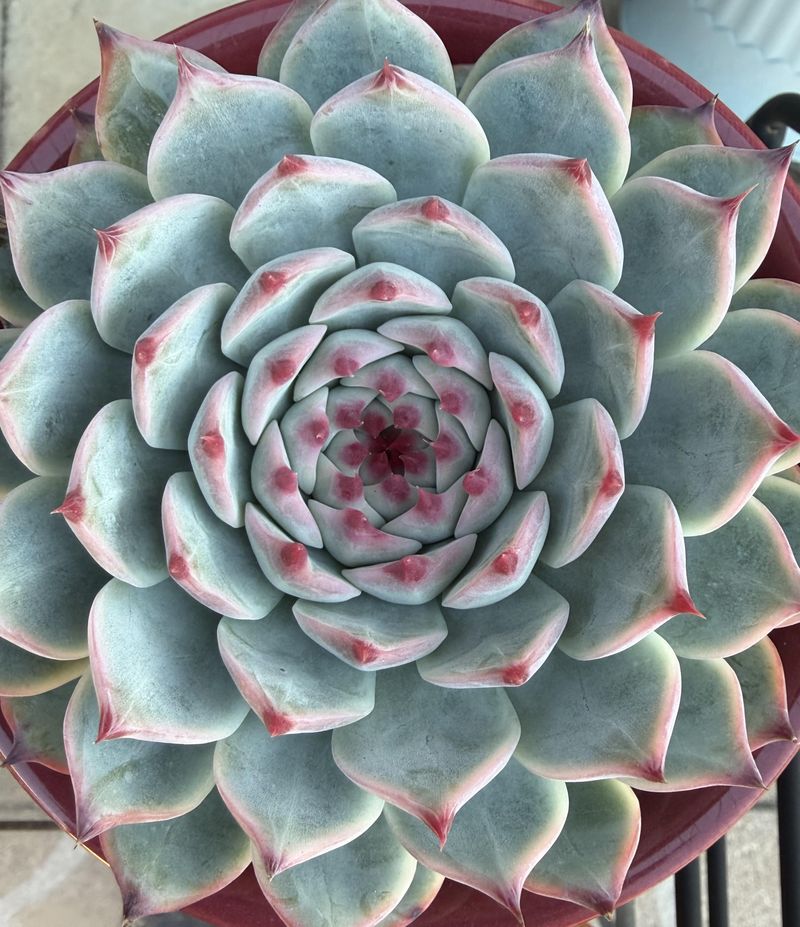
Plenty of growers actually worry more when their succulents stay plain green and pale. Bright color often means you picked the right spot.
That surprises plenty of new plant owners.
Succulents with plenty of light tend to grow tight and compact. Their leaves pack closely together.
That same strong light helps bring out red, orange, and pink shades. So a colorful plant is often a well-lit plant.
A succulent stuck in a dim corner tells a different story. It usually loses color and turns a washed-out green.
Then it starts to stretch toward the nearest window. Gardeners call this etiolation.
It leaves the plant tall, leggy, and weak, with big gaps between leaves.
Indoor growers in California can use color as a helpful clue. A windowsill echeveria that stays dull and starts to lean probably wants more light.
A south or west-facing window can make a real difference. So can a few hours outside on a bright porch.
Now try a quick three-point check, and it takes less than a minute. Look for tight growth, firm leaves, and a warm blush on the tips.
All three together usually mean a healthy amount of sun.
That rosy color works like a thank-you note from your plant. Much nicer than a complaint letter, and no stamp required.
Color Fades Back Once Conditions Shift
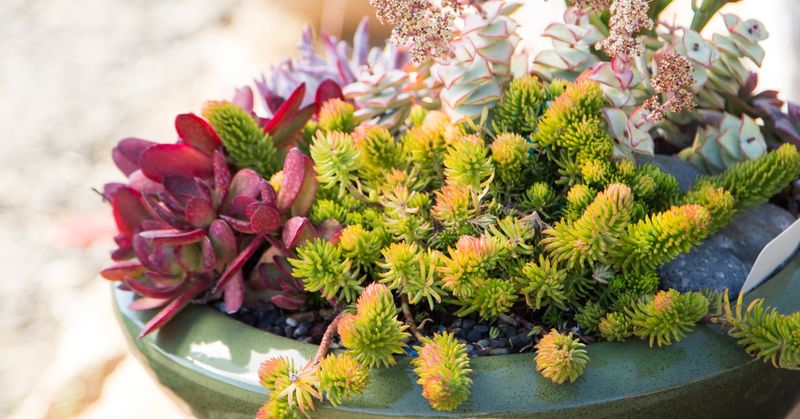
Enjoy the show while it lasts, because it will not stay forever. By late spring, that fiery sedum might look green again.
Nothing went wrong. The plant simply follows the seasons.
Pigment production ties to conditions and does not lock in for good. Warmer nights, more frequent water, or a change in light can all reduce red and purple pigments.
Chlorophyll then takes center stage again. Green tones return, often in new leaves at the center first.
In much of California, this shift tends to show up with spring. Longer days and warmer temperatures push many succulents into active growth.
Older, colorful outer leaves may slowly fade while fresh green ones take over.
A move can change color too. A red-tipped succulent brought indoors for winter may drift back to green within weeks, since indoor light is usually weaker.
Back outside, with time to adjust, the blush can return.
Now for a little trick for fans of year-round color. Give plants the brightest spot that stays free of scorch. Water only once the soil dries out.
Nature still runs the show, but you can gently encourage those warmer tones.
Your succulents change outfits with the seasons, a bit like a closet that swaps sweaters for tank tops. Luckily, they skip the laundry pile.
Most Cases Need No Response At All
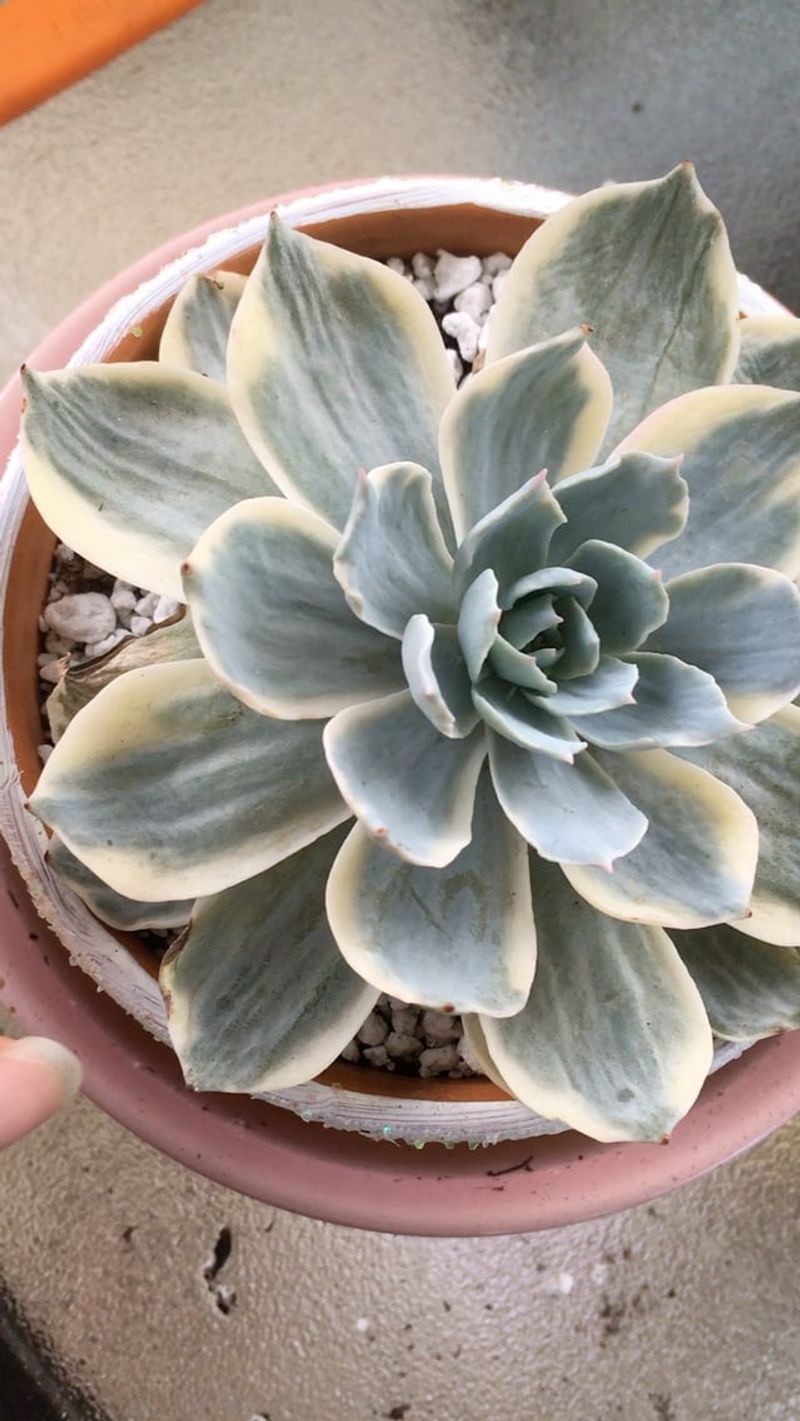
Sometimes the best move a gardener can make is no move at all. A succulent that blushes but still looks firm and full deserves admiration, not action.
Still, a few warning signs help you catch the rare real problem.
Start with a gentle squeeze test. Healthy leaves feel firm and plump, even in bright red.
Leaves that feel soft and mushy, look see-through, or turn black may point to too much water or rot. Rainy California winters make this more likely.
Next, look for shrivel. Deep wrinkles, thin flat leaves, or a deflated look usually mean the plant needs water.
A thorough soak with good drainage often fixes this quickly.
Now keep an eye on the bottom of the plant, because leaf drop tells a story too. A few old lower leaves falling off is normal.
Many leaves dropping at once signals trouble. Check the roots and soil, and move the plant away from soggy ground or frost.
Finally, watch for crispy white or brown patches. Those usually mean sunburn or frost damage.
Color alone is rarely a problem. Color plus decline deserves a closer look.
So pour that coffee, pull up a chair, and enjoy the colorful view. Your succulents did all the hard work, and your only job is to appreciate it.