What It Really Means When Garter Snakes Show Up In Your Texas Garden
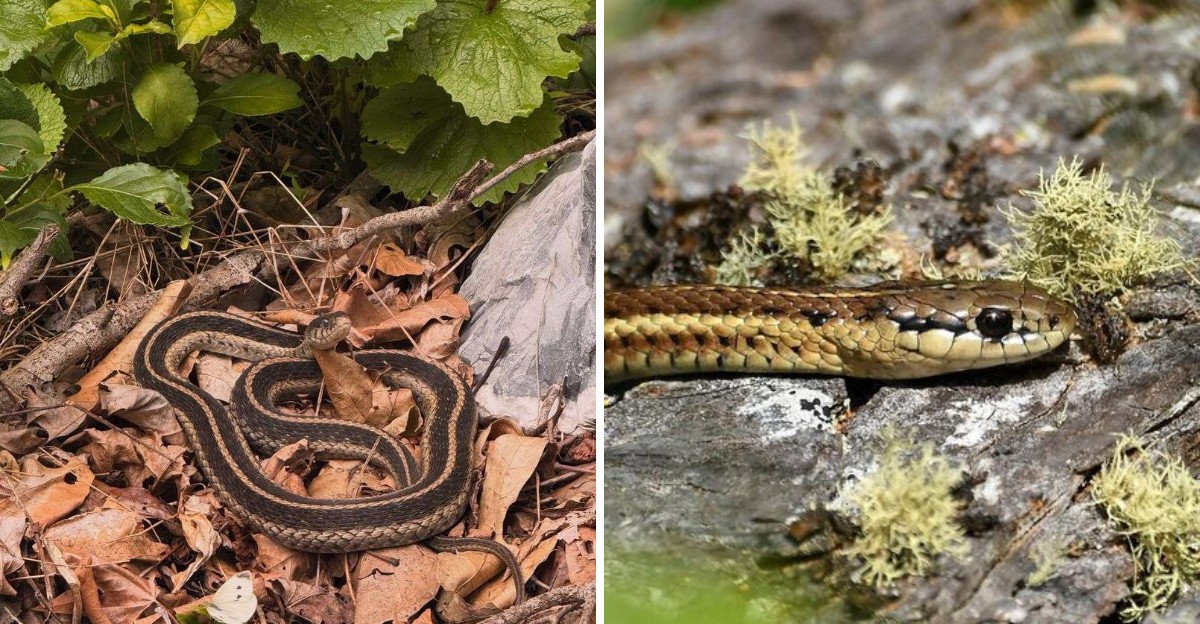
A garter snake in your Texas garden is one of those encounters that produces an instant reaction, usually a sharp step backward before anything else.
They move quickly and appear without warning, which is most of what makes them startling regardless of how harmless they actually are.
But once the initial surprise passes, a garter snake in the garden is worth a second look and a moment of genuine curiosity. These snakes are not in your garden randomly.
Garter snakes are purposeful hunters that move through environments offering reliable food and favorable habitat conditions.
A garden that keeps producing garter snake sightings is a garden that has built up specific resources that these snakes find consistently attractive.
What those resources are tells you something real and useful about the health and character of your outdoor space.
1. Your Garden Has Plenty Of Food
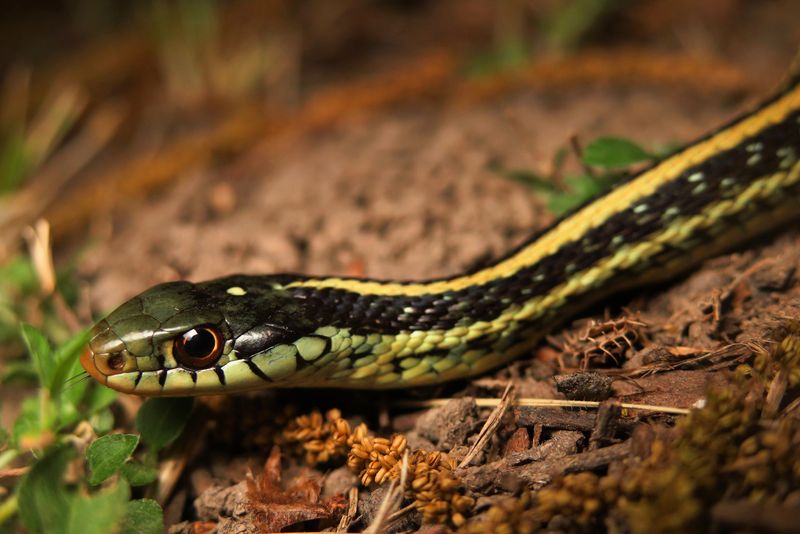
Snakes go where the food is, plain and simple. When a garter snake shows up in your yard, it usually means your garden is packed with tasty little snacks it loves to eat.
These snakes have a big appetite for small prey. Earthworms, slugs, insects, and even tiny frogs are all on the menu.
If your soil is full of wiggling worms and your plants attract bugs, a garter snake sees your garden as an all-you-can-eat buffet.
Think of it as a sign that your yard is alive and healthy. Texas garden with lots of small creatures means the food web is working the way nature intended. Plants feed the bugs, bugs feed the snakes, and everything stays balanced.
You might not enjoy slugs chewing your leaves, but the snake sure does. Every slug or grub it eats is one less pest bothering your vegetables and flowers.
If you want fewer snakes, you can reduce their food supply. Cleaning up rotting leaves and keeping bug populations lower makes your garden less appealing to hungry visitors.
Still, many gardeners choose to leave things be. A snake quietly munching pests can save you time and effort. It works like a free helper you never had to hire.
Next time you see one, remember it followed its stomach right to your yard. Your garden earned that visit by being full of life. That is actually a compliment to how well your outdoor space is thriving.
2. There’s Plenty Of Cover Nearby
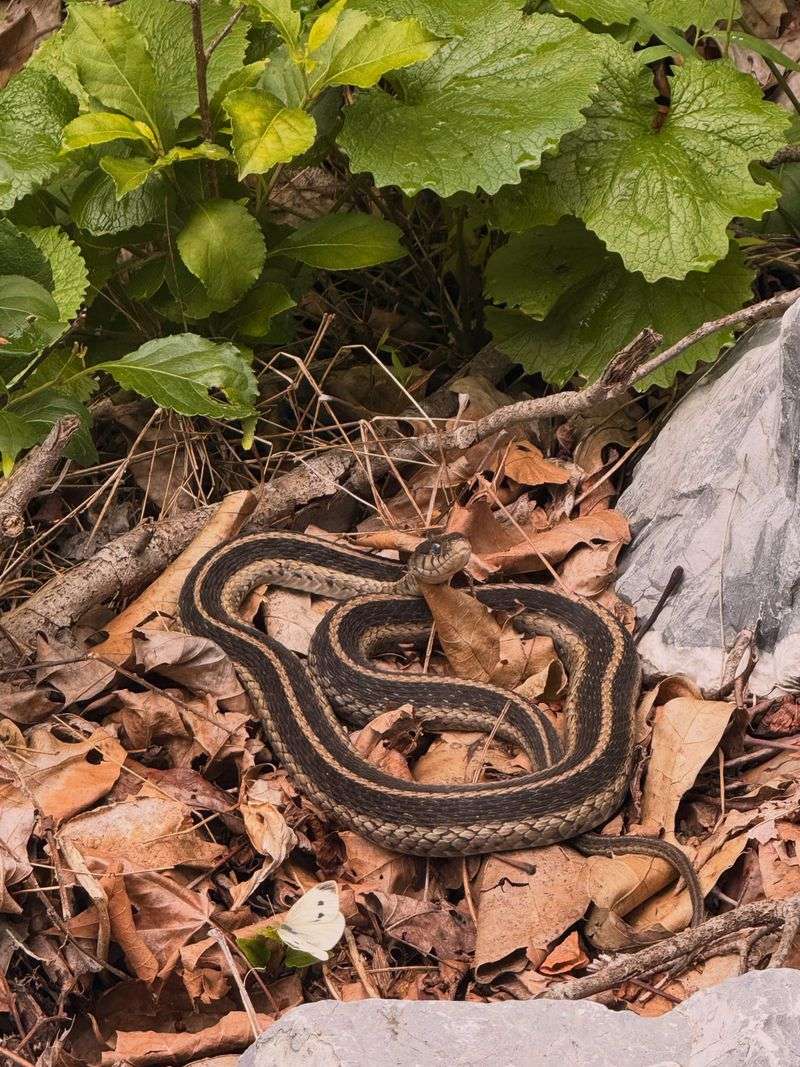
Garter snakes love a good hiding spot, and your garden probably has plenty. Thick plants, mulch, rocks, and old logs all give these snakes safe places to rest and stay out of sight.
Cover matters a lot to a small snake. Hawks, cats, and other animals would love to make a meal of it, so it needs shady corners and tight spaces to stay protected. A pile of leaves or a stack of firewood works perfectly.
Dense flower beds and tall grass also do the trick. When plants grow close together, they create cool, shady tunnels where a snake can slip through unnoticed. It feels safe and hidden there.
Your Texas Garden Changes Every Week. Your Plan Should Too.
Gardening in Texas changes quickly throughout the season. Every Friday you’ll receive a simple weekly plan showing exactly what to plant, prune, fertilize, harvest, and protect so you never miss the right timing.
These same spots often hold moisture and bugs, so the snake gets shelter and food in one place. That combination is hard for any critter to resist.
If you would rather not host snakes, trimming back overgrown areas helps a lot. Keeping mulch thin, moving woodpiles away from the house, and clearing clutter removes the cozy hideouts they seek.
On the flip side, some gardeners leave a few wild corners on purpose. These messy spots invite helpful wildlife that keeps pests under control.
The choice really comes down to what you want in your yard. A tidy garden discourages snakes, while a natural one welcomes them.
Either way, spotting a garter snake tells you your Texas garden offers good shelter. It found a comfortable, safe place among your plants and decided to stick around for a while.
3. Your Soil May Be Supporting Their Prey
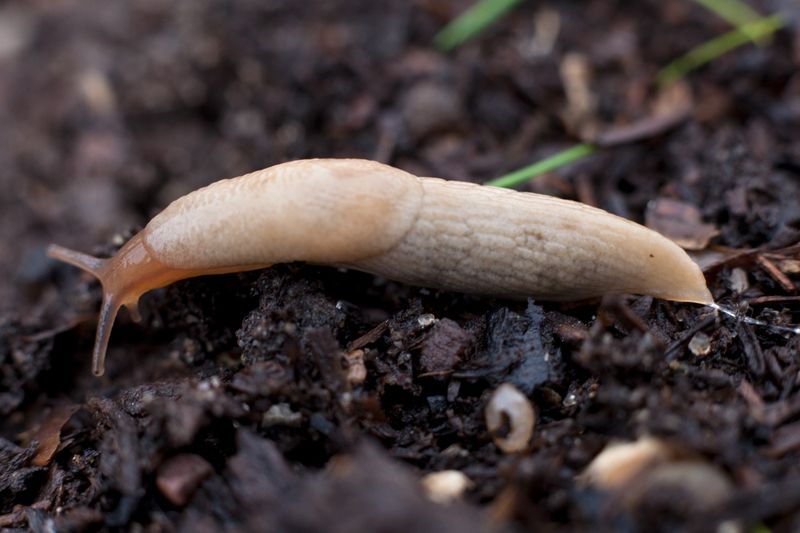
Healthy soil does more than grow great plants. It also feeds the small creatures that garter snakes chase after every day.
Moist, rich dirt is a paradise for earthworms and slugs. These little critters thrive when the ground stays damp and full of nutrients. And where worms and slugs gather, garter snakes are never far behind.
Your gardening habits play a big role here. Adding compost, watering regularly, and mulching all keep the soil moist and full of life. That is wonderful for your vegetables, but it also rings the dinner bell for snakes.
Picture the chain of events. Good soil grows more worms, more worms attract more snakes, and suddenly you have a striped visitor gliding past your tomatoes. None of this means your soil is bad. In fact, it means the opposite.
Rich, damp earth is a sign your Texas garden is producing strong crops and supporting a busy underground community.
If you want to slow things down, you can let the top layer of soil dry out between waterings. Fewer worms near the surface means fewer meals for hungry snakes.
Many gardeners decide the trade-off is worth it. Great soil grows better food, and a snake or two just comes with the territory.
So when you spot one, take a peek at your dirt. Chances are it is dark, moist, and crawling with life.
That healthy ground is exactly what drew the snake in, following its meals right into your thriving garden beds.
4. A Water Source May Be Drawing Them In
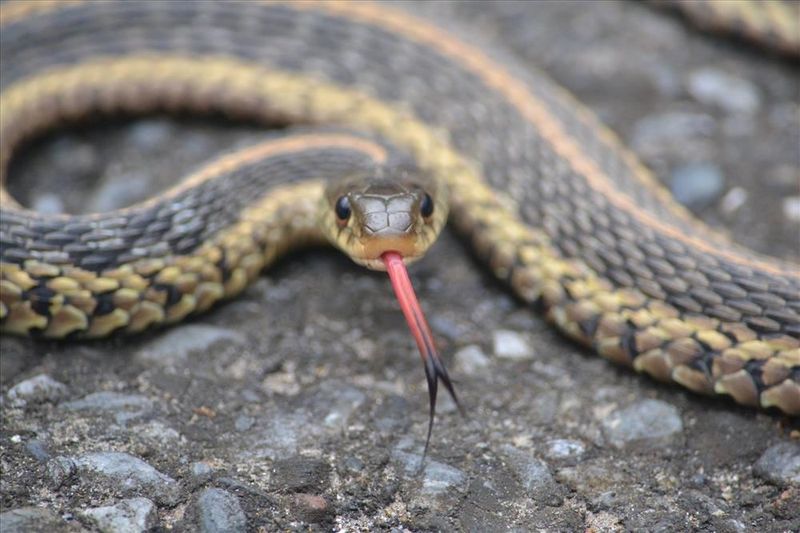
During a blazing Texas summer, water becomes one of the most valuable things in any garden. Garter snakes know this, and they often follow moisture right to your yard.
Ponds, birdbaths, and damp shady spots all catch a snake’s attention. Even a slow-dripping hose or a puddle under a leaky faucet can be enough to invite one over.
These snakes actually enjoy being near water. They are strong swimmers and often hunt frogs, tadpoles, and other creatures that live close to it. A garden pond is like a combination water fountain and dining hall for them.
When temperatures climb high, staying cool and hydrated becomes a matter of survival. Your garden’s moist areas offer relief that dry, sunbaked land simply cannot.
If you would like fewer visitors, check for leaks and standing water. Fixing drips and emptying containers that collect rain removes some of the appeal.
Still, water features bring a lot of joy and beauty to a yard. Many people happily keep their ponds and just accept the occasional snake that comes to visit.
You can also place water sources away from your patio or doorways. That way wildlife has a spot to drink without crossing paths with you as often.
Seeing a garter snake near your pond or hose makes perfect sense. It is doing exactly what any smart animal does in the heat, seeking out water and the cool comfort it brings. Your garden simply offered a refreshing stop on a hot day.
5. They May Simply Be Passing Through
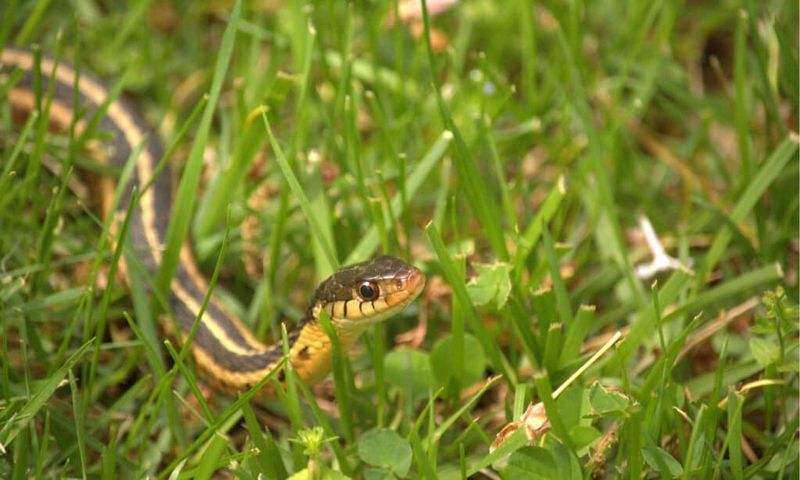
Not every snake in your garden plans to stay. Sometimes a garter snake is just a traveler passing through on its way to somewhere else.
These snakes move around a lot as they search for food, water, or a better hiding spot. Your yard might simply be a stop along their route, not a permanent address.
Spotting one today does not mean you will see it tomorrow. Snakes cover surprising distances, especially when they are hunting or looking for a mate. Your garden could just be a convenient shortcut.
Think of it like a stranger walking down your sidewalk. They are there for a moment, then gone, without any intention of moving in.
This is good news if snakes make you nervous. Many sightings are one-time events, and the snake wanders off on its own without any help from you.
Patience often solves the situation. If you leave the snake alone and give it room, it will usually continue on its journey within a day or two.
You can also gently encourage it to leave by opening up escape routes. Clearing a path toward a fence or open field helps it move along faster.
Trying to trap or chase a snake usually causes more stress for everyone. Calm and space work far better than panic.
So before you assume a snake has claimed your yard, give it time. There is a real chance it was only exploring. Once it finds what it needs elsewhere, it will likely slither off and never return again.
6. Their Presence Can Help With Garden Pests
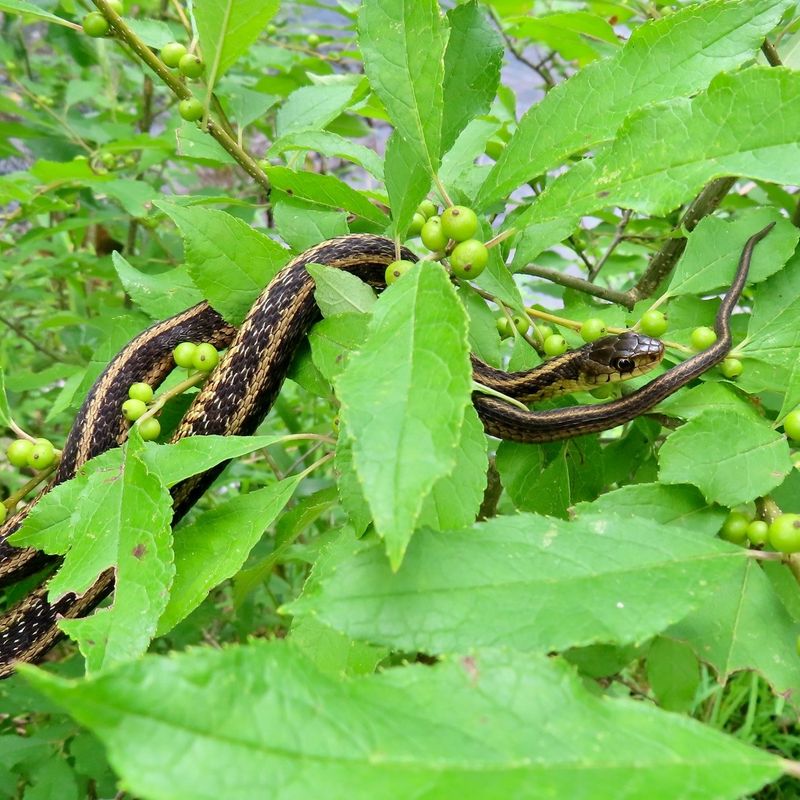
Believe it or not, that garter snake might be one of the best helpers your garden has. These reptiles are natural pest controllers, working quietly among your plants.
Slugs, grubs, and insects that chew on your vegetables are exactly what garter snakes love to eat. Every pest the snake catches is one less problem for your plants to face.
Gardeners spend lots of money on sprays and traps to protect their crops. A garter snake does similar work for free, and it never damages your flowers or veggies while doing it.
Picture your garden as a tiny ecosystem. Plants, bugs, and snakes all play a part in keeping things balanced. When the snakes show up, they help stop pests from taking over.
This natural balance is something farmers have appreciated for ages. Snakes have quietly guarded gardens and fields for as long as people have been growing food.
You do not have to do anything special to enjoy the benefit. Just let the snake go about its business, and it will keep hunting the critters bothering your plants.
Of course, snakes cannot solve every pest problem alone. They work best as one part of a healthy garden, alongside good soil and smart planting.
Still, having one around means fewer chemicals and less effort for you. That is a win for your garden and for the environment.
Next time you see a garter snake, think of it as a tiny, striped gardener. It is out there working hard to keep your plants safe and your harvest healthy.
7. Seeing One Usually Isn’t A Reason To Panic
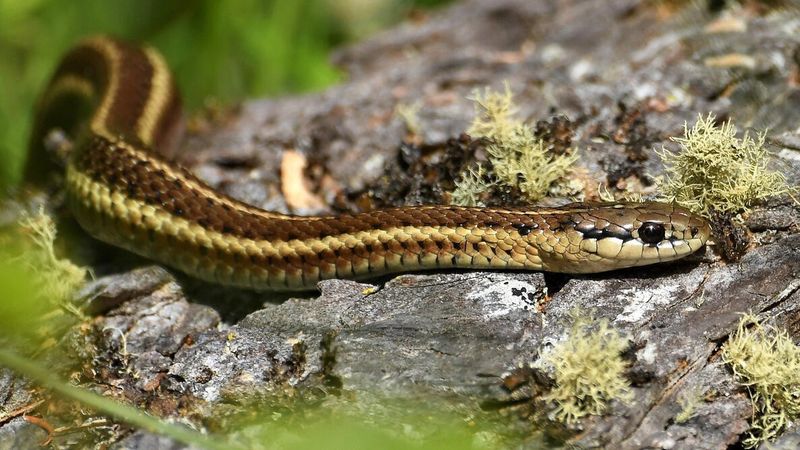
Take a deep breath, because a garter snake in your yard is rarely something to fear. These snakes are among the most harmless you will ever meet.
Garter snakes are not considered dangerous to people. They have no interest in bothering you and would much rather slip away and hide than cause any trouble.
Their first instinct is to escape. When a snake senses a human nearby, it usually freezes or hurries off in the opposite direction as fast as it can.
The smartest thing you can do is simply give it space. Step back, let it move along, and avoid trying to pick it up or poke at it.
Handling any wild snake is never a good idea. Even a harmless one may get scared and try to defend itself, which stresses both of you out.
If the snake is somewhere inconvenient, you can gently guide it away using a broom or by opening a path outdoors. There is no need for anything drastic.
Teaching kids to stay calm and respectful around snakes is helpful too. Watching from a safe distance turns a scary moment into a cool nature lesson.
Fun fact: garter snakes got their name because their stripes reminded people of the fancy garters once used to hold up socks. Not exactly scary, right?
So the next time one appears, remember it is far more helpful than harmful. Stay calm, keep your distance, and let it continue on its way. Your Texas garden and its striped visitor can share the space just fine.