The Fall-Blooming Texas Native That Feeds Bees When Everything Else Fades
Most Texas gardens hit a bloom gap in fall. The summer performers have faded, the spring planted annuals are long gone, and the bees still active in October and November are searching a landscape that is offering less and less with every passing week.
For native bees building winter reserves, that gap is a genuine survival challenge. One native Texas plant refuses to participate in it.
It blooms in fall with a generosity that stands out when almost everything else has stopped, providing nectar and pollen to bees at exactly the moment those resources are hardest to find.
The timing of its bloom is not accidental. It evolved alongside Texas’s native bee community specifically for this window. Most Texas gardens don’t have it. They should.
Plant This Native For Late-Season Bee Food
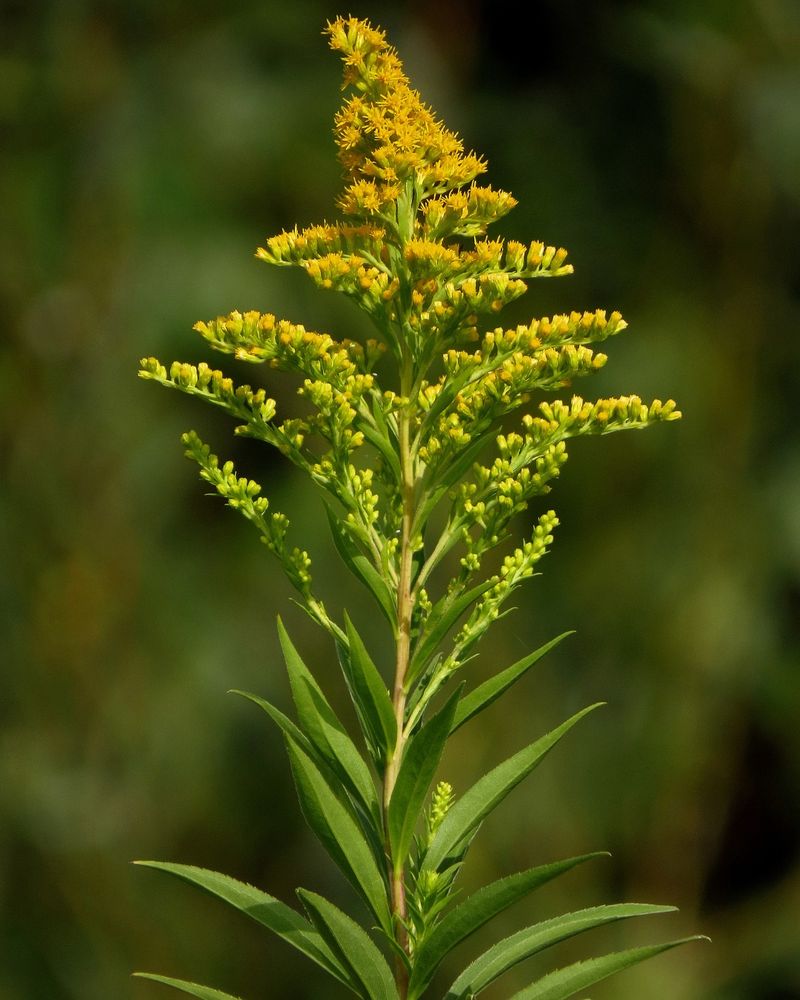
Picture a garden in October where most flowers have already packed it in for the year. Then you spot a burst of golden yellow buzzing with life. That is goldenrod doing what it does best.
Native goldenrod, known by its scientific name Solidago, is one of the hardest-working plants in a Texas fall garden.
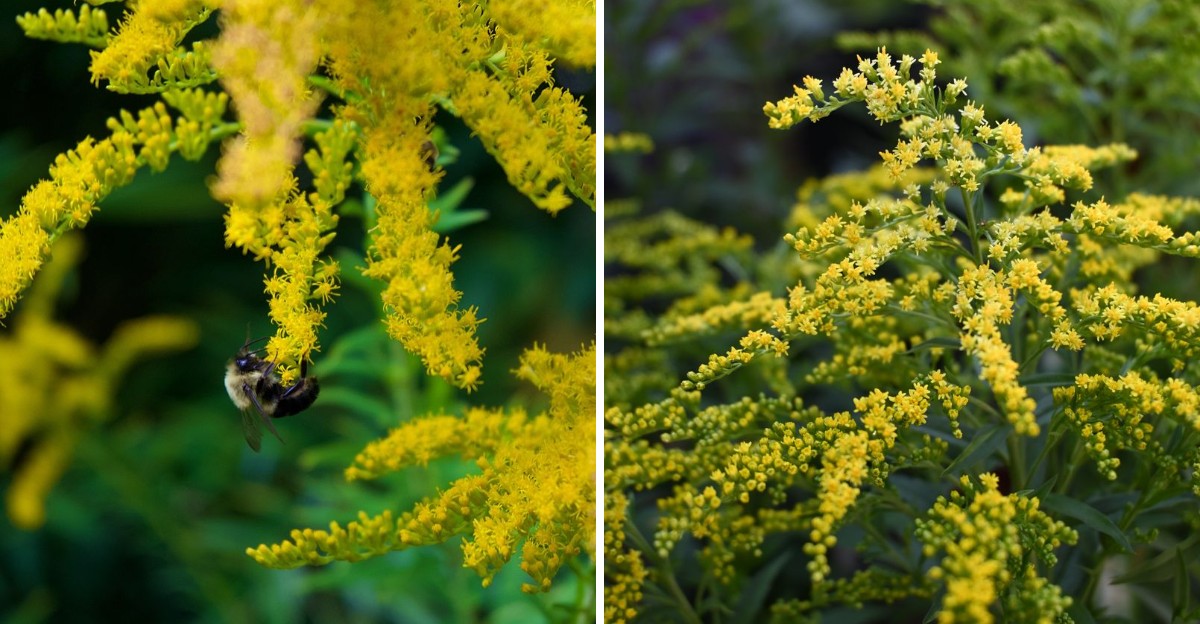
It sends up tall, feathery clusters of tiny yellow flowers just as the cooler weather rolls in. Those blooms are packed with nectar and pollen, two things bees and other insects crave.
Most spring and summer flowers have finished blooming by this time. That leaves pollinators searching for a meal. Goldenrod fills the gap and keeps them fed during a stretch when food is hard to find.
Texas is home to several goldenrod species that grow naturally in fields, roadsides, and open woods.
Because they belong here, they handle local heat, dry spells, and clay soils better than many imported plants. You do not need to baby them once they are settled.
Adding goldenrod to your yard is like setting out a snack bar for wildlife. Honeybees, native bees, and countless small pollinators show up to load their bodies with food. Watching them work is oddly relaxing.
If you want a plant that gives your garden a second wind, this is a smart pick. It brings color, movement, and buzzing energy back to your beds.
Best of all, it supports the very insects that help our crops and wildflowers grow. That makes goldenrod a small choice with a big payoff.
Why Goldenrod Blooms When Other Flowers Fade
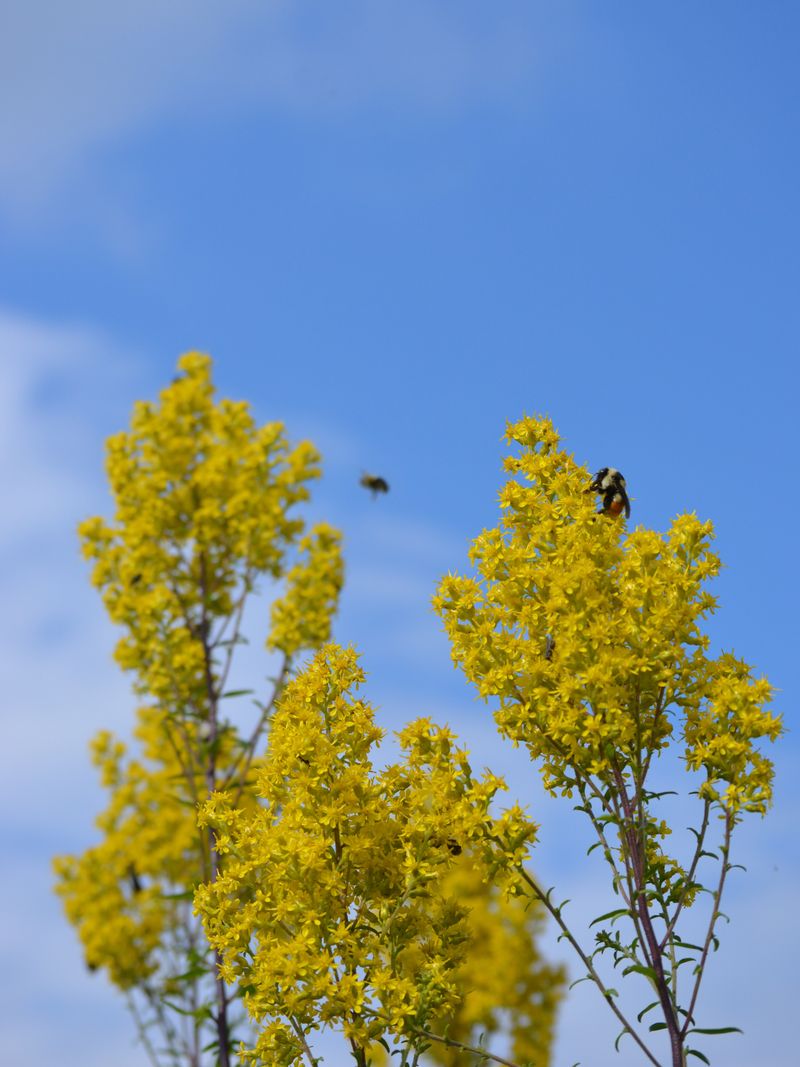
Timing is everything, and goldenrod has perfect timing. While your zinnias and sunflowers are winding down, this plant is just getting started. That late arrival is exactly what makes it special.
Goldenrod flowers from late summer into fall, often stretching from August through October depending on where you live in Texas.
During these weeks, the days grow shorter and cooler. Many other plants respond by finishing their bloom cycle and going to seed.
Goldenrod, on the other hand, waits for this moment. Its blooms open right when the garden buffet is nearly empty. For pollinators, that timing is a lifesaver.
Bees especially need this late food source. As colder weather approaches, honeybees work to build up their stores for winter. Native bees also need energy to prepare for the season ahead.
Your Texas Garden Changes Every Week. Your Plan Should Too.
Gardening in Texas changes quickly throughout the season. Every Friday you’ll receive a simple weekly plan showing exactly what to plant, prune, fertilize, harvest, and protect so you never miss the right timing.
Without late bloomers like goldenrod, these insects would struggle to find enough nectar and pollen. A hungry fall can leave a hive weak and short on supplies. Goldenrod helps them stock up while they still can.
There is a clever reason behind this schedule. Plants that bloom late face less competition for pollinators. With fewer flowers around, insects flock straight to goldenrod, which helps the plant get pollinated and set seed.
So the late bloom is a win for both sides. The plant gets plenty of visitors, and the visitors get a reliable meal. It is a neat example of nature working out a fair trade.
Understanding this timing helps you plan a garden that stays useful longer. Goldenrod extends the growing season and keeps your yard buzzing well into autumn.
How Goldenrod Supports Texas Bees And Other Pollinators
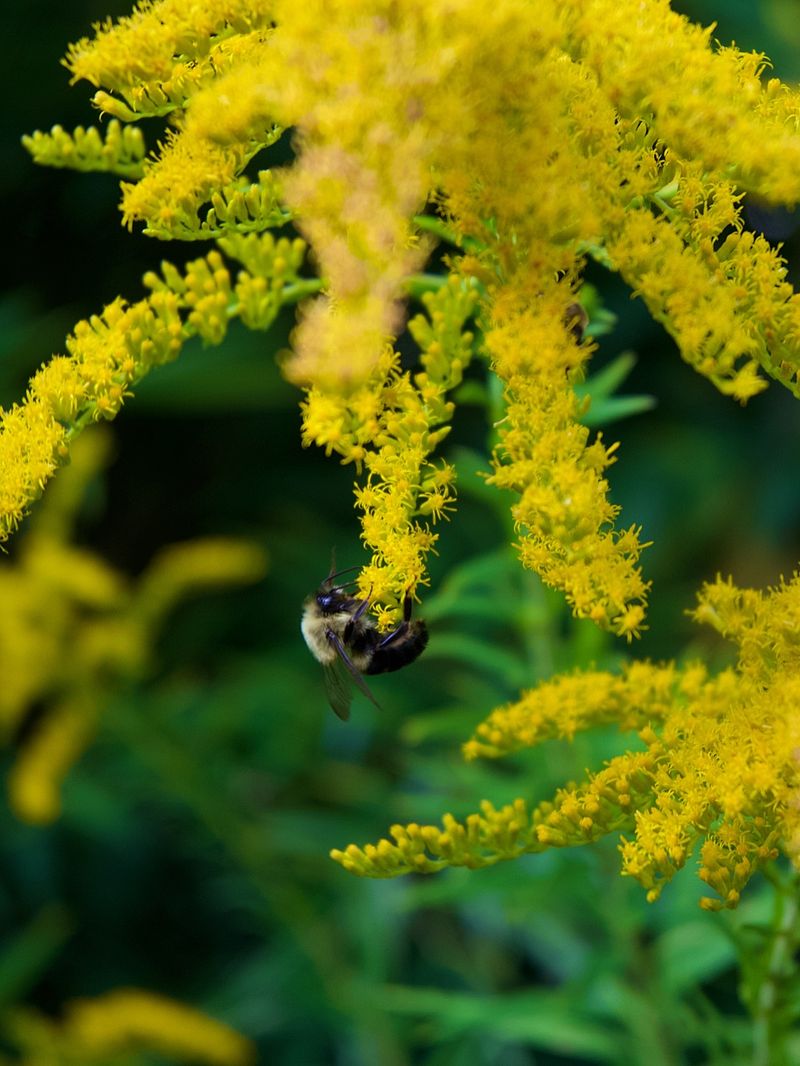
Stand near a patch of blooming goldenrod for a few minutes and you will notice it hums. That sound comes from the crowd of insects treating the plant like a busy diner. It is one of the liveliest spots in a fall garden.
Honeybees are frequent visitors, gathering both nectar and rich, golden pollen. Native bees show up too, including bumblebees and small solitary bees that many people never notice. These native pollinators are important workers in Texas ecosystems.
Butterflies also love goldenrod. Monarchs passing through Texas on their long journey south often stop to refuel on its flowers. That extra energy helps them continue their migration.
The visitors do not stop at bees and butterflies. Wasps, beetles, flies, and other small insects come for a share of the food. Many of these creatures are helpful in the garden, feeding on pests or pollinating other plants.
All that insect traffic creates a healthy food web. Birds and other animals feed on the insects that gather here. In this way, a single plant supports a surprising number of creatures.
Goldenrod’s flower shape makes feeding easy. The blooms grow in dense clusters, so insects can visit many tiny flowers without flying far. That means less effort and more food for every visitor.
By planting goldenrod, you give local pollinators a dependable place to eat during a tough season.
Fewer flowers bloom in fall, so this reliable source matters even more. You also get a front-row seat to some fascinating wildlife.
Watching this activity can teach kids and adults alike how connected nature really is.
Give Goldenrod The Right Growing Conditions
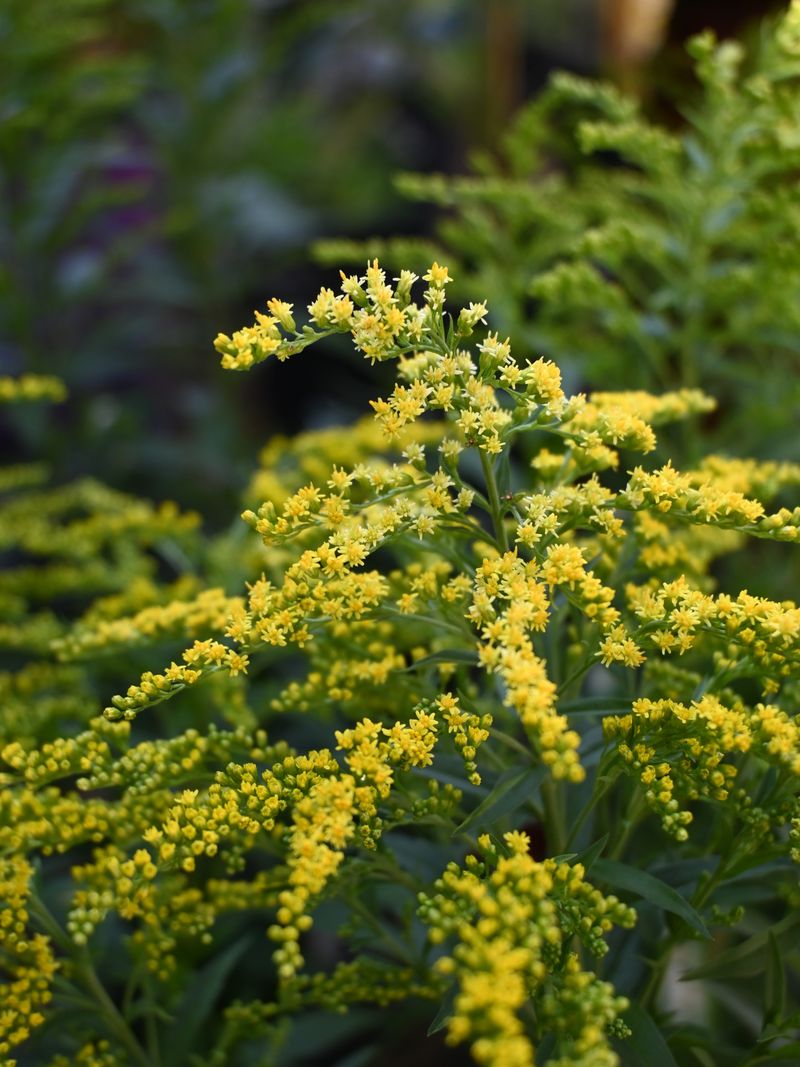
Good news for busy gardeners: goldenrod is not fussy. Once you get it started, it mostly takes care of itself. Still, a few simple choices will help it thrive.
Sunlight comes first. Goldenrod loves full sun and blooms best when it gets at least six hours of direct light each day.
A little afternoon shade is fine in the hottest parts of Texas, but too much shade means fewer flowers.
Soil is the next thing to think about. This plant handles many soil types, including sandy, rocky, and clay soils common across the state. What it really wants is decent drainage so its roots do not sit in soggy ground.
Watering matters most during the first season. When you first plant goldenrod, give it regular water so the roots can grow deep and strong. After it settles in, it becomes quite drought tolerant and needs little extra water.
Choosing the right species helps too. Texas has several native goldenrods, and some suit dry western areas while others prefer moister eastern soils. Ask at a native plant nursery which type grows best in your region.
Space is worth planning for. Some goldenrods spread by underground roots and can fill an area over time. Give them room, or pick a clumping variety if you want to keep things tidy.
A little trimming after blooming keeps plants neat and can encourage bushier growth. You can also leave the seed heads standing to feed birds and reseed naturally.
With sun, drainage, and a bit of early water, goldenrod rewards you with years of reliable fall color and buzzing visitors.
Don’t Blame Goldenrod For Most Fall Allergies
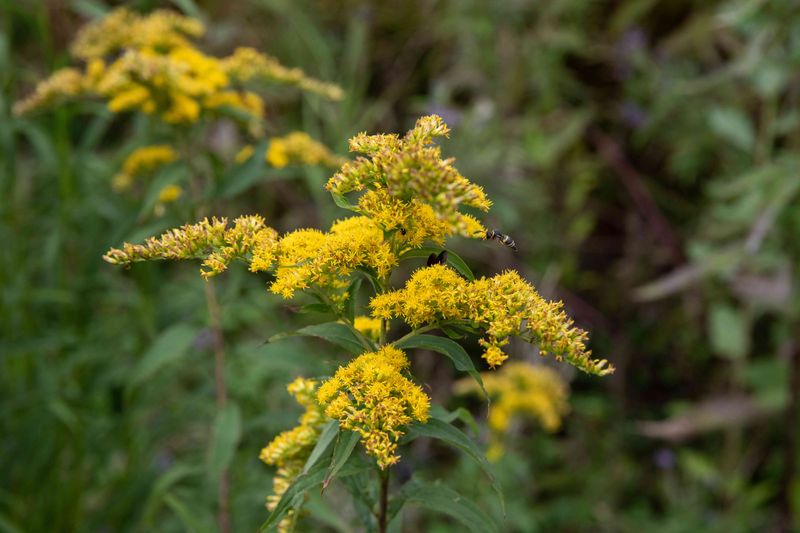
Poor goldenrod gets accused of a crime it did not commit. Every fall, sneezing people point fingers at those bright yellow flowers. The truth is, goldenrod is mostly innocent.
The real troublemaker is a plant called ragweed. Ragweed blooms at the same time as goldenrod, but its flowers are small, green, and easy to miss. Because it is so plain, most folks never notice it.
Here is the key difference. Ragweed spreads its pollen through the air using the wind. That lightweight pollen floats for miles and lands in noses and eyes, causing itching and sneezing.
Goldenrod works differently. Its pollen is heavy and sticky, made to cling to insects rather than blow around. Bees carry it from flower to flower, so very little of it ever reaches your nose.
The mix-up happens because of looks and timing. Goldenrod is showy and blooms right when allergy season peaks. Ragweed hides nearby while goldenrod takes the blame.
Knowing this can change how you feel about the plant. Instead of avoiding goldenrod, you can enjoy it without worry. If allergies bother you in fall, ragweed is the plant to watch out for.
You can even help by pulling ragweed when you spot it, since it offers little to pollinators. Meanwhile, goldenrod keeps feeding bees and butterflies without harming your sinuses.
Spreading the word helps clear goldenrod’s name. Many gardeners avoid it for no good reason, missing out on a wonderful native plant.
Once people learn the facts, they often welcome it back into their yards with open arms and clear heads.
Add Goldenrod To A Texas-Friendly Pollinator Garden
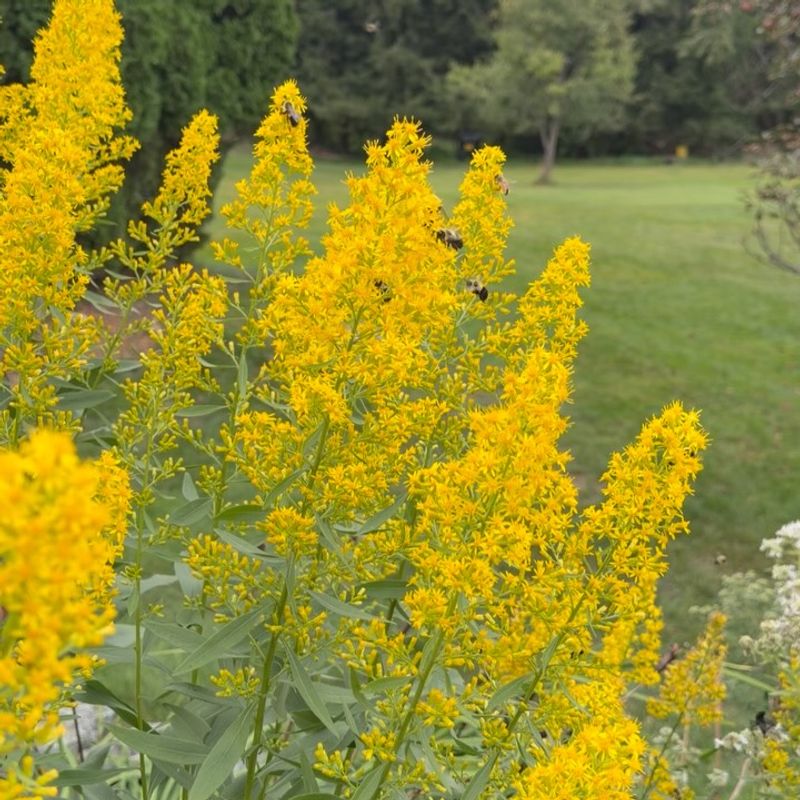
Ready to put goldenrod to work in your yard? It fits into many kinds of gardens and plays well with other native plants. A little planning makes it shine.
Native flower beds are a natural home for goldenrod. Pair it with plants like asters, Texas sage, and native grasses for a colorful, low-care display. The purple of asters next to golden blooms looks especially striking.
Meadow-style plantings are another great option. If you have an open area, scatter goldenrod among wildflowers and grasses to create a relaxed, natural look. This style needs little mowing and gives pollinators plenty of space.
Goldenrod also works along fences, property edges, and the back of flower borders. Its tall stems add height and a golden backdrop for shorter plants in front. Place it where you can watch the insects it attracts.
Think about filling gaps in your bloom calendar. Many gardens run out of flowers by fall, so slot goldenrod into spots that need late-season color. That way something is always blooming for hungry visitors.
Group several plants together for a bigger impact. A cluster of goldenrod is easier for pollinators to find than a single stem. It also creates a bolder splash of yellow.
Consider leaving some stems standing through winter. Birds nibble the seeds, and the dried stalks add texture to a quiet season garden. Come spring, you can cut them back.
By adding goldenrod to your planting plans, you build a garden that stays useful long after summer ends. It feeds wildlife, saves water, and celebrates the tough, beautiful plants native to Texas.