Why The Poison Ivy On Your Michigan Fence Line May Be Feeding Birds Through Winter
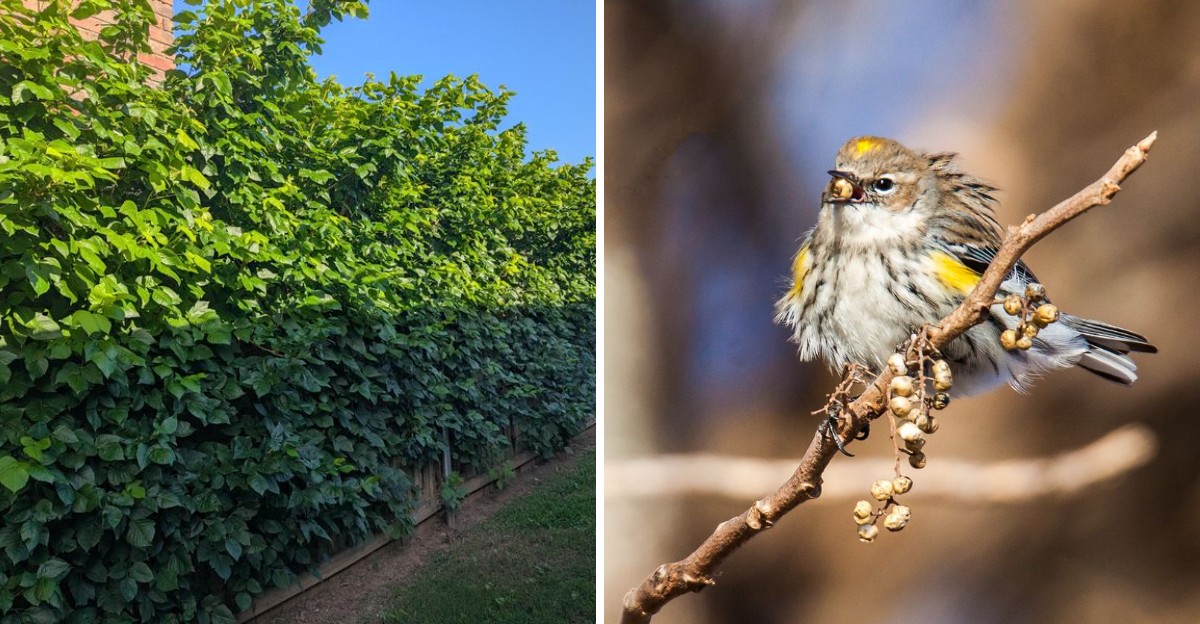
Most people give the poison ivy on a Michigan fence line a wide berth, pun fully intended, and for good reason. The oil in that vine can cause a nasty rash, even on bare winter stems.
Birds see it differently. Those pale, waxy berries hang on into winter, long after the fancier fruit is gone, and more than 60 bird species are known to eat them.
Woodpeckers, bluebirds, and yellow-rumped warblers all show up for the leftovers without so much as an itch. It is not gourmet dining, more like the bird version of a gas station sandwich, but when snow covers the seeds on the ground, a backup meal is a big deal.
Your fence line may be running a winter diner without telling you.
1. Those Pale Berries Are A Winter Buffet
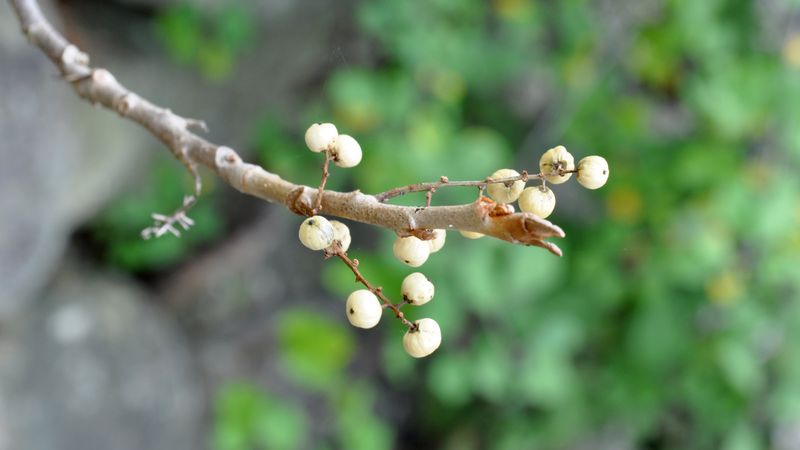
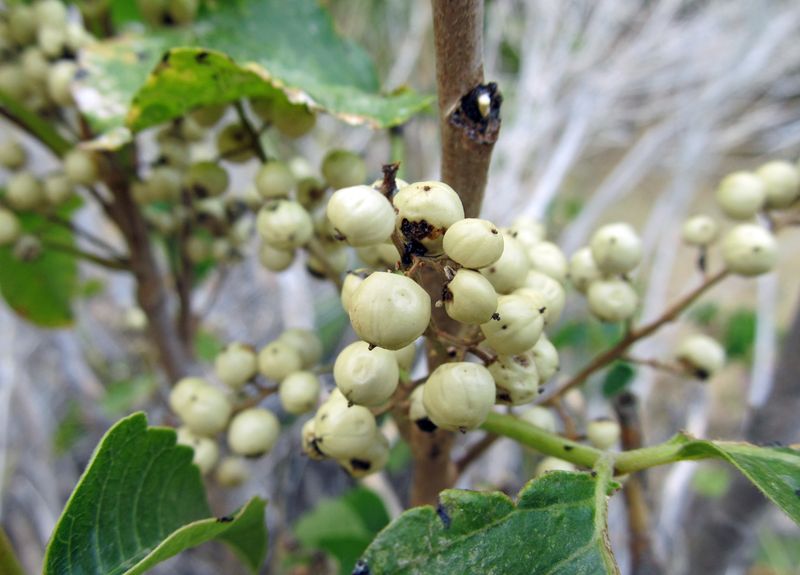
Small, waxy, and grayish white, poison ivy berries hang on through cold months. Most people overlook them because the leaves are long gone by December.
Those tiny fruits, called drupes, stay on the vine well into winter. In Michigan, that timing matters a great deal.
Many other berries drop early or get eaten by fall, so these leftovers become a late-season food source. They are not a top-choice food.
Poison ivy fruit works as a backup that resident birds turn to once better fruits are gone.
The berries do hold energy. Their waxy outer layer is rich in fat, which birds can use to stay warm on frigid nights.
That wax is tough to digest, though, so only some birds, such as yellow-rumped warblers and several woodpeckers, handle it well.
Small birds like chickadees burn through a lot of energy on a cold night. When snow covers seeds on the ground, birds look up instead.
A fence line covered in old ivy vines can serve as a backup pantry through the early part of winter.
Want to see it for yourself? Look at your fence on a calm, frosty morning. Check for clusters of pale fruit near the top of the vine where sunlight hits.
You might notice some clusters looking thinner as the weeks pass. That usually means birds have been visiting while you were inside sipping cocoa.
Keep a simple notebook by the window. Write down the date and how many berries seem left.
Over a winter, you can track just how much your fence line helps local wildlife. Kids especially love this kind of backyard detective work.
2. Birds Do Not Get The Itchy Rash
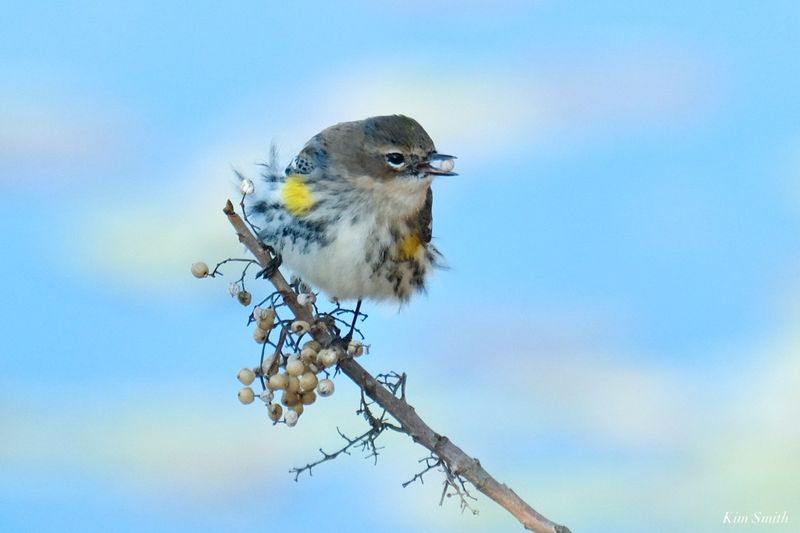
Here is the twist that surprises almost everyone. The oil that makes people itch, called urushiol, does not bother birds.
Humans react because our immune systems treat urushiol like an invader. Birds do not have that reaction.
They can eat the berries, perch on the vines, and even nest nearby without a single scratch.
Scientists have counted more than 60 bird species that eat poison ivy fruit across North America. Many of them live in Michigan or pass through each year.
Deer, rabbits, and some other mammals nibble the leaves and stems too. They seem just as unbothered.
Only people, and possibly a few other primates, get stuck with that miserable blistery rash.
This does not mean you should get close, though. The oil can stay on pet fur, clothing, garden gloves, and tools for a long time.
If your dog runs along the fence, give it a bath while wearing gloves.
A smart tip is to wash anything that touches the vine with dish soap and water. For skin, cool water is the standard recommendation when rinsing right after contact.
So enjoy the show from a safe distance. Binoculars are your best friend here. You get a front-row seat to the birds without any risk of an itchy week ahead.
3. Woodpeckers Love A Fatty Snack
Tap, tap, pause, tap. If you hear that rhythm near your fence, a woodpecker may be shopping for lunch.
Downy woodpeckers, hairy woodpeckers, red-bellied woodpeckers, and northern flickers all eat poison ivy berries. Downy, hairy, and red-bellied woodpeckers stay in Michigan through the coldest months, at least in the southern part of the state.
Flickers are more of a seasonal visitor. They are uncommon in southern Michigan winters and generally absent in the north, so fall is when most people spot them on the vines.
Woodpeckers need steady food when insects are hiding deep under bark. Berries fill that gap.
Flickers are handsome birds with spotted bellies and a flash of yellow under their wings. They feed mostly on the ground, but they also pick fruit from vines.
Woodpeckers also use the hairy ivy vine like a ladder. Those tiny rootlets grip fence posts and tree trunks. The birds cling easily while they pick berries one at a time.
You can support these visitors even more by adding a suet feeder nearby. Hang it on a pole a few feet away from the vine so you can refill it safely. The combination of berries and suet makes your yard a favorite stop.
A quick trick for spotting them is to watch for the swooping, up-and-down flight pattern. Woodpeckers rarely fly in a straight line.
Once you learn their calls, you will start noticing them everywhere. It feels a bit like discovering a hidden neighborhood right outside your kitchen window.
4. Fence Lines Give Birds Safe Shelter
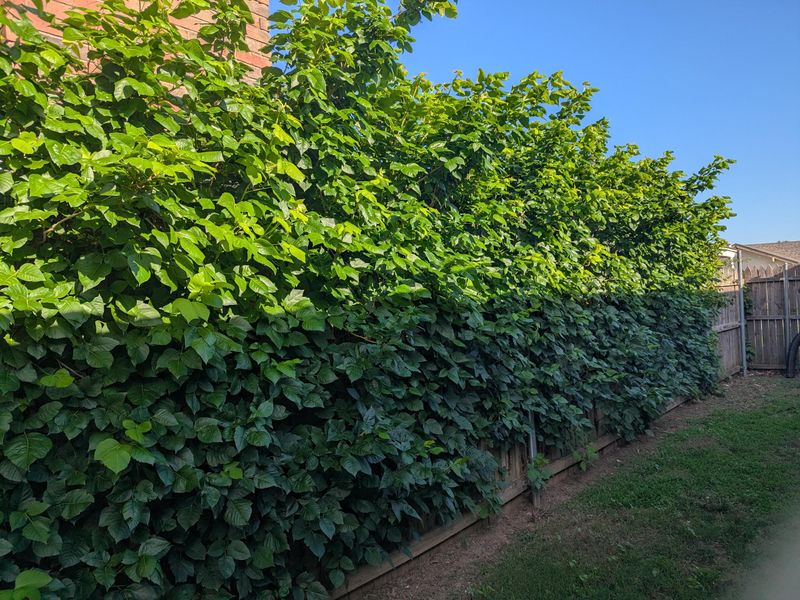
Ask any farmer about old fence rows, and they might grin. Those messy strips of vines and shrubs are bird highways.
A fence line gives birds a place to hide between open spaces. Hawks patrol the skies over Michigan fields all winter long. Small birds feel safer moving along thick cover instead of crossing wide, empty ground.
Poison ivy vines add a tangle that predators struggle to get through. Cats and hawks have a harder time reaching a sparrow tucked inside twisting stems.
Food and cover in the same spot is a winning combo. Birds also use fence rows to escape harsh wind. A blizzard blowing across a flat field can be brutal.
Even a thin wall of vines breaks up the breeze and keeps tiny bodies a bit warmer. If you own land, consider leaving at least one fence line a little wild. Mow around it instead of through it.
You can still keep paths clear for yourself. Brush piles nearby make the shelter even better. Stack trimmed branches loosely near the fence after fall cleanup.
Before long, you may spot juncos, cardinals, and tree sparrows darting in and out. That busy little corner can become the liveliest part of your whole property on a gray winter afternoon.
5. Birds Plant New Vines Wherever They Go
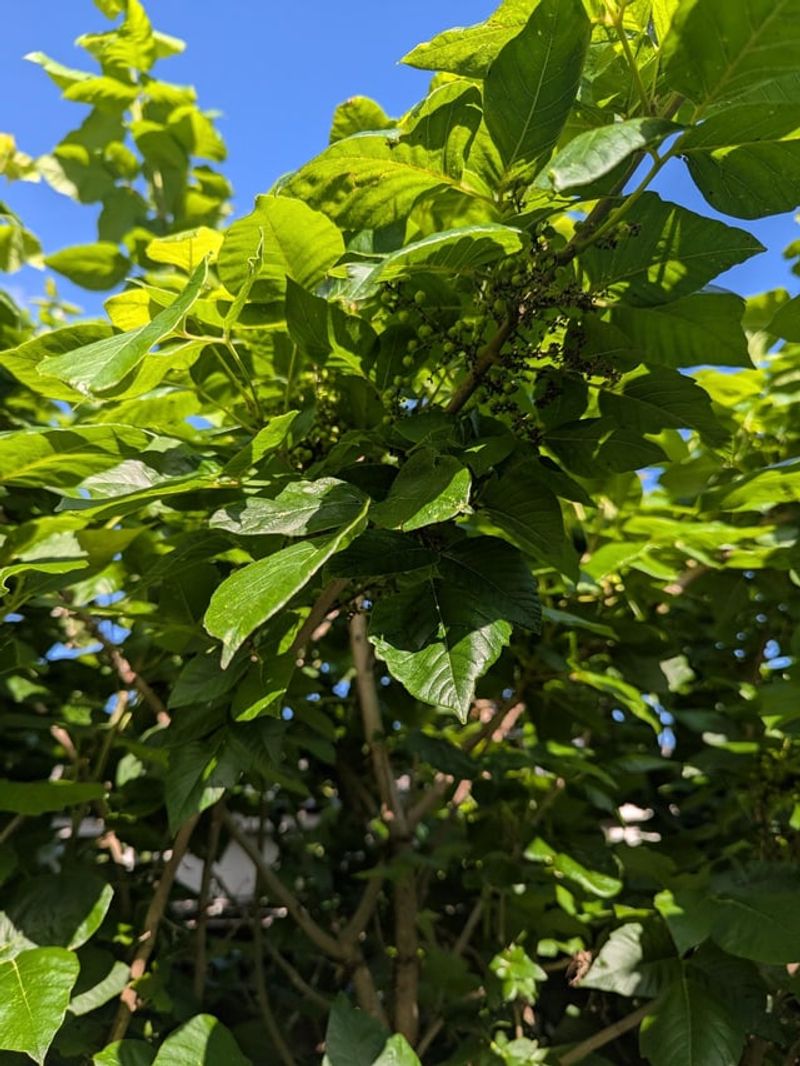
Ever wonder how poison ivy shows up in brand new spots? Birds are the sneaky gardeners behind it.
When a bird eats the berries, the seeds pass through its body unharmed. The bird then drops them wherever it happens to perch.
Fence posts are a favorite resting spot, which is why vines so often pop up right along them.
Scientists call this seed dispersal. Many Michigan plants depend on birds to spread their seeds, including dogwood, sumac, and wild grape. Poison ivy just happens to be one of the most successful.
The trip through a bird’s gut can even help seeds sprout. The outer coating gets softened, making it easier for the seed to grow come spring.
Knowing this helps you plan ahead. If you see a perch spot like a post, birdhouse pole, or wire, check underneath it each spring.
Small seedlings are easy to spot by their three shiny leaflets. Remember the old rhyme, leaves of three, let it be. Young plants still carry the itchy oil, so wear gloves.
This cycle is pretty fascinating when you think about it. The birds get a meal, and the plant gets a free ride to a new home. Nature has its own clever way of trading favors.
6. Migrating Flocks Refuel Along Michigan Fences
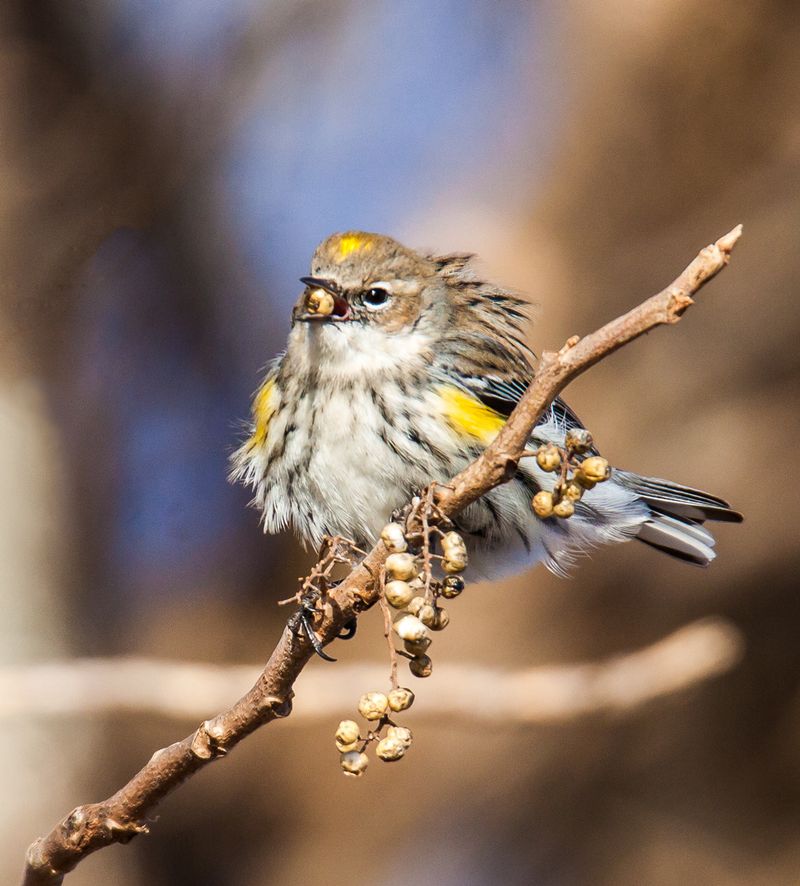
Late fall brings travelers through the Great Lakes region. Warblers, thrushes, and catbirds stop to grab fuel before heading south.
Poison ivy is not the first choice for most of them. Many migrants go for higher fat fruits first, which is part of why poison ivy berries are still hanging around later in the season.
Yellow-rumped warblers are the famous exception. Unlike most warblers, they can digest waxy berries.
That ability lets some of them linger in Michigan longer than their cousins, especially in milder years near the lakeshore.
Hermit thrushes and gray catbirds also eat poison ivy fruit during migration. A long flight takes huge amounts of energy, and the waxy, fat-rich fruit gives them a useful fuel source.
Many migrating songbirds weigh about half an ounce or a little more. They build up extra fat before a big journey, so every berry counts.
You can help by keeping a birdbath filled during fall. Migrants need water just as much as food. A heated birdbath works great once temperatures start dropping below freezing.
Try birding in the early morning during October. That is often when hungry flocks are most active along hedges and fence rows.
Bring a pocket field guide or a free bird app on your phone. Identifying a new warbler can be a thrill, especially when you realize your messy fence helped it continue its long trip.
7. Spotting Poison Ivy In A Bare Michigan Winter
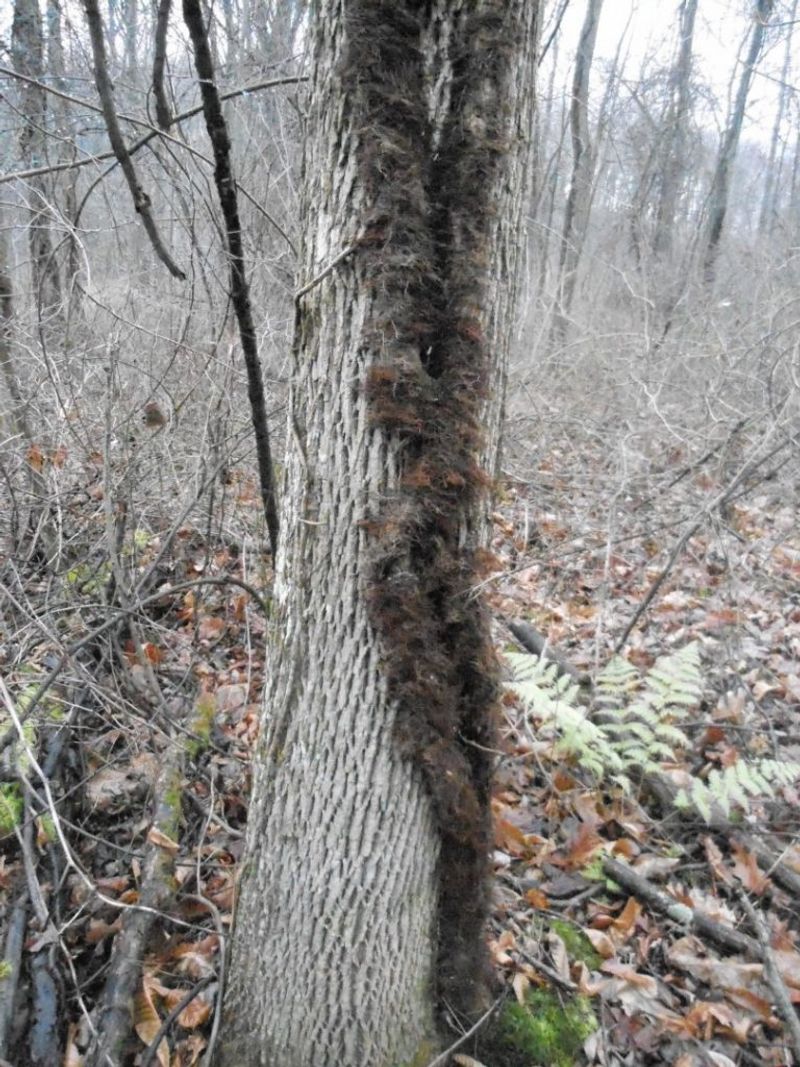
Without leaves, poison ivy becomes a master of disguise. Plenty of people get a rash in January because they did not recognize it.
Look for a hairy, rope-like vine climbing posts or trees. Those fuzzy reddish-brown rootlets make it look like a furry caterpillar.
In Michigan woods, older vines can grow as thick as your wrist. Berry clusters are another clue. They are small, round, and creamy gray, often hanging in drooping bunches.
Leaf buds look pointy and brownish with no protective scales. Poison ivy can also grow as a low shrub. In that form, it looks like a cluster of bare twigs sticking up from the snow.
It is harder to identify, so be extra careful. Here is a helpful habit. Before you grab any fence post or pile of brush, take two seconds to scan for hairy vines.
That quick look can save you weeks of scratching. Remember that the oil stays active on bare stems all winter. Even firewood with vines attached can cause trouble.
Never burn poison ivy, either. The smoke carries oil into the air and can harm your lungs. Toss trimmed vines in sealed bags for the trash instead of the fire pit.
8. Balancing Safety And Wildlife In Your Yard
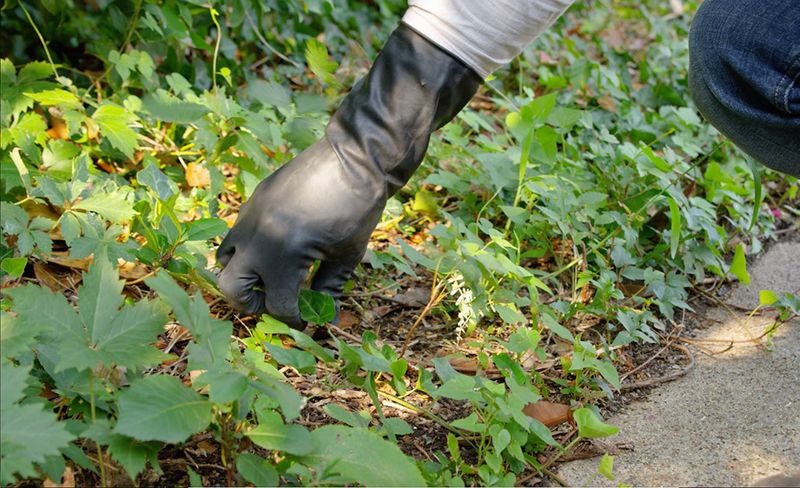
Nobody wants itchy kids or a miserable dog. Still, ripping out every vine might leave birds without a winter meal.
The answer is finding a middle ground. Remove poison ivy where people walk, play, or garden.
Leave it along far corners of your Michigan property where nobody goes. Think about zones. Near the patio, swing set, and driveway, take it out.
Along the back fence by the woods, consider letting it stay. When you do remove it, dress like you mean it. Wear long sleeves, long pants, tall boots, and thick gloves.
Some people pull a plastic bag over each hand, grab the vine, then flip the bag inside out. Wash your clothes right after, separate from other laundry. Clean tools with rubbing alcohol to remove leftover oil.
If you are very sensitive, hire a pro. Many landscapers handle poison ivy safely and quickly. You could also add bird-friendly plants to replace removed vines. Winterberry holly and staghorn sumac hold their fruit well into winter.
Gray dogwood feeds birds in fall, and its bright red fruit stalks add color into early winter. These plants give birds food without the itch.
This approach keeps your family comfortable and your feathered visitors happy. A thoughtful yard can serve both people and wildlife at once.
9. Native Roots Make It Part Of The Michigan Story
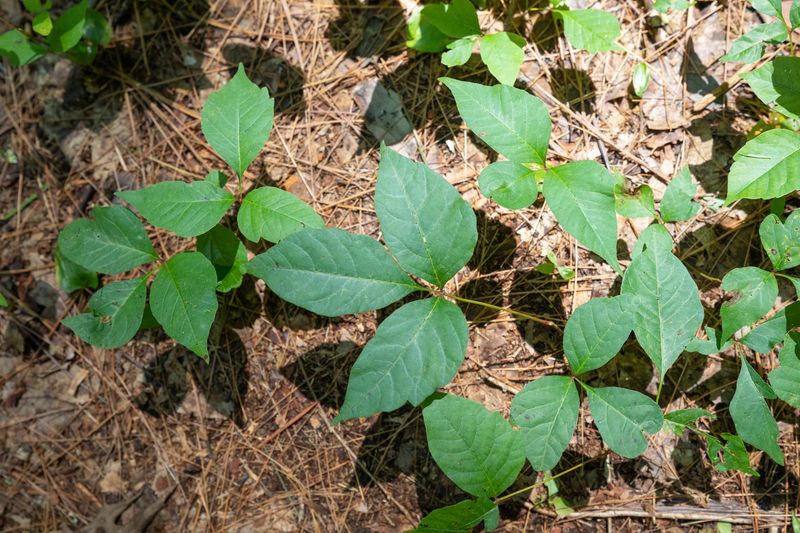
Long before fences or farms, poison ivy grew wild across this land. It is a native plant with deep roots in local ecosystems.
Native plants and native animals grew up together over thousands of years. That shared history is why so many birds can eat the berries safely.
In Michigan, poison ivy fits into a web of life that includes insects, mammals, and soil creatures.
Bees even visit its tiny greenish flowers in early summer. The leaves turn a gorgeous red and orange in fall, rivaling maple trees for color.
Indigenous peoples across North America knew the plant well, and many tribes used jewelweed and other plants to treat the rash it causes.
Understanding its role can change how you see it. Instead of a villain, it becomes a tough, useful neighbor with a prickly personality.
If you want to learn more, check with your local county extension office or a nature center. Many offer free guides on native plants and bird habitat.
Next time snow falls and a bird lands on your fence, take a moment to watch. That scruffy vine is quietly doing its job, helping wild birds get through the cold months until spring returns to the Great Lakes once again.