Why Your Jade Plant Is Dropping Leaves In A Pennsylvania Home
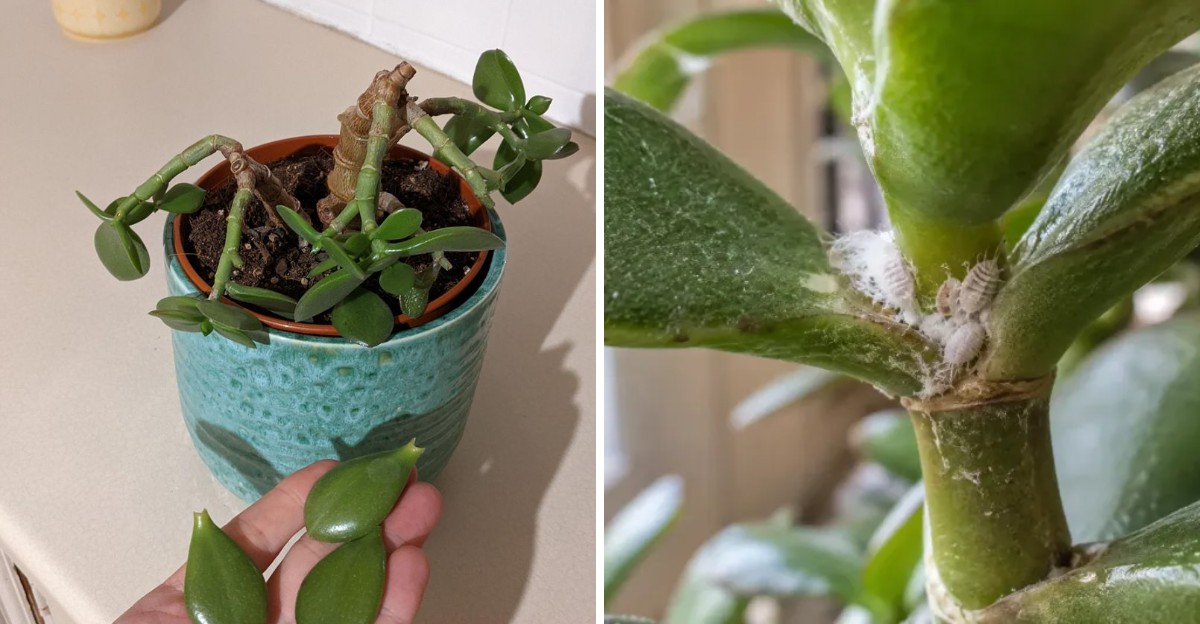
A single leaf that drops from this chubby succulent can sprout roots and grow into a whole new plant. That trick helps it survive on the dry, rocky hillsides of South Africa where it first evolved.
Indoors, though, a sudden shower of leaves usually means something in your home is bothering it. Pennsylvania winters bring short gray days and chilly windowpanes that can test even the toughest houseplants.
I have to admit my own plant once dropped half its leaves after I loved it with too much water. You might notice the same thing on your windowsill, and the panic feels very real in that moment.
Most causes are easy to fix once you learn which clues your Pennsylvania plant is quietly giving you. So which common mistake is your thick-leaved green friend trying to warn you about this week?
1. Soggy Soil Is Drowning Your Jade Plant Roots
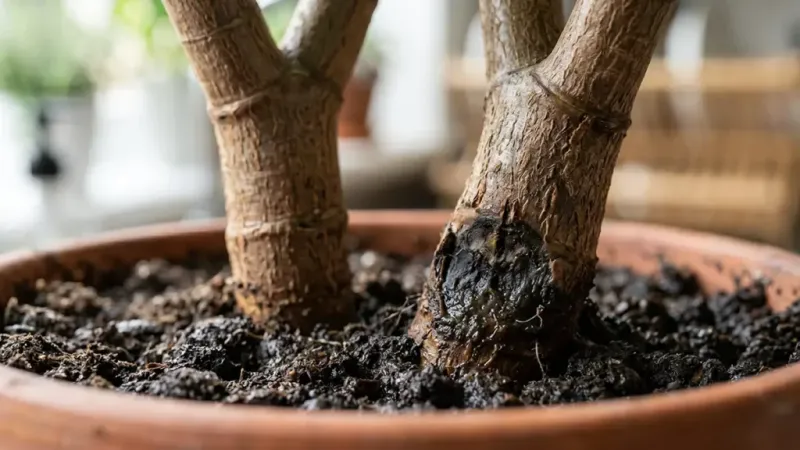
Squeeze a fallen leaf, and if it feels mushy like an overripe grape, extra water is the likely culprit. Overwatering ranks as the top reason jade plants shed leaves indoors, according to many succulent growers and extension experts.
Jade plants come from dry, rocky slopes in South Africa where rain arrives in short bursts and drains quickly. Their roots need air pockets in the soil, and constant moisture pushes that air out over time.
Without air, roots start to rot, and the plant loses its grip on leaves that turn yellow or soft. Swollen leaves that pop off at a gentle touch are another classic sign of trouble below the surface.
I like to test the soil by pushing my finger about two inches deep before reaching for the watering can. If it feels even slightly damp, I wait a few more days and check again later.
Pots matter too, so choose one with a drainage hole and skip decorative containers that trap water underneath. Terracotta works wonderfully because the clay breathes and helps the soil dry faster than plastic or glazed ceramic.
A gritty cactus mix also helps, especially when you blend in some extra perlite for faster drainage. Regular potting soil holds moisture longer, which can keep roots wet for days after a single watering.
Winter is the riskiest time because growth slows and the plant drinks far less water than in summer. Many indoor growers water only every three or four weeks during the cold months, depending on room conditions.
2. Wrinkled Jade Leaves Are Begging For A Drink
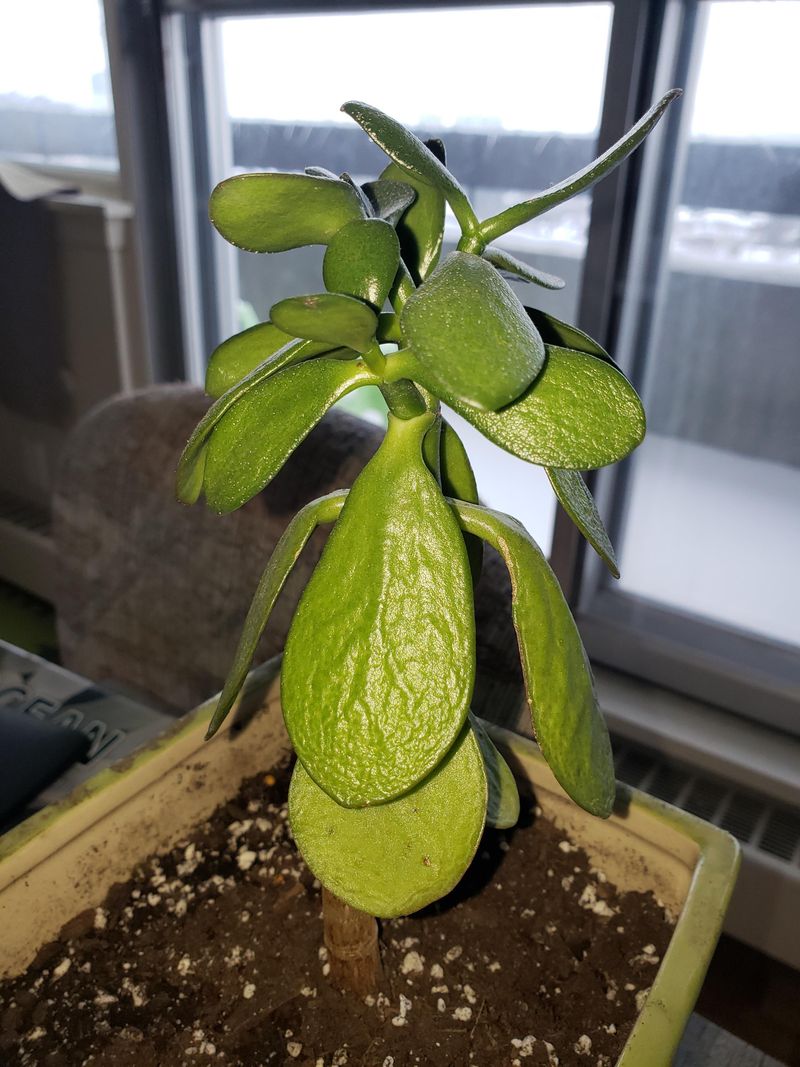
Ironically, the same plant that hates soggy soil will also pout when you forget about it for too long. Those plump leaves act like tiny water tanks, and a long dry stretch slowly drains every last drop.
Underwatered leaves look wrinkled, thin, or shriveled, and they feel limp instead of firm when you gently squeeze them. Healthy jade leaves snap cleanly, while thirsty ones tend to bend like soft leather between your fingers.
Check the potting mix too, because bone dry soil often pulls away from the sides of the pot. That gap lets water rush straight past the roots, so a quick splash rarely reaches where it matters.
Personally, I fix this by soaking the pot in a sink of water for about twenty minutes. The dry soil slowly rehydrates from the bottom up, and the extra water drains away once I lift it out.
Pennsylvania homes with forced air heat can dry out pots faster than you expect during the coldest months. A plant sitting near a heating register may need water a bit sooner than one in a cooler room.
Watch the leaves over the next week, since firm, glossy foliage usually returns within several days after watering. Leaves that already turned crispy or fell off will not reattach, but new growth should look much healthier.
You need to find a steady rhythm, watering deeply and then letting the soil dry out before repeating. A simple calendar reminder on your phone can save your plant from long stretches of accidental neglect.
3. Jade Plants Drop Leaves In Dim Winter Light
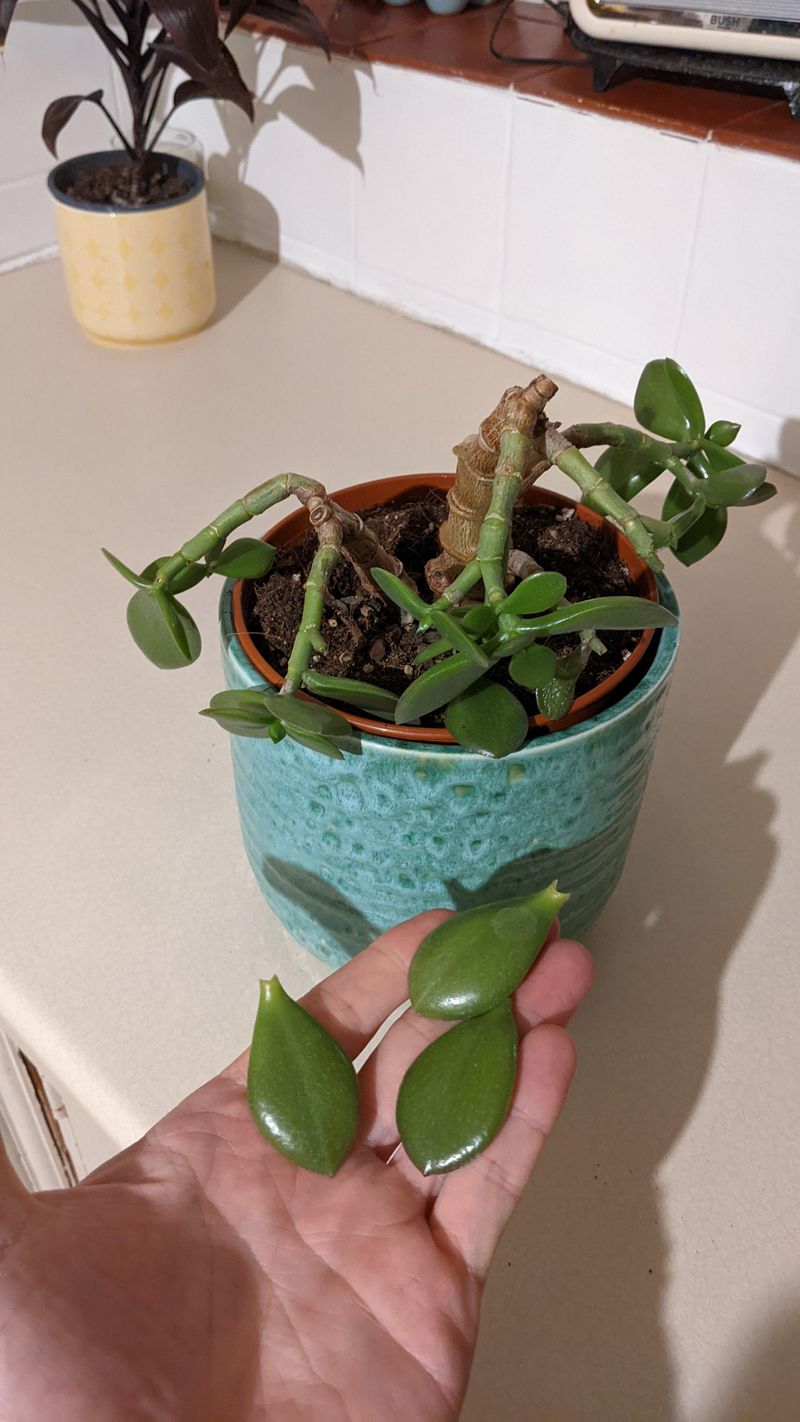
Jade plants are sun lovers at heart, soaking up rays on open hillsides back in their South African home. Stick one in a shady corner, and it slowly starts shedding lower leaves to save energy for survival.
Most growers recommend at least four to six hours of bright light each day for compact, healthy growth. A south or west facing window usually provides the best indoor light for these thick-leaved succulents.
You might notice stretched, leggy stems with wide gaps between leaf pairs when the plant is not getting enough sun. Pale or dull green foliage is another clue that your jade is hungry for stronger light.
Winter days in Pennsylvania are short and often cloudy, which cuts down the light reaching your windowsill. Even a sunny spot in July can feel surprisingly dim by December, so watch how the light shifts.
I truly believe a simple LED grow light is one of the best tools for indoor succulent lovers. Set it a foot or so above the plant and run it for about twelve hours daily.
Rotate the pot a quarter turn every week or two so each side gets its fair share of light. Doing so keeps growth even and stops the plant from leaning dramatically toward the glass like a curious puppy.
Healthy jade leaves in strong light sometimes develop pretty red edges, which is a normal and harmless stress color. Move plants into brighter spots gradually, since a sudden jump into intense sun can scorch tender foliage.
4. Cold Drafts Near Frosty Windows Shock Jade Plants
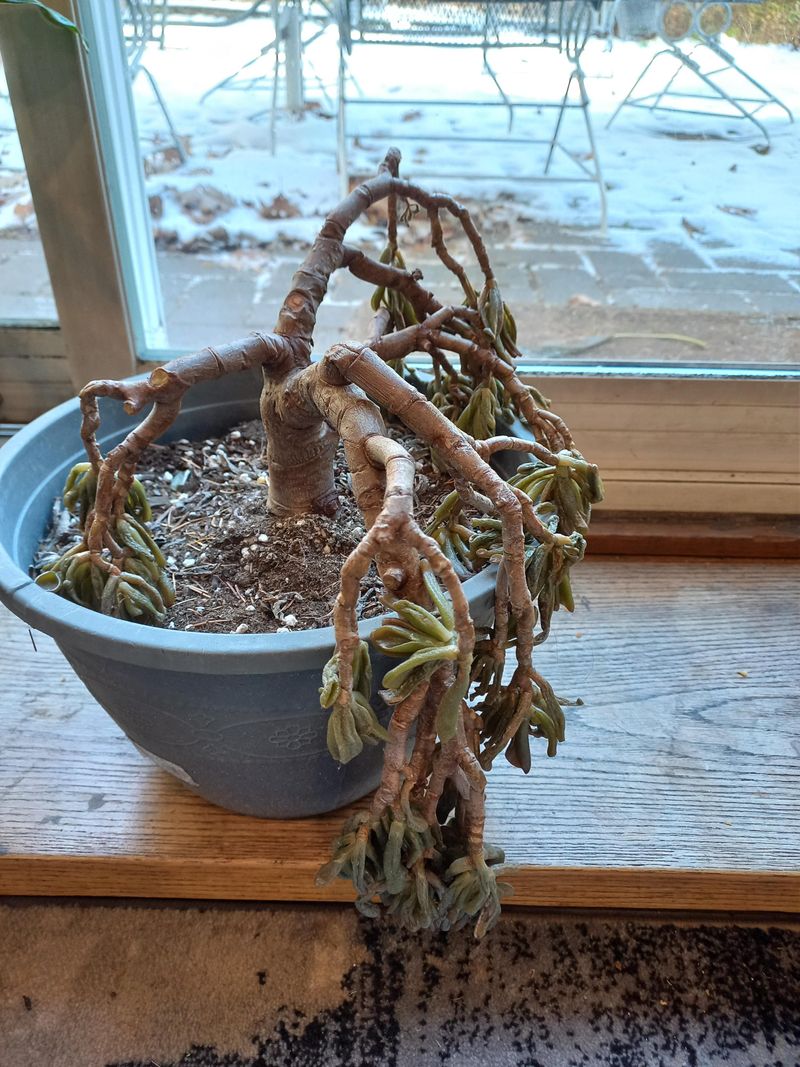
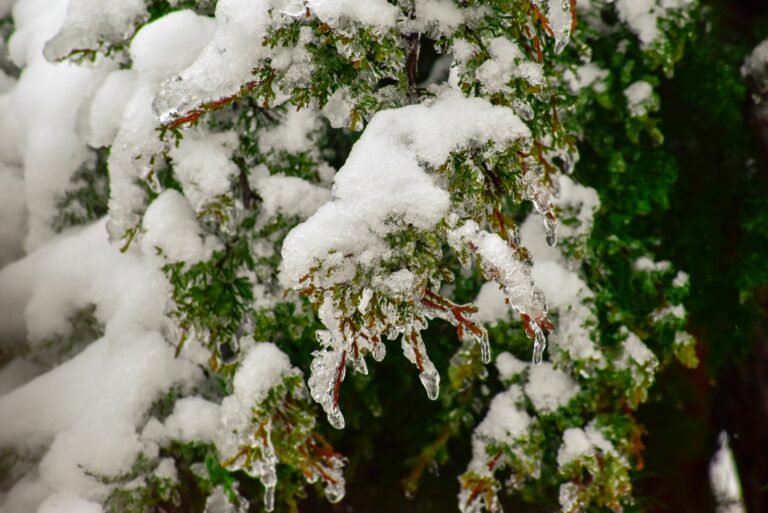
Brrr, a single icy draft from a leaky window can send jade leaves tumbling onto the floor overnight. These succulents prefer daytime temperatures around 60 to 75 degrees Fahrenheit, with slightly cooler nights near 50 to 55.
Temperatures dropping below 50 degrees can stress the plant, and frost exposure can seriously damage its juicy leaves.
Extreme heat above roughly 85 degrees can cause problems too, especially when paired with dry soil and strong sun.
Nobody warned me that leaves touching cold window glass could fall, but it happens often in chilly climates. Pennsylvania nights in January easily dip below freezing, and the glass beside your plant gets surprisingly cold.
Slide the pot a few inches away from the window on frigid nights to protect those vulnerable leaves. A thin curtain between the plant and the glass can also help block some of the chill.
Heating vents create a different problem by blasting hot, dry air that swings wildly as the furnace cycles. Air conditioners in summer cause similar stress, so keep your jade away from any vent blowing directly on it.
Many Pennsylvania gardeners move jade plants outdoors for summer, which they usually enjoy once nights stay above 50. Bring them back inside well before the first fall frost, since even one cold night can harm them.
Sudden temperature swings matter more than gradual changes, so aim for steady comfort rather than constant shuffling around.
A cheap indoor thermometer placed near your plant reveals hidden cold spots you might otherwise miss.
5. Mealybugs Hiding On Jade Plant Stems
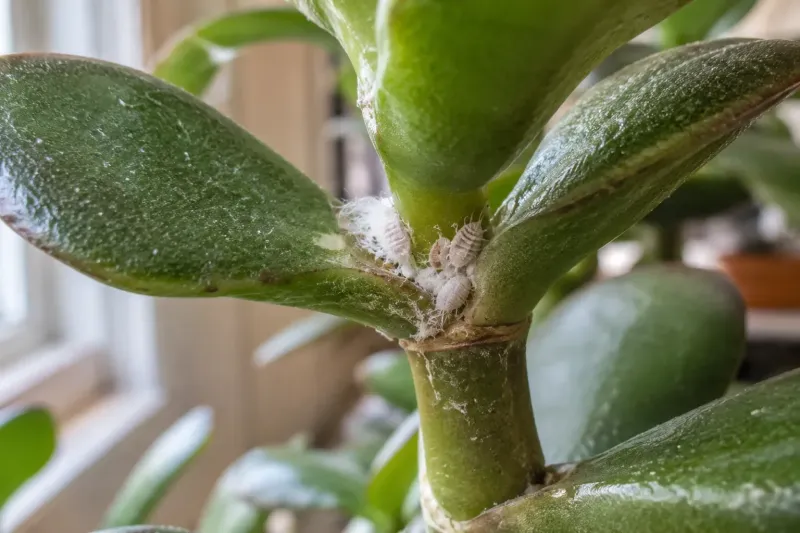
Take a closer look at those white fuzzy specks tucked between the leaves, because they might be alive. Mealybugs look like tiny bits of cotton, and they quietly suck sap from jade stems and leaf joints.
Sap feeding pests drain moisture and nutrients, so infested leaves often yellow, weaken, and eventually drop off. Scale insects are another common culprit, showing up as small brown bumps that barely move along the stems.
Spider mites can also attack, leaving tiny speckles on leaves and fine webbing in dry, warm indoor air. A magnifying glass makes spotting these little pests much easier, especially on the undersides of the leaves.
Your first step should be moving the infested plant away from other houseplants to stop the bugs spreading.
Mealybugs and scale travel easily between nearby pots, so quick isolation can save your whole windowsill collection.
I like to pick off visible pests with a cotton swab, checking every crevice where the leaves meet stems. Wiping the stems gently with a damp cloth removes many hiding bugs and their sticky honeydew residue.
Be careful with sprays, because some jade plants are sensitive to oils and soaps that other houseplants tolerate fine. Test any product on a few leaves first, then wait a couple of days to watch for damage.
Inspect new plants before bringing them home, since nursery pots often carry hitchhiking pests into your living room. Repeat checks every week for a month, because eggs can hatch after the first round of treatment.
6. Too Much Fertilizer Burns Jade Plant Roots
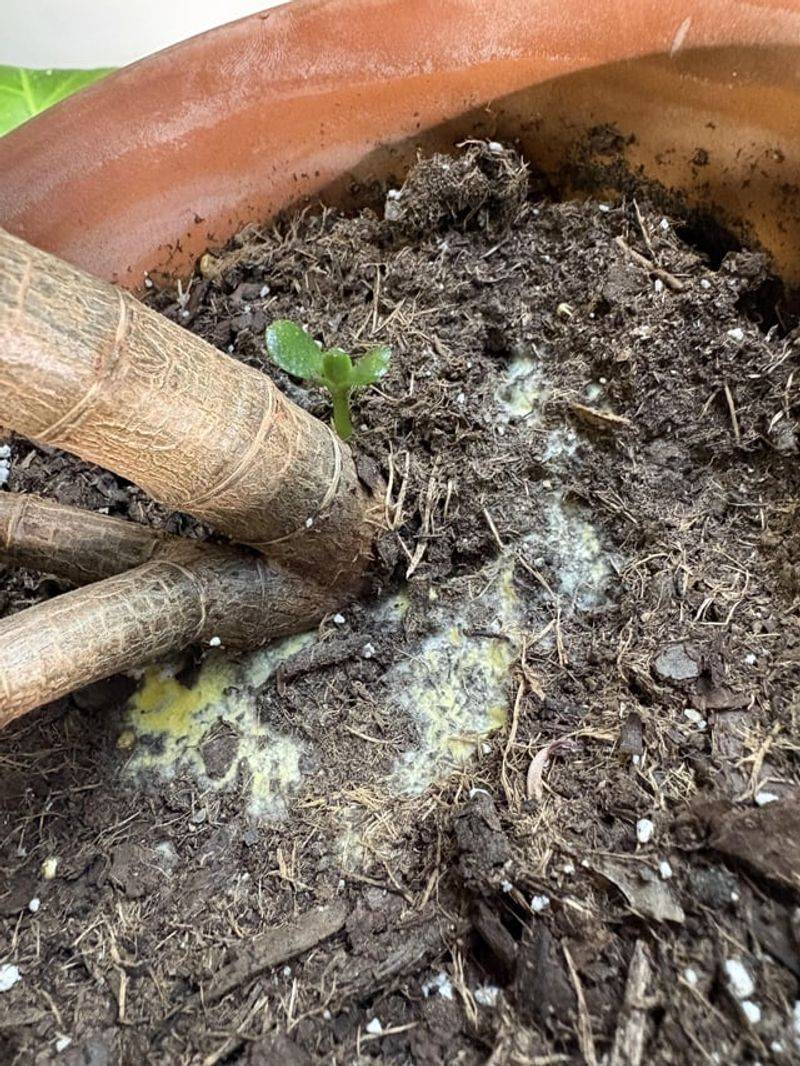
Feeding a jade plant with love sounds sweet, but too much fertilizer can actually make leaves fall faster. These succulents are light feeders, built to survive in lean, rocky soils with very few nutrients available.
Extra fertilizer, especially high nitrogen formulas, pushes soft, weak growth that struggles to hold onto its leaves. You might also spot a white, crusty buildup of salts on the soil surface or around the pot rim.
Those salts can burn tender roots, making it harder for the plant to take up water properly. Flushing the pot with plenty of plain water helps wash away the excess salts through the drainage hole.
Believe it or not, overfeeding is often a bigger problem for jade plants than not feeding them enough. Still, a plant left in the same tired soil for years may slowly drop older leaves from hunger.
Most growers feed only during spring and summer, when the plant actively grows and can use those nutrients. A balanced or cactus fertilizer diluted to half strength once or twice per season usually does the trick.
Skip feeding in fall and winter, since the plant rests and unused fertilizer just builds up in the soil. Pennsylvania’s dark months are a perfect time to give your jade a break from feeding altogether.
Freshly repotted plants also need patience, so wait several months before adding any fertilizer to the new mix. Fresh potting soil often contains some nutrients already, which gives roots time to settle in without extra stress.
7. Repotting A Jade Plant Can Cause Temporary Leaf Drop
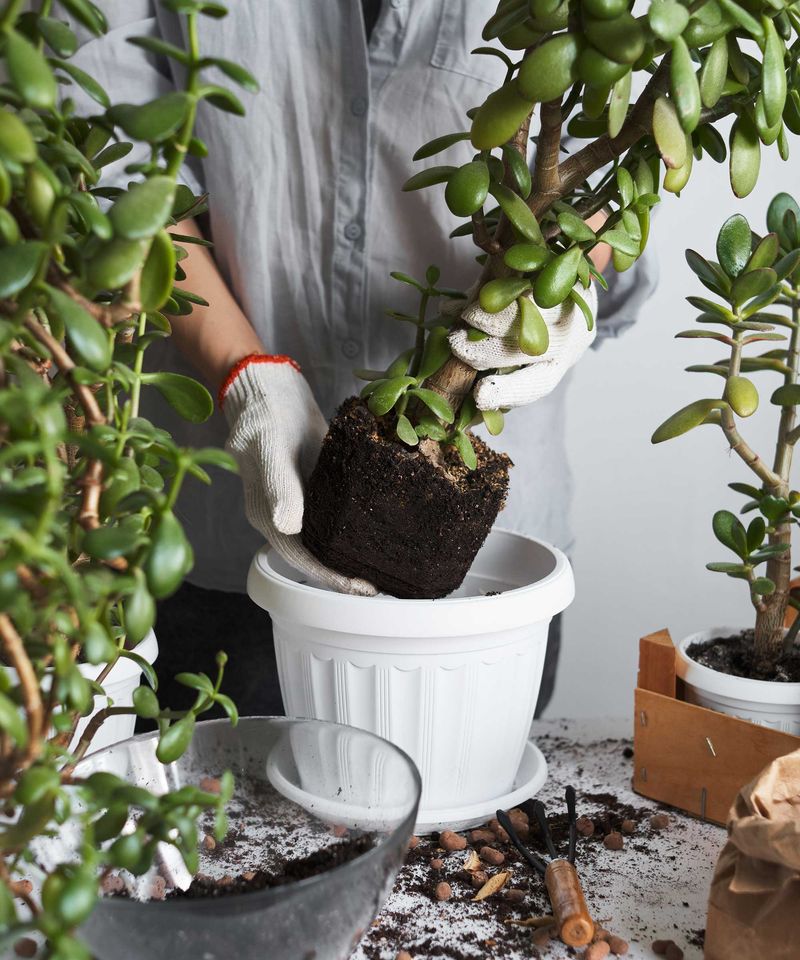
Moving day is stressful for people, and jade plants seem to feel the same way about new pots. Disturbing the roots during repotting often triggers a short period of shock, and a few older leaves may fall.
To my surprise, my own jade dropped several leaves within a week of repotting, then bounced back nicely. That brief shedding is a normal part of adjusting, so try not to panic or overcorrect with extra water.
Spring is the best season for repotting because the plant is waking up and ready to grow new roots. Choose a pot only one or two inches wider, since oversized containers hold extra soil that stays wet.
After repotting, hold off on watering for about five to seven days so damaged roots can heal and callus. Watering too soon invites rot, which turns a small adjustment into a much bigger problem for your plant.
Simply moving a jade to a new room or window can also cause some leaves to drop. Plants fresh from a bright greenhouse often shed a few leaves when they land in a dimmer home.
Give relocated plants a little time, and keep their new spot as steady as possible for several weeks. Avoid shuffling the pot around repeatedly, because each move forces the plant to adjust to new conditions again.
Mature jade plants also shed old, lower leaves slowly as they age, which is perfectly natural behavior. Sudden, widespread drop deserves attention, but a leaf here and there near the base is usually nothing serious.