Your Old Foundation Shrubs Are Due – What Ohio Homeowners Replace Them With in 2027
Foundation shrubs first became popular to hide the tall, rough foundations of houses built over a century ago. Most modern homes sit much lower to the ground, yet many yards still carry those bulky old shrub habits.
Yews and junipers planted decades ago often swallow windows and hold damp air tight against the siding. Across Ohio, I see front walks where one overgrown shrub now hides half of the porch.
I love the moment a tired foundation bed gets cleared and the house suddenly looks younger. You need plants that stay in scale and still shrug off the cold Ohio winters each year.
Several of the newer favorites bloom with real perfume, and a few even blaze bright red every single autumn. Which one would you tuck beside your front steps first, once you see how little pruning they need?
1. Dwarf Korean Lilac
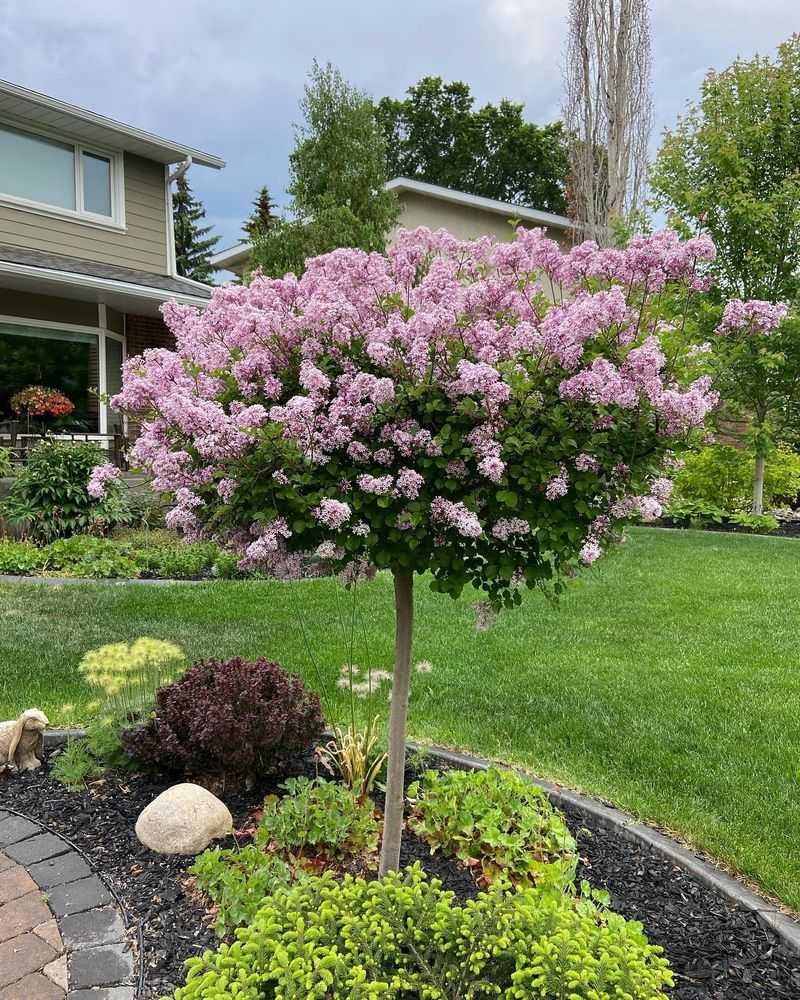
Old-fashioned lilacs can tower over a porch, but this little cousin stays politely around four or five feet tall. I still remember the first time its sweet perfume drifted through my open kitchen window in May.
Known to botanists as Syringa meyeri ‘Palibin’, it forms a dense, rounded mound that looks tidy beside steps. Tiny burgundy buds open into clouds of lilac-purple flowers that butterflies happily visit during late spring.
What I like most is how well it handles powdery mildew compared with many common lilacs in humid summers. You still want good airflow, so leave a couple of feet between the shrub and your siding.
Full sun brings the heaviest bloom, so pick a spot that gets at least six hours of light daily. Shady corners often produce leafy plants with just a handful of flowers, which feels like a sad trade.
Soil fussiness is rarely a problem, since this lilac adapts to clay, loam, and slightly alkaline ground fairly easily. Water young plants weekly during their first summer, then let established roots handle most normal rain patterns.
Pruning timing matters more than anything else with lilacs, because next year’s buds form soon after flowering ends. Trim right after the blooms fade in late spring, or you will snip off next season’s show.
Hardy in USDA Zones 3 through 7, it fits comfortably across the whole state without any special winter wrapping. Personally, I think a pair flanking a front walk makes the most charming welcome in the neighborhood.
2. Little Lime Hydrangea
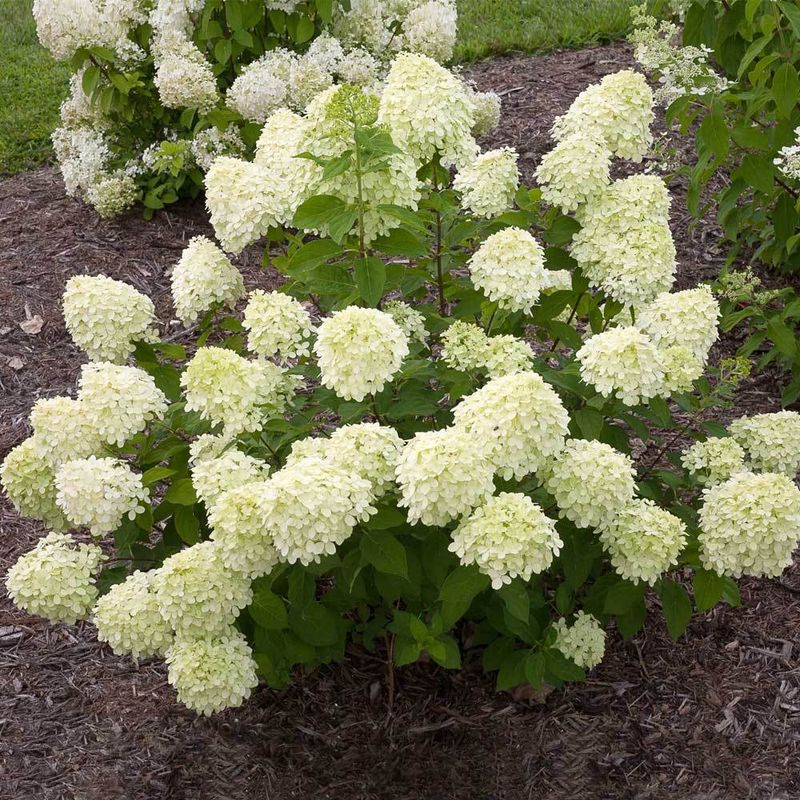
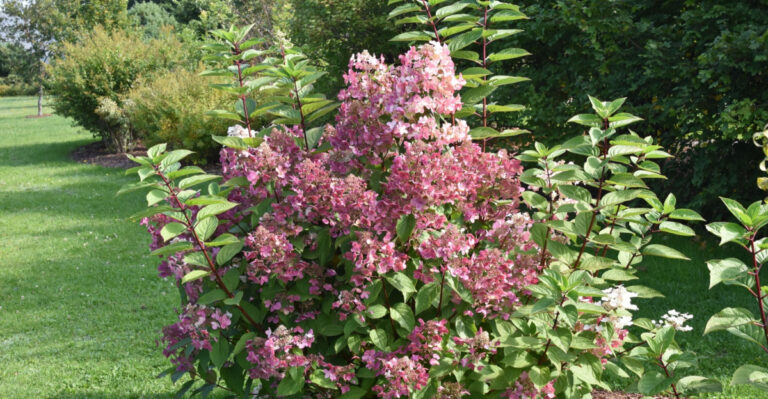
Lime green flowers sound a bit odd until you see them glowing against a white house in July. Little Lime, sold as Hydrangea paniculata ‘Jane’, gives you all that summer drama in a compact package.
Most plants settle in around three to five feet tall and wide, which suits spots under typical front windows. That smaller size is exactly why I reach for it instead of the giant Limelight hydrangea in tight beds.
The cone-shaped blooms open chartreuse in midsummer, fade to creamy white, then blush pink and red as nights cool. You get roughly three months of changing color from one plant, which feels like a real bargain.
Panicle hydrangeas bloom on new wood, so a late Ohio frost rarely ruins the flowers the way it can elsewhere. Cut stems back by about a third in late winter or very early spring before new growth appears.
Sun lovers will appreciate that this shrub handles full sun well, though afternoon shade helps in hot, dry summers. Keep the soil evenly moist, because wilting leaves are a clear sign the roots want a deep drink.
Soil pH does not change the flower color here, unlike the blue and pink bigleaf types many grandmothers grew. That makes it far easier to plan a color scheme without worrying about adding sulfur or lime.
Hardy to USDA Zone 3, it laughs off brutal January cold snaps across even the northern counties. I like pairing it with dark green evergreens so those lime flowers really pop from the street.
3. Mount Airy Fothergilla
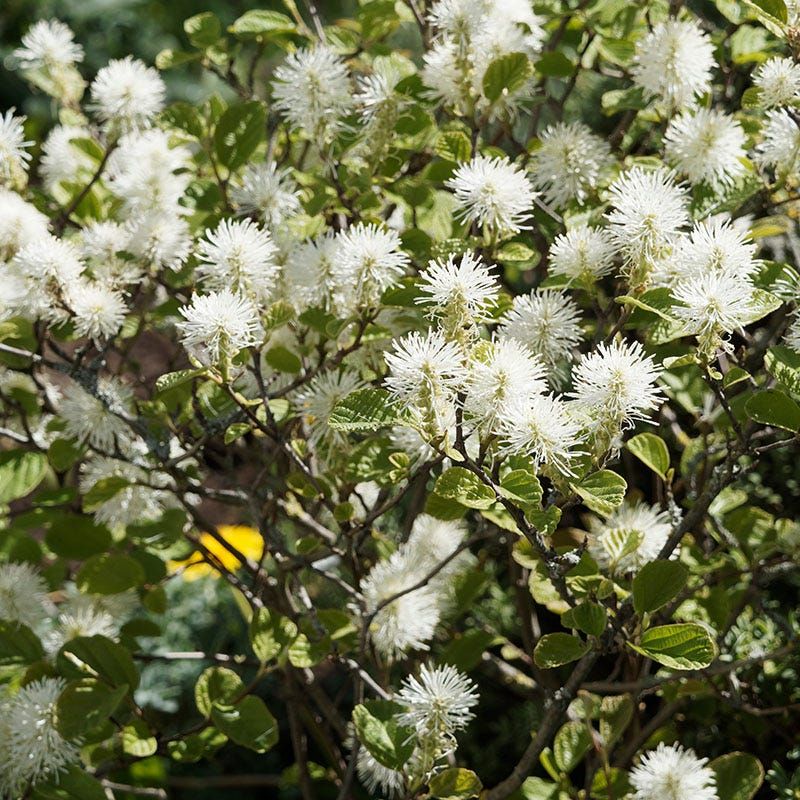
Honey-scented white bottlebrushes popping out before the leaves feels like a little spring magic trick every April. Fothergilla x intermedia ‘Mount Airy’ pulls off that stunt with surprising confidence for such an unassuming shrub.
This plant traces back to fothergillas native to the southeastern United States, and it was selected at Mount Airy Arboretum in Cincinnati. I love telling visitors that a backyard favorite has roots so close to home.
Fall is where it truly steals the show, with leaves turning glowing orange, yellow, and red on one branch. Honestly, I have seen people stop their cars to ask what that fiery shrub by my steps could be.
Expect a mature size of roughly five to six feet tall, with a slightly narrower, upright and rounded shape. Give it a spot near a corner where it has room to spread without blocking any windows.
Moist, well-drained, slightly acidic soil keeps the leaves dark green and healthy through hot July stretches. Heavy alkaline clay can cause yellowing leaves, so mix in compost and consider a soil test before planting.
Full sun to part shade works, but more sun brings richer autumn color and a heavier spring bloom. Bees appreciate the early flowers, and deer usually walk right past it in favor of tastier plants.
Pruning is rarely needed, and any shaping should happen right after flowering to protect next year’s buds. Hardy in USDA Zones 4 through 8, it handles winters across the state without much fuss.
4. Compact Inkberry Holly
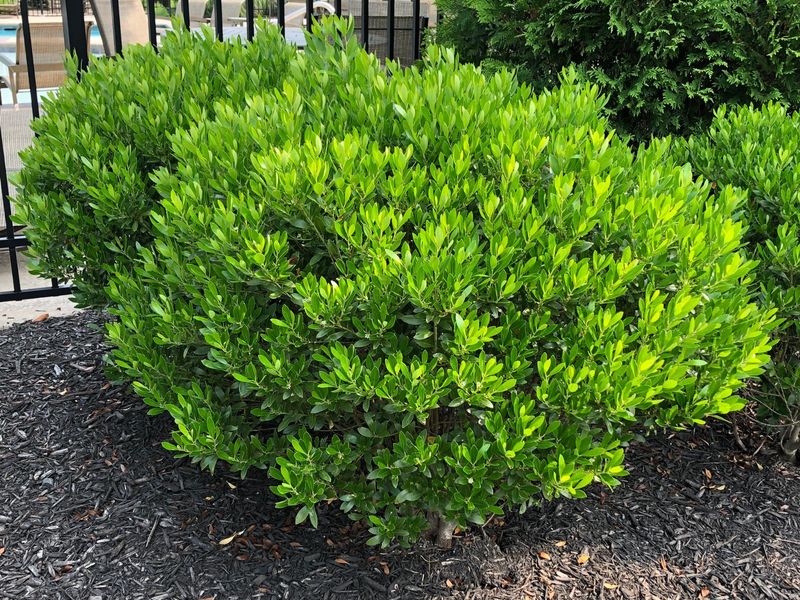
Boxwood lovers have faced a rough few years thanks to boxwood blight and hungry leafminers chewing through hedges. Compact inkberry holly has quietly stepped in as a native evergreen that gives a similar polished look.
Ilex glabra grows wild along the eastern coastal plain, so it brings real native credentials to a front yard. Small, glossy, dark green leaves keep their color through winter, which keeps your entrance looking lively in January.
Many compact selections stay roughly three to four feet tall and wide, though older plants can stretch a bit wider. I like grouping three or five together for a soft, low hedge under a long picture window.
Moist, acidic soil makes this holly happiest, and it handles wet spots better than most foundation evergreens. In alkaline ground, leaves can turn pale yellow, a condition called chlorosis that sulfur and mulch can help correct.
Sun or part shade both work well, but deep shade often makes the lower branches thin and leggy over time. You might notice bare ankles on older plants, so a light rejuvenation cut in late winter refreshes them.
Female plants form small black berries when a male inkberry grows nearby, and birds clean them up over winter. Bees love the tiny spring flowers, and inkberry honey is actually prized along the southern coast.
Hardy in USDA Zones 4 through 9, it suits nearly every Ohio yard I have visited. Personally, I think it is the easiest swap for tired yews that have outgrown their welcome.
5. Oakleaf Hydrangea
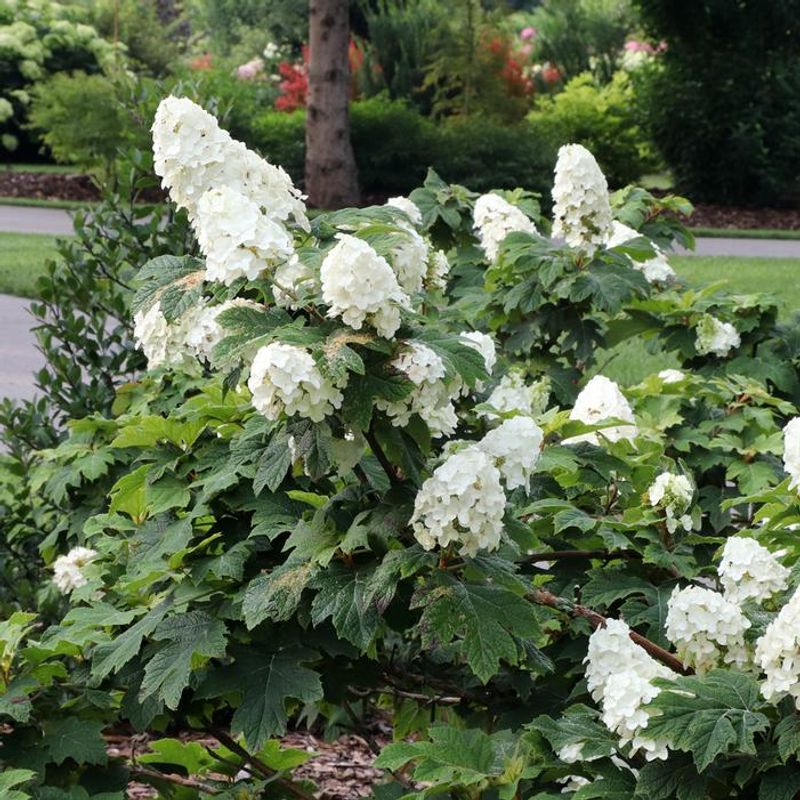
Leaves shaped like giant oak leaves give this shrub a bold, almost tropical look that turns heads in shady beds. Hydrangea quercifolia is native to the southeastern United States and brings interest in every single season.
Early summer brings tall cones of white flowers that slowly age to soft pink and rosy tan by late summer. I usually leave the dried flower heads standing, because they look lovely dusted with winter snow.
Autumn color is the real reward here, with leaves shifting into deep burgundy, crimson, and bronze for weeks. Peeling cinnamon bark shows up on older stems once the leaves drop, adding texture you rarely expect.
Full-size plants can reach six to eight feet, so foundation beds usually need a dwarf type like ‘Ruby Slippers’ or ‘Pee Wee’. Those smaller selections stay closer to three or four feet, which keeps windows clear and walkways open.
Morning sun with afternoon shade suits this hydrangea best, especially on the east or north side of a house. Moist, well-drained soil prevents root rot, so avoid low spots where water sits after heavy spring storms.
Flower buds form on last year’s stems, so prune only right after blooming finishes in summer. Northern gardeners may see some tip damage after very harsh winters, but plants typically recover with new spring growth.
Hardy in USDA Zones 5 through 9, it suits most of the state with a little shelter from winter wind. I believe no other shade shrub delivers so much beauty for so little work.
6. Kodiak Red Bush Honeysuckle
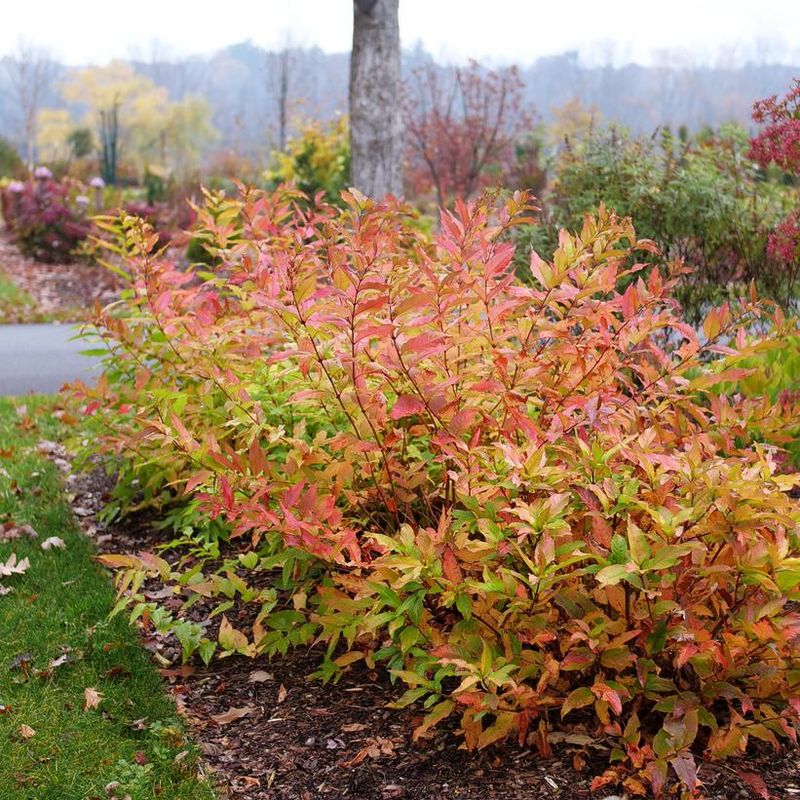
Mention honeysuckle to a seasoned gardener and you might get a groan, since invasive Asian bush honeysuckles crowd local woods. Kodiak Red is a different plant altogether, belonging to the native genus Diervilla rather than Lonicera.
Officially named Diervilla rivularis ‘G2X88544’, this shrub descends from a species native to the southeastern mountains. I find it funny that something with such a scary common name turns out to be a polite garden guest.
New spring leaves come out a rich coppery red, then settle into dark green tinged with burgundy for summer. Autumn brings a fiery orange-red finish that keeps your front bed glowing long after many flowers have faded.
Small yellow tubular flowers appear in summer, and bumblebees work them busily during warm afternoons. You might notice hummingbirds stopping by too, though bees are the most loyal visitors I have seen.
Plants stay roughly three to four feet tall and wide, which fits nicely beneath most first-floor windows. Spreading slowly by roots, it fills gaps and helps hold soil on gentle slopes near walkways and patios.
Sun or part shade both work, and it tolerates dry spells once roots are established after the first year. Deer tend to leave it alone, which makes it a smart pick for suburbs with hungry herds.
Light pruning in late winter or early spring encourages fresh growth and more flowers on new wood. Hardy in USDA Zones 4 through 7, it suits nearly every corner of Ohio.
7. Ruby Spice Summersweet
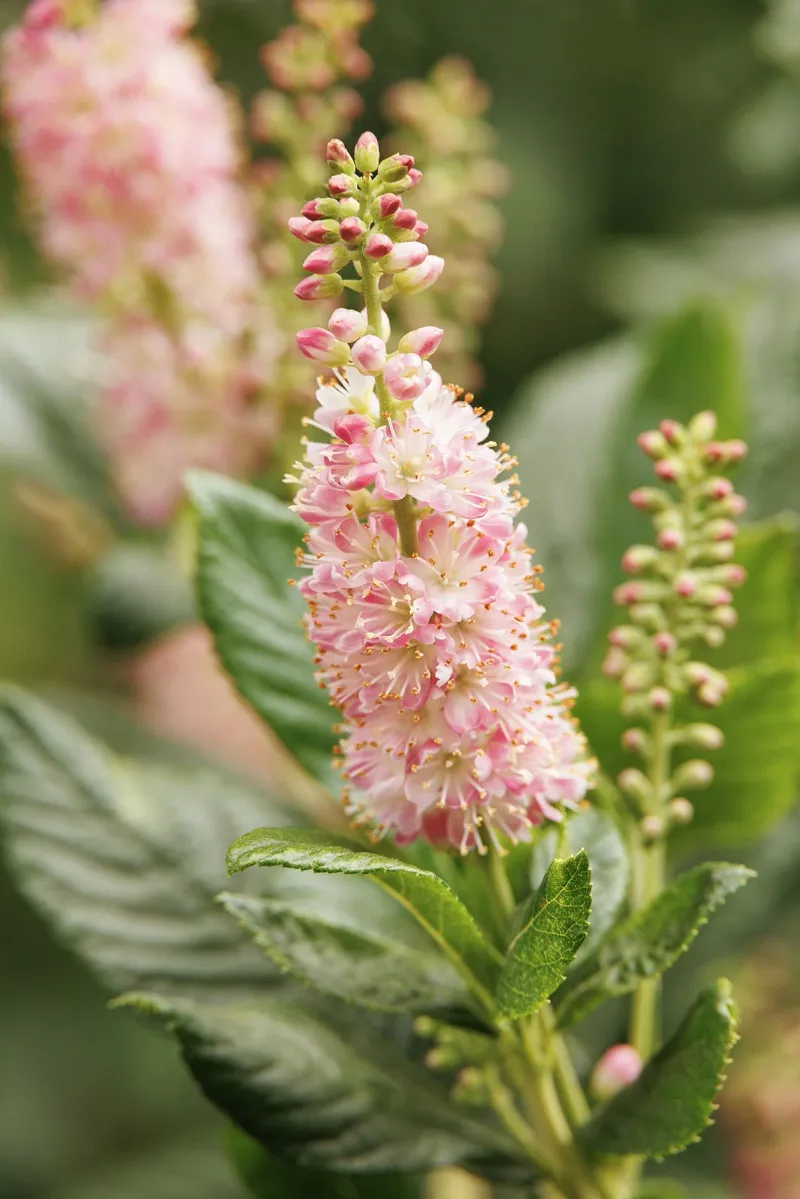
Late July rarely smells this sweet, especially when most spring shrubs have long since finished their flower show. Ruby Spice summersweet fills that quiet gap with spicy fragrant spikes of rosy pink blooms.
Clethra alnifolia grows wild along the eastern seaboard, often in damp woods and swampy edges. That background explains why it happily handles soggy foundation corners where downspouts dump water after storms.
Flowers hold their deep pink color better than older pink selections, which often faded quickly in strong summer sun. Bees and butterflies crowd the blooms so thickly that the whole shrub seems to hum on warm days.
Expect a mature height near four to six feet, with a spread that slowly widens as new shoots appear. Give it room near a corner, because it suckers gently and forms a small, pleasant colony over time.
Moist, acidic soil keeps leaves glossy and green, though it adapts surprisingly well to average garden ground. Part shade suits it beautifully, and it still blooms nicely with a few hours of morning sun.
Autumn turns the foliage a warm golden yellow that brightens shady beds before winter settles in. Leaves emerge late each spring, so do not panic when bare stems linger after other shrubs have leafed out.
Pruning can happen in late winter or early spring, because flowers form on new growth each season. Hardy in USDA Zones 4 through 9, it is one of my favorite surprises for shady front yards.
8. Emerald Green Arborvitae
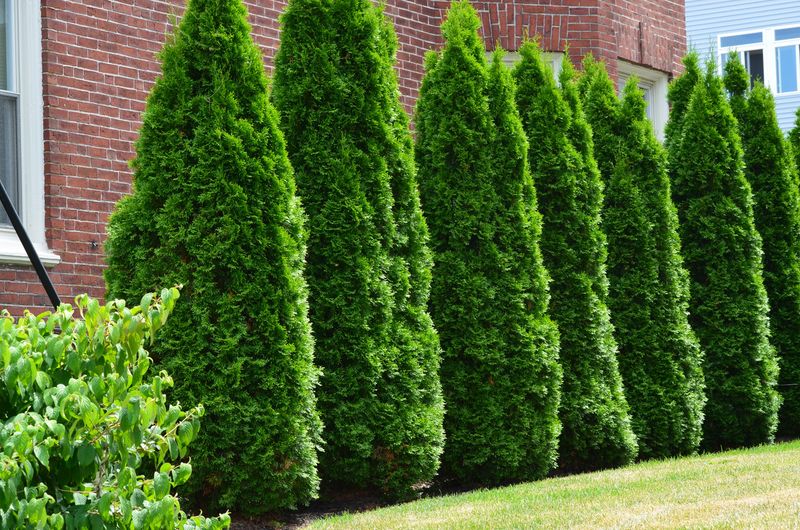
Tall, skinny evergreens work wonders on a house corner, softening hard edges without swallowing the windows nearby. Emerald Green arborvitae, known as Thuja occidentalis ‘Smaragd’, has filled that role in countless yards for decades.
The parent species is native to the region, including scattered wild stands in northern parts of Ohio. Its Danish name ‘Smaragd’ simply means emerald, which fits the rich green color it holds through winter.
Plants grow into narrow pyramids about ten to fifteen feet tall and only three to four feet wide. That slim shape makes them ideal for corners and tall blank walls, but too large beneath most windows.
I have to admit that heavy snow can split the branches open, so a soft tie in late fall helps. Shaking snow off gently with a broom after storms also keeps the shape neat and upright.
Full sun keeps foliage dense, while deep shade often thins the inside and leaves a ragged look. Plant at least three feet from the foundation, because airflow reduces disease and keeps moisture away from siding.
Clay soil is fine here, as long as water does not sit around the roots for long periods. Water deeply through the first two summers, since young arborvitae can brown quickly during hot, dry spells.
Deer find these evergreens tasty, so suburban homeowners might need netting or repellent during lean winter months. Hardy in USDA Zones 3 through 7, it handles the cold here with very little complaint.
9. Dwarf Hinoki Falsecypress
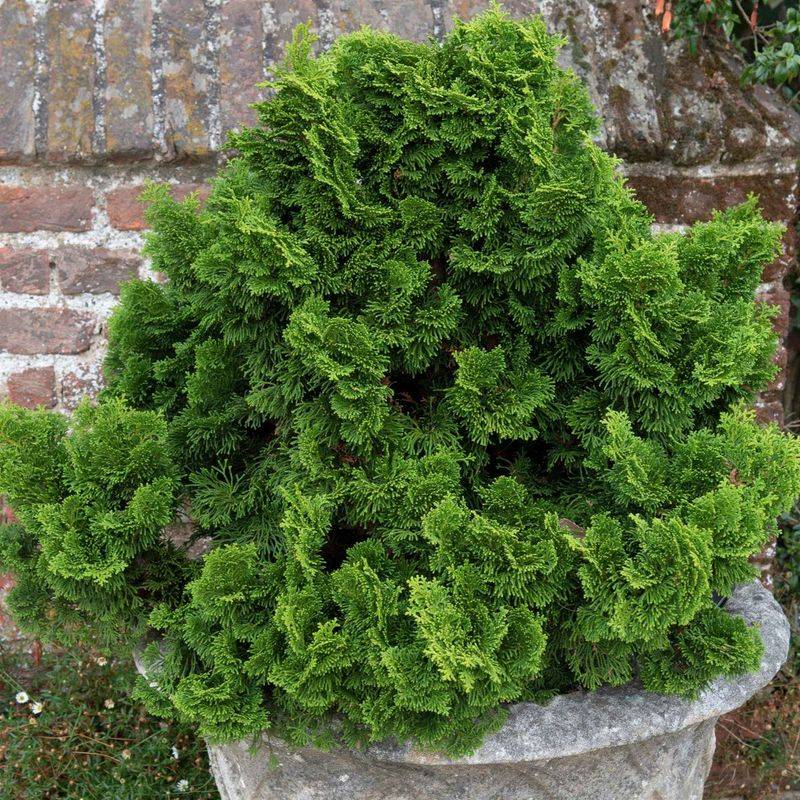
Run your fingers across a dwarf Hinoki and you will feel foliage folded into tiny, glossy fans like seashells. Chamaecyparis obtusa ‘Nana Gracilis’ brings that sculpted look to front beds without any fancy shearing needed.
Hinoki cypress is a sacred tree in Japan, where its fragrant wood has built temples and shrines for centuries. Personally, I enjoy knowing that a little shrub by my door shares roots with such a famous timber tree.
Growth is slow, often only a few inches each year, so it stays in scale for a very long time. Mature plants may reach six feet tall after many years, with an irregular cone shape that feels natural.
Dark green color holds steady through winter, giving your entrance structure when deciduous shrubs stand bare. Pair it with a flowering partner like lilac or hydrangea for a balanced mix of texture and seasonal color.
Moist, well-drained soil suits it best, and soggy clay can cause root trouble over time. Raised beds or amended soil help here, especially in yards where heavy spring rains linger after storms.
Morning sun with protection from harsh winter wind keeps foliage from browning during cold, bright stretches. You might notice some inner needles yellowing in fall, which is normal shedding rather than a sign of disease.
Pruning is rarely required, and heavy cuts into old wood often fail to regrow new foliage. Hardy in USDA Zones 4 through 8, it rewards patient gardeners with year-round elegance.
10. Little Henry Sweetspire
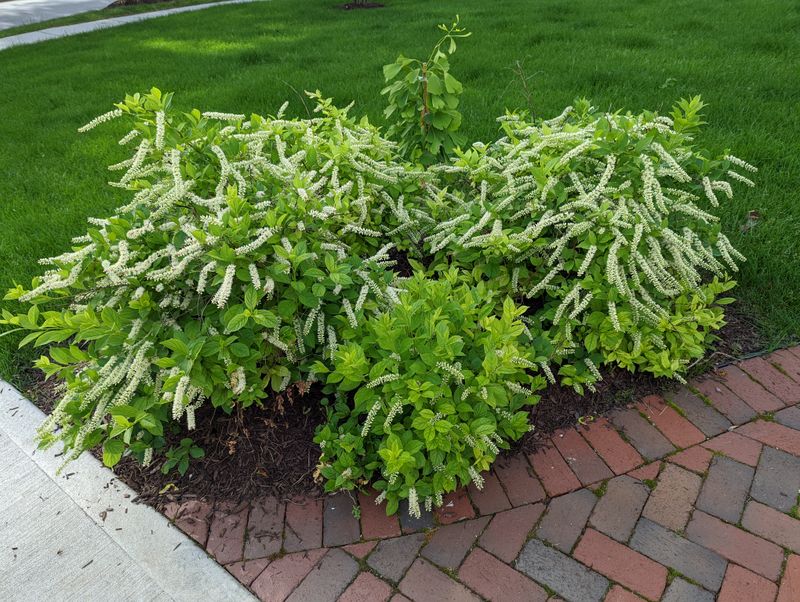
Low windows and short porches need a shrub that knows how to stay small without looking stunted. Little Henry sweetspire, sold as Itea virginica ‘Sprich’, usually tops out around two to three feet tall.
Virginia sweetspire is native to the eastern United States, growing naturally along streams and moist woodland edges. That wild habitat makes it a great fit for damp foundation spots where other shrubs often sulk.
Early summer brings arching white flower spikes with a light, honey-like fragrance that pollinators adore. I love watching small native bees bounce from spike to spike on calm mornings near the front steps.
Fall color is honestly the main event, with leaves turning glowing red, burgundy, and orange for weeks. In mild winters, some leaves cling on into December, keeping the bed colorful long after other shrubs drop theirs.
Sun to part shade both work, though more sunlight brings stronger autumn color and fuller blooms. Moist soil keeps it happiest, yet established plants handle short dry spells better than you might expect.
Plants spread slowly by underground shoots, forming a soft mass that fills gaps between taller shrubs. If it wanders too far, simply dig out the extra pieces in spring and share them with friends.
Prune lightly right after flowering, since next year’s blooms form on older stems over the summer. Hardy in USDA Zones 5 through 9, it makes a cheerful front-row partner for taller evergreens.