10 Desert Shrubs Arizona Homeowners Are Planting Where Their Dead Ficus Hedge Used To Be
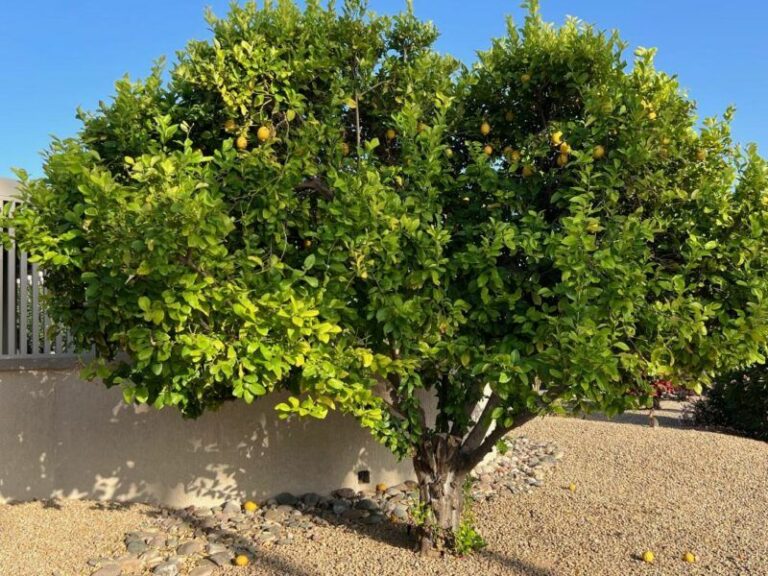
Those glossy ficus walls lining so many Phoenix yards actually come from tropical Asia, where monsoon rains fall reliably every year. Our Arizona summers bake that thin foliage, and a hard January frost can brown an entire hedge overnight.
I have watched friends haul away crispy branches by the trailer load, then stare sadly at the bare strip. That bare strip is honestly a gift, because desert natives can fill it while sipping a fraction of the water.
Personally, I love how the right shrub invites hummingbirds by day and hungry roadrunners chasing bugs near the patio. Some of those visitors happily snack on scorpions and crickets, which feels like free pest control to me.
October is prime planting season across the Arizona low desert, since cooling soil helps fresh roots settle before spring heat returns. So which tough shrubs deserve that empty spot along your fence, and which ones might surprise you most?
1. Arizona Rosewood
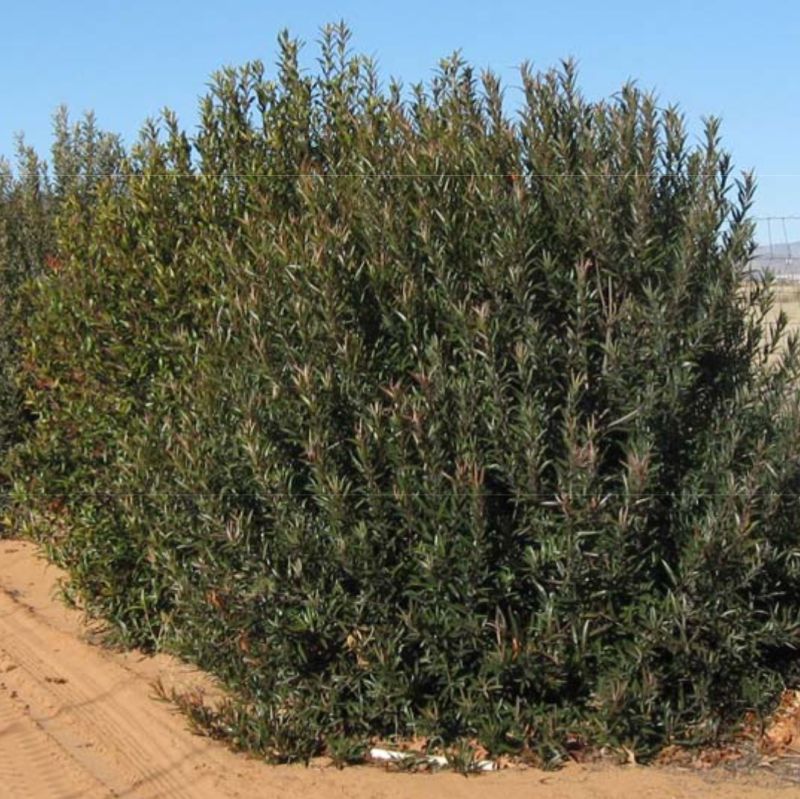
Its leathery leaves look like oleander at a glance, yet this shrub is a rose family native from southern Arizona. I love how it builds a dark green wall that stays thick to the ground, much like that old ficus.
Mature plants usually reach ten to fifteen feet tall, perfect for screening out a neighbor’s second-story windows. Flat clusters of tiny white flowers open in late spring, and bees and butterflies work them over for days.
Rosewood shrugs off temperatures down to roughly ten degrees, so a surprise cold snap rarely leaves ugly brown patches behind. Growth starts slowly, though, so buy the largest container you can afford if privacy matters this year.
Birds love the dense branching for nesting cover, and the shade underneath gives lizards a cool spot to hunt. Those lizards happily snack on crickets and other small bugs that might otherwise wander toward your back door.
October planting gives roots a full cool season to spread before triple-digit days come back next summer. Water deeply every week or two through the first winter, then stretch the schedule as the shrub settles in.
2. Texas Sage
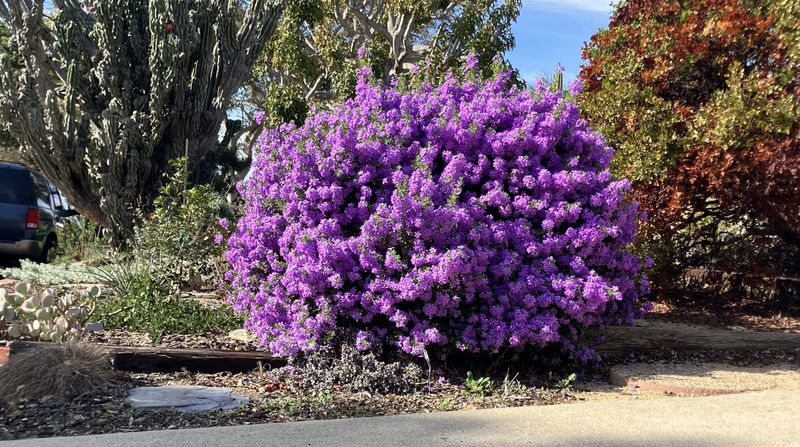
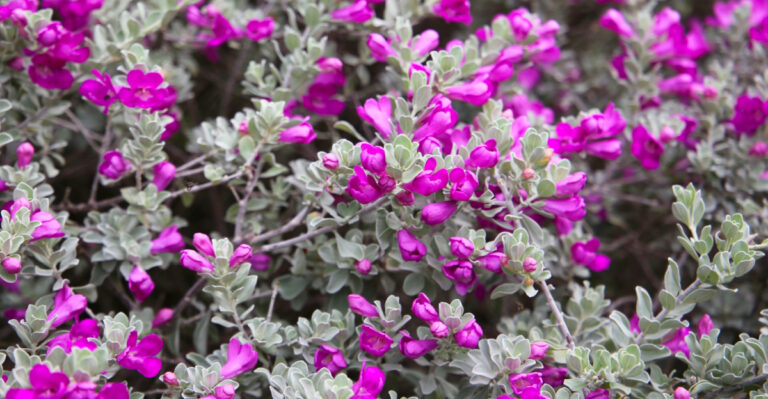
Old-timers call it the barometer bush, since it often bursts into purple bloom right after humid weather or summer storms. I have to admit, watching a gray hedge turn violet overnight still makes me grab my phone for photos.
Silvery leaves reflect harsh sun, which helps the plant stay calm in spots where west walls bounce heat back. Most varieties settle at five to eight feet tall, making them a solid replacement for a medium ficus hedge.
You need to resist the urge to shear it into tight boxes, because heavy trimming removes the wood that carries flowers. A light thinning in late spring keeps the natural mound shape and leaves plenty of buds for those surprise shows.
Bees swarm the blossoms during bloom flushes, and small birds tuck themselves into the twiggy interior for shade. Plant it in fast-draining soil, since soggy roots cause far more trouble for this shrub than heat does.
Native to Texas and northern Mexico, it handles alkaline desert soil without any fancy amendments or fertilizer. Fall planting means just a deep soak every week or so until cooler weather slows its thirst for good.
3. Hopseed Bush
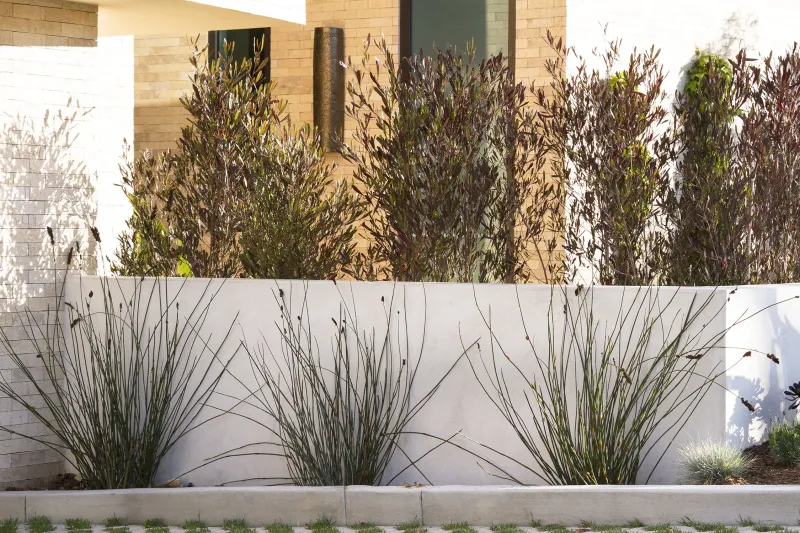
Speed matters when a whole fence line suddenly looks bare, and this native can add a couple feet in one season. Hopseed bush grows wild across much of the Southwest, so it already knows how to handle our blazing afternoons.
Bright green leaves stay on year-round, while the purple-leaved form called Purpurea adds a moody burgundy tone to the yard. Expect most plants to reach eight to twelve feet tall, with a narrow upright shape that suits side yards nicely.
What surprises me most are the papery winged seed capsules, ripening tan or rosy pink after the spring flowers fade. They look like tiny lanterns and rustle softly whenever a breeze drifts through the hedge in the evening.
Small songbirds nest within the upright branches, and their hungry chicks help keep caterpillars and beetles under control. Shear it lightly in spring if you want a formal look, since hopseed accepts trimming better than many desert natives.
Give it full sun and well-drained ground, then water deeply about every two weeks once roots are established. October planting works beautifully here, because cooler nights reduce stress while the young roots quietly push outward.
4. Jojoba
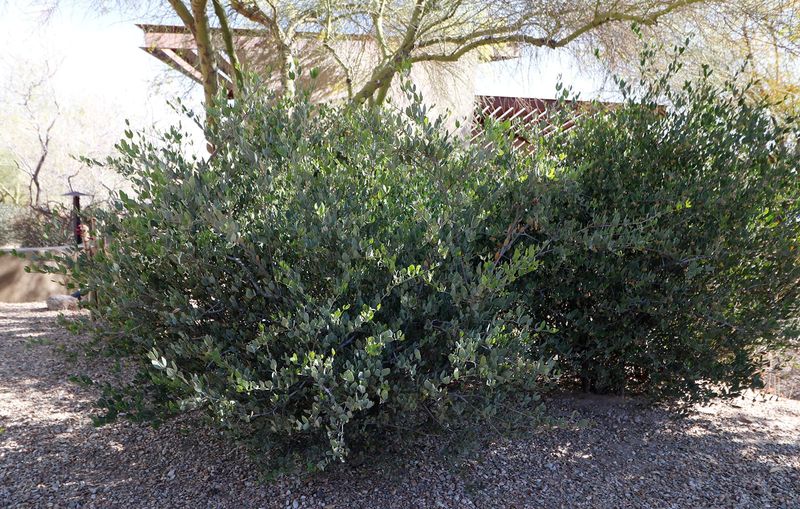
Your shampoo may already contain this shrub, since jojoba seeds hold a liquid wax prized by the cosmetics industry. I love that a plant this useful also grows wild on rocky Sonoran Desert slopes with nothing but rainfall.
Its gray-green leaves point upward instead of outward, a clever trick that reduces how much midday sun hits them. Plants typically reach four to eight feet tall, and they accept shearing well enough to form a tidy hedge.
Male and female flowers grow on separate plants, so only the females produce those acorn-shaped seeds in summer. Rodents and birds gather the fallen seeds, which brings more natural activity to the quieter corners of your yard.
Javelina and deer do nibble jojoba in some neighborhoods, so protect young plants with wire cages for the first year. Once established, it often gets by on monthly summer watering, which makes your utility bill look much friendlier.
Plant it this month in loose, rocky soil, and skip the compost because rich ground can encourage root rot. A slow start is normal, so patience pays off with a hedge that rarely asks much from you later.
5. Desert Hackberry
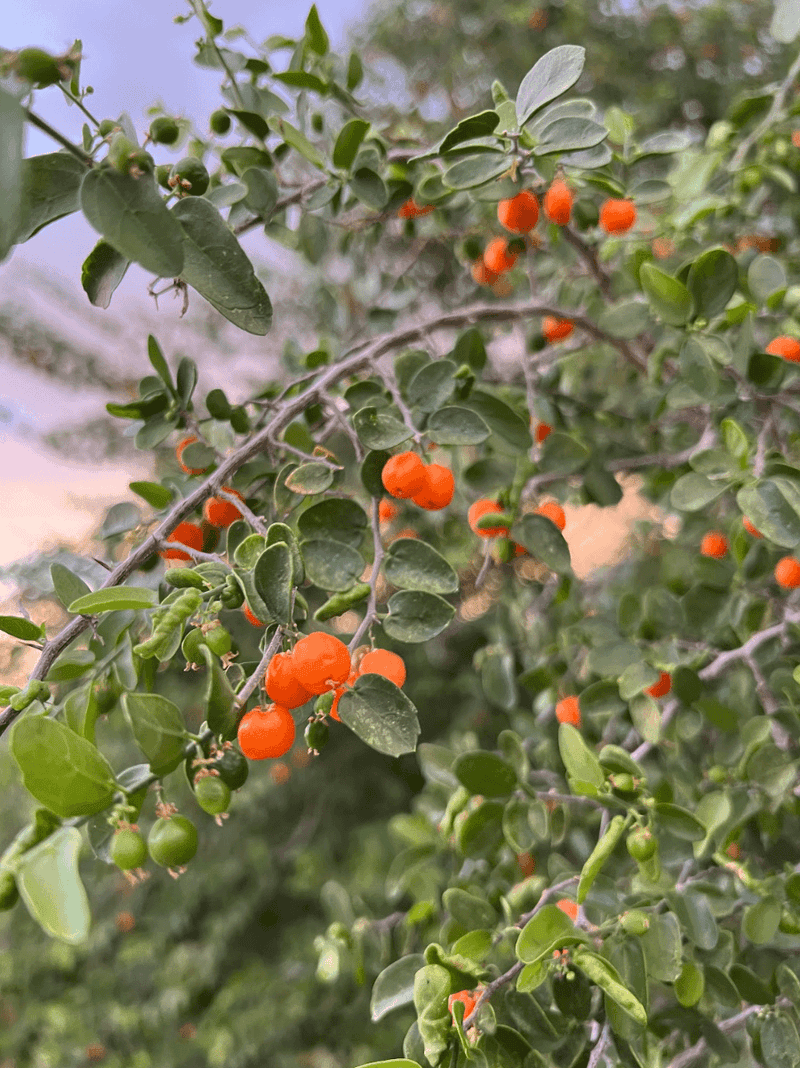
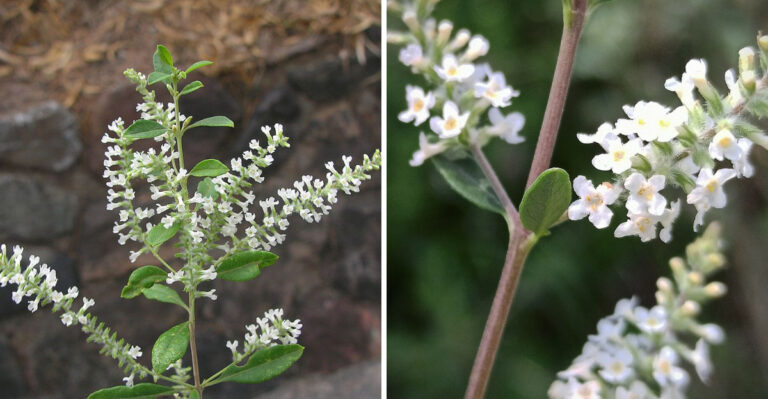
Thorny branches might sound unfriendly, but birds treat this Sonoran native like a fortified apartment with a free buffet. Small orange berries ripen in late summer and fall, and thrashers and cardinals gobble them up once they soften.
I believe few shrubs pack more wildlife value into one spot, since its leaves also feed several hackberry butterfly caterpillars. Those spiny stems create safe cover where songbirds can rest out of reach from hawks and roaming cats.
Desert hackberry usually grows six to ten feet tall and just as wide, forming a dense tangle along property lines. The thorns also make it a natural security hedge, discouraging anyone who considers cutting through your side yard.
Wear thick gloves when pruning, and trim in late winter so you do not remove next season’s berry crop. Leaves may thin during long dry spells, though a deep drink usually brings fresh green growth back quickly.
Full sun and well-drained native soil suit it best, and it tolerates the alkaline ground found across much of Arizona. Plant it now, water deeply every week or two through winter, then gradually let it rely on rainfall.
6. Mexican Bird Of Paradise
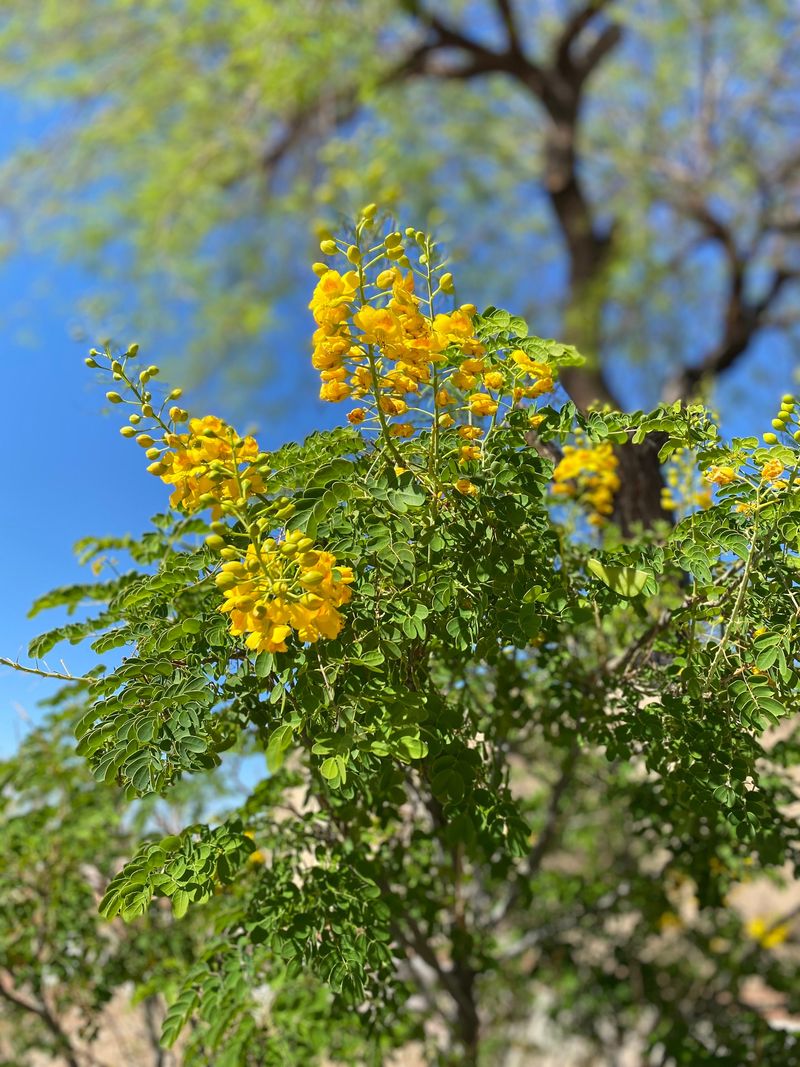
Lemon-yellow flower spikes appear on this shrub from spring well into fall, so October visitors often still find it blooming. Personally, I think it brings the closest thing to tropical flair that a desert yard can manage on modest water.
Unlike its red cousin, this species keeps much of its glossy foliage through winter, giving you screening when you need it. Plants commonly reach ten to fifteen feet, and you can train them into a small tree or keep them bushy.
Hummingbirds and butterflies visit the blossoms throughout the warm season, keeping your patio view lively during long afternoons. It handles reflected heat from walls and pavement without the leaf scorch that troubles so many ficus hedges.
The seeds and pods are toxic if eaten, so snip off the brown pods if curious pets or toddlers explore. Removing pods has a bonus, since the plant then puts more energy into fresh flowers instead of seed production.
Plant it in full sun with good drainage, and water deeply every week or two while roots get established. Light frost may damage tender tips, but new growth usually returns quickly when warmer spring days arrive.
7. Yellow Bells
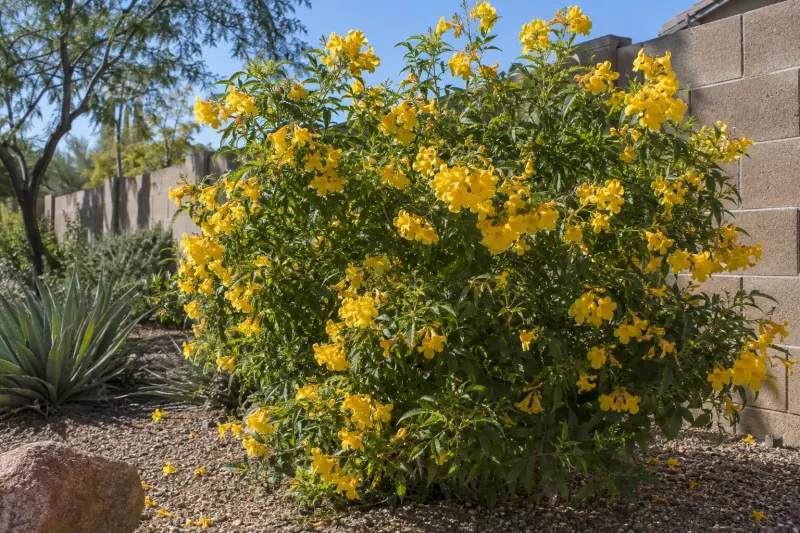
Golden trumpet flowers drip from this native like party streamers, and the show often peaks right around this time of year. Arizona yellow bells grow wild in southern canyons, so the plant feels at home in the blazing desert sun.
Hummingbirds treat every blossom like a refueling station, and you can watch them zip between branches from your window. Bees love the open flowers too, which helps nearby vegetable gardens and fruit trees get better pollination.
Most plants reach six to ten feet tall, filling a fence line fast with bright green, finely cut leaves. Heavy frost can nip the branches back to the ground, though roots typically resprout vigorously once spring warms things.
You need to hold off pruning frost-damaged stems until spring, since that brown growth shields the inner branches from cold. Fall is a fine planting time in the low desert, but higher towns may prefer waiting until frost passes.
Long, skinny seedpods follow the flowers, and some gardeners trim them off to encourage another round of blooms. Water deeply about weekly during the first year, then cut back gradually as the shrub proves its toughness.
8. Autumn Sage
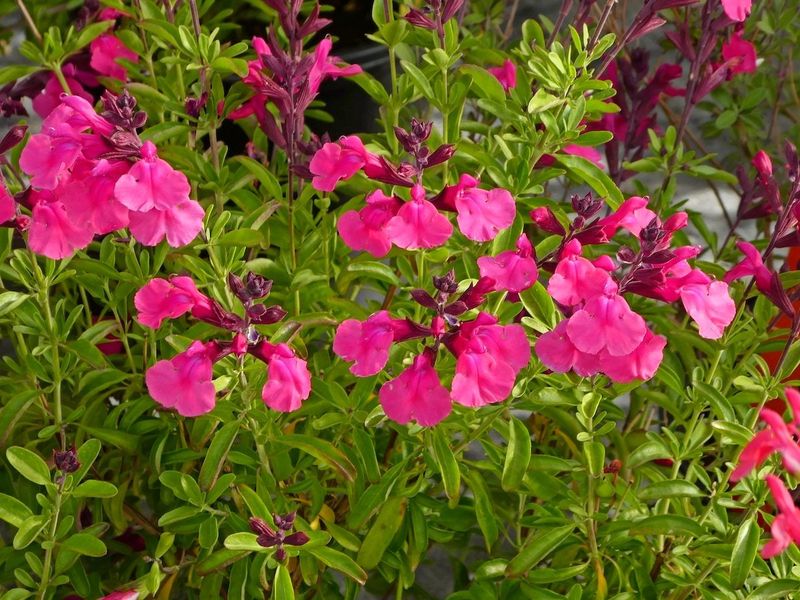
October is when this little sage truly earns its name, pushing out a fresh flush of red or pink blooms. I like how one plant can keep hummingbirds visiting the same corner for months of spring and fall color.
At two to three feet tall, it will not replace a tall hedge, but it shines along the front edge. Tuck a row in front of taller shrubs to soften woody trunks and cover that bare ground near the fence.
Native to Texas and northern Mexico, autumn sage handles low desert heat best with a little afternoon shade. Full blazing sun all day can stress it during summer, so an east-facing bed often keeps leaves looking fresher.
Fragrant foliage tends to discourage rabbits from snacking, which matters a lot in yards near open desert washes. Cut plants back by about a third in late winter to keep growth compact and blossoms coming strong.
Plant now in well-drained soil, and water twice weekly at first before stretching toward a weekly summer schedule. Its sturdy branches hold up well, and many named varieties offer colors ranging from white to deep coral.
9. Little Leaf Cordia
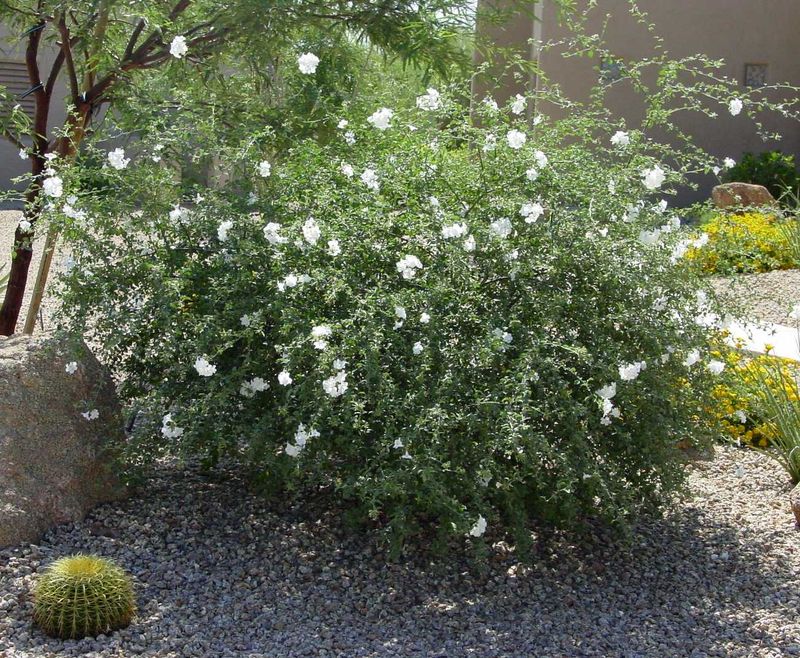
Crinkly white flowers that look like tissue paper pop open on this shrub after rains, often several times each year. You’re in for a treat, because those blooms can appear from spring through fall whenever moisture arrives.
Little leaf cordia comes from the Sonoran Desert of northern Mexico, and it shrugs off heat that scorches tropical hedges. Plants usually reach four to eight feet tall and wide, with an airy rounded form that works as an informal screen.
Butterflies and native bees visit the blossoms, and small birds perch among the twiggy stems between feeding trips. Its tiny gray-green leaves give the hedge a soft texture that pairs nicely with bolder agaves or prickly pear.
Once established, it can thrive on watering every few weeks in summer, making it one of the thriftiest choices here. Cold tolerance reaches roughly the high teens, so most low desert gardens can count on it through winter.
Skip heavy shearing, since the natural loose shape looks best and keeps flowers forming along the branch tips. Plant it this fall in full sun, then give it deep, infrequent drinks as the roots spread outward.
10. Desert Ruellia
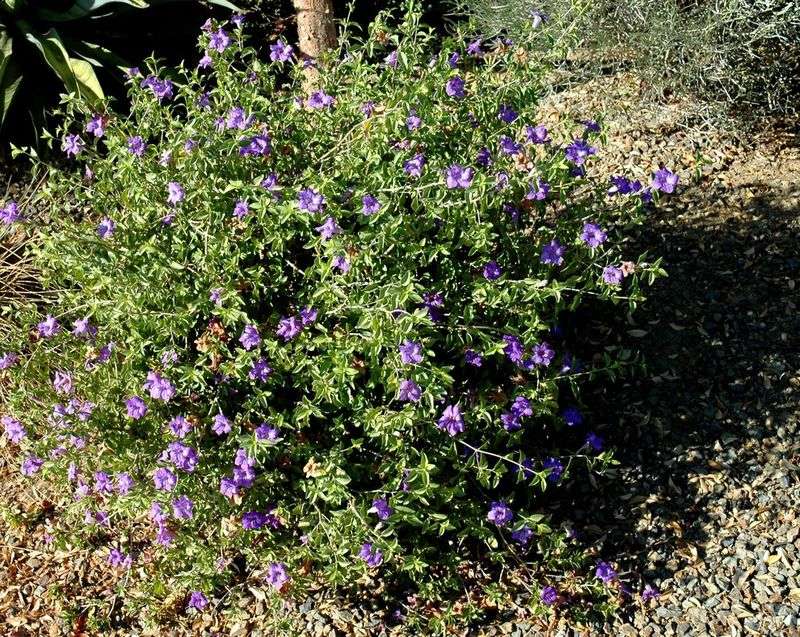
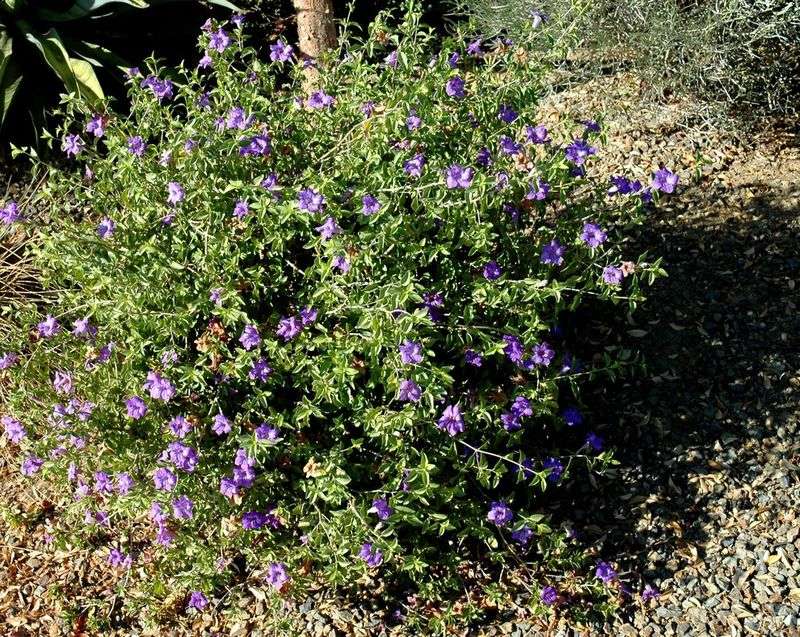
Purple petunia-like flowers decorate this evergreen shrub through much of the warm season, giving a low hedge some cheerful color. Desert ruellia hails from Baja California and Sonora, so it handles full sun and reflected heat with real grit.
I can’t imagine a better choice for narrow beds, since plants stay roughly three to four feet tall and wide. Glossy green leaves look fresh even in August, which helps cool the view from a sunny patio or window.
Hummingbirds and butterflies sip from the flowers, and the dense mounds give lizards shady cover for hunting insects. Those hunting lizards add free pest patrol near foundations, where crickets and other bugs like to gather at night.
Water every week or two in summer once plants settle, and ease off during the cooler months ahead. A light trim in late winter keeps the shape tidy, though many gardeners let it grow naturally without fuss.
Mass several plants together along an old hedge line, and the result looks intentional rather than like a patch job. October planting gives roots time to grow, so next spring you could enjoy a purple-trimmed fence instead of bare dirt.