9 Illegal Backyard Crops Florida Gardeners Could Get in Trouble for Growing
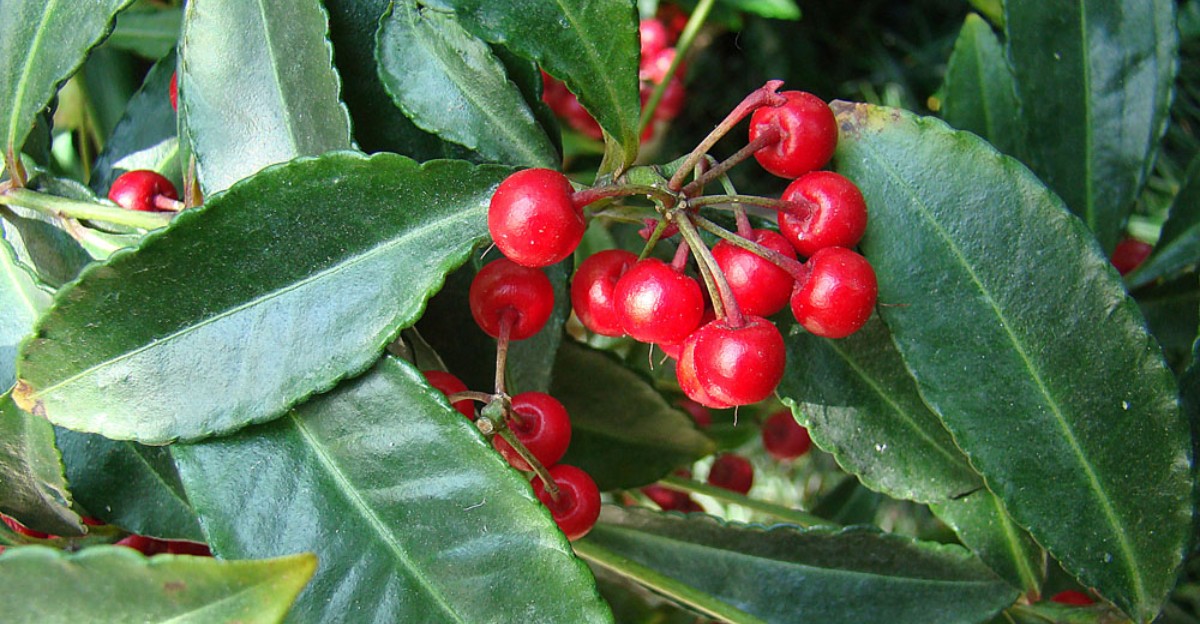
A spice jar labeled pink peppercorns can hold berries from a tree that Florida officially lists as a noxious weed. Those rosy clusters blanket huge stretches of wild land, and selling the tree here brings real trouble.
Florida rules make it unlawful to move or release certain listed plants without a special permit from agriculture officials. Several of them still sneak into backyards through plant swaps or bags of pine straw from the store.
I have to admit that a few of these troublemakers look gorgeous, with shiny berries and lacy green leaves. You might even have one climbing your fence right now, and nobody at home would think twice.
Most officials focus on stopping sales and spread, but knowing the rules helps you protect your yard and your neighbors.
Some of the prettiest finds at a roadside sale can land you in hot water, so they’re worth recognizing before one comes home with you.
1. Brazilian Peppertree
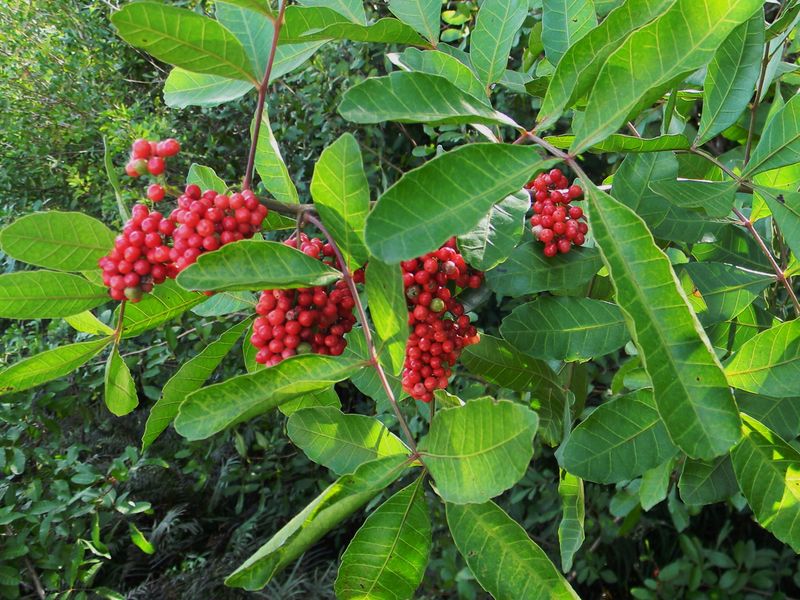
Those cheerful red berries look like holiday decorations, which explains the old nickname Florida holly you still hear sometimes. Birds gobble the fruit through the cooler months and scatter seeds into yards and mangrove edges along the coast.
Personally, I find it wild that this shrubby tree is a cousin of poison ivy and mango. Its sap and crushed leaves can irritate sensitive skin, so gloves and long sleeves make sense during cleanup.
State agriculture rules list Brazilian peppertree as a noxious weed, so moving or releasing it needs a permit. Sales and new plantings are off the table, which surprises many folks who inherited one with their house.
Thickets of it now cover hundreds of thousands of acres, shading out native plants that wildlife depends on daily. Those dense stands also crowd hammocks and shorelines, leaving little room for the plants that once grew there.
You need to cut larger trunks low and treat the stump quickly, or new sprouts will pop back up. UF/IFAS extension offices can explain which herbicide products and methods suit your yard and local rules.
Small seedlings pull out easily after a soaking rain, especially when the soil is soft and loose. I like checking under fence lines and bird perches, since that is where new seedlings tend to appear first.
For a native swap with red berries, consider yaupon holly or Simpson’s stopper in a sunny spot. Both feed birds without the legal headaches, and they fit neatly into most home landscapes around the state.
2. Air Potato
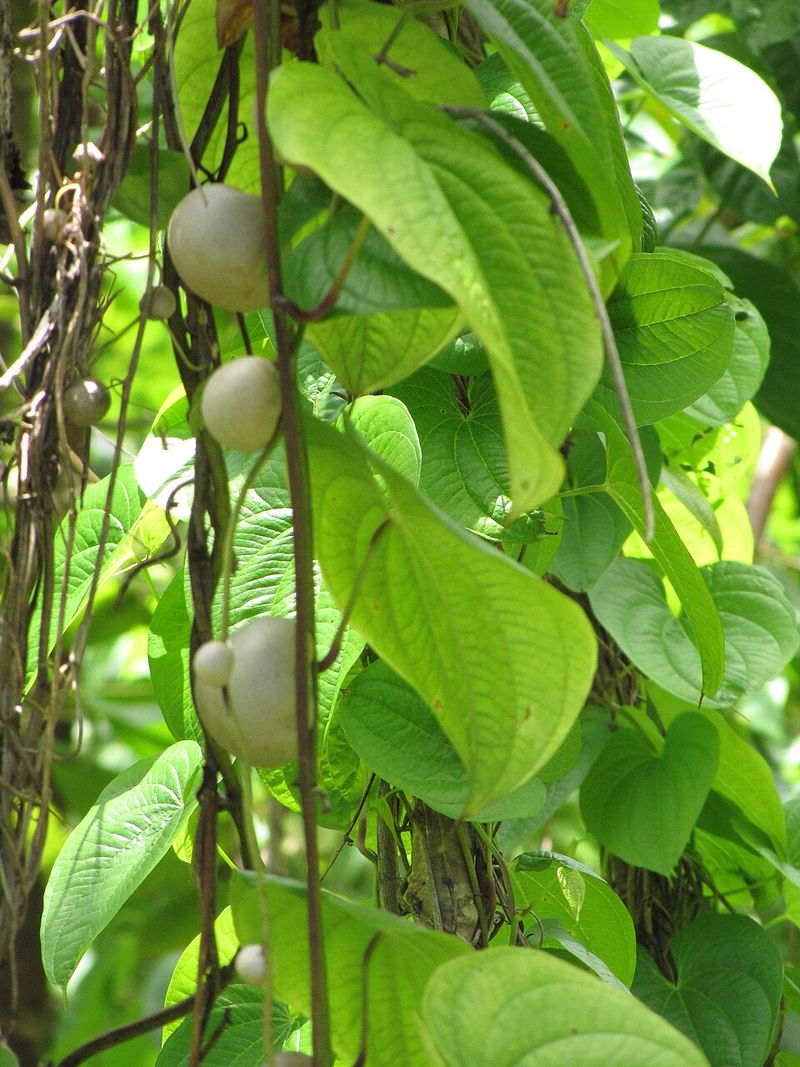
Eight inches in a single day is the kind of growth spurt this twining vine can manage in summer. Heart-shaped leaves stack up fast, and soon a whole oak can vanish under a green curtain of foliage.
Air potato, Dioscorea bulbifera, earns its name from the knobby potato-like bulbils that dangle from the stems. Each one can fall to the ground and sprout into a brand new vine wherever it lands.
The plant sits on the state noxious weed list, so you cannot legally move or release it without a permit. Wild types found here can be bitter and possibly toxic, so trading or tasting bulbils is a poor idea.
What surprises me most is the tiny helper the state released to fight back, a leaf-eating beetle from Asia. The air potato beetle chews mostly on this vine, and you may spot red beetles munching leaves in warm months.
Hand removal still matters, because beetles slow the vine down without fully clearing it from your property. Collect bulbils in fall and winter after the leaves drop, then bag them and send them out with household trash.
I believe a monthly walk around fences and tree trunks catches most new sprouts before they climb out of reach. Pull young vines gently and try to remove the underground tuber, since leftover pieces can regrow next season.
Native coral honeysuckle makes a much friendlier choice when you want a vine covering your trellis or arbor. Hummingbirds love its tubular red blooms, and it stays polite instead of swallowing the whole backyard.
3. Melaleuca
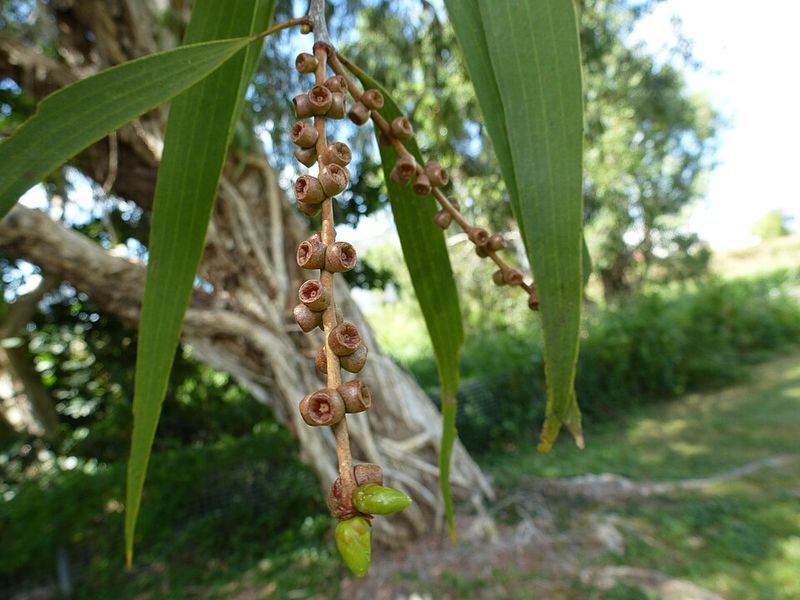
Peel a strip of that papery white bark and you might think you found a giant tree made of tissue. Melaleuca quinquenervia, often called punk tree or paperbark, came from Australia and once seemed like a clever landscape idea.
Early planters in the 1900s hoped it would help dry out swampy land in South Florida. Instead, the trees took over vast wetland areas, including parts near the Everglades, forming dense single-species forests.
Today melaleuca appears on both state and federal noxious weed lists, and it is a prohibited aquatic plant. That means selling or moving it without a permit can bring trouble from agriculture regulators and inspectors.
I can’t imagine the seed load, with millions of tiny seeds packed into woody capsules along the branches. Fire or stress can trigger a big release, which helps new seedlings carpet the ground very quickly.
Many people with allergies report irritation around blooming trees, and the oily leaves carry a strong medicinal scent. Bees still visit the bottlebrush flowers, but that small perk hardly outweighs the damage to wetlands.
Biological control insects, including a weevil and a psyllid, have helped slow melaleuca across many natural areas. Home gardeners should contact a county extension office before tackling a big tree, since cutting can trigger resprouting.
Personally, I would replace any melaleuca with native bald cypress in wet spots or a sturdy live oak elsewhere. Both trees handle our storms well and give local birds far better shelter through every season.
4. Australian Pine
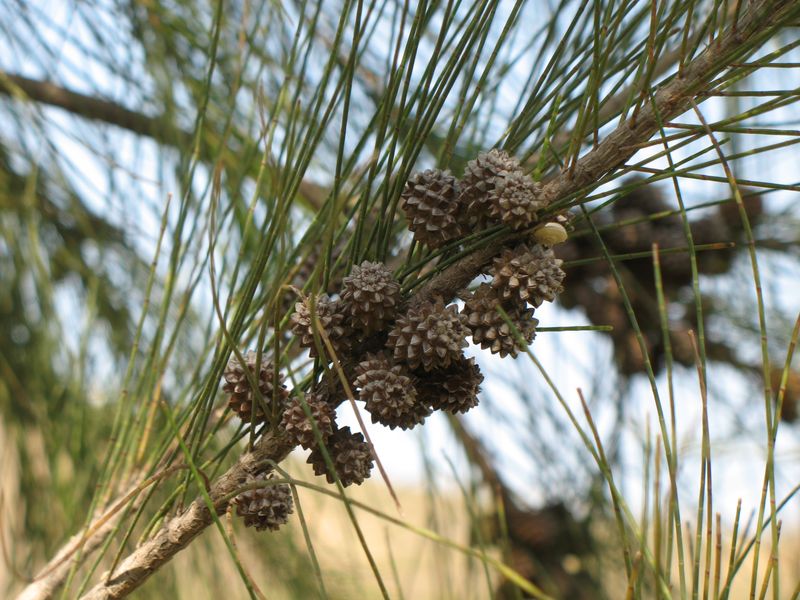
Soft whispering needles and a breezy beach shade make this tree feel like a postcard, yet it is no pine. Casuarina equisetifolia is a flowering tree, and those needles are really thin green branchlets with tiny scale leaves.
State rules list Australian pine as a prohibited plant and noxious weed, so new plantings require special permission. Some older coastal communities still have big stands, and local ordinances often push for gradual removal.
You might notice how bare the sand looks beneath these trees, with few plants growing under the thick layer. Fallen branchlets pile up and shade the ground, leaving little room for dune plants that hold sand in place.
Shallow roots also make the trees topple easily during hurricanes, sometimes blocking roads and damaging homes nearby. Along beaches, toppled trunks and roots can get in the way of nesting sea turtles searching for open sand.
I love how quickly native dune plants bounce back after these trees are removed and sunlight returns. Sea oats and beach sunflower knit the sand together and give pollinators a welcome coastal snack.
Big trees deserve a certified arborist, since their height and brittle wood make DIY cutting risky business. Smaller saplings can be pulled or cut low, and stump treatment helps reduce stubborn resprouting from roots.
For coastal shade, sea grape and cabbage palm handle salty wind beautifully without breaking any rules. Sea grape even offers edible purple fruit in late summer, which beats a pile of scratchy branchlets.
5. Chinese Tallow Tree
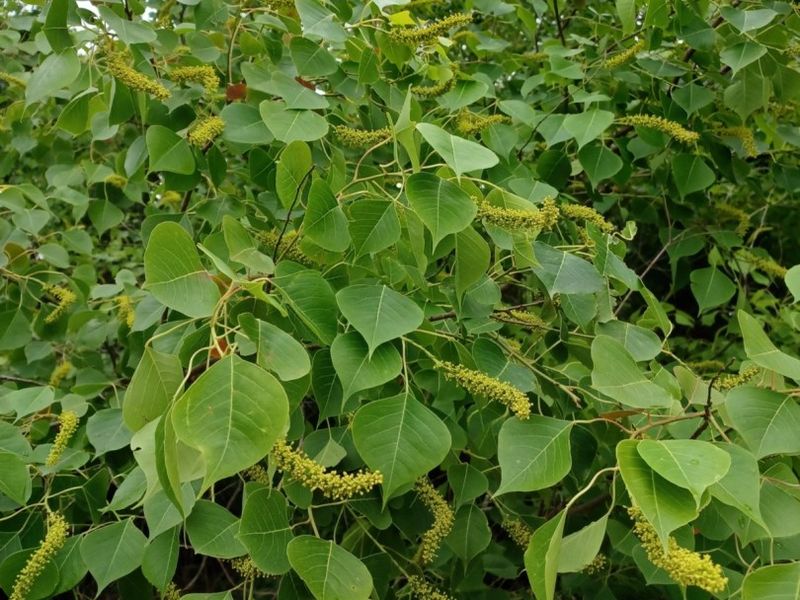
Few trees in the South flash autumn color like Chinese tallow, glowing in shades of scarlet and gold. Gardeners also call it popcorn tree, because its waxy white seeds look like puffed kernels clinging to branches.
Triadica sebifera arrived from Asia long ago, and people even used its seed wax for candles and soap. Now it sits on the state noxious weed list, so selling or planting new ones is illegal without a permit.
Birds snack on those popcorn seeds and carry them far, while floodwaters float them into new wet areas. Seedlings grow quickly and handle shade or soggy soil, which lets them crowd out native trees fast.
Fallen tallow leaves can also add extra nutrients to ponds and streams, which may disrupt healthy water quality. Some studies have linked heavy leaf litter to stress on aquatic life, though effects vary by location.
I believe the hardest part is saying goodbye to a shade tree that has stood in your yard for years. Planting a replacement first softens that loss, giving you something new to look forward to each fall.
Small saplings pull up best when the ground is moist, so try weeding right after a good rain. Larger trees often need cutting plus stump treatment, and an extension agent can suggest the safest approach.
Red maple and black gum both deliver gorgeous seasonal color, and they belong in our local ecosystems. Black gum also feeds birds with dark blue fruit, so you keep the wildlife show without the guilt.
6. Japanese Climbing Fern
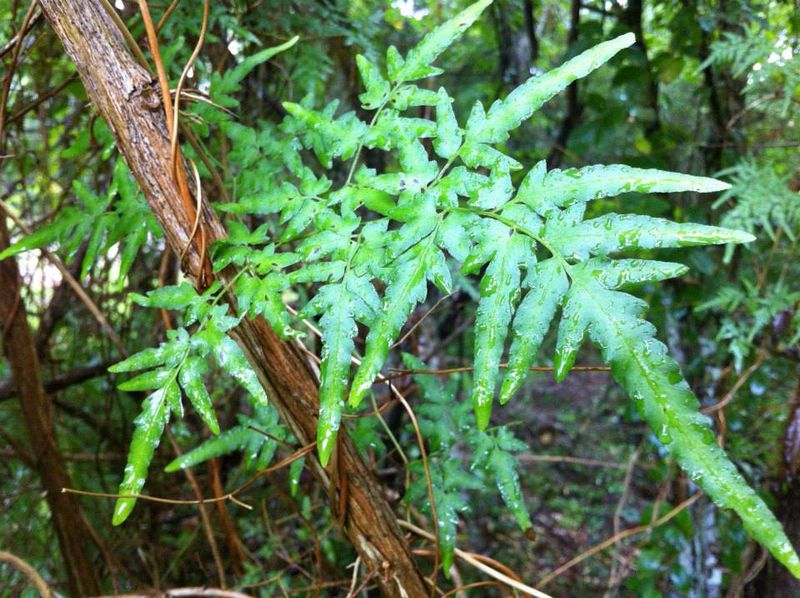
Lacy fronds that look soft enough for a fairy garden can quietly bury entire shrubs by midsummer. Lygodium japonicum is a fern that climbs, which already sounds strange to anyone used to ferns on the ground.
What surprises me most is that each long twining strand is really a single leaf, not a stem. Those leaves can stretch many feet up trees, forming tangled mats that block sunlight from plants underneath.
The fern is a listed noxious weed, so possessing or moving it without a permit breaks state rules. Pine straw is a common hitchhiking route, because spores and fern pieces often travel inside harvested bales.
You need to inspect pine straw before spreading it, especially if it comes from an unknown supplier. Ask sellers whether their fields get checked for climbing fern, since careful producers watch for it closely.
Spores are dust-fine and drift on the wind, so one fertile patch can seed a surprisingly large area. Removing fertile fronds before they release spores, usually in late summer and fall, helps slow the spread.
Pulling vines by hand works for small patches, but the wiry underground rhizomes often send up fresh growth. Bag the pulled material instead of composting it, and wash tools or gloves before heading to another bed.
Native cinnamon fern or royal fern brings soft green texture without any climbing ambitions or legal worries. Both enjoy moist, shady spots and look lovely tucked beside a pond or under tall oaks.
7. Skunk Vine
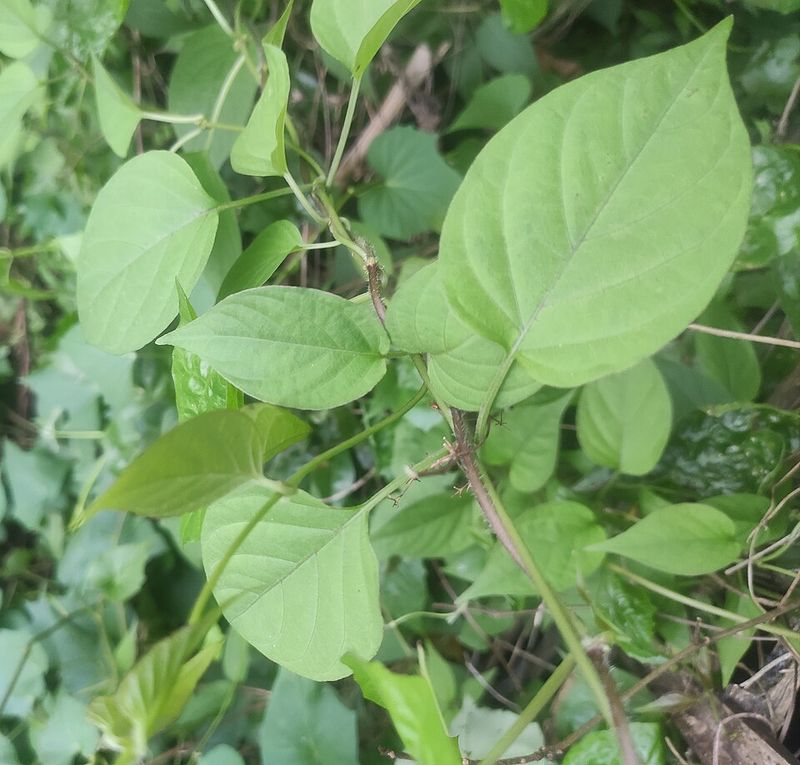
Crush a leaf and your nose will instantly understand the name, because the smell resembles a startled skunk. Paederia foetida owes that stink to sulfur compounds, and the odor lingers on hands longer than you would like.
Oddly enough, the USDA brought this vine to a Brooksville research station around 1897 as a possible fiber crop. That plan fizzled, but the plant escaped and now climbs through woods across central and northern parts of the state.
Skunk vine appears on the state noxious weed list, making it illegal to move or release without a permit. Many county programs encourage residents to remove it from yards and keep it away from natural areas.
The twining stems wrap around shrubs and trees, forming heavy mats that block sunlight from leaves below. Small white flowers with purple centers look sweet, but the seeds that follow help the vine travel farther.
I have to admit I respect its toughness, since cut vines often regrow from roots and stem pieces. Persistence pays off here, so plan repeated pulling sessions instead of hoping one weekend solves the problem.
Wear gloves and wash up afterward, unless you enjoy smelling like a nervous skunk for the rest of the day. Bag the vines rather than tossing them in a brush pile, where pieces could root again in damp soil.
For a fragrant climber that actually smells nice, native Carolina jessamine offers cheerful yellow blooms in late winter. Keep it away from curious pets and kids, though, since every part of jessamine is toxic if eaten.
8. Coral Ardisia
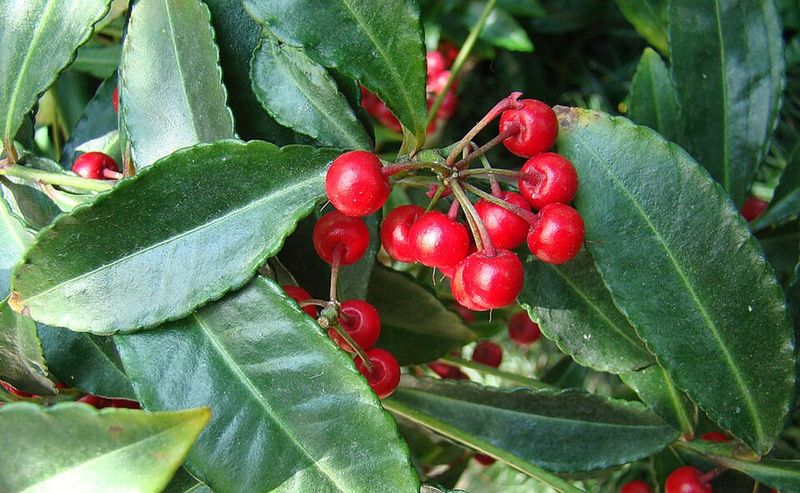
Glossy green leaves and dangling red berries make coral ardisia look like a tiny holiday tree come to life. Nurseries once sold Ardisia crenata as a shade ornamental, and plenty of older yards still have it tucked under oaks.
Each shrub can produce many berries, and those seeds sprout readily in shady woods and moist, rich soil. Birds and raccoons help with spreading, while fallen fruit also germinates right beneath the parent plant.
Coral ardisia is now listed as a noxious weed, so selling or moving it without a permit breaks state rules. Local plant swaps should leave it off the table, even though the berries look tempting in a pot.
You might notice carpets of seedlings under a single mature plant, sometimes hundreds packed into a small area. Those dense patches shade out native wildflowers and ferns, slowly changing the character of a woodland floor.
Personally, I find hand-pulling coral ardisia oddly satisfying, especially when the soil is damp after rain. Grab the stem near the base and pull steadily, because roots left behind can sprout fresh shoots later.
Clip berry clusters before they ripen if you cannot remove the whole plant right away this season. Bag the fruit and send it out with the trash, keeping seeds away from compost piles and garden beds.
Native wild coffee makes a lovely replacement in warmer areas, with shiny leaves and red berries that birds enjoy. Up north, beautyberry works well instead, offering bright purple clusters that brighten woodland edges each fall.
9. Hydrilla
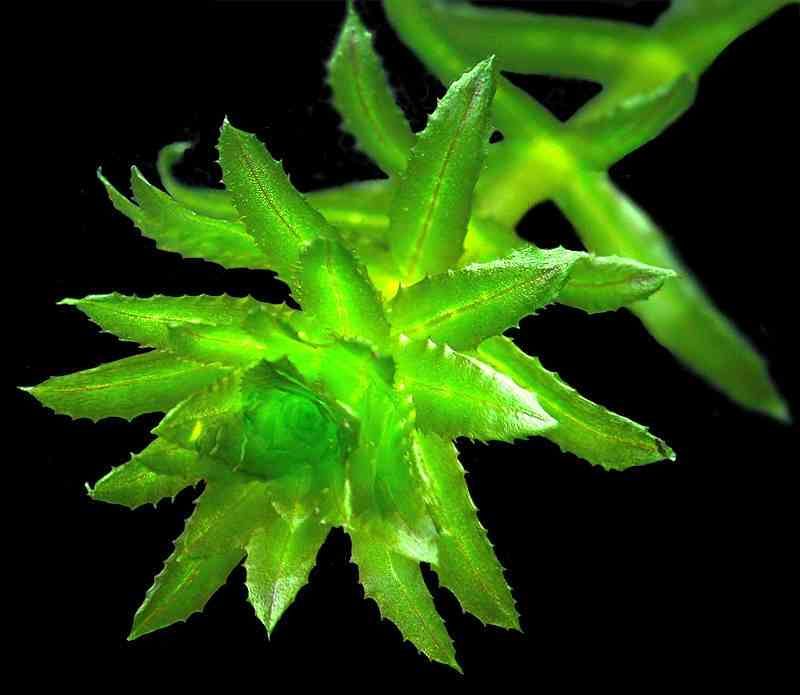
Your pretty aquarium plant could cause headaches if it ever reaches a backyard pond or canal. Hydrilla verticillata can grow about an inch per day, filling water from bottom to surface in dense green tangles.
State law lists hydrilla as a prohibited aquatic plant, and it is also a federal noxious weed. Possessing or transporting it without a permit can get you in trouble, even if it arrived by accident.
I can’t imagine how many boat props have tangled in those mats, which also slow water flow in canals. Dense hydrilla crowds out native underwater plants that fish and waterfowl rely on for food and shelter.
Tiny fragments can root and form new plants, so one stray sprig can start a whole new colony. Turions and tubers buried in the mud also help it survive tough seasons and return when conditions improve.
You need to check boat trailers and fishing gear carefully, removing every bit of plant before leaving a ramp. Letting equipment dry thoroughly between trips helps prevent hitchhiking fragments from reaching a new lake or pond.
Please avoid dumping aquarium water or plants into ditches, because that habit spreads many aquatic invaders. Seal unwanted plants in a bag and place them in household trash instead of any outdoor water.
Florida pond owners have better choices, such as native eelgrass, also called tape grass, for submerged greenery. Pickerelweed adds purple flower spikes along the edges, and dragonflies seem to love perching on its stems.