Why Texas Gardeners Are Obsessed With The ‘Brain Cactus’ This Year
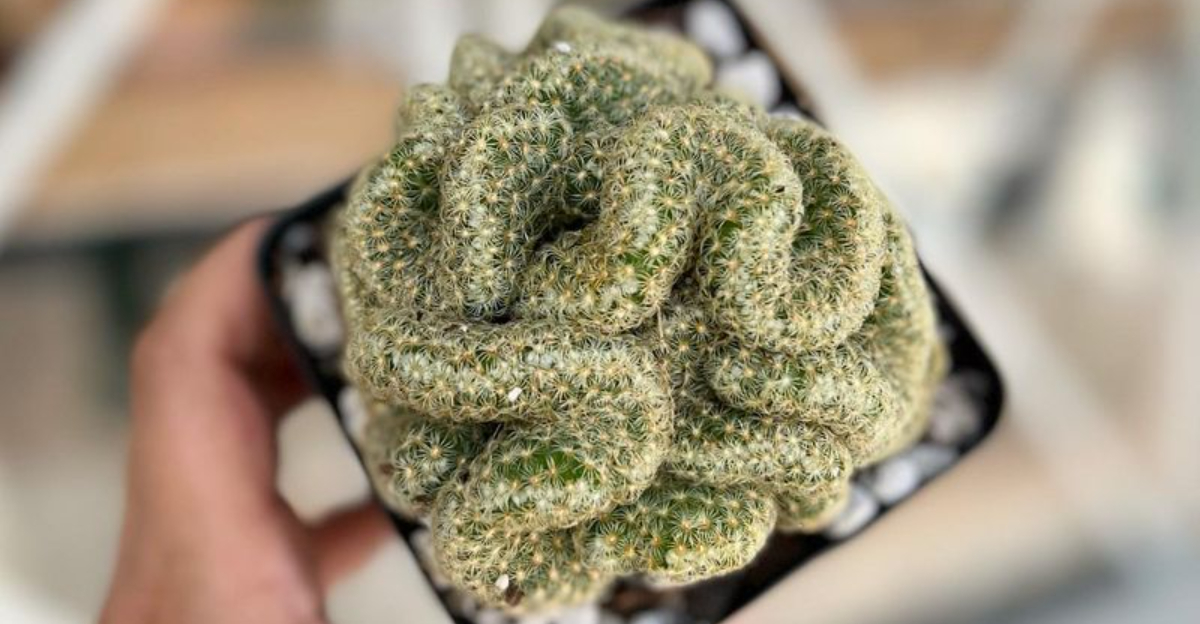
Texas gardeners are buzzing this year, and the brain cactus sits at the center of the chatter.
With its winding ridges and maze like shape, this oddball plant looks like it came straight out of a science lab.
Once people spot it, curiosity takes the wheel. It is the kind of plant that stops guests in their tracks and sparks a double take every time.
Beyond its eye catching look, the brain cactus fits Texas lifestyles like a glove.
It thrives in heat, shrugs off dry spells, and asks very little in return.
For gardeners tired of high maintenance plants, this cactus feels like striking gold.
It does its own thing and still manages to look polished year round.
In a state where summer can push plants to their limits, that kind of toughness speaks volumes.
Social media buzz and local plant shops have also fueled the craze.
One photo leads to another, and before long, everyone wants one on their shelf or patio.
The brain cactus blends personality with practicality, a rare combo that hits the nail on the head.
This year, Texas gardeners are all in, and the trend shows no signs of slowing down.
1. The Unforgettable Appearance That Starts Conversations
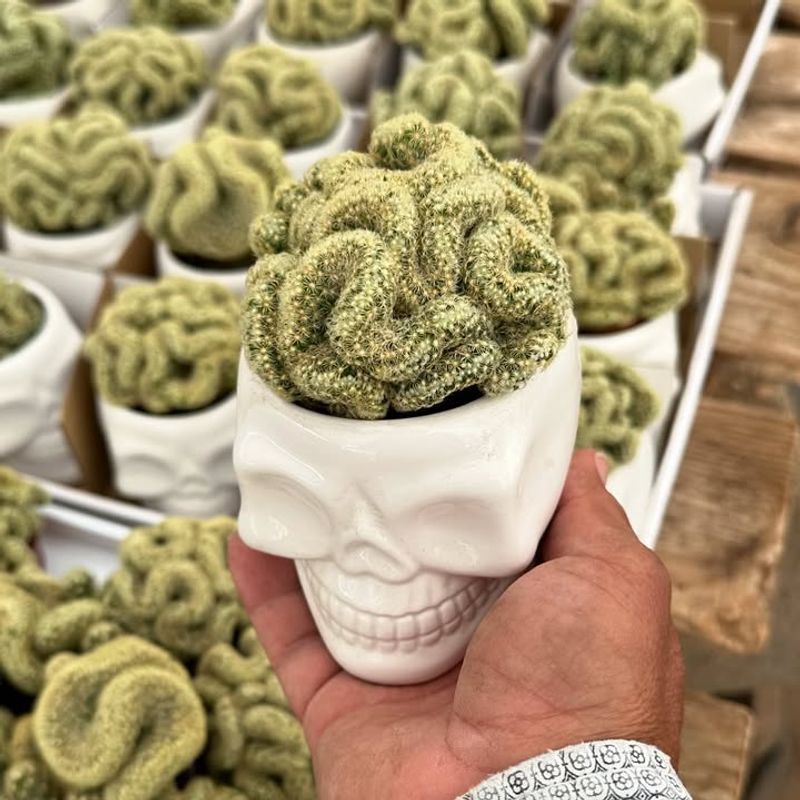
Walking past a Brain Cactus is nearly impossible without doing a double-take.
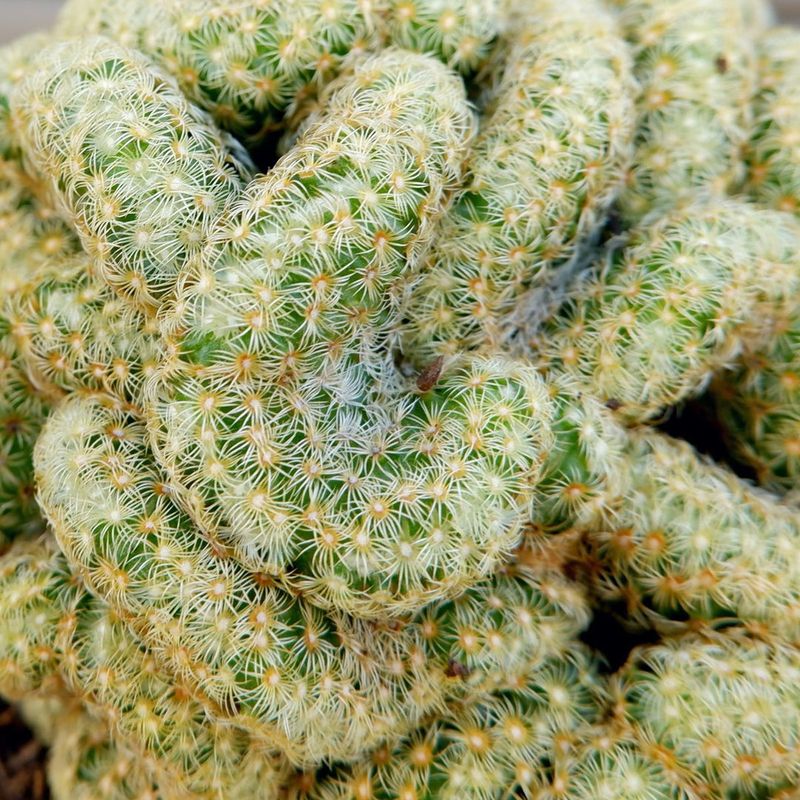
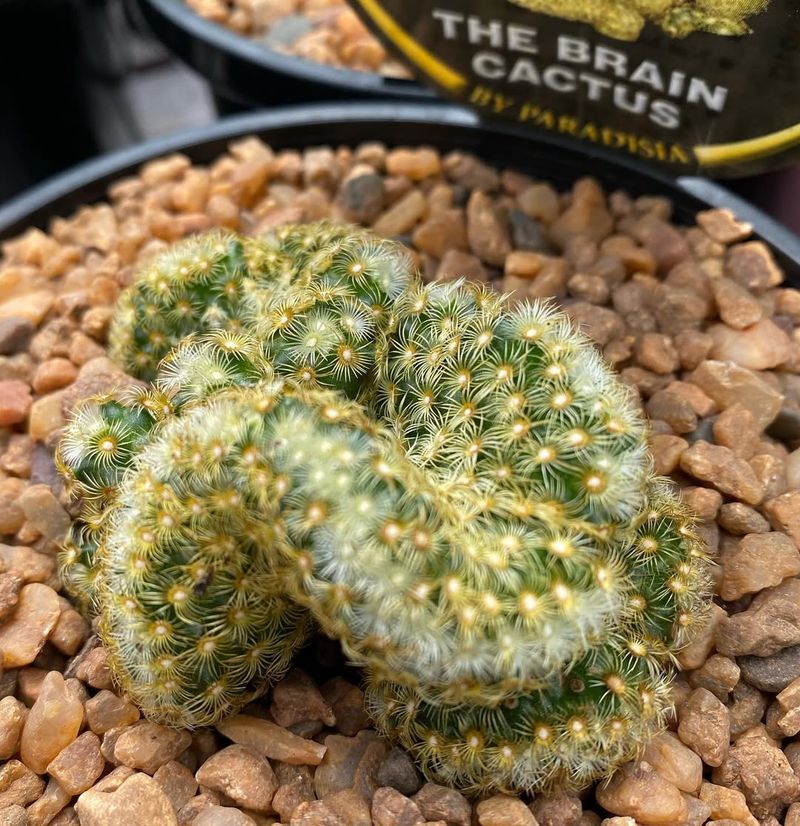
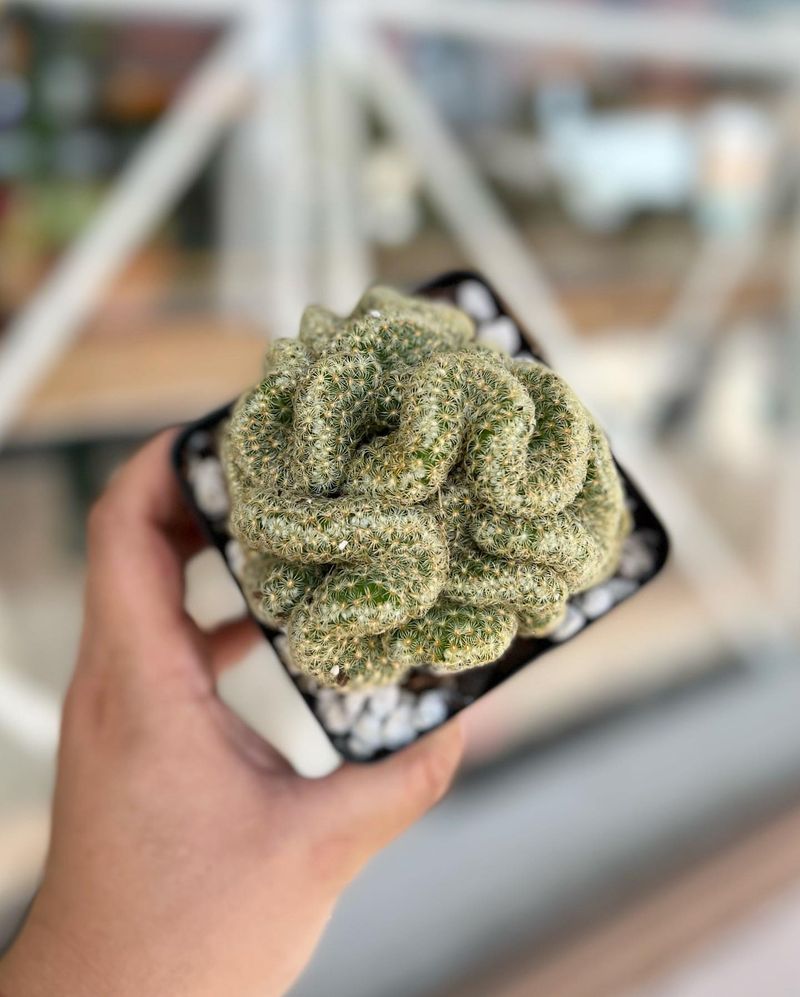
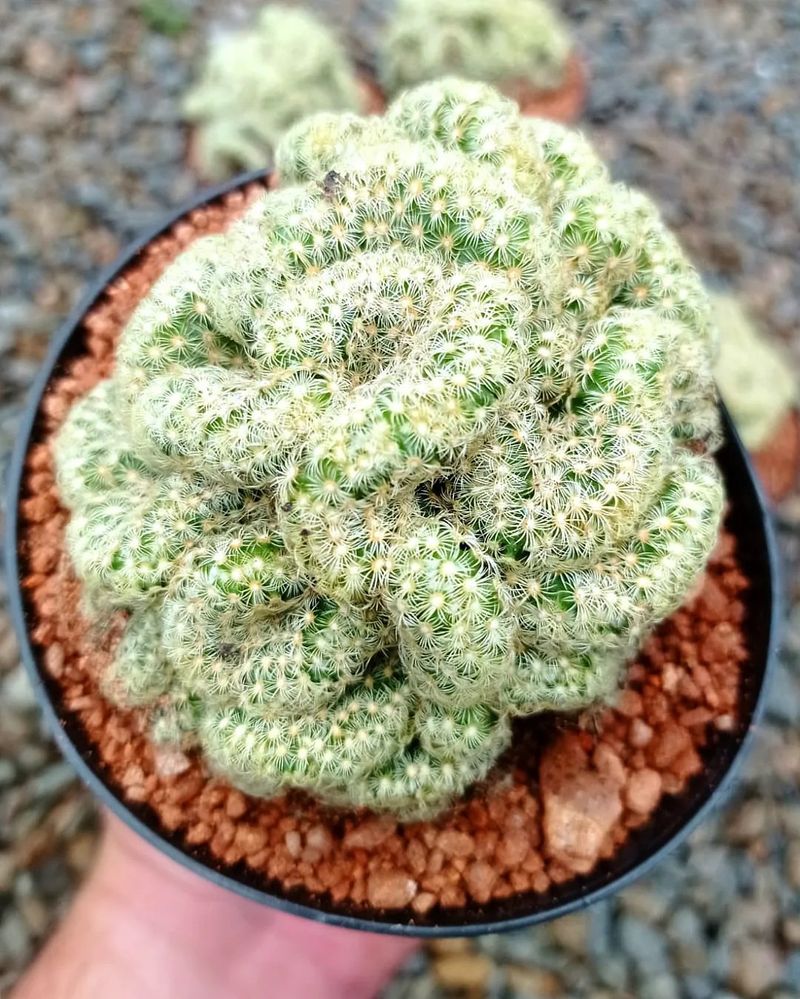
Its twisted, folded surface creates ripples and curves that genuinely look like coral or brain tissue under a microscope.
This crested growth pattern happens when the plant’s growing point spreads into a line instead of staying as a single point, creating those mesmerizing wavy ridges that make each specimen completely unique.
Texas gardeners love showing off this unusual plant to visitors who often can’t believe it’s real.
The sculptural quality makes it a living piece of art that changes slightly as it grows.
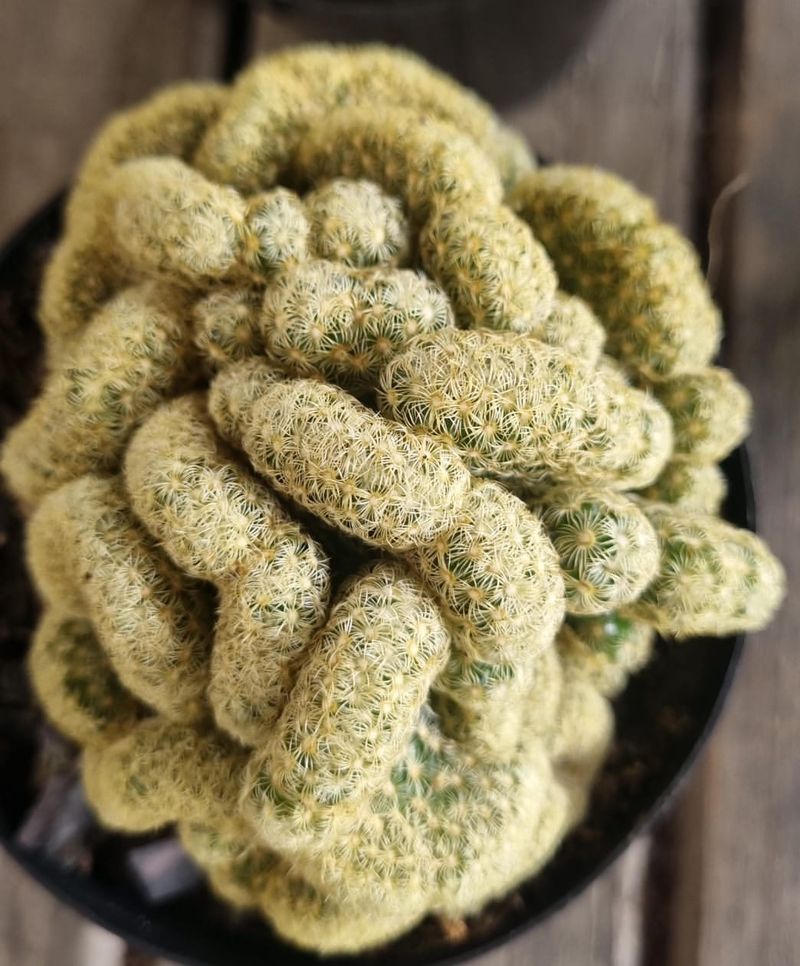
Some specimens develop tight, compact folds while others spread into wider, more dramatic waves.
Garden centers across Texas report that customers frequently purchase Brain Cacti as gifts because they’re so memorable.
Unlike typical round cacti, this variety demands attention and becomes an instant focal point wherever it’s placed.
The pale green to bluish-green coloring adds to its otherworldly appearance, making it look almost alien.
Social media has played a huge role in spreading the Brain Cactus craze throughout Texas.
Plant enthusiasts love photographing their specimens and sharing them online, where the unusual shapes generate thousands of likes and comments.
This visibility has turned the Brain Cactus into a status symbol among collectors.
Home decorators appreciate how the Brain Cactus adds texture and interest to minimalist spaces.
Its organic, flowing form contrasts beautifully with clean lines and modern furniture.
Whether displayed alone in a simple pot or grouped with other succulents, this cactus always steals the show with its extraordinary appearance that guests never forget.
2. Perfect For Texas Heat And Drought Conditions
Anyone who has gardened in Texas knows how brutal our summers can be on plants.
Temperatures regularly soar above 100 degrees, and drought conditions challenge even the toughest vegetation.
Your Texas Garden Changes Every Week. Your Plan Should Too.
Gardening in Texas changes quickly throughout the season. Every Friday you’ll receive a simple weekly plan showing exactly what to plant, prune, fertilize, harvest, and protect so you never miss the right timing.
The Brain Cactus, however, was practically designed for these exact conditions that would stress out most other houseplants.
Originally from Mexican desert regions with similar climates to Texas, this succulent has adapted to survive long periods without water.
Its thick, fleshy tissue stores moisture efficiently, allowing it to go weeks between waterings during hot months.
This makes it ideal for busy Texas gardeners who might forget to water regularly or those who travel frequently.
The intense Texas sun that scorches many plants actually helps the Brain Cactus thrive.
It loves bright, direct sunlight and can handle the harsh afternoon rays that stream through south-facing windows.
Gardeners in Austin, San Antonio, and Fort Worth have found that placing these cacti in their sunniest spots produces the healthiest, most vibrant specimens.
Water restrictions in many Texas cities have made drought-tolerant plants increasingly important.
The Brain Cactus fits perfectly into xeriscaping plans that conserve water while maintaining beautiful landscapes.
During summer, it needs watering only every two to three weeks, and even less during cooler months.
Texas gardeners also appreciate that this cactus doesn’t require humid conditions like many tropical plants do.
Our naturally dry air suits it perfectly, eliminating the need for misting or humidifiers.
This natural compatibility with Texas weather means less work and fewer problems, making the Brain Cactus a smart choice for our challenging climate.
3. Incredibly Low Maintenance Care Requirements
Busy lifestyles leave many Texas gardeners with little time for high-maintenance plants that demand constant attention.
The Brain Cactus has become wildly popular precisely because it asks for so little while giving so much visual interest in return.
New plant owners especially appreciate how forgiving this succulent is compared to finicky varieties that drop leaves at the slightest mistake.
Watering couldn’t be simpler with the Brain Cactus.
During growing season from spring through fall, a thorough watering every two weeks is usually plenty.
In winter, you can stretch that to once monthly or even less.
The key is letting the soil dry completely between waterings, which prevents root rot and keeps the plant healthy.
Fertilizing requirements are minimal, with most Texas gardeners feeding their Brain Cacti just once or twice during the growing season.
A diluted cactus fertilizer provides all the nutrients needed.
Some gardeners skip fertilizing altogether and their plants still do fine, though growth may be slightly slower.
Pruning is essentially nonexistent since the Brain Cactus maintains its compact shape naturally.
There are no dry leaves to remove or stems to trim back.
This hands-off approach appeals to gardeners throughout Texas who want attractive plants without the weekly maintenance chores.
Pest problems rarely affect Brain Cacti, especially when grown indoors.
The occasional mealybug might appear, but these are easily removed with rubbing alcohol on a cotton swab.
Unlike roses or vegetables that require constant monitoring for insects and diseases, the Brain Cactus pretty much takes care of itself, making it perfect for beginners and experienced gardeners alike who appreciate simplicity.
4. Compact Size Fits Any Texas Home Or Apartment
Space comes at a premium in many Texas cities where housing costs continue rising.
Brain Cacti typically grow only four to six inches tall and wide, making them perfect for apartment dwellers in Dallas high-rises or small homes in crowded Houston neighborhoods.
This compact growth habit means you can enjoy a striking plant without sacrificing precious square footage.
Unlike sprawling plants that eventually take over entire corners, the Brain Cactus stays neatly contained.
Its slow growth rate means it won’t outgrow its pot quickly, saving money on repotting supplies and effort.
Many Texas gardeners keep their Brain Cacti in the same container for years with no problems.
The small size makes these cacti incredibly versatile in placement options.
They work beautifully on desks, bathroom counters, kitchen windowsills, or bookshelf displays.
Renters particularly appreciate plants that don’t require floor space or large planters that are difficult to move when relocating.
Collectors throughout Texas love that the compact size allows them to build impressive succulent collections without needing a greenhouse.
You can easily display a dozen different Brain Cactus specimens on a single sunny shelf.
Each one develops its own unique folding pattern, making varied collections visually interesting despite the small footprint.
Office workers across Texas have started bringing Brain Cacti to their workspaces because they fit perfectly on desks without blocking computer screens or taking up needed work area.
The small size also makes them easy to transport, whether you’re moving apartments or just rearranging furniture.
This flexibility has made the Brain Cactus a favorite among Texas gardeners who need beautiful plants that adapt to limited space rather than demanding it.
5. Affordable Price Point For Beginning Collectors
Starting a plant collection can get expensive quickly, especially with trendy varieties that cost hundreds of dollars.
Brain Cacti offer Texas gardeners an entry point into the fascinating world of unusual succulents without breaking the bank.
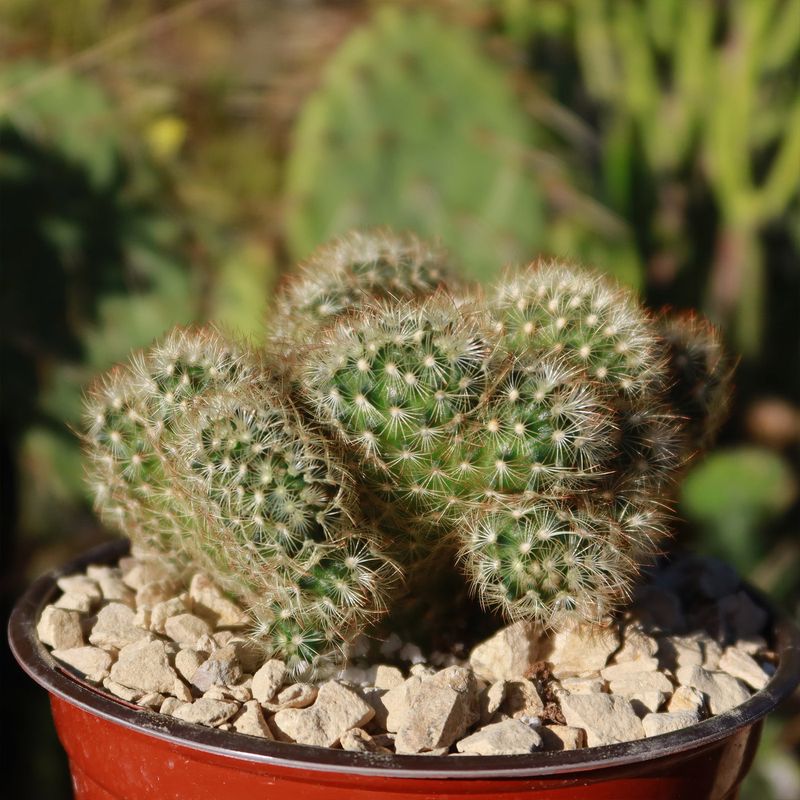
Most garden centers across the state sell small specimens for fifteen to thirty dollars, making them accessible to almost any budget.
This affordability has democratized the Brain Cactus trend throughout Texas.
Students, young professionals, and retirees alike can participate in the craze without financial stress.
The reasonable price also encourages experimentation, allowing gardeners to try growing these unique plants without worrying about a significant investment going wrong.
Compared to other statement plants like large fiddle leaf figs or rare philodendrons that can cost over a hundred dollars, the Brain Cactus delivers maximum visual impact for minimal money.
Texas gardeners appreciate getting a conversation-starting plant that looks expensive and exotic while actually being quite budget-friendly.
The low cost makes Brain Cacti excellent gifts for plant-loving friends and family members throughout Texas.
You can give someone a truly special, memorable present without spending a fortune.
Many people report receiving their first Brain Cactus as a gift and then becoming hooked on collecting more varieties.
Online retailers and local nurseries across Texas frequently offer Brain Cacti at competitive prices, making them easy to find and purchase.
Some gardeners buy multiple specimens at once to create grouped displays, which remains affordable given the low individual cost.
This price accessibility has fueled the widespread popularity of Brain Cacti throughout the state, allowing everyone from college students to established collectors to enjoy these remarkable plants without financial strain or buyer’s remorse.
6. Propagation Success Creates More Plants To Share
Texas gardeners love plants that can multiply, and the Brain Cactus delivers on this front beautifully.
While propagation takes patience, the process is straightforward enough for beginners to achieve success.
The satisfaction of creating new plants from your original specimen has turned many casual gardeners into dedicated enthusiasts throughout the state.
Brain Cacti occasionally produce small offsets or pups that grow along the base of the mother plant.
These can be carefully separated once they reach about an inch in size and potted individually.
Gardeners in El Paso, Corpus Christi, and other Texas cities report high success rates with this method, especially when allowing the offsets to callus over for a few days before planting.
Another propagation method involves taking cuttings from the crested growth itself.
Using a clean, sharp knife, you can remove a small section, let it dry for several days, then plant it in cactus soil.
While not every cutting succeeds, enough do that Texas gardeners can gradually expand their collections without buying more plants.
The ability to propagate Brain Cacti has created a generous sharing culture among Texas plant enthusiasts.
Gardening clubs and online communities frequently organize plant swaps where members trade cuttings and offsets.
This social aspect has strengthened connections between gardeners across the state who bond over their shared love of these unusual succulents.
Successful propagation also means you can place Brain Cacti throughout your home or give them as personalized gifts.
Friends and family appreciate receiving plants you’ve grown yourself, which carries more meaning than store-bought options.
This reproductive capability ensures that once you have one Brain Cactus, you can potentially create an entire collection over time.
7. Unique Addition To Trendy Succulent Collections
Succulent collecting has exploded in popularity across Texas over recent years, with enthusiasts constantly seeking new and unusual varieties to add to their displays.
The Brain Cactus stands out even among other rare specimens because of its truly distinctive appearance that differs from typical rosette-shaped or columnar succulents.
Collectors throughout the state consider it a must-have centerpiece that elevates entire arrangements.
Plant influencers and bloggers based in Texas have showcased Brain Cacti extensively on social media platforms, inspiring thousands of followers to seek them out.
The photogenic quality of these cacti makes them perfect for Instagram posts and Pinterest boards.
Their unusual texture photographs beautifully, helping Texas gardeners build engaging online content around their collections.
Mixed succulent arrangements benefit tremendously from including a Brain Cactus as a focal point.
Its wavy, organic form contrasts wonderfully with smooth echeverias, spiky aloes, and trailing sedums.
Garden designers across Texas incorporate Brain Cacti into both residential and commercial landscapes to create eye-catching displays that clients remember.
The collectible nature of Brain Cacti has turned finding different specimens into a treasure hunt for Texas enthusiasts.
Since each plant develops unique folding patterns, no two are exactly alike.
Serious collectors seek out specimens with particularly tight waves, unusual colors, or impressive size, creating a vibrant market for exceptional examples.
Younger generations of Texas gardeners especially appreciate the Brain Cactus because it fits perfectly with modern, minimalist aesthetics popular in current home design trends.
The sculptural quality appeals to those who view plants as living art rather than just greenery.
This alignment with contemporary style has helped the Brain Cactus become more than just a passing fad, establishing it as a lasting favorite in Texas succulent collections.