The Flower Oregon Gardeners Are Choosing Instead Of Petunias
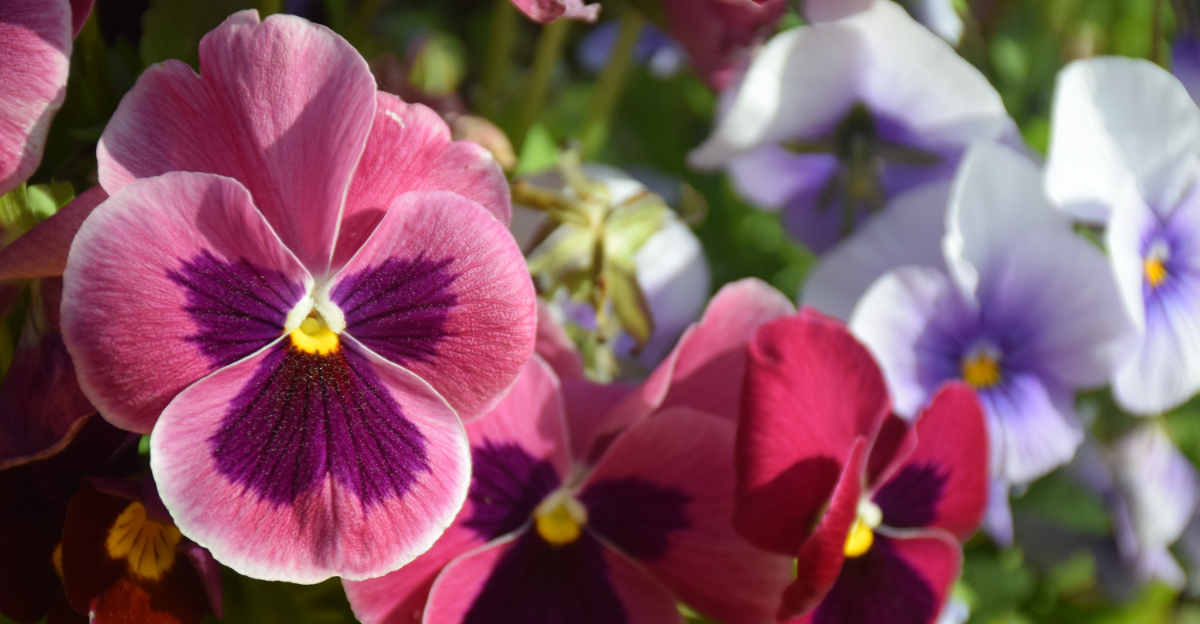
Petunias get plenty of attention in spring, but a lot of Oregon gardeners are starting to lean toward a flower that makes more sense for the season.
Pansies handle cool weather beautifully, keep their color going through those moody spring swings, and do not seem nearly as bothered by chilly nights or damp stretches.
While petunias often want a warmer, more settled start, pansies come out looking cheerful and unfazed when Oregon still feels stuck between winter and spring.
That makes them an easy favorite for early containers, porch pots, window boxes, and front beds that need a quick lift. They bring rich color, a softer cottage-garden feel, and a lot less early-season drama.
For gardeners who are tired of planting too soon and watching flowers sulk, pansies can feel like a much smarter pick. It is easy to see why they are becoming the flower more Oregon gardeners reach for first.
Pansies Love Oregon Spring
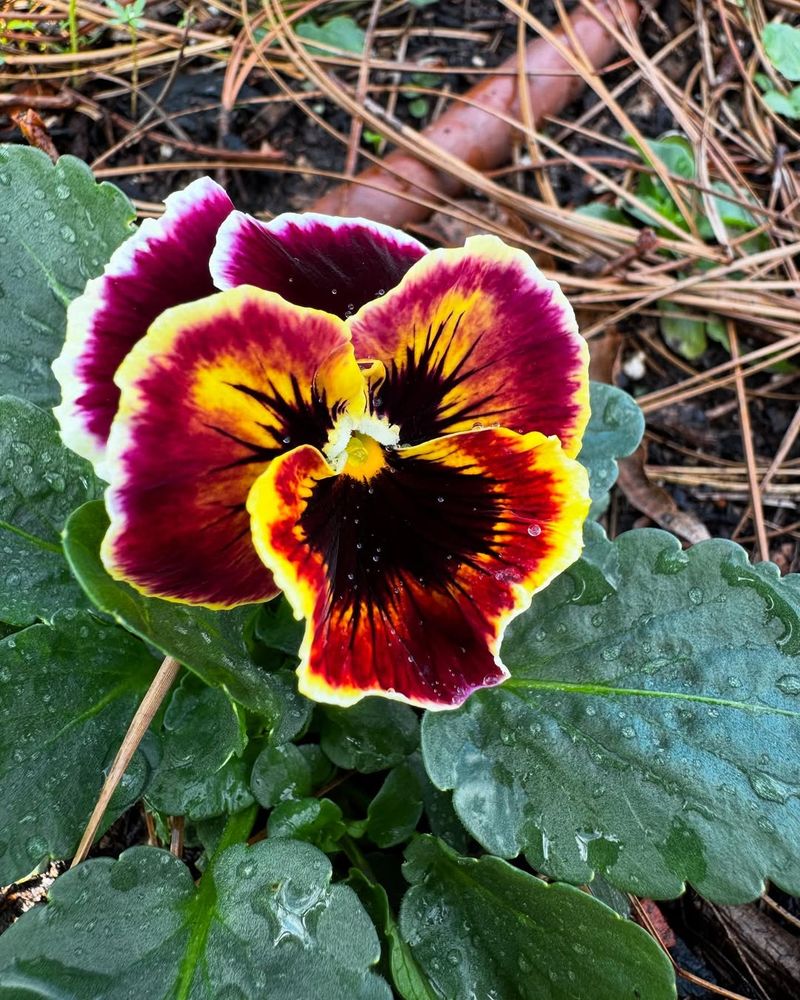
Walk through any Oregon neighborhood in early spring and you will notice something cheerful popping up in garden beds everywhere. Those bright little faces belong to pansies, and they are absolutely thriving in the cool, damp conditions that Oregon spring brings.
While many flowers struggle to get started during the wet weeks of March and April, pansies seem to love every drop of rain.
Oregon’s spring weather is mild and moist, which is exactly what pansies prefer. They do not need intense heat or long sunny days to bloom beautifully.
In fact, temperatures between 45 and 65 degrees Fahrenheit are their sweet spot. Portland, Salem, and Eugene all sit right in that comfortable range during spring, making the whole state practically a paradise for these flowers.
Pansies also handle cloudy days without complaint. Oregon is known for its overcast skies, especially from February through May, and pansies just keep right on blooming through it all.
Gardeners in Oregon do not have to wait for a warm stretch to enjoy garden color. Pansies deliver that color reliably, season after season, making them one of the smartest choices any Oregon gardener can make for their spring beds.
Petunias Want More Heat
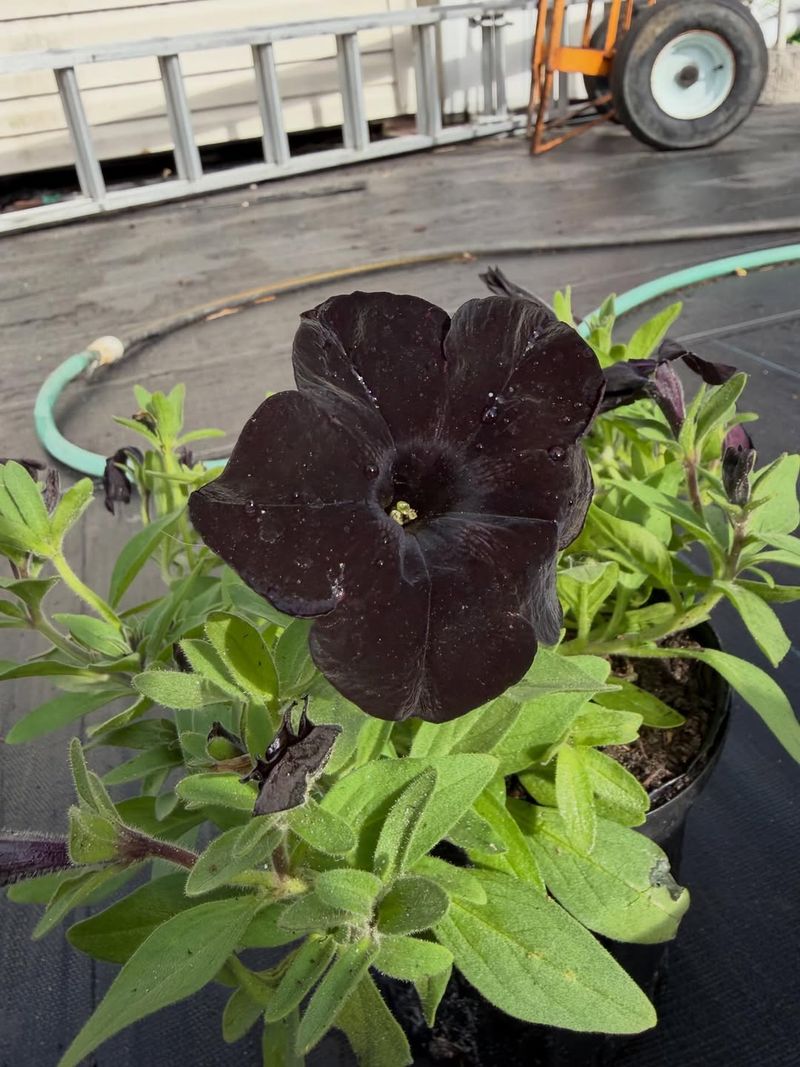
Petunias are gorgeous flowers, no doubt about it. But here is the thing: they are heat lovers at heart.
They want warm soil, long sunny days, and temperatures that regularly climb above 70 degrees Fahrenheit. Oregon’s spring simply does not deliver those conditions consistently, and that is where the trouble begins for petunia growers in the state.
When petunias are planted too early in cool Oregon soil, they tend to sit and sulk. Growth slows down, blooms are delayed, and the plants can look sad and scraggly for weeks.
Even in summer, Oregon’s coastal areas and valley regions often stay cooler than petunias would prefer. Gardeners end up waiting a long time for the big, colorful show that petunias are known for.
Petunias also need consistent sunlight to perform their best. Oregon’s famously cloudy weather from fall through late spring means petunias spend a lot of time in low-light conditions that limit their blooming potential.
Your Oregon Garden Changes Every Week. Your Plan Should Too.
Gardening in Oregon changes quickly throughout the season. Every Friday you’ll receive a simple weekly plan showing exactly what to plant, prune, fertilize, harvest, and protect so you never miss the right timing.
By the time the weather finally warms up enough to make petunias happy, the growing season is already well underway. For Oregon gardeners who want color early and often, petunias can feel like a frustrating choice compared to the reliably cheerful pansy.
Pansies Handle Cold Better
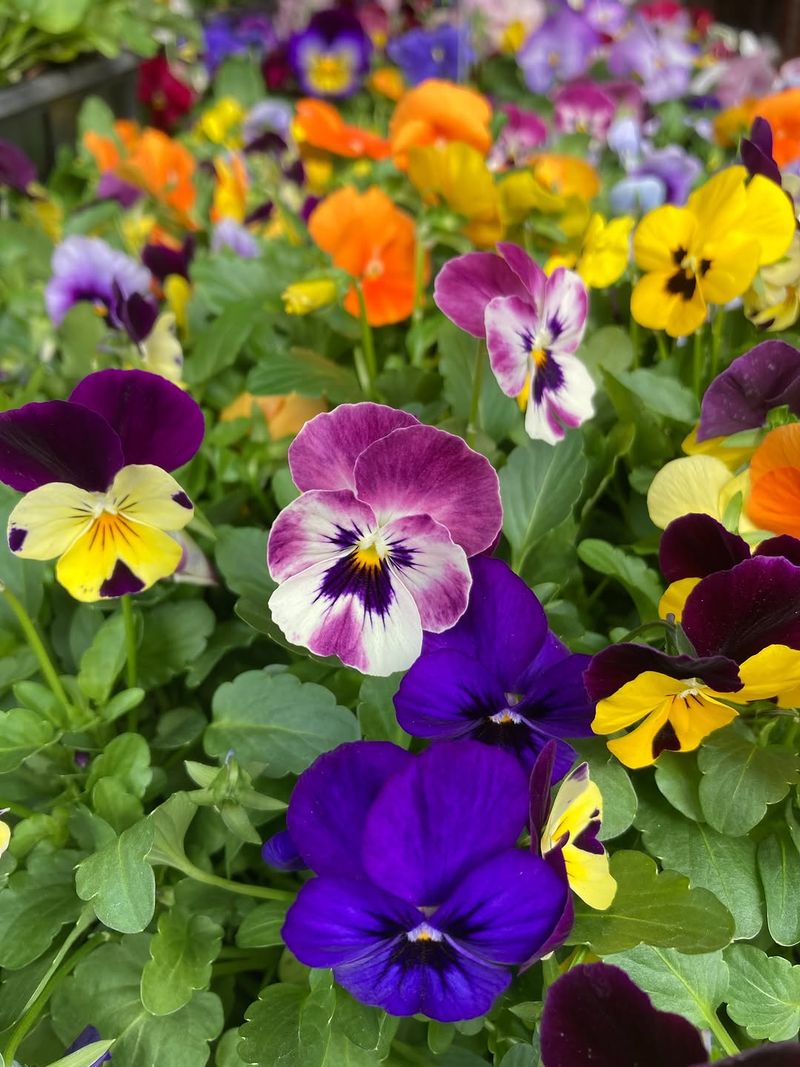
Few flowers can boast about surviving frost and still looking fabulous the next morning. Pansies can.
These tough little plants are surprisingly cold-hardy, tolerating temperatures that would send most other flowers into shock. In Oregon, where late frosts can sneak in well into April, that kind of resilience is not just nice to have, it is essential.
Pansies can handle temperatures as low as 25 degrees Fahrenheit without serious damage. Their thick, waxy petals help protect them from freezing conditions, and they often bounce right back after a chilly night.
Oregon gardeners in higher elevation areas like Bend or Ashland, where spring frosts are more common, find this especially valuable. Planting pansies means not having to worry about a late cold snap wiping out weeks of gardening work.
Another cool fact: pansies can actually be planted in late fall in many parts of Oregon. They go semi-dormant during the coldest weeks of winter, then wake right back up and start blooming again as temperatures climb in late February or early March.
That means Oregon gardeners get color before almost any other flower even thinks about sprouting. For a state with unpredictable cold snaps, pansies are one of the most dependable choices available.
Oregon Springs Suit Pansies
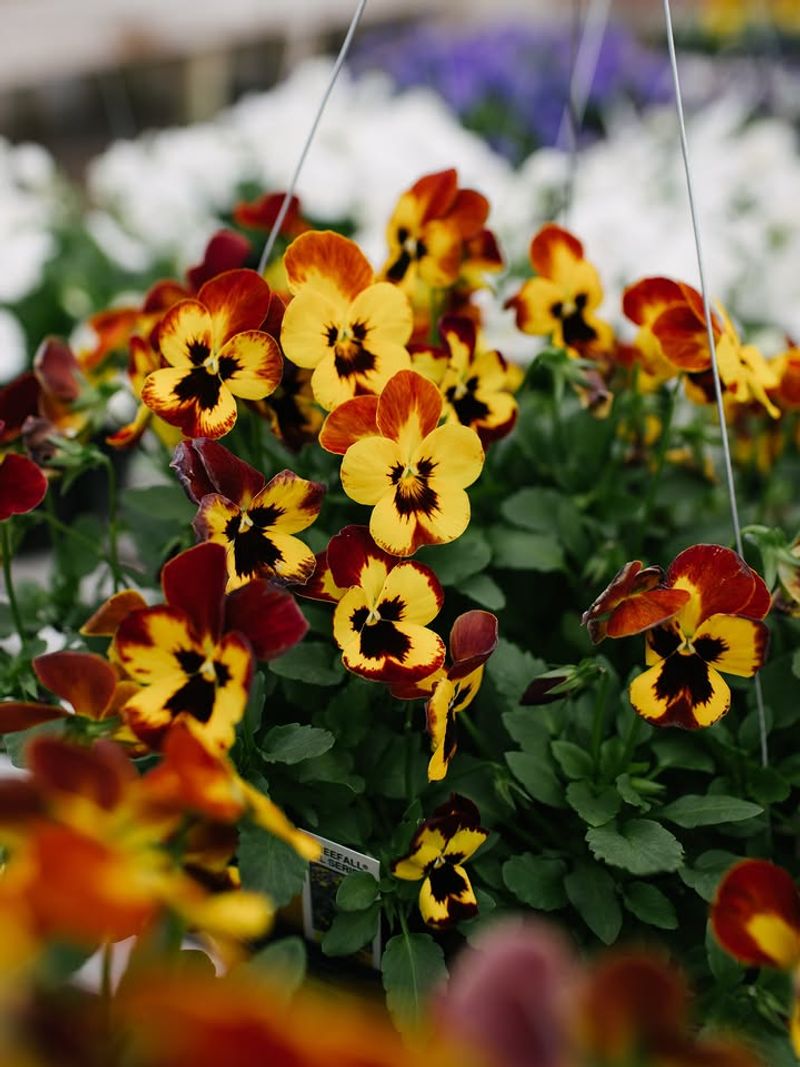
There is something almost magical about the way Oregon’s spring climate lines up perfectly with what pansies need to thrive. The state gets plenty of rainfall from November through May, keeping soil consistently moist without gardeners having to water constantly.
Pansies love that kind of steady moisture, as long as the soil drains well and does not stay waterlogged.
Oregon’s spring temperatures are another big advantage. The Willamette Valley, which stretches from Portland down through Salem and Eugene, experiences mild springs that rarely get too hot too fast.
That slow, steady warming is ideal for pansies, which can start to fade when summer heat kicks in. Oregon’s climate essentially extends the pansy season far longer than gardeners in warmer states ever get to enjoy.
Even in southern Oregon around Medford and Grants Pass, springs are cool enough for pansies to flourish from February well into May. Along the coast in places like Astoria and Newport, the cool ocean air keeps temperatures pansy-friendly almost year-round.
Oregon truly offers one of the best natural environments in the entire Pacific Northwest for growing these colorful cool-season flowers. Gardeners who work with the local climate instead of against it find that pansies reward them generously with weeks of nonstop blooms.
Pansies Bloom Earlier
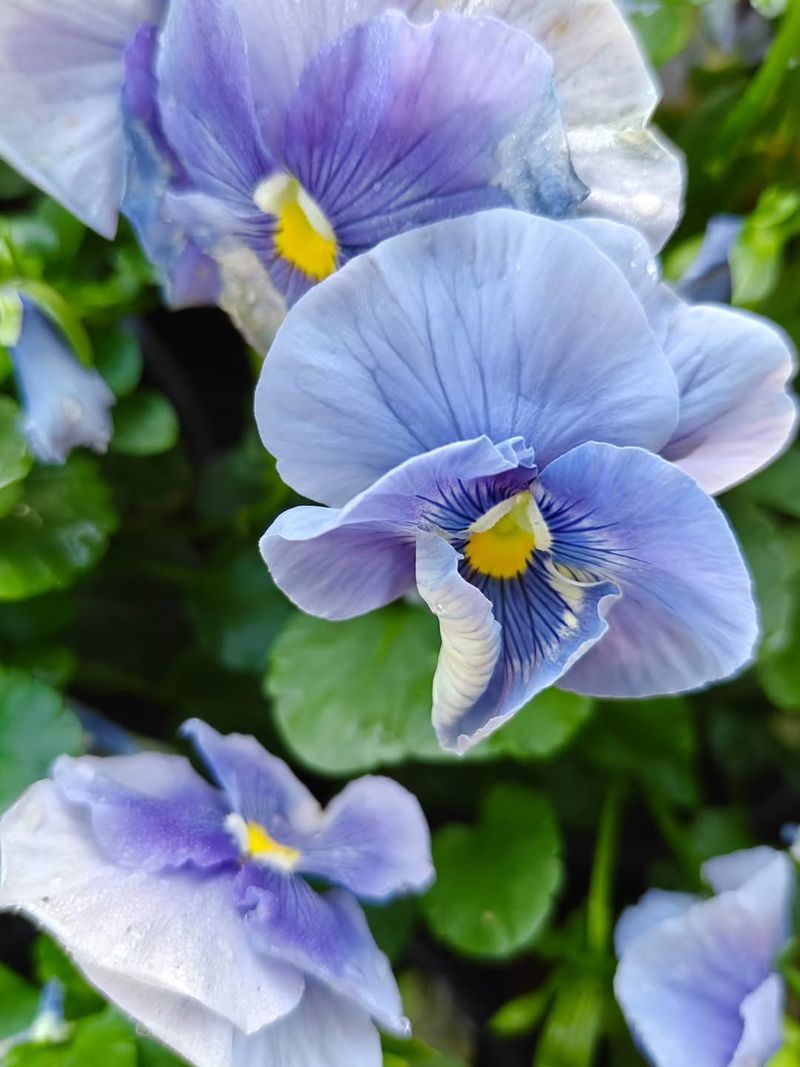
One of the biggest complaints Oregon gardeners have about petunias is the wait. You have to hold off planting them until the soil warms up and frost risk passes, which in many parts of Oregon means late May or even early June.
By that point, half the spring is already gone. Pansies flip that timeline completely upside down.
Gardeners across Oregon can start planting pansies as early as late January or February in milder areas like the Willamette Valley. In Portland, it is common to see pansies blooming in window boxes and garden beds while snow still dusts the nearby hills.
That early color is something petunias simply cannot compete with, and for gardeners eager to get outside after a long gray winter, pansies feel like a gift.
Starting early also means pansies have more time to establish strong root systems before the heat of summer arrives. Well-rooted pansies hold on longer into the warmer months, giving Oregon gardeners an extended bloom period that stretches from winter all the way into June in cooler spots.
No other common bedding plant offers that kind of early start combined with lasting performance. For Oregon’s eager spring gardeners, pansies are the clear winner when it comes to getting color into the garden fast.
Pansies Stay Fresh Longer
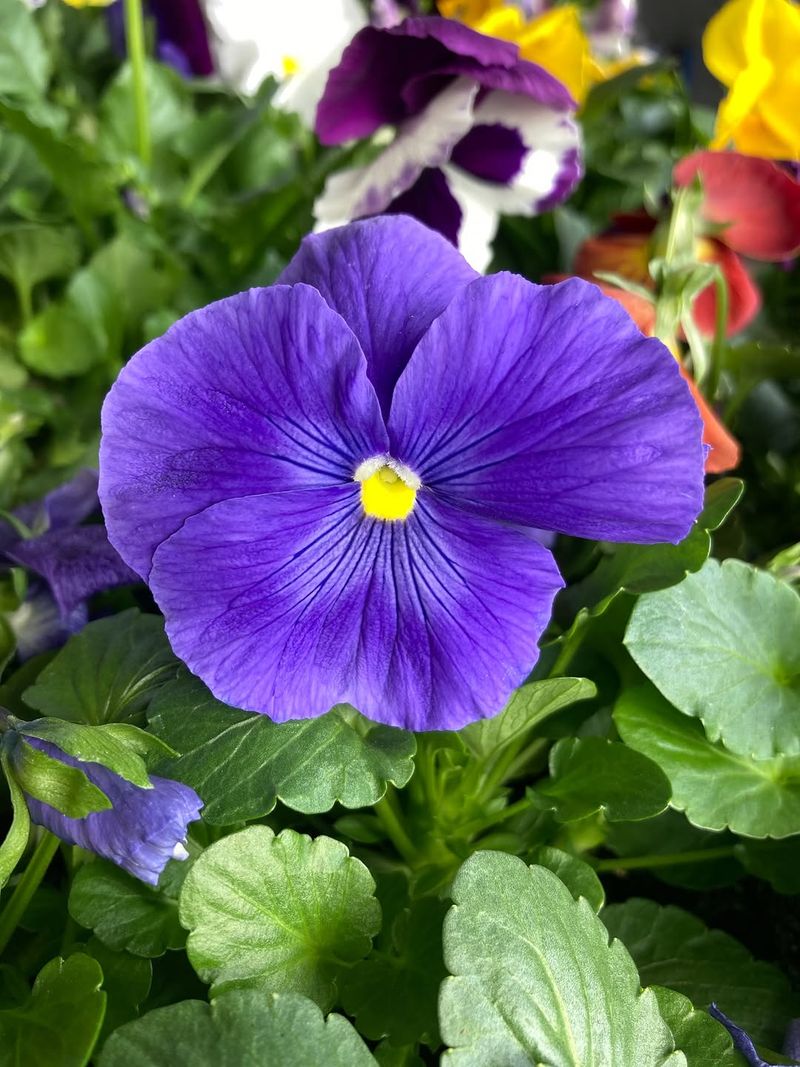
Ask any experienced Oregon gardener what they love most about pansies and many will tell you it is their staying power. Once pansies get going, they keep producing blooms for weeks and weeks without demanding much attention.
A little deadheading, which just means pinching off spent flowers, goes a long way toward keeping them looking fresh and full of color.
In Oregon’s cool climate, pansies can bloom continuously from late winter all the way through May and even into June in cooler coastal or higher elevation areas. That is a much longer run than petunias get in the same conditions.
Petunias often need to be cut back hard mid-season to encourage fresh growth, while pansies just keep chugging along with minimal intervention from the gardener.
Pansies also hold their color well in overcast conditions, which is important in Oregon where cloudy days are plentiful. Their blooms do not bleach out or fade as quickly as some other flowers do under indirect light.
Gardeners in Eugene, Corvallis, and along the Oregon coast especially notice how pansies maintain their vivid hues even through stretches of gray, rainy weather. That kind of reliable, long-lasting performance is exactly what busy gardeners want from a bedding plant season after season.
More Gardeners Are Choosing Pansies
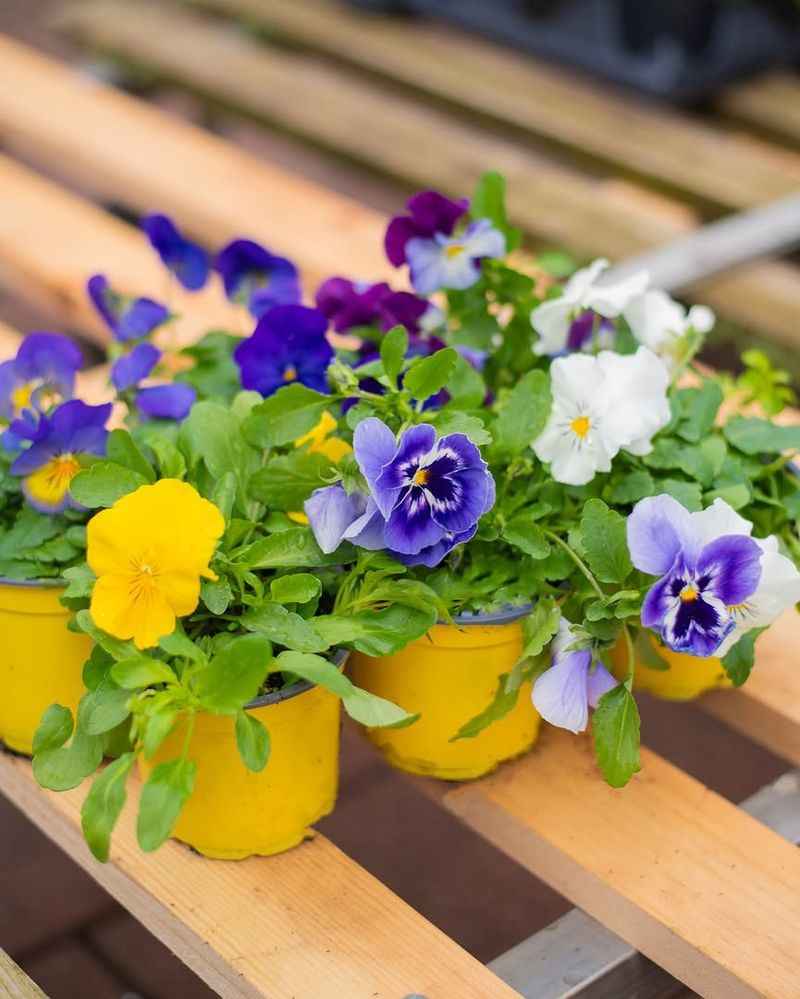
Something of a pansy revolution is quietly happening in gardens all across Oregon. At local nurseries in Portland, Salem, and Bend, pansy sales have been climbing steadily as more gardeners discover just how well these flowers fit the Oregon lifestyle.
Low-maintenance, cold-tolerant, and bursting with early color, pansies check nearly every box for the practical Oregon gardener.
Oregon State University Extension Service has highlighted cool-season annuals like pansies as excellent choices for the state’s climate. Gardening clubs and community garden groups throughout the Willamette Valley are spreading the word about pansies through workshops and social media.
First-time gardeners especially love pansies because they are forgiving, easy to find at any garden center, and very affordable compared to many other flowering plants.
The trend also connects to a broader shift among Oregon gardeners toward plants that work with the local environment rather than against it. Choosing pansies over petunias is a practical decision rooted in the realities of Oregon’s cool, wet springs.
It saves time, reduces frustration, and results in a garden that looks beautiful much earlier in the year. Whether you garden in a tiny urban plot in Portland or a sprawling rural property in the southern Oregon valley, pansies are proving themselves to be the smarter, more satisfying choice for spring color.