9 Low-Water Plants That Actually Perform Well In Virginia Summers
Virginia summers humble even the most enthusiastic gardeners.
One week everything looks promising.
The next, half your garden has quietly decided that this summer just isn’t for them.
Sound familiar?
Here’s what most gardening advice won’t tell you: the problem usually isn’t your effort, it’s your plant list.
The right plants don’t just tolerate Virginia summers, they thrive in them.
No daily watering, no babying, no guilt when you skip a week.
These nine plants are native or well-adapted to Virginia, which is a polite way of saying they were made for exactly this.
Weeks without rain?
They’ve seen worse.
Clay soil?
They don’t mind.
A summer that feels like standing next to an open oven?
That’s just Tuesday for them.
Get them established, then step back and let them do their thing.
1. Little Bluestem
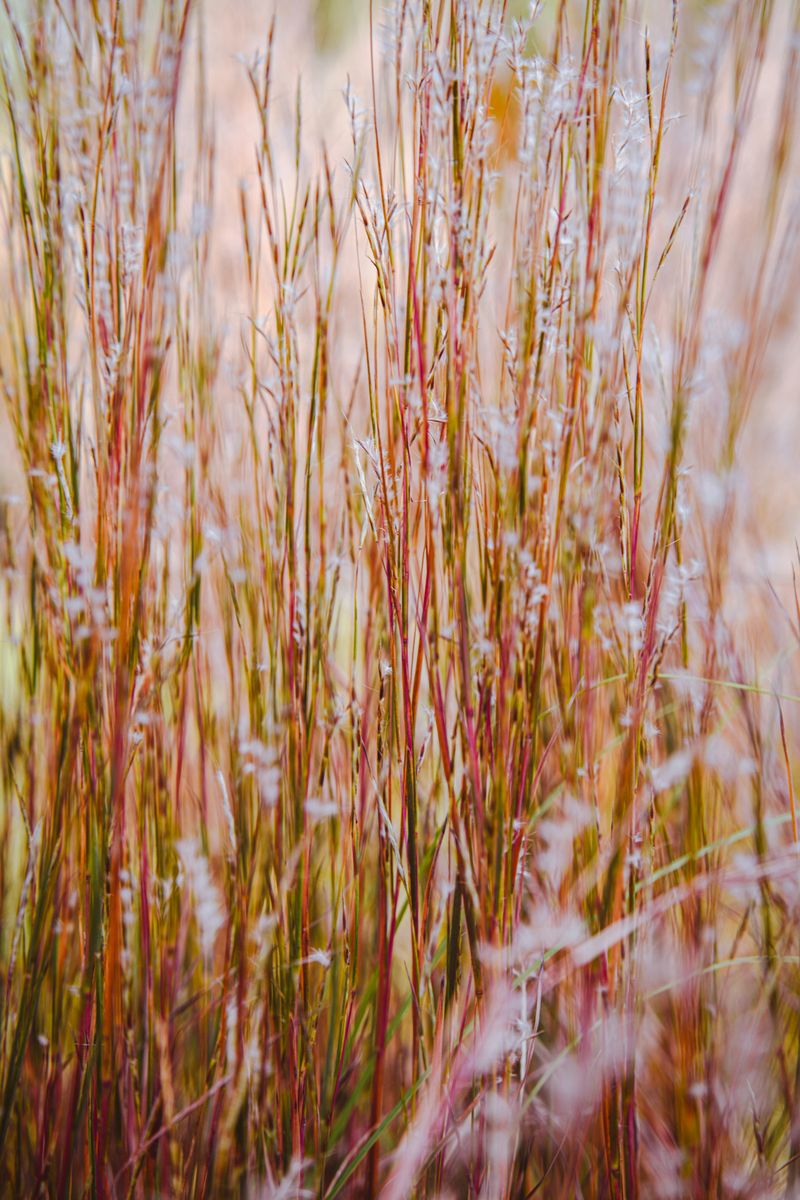
It tough as nails and gorgeous about it!
Little Bluestem is one of the most underrated grasses in American landscaping.
This native prairie grass thrives in heat, shrugs off drought, and turns a jaw-dropping bronze-red in fall.
Plant it once and it will reward you for years without much fuss at all.
Little Bluestem grows two to four feet tall and works beautifully as a border plant or a naturalized meadow accent.
It prefers well-drained soil, which makes it perfect for those dry, sloped spots in the yard where nothing else seems to survive.
Once established, it needs very little supplemental watering, even through dry Virginia summers.
Beyond its good looks, this grass supports wildlife in a big way.
Sparrows and other songbirds feast on its seeds through winter, and its clumping form offers shelter for small insects.
Gardeners who want a four-season plant that earns its keep will find Little Bluestem hard to beat.
Pair it with Black-eyed Susans or Purple Coneflower for a naturalistic planting that practically takes care of itself.
Avoid heavy clay or overly rich soils, as too much fertility actually reduces its performance.
This is one plant that genuinely prefers a little tough love, and it shows in the results.
2. Black-Eyed Susan
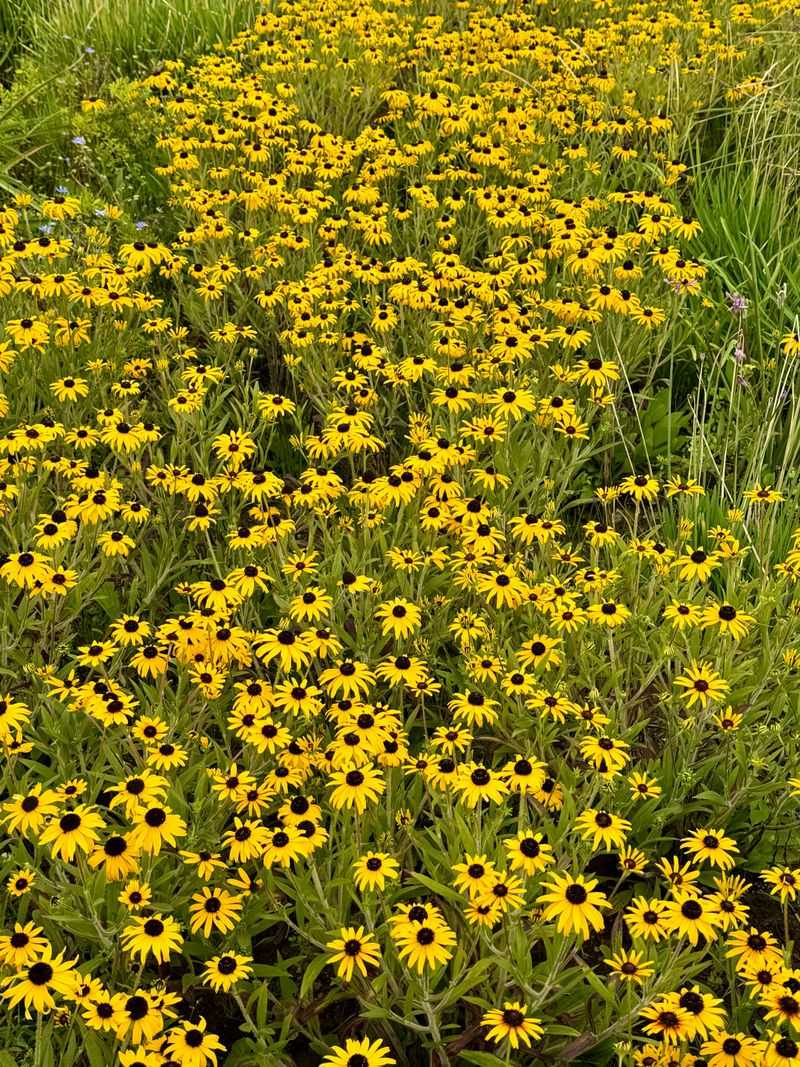
Few flowers say “summer” quite like a field of Black-eyed Susans blazing gold in the afternoon sun.
This cheerful native wildflower blooms from June through September, covering itself in bright yellow petals with chocolate-brown centers.
It is the kind of plant that makes neighbors slow down and stare.
Black-eyed Susan is a champion of low-water gardening because its deep taproot pulls moisture from far below the surface.
It handles dry spells that would leave less resilient plants struggling.
Full sun is where it truly shines, though it tolerates a little afternoon shade without complaint.
This plant self-seeds generously, which means one purchase can turn into a spreading colony over a few seasons.
Deadheading spent blooms keeps plants tidy and encourages more flowers, but leaving some seed heads standing feeds goldfinches through fall.
It is a plant that gives back in more ways than one.
Your Virginia Garden Changes Every Week. Your Plan Should Too.
Gardening in Virginia changes quickly throughout the season. Every Friday you’ll receive a simple weekly plan showing exactly what to plant, prune, fertilize, harvest, and protect so you never miss the right timing.
Black-eyed Susan pairs naturally with ornamental grasses and native perennials for a meadow-style garden that requires minimal upkeep.
It grows well in average to poor soil and actually performs worse when over-fertilized or overwatered.
Low effort.
High reward.
This classic wildflower shows up for you every season without being asked twice.
3. Purple Coneflower
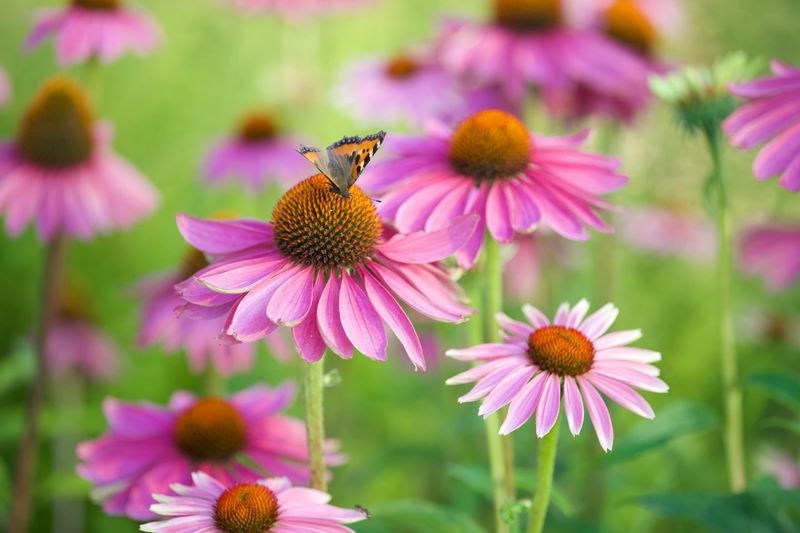
Purple Coneflower has earned its place in gardens across the country, and for good reason.
This bold, spiky-centered beauty blooms from midsummer into fall, attracting butterflies, bees, and goldfinches in impressive numbers.
It has a way of making the garden feel more complete once it’s there.
Echinacea purpurea is built for tough conditions.
It tolerates clay soil, average drainage, and extended dry periods without skipping a beat.
Its deep root system is the secret weapon that keeps it looking fresh even when neighboring plants are wilting under the summer sun.
The flowers are hard to ignore.
Rosy-purple petals fan back from a raised, cone-shaped center that glows in shades of orange and brown.
It’s a simple combination, but it stops you in your tracks every time.
Plants typically reach two to four feet tall and spread gradually into full, lush clumps over time.
Leaving the seed heads standing through winter adds texture to the garden and keeps birds well-fed.
Purple Coneflower is also one of the best low-water plants for attracting pollinators to the Virginia landscape.
Put it next to Little Bluestem or Butterfly Weed and the garden starts looking like you really know what you’re doing.
Transplants get you there faster.
Fall-sown seeds get you there better.
Either way, it’s worth it.
4. Wild Blue Indigo
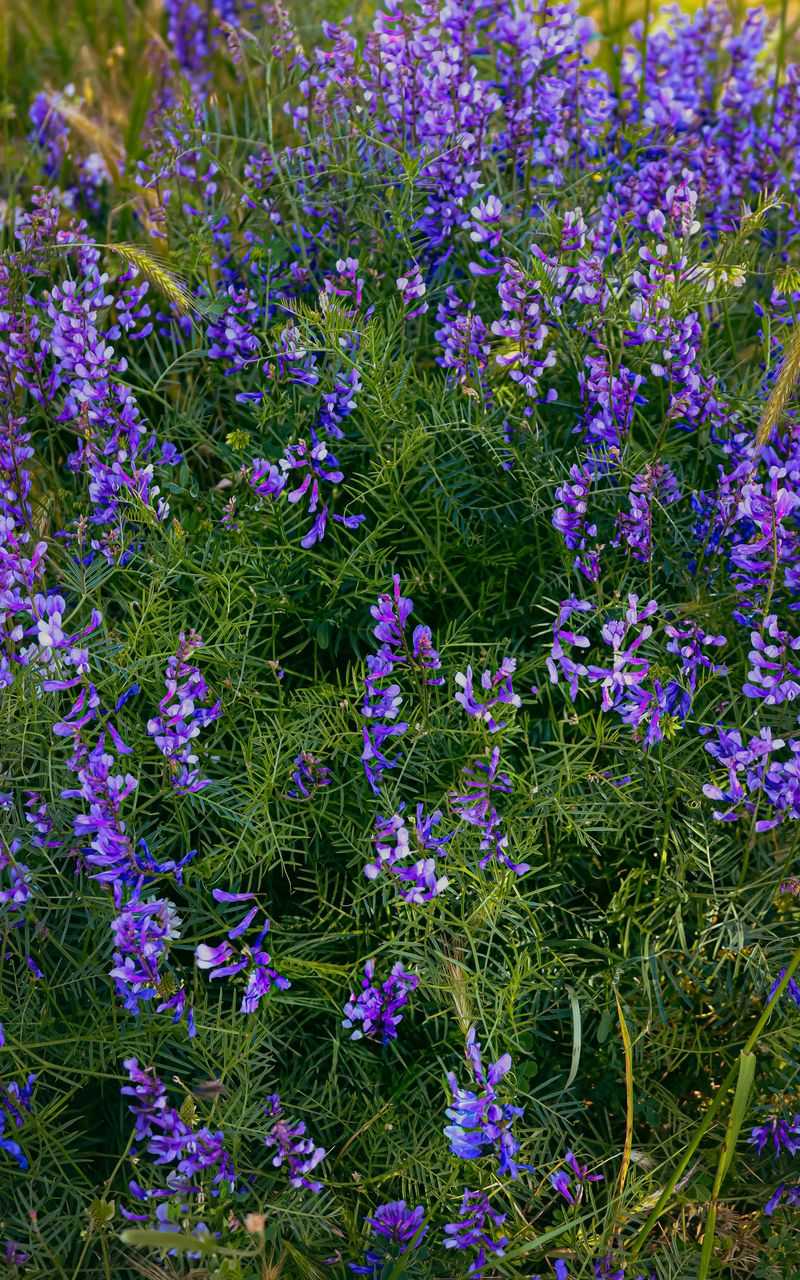
Baptisia australis has the look of something rare and high-maintenance.
It is neither.
Those tall spikes of deep blue-purple flowers in late spring are genuinely stunning.
And the blue-green foliage?
It stays attractive long after the blooms are gone.
It has presence without demanding much in return.
Wild Blue Indigo is a long-lived perennial that fixes nitrogen in the soil, meaning it actually improves the ground around it over time.
Once established, typically after two to three years, it becomes highly drought-tolerant and needs very little supplemental water.
Patience during those early years pays off with decades of reliable beauty.
The plant grows three to four feet tall and wide, forming a substantial shrub-like clump that fills space beautifully.
After flowering, inflated seed pods develop and turn charcoal-black by late summer, adding a quirky, sculptural element to the garden.
Those pods also rattle in the wind, and legend has it, children once used them as natural toys.
Baptisia resists deer, tolerates clay soil, and asks for very little once it finds its footing.
Avoid transplanting mature plants, as they develop a deep taproot that does not appreciate being disturbed.
Plant it once, commit to the spot, and it will show up for you every spring like it has something to prove.
5. Butterfly Weed
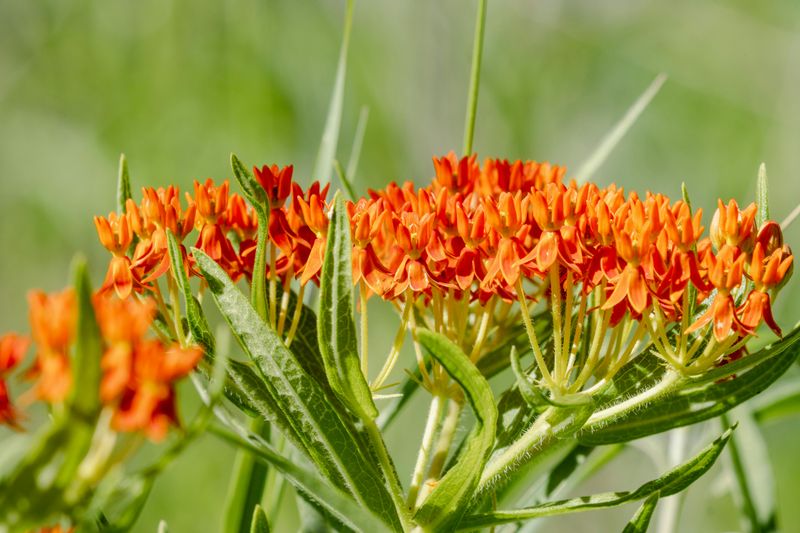
If you want monarch butterflies in your yard, Butterfly Weed is your golden ticket.
This native milkweed species produces clusters of blazing orange flowers from June through August that practically glow in the summer heat.
Monarchs, swallowtails, and dozens of other pollinators flock to it like it is the best restaurant in town.
Asclepias tuberosa is among the most drought-tolerant native perennials you can grow in Virginia.
The secret is underground, a thick, fleshy taproot that stores water like a natural reservoir.
It thrives in full sun and well-drained soil, making it ideal for hot, dry spots that challenge most other plants.
Sandy or gravelly soil actually suits it better than rich, amended garden beds.
The plant grows one to two feet tall and spreads slowly over time, eventually forming a reliable, carefree clump.
Unlike common milkweed, Butterfly Weed does not spread aggressively, so it plays nicely with neighboring plants without taking over.
It also lacks the milky sap of its relatives, making it easier to handle during planting and maintenance.
One important note: Butterfly Weed is slow to emerge in spring, so mark its location carefully to avoid accidentally digging it up.
Leaving the previous year’s stems in place helps you spot where new growth will appear.
When it finally emerges, it grows quickly and delivers a season-long burst of color that most gardeners find well worth the wait.
6. Penstemon
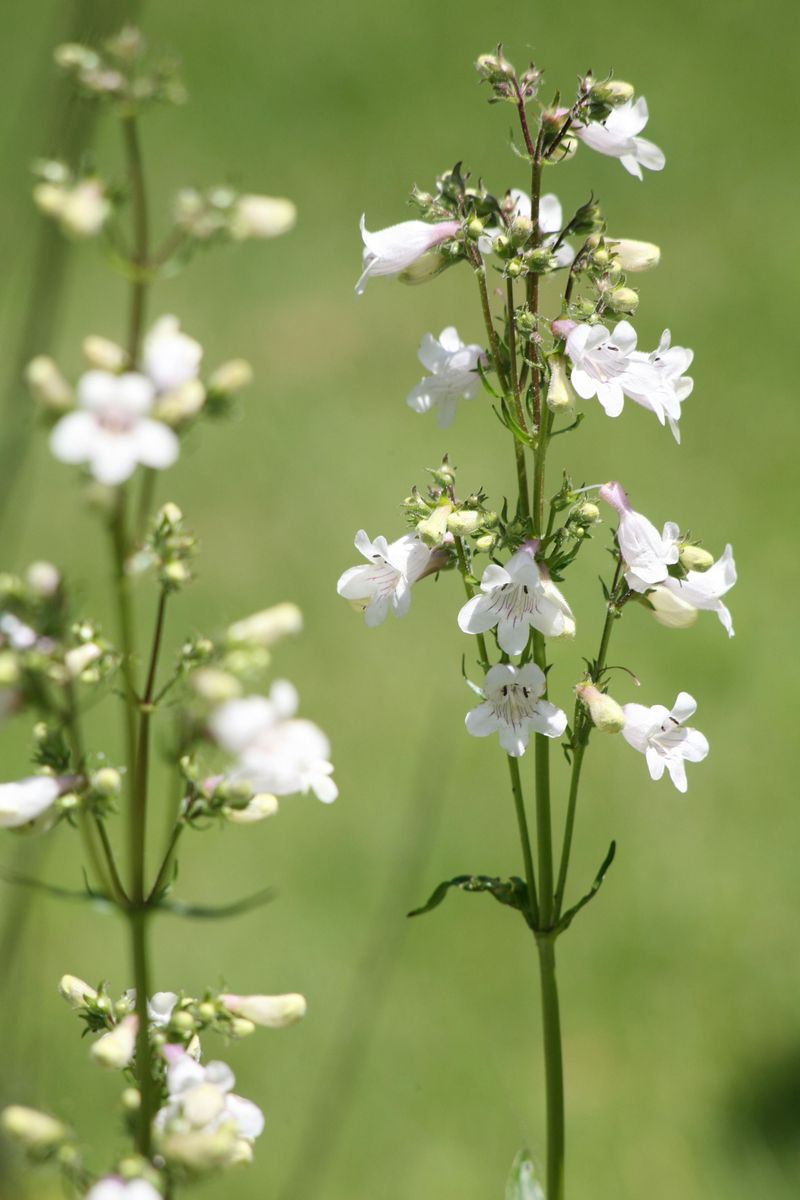
Penstemon digitalis is the kind of plant that doesn’t ask for attention but gets it anyway.
Also called Foxglove Beardtongue, this perennial sends up tall, elegant spikes of white tubular flowers in late spring and early summer.
Hummingbirds absolutely love it, and once you see one hovering at those blooms, you will be sold.
What makes this plant special for hot, dry summers is its combination of beauty and resilience.
It grows two to five feet tall in full sun to partial shade and tolerates clay soil far better than most native perennials.
After the first season, it requires almost no supplemental watering and handles summer heat without wilting or sulking.
The foliage is attractive on its own, with semi-evergreen leaves that often take on reddish-purple tones in cooler months.
This gives the plant four-season interest, which is a rare quality in a perennial that also happens to be drought-tolerant.
Leaving the seed heads standing through fall and winter adds structure and feeds small birds.
Penstemon self-seeds modestly, filling in gaps in the garden naturally over time without becoming a nuisance.
It pairs beautifully with Wild Blue Indigo and Black-eyed Susan in mixed native plantings that require minimal maintenance.
Height, wildlife, drought tolerance.
Penstemon digitalis is one of the most underrated native perennials out there, often outperforming flashier plants once it settles in.
7. Beautyberry
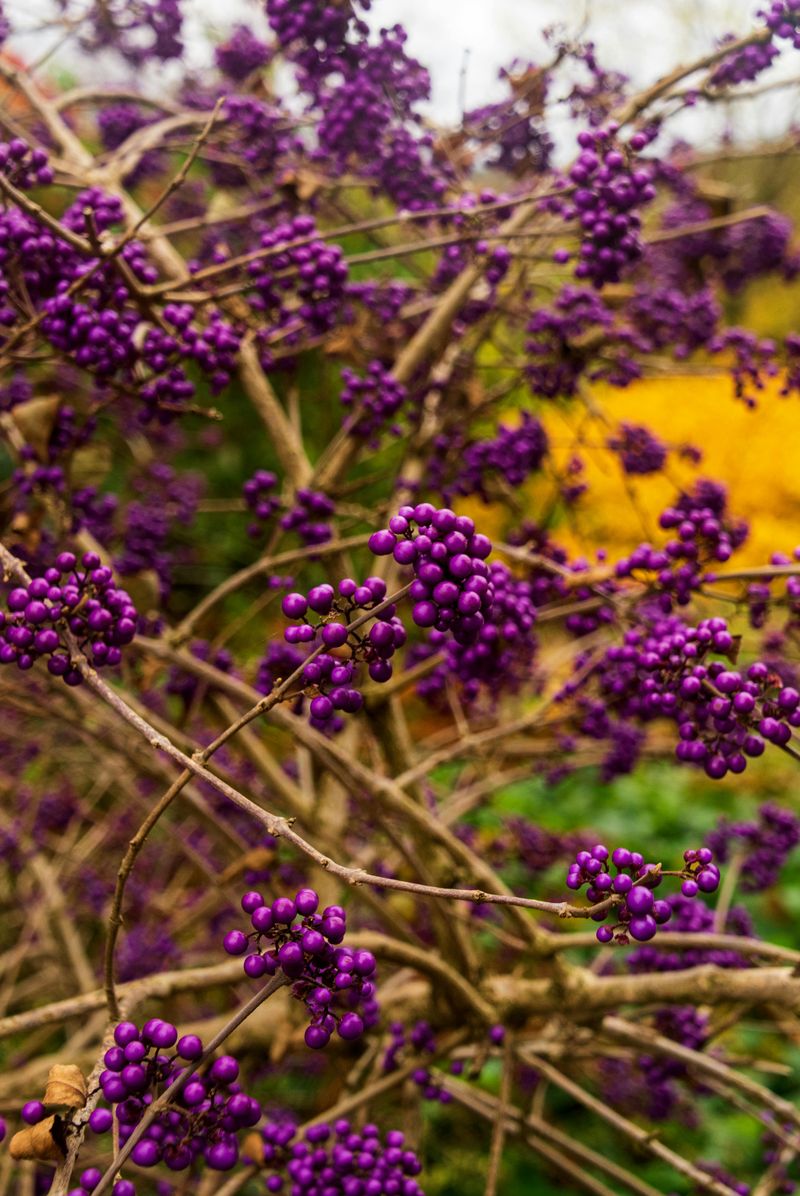
Nothing in the fall garden stops people in their tracks quite like Beautyberry covered in its electric purple fruit.
Come late summer, every arching branch fills with clusters of vivid, almost neon-purple berries.
They stay through early winter, long after everything else has called it a season.
The color is so vivid it can look almost too good to be real.
Beyond the showstopping fall display, Beautyberry is a remarkably tough shrub for the Virginia landscape.
It grows six to eight feet tall and wide in full sun to partial shade, tolerating a range of soil types including clay.
Once established, it handles dry periods with ease, making it a smart choice for low-maintenance landscapes that still need visual drama.
The shrub blooms with small pink flowers in summer that attract bees and butterflies before the berry show begins.
Birds, including mockingbirds and robins, devour the fruit through fall and winter, making it a valuable wildlife plant as well.
Few native shrubs deliver that level of multi-season interest without demanding constant attention.
Beautyberry benefits from a hard cutback in early spring, which keeps it compact and encourages the most vigorous new growth.
New stems produce the heaviest berry clusters, so pruning is actually part of the performance strategy.
Plant it near a path or entryway where people will walk past and get the full effect of those unforgettable purple clusters up close.
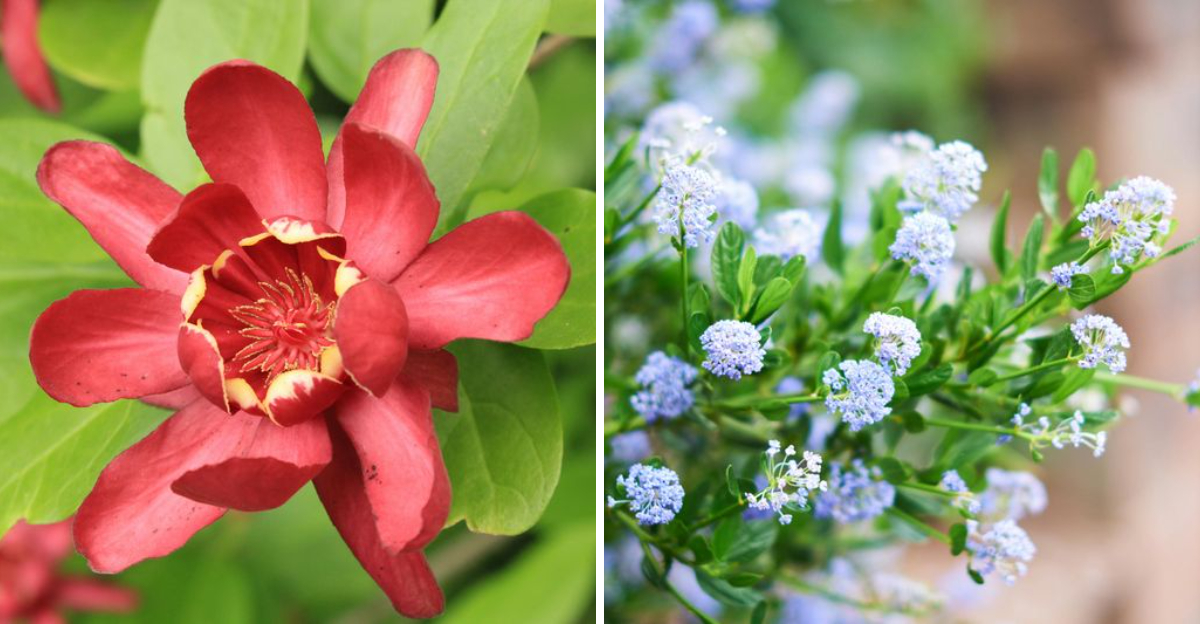
8. Sweetshrub
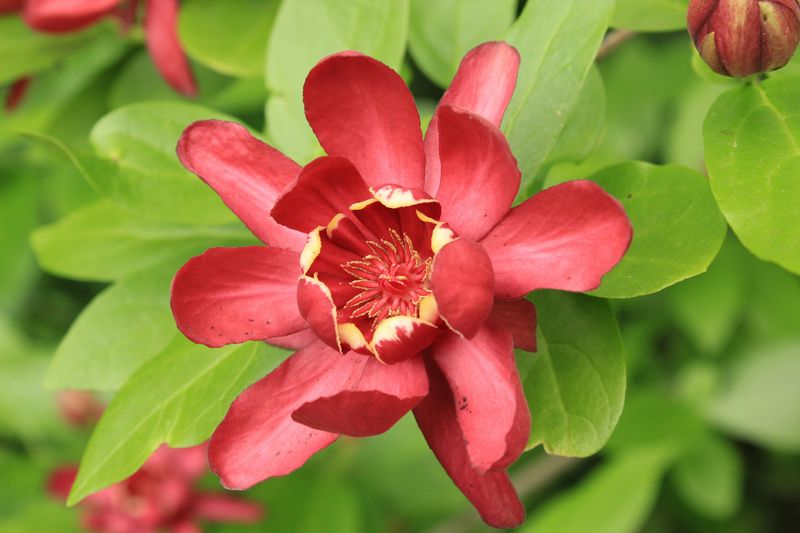
Image Credit: © Karen F / Pexels
Crush a leaf and smell it.
That warm mix of strawberries and cloves is not what you expect from a shrub.
Every gardener who finds it again asks the same thing, why did I stop planting this?
The fragrance alone is reason enough to grow it.
This southeastern native handles partial shade beautifully, which sets it apart from many other drought-tolerant shrubs that demand full sun.
It grows six to nine feet tall in woodland edges, shaded borders, and areas under the canopy of large trees.
Once established, it tolerates dry shade, one of the most challenging conditions in any garden, with impressive composure.
The dark reddish-brown flowers bloom in late spring and continue sporadically through summer, adding a moody, unusual color to the landscape.
They are not showy from a distance, but up close they have a rich, almost tropical appearance that rewards curious gardeners.
The bold, glossy foliage remains attractive all season, turning yellow in fall before dropping.
Sweetshrub spreads gradually by suckers, creating a natural colony that works well in naturalized areas or woodland garden settings.
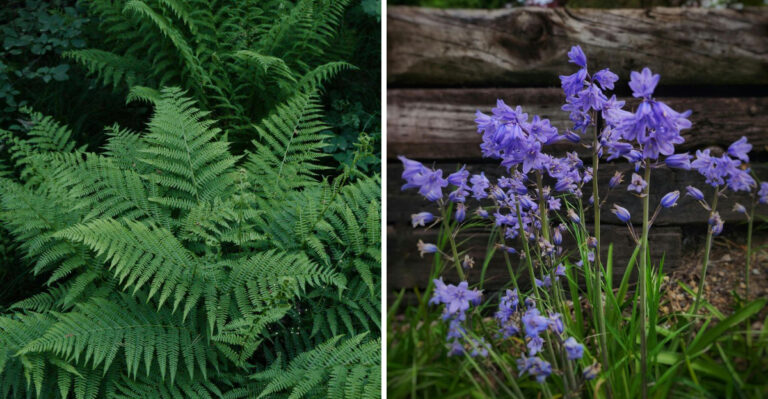
It pairs well with native ferns, Wild Blue Indigo, and other shade-tolerant perennials for a layered, low-water landscape.
For shaded spots where most drought-tolerant plants give up, this one shows up.
9. New Jersey Tea
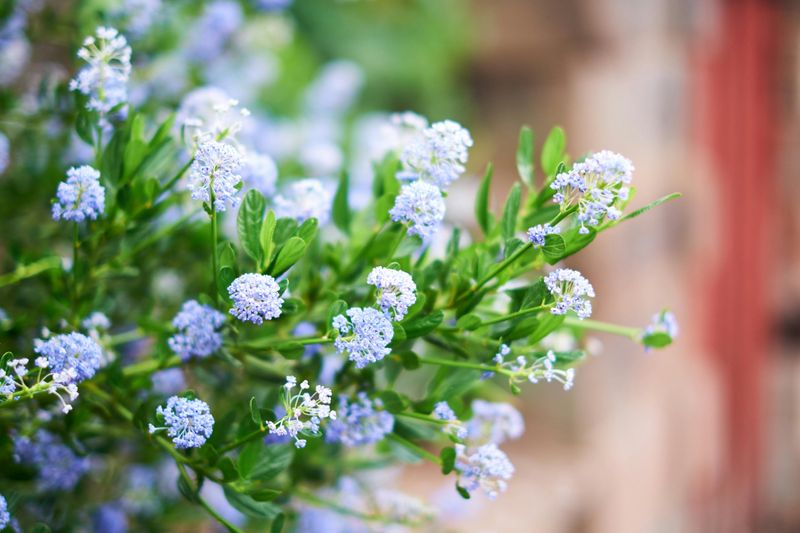
Image Credit: © Rodion Kutsaiev / Pexels
During the American Revolution, colonists brewed the leaves of this native shrub as a tea substitute when British imports ran dry.
New Jersey Tea has a genuinely fascinating history, but its real value today is as one of the toughest low-water plants in the native plant toolkit.
History and hardiness in one compact package is a hard combination to beat.
From May through July, Ceanothus americanus covers itself in fluffy clusters of white flowers.
The pollinators find it immediately, and they don’t leave.
Leafcutter bees, native bumblebees, and several specialist bee species depend on this plant in ways they cannot find elsewhere.
For gardeners who care about supporting native insect populations, this shrub is a genuine conservation contribution.
The root system of New Jersey Tea is extraordinarily deep, allowing it to access moisture far below the soil surface during extended dry spells.
It prefers well-drained to dry soil and full sun to light shade, thriving in conditions where many ornamental shrubs would struggle.
Avoid planting it in wet or poorly drained spots, as standing water is one of the few things it cannot handle.
This shrub also fixes nitrogen in the soil, improving fertility for surrounding plants over time.
It is deer-resistant, long-lived, and requires almost no maintenance once established in the right location.
Low water, high wildlife value, native roots, New Jersey Tea is the kind of plant that makes the whole garden make sense.