The Easy-Care Arizona Plant That Keeps Blooming Through The Hottest Months
Summer heat usually wins fast in Arizona. Patios start looking faded, flower beds lose color, and many plants give up once afternoons stay brutally hot day after day.
One plant keeps stealing attention anyway.
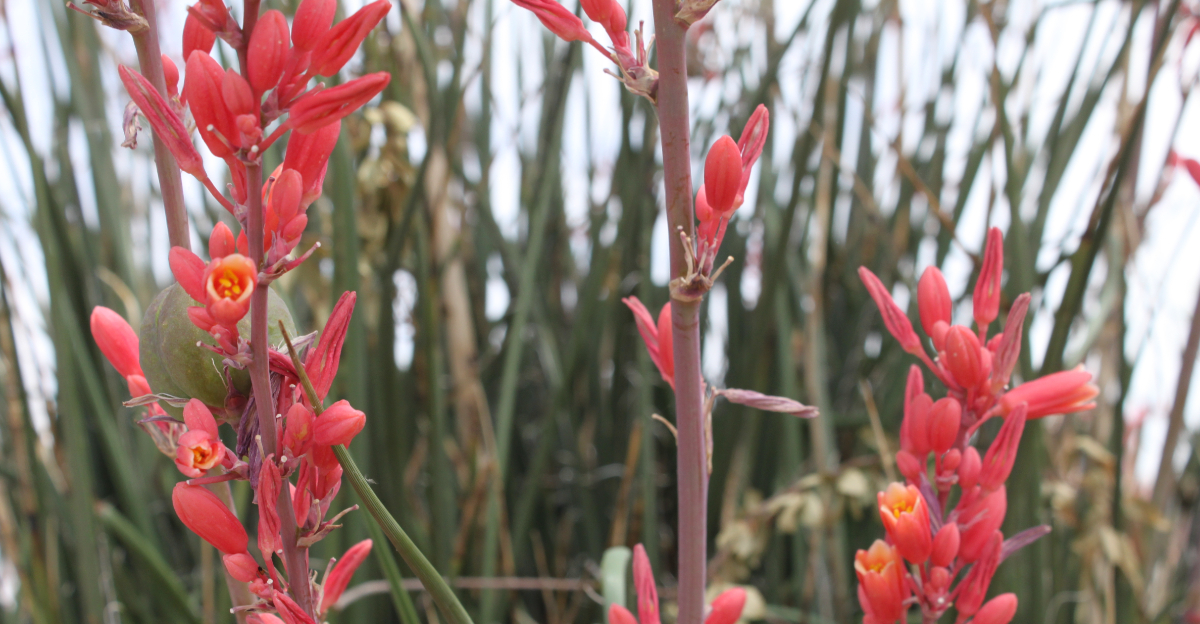
Bright blooms continue covering the plant while nearby flowers start looking worn out from the heat. Dry air, blazing sun, and scorching gravel do not seem to bother it much during the toughest stretch of summer.
That kind of performance becomes hard to ignore by July.
Some plants demand constant watering and nonstop care once temperatures rise. This one keeps blooming with far less effort.
The yard stays colorful longer, containers keep looking alive, and empty spaces never feel as dull during peak summer heat.
A plant that keeps flowering through brutal weather quickly becomes a favorite in desert landscapes.
1. Red Yucca Keeps Blooming Through Brutal Summer Heat
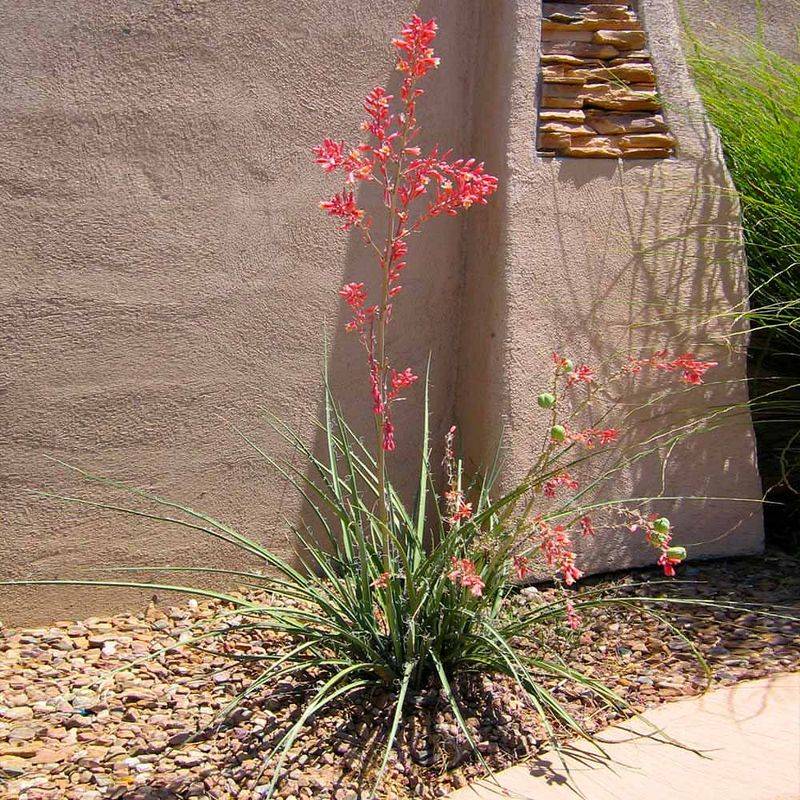
Most flowering plants tap out when temperatures push past 105 degrees. Red Yucca does not even flinch.
It sends up fresh bloom spikes right through the hottest stretch of summer, which is something almost no other ornamental plant in the Southwest can honestly claim.
Native to the Chihuahuan Desert, Red Yucca evolved to handle extreme heat, low water, and poor soil. Those tubular coral-pink blooms are not just decorative.
Hummingbirds and long-tongued bees rely on them heavily during the hottest months when most other flowers have already faded.
Bloom spikes can reach four to six feet tall under good conditions. Each spike holds dozens of individual flowers that open gradually over several weeks.
That slow bloom cycle means the plant stays colorful for a much longer stretch than typical summer annuals.
One thing worth knowing: bloom timing can vary slightly based on elevation and sun exposure. Plants growing at higher elevations may start blooming a bit later and finish sooner.
Down in the low desert valleys, the bloom season often stretches from late spring all the way through early fall.
2. Full Sun Usually Creates Taller Bloom Spikes
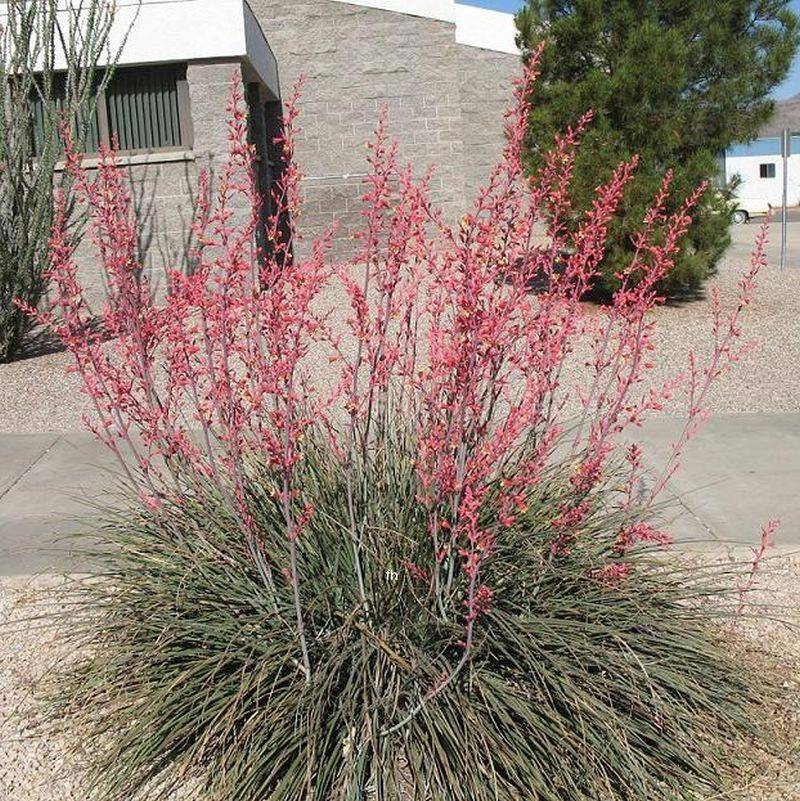
Shade is not a friend to Red Yucca. Plants grown in full, unobstructed sun consistently produce taller, more vigorous bloom spikes compared to those tucked into partial shade.
The difference can be striking enough to look like two completely different plants.
Six or more hours of direct sun per day is the sweet spot. Less than that and the plant still survives, but bloom spike height tends to drop noticeably.
Flower count per spike can also thin out when light levels stay consistently low.
South-facing and west-facing spots are ideal in most desert landscapes. Those exposures get the longest, most intense sun throughout the day.
Red Yucca placed in those locations tends to look fuller, bloom earlier in the season, and push out more spikes per clump.
Reflected light from light-colored walls or gravel surfaces also adds to total light exposure.
Gardeners sometimes notice that plants near a white stucco wall or a pale gravel driveway bloom more aggressively.
Plants growing in open ground without reflective surfaces nearby often do not bloom the same way.
Your Arizona Garden Changes Every Week. Your Plan Should Too.
Gardening in Arizona changes quickly throughout the season. Every Friday you’ll receive a simple weekly plan showing exactly what to plant, prune, fertilize, harvest, and protect so you never miss the right timing.
One practical note: very young transplants can occasionally show leaf tip stress during the first summer in an extremely exposed spot. That usually resolves once roots get established deeper in the soil.
3. Deep Soaking Supports Stronger Desert Growth
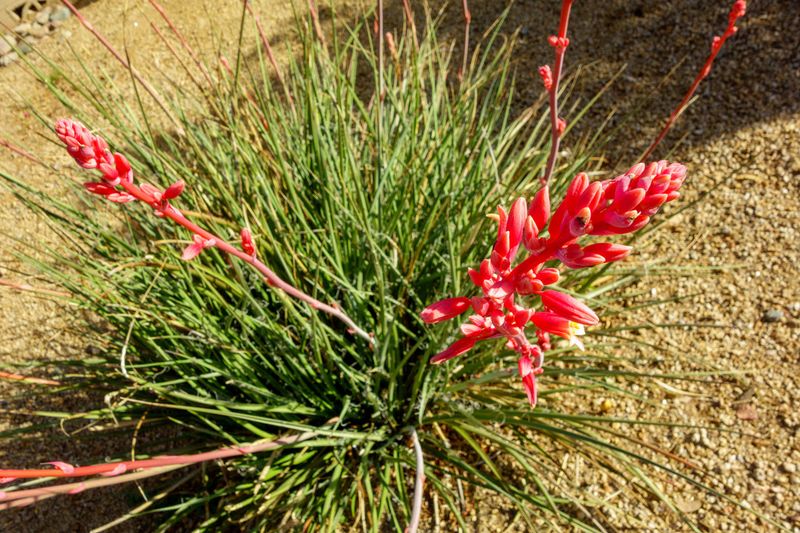
Shallow watering trains roots to stay near the surface. That is a problem in desert environments where the top few inches of soil can reach scorching temperatures during summer.
Deep soaking pushes roots downward where soil stays cooler and moisture lingers longer.
For Red Yucca, a slow, deep soak every two to three weeks during summer works better than frequent light sprinkles.
Roots respond better when moisture reaches deeper into the soil instead of staying near the surface.
Letting water penetrate twelve to eighteen inches down encourages a stronger root structure. That deeper growth helps plants stay stable and productive through long dry stretches.
Drip irrigation set to run for a longer duration works well for this.
A single emitter running for sixty to ninety minutes on a slow drip usually gets water down to the right depth. That approach helps avoid flooding the crown of the plant, which can cause problems over time.
Hand watering with a slow hose trickle near the drip line of the plant is another solid option. Avoid directing water right at the base or crown.
Keeping water flow a few inches away from the central stem reduces the chance of crown moisture buildup.
Spring and fall are the best times to establish new plants with regular deep soaking. Once a plant survives its first full summer with a few deep drinks, it typically needs far less attention in following years.
4. Gravel Mulch Helps The Base Stay Drier
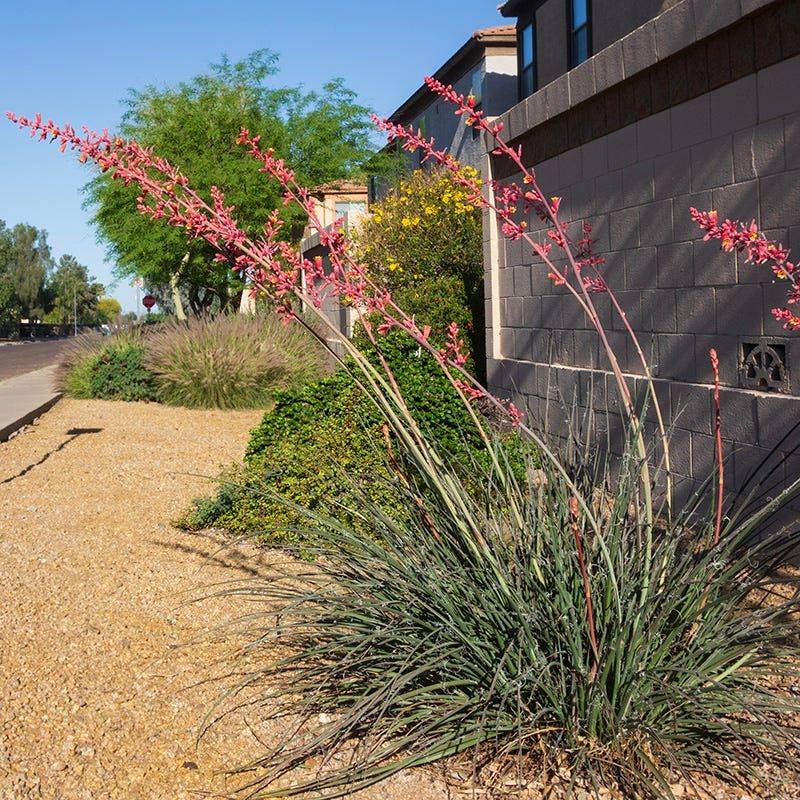
Organic mulch holds moisture well, which sounds helpful but actually works against Red Yucca. This plant comes from a naturally dry habitat where the soil around its base stays loose, rocky, and fast-draining.
Piling wood chips or bark near the crown traps moisture and invites problems.
Gravel mulch is the smarter choice. A two to three inch layer of pea gravel, decomposed granite, or crushed rock around the base keeps things dry, improves drainage, and still reflects some heat away from the soil surface.
It also looks clean and fits naturally in desert-style landscapes.
One important detail: keep the gravel a few inches away from the actual crown of the plant. Direct contact between gravel and the central growing point is not ideal.
A small clear ring around the base allows air circulation and prevents any material from packing against the leaves.
Gravel mulch also discourages weeds, which is a real bonus in desert gardens after monsoon rains arrive.
Fewer weeds mean less competition for limited soil moisture and less maintenance work overall.
Decomposed granite is particularly popular in desert Southwest landscaping because it compacts slightly over time and creates a neat, stable surface.
5. Excess Irrigation Can Weaken Established Plants
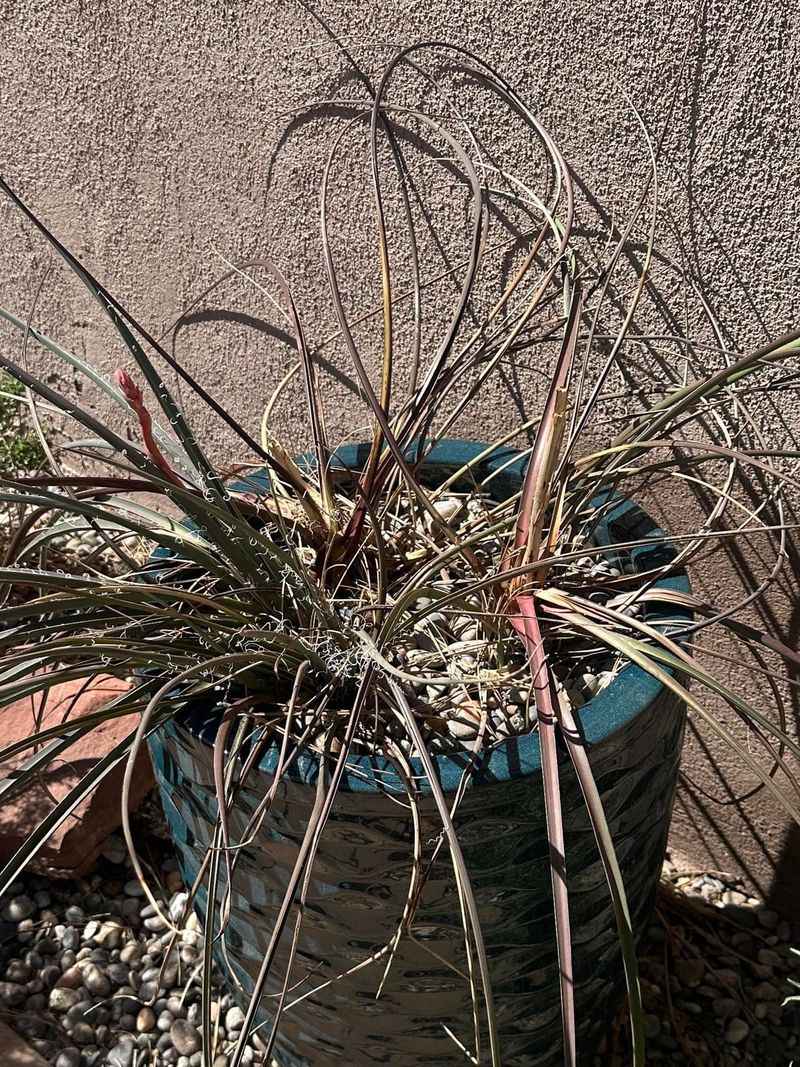
Giving Red Yucca too much water is one of the most common mistakes in desert gardens. Established plants that receive frequent irrigation often develop soft, pale foliage and reduced bloom production.
More water does not equal more flowers with this plant.
Root rot becomes a real risk when soil stays consistently wet. Red Yucca roots need periods of dryness between waterings to stay healthy.
In heavy clay soils, excess irrigation is especially problematic because water drains slowly and roots can sit in moisture far longer than they should.
Plants watered on the same schedule as nearby lawn areas or thirsty ornamentals often show visible signs of stress within a season or two.
Leaves may start turning yellowish. Growth often slows down over time.
Bloom spikes may also become shorter and less numerous than expected.
Cutting back irrigation frequency usually reverses early-stage overwatering stress fairly quickly. Letting the soil dry out completely between waterings for several weeks often restores normal color and vigor.
Patience matters here because recovery is gradual, not instant.
Irrigation timing matters too. Watering in the evening leaves moisture sitting around the crown overnight, which increases the chance of fungal issues.
6. Older Bloom Spikes Should Be Trimmed Back Often
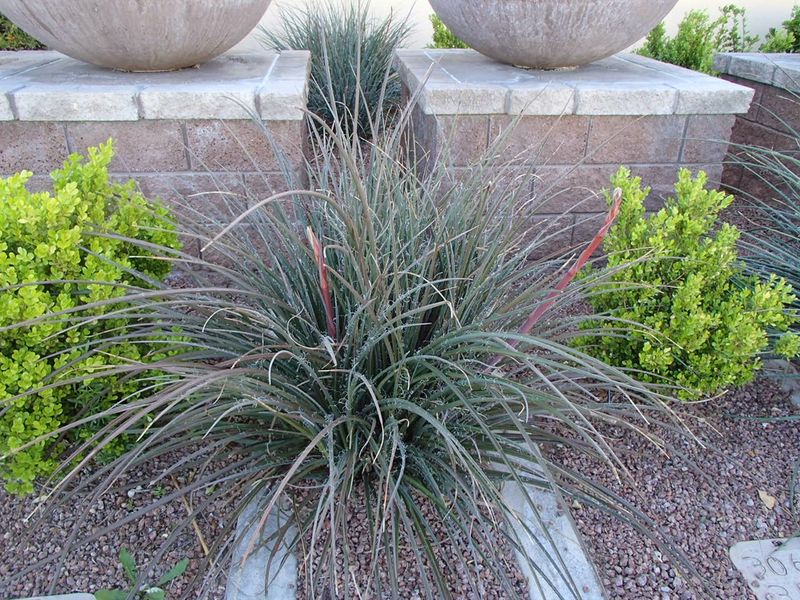
Spent bloom spikes do not fall off on their own. Left in place, they turn brown, dry out, and stay attached to the plant for months.
Removing them promptly keeps the plant looking clean and may encourage faster development of new spikes from the same clump.
Wait until a spike has fully finished blooming and most of the individual flowers have dropped. Cutting too early removes flowers that are still actively attracting hummingbirds and pollinators.
Timing the trim right means getting a clean look without sacrificing ongoing wildlife value.
Use sharp bypass pruners or a hand saw for thicker, older spikes. Clean cuts close to the base of the spike are better than ragged breaks.
Leaving a short stub is fine, but avoid tearing the spike away from the plant, which can damage surrounding foliage.
Some gardeners leave a few seed-bearing spikes in place intentionally. Red Yucca produces small seed pods that certain bird species find useful in late fall and winter.
Leaving one or two spikes to mature fully adds a bit of wildlife habitat value to the plant.
Trimming frequency depends on how many spikes a mature clump produces. A well-established plant in full sun can push out six to ten spikes over the course of a blooming season.
7. Mature Clumps Need Very Little Maintenance
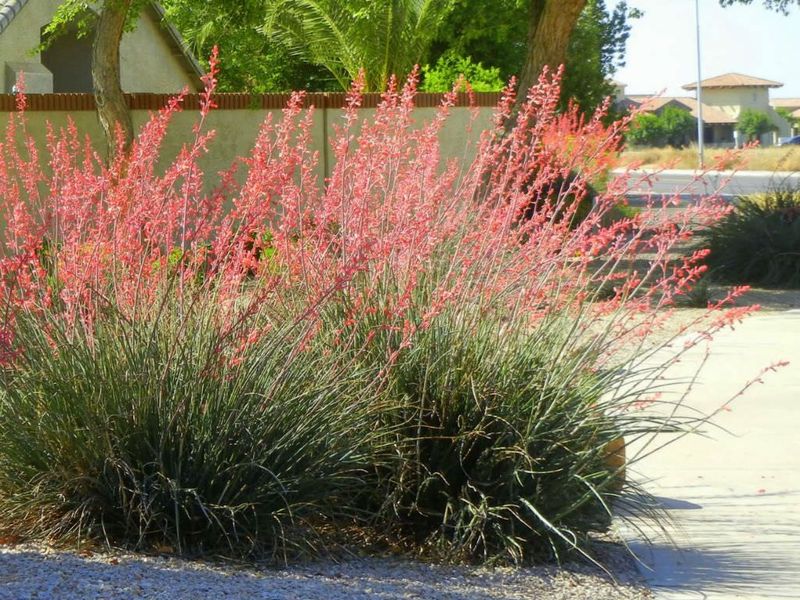
After three or four years in the ground, Red Yucca essentially takes care of itself. Mature clumps develop deep, extensive root systems that tap into soil moisture well below the surface.
That self-sufficiency is one of the biggest reasons this plant has become a staple in low-water landscapes across the desert Southwest.
Fertilizing established plants is generally unnecessary. Desert soils may seem poor by traditional gardening standards, but Red Yucca is completely adapted to those conditions.
Adding fertilizer can actually push excessive leafy growth at the expense of bloom production, which defeats the purpose.
Dividing clumps is an option every several years if a plant starts to crowd neighboring plants or outgrows its space. Offsets, called pups, form around the base of mature plants and can be carefully separated and replanted elsewhere.
Each pup can establish into a full flowering plant within two to three growing seasons.
Leaf cleanup is minimal. Old outer leaves dry out and hang against the base of the plant over time.
Pulling them away gently once a year keeps the base looking tidy without requiring much effort or specialized tools.
Pest problems are rare with established plants. Red Yucca has very few serious insect or disease issues under normal desert conditions.