The Native Michigan Shrub That Gets More Beautiful Every Single Year You Ignore It
Most shrubs need something from you on a regular basis. Pruning, shaping, feeding, or at minimum the occasional intervention to keep them looking like you intended.
There is a native Michigan shrub that operates on completely different terms. Leave it alone and it rewards you for it.
Each year it fills out a little more, the seasonal color deepens, the wildlife activity around it increases, and the overall presence it brings to a yard becomes harder to overlook. It is not a new discovery and it has not been hiding.
It just tends to get passed over at nurseries in favor of things with flashier tags and more aggressive marketing. The gardeners who do plant it almost always say the same thing afterward. They wish they had put in more of them sooner.
1. Ninebark Becomes More Graceful The Older It Gets
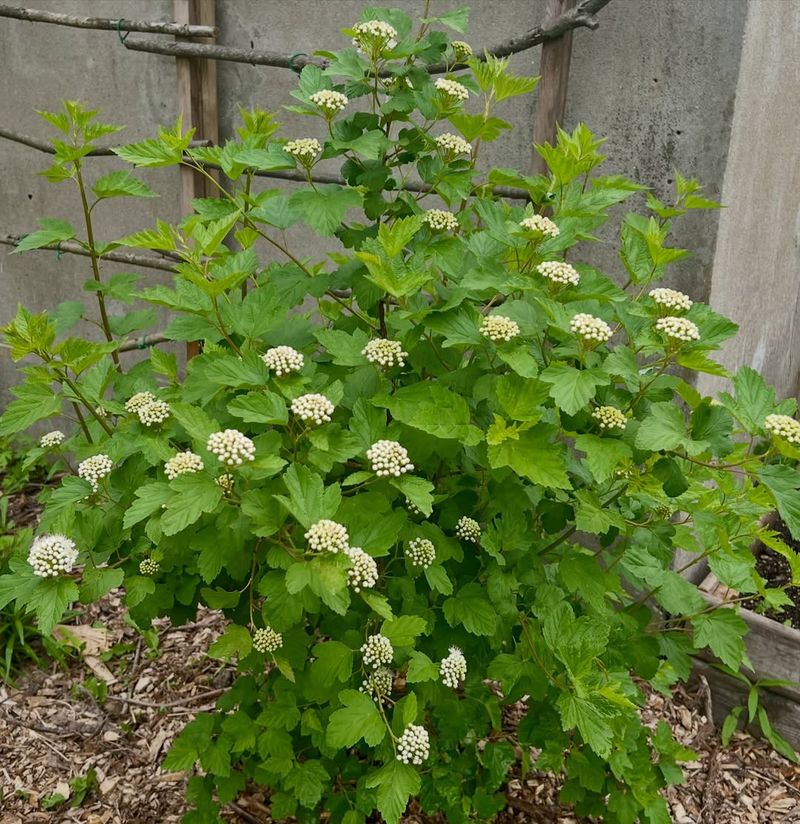
Some shrubs look their best right after planting, but ninebark is not one of them. Give it a few years, and something genuinely impressive starts to happen.
The branches begin to arch outward in long, graceful sweeps, layering over each other in a way that no amount of trimming or shaping could ever recreate artificially.
Young ninebark plants can look a little stiff or sparse in the first season or two. That is completely normal.
As the root system deepens and the plant settles into its spot, the growth above ground starts to reflect that confidence. Stems lengthen, branch tips soften, and the overall silhouette becomes rounder and fuller without any help from pruning shears.
What makes this especially valuable in a Michigan landscape is that ninebark fills space beautifully over time. It works well along fence lines, at the edge of a woodland garden, or as a natural screen between properties.
The older the plant gets, the more substantial and visually interesting it becomes. Gardeners who resist the urge to constantly reshape their ninebark are usually the ones who end up with the most stunning specimens in the neighborhood.
Patience with this shrub is genuinely rewarded in a visible, satisfying way every single growing season.
2. Constant Shearing Ruins Ninebark’s Natural Shape
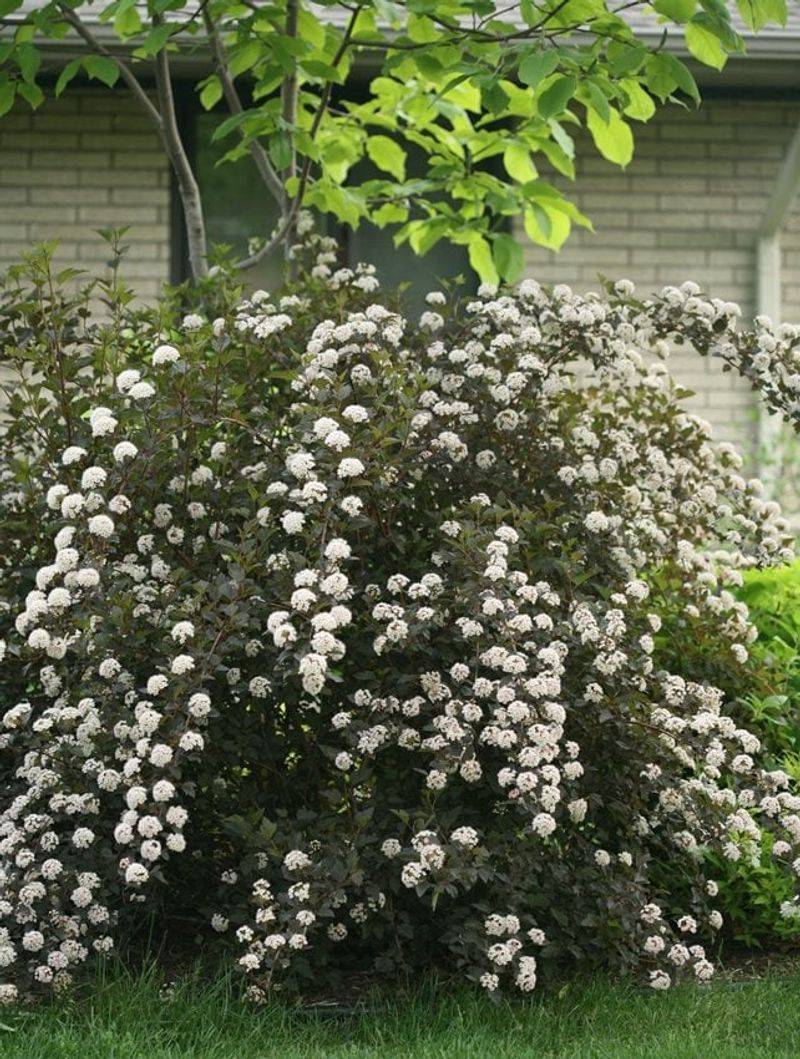
Grab a pair of hedge trimmers and go to town on a ninebark, and you will likely regret it by next spring.
Tightly shearing this shrub into a ball or box removes the very thing that makes it beautiful: those long, arching outer branches that give the plant its signature flowing shape.
What you are left with is a dense, stubby mound that looks more like a shrub trying to be a hedge than a native plant thriving in its element.
The layered branch structure of a mature ninebark is something that develops naturally over several growing seasons. Each stem grows outward at its own angle, creating a soft, tiered effect that catches light beautifully and moves gently in the breeze.
When all of that is sheared off at once, the plant has to start over from scratch, producing dense new growth that lacks the elegance of the original form.
Your Michigan Garden Changes Every Week. Your Plan Should Too.
Gardening in Michigan changes quickly throughout the season. Every Friday you’ll receive a simple weekly plan showing exactly what to plant, prune, fertilize, harvest, and protect so you never miss the right timing.
Formal shearing also removes flower buds that formed on older wood, which means fewer blooms the following spring.
Michigan gardeners who switch from heavy shearing to occasional selective thinning almost always notice a dramatic improvement in both the shape and flowering of their ninebark.
Removing one or two of the oldest stems at the base each year is all this shrub really needs to stay healthy and looking its absolute best.
3. The Bark Gets More Dramatic Every Year
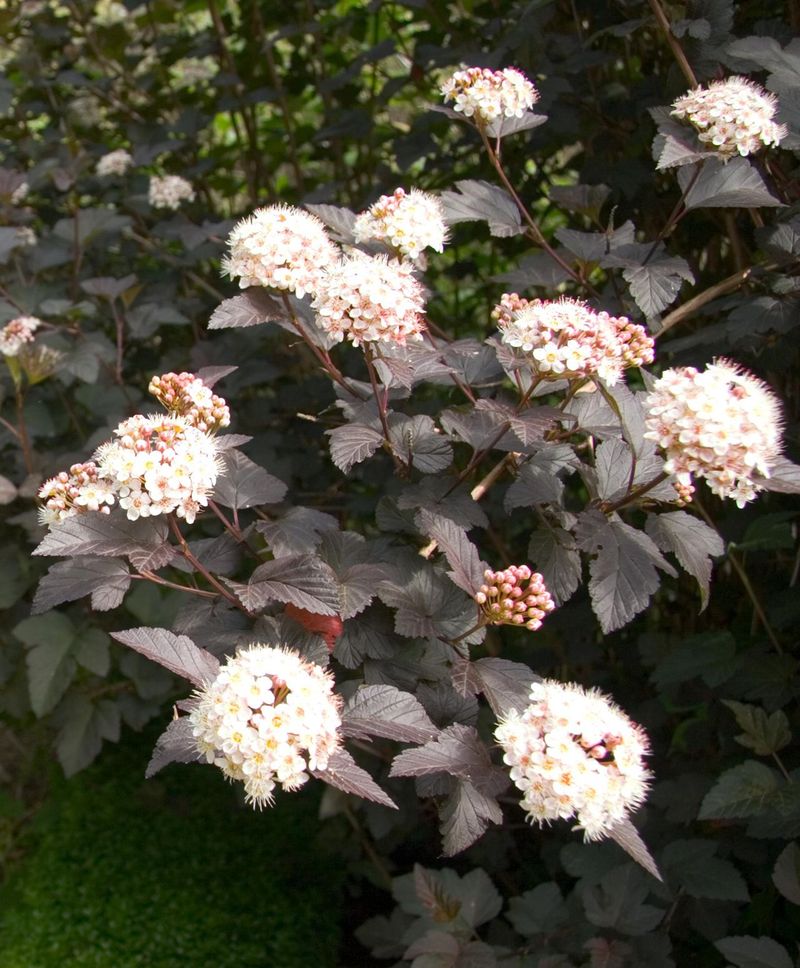
Most people plant ninebark for its flowers or colorful foliage, but experienced Michigan gardeners will tell you the bark is the real long-term reward.
As stems age, the outer layer begins to peel and curl away in thin strips, revealing warm cinnamon, tan, and reddish-brown tones underneath.
The effect is genuinely striking, especially in winter when there are no leaves to distract from it.
This exfoliating bark does not develop on young stems. It takes several years of growth before the texture becomes truly pronounced.
That means every winter, a well-established ninebark looks more interesting than it did the season before.
The older the shrub, the more layered and complex the bark pattern becomes, turning what might otherwise be a forgettable winter shrub into a real focal point in a snowy Michigan yard.
Allowing older stems to remain as part of the shrub instead of cutting everything back to the ground is the key to preserving this feature.
Gardeners who practice hard renewal pruning every few years lose much of the bark interest because they keep removing the most mature stems before they reach their visual peak.
If winter garden structure matters to you, ninebark is one of the smartest native plants you can grow. Its bark alone makes it worth every square foot of garden space it occupies from November through March.
4. Mature Ninebark Handles Michigan Weather Better Than Young Shrubs
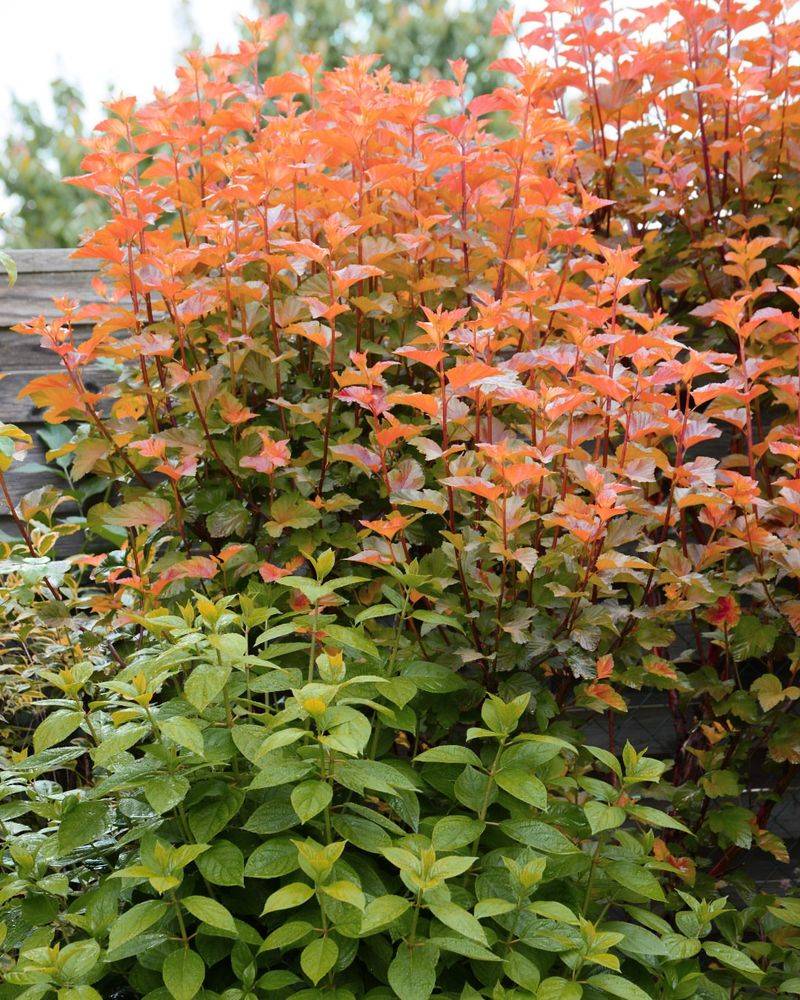
Michigan weather does not play nicely with most plants. Bitter cold winters, late spring frosts, summer heat waves, and stretches of drought can stress even tough shrubs.
Ninebark handles all of it better once it has had a few years to settle in, and the difference between a young plant and a mature one during a hard summer is pretty remarkable to witness.
Young ninebark plants benefit from some watering during their first two summers. After that, the deep root system they develop makes them genuinely drought-tolerant.
Clay soil, which is incredibly common across Michigan, actually works in their favor once established because it holds moisture longer than sandy ground.
These shrubs also handle the freeze-thaw cycles of Michigan winters without much trouble, and their flexible branches tend to shed heavy snow loads rather than snapping under the weight.
Storm resistance is another advantage that builds with age. A mature ninebark with a well-developed root system is far less likely to heave out of the ground or suffer wind damage compared to a shrub planted just one or two seasons ago.
Michigan gardeners dealing with challenging spots like low areas prone to wet soil, exposed hillsides, or spots with heavy clay will find that a well-established ninebark simply keeps going year after year with very little extra support needed from the gardener.
5. Ninebark Flowers More Naturally Without Excessive Pruning
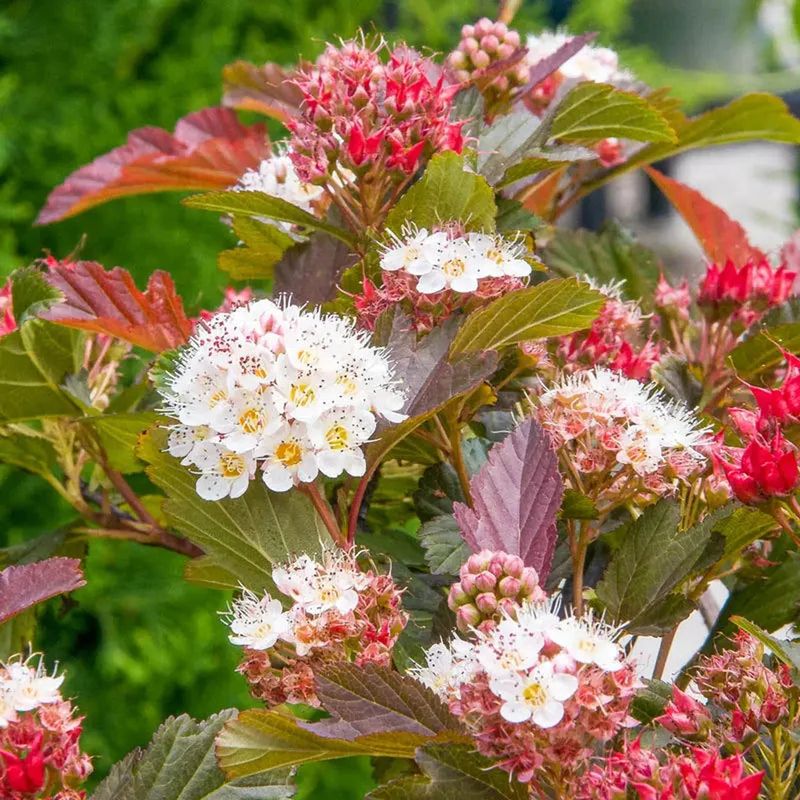
Few sights in a Michigan garden beat a fully mature ninebark in bloom. The clusters of small white or pale pink flowers appear along every arching branch in late spring, creating a soft, almost cloud-like effect across the entire shrub.
The more the plant has been left to develop on its own, the more spectacular this flower display tends to be.
Here is why pruning timing matters so much. Ninebark sets its flower buds on wood that grew the previous season.
If you trim heavily in late summer or fall, you are cutting off next year’s blooms before they ever get a chance to open.
Gardeners who shear their ninebark into shape in autumn often wonder why their shrub barely flowers the following spring, and the answer is almost always that the bud-bearing stems were removed.
Pollinators absolutely love a well-bloomed ninebark. Bees, native wasps, and butterflies flock to the flowers, making a mature, unpruned shrub a genuine pollinator hotspot during the weeks it is in bloom.
If you want to do any pruning at all, the safest window is right after flowering finishes in early summer. That gives the plant the entire rest of the growing season to develop new stems loaded with buds for the following year.
Minimal interference here produces genuinely spectacular spring results worth waiting for.
6. Michigan Wildlife Benefits From Older Larger Ninebark Shrubs
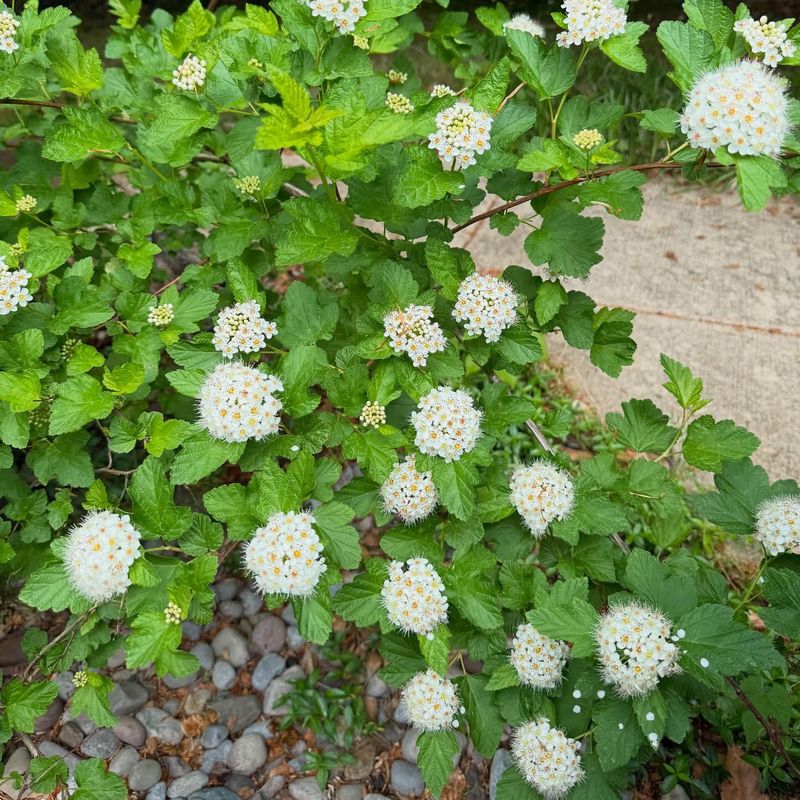
A big, well-established ninebark does far more for local wildlife than a tightly trimmed one ever could. The dense interior of a mature shrub creates exactly the kind of sheltered, layered cover that birds look for when choosing a nesting spot.
Robins, catbirds, and song sparrows are among the species that regularly nest inside large ninebark shrubs across Michigan, drawn by the protection the thick branching structure provides.
Beyond nesting, the shrub offers seasonal value at almost every point in the year. Spring flowers bring in a steady stream of native bees and other pollinators.
The small seed clusters that form after the flowers fade provide late-season food for birds heading into fall migration or preparing for winter.
Even the peeling bark plays a role, offering tiny insects and spiders places to shelter, which in turn attracts insect-eating birds to the shrub during colder months.
Constantly cutting a ninebark back to a smaller, tidier form reduces all of this ecological value significantly.
A shrub that is only two or three feet tall simply cannot offer the same nesting opportunities or food resources as one that has been allowed to reach its full natural height of six to ten feet.
For Michigan gardeners who want to support local wildlife without a lot of extra effort, growing a big, mature ninebark and largely leaving it alone is one of the most impactful choices they can make in their yard.
7. Ninebark Rarely Needs Supplemental Water Once Established
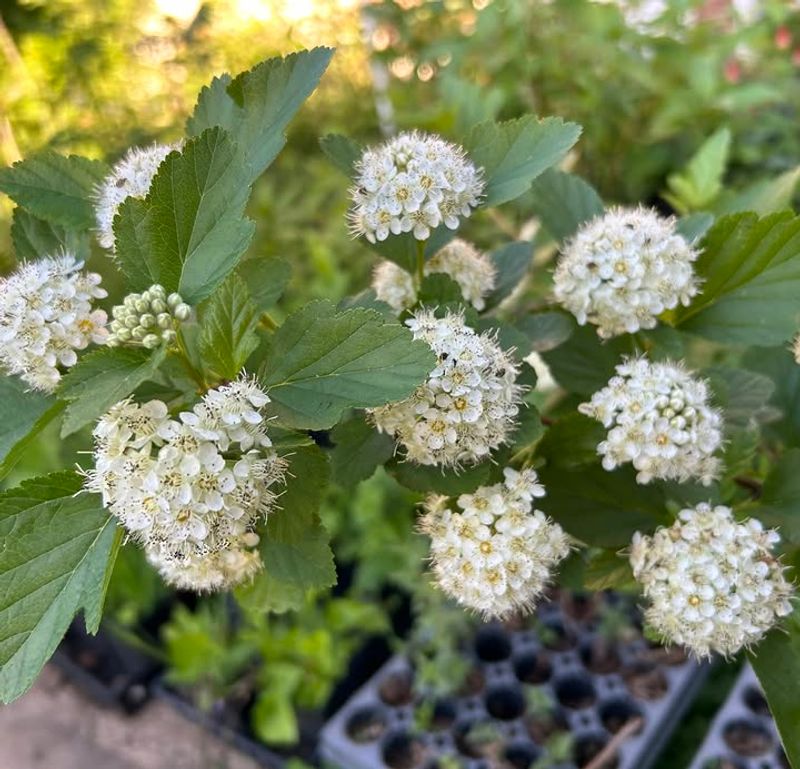
Watering schedules can feel like a part-time job during a hot Michigan summer. Most gardeners are relieved to find at least one plant in their yard that genuinely does not need constant attention, and a well-established ninebark is exactly that plant.
Once its root system has had two or three growing seasons to develop, this shrub becomes remarkably self-sufficient even during extended dry spells.
The deep, spreading roots of a mature ninebark reach moisture that shallow-rooted plants simply cannot access. During the dry stretches that hit Michigan most summers, ninebark keeps looking healthy and full while other shrubs start to show stress.
It does not need drip lines, soaker hoses, or regular hand watering once it has settled in. That makes it an excellent choice for gardeners who want lower-maintenance landscaping without sacrificing visual appeal.
There is one honest caveat worth mentioning. Newly planted ninebark does need consistent watering through its first summer and a good portion of its second.
Skipping that early support can slow establishment significantly. Think of those first two seasons as an investment in the effortless years that follow.
After that initial period, the plant essentially takes care of itself through Michigan’s variable summer weather.
For anyone trying to reduce their garden’s water use or simply spend less time dragging hoses around, ninebark earns its place in the landscape many times over with its low-demand, high-reward character.
8. The Best Looking Ninebark Shrubs Usually Receive The Least Attention
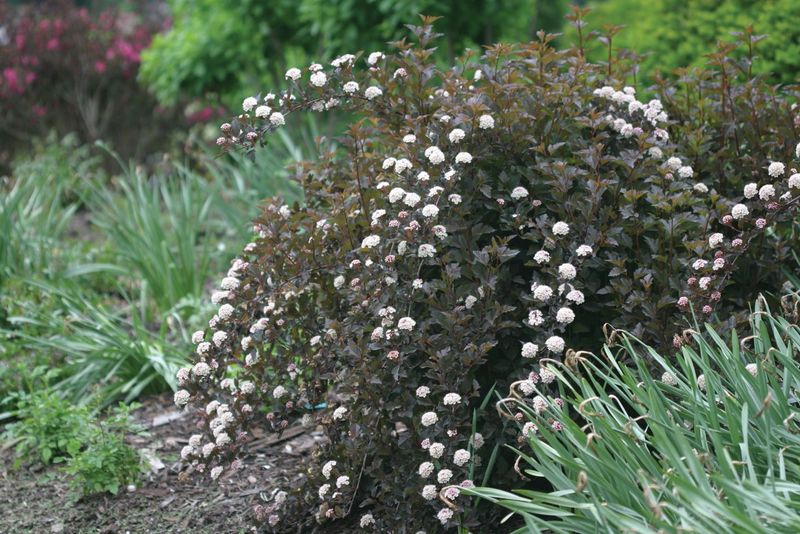
Walk through any established Michigan neighborhood with mature landscaping, and a pattern starts to emerge. The ninebark shrubs that stop you in your tracks are almost never the ones that have been carefully shaped and trimmed every season.
The showstoppers are the ones that have been largely left to their own devices, growing into their full, arching, multi-stemmed glory over many years of minimal interference.
Experienced Michigan gardeners who have grown ninebark for a decade or more tend to follow a simple maintenance approach. Once a year, usually in late winter before new growth begins, they remove one or two of the oldest, thickest stems right at the base.
This encourages fresh new growth from the center of the plant without disrupting the overall natural shape. Everything else gets left alone unless a stem is clearly damaged or growing in a direction that causes a problem.
That kind of restraint is harder than it sounds for gardeners who are used to reaching for pruning tools every spring. But the results speak for themselves.
A ninebark that has been thinned selectively rather than sheared repeatedly develops a depth of structure, a richness of bark texture, and a fullness of flower that a constantly trimmed shrub simply cannot match.
The best gardening advice for ninebark is also the simplest: trust the plant, step back, and let time do most of the work for you.