Why Gardenia Leaves Turn Yellow In June In California And How To Fix It
Gardenias have a way of looking fancy and fragile at the same time. One week they are glossy and green, making the garden feel expensive for no good reason. Then June arrives, and yellow leaves start showing up like little warning notes.
In California, this can happen fast because warmer days change how the plant handles water and nutrients.
Gardenias are picky about soil, and they do not hide their feelings well. A small problem below the surface can show up quickly in the leaves.
The confusing part is that yellowing does not always mean one simple thing. It can be tied to watering habits, soil pH, or stress that built up earlier in the season. That makes guessing risky.
Before you start adding random fertilizer or drowning the plant with kindness, slow down and read the clues. Your gardenia may look dramatic, but it is usually trying to tell you exactly where the trouble starts.
1. June Heat Can Stress Gardenias Fast
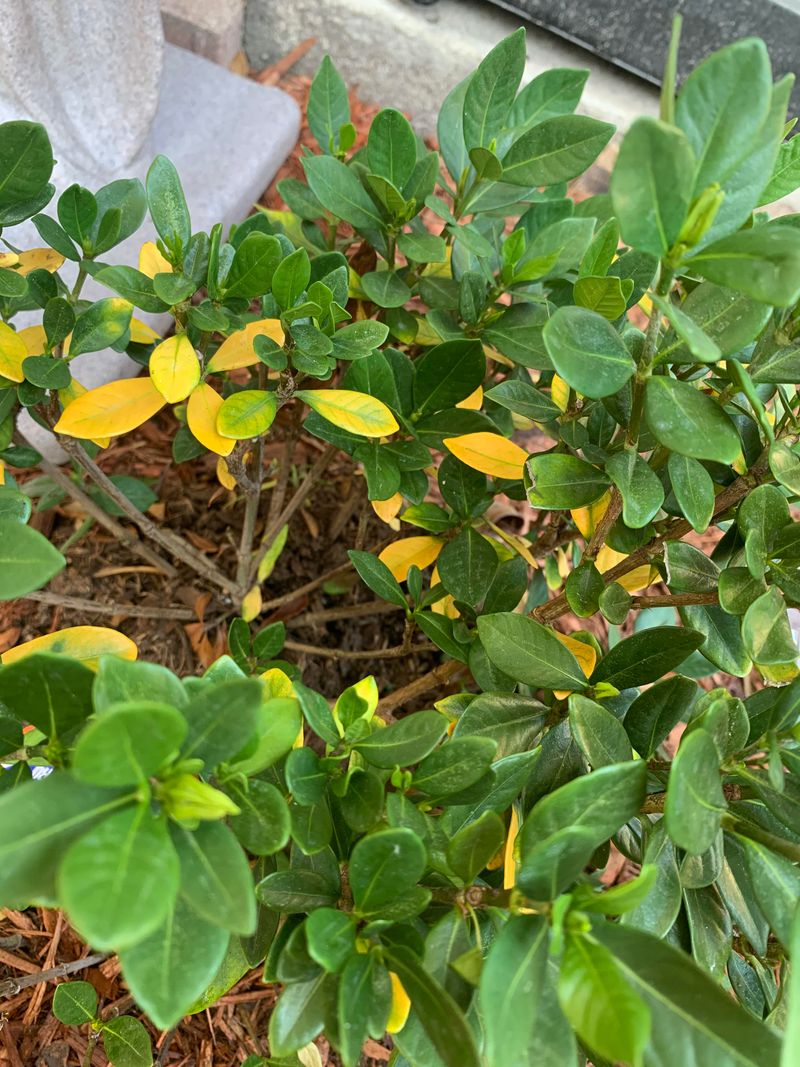
Hot weather hits fast in June, and gardenias feel it almost immediately. These shrubs prefer temperatures between 65 and 75 degrees Fahrenheit. Once temps climb above 90, the plant starts to panic a little.
When it gets too hot, gardenias pull moisture away from their leaves to protect their roots. This causes the leaves to turn yellow or even pale green. The plant is not sick, it is just overwhelmed by the heat.
You can help by giving your gardenia some afternoon shade. A shade cloth or a nearby taller plant can block the harshest sun. Even one or two hours of relief from direct sun in the afternoon can make a big difference.
Mulching around the base of the plant also helps. A two to three inch layer of organic mulch keeps the soil cooler and holds in moisture. Use wood chips, bark, or pine needles for best results.
Water your gardenia in the early morning so the roots can absorb moisture before the heat of the day kicks in.
Avoid watering in the middle of the afternoon when water evaporates too fast. Morning watering also prevents the leaves from staying wet overnight, which can cause fungal issues.
Heat stress is one of the most common reasons gardenias turn yellow in June. Acting quickly can stop the problem from getting worse. A little shade and smart watering go a long way.
2. Overwatering Can Turn Leaves Yellow
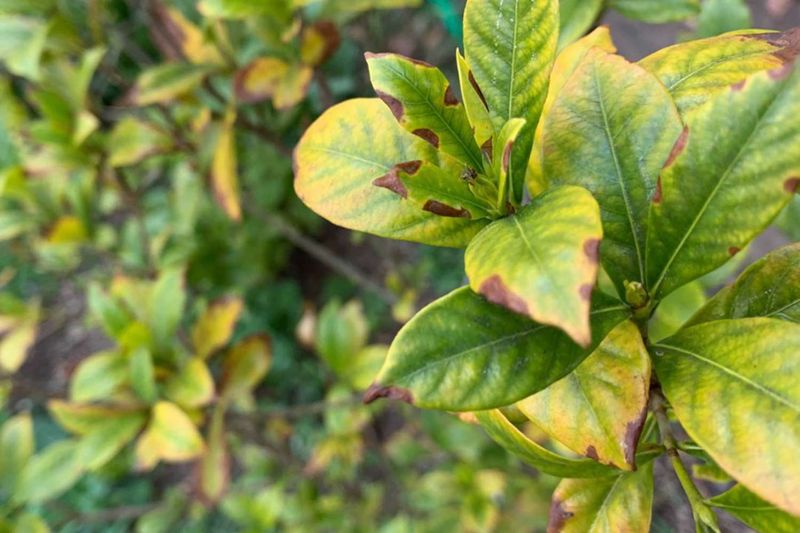
It might seem like more water equals a happier plant, but gardenias do not work that way. Giving them too much water is actually one of the most common mistakes gardeners make. Too much water pushes air out of the soil, and roots need air to stay healthy.
When roots sit in soggy soil for too long, they stop being able to absorb nutrients. The plant starts to starve even though it is surrounded by water. Yellow leaves are often the first sign that overwatering is happening.
Check the soil before you water. Stick your finger about one inch into the soil near the base of the plant. If it still feels moist, wait another day or two before watering again.
Your California Garden Changes Every Week. Your Plan Should Too.
Gardening in California changes quickly throughout the season. Every Friday you’ll receive a simple weekly plan showing exactly what to plant, prune, fertilize, harvest, and protect so you never miss the right timing.
Gardenias in pots are especially easy to overwater. Make sure the pot has drainage holes and that water flows freely out the bottom. If water pools at the top and drains slowly, the soil may be too compacted.
In June, gardenias in the ground may only need watering two to three times per week depending on how hot and dry it is.
Always water deeply but less often. This encourages roots to grow deeper into the soil where moisture stays more consistent.
Once you cut back on watering, yellowing from overwatering usually improves within one to two weeks. Keep checking the soil regularly to stay on track.
3. Dry Soil Makes Buds And Leaves Drop
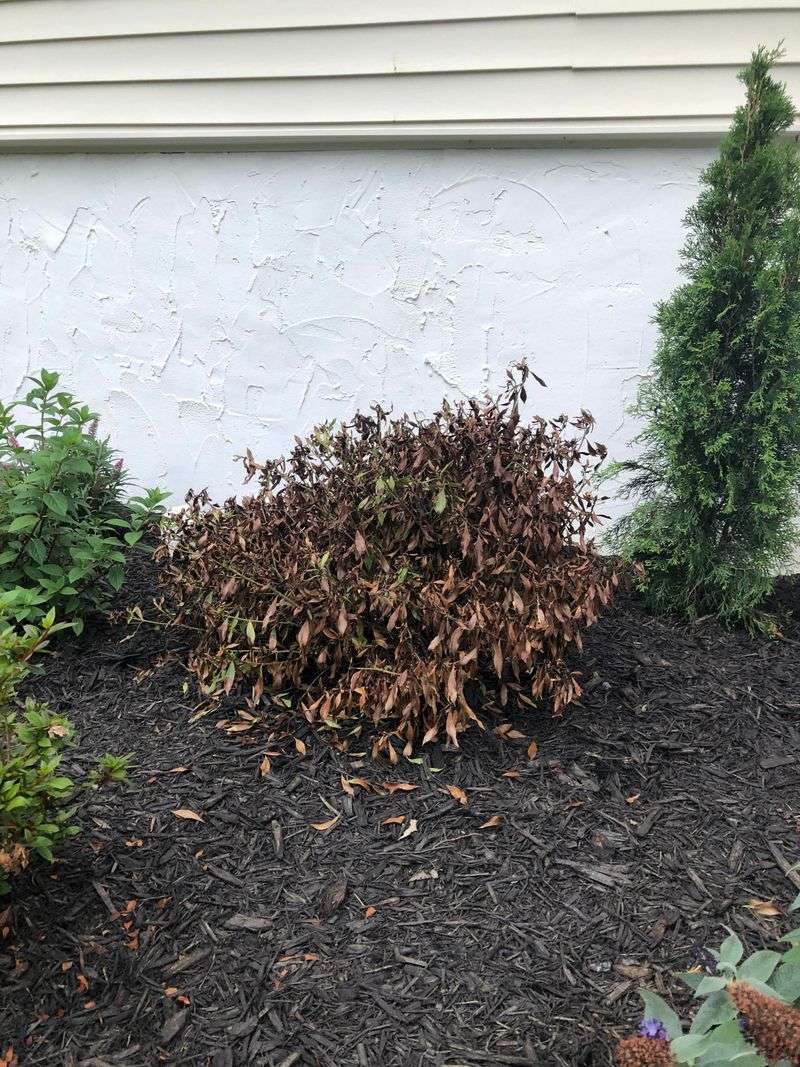
On the flip side, letting the soil get too dry is just as harmful. Gardenias are very sensitive to drought stress, especially in June when temperatures are rising fast.
Dry soil causes buds to drop before they even open and leaves to turn yellow and fall off.
You might notice the leaves look a little dull or curled before they turn yellow. That is the plant telling you it is thirsty. Acting fast when you see these early signs can save your flowers and foliage.
Check the soil every day during hot spells. If the top inch feels dry and the soil below feels barely damp, it is time to water. Give the plant a deep, slow soak so the water reaches the roots, not just the surface.
Drip irrigation works great for gardenias. It delivers water slowly and directly to the root zone without wetting the leaves. Wet leaves can lead to fungal problems, so keeping water at the base is always the smarter choice.
Adding mulch around the plant helps the soil hold onto moisture longer. This is especially helpful during dry June weeks when the sun bakes the ground quickly. A good layer of mulch can cut down on how often you need to water.
Consistent soil moisture is the key to keeping gardenias blooming and green. Check the soil often and water before it gets too dry, not after the plant already shows stress signs.
4. Poor Drainage Can Suffocate Roots
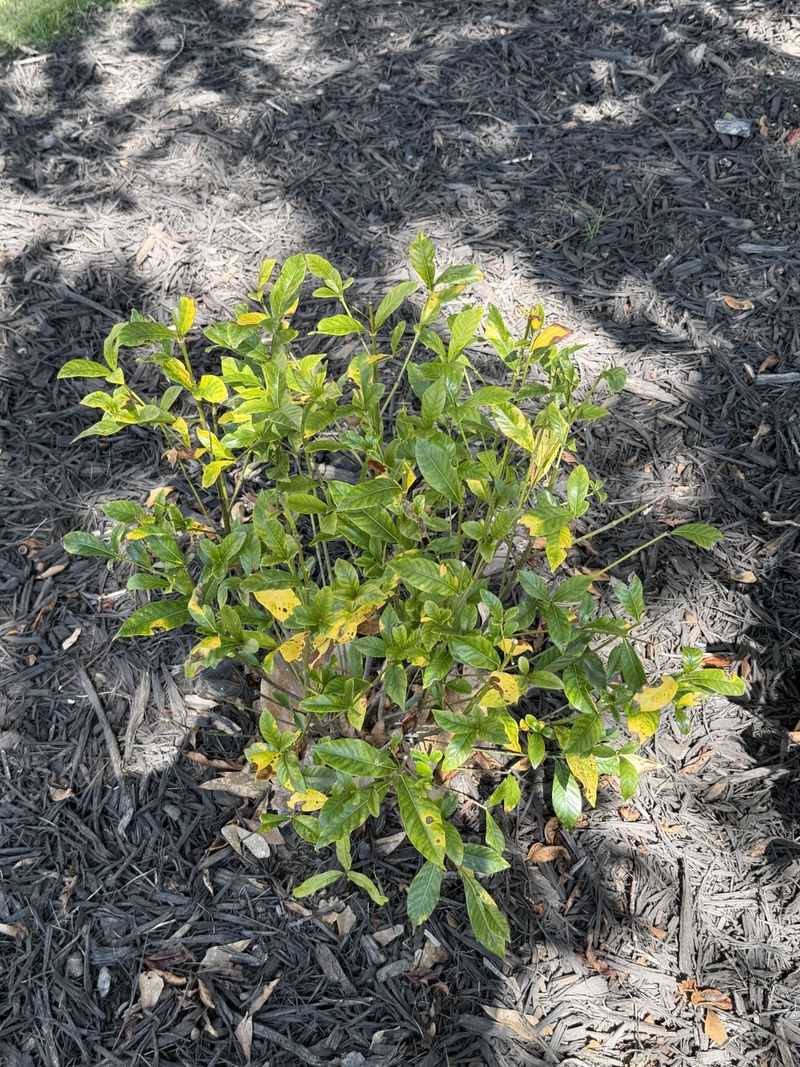
Good drainage is just as important as regular watering. Even if you are watering the right amount, poor drainage can trap water around the roots.
Roots sitting in water for too long will start to break down, and the plant will show it through yellow leaves.
Clay-heavy soils are very common in many parts of this state. Clay holds water well but drains very slowly. Gardenias planted in heavy clay often struggle because their roots never fully dry out between waterings.
You can improve drainage by mixing compost or perlite into the soil before planting. If your gardenia is already in the ground, work some compost around the base carefully without disturbing the roots too much. This helps loosen the soil over time.
Raised beds are another great option for gardenias in areas with poor drainage. Planting a few inches higher than ground level allows excess water to drain away naturally.
Many gardeners in this state swear by raised beds for keeping gardenias healthy through the warm months.
If your plant is in a pot, check the drainage holes regularly. They can get clogged with roots or debris. Clear them out and make sure water moves freely every time you water.
Fixing drainage problems takes a little effort upfront, but the payoff is worth it. Healthy roots mean healthy leaves and more beautiful blooms all season long. Do not overlook this important step when troubleshooting yellow leaves.
5. Alkaline Soil Can Cause Chlorosis
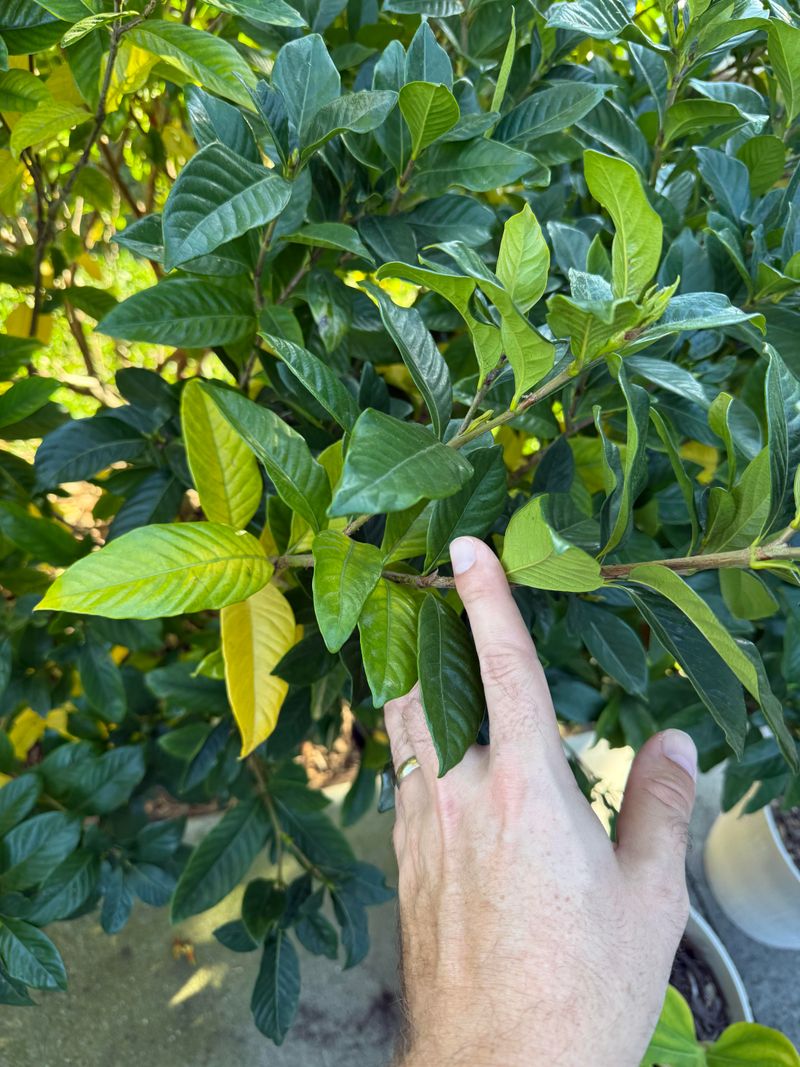
Gardenias are acid-loving plants. They thrive in soil with a pH between 5.0 and 6.0. When the soil becomes too alkaline, the plant cannot absorb the nutrients it needs, even if those nutrients are present in the soil.
Many areas in this state have naturally alkaline soil, especially in drier inland regions. Tap water can also raise soil pH over time because it often has a higher pH than rainwater. This slow shift can sneak up on gardeners without warning.
Testing your soil pH is easy and inexpensive. You can buy a basic soil test kit at most garden centers or hardware stores. Testing once a year, especially in spring, helps you catch pH problems before they affect your plants.
To lower soil pH, you can add sulfur or use an acidifying fertilizer made for acid-loving plants.
Aluminum sulfate works faster than plain sulfur but should be used carefully according to package directions. Applying too much at once can harm the plant.
Watering with collected rainwater instead of tap water can also help keep the pH from climbing.
Rainwater is naturally slightly acidic and is much gentler on gardenias. If you do not collect rainwater, letting tap water sit overnight before using it can help slightly.
Once the soil pH is corrected, the plant will slowly begin absorbing nutrients again. New growth should come in green and healthy within a few weeks of treatment.
6. Yellow Leaves With Green Veins Point To Iron Trouble
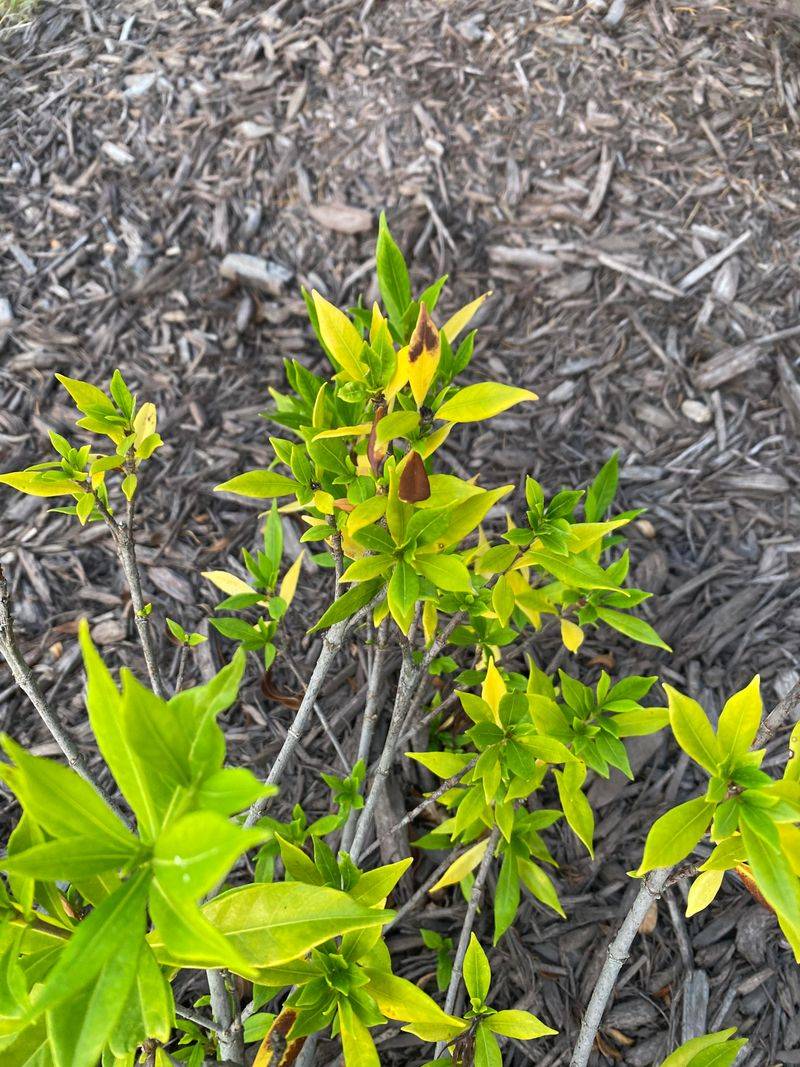
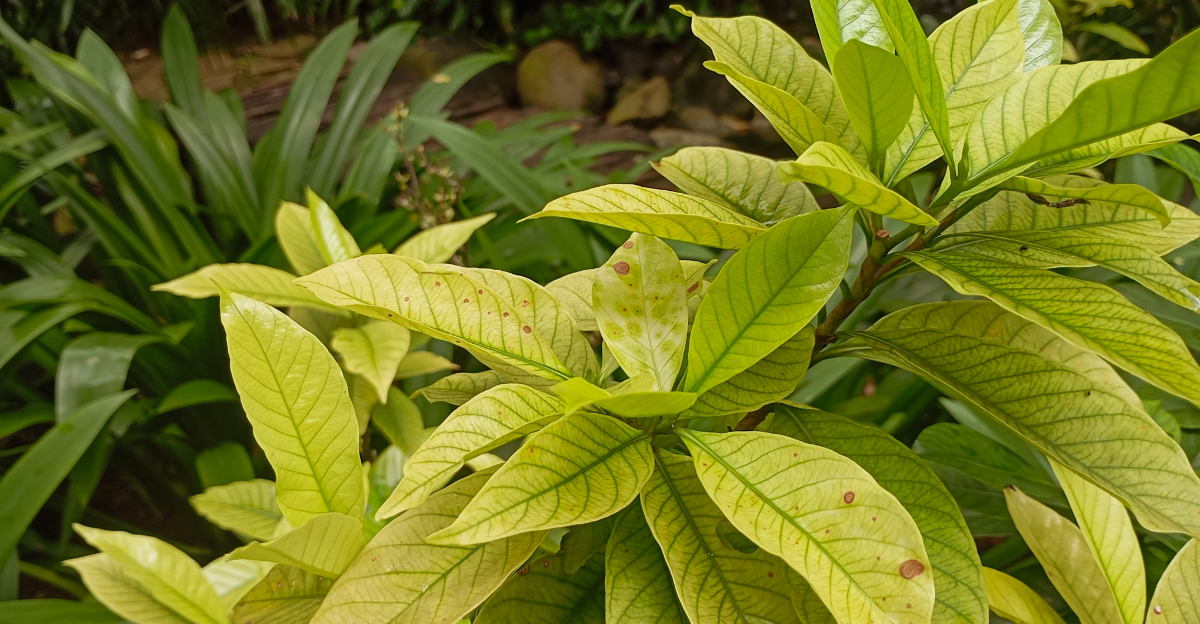
Here is a clue that can tell you a lot about your gardenia’s health. If the leaves are turning yellow but the veins are staying green, that pattern is called interveinal chlorosis. It is almost always a sign of iron deficiency.
Iron deficiency in gardenias is usually not about a lack of iron in the soil. Most soils have plenty of iron.
The problem is that high soil pH locks the iron up so the plant cannot use it. Fixing the pH often fixes the iron problem too.
You can also apply chelated iron directly to the soil or as a foliar spray. Chelated iron is a form of iron that stays available to plants even in slightly alkaline soil. It works faster than trying to adjust the pH alone.
Look for chelated iron products at your local garden center. Follow the label directions carefully and do not over-apply. Too much iron can actually cause other nutrient imbalances in the soil.
Foliar sprays work especially fast because the plant absorbs the iron directly through its leaves.
You should start to see the yellowing slow down within one to two weeks of treatment. New leaves should grow in green and healthy.
Interveinal chlorosis is one of the easier gardenia problems to fix once you identify it correctly.
Keep an eye on your plants in June when heat and dry conditions make iron uptake even harder. Catching it early makes treatment much simpler and more effective.
7. Too Much Sun Can Scorch Tender Leaves
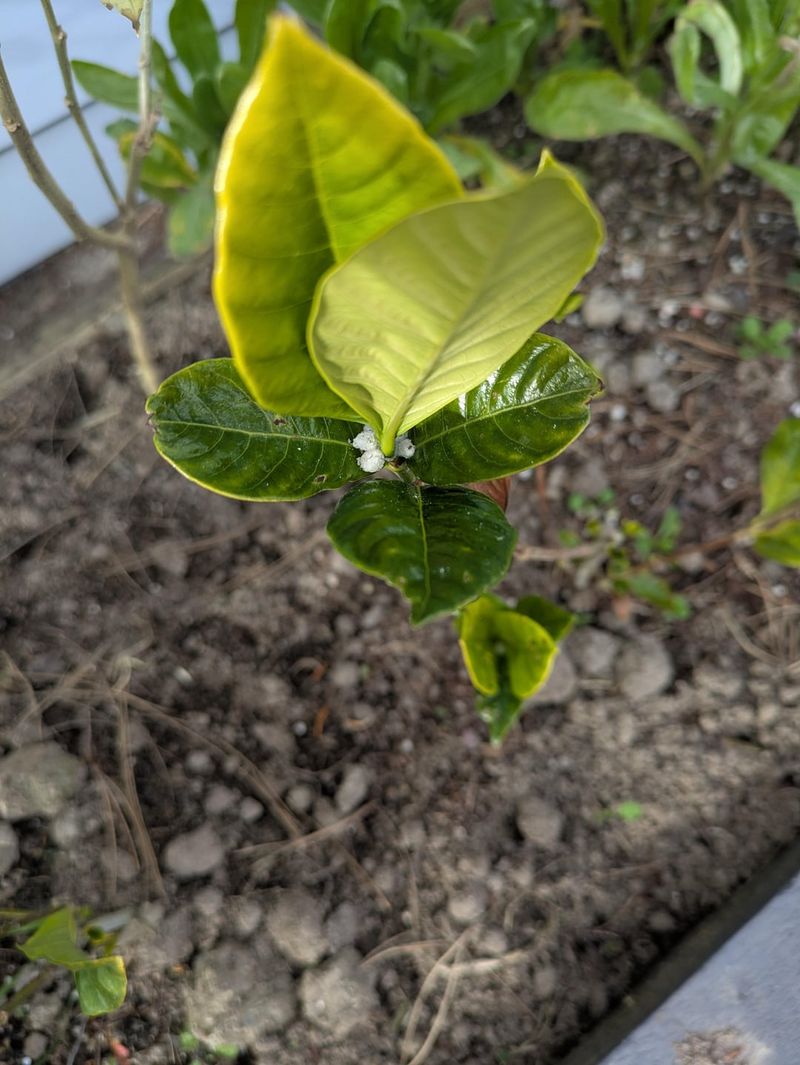
Gardenias love bright light, but they do not love being baked in full sun all day long. In June, the sun is stronger and higher in the sky than at any other time of year.
Leaves that were fine in spring can start to scorch and yellow once summer sun hits full strength.
Sunscorch usually shows up as yellow or tan patches on the tops of leaves, especially on the outermost branches that get the most direct light. The damage can look similar to other problems, so check the location of the yellowing carefully.
The best spot for a gardenia in this state is a location that gets morning sun and afternoon shade.
Morning sun is gentler and helps the plant dry off from overnight moisture. Afternoon shade protects it from the harshest and most intense rays of the day.
If your gardenia is already planted in a full-sun spot and moving it is not an option, try adding a shade cloth.
These lightweight fabrics filter out a percentage of sunlight while still letting air circulate. They are easy to find at garden supply stores and simple to set up.
You can also plant taller shrubs or install a garden umbrella nearby to create natural shade. Even light shade from a fence or structure can help reduce heat stress significantly.
Protecting your gardenia from harsh afternoon sun in June is one of the simplest ways to prevent leaf yellowing. Small changes in placement or shade coverage can make a big difference in leaf health.
8. Gardenias Need Consistent Moisture, Not Soggy Soil
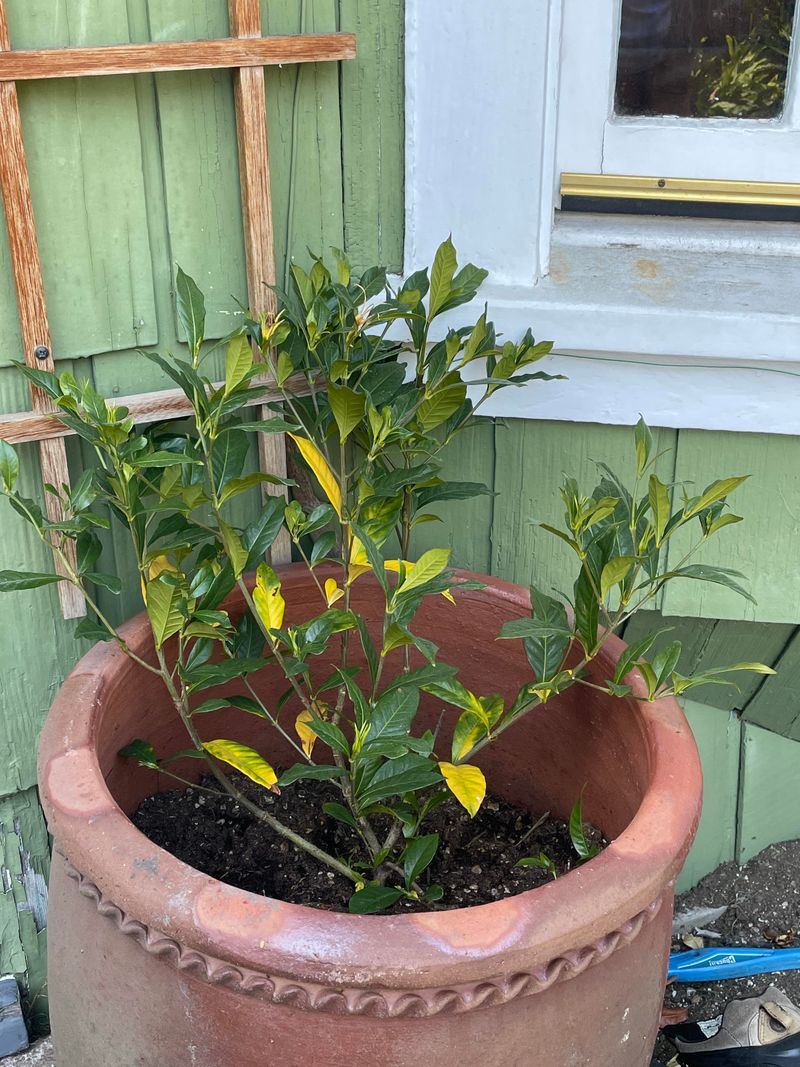
Getting the watering balance just right is honestly the hardest part of growing gardenias. They want soil that stays evenly moist all the time, but they absolutely cannot tolerate standing water.
That balance is what keeps them green and blooming through June and beyond. Think of it like keeping a sponge damp but not dripping.
The soil should feel moist when you press it but should not squeeze out water. That level of moisture is the sweet spot gardenias love most.
Watering deeply and less often is better than watering lightly every day. Deep watering encourages roots to grow further down where the soil stays cooler and more consistently moist. Shallow watering keeps roots near the surface where they dry out fast.
A drip irrigation system or a soaker hose is the best tool for keeping gardenia moisture consistent.
These systems deliver water slowly and steadily right to the root zone. They also keep the leaves dry, which reduces the chance of fungal leaf spot.
Mulch is your best friend here too. A thick layer of organic mulch slows evaporation, keeps the soil temperature steady, and slowly breaks down to improve soil structure over time. Reapply mulch every spring to keep it working well through the summer heat.
Consistency is truly the secret to happy gardenias. Once you find a watering routine that keeps the soil at that perfect moist level, you will notice fewer yellow leaves and more fragrant white blooms all season long.