These Are The Pennsylvania Native Rain Garden Plants Penn State Extension Recommends For Any Yard
Rain gardens have become one of the more practical and visually appealing solutions for Pennsylvania yards dealing with drainage problems, runoff from hard surfaces, or low lying areas that stay wet after a storm.
They work by collecting and absorbing water rather than letting it pool or flow where it causes problems, and the right plants are what make the whole system function.
Penn State Extension has put real research into identifying which Pennsylvania native plants handle the wet and dry cycles of a rain garden most effectively, and the list covers a range of sizes, bloom times, and site conditions.
These are not just plants that tolerate wet feet. They are plants that thrive in exactly those conditions while also being genuinely attractive in a residential landscape.
If your yard has a drainage challenge you have been working around rather than solving, a native rain garden is one of the most functional and rewarding approaches available.
1. Blue Flag Iris
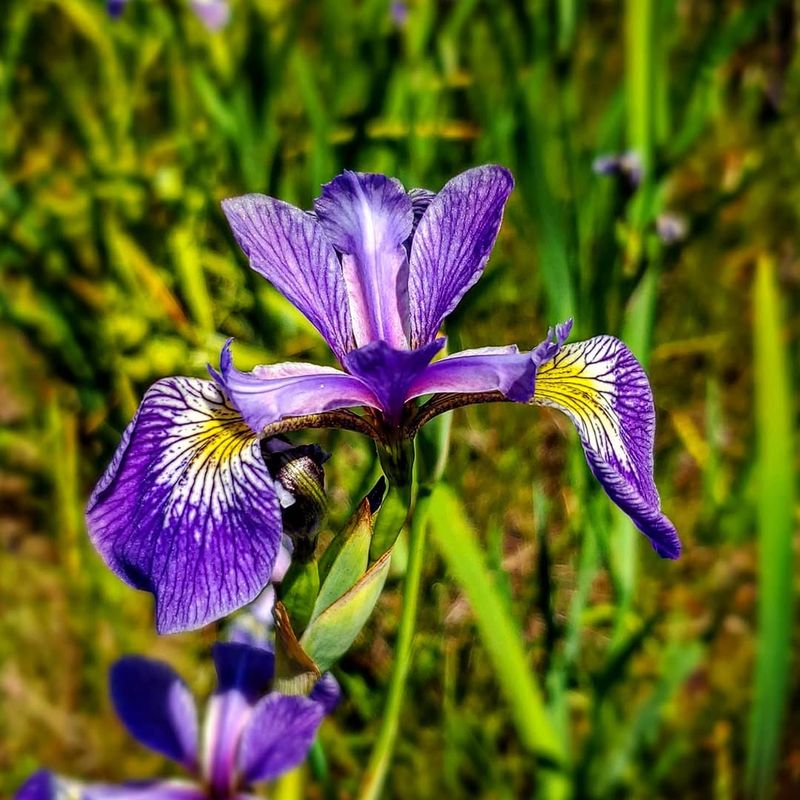
Few plants stop people in their tracks quite like the Blue Flag Iris. With its striking violet-blue petals marked with bright yellow and white veining, this native perennial looks like it belongs in a painting.
Penn State Extension highlights it specifically in their rain garden plant guides because it thrives in the wet, poorly drained conditions that most other plants avoid.
Blue Flag Iris, known scientifically as Iris versicolor, is native to eastern North America and grows naturally along stream banks and wetland edges. In a rain garden, it performs exceptionally well in the lowest zones where water pools after a storm.
It typically reaches two to three feet tall and blooms in late spring to early summer, bringing a burst of color right when your garden needs it most.
Beyond its good looks, this plant is a powerhouse for pollinators. Bumblebees love it, and several native bee species depend on it for early-season nectar.
It also provides shelter and nesting material for beneficial insects throughout the growing season.
Planting Blue Flag Iris is straightforward. It prefers full sun to part shade and moist to wet soils with a slightly acidic pH.
You can divide established clumps every few years to keep them vigorous and share extras with neighbors. Just be aware that all parts of the plant are toxic if eaten, so keep curious pets and small children in mind when choosing placement in your yard.
2. Cardinal Flower
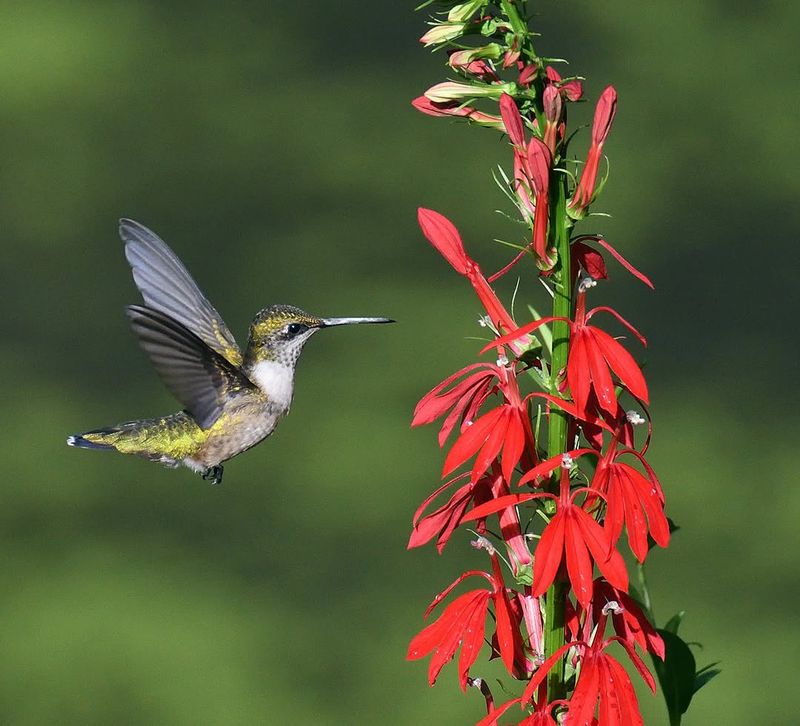
If you want to attract hummingbirds to your yard, Cardinal Flower is your best bet. Lobelia cardinalis produces tall spikes of brilliant red blooms that hummingbirds simply cannot resist.
Penn State Extension includes it in their rain garden plant resources because it thrives in moist to wet soil conditions and loves the kind of environment a rain garden naturally creates.
Cardinal Flower is a native perennial that grows two to four feet tall and blooms from mid to late summer. That timing is important because it fills a gap when many other wildflowers have already finished blooming.
Hummingbirds migrating south in late summer rely heavily on nectar-rich plants like this one to fuel their long journey.
Your Pennsylvania Garden Changes Every Week. Your Plan Should Too.
Gardening in Pennsylvania changes quickly throughout the season. Every Friday you’ll receive a simple weekly plan showing exactly what to plant, prune, fertilize, harvest, and protect so you never miss the right timing.
Beyond hummingbirds, swallowtail butterflies and certain long-tongued bees also visit Cardinal Flower regularly. The plant grows best in full sun to partial shade and performs especially well in the wetter zones of a rain garden where soil stays consistently moist.
It can handle temporary flooding without any trouble, making it a reliable choice for low-lying spots.
One thing to know about Cardinal Flower is that individual plants may only live two to three years. However, they self-seed freely, so a healthy patch tends to renew itself season after season.
Deadheading spent blooms can reduce self-seeding if you prefer more control. This is a plant that rewards patience and rewards you generously with color, wildlife activity, and a truly eye-catching display every single summer.
3. Swamp Milkweed
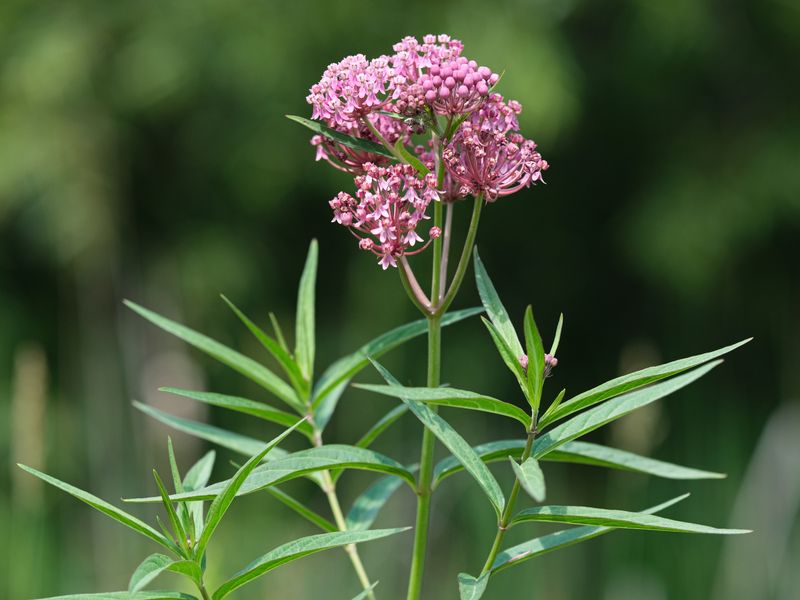
Swamp Milkweed might have an unglamorous name, but this plant earns serious respect from gardeners and conservationists alike. Asclepias incarnata is one of the most important native plants you can grow if you care about monarch butterflies.
It is the only type of plant monarch caterpillars can eat, making it absolutely essential for their survival. Penn State Extension features it as a standout rain garden plant because it loves wet, poorly drained soils.
Unlike common milkweed, Swamp Milkweed stays more compact and upright, usually reaching three to four feet tall. It produces beautiful clusters of rose-pink flowers from mid to late summer that smell faintly sweet and attract an impressive variety of pollinators.
Bees, butterflies, and even hummingbird moths show up regularly once this plant gets established in your rain garden.
Growing Swamp Milkweed is relatively easy. It prefers full sun and moist to wet soil, making the bottom zones of a rain garden an ideal spot.
Once established, it is quite drought tolerant too, which means it handles the dry periods between rain events without struggling. It also spreads slowly over time, gradually filling in and creating a fuller, more natural-looking planting.
Cut the stems back to the ground each fall or early spring to keep the plant tidy and healthy. You may notice aphids on the stems during summer, but resist the urge to spray anything.
Predatory insects like ladybugs usually handle the problem naturally within a week or two, keeping your garden ecosystem balanced and thriving.
4. Joe-Pye Weed
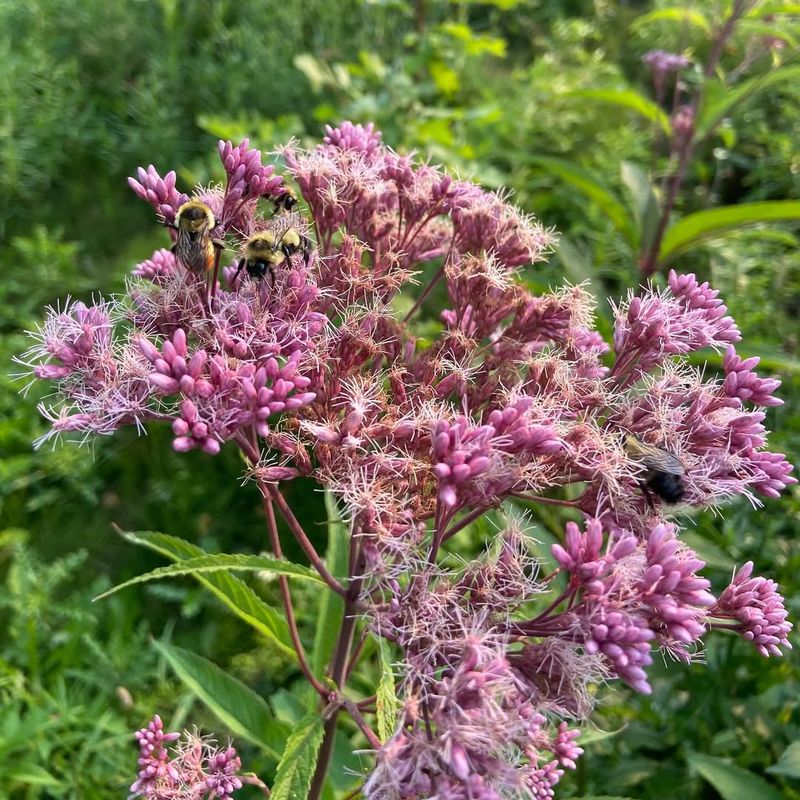
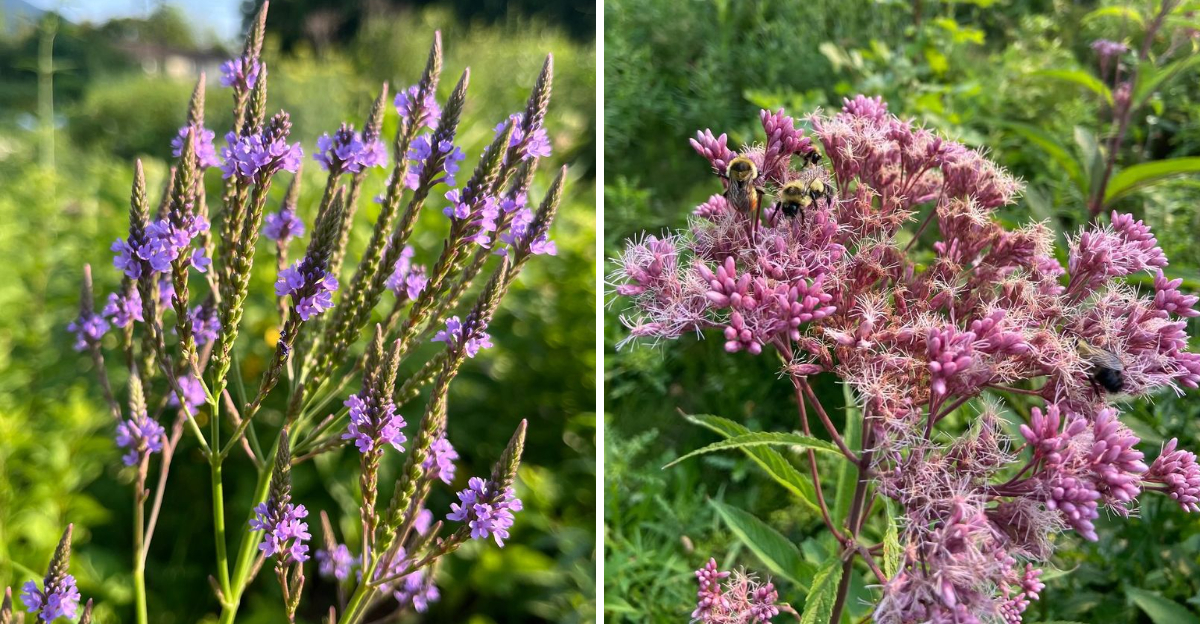
Towering, bold, and absolutely beloved by butterflies, Joe-Pye Weed is a showstopper in any rain garden. Eutrochium purpureum can reach six to eight feet tall in ideal conditions, making it one of the largest native perennials you can plant.
Penn State Extension includes it in their rain garden plant resource list because it handles wet soils and periodic flooding with ease, thriving where other plants struggle.
The blooms are clusters of dusty mauve-pink flowers that appear from late summer into fall. That late-season timing makes Joe-Pye Weed especially valuable because it provides nectar when most other summer flowers have already faded.
Tiger swallowtails, monarchs, fritillaries, and dozens of other butterfly species flock to it. If you want your yard buzzing with pollinators in August and September, this plant delivers.
Joe-Pye Weed grows best in full sun to part shade and prefers consistently moist soil. It is a great choice for the deeper zones of a rain garden where water tends to linger longest after a storm.
Despite its impressive height, it rarely needs staking because its sturdy stems hold up well in wind and rain.
Did you know this plant was used medicinally by Native American tribes for centuries? It was reportedly named after a Native healer named Joe Pye who used it to treat fevers.
Today its value is more about ecology than medicine, but that bit of history makes it an even more interesting addition to any Pennsylvania native plant garden. Cut it back hard in spring to keep it tidy.
5. Blue Vervain
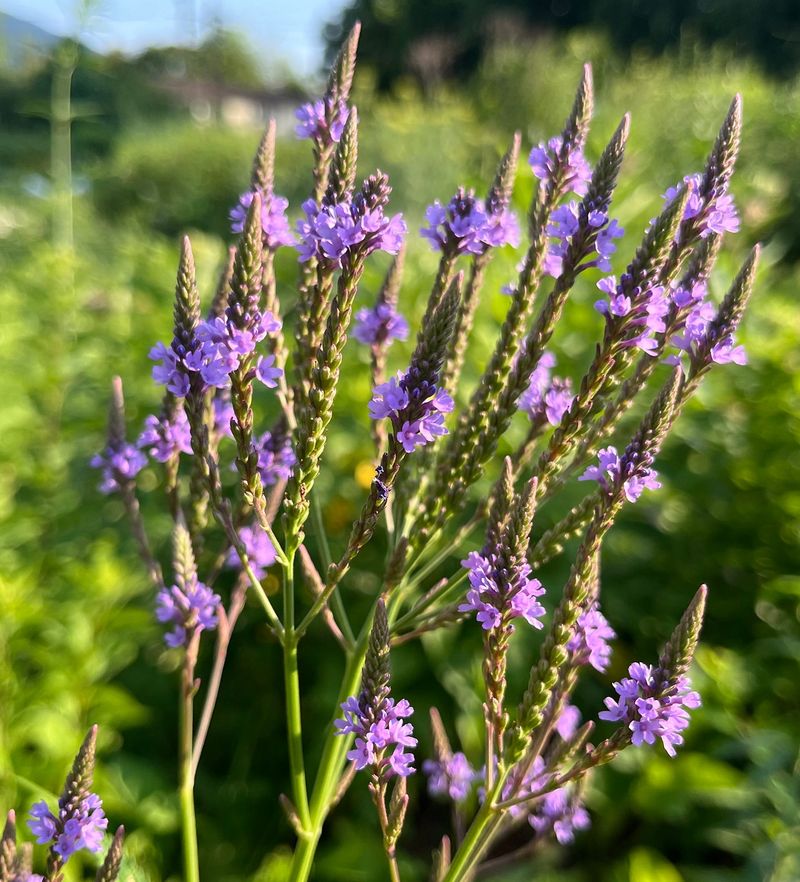
Blue Vervain has a wild, untamed look that feels perfectly at home in a naturalistic rain garden. Verbena hastata sends up multiple branching spikes covered in tiny violet-blue flowers that bloom from the bottom of each spike upward through summer.
Penn State Extension lists it specifically for wet and moist, sun to part-sun plantings and mentions rain garden use as one of its best applications in Pennsylvania landscapes.
Standing two to five feet tall, Blue Vervain works beautifully as a mid-height filler plant between taller species like Joe-Pye Weed and shorter ground-level plants.
It blooms from July through September, providing a long-lasting source of nectar for native bees, small butterflies, and skippers.
Swamp sparrows and other seed-eating birds also love the seeds that form after flowering, so the plant keeps giving even after the blooms are gone.
This plant is a true survivor. It handles everything from full flooding to temporary drought, which makes it one of the most adaptable choices for a rain garden in Pennsylvania.
Full sun brings out the best blooming, but it manages reasonably well in part shade too. The soil can range from clay-heavy to sandy as long as moisture is available during the growing season.
Starting Blue Vervain from seed is an affordable and rewarding option. Seeds need a cold stratification period, so sowing them outdoors in fall or storing them in the refrigerator for a few weeks before spring planting works well.
Once established, it self-seeds readily and fills in beautifully over time with minimal effort from you.
6. Great Blue Lobelia
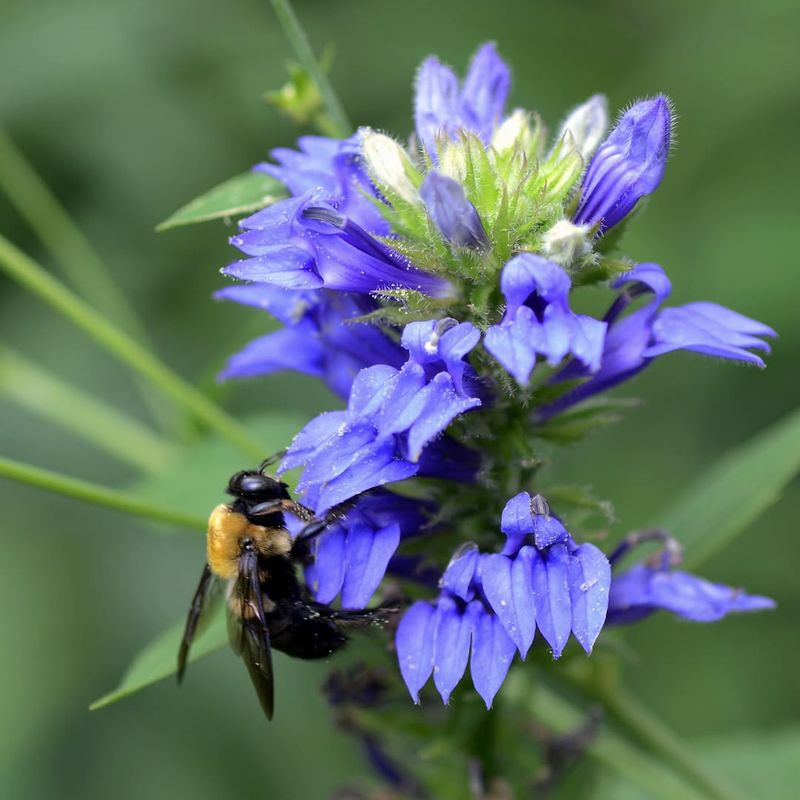
Great Blue Lobelia is the quieter, shadier cousin of the Cardinal Flower, and it is every bit as impressive in its own right. Lobelia siphilitica produces dense spikes of rich blue-violet flowers that stand out beautifully in shaded or partly shaded rain garden spots.
Penn State Extension lists it among their rain garden plant pages because it thrives in moist to wet conditions and handles the fluctuating water levels of a rain garden without missing a beat.
Blooming from August through October, Great Blue Lobelia fills an important late-season gap in the pollinator calendar. Bumblebees are especially fond of it and are among the few insects strong enough to pry open the tubular flowers to reach the nectar inside.
Hummingbirds also visit regularly, making this a dual-purpose plant that supports both insects and birds heading into fall migration.
Great Blue Lobelia typically grows two to three feet tall and prefers consistently moist, rich soil. It does well in partial shade, which sets it apart from many other rain garden plants that demand full sun.
That shade tolerance makes it an excellent choice for rain gardens planted near trees or along the north-facing side of a house or fence where sunlight is limited.
Like Cardinal Flower, individual plants may be short-lived but self-seed reliably to keep the colony going. Interestingly, Great Blue Lobelia and Cardinal Flower sometimes produce natural hybrids with purplish-red flowers when planted near each other.
Letting them grow side by side creates a spectacular color show and a fascinating little experiment in native plant biology right in your own backyard.
7. White Turtlehead
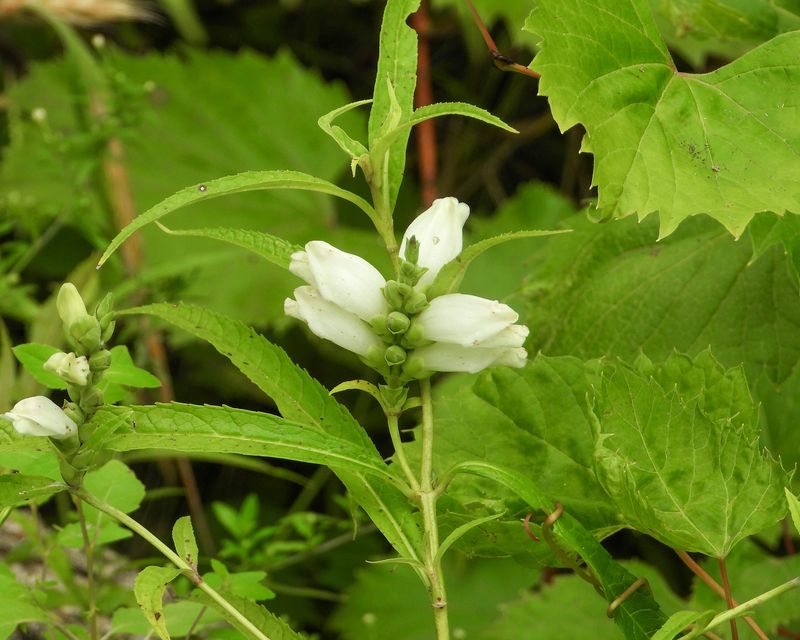
White Turtlehead gets its charming name from the shape of its flowers, which really do look like a turtle stretching its neck with its mouth wide open.
Chelone glabra is one of the most distinctive-looking native wildflowers in Pennsylvania, and Penn State Extension lists it among their recommended rain garden plants for good reason.
It loves moist to wet conditions and shaded to partly shaded environments, filling a niche that few other showy plants can occupy.
Growing two to three feet tall, White Turtlehead blooms from late summer through fall when many gardens start looking tired. The white, sometimes pinkish-tinged flowers appear in tight clusters at the tops of sturdy stems and last for several weeks.
Baltimore checkerspot butterflies depend on White Turtlehead as a host plant for their caterpillars, making it an ecologically critical plant for one of Pennsylvania’s most beautiful native butterflies.
Planting White Turtlehead along the edges or shadier zones of a rain garden gives it the conditions it naturally prefers. It thrives in rich, moist soil and handles clay well, which is common in many Pennsylvania yards.
Full shade is acceptable, though part shade tends to produce more vigorous flowering and a fuller plant overall.
One of the most appealing things about White Turtlehead is how low-maintenance it is once established. It spreads slowly by rhizomes to form a tidy clump over time and rarely needs dividing for many years.
Cut it back in early spring before new growth emerges to keep the planting looking fresh and encourage strong new stems throughout the upcoming growing season.