These Are The Florida Plants That Survive Hurricane Season Better Than Any Others
Florida gardeners know the drill. A storm spins up in the Gulf, the forecast turns ugly, and suddenly you’re staring at your yard wondering what survives and what becomes a projectile.
Most plants don’t stand a chance against sustained winds, saltwater spray, and soil that floods for days.
But a handful of Florida natives have spent thousands of years getting battered by the worst storms on the planet and bouncing back without missing a beat.
Nature already ran the experiment. Nature already picked the winners.
So why do so many Florida yards still rely on ornamentals that snap, uproot, and rot the moment a major storm rolls through? Good question.
The plants on this list didn’t earn their reputation from a single lucky season. They earned it storm after storm, decade after decade.
Your yard could work with hurricane season instead of against it.
1. Live Oak Holds Strong When Given Enough Root Space
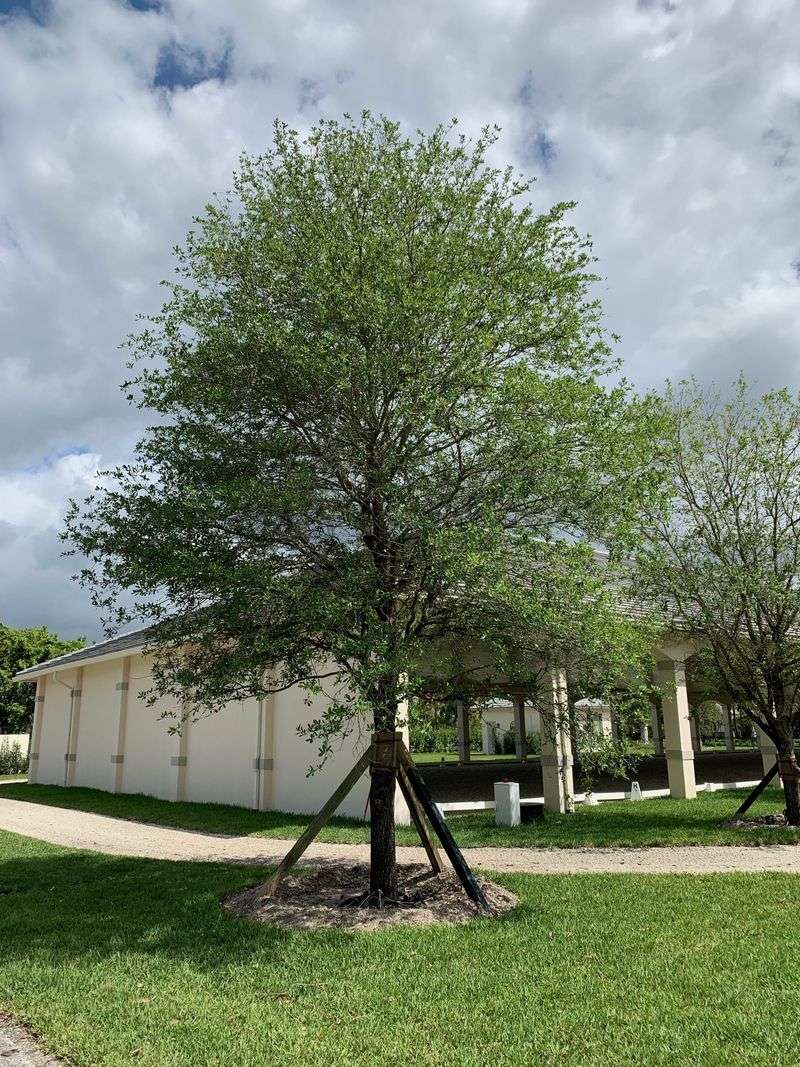
Strong shade starts below the soil. Live oak is one of the most wind-resistant native shade trees you can plant in a storm-prone Florida landscape, but only when it has the space its roots actually need.
A live oak planted with enough room to spread its roots wide tends to anchor itself far better than one squeezed into a narrow strip or tucked too close to a foundation.
The broad canopy and heavy limbs are part of what makes this tree so valuable, but that same structure requires real estate.
Planting a live oak too close to a roof, pool cage, driveway, or power line creates long-term problems that no amount of pruning can fully fix.
Give it a large open area and let it grow on its own terms.
Wildlife value is another reason this tree earns a place in layered landscapes. Acorns feed birds, squirrels, and other animals throughout the year.
The canopy also provides nesting habitat and shade that helps cool the yard during long, hot summers.
Proper pruning by a certified arborist matters for live oaks, especially before hurricane season. Removing withered wood, crossing limbs, and weak branch attachments reduces the chance of storm damage without harming the tree’s natural form.
A well-maintained live oak in the right site is a long-term asset. One planted in the wrong spot, or left without care, can become a liability.
When the site matches the tree and the roots are not restricted, live oak is a strong choice for wind-smart planting in landscapes.
2. Sabal Palm Handles Wind Better Than Many Landscape Palms
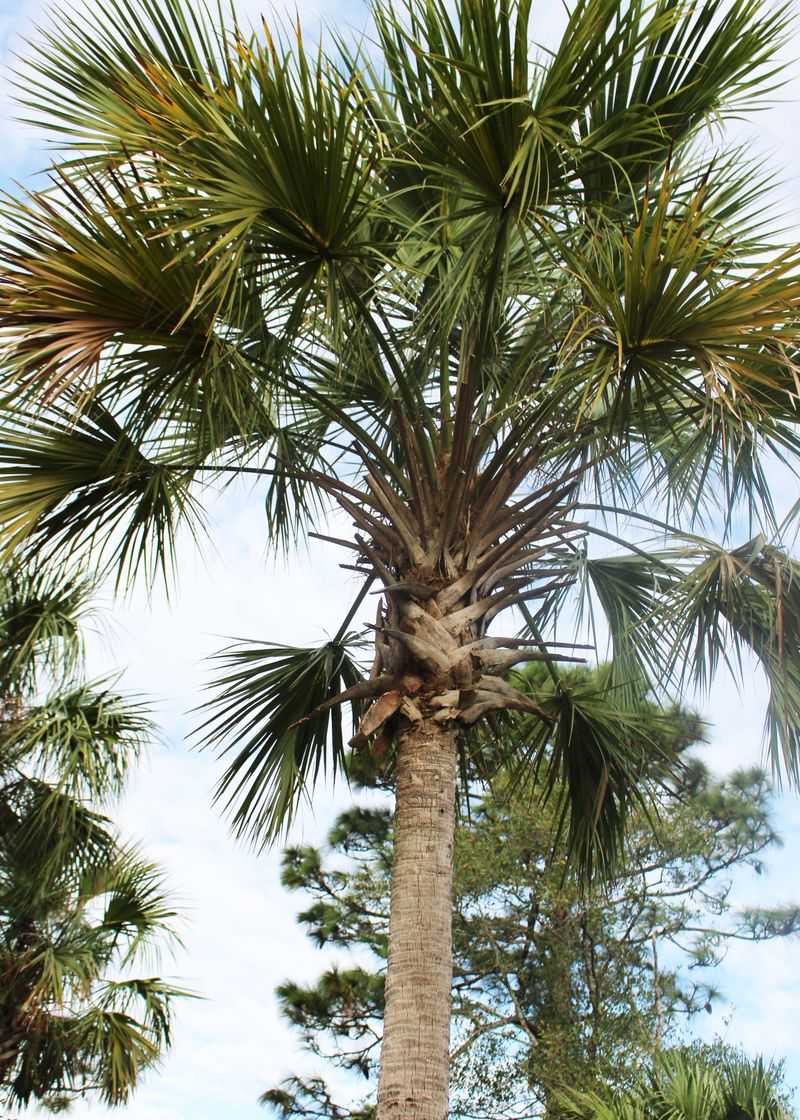
Not every palm handles storm wind the same way. Sabal palm, also called the cabbage palm, is the state tree of Florida and one of the most wind-tolerant palms you can plant in a local yard.
Its trunk is flexible enough to bend under wind load without snapping, and its frond structure allows air to move through rather than catch like a sail.
Compared with commonly planted landscape palms like queen palm, sabal palm holds up much better in storm conditions. Queen palm is not native and tends to suffer significant frond and structural damage during strong storms.
Your Florida Garden Changes Every Week. Your Plan Should Too.
Gardening in Florida changes quickly throughout the season. Every Friday you’ll receive a simple weekly plan showing exactly what to plant, prune, fertilize, harvest, and protect so you never miss the right timing.
Sabal palm, by contrast, often comes through with minor frond loss and recovers relatively quickly when it is healthy and well-established before a storm arrives.
It is worth understanding what sabal palm offers and what it does not. This tree gives height, structure, and a distinctly Florida character to a landscape.
It does not provide dense shade the way a live oak does. Use it for vertical interest, layered planting designs, and wildlife value rather than expecting a shady canopy.
Birds rely on sabal palm fruit as a food source, and the fronds provide nesting cover for several species. The tree also tolerates wet soils, salty air, and sandy coastal conditions better than many other options.
Plant it where the soil and site match its needs, and allow enough space for the mature trunk and root system. A healthy, properly placed sabal palm can be a reliable part of a wind-smart landscape for many decades.
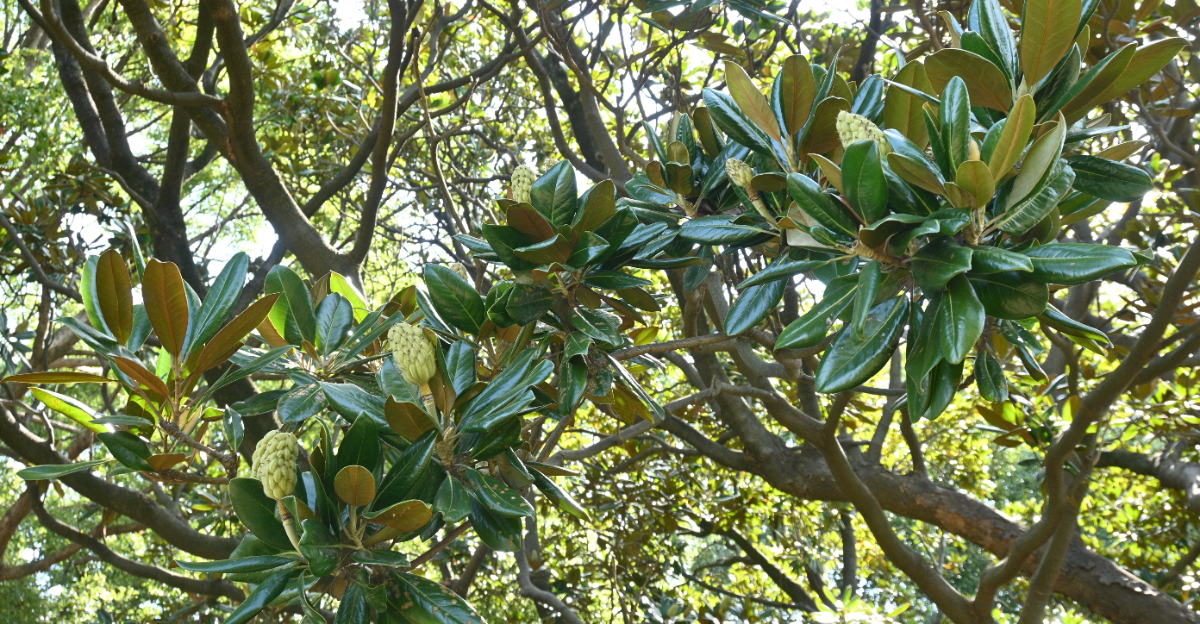
3. Southern Magnolia Brings Evergreen Structure With Strong Wind Resistance
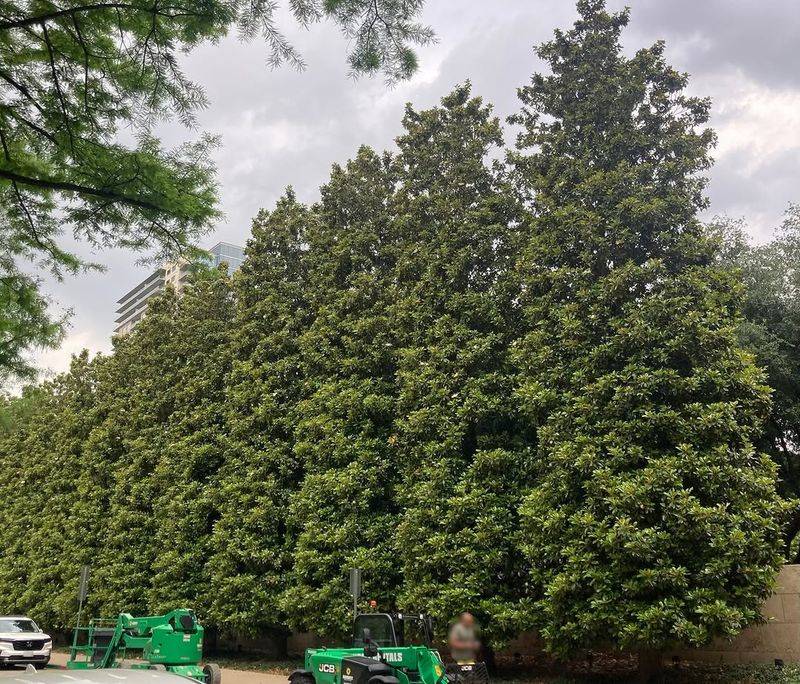
Evergreen structure matters after summer storms, and Southern magnolia delivers that year-round.
This native tree keeps its glossy, dark green leaves through every season, giving your landscape a consistent look even when other plants are looking rough after a storm.
When planted in the right site with enough room, Southern magnolia can show solid wind resistance compared with many commonly used landscape trees.
The fragrant white flowers that appear in late spring and early summer are one of the most recognizable sights in our yards. Beyond the flowers, the tree provides dense shade, strong screening, and real wildlife value.
Birds and other animals use the large red seeds that appear in the cone-like fruit after flowering. The thick canopy also blocks wind and reduces heat gain near homes when the tree is positioned well.
Placement is everything with this tree. Southern magnolia can grow large, both in height and canopy spread, so it is not a good fit for small yards or tight spots near roofs, power lines, or pool cages.
It also drops leaves, cones, and flower petals throughout the year, which means regular cleanup is part of owning one. That is not a flaw, just a reality of growing a large native tree.
Before planting, think about the mature size and where the canopy will eventually reach. Give it open soil, good drainage, and enough distance from structures.
A Southern magnolia planted with care can be a long-lasting, wind-smart addition to a landscape. Occasional professional pruning before hurricane season helps keep it that way.
4. Yaupon Holly Works Where A Smaller Wind-Resistant Tree Fits
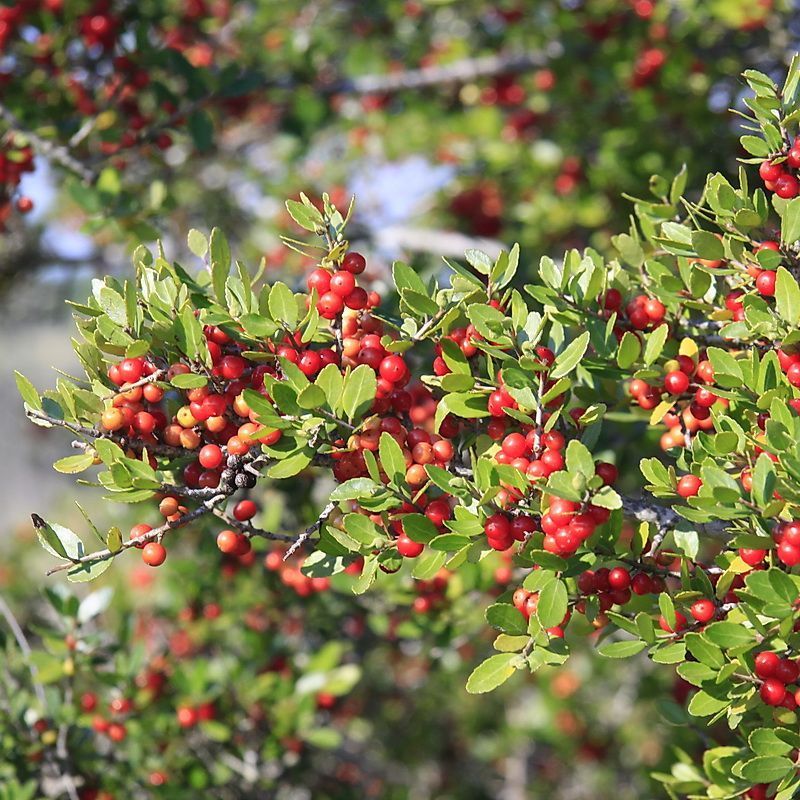
Smaller yards need smaller wind-resistant choices, and yaupon holly fills that role better than most. This native plant can grow as a large shrub or a small multi-trunk tree, and it brings dense evergreen growth that holds up well in storm conditions.
Its flexible branching and compact form make it less likely to fail under wind load than a large shade tree planted in the same tight space.
One of the most useful things about yaupon holly is how well it fits into layered landscapes. You can use it along property edges, as a screening plant, near fences, or as part of a mixed native planting.
It tolerates pruning well, so you can shape it to fit your space without stressing the plant. That flexibility makes it a practical choice for yards where a full-size tree simply does not belong.
Wildlife value is strong with this plant. Female plants produce small red berries that birds rely on heavily during fall and winter.
To get berries, you need at least one male plant nearby to pollinate the female. It is a small detail that makes a big difference if bird habitat is one of your goals.
Yaupon holly also handles heat, humidity, drought, and occasional wet spells better than many ornamental alternatives. It does not need much irrigation once established, and it rarely needs intervention beyond light pruning before storm season.
For homeowners working with limited space who still want native, wind-smart coverage, yaupon holly is one of the most dependable options available in the state.
5. Sand Live Oak Stays Tough In Sandy Coastal Landscapes
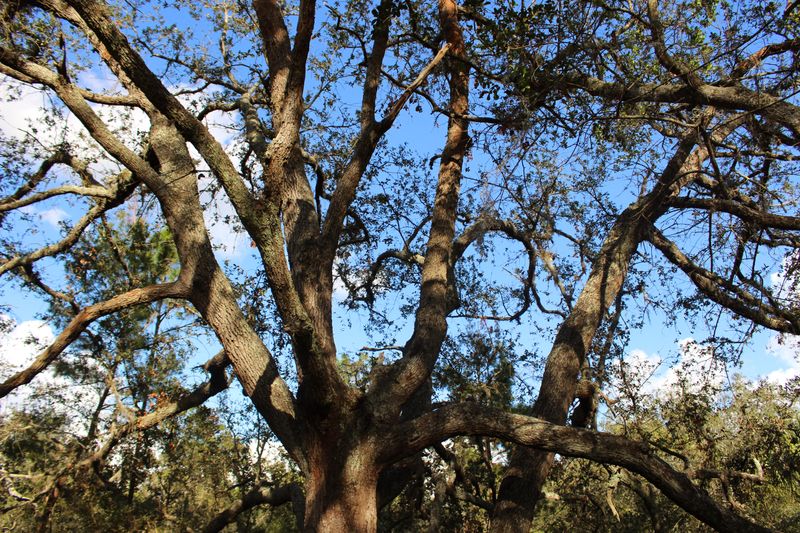
Sandy coastal soil calls for tougher trees, and sand live oak is built for exactly that kind of site. This native oak thrives in dry, sandy, and coastal conditions where many other trees struggle to establish.
Its compact, spreading form and tough evergreen foliage make it a reliable choice for storm-prone coastal landscapes. In those areas, wind exposure is a regular challenge, not just a seasonal one.
Sand live oak shares some qualities with its larger relative, live oak, but it tends to stay lower and broader in open coastal settings. That lower profile can actually work in its favor during high winds.
Less height means less leverage against the root system, and the broad canopy allows wind to move through the structure rather than topple it.
A healthy, well-established sand live oak in a site that matches its needs can be one of the toughest trees in a coastal yard.
Wildlife value mirrors what you get from other native oaks. Acorns provide food for birds and mammals, and the dense evergreen canopy offers cover and nesting habitat throughout the year.
In coastal landscapes where native planting options can feel limited, sand live oak fills an important role.
Even though this tree handles tough conditions well, it still needs enough room to mature properly. Sand live oak can become quite broad with age, and planting it too close to structures, driveways, or sidewalks will create problems over time.
Choose an open site with sandy or well-drained soil and allow enough clearance from structures. Consider professional pruning before storm season to keep the canopy in good shape.
6. Gumbo Limbo Handles Wind In Warm South Florida Gardens
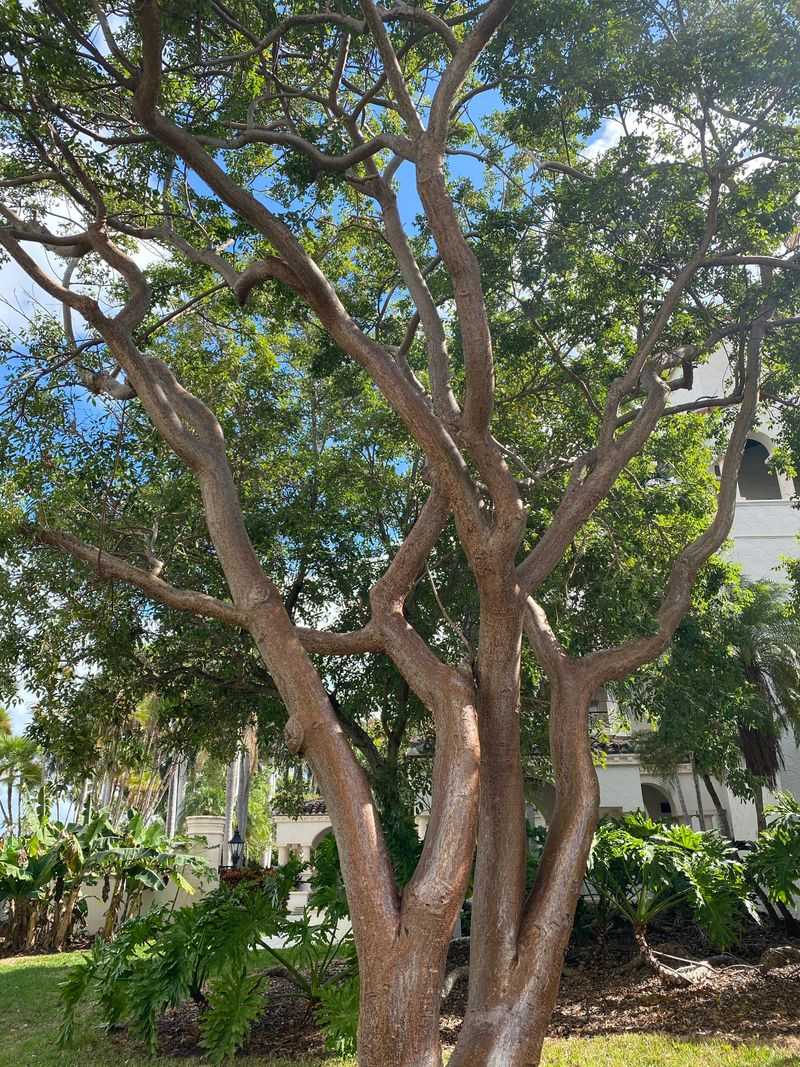
Warm southern yards can use a different kind of storm-ready tree, and gumbo limbo is one of the most recognized choices in that region. This tropical native is well-adapted to South Florida’s warm climate.
It is known for handling storm-force winds in ways that surprise people who have not grown it before. Its flexible branches bend and shed leaves under wind load rather than snapping, which helps the tree survive storms that damage more rigid species.
The reddish, peeling bark is one of the most distinctive features in any southern landscape. It gives the tree an unmistakable tropical look that stands out in residential gardens, parks, and streetscapes.
Beyond the visual appeal, the tree provides real wildlife value. Birds use it for perching and nesting, and the small fruits attract several species during migration periods.
Gumbo limbo is not a good fit for Central or North Florida. It is sensitive to cold temperatures and does not handle frost well.
Planting it outside of its suitable warm-climate range is a setup for poor performance and cold damage that weakens the tree over time. Stay within its range and it tends to do well.
Push it into colder regions and you will struggle to keep it healthy.
Like any tree, gumbo limbo needs enough space to mature. It can grow into a medium to large tree, and crowding it near structures, roofs, or power lines creates problems as it grows.
Plant it with clearance and allow the root system to establish fully before storm season. If the tree is near any structure, have an arborist check the canopy before major storms.
7. Bald Cypress Stands Strong In Wet Storm-Prone Sites
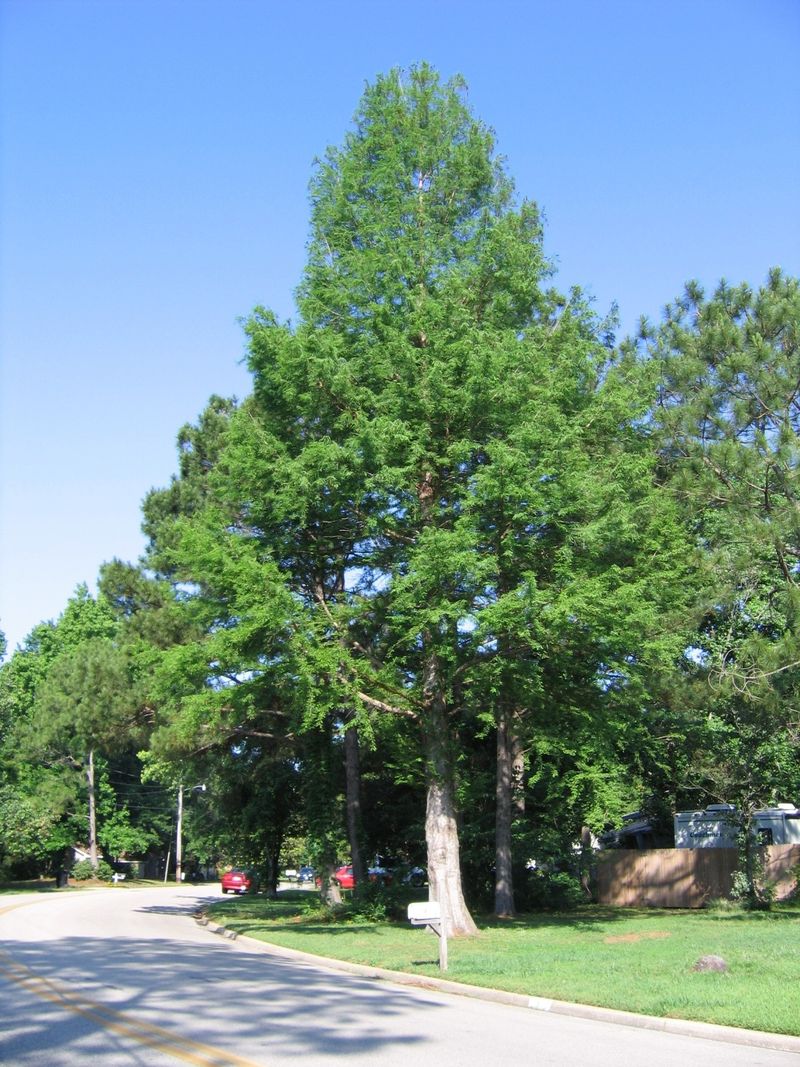
Wet sites need trees that can handle more than wind, and bald cypress is built for both. This native tree grows naturally in swamps, river edges, and low-lying areas throughout the state.
That means it is already adapted to the kind of waterlogged soil that storm flooding can create. While many trees suffer root damage when standing water lingers after a storm, bald cypress handles those conditions far better than most landscape trees.
Wind resistance is another reason this tree belongs in storm-prone landscapes. Its tall, straight trunk and relatively open canopy allow wind to pass through without the same resistance a dense, broad canopy creates.
The root system, including the distinctive knobby structures known as cypress knees, helps anchor the tree in soft or saturated soils. A well-established bald cypress in the right site can remain standing through storms that uproot other species nearby.
Seasonal texture adds visual interest that not every tree provides. Bald cypress loses its feathery needles in fall, turning a warm russet color before going bare for winter.
That seasonal change gives the landscape a rhythm that feels different from the mostly evergreen palette common in our yards. New growth in spring is a soft, bright green that stands out against other plants.
Wildlife value is strong, with birds using the canopy for nesting and the knees providing habitat in wet areas. Bald cypress can become a large tree over time, so it is best suited to sites with enough open space.
Keep it away from structures, septic systems, and underground utilities, and plan for its mature size from the start.