Why Your New Jersey Eggplants Are Struggling (And What To Do About It)
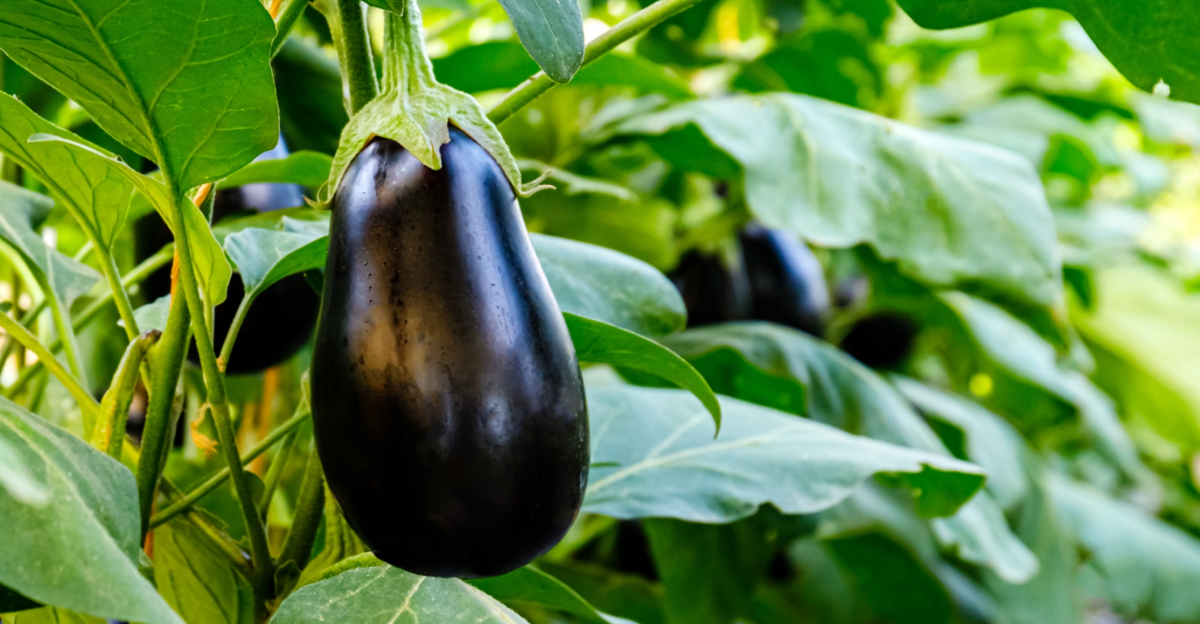
I grew up thinking eggplants were the dependable, no-fuss vegetable. Turns out I was thinking of carrots.
Eggplants, I’d come to learn, require flattery, patience, and exactly the right amount of sun. In New Jersey, that last part is always a negotiation. The heat builds fast, the humidity lingers, and insects seem to find your plants before you do.
Growing eggplants in this state means navigating all three at once. But here is the thing: most problems have clear causes and simple fixes you can start applying today. Soggy roots, curling leaves, and nibbled stems are not signs of failure. They are clues.
Once you know how to read them, your garden starts working with you instead of against you.
New Jersey gardeners who take the time to understand their plants tend to see real results by harvest season. Your best eggplant crop is closer than you think, and it starts right here.
Excessive Heat Above 90°F Causing Blossom Drop
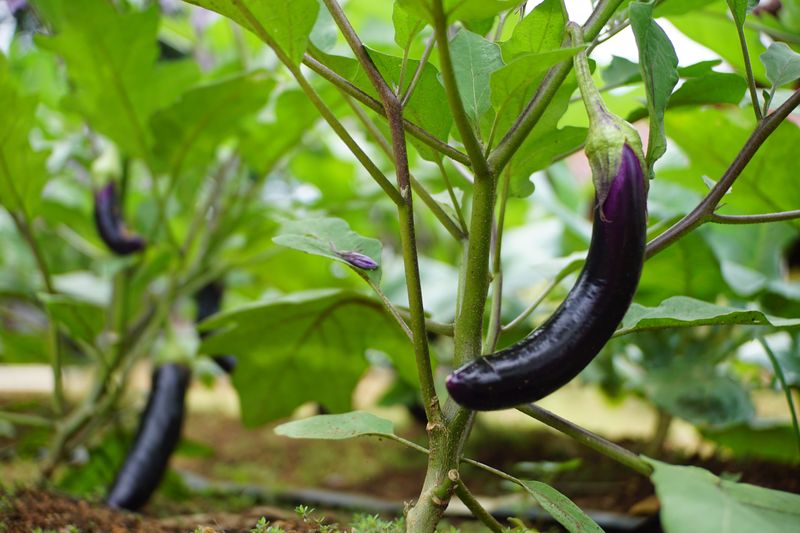
Eggplants are dramatic in the heat, and not in a good way. When temperatures climb past 90°F, those pretty purple blossoms start falling off before they ever get a chance to become fruit.
This is one of the most frustrating sights for any gardener mid-season. The plant is not broken, it is just stressed.
High heat signals the eggplant to conserve energy, and dropping flowers is its way of hitting pause on reproduction. Gardeners across the Garden State notice this pattern most in July and early August when heat waves roll in hard and fast.
Shading your plants during the hottest part of the day, usually between noon and 4 p.m., can make a real difference.
A simple shade cloth propped over the bed cuts direct sun intensity without blocking airflow. Your plants will thank you with more blossoms that actually stick around. Consistent watering also helps the plant manage heat stress better.
A well-hydrated eggplant is far more resilient than a thirsty one baking in the afternoon sun. Give your garden the attention it needs now, and you will start seeing flowers hold on instead of giving up.
Mid-90s Heat Leaves Eggplant Pollen Useless
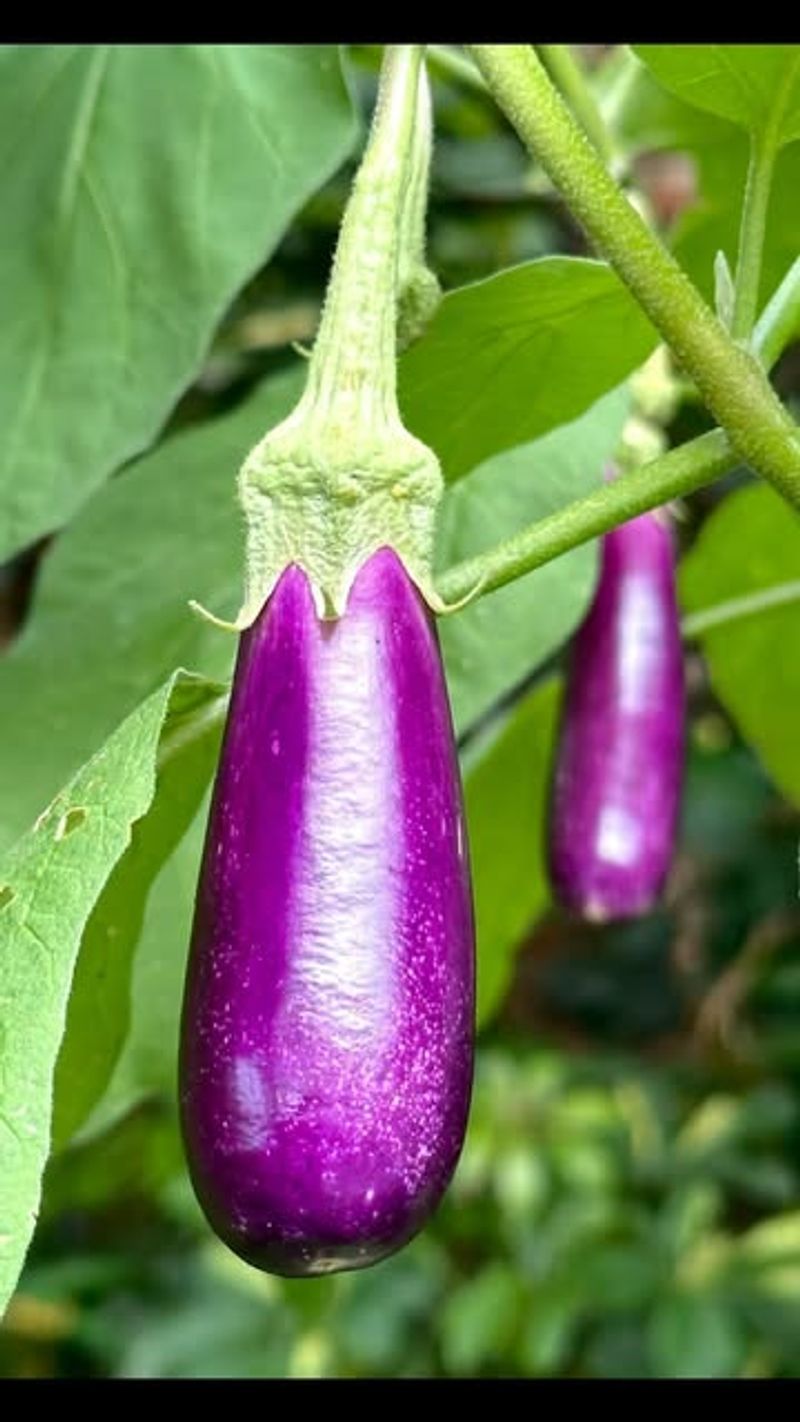
Here is something most gardeners never learn until it is too late: once temperatures climb into the mid-90s, eggplant pollen goes sterile.
Little to no fertile pollen means little to no fruit, even if the rest of the plant looks perfectly healthy. You can water on schedule, feed the soil, do everything right, and still end up with nothing to harvest.
Once the damage is done for that bloom cycle, those flowers will not recover. The plant may keep flowering, but each new blossom faces the same risk during a prolonged heat stretch.
It is not a visible problem. The plant looks fine. The flowers open. Nothing happens.
The smartest move is getting ahead of it. Shade cloth rated at 30 to 40 percent light reduction keeps canopy temperatures noticeably cooler during the worst of summer.
Mulched beds stay moist significantly longer than bare soil, which helps the plant manage heat stress from the roots up.
Your New Jersey Garden Changes Every Week. Your Plan Should Too.
Gardening in New Jersey changes quickly throughout the season. Every Friday you’ll receive a simple weekly plan showing exactly what to plant, prune, fertilize, harvest, and protect so you never miss the right timing.
Timing is the biggest lever of all. Planting earlier in the season gives your eggplants a head start so they are already fruiting before the worst heat arrives.
A plant setting fruit in June has a much better shot than one still trying to flower in late July. Work with the calendar, not against it, and your harvest odds improve dramatically.
Flea Beetle Damage Leaving Tiny Holes In Leaves
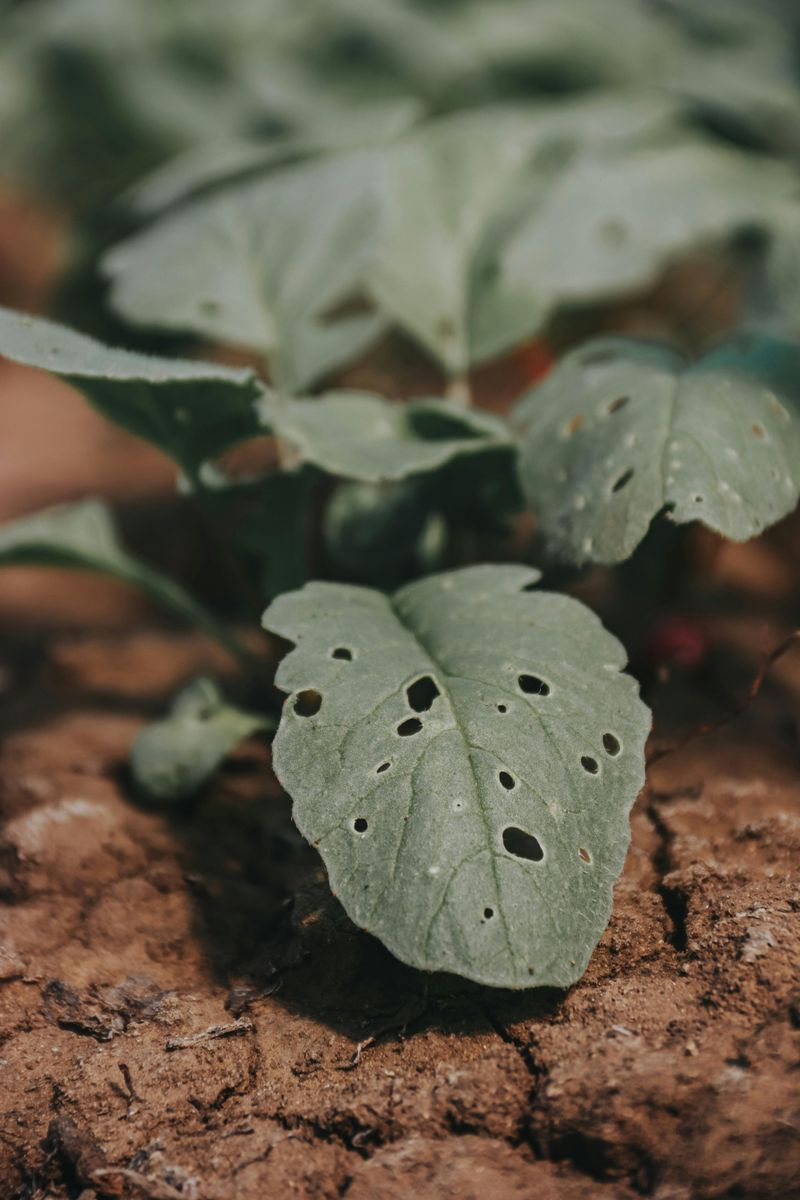
Tiny holes scattered across your eggplant leaves like someone took a hole punch to them? Flea beetles are almost certainly the culprit.
These minuscule, fast-jumping insects are one of the most common pests targeting eggplant crops across the Northeast.
Flea beetles are especially aggressive on young seedlings. A heavy infestation can weaken a plant so badly that it struggles to recover, even after the beetles move on.
Seedlings with significant leaf damage photosynthesize less efficiently, which slows growth right when the plant needs to be building strength.
Row covers placed over transplants right after planting create a physical barrier that keeps flea beetles off the leaves entirely.
Remove the covers once the plants are well established and flowering, since pollinators need access at that stage.
This simple step alone can save a lot of heartache early in the season. Neem oil spray applied in the early morning or evening also discourages flea beetles from feeding.
It works best as a preventive measure rather than a cure after damage appears. Start spraying before you see the first holes, and you will stay ahead of these tiny troublemakers all season long.
Phytophthora Blight From Humid Conditions
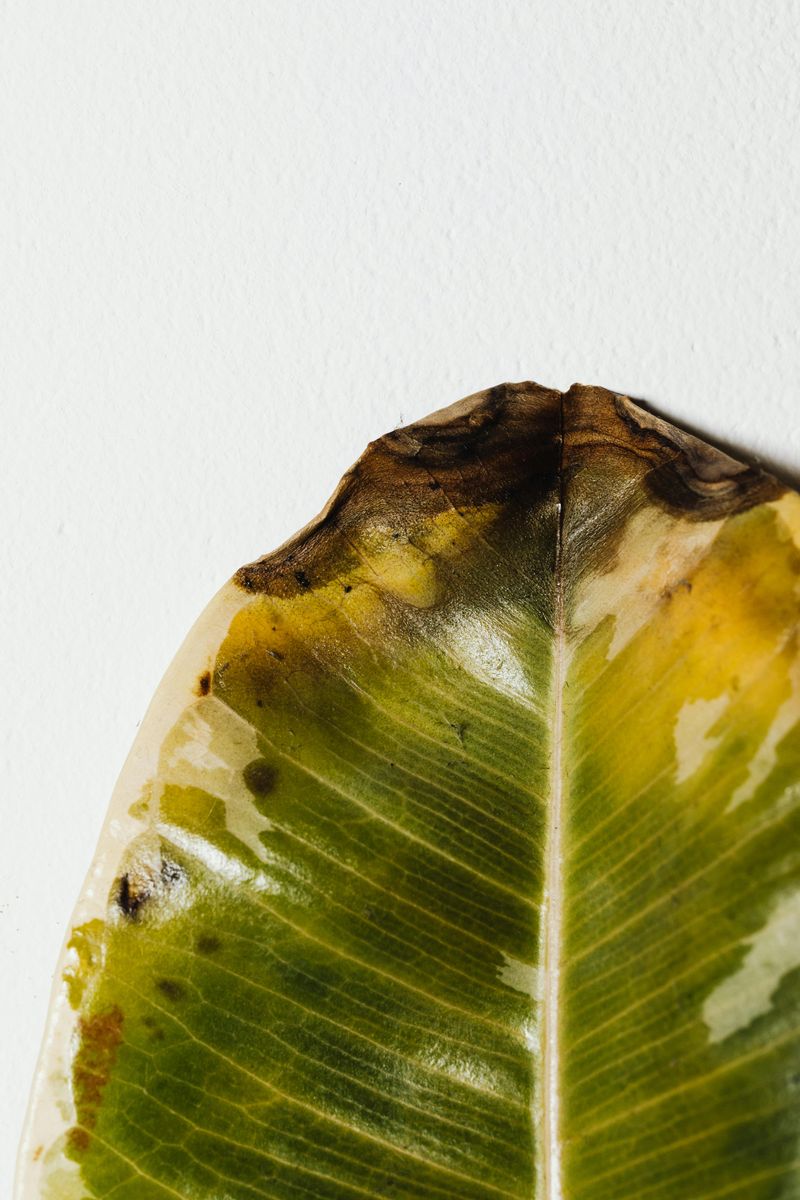
Humid summers and heavy rain create perfect conditions for Phytophthora blight, a fungal-like disease that can damage an eggplant bed quickly.
Dark, water-soaked lesions appear on stems and leaves almost overnight. Once established, it spreads aggressively through splashing water and soggy soil.
New Jersey summers are notoriously muggy, which makes this disease a recurring headache for local gardeners.
The pathogen thrives when soil stays wet for extended periods, especially if plants are crowded together with poor airflow.
Spacing plants at least 24 inches apart and avoiding overhead watering reduces the risk significantly. Raised beds are a surprisingly effective defense against Phytophthora blight.
Better drainage means roots are not sitting in the saturated soil where the pathogen multiplies.
Adding organic matter to improve soil structure also helps water move through more efficiently after heavy downpours.
Copper-based fungicides applied early in the season offer some protection when conditions turn wet and warm.
They work best as a preventive spray rather than a treatment after infection sets in. Check your plants after every rainstorm and act quickly if you spot any suspicious spots.
Catching this disease early is the difference between saving the plant and starting over.
Inconsistent Watering Causing Blossom End Rot
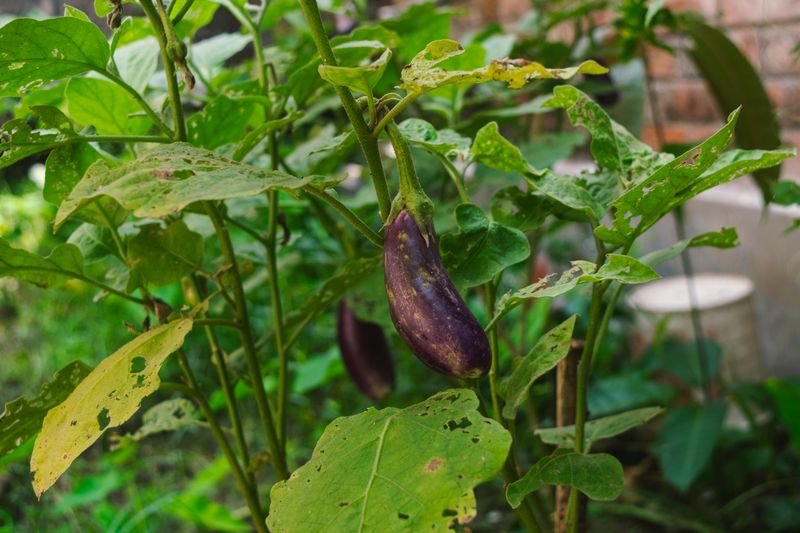
Blossom end rot looks alarming, but the cause is surprisingly simple: inconsistent watering. That dark, sunken, leathery patch on the bottom of your eggplant is not a disease at all.
It is a calcium deficiency triggered by uneven moisture levels in the soil. When the soil swings between bone dry and soaking wet, the plant cannot absorb calcium fast enough to keep up with fruit development.
The tissue at the blossom end breaks down first because it is the farthest from the root system. This happens more often during heat waves when soil dries out rapidly between watering sessions.
The fix is beautifully straightforward: water deeply and consistently. Aiming for two to three thorough watering sessions per week keeps soil moisture stable enough for steady calcium uptake.
Drip irrigation is especially helpful because it delivers water slowly right at the root zone without splashing foliage. Mulching around the base of each plant also locks in moisture between watering days.
A two to three inch layer of straw or wood chips makes a noticeable difference in how long the soil stays evenly moist.
Once you regulate the watering schedule, new fruit that forms should develop cleanly without that heartbreaking dark spot.
Spider Mite Infestations In Hot, Dry Spells
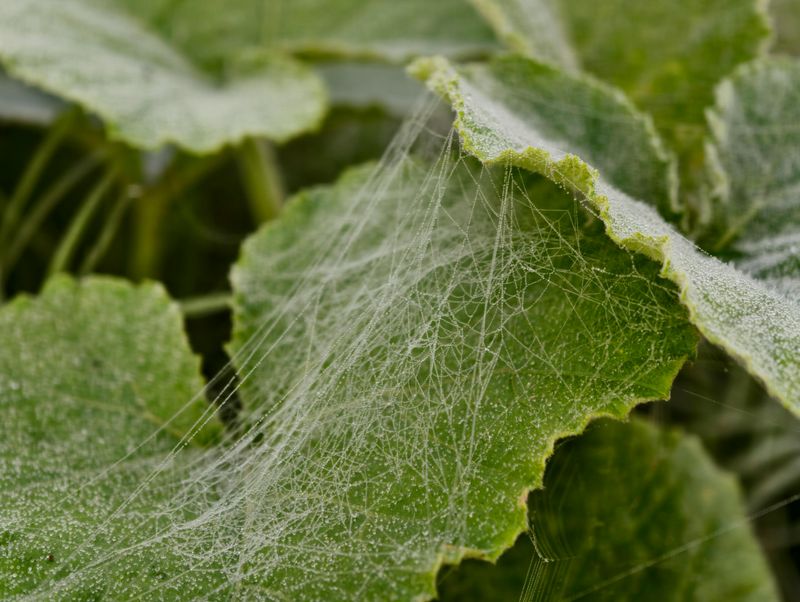
Spider mites are sneaky. They are barely visible to the naked eye, yet a full-blown infestation can leave your eggplant looking dusty, speckled, and completely worn out within weeks.
Hot, dry stretches in midsummer are their absolute favorite conditions. You will notice tiny yellow or bronze stippling on the upper surface of leaves first. Flip the leaf over and look for fine silk webbing clustered near the veins.
That webbing is the giveaway that mites have moved in and started feeding in large numbers. Blasting the undersides of leaves with a strong stream of water from a garden hose is one of the easiest first responses.
Mites do not grip well, and a good spray knocks significant numbers off the plant. Repeat every few days to keep populations from rebounding too quickly.
Neem oil mixed with water and a small amount of dish soap makes an effective spray that suffocates mites on contact. Apply it in the early morning or evening to avoid burning leaves in direct sun.
Keeping plants well-watered during dry spells also reduces mite pressure, since stressed eggplants are far more attractive to these pests than healthy, hydrated ones.
Late Planting Leaving Plants Underdeveloped At Peak Heat
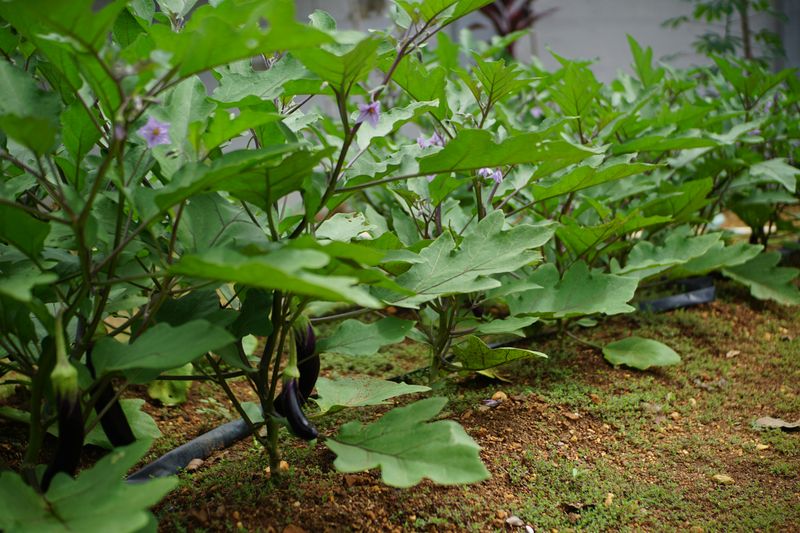
Planting eggplants in June feels reasonable until you realize the hottest weeks of the year arrive before the plants are anywhere near ready to fruit.Underdeveloped plants lack the root system and canopy size to handle intense summer heat without serious setbacks.
Timing is everything with eggplant, and late planting is one of the most common mistakes in northeastern gardens.
Eggplants need a long, warm growing season to reach their full potential.Transplanting into the garden in late April or early May gives roots time to establish before the heat cranks up.
A well-rooted plant heading into July is dramatically more resilient than one still trying to get established.
Starting seeds indoors eight to ten weeks before the last frost date gives you a meaningful head start.For most of New Jersey, that means starting seeds in late February or early March.
By transplant time, you will have stocky, established seedlings ready to hit the ground running.
If you missed the ideal window this season, focus on protecting the plants you have with shade cloth and consistent watering.You can still get a reasonable harvest from late-planted eggplants with the right care.
But next year, mark your calendar and start early so your plants are ready to shine when summer arrives.
Soil Nutrient Depletion Accelerated By Heat
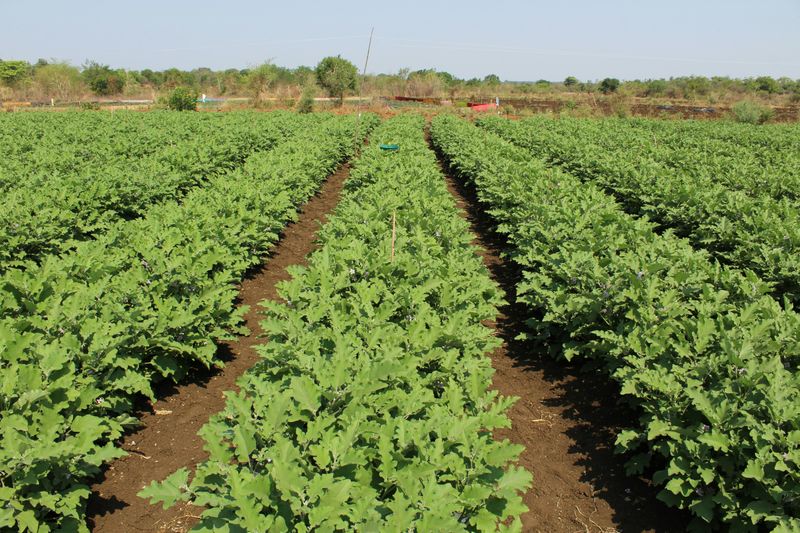
Pale yellow leaves on an eggplant that seemed perfectly green just two weeks ago are a classic sign of nutrient depletion.
Hot weather accelerates microbial activity in the soil, which burns through organic matter and available nutrients faster than most gardeners expect.
By midsummer, even well-amended beds may run short on key nutrients. Nitrogen is usually the first to go, especially in sandy soils common in parts of New Jersey.
Without adequate nitrogen, plants cannot produce the lush green foliage they need to support heavy fruiting.
A balanced vegetable fertilizer applied every three to four weeks keeps the plant fed through the long growing season. Compost is your best long-term ally here.
Working a generous amount into the soil before planting builds a slow-release nutrient bank that feeds plants gradually throughout the season. Top-dressing with compost midseason also helps replenish what the heat has burned through.
Foliar feeding with a diluted liquid fertilizer gives plants a quick nutrient boost when leaves start showing deficiency symptoms.
Spray in the early morning so leaves can absorb the nutrients before the sun gets intense. Addressing soil nutrition proactively keeps your eggplants productive right through the end of the season instead of fading out in August.
Using Shade Cloth During Peak Heat To Protect Eggplants
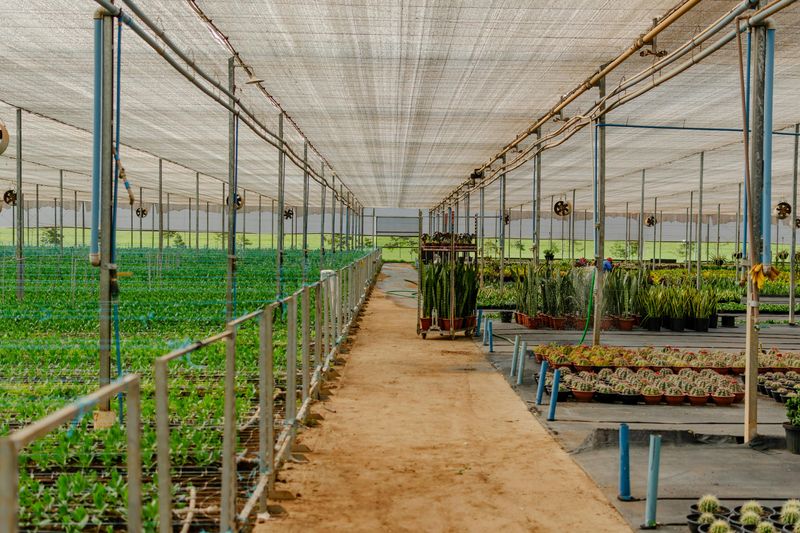
Shade cloth might be the most underrated tool in a summer gardener’s toolkit.
A 30 to 40 percent shade cloth draped over your eggplants during the hottest afternoon hours can drop canopy temperature by up to 10 degrees under the right conditions.
That difference is enough to keep blossoms from dropping and pollen from failing. Setting up shade cloth does not require any fancy equipment.
Simple garden stakes or PVC hoops create a frame that holds the cloth above the plants without smothering them.
Leave the sides open so air can still circulate freely, which prevents the humid trapped-air conditions that encourage disease.
The cloth goes on around 11 a.m. and comes off after 4 p.m. on peak heat days. This targeted approach lets your eggplants enjoy full morning sun, which they love, while shielding them from the brutal midday and early afternoon rays.
Many gardeners are amazed at how much more productive their plants become with this one simple adjustment.
Shade cloth is reusable season after season, making it a genuinely cost-effective investment. Store it folded in a dry spot over the winter and it will last for years.
Once you see how much it helps your eggplants push through a New Jersey heat wave, you will never go another summer without it.
Water Deeply 2-3 Times Per Week And Mulch To Protect Eggplants
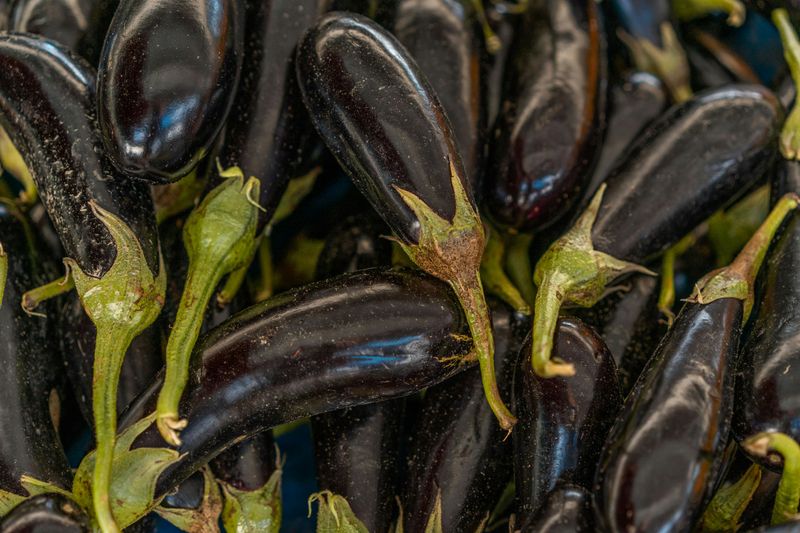
Deep watering twice or three times a week beats daily shallow watering every single time when it comes to eggplants.
Shallow watering encourages roots to stay near the surface, where they are most vulnerable to heat and drought stress.
Deep watering pushes roots downward into cooler, more stable soil zones where moisture lasts longer.
Aim to wet the soil to a depth of at least six inches with each session. A simple wooden skewer or soil probe pushed into the ground after watering tells you exactly how deep the moisture reached.
If it comes out dry below three inches, your plants need more water per session, not more sessions. Mulching around the base of each eggplant is the natural partner to a good watering routine.
A two to three inch layer of straw, shredded leaves, or wood chips slows evaporation dramatically, especially on hot afternoons. Some gardeners report that mulched beds stay moist twice as long as bare soil during summer heat.
Together, deep watering and thick mulch create a stable root environment that lets eggplants focus energy on flowering and fruiting rather than survival.
This combination also reduces blossom end rot risk and keeps soil temperature from spiking. Start this routine early in the season and your eggplants will reward you with a harvest that makes the effort completely worthwhile.