Skip Photinia Along Your Texas Fence And Plant These Native Shrubs Instead
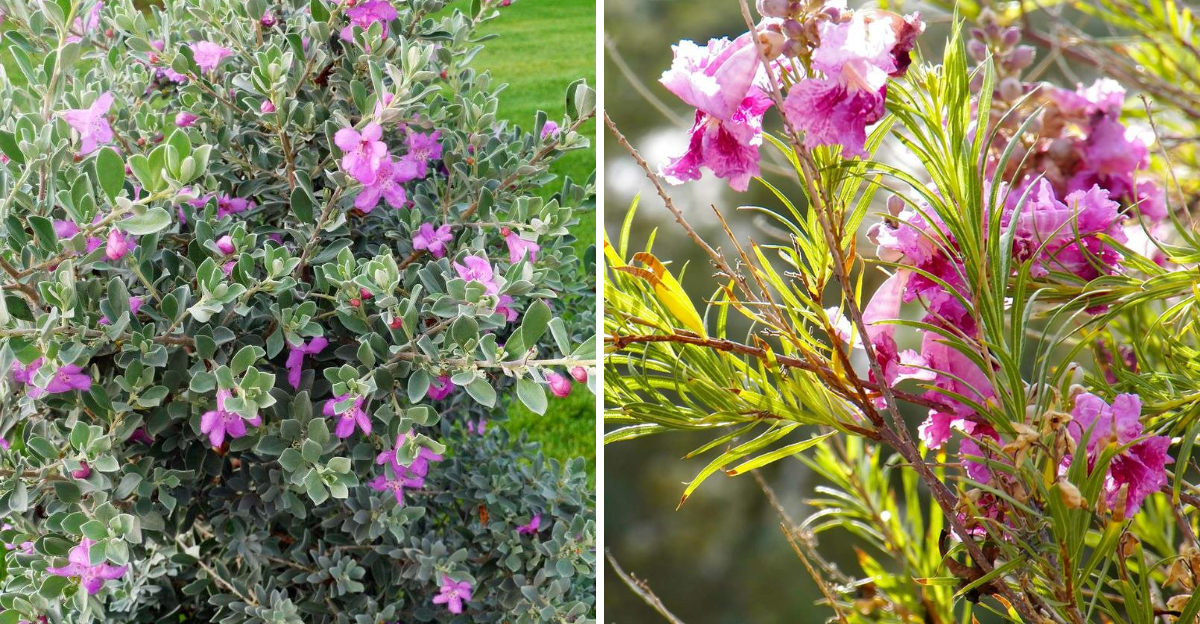
Photinia has been a default fence-line shrub in Texas for a long time, and its fast growth and dense habit made it feel like a practical choice for homeowners who wanted quick privacy screening.
The problem is that photinia comes with a persistent fungal disease problem that Texas humidity makes nearly impossible to manage.
Once the leaf spot takes hold, those dramatic red new leaves quickly become a brown and defoliated mess that requires constant attention to keep looking acceptable.
There are Texas native shrubs that provide the same dense screening, grow just as vigorously, and do it without the disease cycle or the maintenance spiral.
Several of them offer seasonal blooms, wildlife value, and a more natural presence along a fence line than photinia ever delivered.
If your fence has been lined with photinia that spends half the year looking rough, these native alternatives are worth serious consideration before the next planting season gets underway.
1. Wax Myrtle
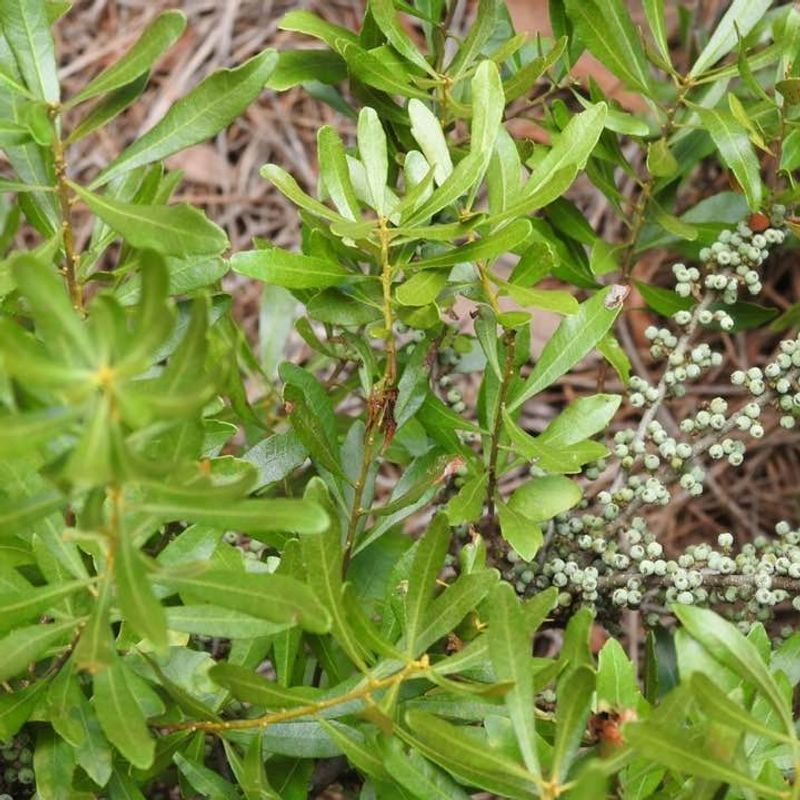
If you need a privacy screen fast, Wax Myrtle might just become your new best friend. This native shrub grows quickly and can reach ten to fifteen feet tall, forming a thick, lush green wall along your fence line in just a few seasons.
It adapts to almost any soil type and handles both wet and dry conditions better than most shrubs out there.
Wax Myrtle, or Morella cerifera, is native to the southeastern United States, including Texas, and it has been used for centuries in interesting ways. Early American colonists actually boiled the small waxy berries to make bayberry candles.
Today, gardeners love it for its aromatic leaves that release a pleasant, spicy scent when brushed or crushed.
Unlike Photinia, Wax Myrtle does not struggle with fungal leaf diseases. It stays green year-round, giving your fence consistent coverage in every season.
Birds absolutely love the small clusters of bluish-gray berries that appear in fall and winter, so planting it is like setting up a free bird feeder right in your yard.
It grows best in full sun to partial shade and works well along fences that border wet or low-lying areas where other shrubs might struggle. You can prune it into a formal hedge or let it grow naturally for a more relaxed, wild look.
Either way, Wax Myrtle delivers excellent results with minimal effort, making it a smart swap for any Texas homeowner tired of fighting Photinia problems.
2. Texas Sage
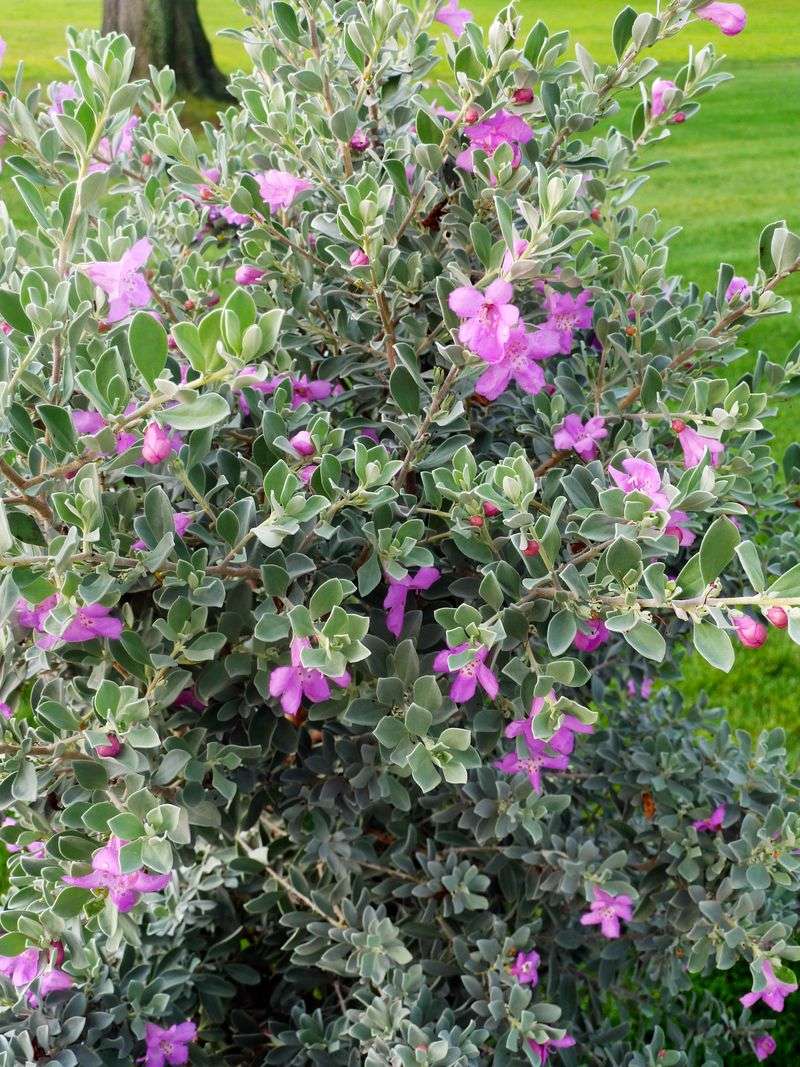
Walk through almost any Texas neighborhood after a summer rainstorm, and you will likely spot Texas Sage bursting into purple blooms almost overnight. That is actually how it earned its fun nickname, the Barometer Bush.
When humidity rises before a storm, this shrub responds by putting on a spectacular flower show that can stop you in your tracks.
Texas Sage, also known as Leucophyllum frutescens, is a true native that thrives in the brutal Texas heat without complaint.
Its silvery, fuzzy leaves reflect sunlight and give your fence line a soft, attractive look even when it is not blooming. Unlike Photinia, it has no serious disease issues and rarely needs spraying or special care.
Your Texas Garden Changes Every Week. Your Plan Should Too.
Gardening in Texas changes quickly throughout the season. Every Friday you’ll receive a simple weekly plan showing exactly what to plant, prune, fertilize, harvest, and protect so you never miss the right timing.
This shrub loves full sun and well-drained soil, making it a perfect match for most Texas yards.
It grows slowly and steadily, reaching about five to eight feet tall and wide, which makes it excellent for creating a natural privacy screen along a fence. You can also trim it into a more formal hedge shape if you prefer a tidier look.
Water it occasionally while it gets established, then step back and let it do its thing. Once rooted in, Texas Sage is remarkably drought-tolerant and can handle long dry spells without any fuss.
Deer tend to leave it alone, which is a big bonus in many suburban and rural areas of Texas. For a low-effort, high-reward fence shrub, it is hard to beat.
3. Yaupon Holly
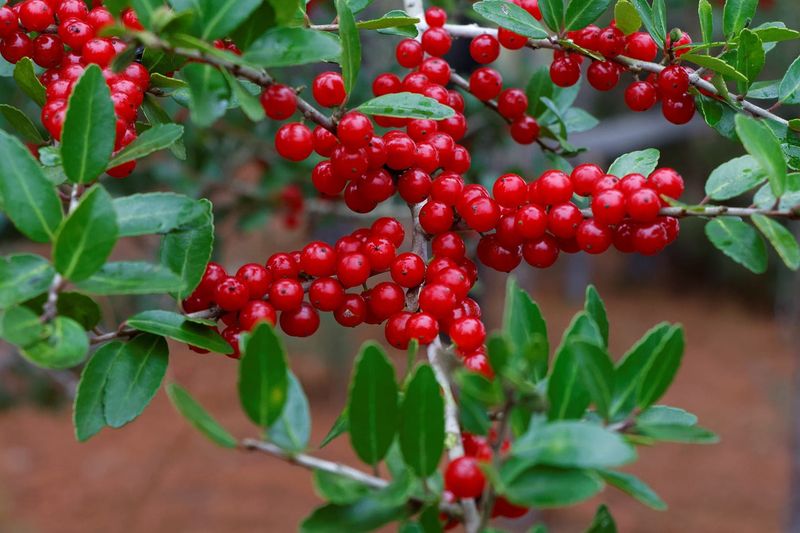
Yaupon Holly might be the toughest native shrub in all of Texas, and that is saying something given the competition.
It laughs at drought, shrugs off poor soil, tolerates both full sun and deep shade, and keeps its dark green leaves looking sharp all year long. If you want a shrub that simply refuses to give up, Yaupon Holly is your answer.
One fun fact most people do not know: Yaupon Holly, or Ilex vomitoria, is the only plant native to North America that contains caffeine. Indigenous peoples brewed its leaves into a ceremonial tea long before coffee ever arrived on this continent.
That little piece of history makes it one of the most fascinating shrubs you can plant in a Texas yard.
For fence screening, it is nearly unmatched. The dense foliage fills in quickly and creates a solid visual barrier that gives you real privacy.
In fall and winter, female plants produce bright red berries that persist for months and attract a wide variety of birds, including cedar waxwings and mockingbirds, to your yard.
Yaupon Holly comes in many varieties, from compact dwarf forms to large upright types that can reach fifteen feet tall. Choosing the right variety for your fence line is easy because there is literally a size for every situation.
It requires very little pruning and almost no supplemental watering once established. Compared to the constant disease battles that come with Photinia, planting Yaupon Holly feels like a breath of fresh air.
4. American Beautyberry
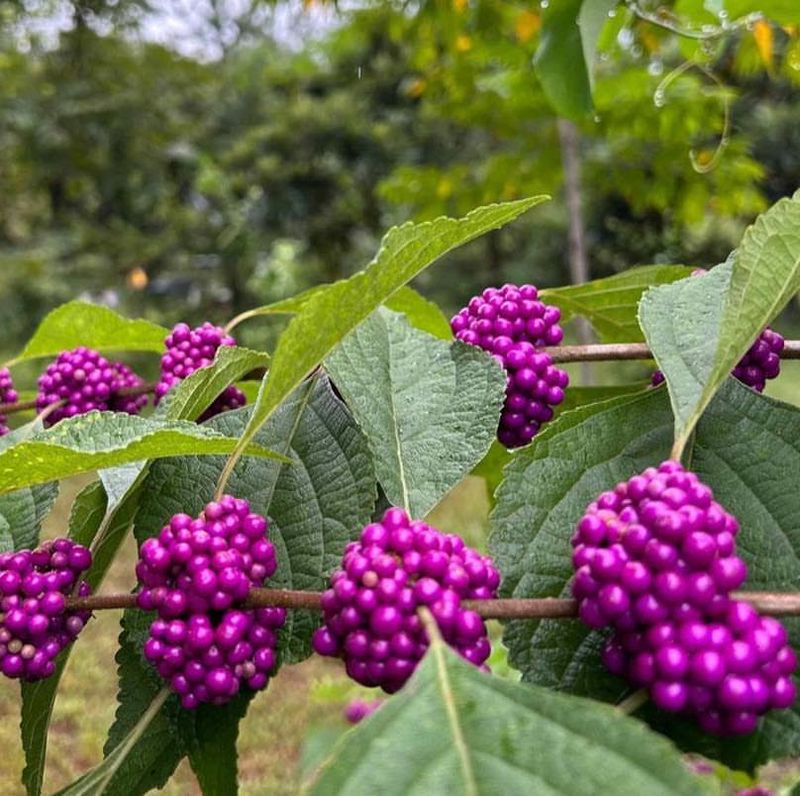
Nothing in the Texas landscape quite compares to the jaw-dropping color of American Beautyberry in the fall. The clusters of brilliant magenta-purple berries wrap tightly around the arching branches in a way that looks almost too vibrant to be real.
Neighbors will stop and ask what on earth that stunning plant is every single autumn without fail.
American Beautyberry, or Callicarpa americana, is a native Texas shrub that grows with an easygoing, relaxed personality. Its long, arching branches give it a graceful, informal look that works beautifully along a natural fence line.
During spring and summer, it produces small pinkish-lavender flowers that are modest but charming, quietly preparing for its big fall performance.
Wildlife absolutely adores this shrub. More than forty species of birds feed on the berries, including robins, brown thrashers, and towhees.
White-tailed deer and foxes also browse on the berries, making it one of the most wildlife-friendly plants you can add to your Texas yard. If supporting local animals matters to you, this is a must-have.
American Beautyberry grows best in partial shade, which makes it ideal for fence lines that do not get full sun all day. It can handle full sun too, but it looks its best with some afternoon shade protection during the hottest Texas months.
It typically reaches four to eight feet tall and wide, so give it some room to stretch out naturally. Cut it back hard in late winter and it will bounce back bigger and more colorful than ever by the following fall.
5. Flame Acanthus
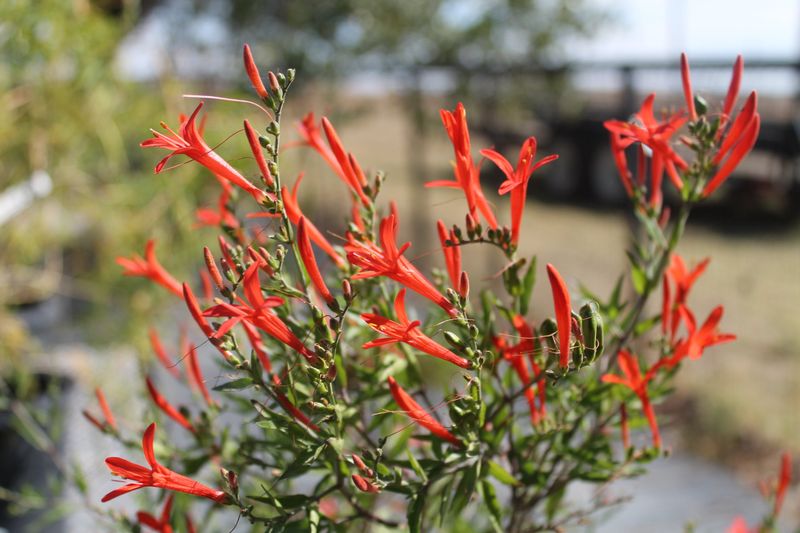
Plant Flame Acanthus near your fence and get ready to watch a constant parade of hummingbirds all summer long.
The bright red-orange tubular flowers are practically irresistible to these tiny birds, and the blooming season stretches from late spring all the way through fall.
Few native shrubs deliver that kind of nonstop action and color for such an extended period.
Flame Acanthus, or Anisacanthus quadrifidus var. wrightii, is built for Texas heat. While other plants wilt and struggle during the brutal mid-summer stretch, Flame Acanthus just keeps blooming and growing without skipping a beat.
It thrives in full sun and rocky or well-drained soils, which describes a huge portion of Texas landscapes perfectly.
It grows to about three to five feet tall and wide, making it a great mid-sized shrub for filling in gaps along a fence line. The stems are woody at the base, and the plant has a somewhat loose, open structure that gives it a wild and natural appearance.
Butterflies and bees also visit the flowers regularly, so your fence line becomes a buzzing, fluttering mini-habitat.
Once established, Flame Acanthus is extremely drought-tolerant and requires almost no supplemental watering. It is also deer-resistant, which is a huge advantage in many parts of Texas where deer pressure can be intense.
Trim it back in late winter to keep it tidy and encourage fresh, vigorous growth each spring. For color, wildlife value, and toughness, this native shrub checks every single box a Texas gardener could want.
6. Autumn Sage
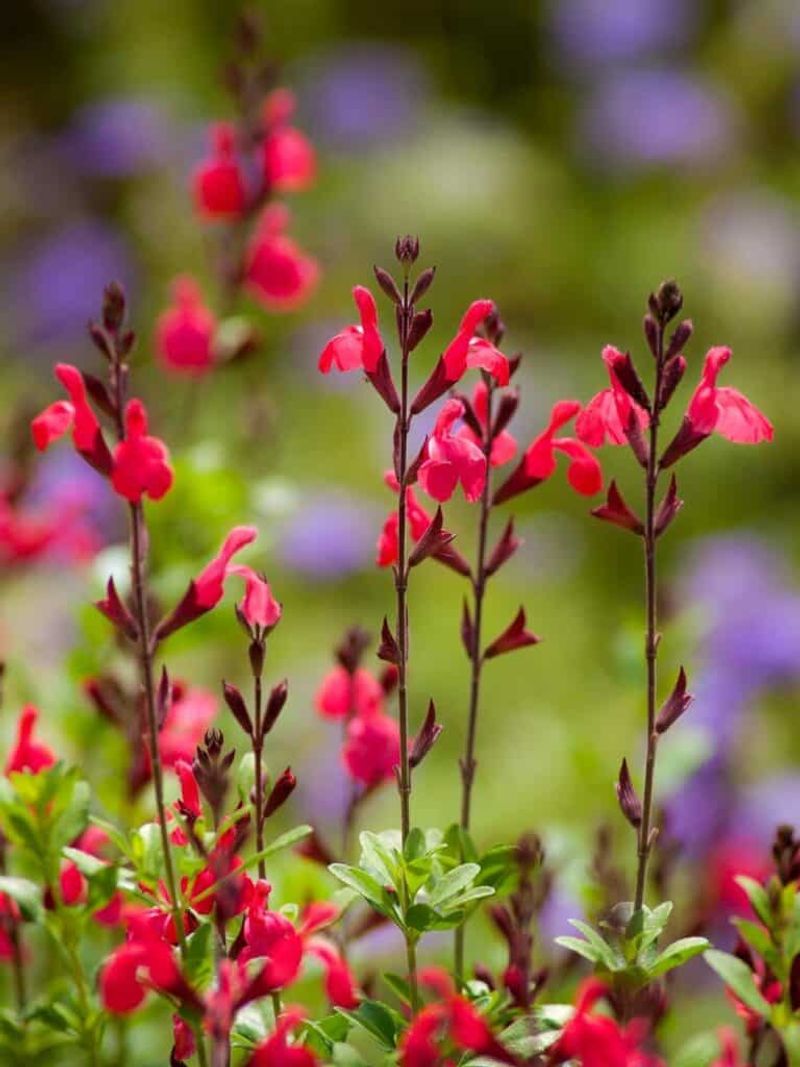
Autumn Sage is the kind of plant that makes gardening feel almost effortless. It blooms in spring, takes a short break during the hottest part of summer, and then comes roaring back with another round of colorful flowers in fall.
That repeat-blooming habit is something most fence shrubs simply cannot offer, and it keeps your yard looking lively across multiple seasons.
Salvia greggii, commonly called Autumn Sage, is native to the Trans-Pecos region of Texas and northern Mexico.
It is a compact, tidy shrub that typically stays between two and four feet tall and wide, making it a great choice for smaller fence lines or spots where you do not want something too large.
The flowers come in shades of red, pink, coral, and white depending on the variety you choose.
Hummingbirds and butterflies are drawn to the flowers like magnets. Planting a row of Autumn Sage along a fence creates a living wildlife corridor that benefits pollinators all season long.
The foliage is small and aromatic, releasing a pleasant herbal scent when touched, which adds another sensory layer to your garden experience.
Full sun and excellent drainage are the main things Autumn Sage needs to perform at its best. It handles drought remarkably well once established and rarely needs fertilizer to stay healthy and blooming.
Deer tend to avoid it, which is always welcome news in Texas. Give it a light trim after each bloom cycle to keep it looking neat and to encourage the next round of flowers to come in strong and full.
7. Desert Willow
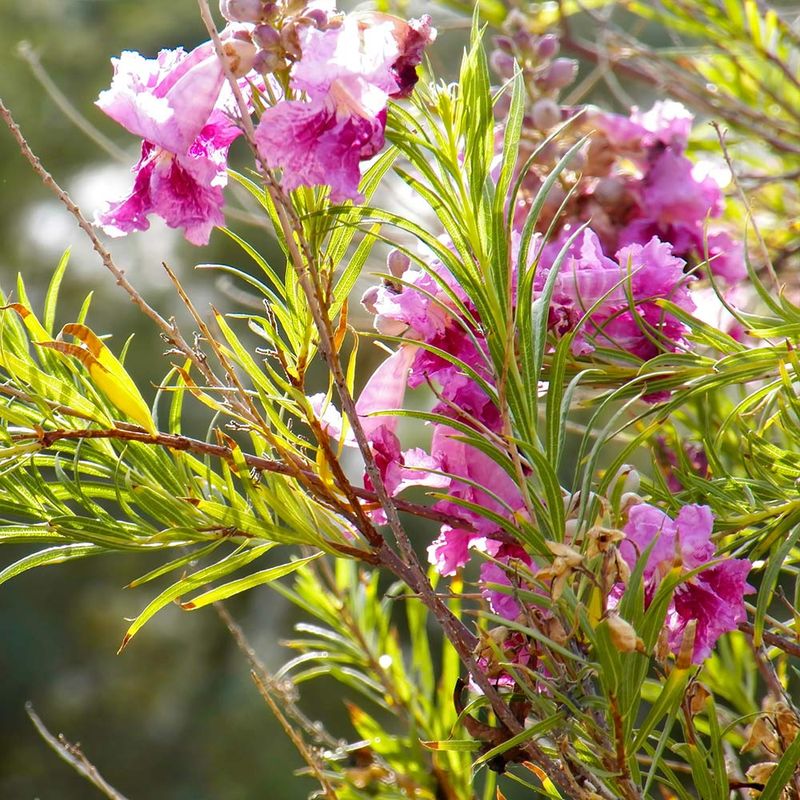
For those dealing with a long stretch of fence that needs serious coverage and serious curb appeal, Desert Willow is the answer.
It grows quickly, reaches fifteen to twenty-five feet tall, and produces the most beautiful trumpet-shaped flowers in shades of pink, purple, lavender, and white.
Seeing it in full bloom along a fence line is genuinely breathtaking, especially against a clear Texas sky.
Despite the name, Desert Willow, or Chilopsis linearis, is not actually a willow at all. It belongs to the same plant family as the Catalpa tree and shares that family’s flair for dramatic, showy flowers.
The long, narrow leaves give it a graceful, weeping appearance that adds a soft, elegant texture to any landscape setting.
Hummingbirds, bees, and butterflies all visit the flowers throughout the long blooming season, which typically runs from late spring through early fall. After the flowers fade, long seed pods hang on the branches and add winter interest to your fence line.
Birds sometimes use the pods and branches for nesting material, adding even more wildlife value to this already impressive plant.
Desert Willow is perfectly suited to Texas conditions. It thrives in full sun, handles rocky or sandy soil, and is one of the most drought-tolerant large shrubs or small trees you can plant in the state.
Once established, it needs almost no supplemental water and very little pruning to look great. If Photinia was your go-to for a larger fence screen, Desert Willow is the native upgrade your yard has been waiting for.