The Most Underrated Pennsylvania Native That Helps Keep Ticks Out Of Backyard Gardens
Tick management in Pennsylvania tends to focus on what you apply or remove rather than what you plant, and that leaves one of the more practical tools in the toolbox almost entirely unused.
There is a Pennsylvania native that has been quietly growing in gardens, hedgerows, and natural areas across the state for generations, valued for other reasons while its effect on tick presence goes largely unrecognized.
Research and practical observation have both pointed toward this plant as one that creates conditions ticks find unfavorable, and when it is positioned thoughtfully in a backyard garden, it adds a layer of deterrence that works passively through the entire tick-active season.
It is also genuinely attractive, easy to establish in Pennsylvania soil, and useful to pollinators at a time of year when flowering plants are often scarce.
The fact that it also discourages ticks is the kind of bonus that makes a strong case for growing it even more compelling.
Meet The Wild Bergamot
Most gardeners walk right past Wild Bergamot at the nursery without giving it a second glance. That is honestly a missed opportunity, because this plant is one of Pennsylvania’s most capable and beautiful native perennials.
Known by its scientific name Monarda fistulosa, Wild Bergamot belongs to the mint family, and you can smell it the moment you brush against its leaves.
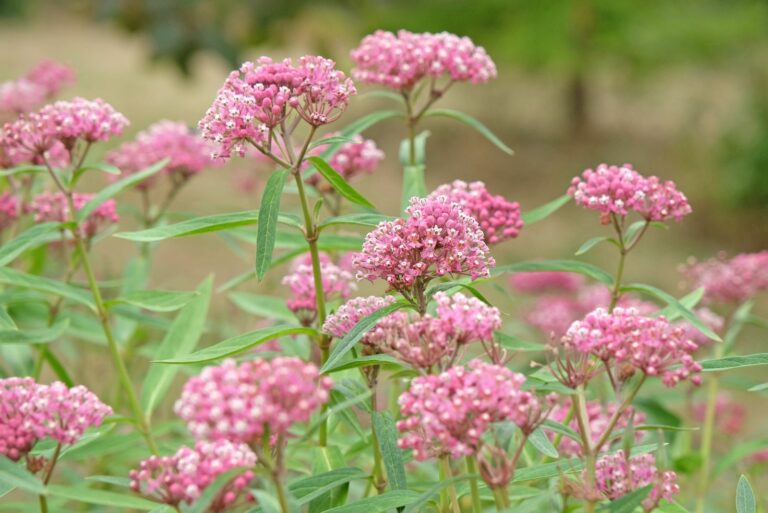
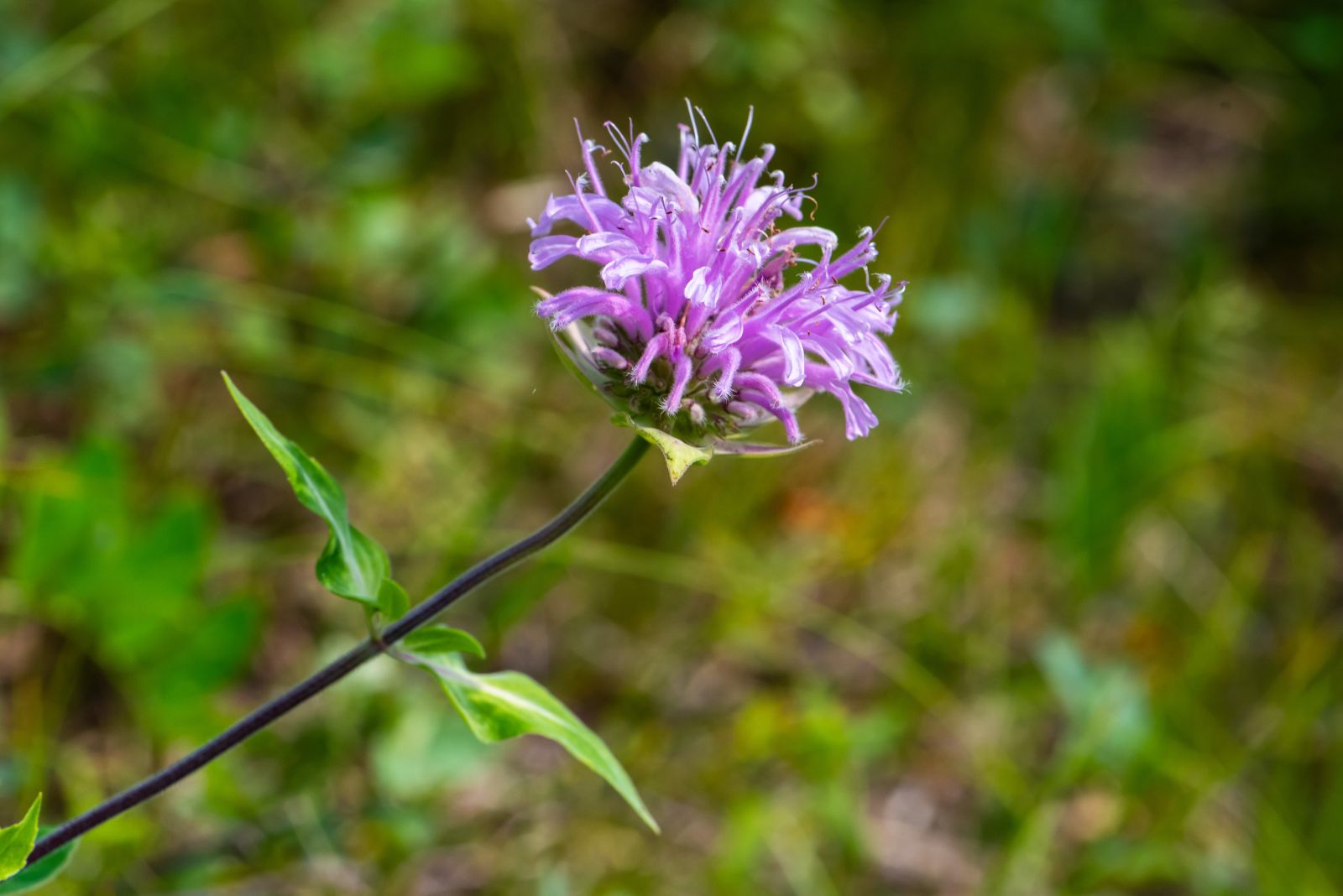
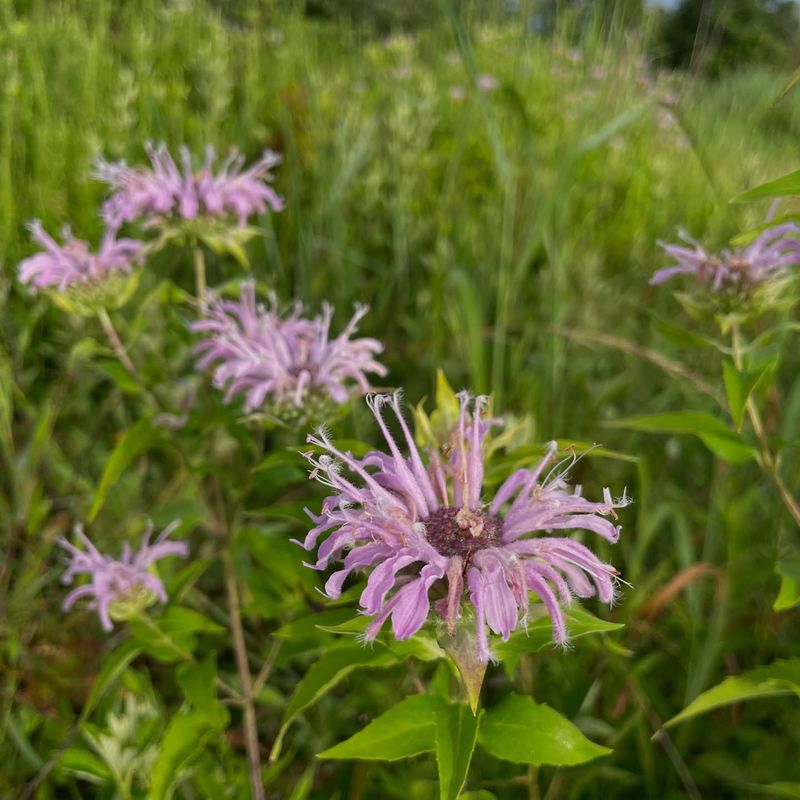
Native to meadows, roadsides, and open woodlands across Pennsylvania, this plant has been quietly thriving in the wild for centuries. It grows two to four feet tall and produces clusters of soft lavender-pink flowers that bloom from mid to late summer.
The blooms are eye-catching in any garden setting, and the plant fills in nicely year after year without much fuss from the gardener.
What makes Wild Bergamot especially interesting is its dual role in the garden. On one hand, it is a showstopper that brings color and life to borders and wildflower patches.
On the other hand, its strong aromatic oils may help make your yard less welcoming to ticks. Gardeners who are looking for natural, plant-based strategies to manage their outdoor spaces are starting to take notice of this humble native.
Adding Wild Bergamot to your garden is a smart move for many reasons. It supports local wildlife, looks stunning in bloom, and fits naturally into Pennsylvania landscapes.
Whether you are building a pollinator garden, filling in a sunny border, or just trying to enjoy your backyard without worrying about ticks, Wild Bergamot is worth getting to know. It is truly one of the most underrated plants in the region.
Its Aromatic Foliage Helps Deter Ticks
Here is something most people do not realize about ticks: they use their sense of smell to find a host. Ticks pick up on carbon dioxide and body odors to locate animals and people.
Strong plant scents can interfere with that process, making certain areas of your garden less attractive to these pests. That is exactly where Wild Bergamot earns its place.
Wild Bergamot contains natural aromatic compounds, including thymol and carvacrol, which are found in many plants known for their pest-deterring properties. These oils give the plant its sharp, minty oregano-like scent.
Your Pennsylvania Garden Changes Every Week. Your Plan Should Too.
Gardening in Pennsylvania changes quickly throughout the season. Every Friday you’ll receive a simple weekly plan showing exactly what to plant, prune, fertilize, harvest, and protect so you never miss the right timing.
When planted in borders or along garden edges, the fragrance released by the foliage can create a natural scent barrier that ticks may prefer to avoid.
To be clear, Wild Bergamot is not a guaranteed tick repellent. No single plant can promise complete protection.
However, using it as part of a broader tick-aware garden strategy makes a lot of sense. Pairing it with regular lawn maintenance, reduced leaf litter, and other aromatic native plants can make a real difference in reducing tick activity around your yard.
Planting Wild Bergamot along walkways, around seating areas, or at the edges of wooded sections of your yard puts its fragrance right where you need it most. You can even brush the leaves gently as you walk by to release more of the scent.
It is a simple, low-effort addition that works quietly in the background while also making your garden look and smell wonderful throughout the summer months.
It Attracts Pollinators And Beneficial Wildlife
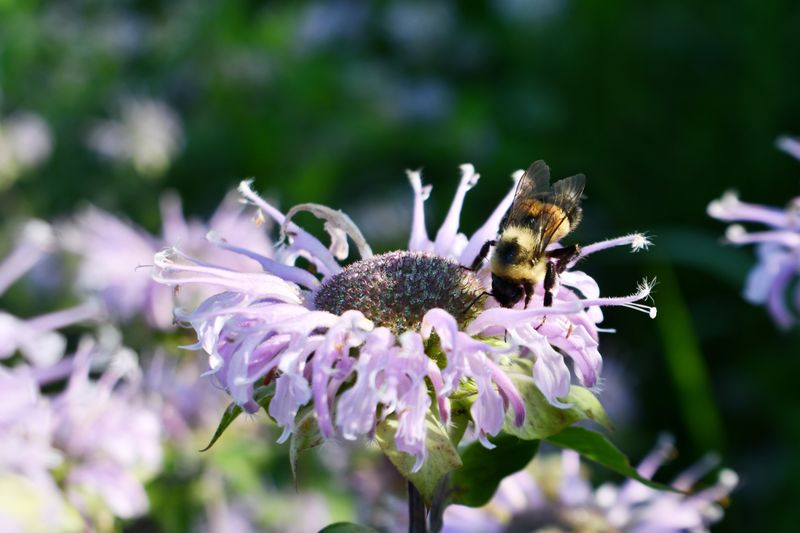
Picture your backyard buzzing with bees, fluttering with butterflies, and visited by hovering hummingbirds on a warm July afternoon. That is exactly the kind of scene Wild Bergamot creates when it is in full bloom.
The tubular lavender-pink flowers are perfectly shaped for pollinators, and wildlife seem to find them irresistible from the moment the first blooms open.
Bumblebees, native mason bees, and honeybees are frequent visitors to Wild Bergamot flowers. Eastern tiger swallowtails and other butterfly species also love feeding on the nectar.
Ruby-throated hummingbirds, which pass through Pennsylvania during summer, are especially drawn to the plant. Planting Wild Bergamot is like putting out a welcome sign for the most helpful and fascinating creatures in your local ecosystem.
Here is where the tick connection gets really interesting. A balanced garden ecosystem that supports birds, toads, and other small wildlife can naturally help manage tick populations.
Ground-feeding birds like robins and sparrows eat ticks as part of their regular diet. Toads and lizards do too.
By creating a garden that supports these beneficial animals, you are setting up a natural system that works in your favor without any chemicals involved.
Wild Bergamot plays a key role in building that kind of ecosystem. When you plant it, you are not just adding a pretty flower.
You are laying the groundwork for a healthier, more balanced outdoor space. The pollinators it attracts help other plants in your garden thrive too.
Supporting wildlife diversity is one of the smartest and most rewarding things any home gardener can do, and Wild Bergamot makes it easy.
It’s Low-Maintenance And Hardy
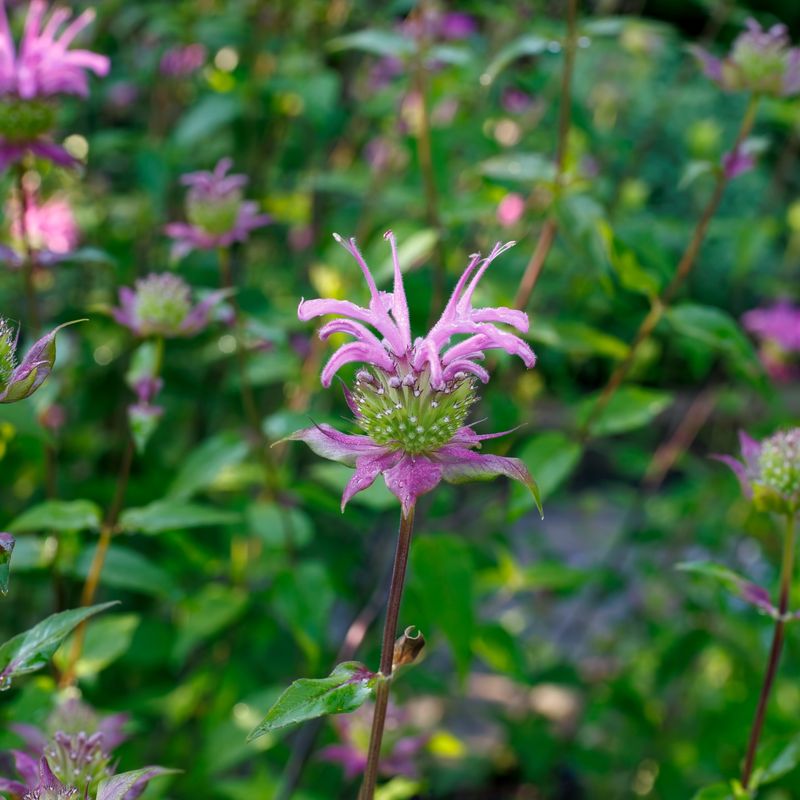
Not everyone has hours to spend fussing over their garden every week. If you are a busy homeowner who still wants a beautiful, functional yard, Wild Bergamot is practically made for you.
Once established, this plant is remarkably self-sufficient and can handle conditions that would stress out many other garden plants.
Wild Bergamot thrives in Pennsylvania’s climate and soil types with very little help. It prefers full sun but tolerates partial shade quite well.
Once its root system gets settled during the first growing season, it becomes noticeably drought-tolerant. You do not need to water it constantly or feed it with heavy fertilizers.
In fact, overly rich soil can sometimes make it grow too tall and floppy, so lean soil actually suits it better.
Did you know Wild Bergamot can even handle poor, dry, or rocky soil conditions that many ornamental plants simply cannot survive?
That makes it a standout choice for Pennsylvania gardeners dealing with challenging spots in the yard, like sunny slopes, dry edges near driveways, or areas with compacted soil that drains too quickly for most plants.
Pruning needs are minimal too. Cutting the plant back by about one-third in early summer can encourage bushier growth and more flower production.
After blooming, leaving the seed heads in place through winter provides food for birds and adds visual texture to the dormant garden. Dividing the clumps every few years keeps the plant vigorous and healthy.
Wild Bergamot truly rewards gardeners who give it a chance without demanding much in return, making it a genuinely practical choice for real-life, everyday backyards.
Wild Bergamot Adds Seasonal Beauty To The Garden
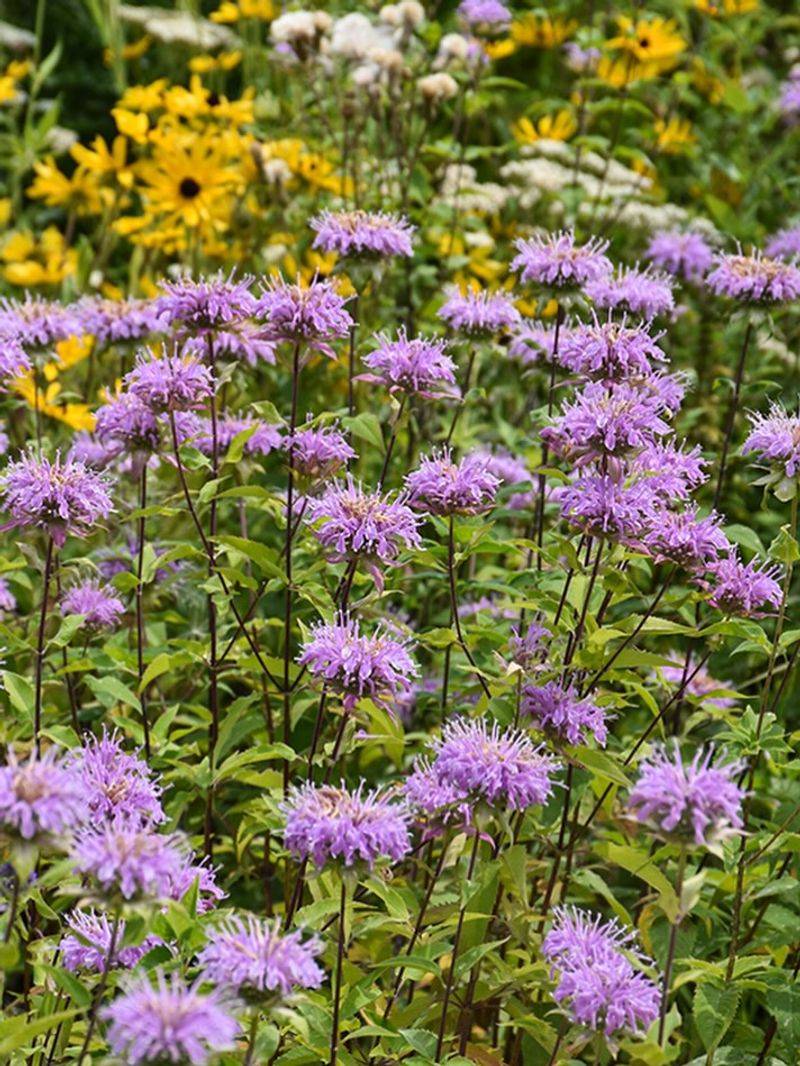
Late summer can be a tough time for garden color. Many spring bloomers have already faded, and the yard can start looking a little tired by July.
Wild Bergamot steps in right when you need it most, producing its showy lavender-pink flower clusters from mid to late summer and keeping the garden vibrant for weeks at a time.
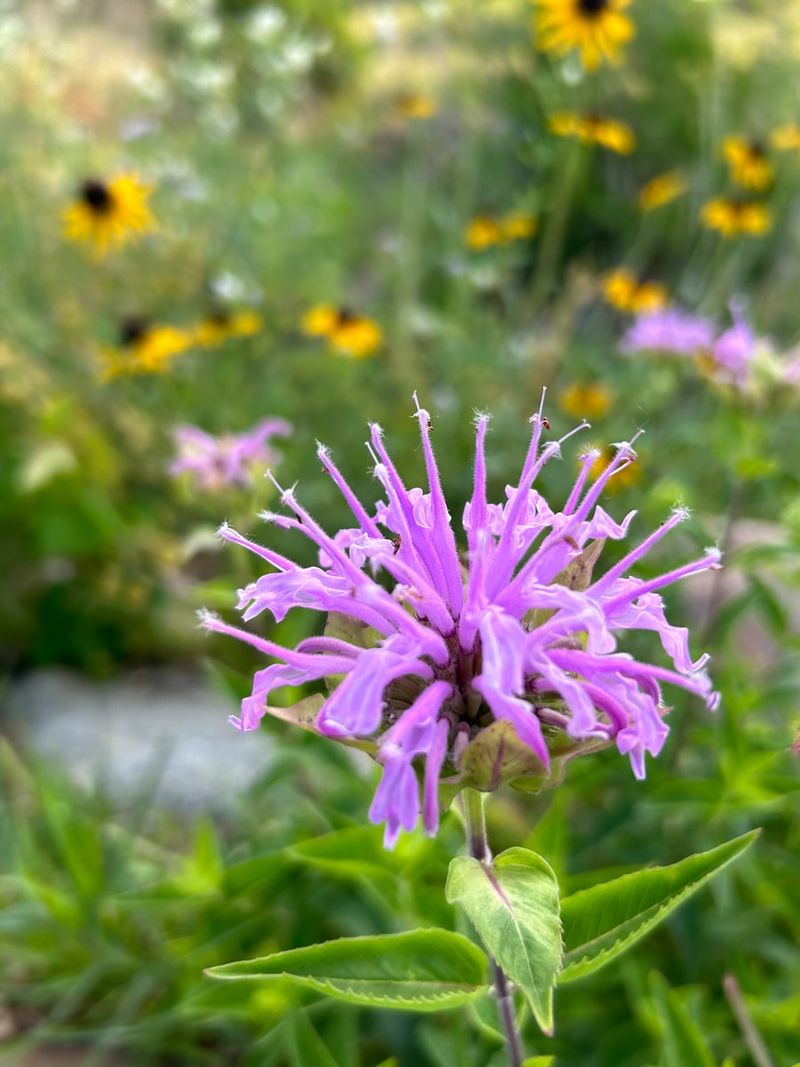
The flowers themselves are unique and eye-catching. Each bloom head is made up of dozens of small tubular florets arranged in a rounded, slightly ragged cluster that gives the plant a wild, carefree look.
The soft purple-pink color pairs beautifully with other native summer bloomers like purple coneflower, black-eyed Susan, and Joe Pye weed. Together, these plants can create a stunning naturalistic display that looks like it belongs in a Pennsylvania meadow.
Garden designers often use Wild Bergamot in pollinator gardens, native plant borders, and informal wildflower meadows. It also works wonderfully along the edges of woodland areas where it gets morning sun and afternoon shade.
The plant spreads gradually over time through underground rhizomes, slowly filling in gaps and creating a full, lush appearance without becoming invasive or overwhelming nearby plants.
Even after the flowers fade, Wild Bergamot continues to contribute to the garden’s visual appeal. The dried seed heads hold their structure well into fall and winter, adding texture and interest to the landscape during quieter months.
Birds visit the dried stems to pick out seeds, which adds another layer of life to the garden. Seasonal beauty that lasts from summer through winter is a rare quality, and Wild Bergamot delivers it naturally and effortlessly every single year.
It’s Versatile And Ecologically Friendly
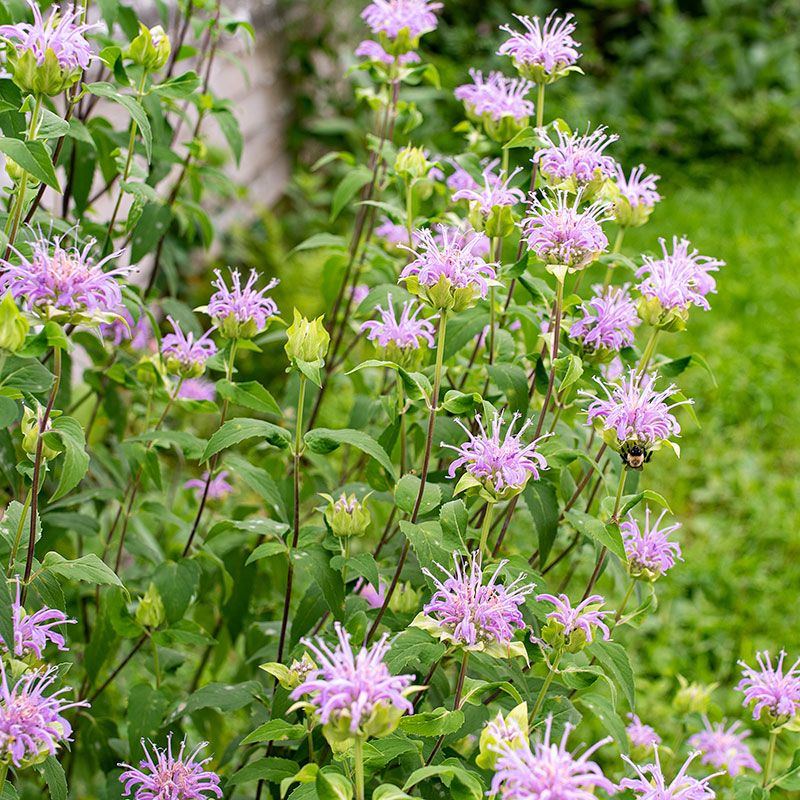
One of the best things about Wild Bergamot is how well it plays with others. In the garden world, compatibility matters a lot.
Some plants are aggressive spreaders that crowd out their neighbors, while others are too delicate to hold their own. Wild Bergamot strikes a healthy balance, growing steadily and cooperatively alongside a wide range of other Pennsylvania native plants.
Plant it next to purple coneflower and you get a classic Pennsylvania meadow look that pollinators absolutely love. Pair it with little bluestem grass and goldenrod for a low-water, wildlife-friendly planting that looks gorgeous in fall.
Wild Bergamot blends naturally into any native plant combination, and its spreading habit gradually fills in open spaces without smothering its neighbors. That kind of easy compatibility is a real asset in garden design.
From an ecological standpoint, planting Wild Bergamot is one of the most responsible choices a Pennsylvania gardener can make. Native plants support native insects, which in turn support birds, reptiles, and small mammals.
Each native plant you add to your yard strengthens the local food web. Replacing even a small section of lawn or ornamental plants with natives like Wild Bergamot can have a meaningful positive impact on local biodiversity over time.
Beyond ecology, Wild Bergamot simply makes your yard look more intentional and polished.
A garden filled with healthy native plants has a natural cohesion that is hard to achieve with non-native ornamentals. Neighbors notice it. Visitors comment on it.
And knowing that your beautiful garden is actively supporting the local environment adds a satisfaction that no purely decorative plant can match. Wild Bergamot is genuinely good for your yard and the world around it.