Why You Should Grow Passionflower Vine Along Your Fence In Texas
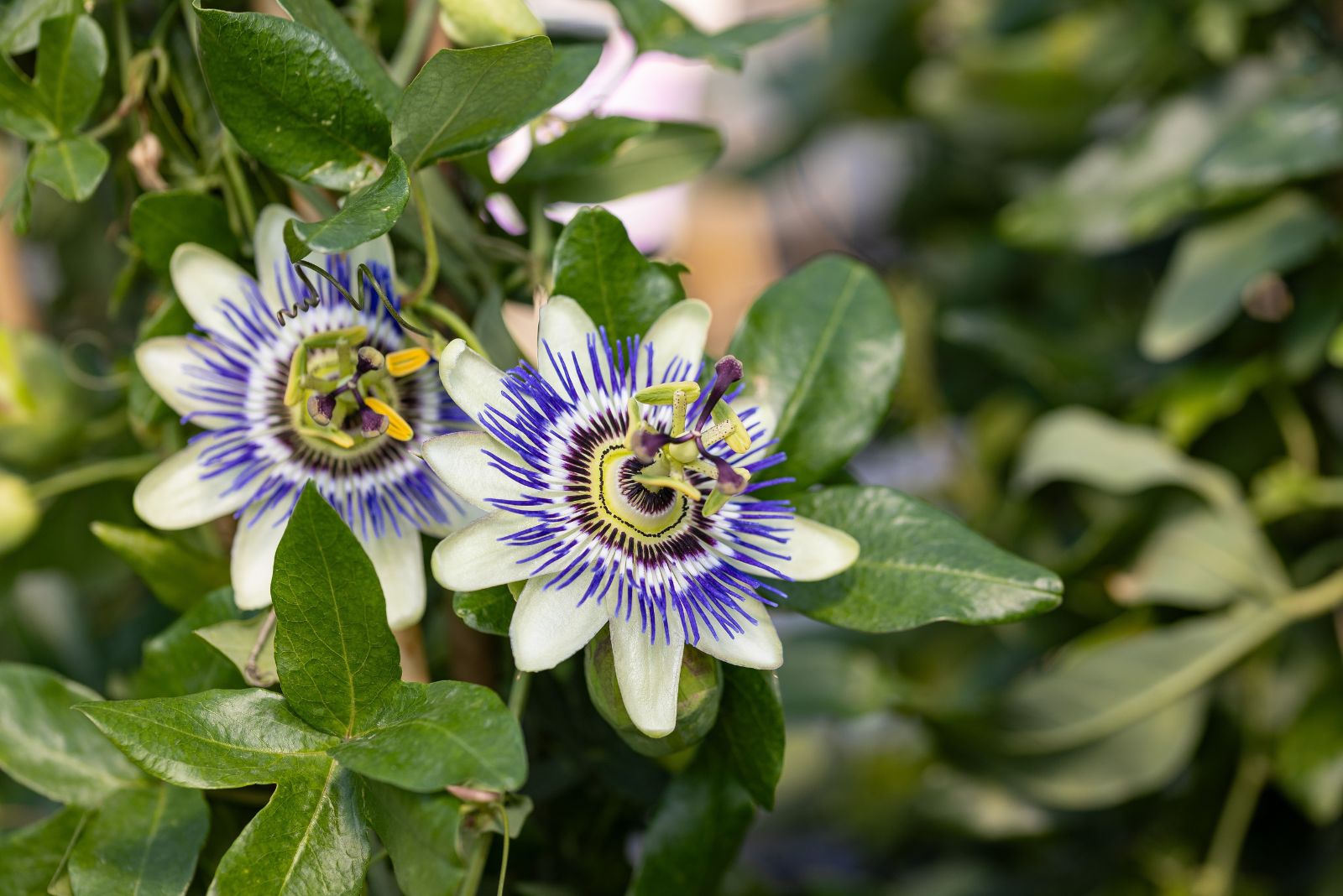
Passionflower vine is one of those plants that makes people stop and look twice the first time they see it bloom.
The flowers are unlike anything else growing in a Texas garden, intricate and almost otherworldly in their structure, and they show up repeatedly through the season in a way that keeps a fence interesting from spring well into fall.
Beyond the visual impact, passionflower is doing something most ornamental vines never manage. It is a host plant for several native butterfly species, a food source for pollinators, and produces fruit that wildlife actively seeks out.
It is also a Texas native, which means it handles the heat, the dry spells, and the rocky or clay soils that challenge non-native vines without the extra care those plants typically demand.
A fence line covered in passionflower is not just a good-looking structure. It is a genuinely productive piece of the local ecosystem that earns its space every single season.
1. Attractive Blooms
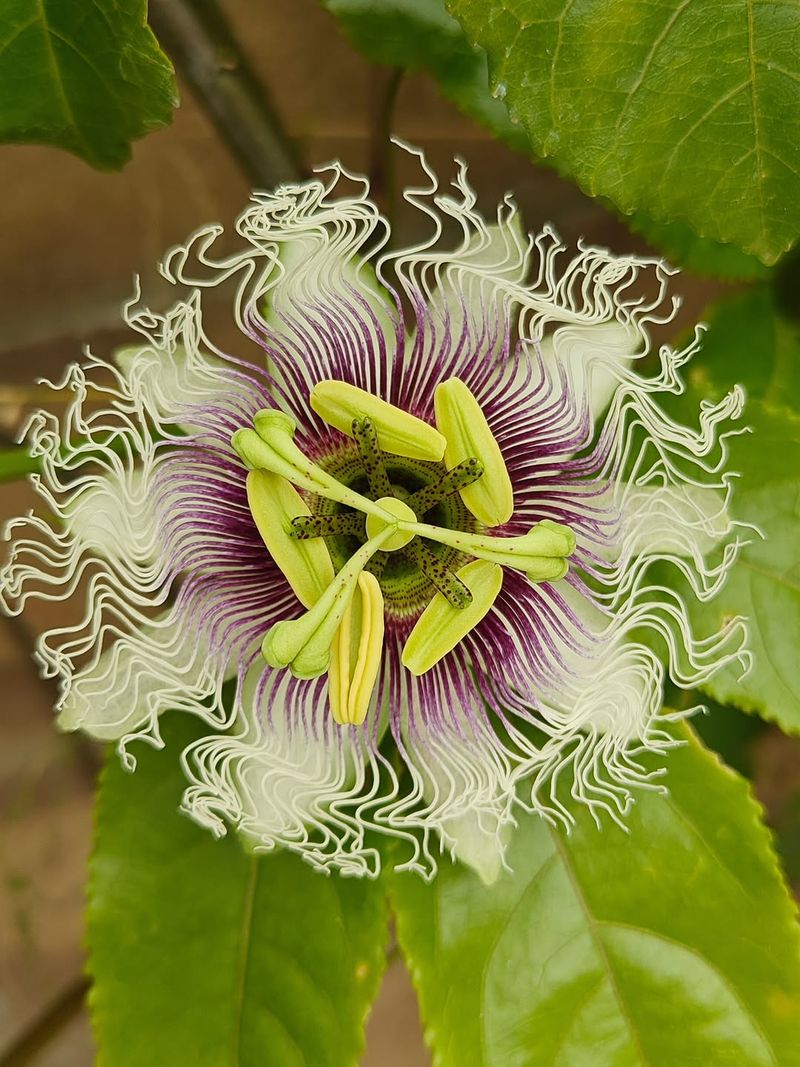
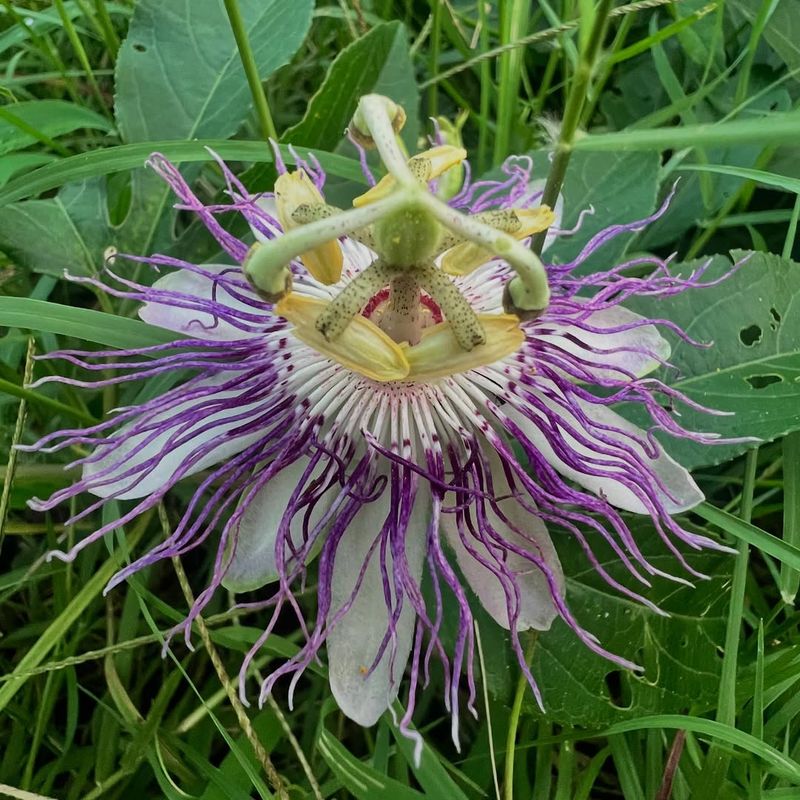
Few plants stop people in their tracks quite like a passionflower vine in full bloom. The flowers are unlike anything else you will find in a typical Texas yard.
Each blossom has layered petals, a crown of thin filaments in shades of purple, white, and blue, and a bold center structure that looks almost architectural. People who see them for the first time often think they are looking at something from a tropical rainforest.
The blooms appear throughout the warm growing season, which in Texas can stretch from late spring all the way into fall. That means you get months of color and visual interest along your fence without having to do much at all.
New flowers open almost daily during peak season, so there is always something fresh and beautiful to look at.
Planting passionflower vine along a fence or trellis gives those blooms a perfect stage to show off. The dark green, deeply lobed leaves create a rich backdrop that makes the flowers pop even more.
Visitors and neighbors will constantly ask what that stunning plant is growing on your fence.
Beyond just looking pretty, the flowers add a genuine tropical flair to outdoor spaces that can feel flat or plain. If your yard needs a focal point or a conversation starter, this vine delivers.
It transforms a basic wooden or chain-link fence into something that looks intentional, designed, and full of personality. No other common Texas vine offers this level of visual drama with so little effort required from the gardener.
2. Fragrant Flowers
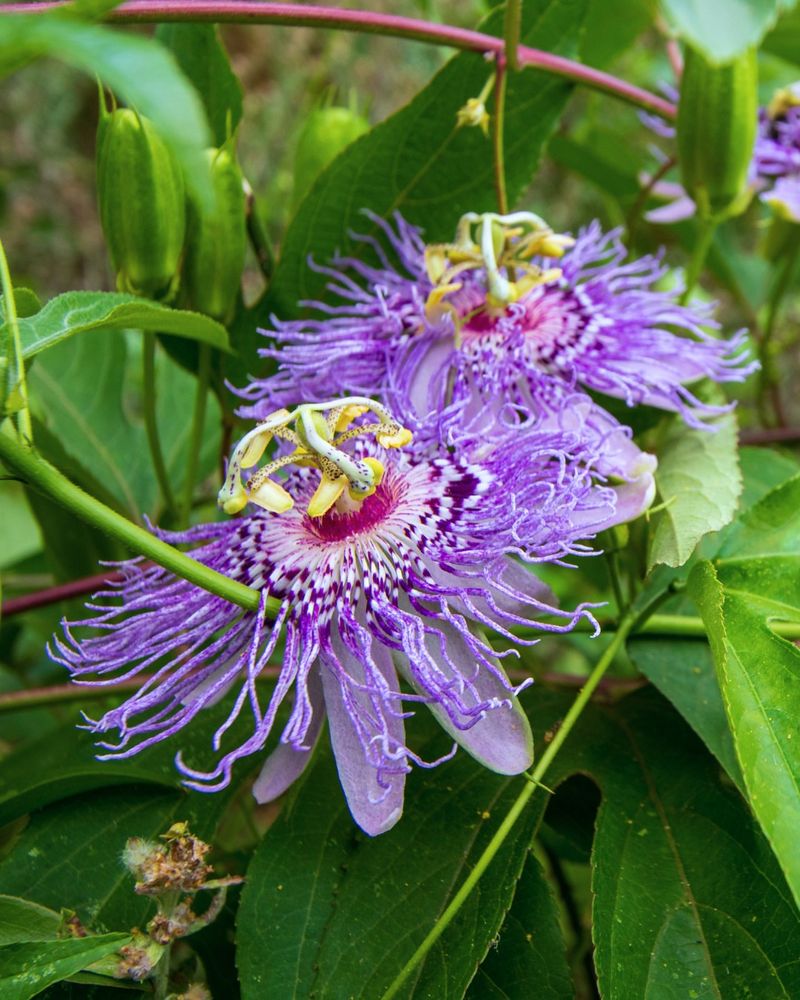
Not every beautiful flower has a scent, but passionflower vine brings both to your yard. Many varieties produce a light, sweet fragrance that drifts through the air on warm Texas evenings.
Sitting outside near a fence covered in passionflower vine can feel like relaxing in a garden far more exotic than your own backyard. The scent is subtle enough that it never feels overwhelming, just pleasant and refreshing.
The fragrance is especially noticeable in the early morning and in the evening when temperatures cool slightly. This makes passionflower vine a perfect addition near outdoor seating areas, patios, or porches where you like to spend time.
Your Texas Garden Changes Every Week. Your Plan Should Too.
Gardening in Texas changes quickly throughout the season. Every Friday you’ll receive a simple weekly plan showing exactly what to plant, prune, fertilize, harvest, and protect so you never miss the right timing.
Imagine drinking your morning coffee while a gentle breeze carries that sweet scent right to you. It turns an ordinary moment into something that feels a little more special.
Gardeners who grow fragrant plants often say that scent is the most underrated element of outdoor design. Most people focus on colors and textures, but a yard that smells wonderful creates a full sensory experience.
Passionflower vine helps you achieve that without needing to plant a whole collection of separate fragrant species.
Did you know that some Native American tribes used passionflower for its calming properties? The plant has a long history of being valued for more than just its appearance.
Growing it along your fence means you get to enjoy that rich heritage right in your own outdoor space.
The fragrance alone makes passionflower vine worth planting, and it pairs beautifully with the vine’s already impressive visual appeal to create a truly inviting garden atmosphere.
3. Pollinator Magnet
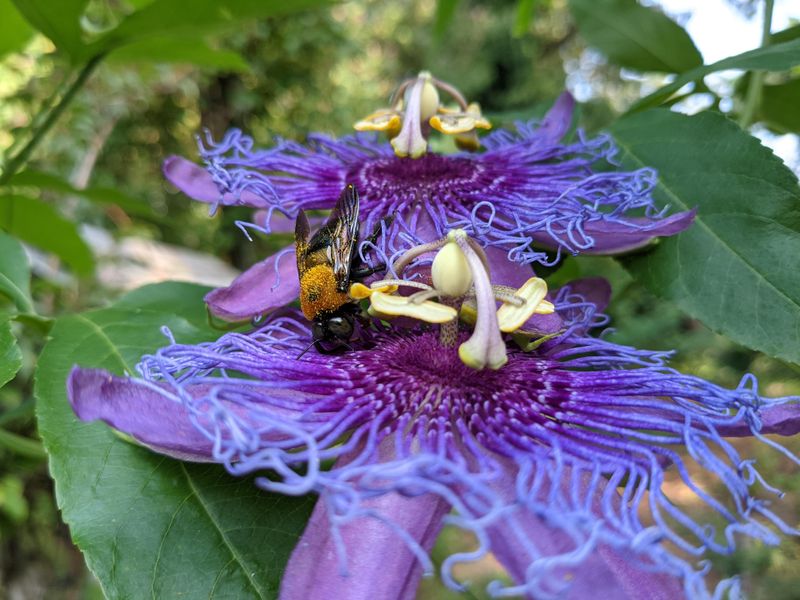
Walk past a passionflower vine on a warm Texas afternoon and you will rarely find it quiet. Bees buzz around the open flowers, hummingbirds dart in for a sip of nectar, and butterflies land with their wings spread wide.
The vine is one of the best pollinator plants you can grow in the Lone Star State, and that is not an exaggeration. It is practically a wildlife buffet wrapped in a beautiful package.
The Gulf Fritillary butterfly has a particularly strong connection to passionflower. This bright orange butterfly uses passionflower vine as its host plant, meaning females lay their eggs directly on the leaves.
When the caterpillars hatch, they feed on the foliage. This is a completely natural and healthy process that supports the local butterfly population. Watching the full life cycle play out on your fence is genuinely exciting, especially for kids.
Bees of all kinds, including native bumblebees and honeybees, are drawn to the large, open blooms. The flower structure makes it easy for pollinators to access nectar and pollen, which means your garden benefits too.
Nearby vegetables, fruits, and flowers get better pollination when more bees are visiting your yard regularly.
Hummingbirds are another regular visitor, especially during migration season when they need reliable food sources. Planting passionflower vine along your fence creates a natural pit stop for these tiny travelers.
Supporting pollinators has never been more important, and passionflower vine makes it effortless. You plant it once, and the wildlife takes care of the rest, turning your fence into a living, breathing ecosystem that benefits your entire neighborhood.
4. Edible Fruit
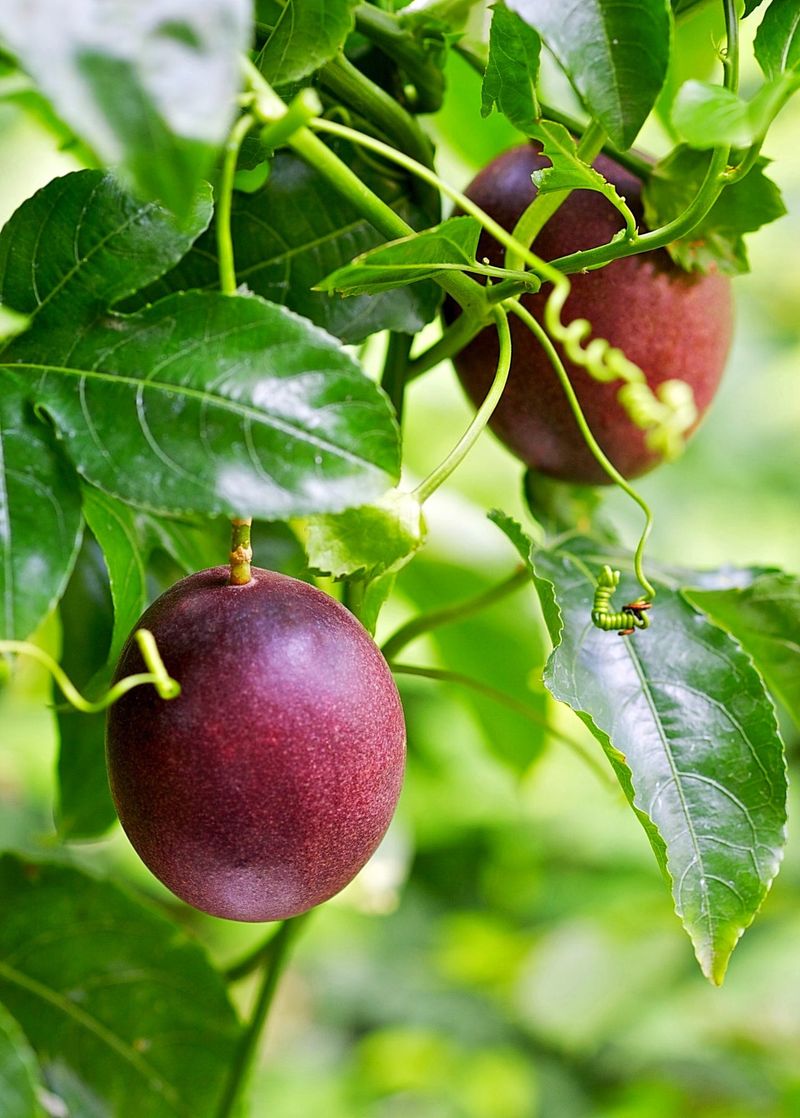
Here is something that surprises a lot of Texas gardeners: passionflower vine actually produces edible fruit. The fruit, commonly called passionfruit, develops after the flowers are pollinated.
In Texas, the native species Passiflora incarnata produces small, egg-shaped fruits that turn yellow or greenish when ripe. They have a sweet, tangy pulp inside that tastes like a mix of citrus and tropical fruit. It is genuinely delicious.
Harvesting passionfruit is simple. You wait until the fruit falls from the vine on its own or feels soft when gently squeezed.
That is usually the best sign that it is ready to eat. Once you crack it open, you scoop out the seedy pulp and enjoy it fresh, blend it into smoothies, or stir it into yogurt and desserts. It adds a unique flavor that store-bought fruit rarely matches.
Growing your own edible plants is one of the most rewarding things a home gardener can do. With passionflower vine, you get that reward without having to dedicate a separate garden bed to a fruit plant.
The vine grows right along your existing fence and produces fruit as a bonus on top of everything else it offers.
Children especially love discovering that the vine they have been watching all summer actually makes something they can eat. It turns the garden into an interactive experience rather than just something pretty to look at.
Passionfruit is also packed with vitamins A and C, fiber, and antioxidants, making it a genuinely healthy snack. Growing it yourself means you know exactly where your food comes from, which is always a good feeling.
5. Fast-Growing Cover
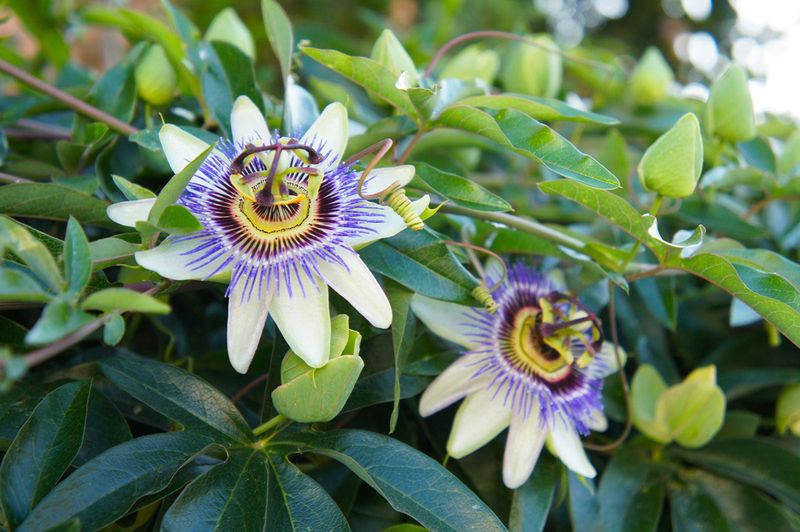
Sometimes you just want a little privacy, and passionflower vine delivers it faster than almost any other climbing plant. Under good conditions in Texas, this vine can grow several feet in a single season.
It grabs onto fences, trellises, and pergolas with its curling tendrils and quickly fills in gaps with dense, attractive foliage. Within one or two growing seasons, a bare fence can look like a lush green wall.
That kind of rapid growth is incredibly useful for homeowners who want to block an unsightly view, add a natural screen between properties, or simply make a fence look more finished and intentional.
Unlike building a solid wood privacy panel or installing artificial screening, passionflower vine costs very little and actually improves with time. Each year it comes back fuller and more established than the year before.
The vine also adds vertical interest to spaces that can feel flat or one-dimensional. A fence covered in passionflower vine draws the eye upward and creates a sense of depth and layering in the landscape.
Pair it with some potted plants or ground cover beneath it, and the whole yard feels more designed and intentional without a huge investment of time or money.
For gardeners who are impatient, passionflower vine is a genuine gift. You do not have to wait years to see results.
Plant it in spring, give it a little water to get started, and watch it take off. By midsummer, your fence will already look transformed.
Few plants reward you so quickly while also bringing so many other benefits along for the climb.
6. Drought-Tolerant
Texas summers are no joke. Temperatures regularly climb above 100 degrees, rainfall can disappear for weeks at a time, and many plants simply cannot keep up.
Passionflower vine is built differently. Once it gets established in your yard, it becomes remarkably tough and self-sufficient.
Its deep root system allows it to pull moisture from the soil even when the surface looks bone dry. You water it regularly at first, and then mostly let it take care of itself.
This drought tolerance makes passionflower vine one of the smartest choices for Texas gardeners who want beauty without the burden of constant irrigation. Water bills in Texas during summer can get steep, especially if you are trying to keep thirsty plants alive.
Switching to drought-tolerant natives and adapted plants like passionflower vine is one of the easiest ways to cut back on outdoor water use without sacrificing a good-looking yard.
The vine is also well adapted to the clay-heavy and sandy soils common across different parts of Texas. It does not demand perfectly amended garden beds or rich compost.
Plant it, give it a season to settle in, and it will reward you with steady growth and reliable blooms even when conditions get tough.
Experienced Texas gardeners often say the best plants for this state are the ones that ask for the least. Passionflower vine fits that description perfectly. It is resilient, adaptable, and genuinely low-maintenance once established.
For anyone who loves gardening but does not have hours to spend watering and tending every week, this vine is a practical and beautiful solution that works with the Texas climate rather than against it.