These 8 Things Sitting In Your Georgia Yard Are Basically Mosquito Magnets
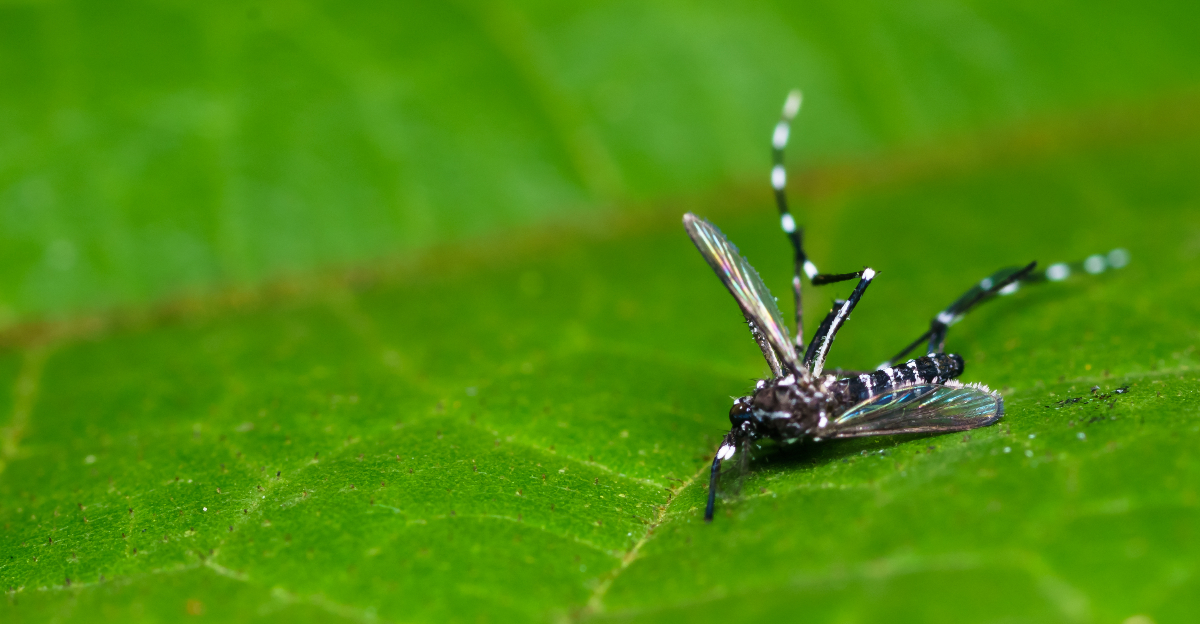
Mosquitoes come with the heat, the humidity, and the geography. Nothing to be done about it. That assumption is wrong, and it is costing you your backyard.
A significant portion of the mosquitoes making your evenings miserable are not drifting in from a swamp or a neighbor’s property.
They are being produced right in your own yard, in spots you walk past multiple times a day without a second thought. Do you know where they actually are?
Some of the most productive mosquito breeding sites in a Georgia yard look completely harmless at first glance. A few of them are things you put there intentionally, with no idea what was happening in plain sight.
Eight specific things are running mosquito operations in Georgia backyards right now. Odds are good that at least a few of them are already in yours.
1. Old Plant Pots With Collected Saucers Full Of Water
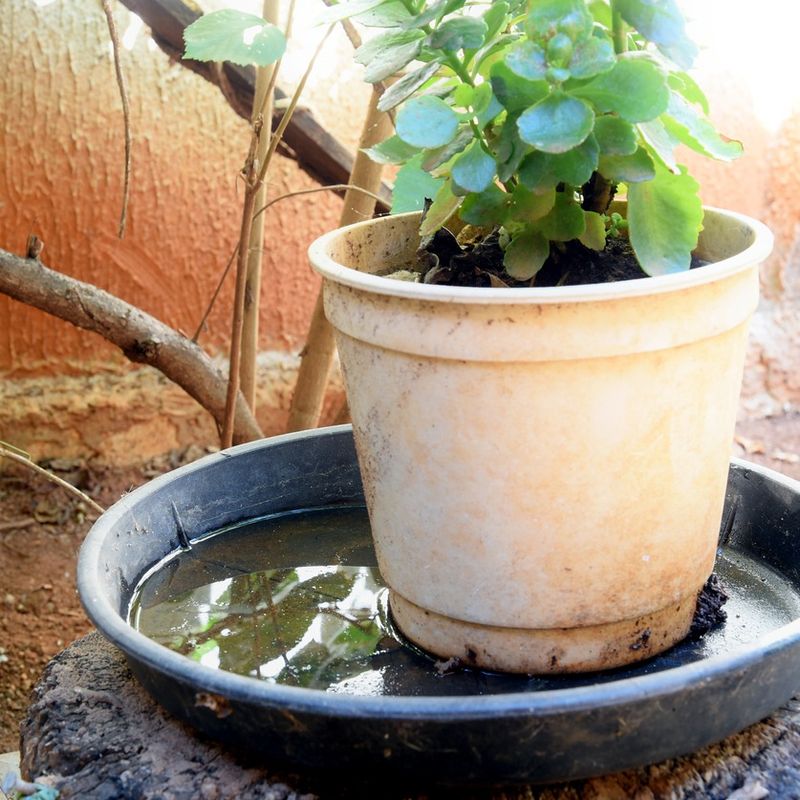
That row of clay pots along your porch steps looks charming. The saucers sitting underneath them might be running a mosquito nursery at the same time.
Mosquitoes need less than half an inch of standing water to lay eggs. A pot saucer holds more than enough.
The water sitting there after a rainstorm is warm, still, and completely undisturbed, which is exactly the environment mosquito larvae need to develop.
The problem compounds during Georgia’s rainy season when saucers fill fast and stay wet for days. Many people forget to check underneath their pots after a storm, especially when the plants above look healthy and fine.
The water in the saucer is not benefiting the plant at that point. It is just sitting there doing one thing well, and that thing is producing mosquitoes.
The fix takes almost no effort. Empty every saucer after rainfall. Better yet, remove them entirely during summer months when standing water is a consistent concern.
For saucers that protect your porch surface, drill a small hole in the bottom so water drains automatically.
Gravel-filled trays are another option. They allow drainage without pooling and look intentional rather than neglected.
Checking pots twice a week takes less than five minutes and makes a noticeable difference in evening comfort.
Your pots are not the problem. The small dishes of standing water underneath them are basically a welcome sign, and they should not be.
2. Clogged Gutters Where Moisture Pools After Storms
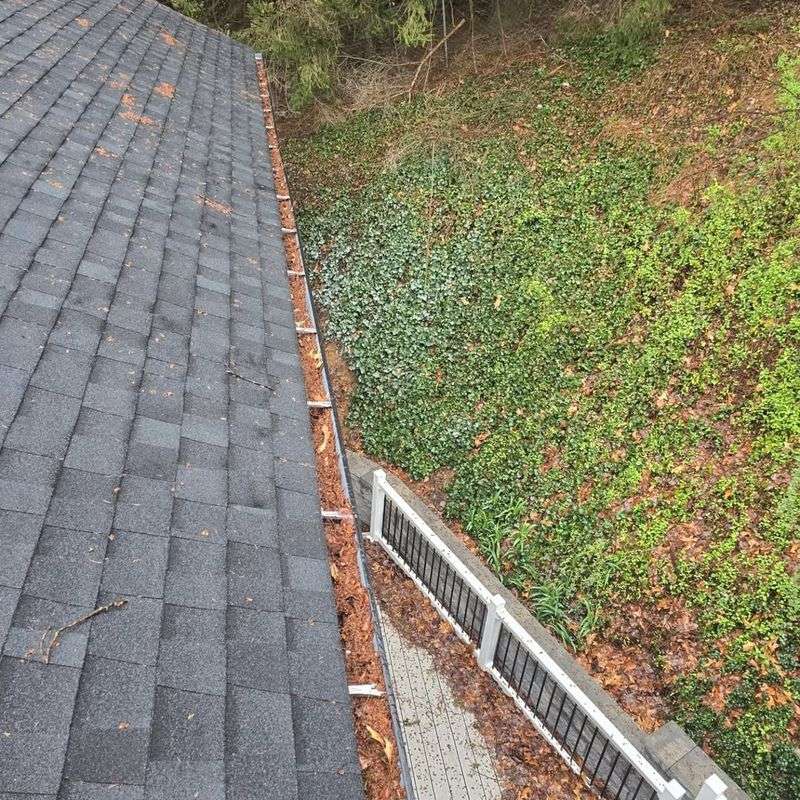
Gutters are out of sight, which means they are mostly out of mind. During Georgia’s stormy spring and summer seasons, that oversight creates one of the most productive mosquito breeding spots on the entire property.
When leaves, pine needles, and debris block water flow, it backs up and sits in the trough for days at a time. That warm, shaded, stagnant water in a clogged gutter is exactly what female mosquitoes seek out when they are ready to lay eggs.
A single blocked section can hold enough water to support many developing larvae after just one rainstorm.
The issue is specifically that you cannot see it happening without a ladder. The problem grows unnoticed while mosquito populations build up steadily above your roofline.
Your Georgia Garden Changes Every Week. Your Plan Should Too.
Gardening in Georgia changes quickly throughout the season. Every Friday you’ll receive a simple weekly plan showing exactly what to plant, prune, fertilize, harvest, and protect so you never miss the right timing.
Cleaning gutters twice a year is a starting baseline, but Georgia’s year-round pine needle drop and frequent summer storms make three or four cleanings per year a smarter schedule.
After heavy rain, walk around your home and listen for dripping sounds from sections that should be draining freely. Water that is not moving needs immediate attention.
A blocked gutter causes water damage to your home’s foundation and breeds mosquitoes simultaneously. It is impressively efficient at being a problem.
Clearing it out takes an afternoon. The relief from both issues lasts considerably longer.
3. Tarps That Hold Hidden Puddles After Rain
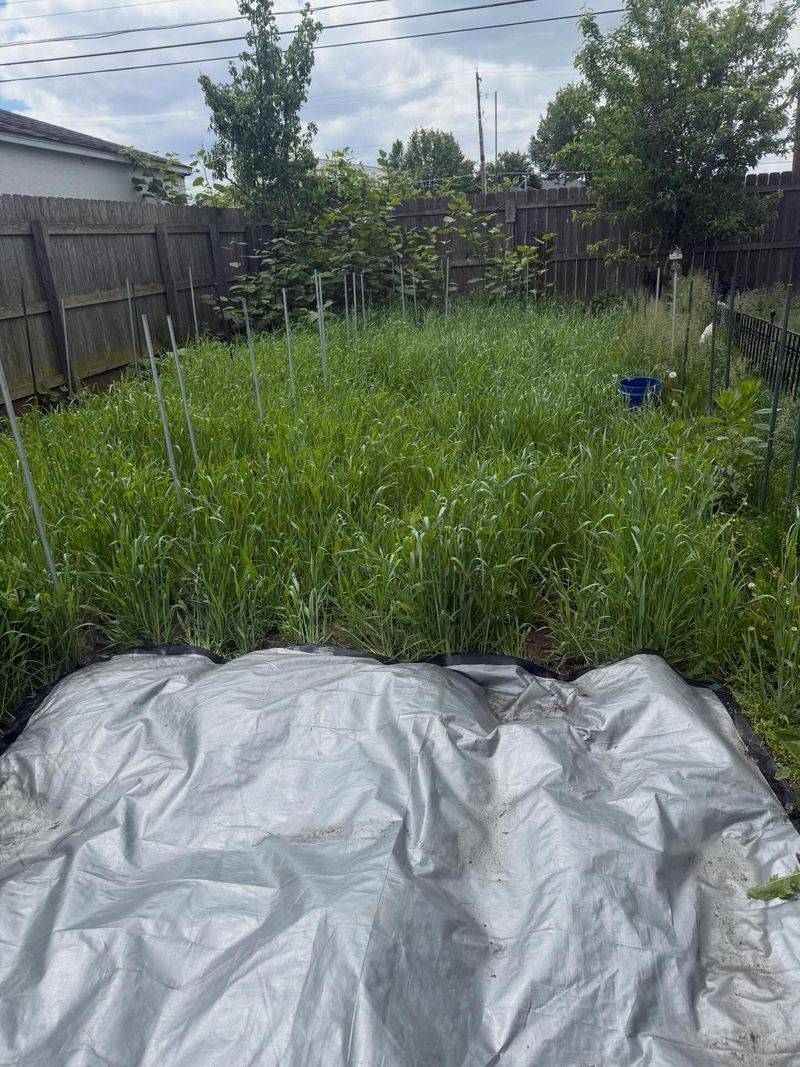
Tarps are genuinely useful. They protect firewood, lawn equipment, boats, and patio furniture from the elements without much effort on your part. They are also almost perfectly shaped to collect rainwater.
That sag in the center of a tarp is not just an aesthetic issue. It holds a warm, shallow pool of water that mosquitoes can exploit within days of a storm passing through.
Georgia thunderstorms are frequent and generous, which means those puddles form fast and stay full longer than most people expect.
The particular challenge with tarps is that the water on top of them is easy to forget. You cover something up, walk away, and do not look at it again until you need access to what is underneath.
Meanwhile, a mosquito population could be actively developing in that collected water just a few feet from your back door.
The solution does not require abandoning tarps entirely. Pull them taut so water runs off the sides rather than pooling in the center. Use bungee cords or rope to keep the surface tight and angled toward drainage.
After any rainstorm, make a quick circuit of the yard and tip any tarps that have collected water.
Storing items in a shed or under a roof eliminates the problem entirely and keeps the yard looking tidier as a bonus.
A tarp is designed to shed water. With a little tension and the right angle, it will actually do that instead of collecting it.
4. Unused Buckets Or Toys That Catch Rainwater
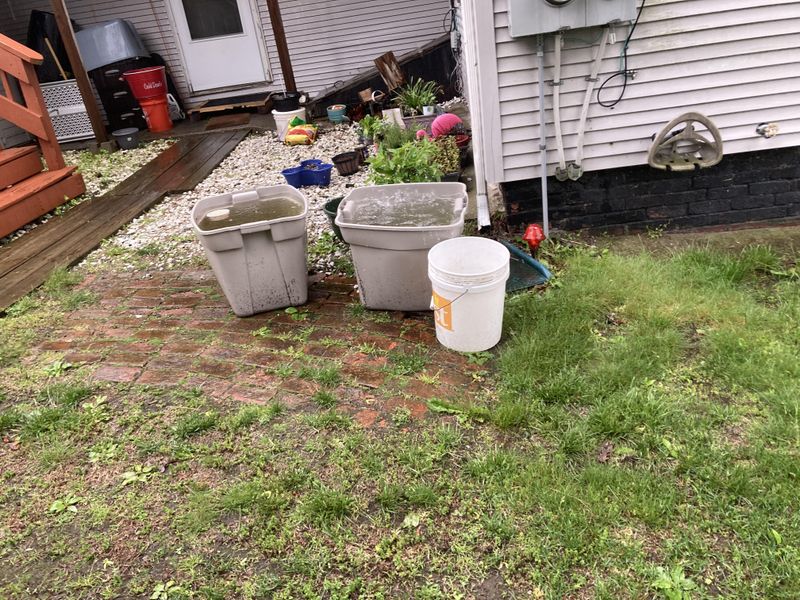
Outdoor toys are built to survive the elements, which is exactly what makes them such effective mosquito breeding sites.
Buckets, watering cans, dump trucks, sandbox toys, and even overturned frisbees catch and hold rainwater with surprising efficiency.
Left outside between play sessions, they create a scattered network of small water containers across the lawn. Each one is a potential breeding site, and together they can support a much larger mosquito population than most parents would ever expect.
A single five-gallon bucket sitting upright after a summer storm can hold enough water to produce hundreds of adult mosquitoes within one week.
Georgia’s warm temperatures accelerate the mosquito life cycle considerably. Larvae can become biting adults in as little as seven to ten days under those conditions.
Building a simple habit of flipping or storing toys after each outdoor session makes a real difference. Teach kids to turn buckets and containers upside down before coming inside. It takes about ten seconds per item.
Designate a covered bin or storage area for outdoor toys between uses. If a bucket serves a regular purpose in the yard, store it in the garage or shed between rainfalls so it cannot collect standing water.
These adjustments take almost no extra time but can significantly reduce the number of mosquitoes buzzing around the next cookout or evening outside.
Your kids are not creating a mosquito problem on purpose. But the bucket they left out last Tuesday definitely is.
5. Birdbaths With Still Water That Needs Refreshing
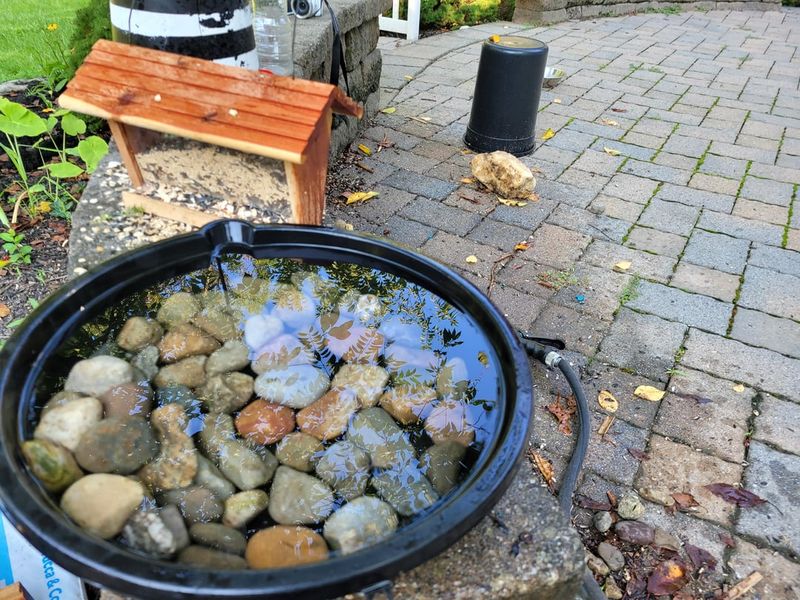
A birdbath is one of the genuinely enjoyable things about a Georgia backyard. Cardinals, chickadees, and robins splashing around on a hot afternoon is hard to beat.
That same water, left sitting too long, becomes one of the most attractive mosquito breeding spots in the entire yard.
Mosquito eggs can hatch and larvae can begin developing in birdbath water within 48 to 72 hours under peak summer conditions.
Georgia temperatures stay high day and night from June through September, which means that window is almost always active.
The algae and organic material that accumulate in a birdbath over time make the water more attractive to mosquitoes, not less. Larvae have something to feed on as they develop.
Keeping the birdbath functioning without contributing to the mosquito population is straightforward. Refresh the water every two to three days.
Scrub the basin with a stiff brush each time you refill it. That disrupts any eggs or early-stage larvae before they progress.
Adding a small solar-powered fountain or dripper creates gentle surface movement. Mosquitoes strongly avoid moving water when choosing where to lay eggs. Birds actually prefer moving water too, so this upgrade serves both goals simultaneously.
A birdbath that gets regular attention stays a wildlife feature. One that sits unchanged for a week becomes something else entirely.
The cardinals deserve better than sharing their bath with mosquito larvae. So do you.
6. Low Spots In Turf That Form Mini Ponds After Rain
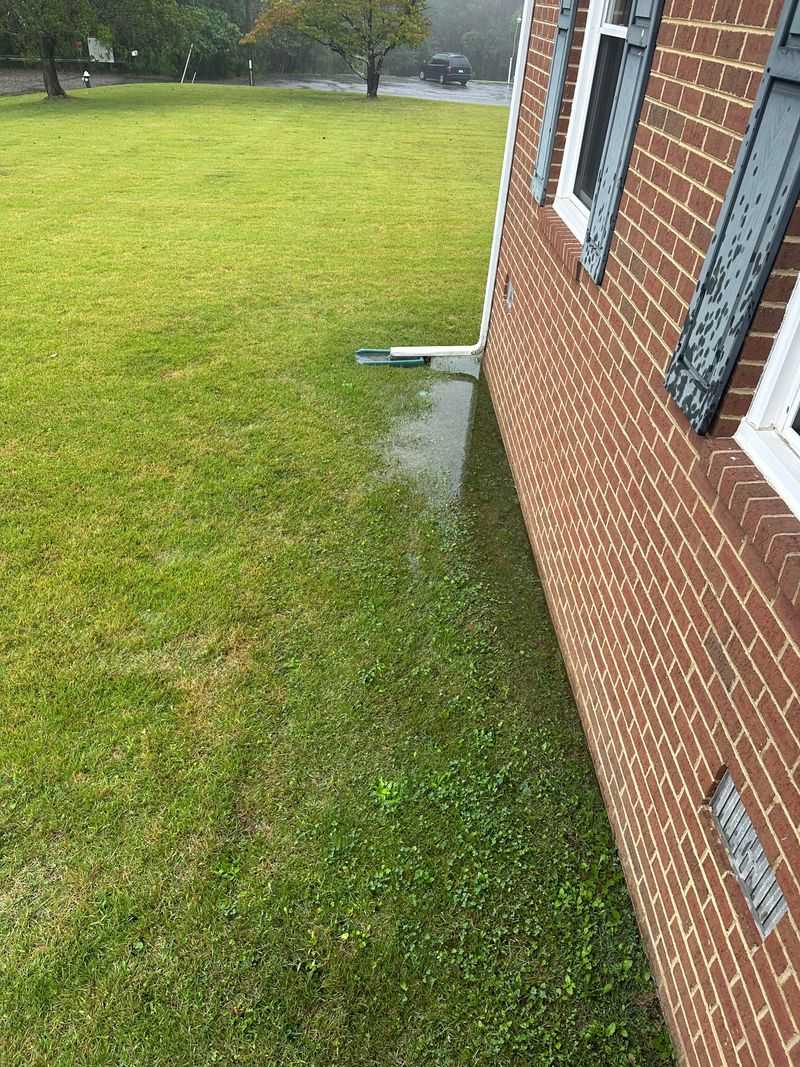
Many yards drain within a few hours after a storm. Yards with low spots or uneven grading do not, and those depressions can hold standing water for days at a time.
A shallow depression holding just a couple of inches of water gives mosquitoes everything they need to complete a full breeding cycle.
Georgia’s red clay soil drains slowly, which makes the problem worse. Water that cannot soak in sits on the surface and warms quickly in summer sun, creating conditions that accelerate larval development.
Poorly drained residential lawns are a consistent contributor to neighborhood mosquito populations across the state, particularly in older suburban areas where original grading has shifted over time.
Fixing low spots is a worthwhile project. For minor depressions, top-dressing with a mixture of sand and topsoil raises the grade gradually without harming existing grass.
Repeat applications over a season can address most minor pooling without significant disruption to the lawn.
For more serious pooling issues, a French drain or dry creek bed redirects water away from the problem area. Having a landscaper assess your yard’s drainage pattern can reveal grading issues that are not visible at ground level.
Addressing drainage improves the lawn’s overall health, reduces bare patches, and removes a significant mosquito breeding source simultaneously.
Standing water in a lawn depression looks harmless enough. It is essentially a small mosquito production facility operating on your property without permission.
7. Rain Barrel Outlets Without Screens On Overflow
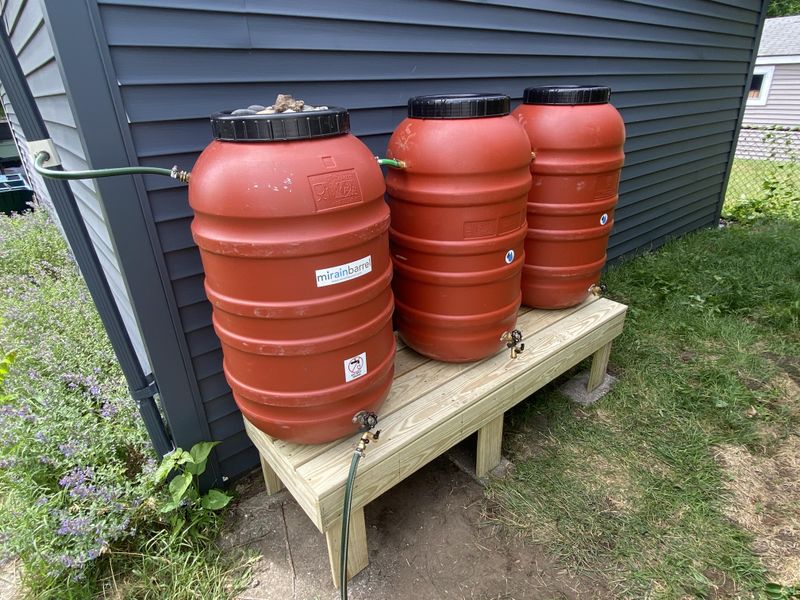
Rain barrels are a genuinely smart addition to a Georgia yard. They conserve water, support the garden during dry spells, and reduce runoff from hard surfaces.
A rain barrel without proper screening, though, is essentially a large mosquito breeding container installed right next to the house.
The barrel provides exactly what mosquitoes prefer for egg-laying. Dark, warm, still water with nowhere for the surface to be disturbed. Without a tight-fitting lid and a screened overflow outlet, the barrel functions as a standing invitation.
The overflow outlet is the specific part most people miss. When the barrel reaches capacity, water exits through the overflow pipe.
An open or unscreened pipe allows mosquitoes to enter and access the water inside even when the main lid appears sealed. A single small gap is enough.
Retrofitting an existing barrel is not complicated. Fine-mesh screen material is inexpensive and available at most hardware stores.
Cut it to cover the overflow outlet and secure it with a hose clamp or waterproof adhesive. Check it regularly for tears or gaps, especially after heavy rain events.
Make sure the main lid fits snugly with no cracks around the edges.
A properly maintained rain barrel can serve the garden all season without contributing to the mosquito population. The difference between a useful water collection tool and a breeding container is a few inches of screen material.
A rain barrel doing its job correctly is genuinely useful. One with an open overflow pipe is doing two jobs, and only one of them is good.
8. Dense Shrub Edges That Hold Still Air And Moisture
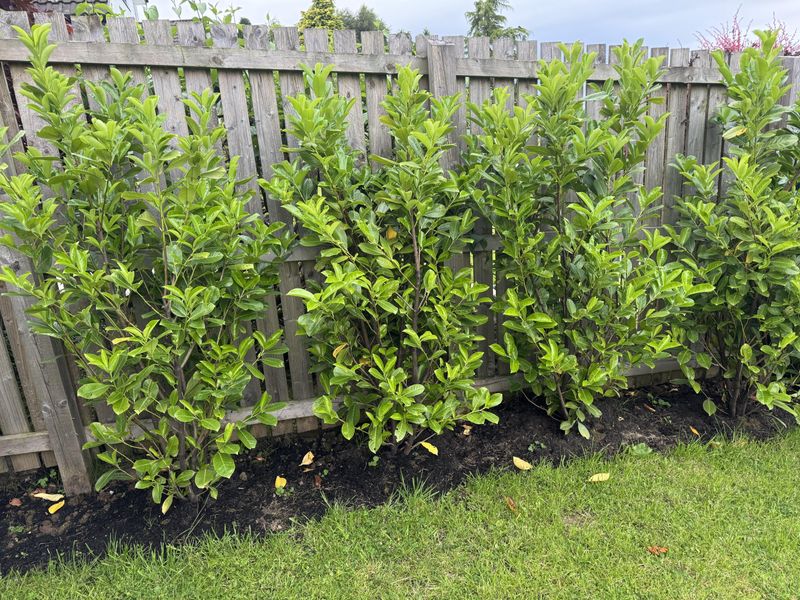
Not every mosquito problem in a yard comes from standing water. Adult mosquitoes need places to rest between feeding, and they are very specific about where they prefer to do it.
Cool, humid, shaded spots are what they look for. Dense shrub borders, overgrown hedges, and thick ground cover along fence lines create exactly those microclimates.
On a hot Georgia afternoon, the air inside a wall of ligustrum or cherry laurel can be noticeably cooler and more humid than the open yard around it.
Adult mosquitoes actively seek out dense vegetation as resting habitat during the hottest parts of the day.
Reducing those resting zones does not eliminate mosquitoes, but it significantly reduces the number that remain on the property and the number available to bite when you step outside in the evening.
Thick shrub edges near patios and seating areas are the highest priority. They place resting mosquitoes in immediate proximity to people.
Thinning dense shrubs and hedges improves airflow and reduces the humidity that makes those spots attractive. Trimming lower branches opens up space underneath and improves light penetration to the soil below.
Avoid dense, low-growing ground covers planted directly next to seating areas. Maintaining a clear buffer of open turf between shrub borders and the patio creates a noticeably more comfortable outdoor environment.
Regular pruning turns a mosquito lounge into just a hedge.
Turns out, the mosquitoes were not invited to the patio. They just found the perfect waiting room next to it.