If You See This Moth In Your Texas Garden At Night Do Not Scare It Away
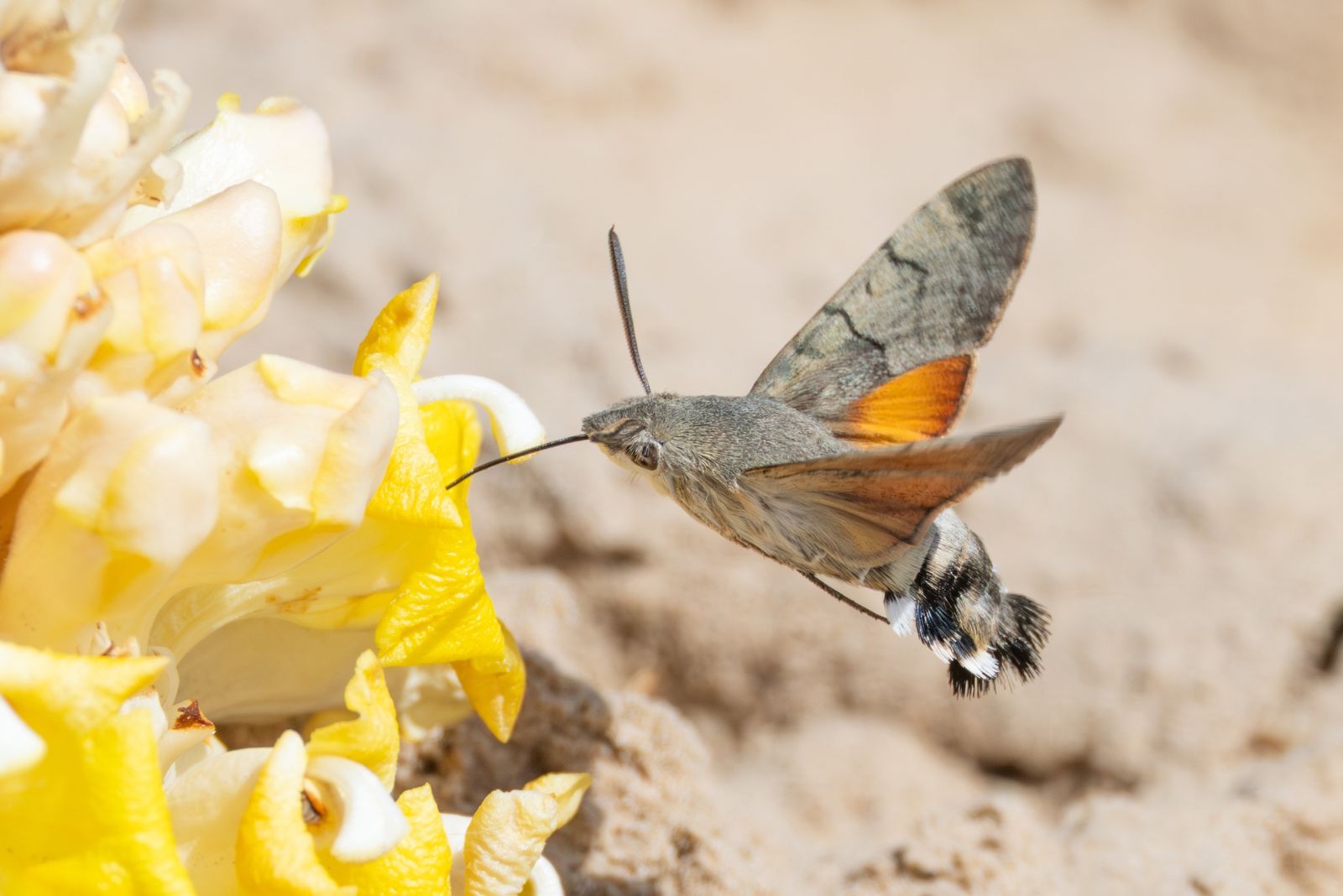
Most people see something large moving fast through the garden after dark and their first instinct is to figure out how to get rid of it.
Texas nights bring out plenty of creatures that deserve that reaction, but there is one moth that shows up in gardens across the state after sunset that you absolutely want to leave alone.
This is one of the most effective and fascinating pollinators in the Texas garden, doing work in the hours after the sun goes down that daytime insects simply cannot replicate.
It moves between flowers with speed and precision, hovering in a way that looks more like a hummingbird than anything typically associated with moths, and the plants it visits tend to be the same ones that have been struggling to set fruit or seed during the day.
Understanding what this moth is doing in your garden at night and why its presence is a genuine sign of a healthy outdoor space changes the way you see things moving in the dark.
1. Meet The Hawk Moths
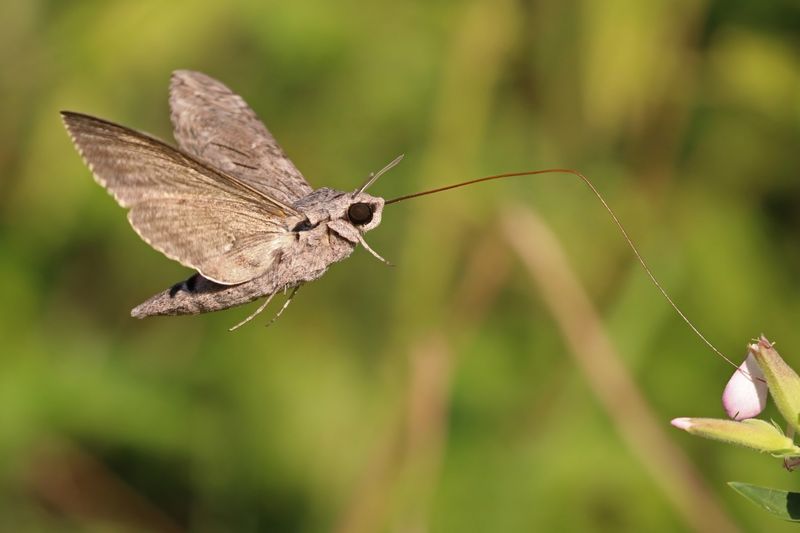
Picture this: it is a warm summer evening in Texas, and something large and fast is hovering right outside your back door. Before you grab a broom, take a closer look.
That creature zipping around your flowers is likely a hawk moth, one of the most fascinating and helpful insects you will ever find in your garden.
Hawk moths, also called sphinx moths, belong to the family Sphingidae. They are large, powerful moths with thick bodies and long, narrow wings built for speed.
Their wingspans can reach anywhere from two to five inches, making them hard to miss once the sun goes down. Some species are even active at dusk, which is why gardeners sometimes mistake them for hummingbirds.
Texas is home to dozens of hawk moth species, and they are found all across the state, from the Hill Country to the Gulf Coast. They tend to show up in gardens wherever night-blooming flowers grow.
Warm nights, fragrant blossoms, and plenty of nectar are all they need to call your yard home.
These moths play a huge role in keeping ecosystems balanced. They pollinate plants that most other insects never visit, especially flowers that only open after dark.
Without hawk moths, many of those plants would struggle to reproduce. They are a quiet but powerful force in nature, doing important work while most people are asleep.
Welcoming them into your garden means supporting a whole chain of life that depends on their nightly visits.
2. Unique Flight And Feeding Behavior
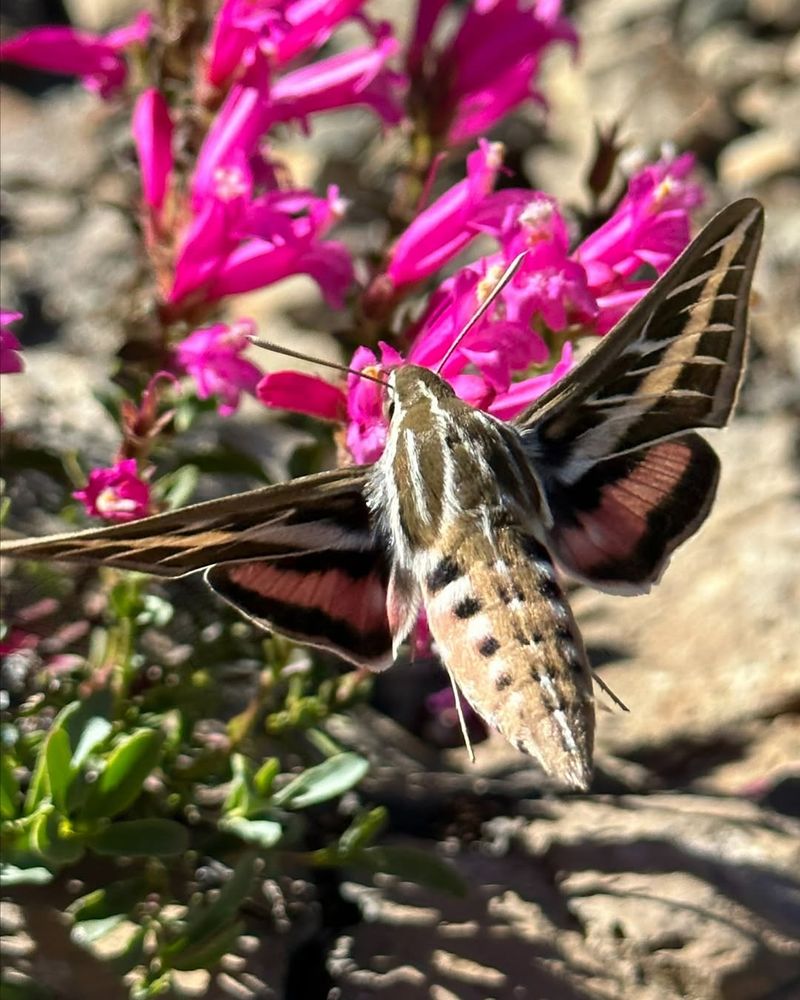
Watching a hawk moth feed is honestly one of the coolest things you can see in a garden. They hover in one spot, beating their wings so fast that you can barely see them move.
That style of flight looks almost exactly like a hummingbird, and it is no accident. Both creatures evolved to feed from flowers the same way, even though they are completely different animals.
The secret to their feeding style is their proboscis, which is basically a long, flexible tongue they use like a straw. Some hawk moth species have a proboscis that stretches four inches or longer.
Your Texas Garden Changes Every Week. Your Plan Should Too.
Gardening in Texas changes quickly throughout the season. Every Friday you’ll receive a simple weekly plan showing exactly what to plant, prune, fertilize, harvest, and protect so you never miss the right timing.
That length lets them reach deep inside tubular flowers that other pollinators simply cannot access. Flowers like moonvine, angel trumpet, and evening primrose are perfect matches for these long-tongued visitors.
Most hawk moths are nocturnal, meaning they are most active at night. This is actually a great thing for gardens because it means they are working while daytime pollinators like bees and butterflies are resting.
They fill in the gap and make sure night-blooming plants get the pollination they need. Their hovering flight also means they rarely land on a flower, so they move quickly from bloom to bloom. This makes them incredibly efficient pollinators.
They can visit dozens of flowers in a single night, spreading pollen across your whole garden without you even noticing. When you think about it, having hawk moths around is like having a secret garden crew working the overnight shift for free every single night.
3. Life Cycle And Caterpillars
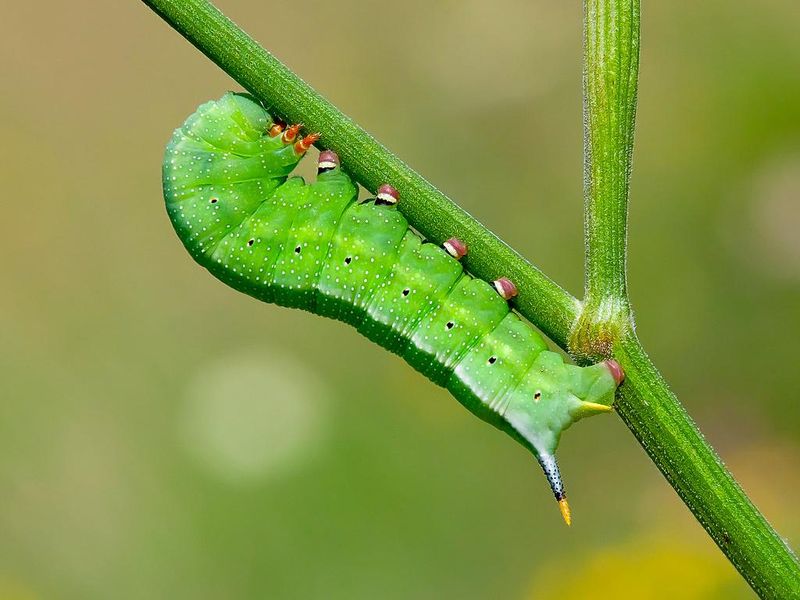
Here is something that might surprise you: those big green caterpillars you sometimes find munching on your tomato plants are actually baby hawk moths. They are called hornworms because of the small spike on their rear end.
Tomato hornworms and tobacco hornworms are both hawk moth larvae, and they are a completely normal part of the hawk moth life cycle.
The life cycle goes like this: an adult female moth lays tiny round eggs on the leaves of a host plant. The eggs hatch into caterpillars that eat and grow for several weeks.
When they are ready, they burrow into the soil and form a pupa. Inside that pupa, the caterpillar transforms into a fully grown moth. The whole process can take just a few weeks during warm Texas summers.
Common host plants in Texas include tomatoes, tobacco, moonflowers, and grape vines. The caterpillars do eat leaves, but healthy plants can usually handle a few nibbles without much trouble.
If you spot hornworms in large numbers, simply moving them to a less important plant works well. You do not need to reach for chemicals right away.
Keeping populations in check naturally is easier than most people think. Birds love to snack on hornworms, so encouraging wildlife in your garden helps a lot.
Parasitic wasps also lay their eggs on hornworms, which controls numbers naturally. A little patience goes a long way, and remembering that those caterpillars will one day become beautiful, helpful moths makes it much easier to share your garden with them.
4. Benefits To Your Garden
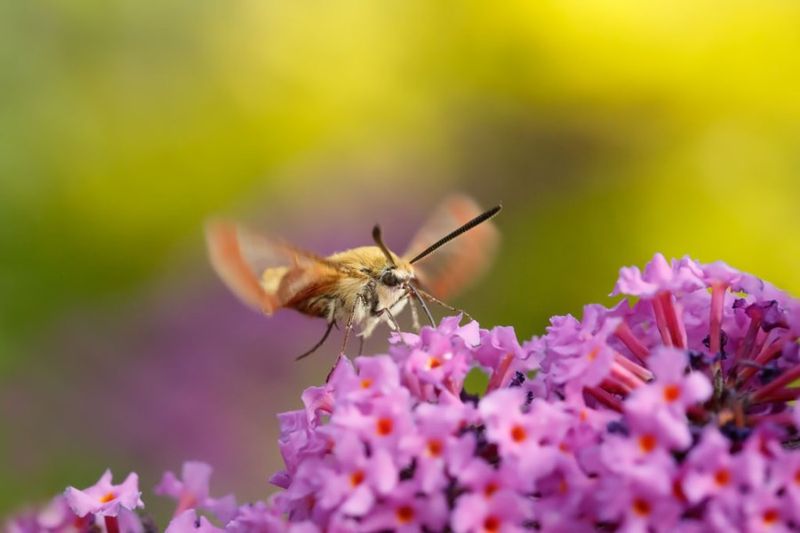
Most gardeners focus on bees and butterflies when they think about pollinators, but hawk moths deserve just as much credit. They are especially important for night-blooming plants that would otherwise go unpollinated.
Evening primrose, jasmine, moonvine, and night-blooming cereus all rely heavily on hawk moths to carry their pollen from flower to flower after dark.
Beyond pollination, hawk moths also serve as a valuable food source for other wildlife. Bats are big fans of hawk moths and will swoop through your garden at night hunting for them.
Birds snack on both the caterpillars and adult moths. Even small predators like spiders and mantises benefit from having hawk moths around.
When you protect hawk moths, you are actually supporting a whole web of creatures that depend on them.
Biodiversity is another huge benefit. A garden that supports a wide variety of insects, including hawk moths, is a stronger and more resilient garden.
Diverse gardens tend to have fewer pest problems because natural predators are present to keep things in balance. Hawk moths are one piece of that puzzle, and their presence is a sign that your garden ecosystem is doing well.
There is also something deeply satisfying about knowing your yard is a refuge for wildlife. Gardens that attract hawk moths are usually rich in native plants and natural features that make them welcoming for all kinds of creatures.
Taking small steps to support these moths can turn an ordinary backyard into a thriving little ecosystem right outside your door. That is a reward worth appreciating every single evening.
5. How To Attract And Protect Hawk Moths
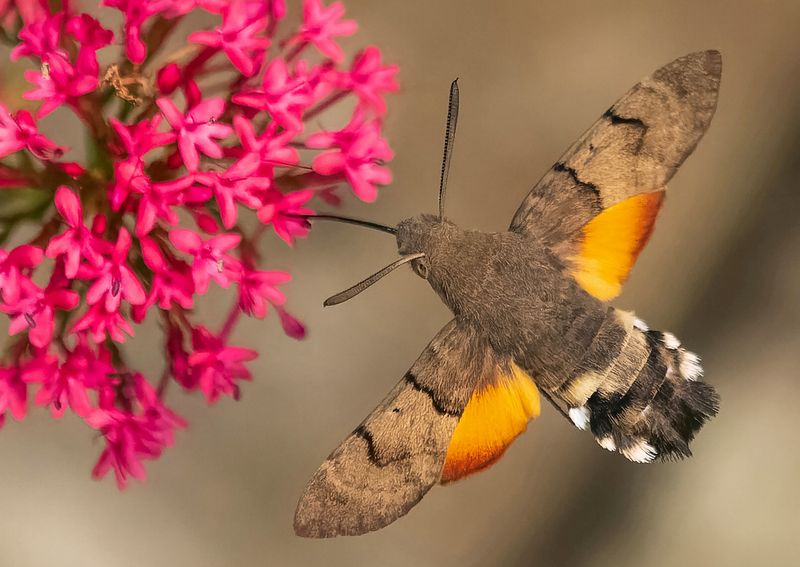
Attracting hawk moths to your Texas garden is easier than you might think. The most effective step is planting nectar-rich, night-blooming flowers.
Plants like evening primrose, white moonflower, four o’clocks, and night-blooming jasmine are irresistible to hawk moths. These flowers release their strongest fragrance after dark, which is exactly when hawk moths are out looking for a meal.
Native Texas plants are especially helpful because local hawk moth species have evolved alongside them for thousands of years.
Planting natives like Texas sage, wild bergamot, and coral honeysuckle gives moths familiar food sources while also supporting other native pollinators. A mix of native and fragrant night-blooming plants gives you the best results overall.
One of the most important things you can do is reduce or eliminate pesticide use at night. Many common garden pesticides are harmful to moths and other beneficial insects.
Even sprays labeled as safe for bees can affect moths if applied in the evening. If you must treat plants for pests, do it in the early morning hours when hawk moths are resting and less exposed.
Providing safe resting spots also helps. Leafy shrubs, tall grasses, and dense plantings give moths places to hide during the day.
Leaving some areas of your garden a little wild and untrimmed creates natural shelter that moths and other beneficial insects appreciate. Avoid bright outdoor lights near your garden at night, since strong artificial light can confuse and disorient moths.
Using warm-toned or motion-activated lights instead keeps your garden friendly for these amazing nighttime visitors.
6. Common Hawk Moth Species In Texas
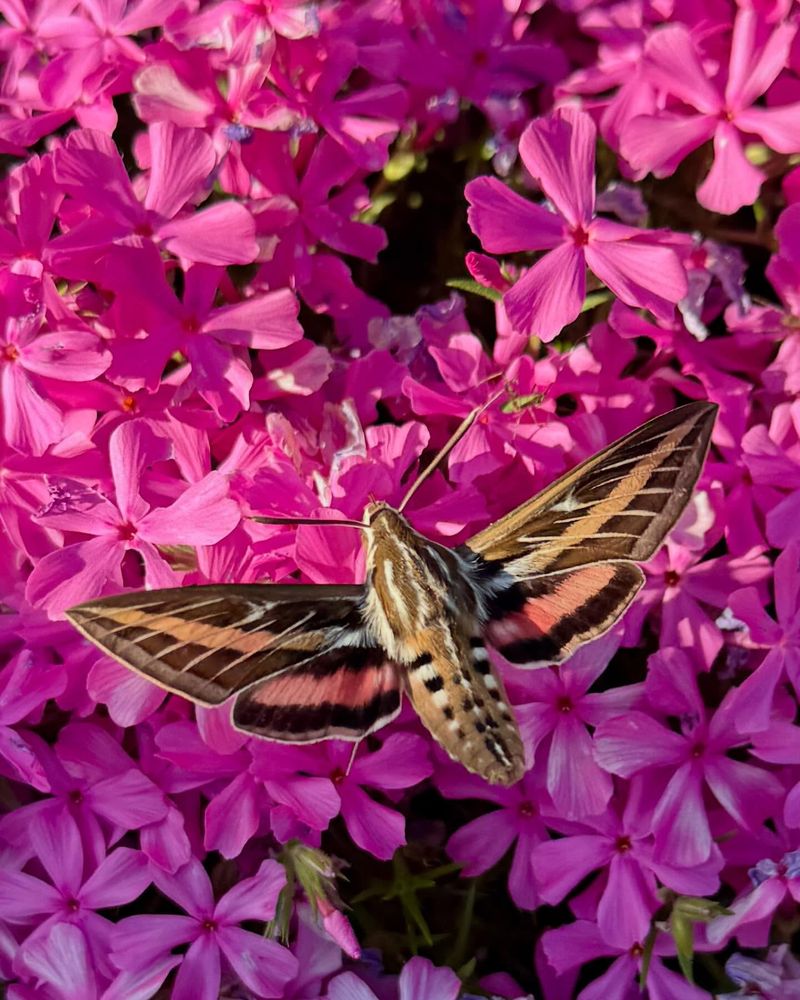
Texas is lucky to have several stunning hawk moth species that gardeners can spot on warm nights. Getting to know the most common ones makes it much easier to appreciate what is flying around your yard.
Once you recognize these moths, you will probably start looking forward to seeing them every evening.
The White-lined Sphinx, or Hyles lineata, is one of the most widespread hawk moths in North America, and it is very common in Texas. It has bold white stripes running along its wings and body, making it easy to identify.
It is often seen hovering over petunias, phlox, and other fragrant flowers at dusk. Many people see this one first and think it is a tiny hummingbird.
The Tobacco Hornworm moth, also called the Carolina Sphinx or Manduca sexta, is the adult form of that familiar garden caterpillar. As a moth, it is large and gray with orange spots along its abdomen.
It is a strong flier and an important pollinator of tobacco and tomato flowers. Spotting one is a sure sign your garden has a healthy insect population.
The Hummingbird Clearwing, Hemaris thysbe, is a real showstopper. Its wings are partially see-through, giving it an almost magical appearance in flight.
Unlike most hawk moths, this species is often active during the day as well as at night, so it is easier to observe. It loves bee balm, honeysuckle, and phlox.
If you want to identify hawk moths in your garden, keeping a small notebook or using a phone app like iNaturalist makes the experience even more fun and rewarding.