Ohio Plants To Stake Before They Flop (And The Ones That Stand Up On Their Own)
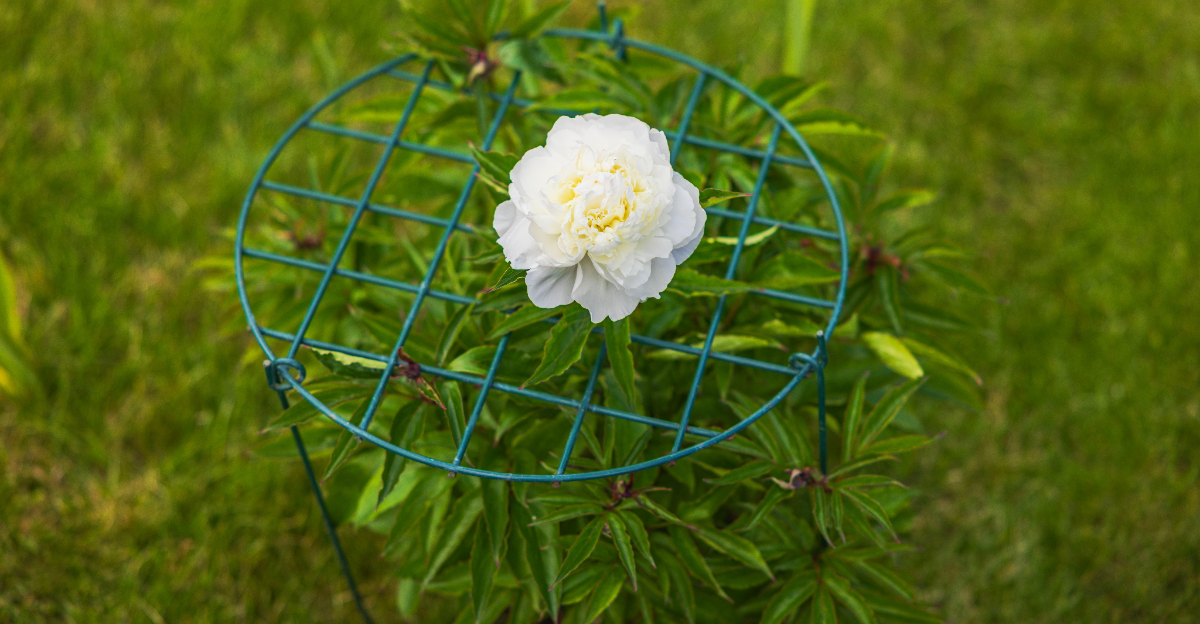
Every gardener has that one plant. The one that looked incredible in the nursery, made it home, shot up beautifully, and then face-planted into the mulch right before company came over.
Ohio summers have a way of humbling even the most confident garden plans. Staking is one of those tasks that feels like a chore until you skip it and regret it.
But here’s what most gardening guides won’t tell you upfront: not everything needs a stake. Plenty of Ohio plants are tough enough to hold their ground through wind, rain, and the kind of July humidity that makes everything feel heavy.
Knowing the difference between a plant that needs support and one that handles itself saves you time, money, and a lot of unnecessary fussing.
So let’s sort out which plants belong in each camp, because your garden should be working smarter this season, not harder.
1. Stake Herbaceous Peonies Before The Buds Get Heavy
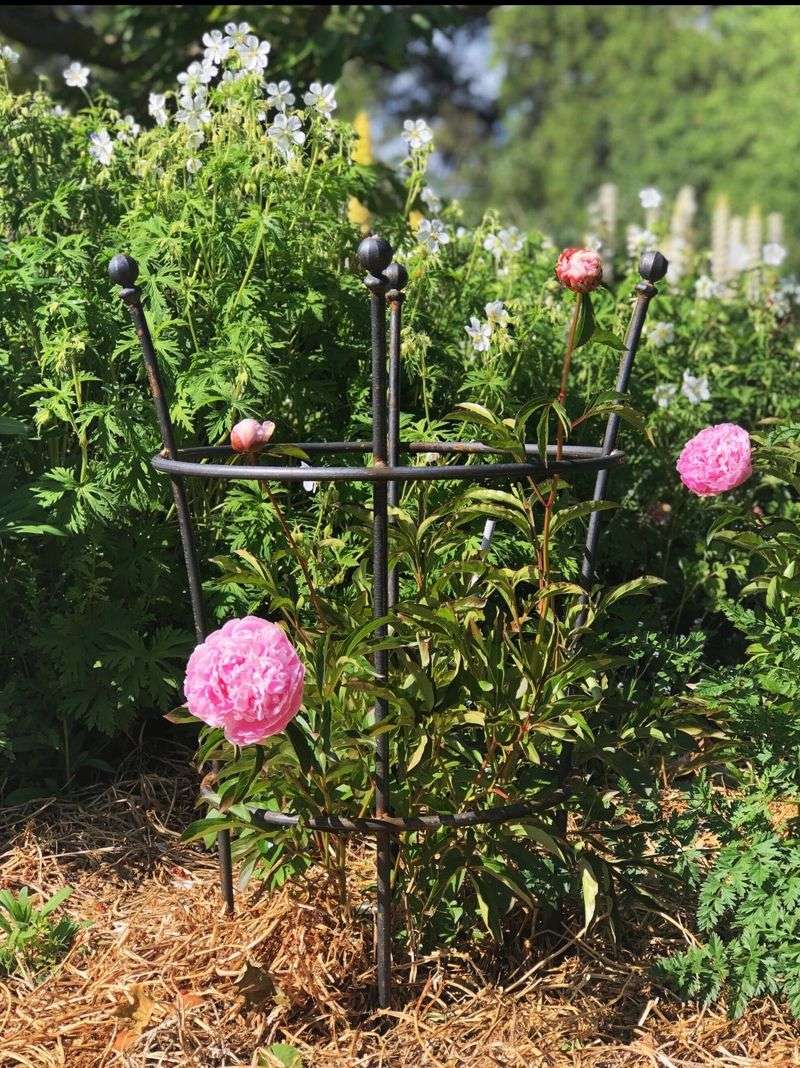
Few garden moments are more disappointing than finding a peony plant flat on the ground after a rain, its gorgeous double blooms buried in wet mulch.
Herbaceous peonies, especially the large double-flowered types, produce blooms that are full and heavy.
Their stems simply cannot hold them upright once water adds extra weight. Ohio State University Extension notes that this is one of the most common peony problems in local gardens, and it is entirely preventable with early action.
The key is timing. Place peony rings, grow-through grids, or wire hoop supports over the clump in early spring, while stems are still only a few inches tall.
When you wait until stems are already leaning, the support ends up looking like a cage strapped around a struggling plant rather than a natural part of the garden.
Early installation lets stems grow up through the grid so the support disappears beneath the foliage.
Not every peony needs help. Itoh peonies, which are hybrids between herbaceous and tree peonies, tend to have stronger stems and a more compact form.
They can often hold their blooms without any support at all. Single-flowered and semi-double herbaceous types are also more self-sufficient than the large fully double varieties.
If you grow the classic big pink and red doubles, plan to stake them every spring without fail.
2. Stake Tall Garden Phlox Before Summer Storms Hit
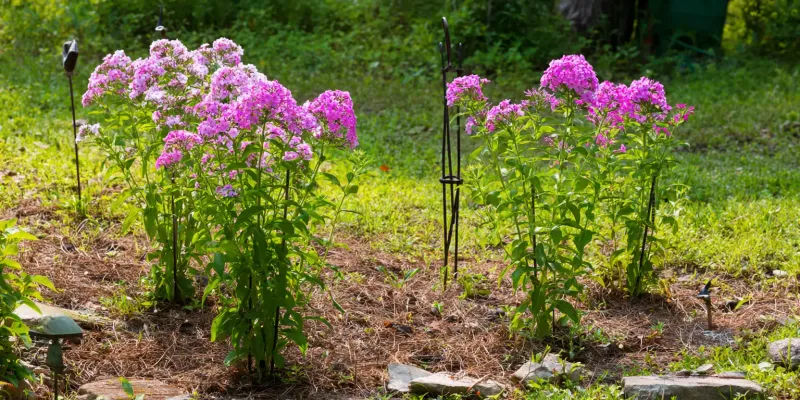
By mid-July, tall garden phlox is usually putting on its best show, with big fragrant flower clusters rising above the border in shades of pink, lavender, and white. That same height that makes it so striking also makes it vulnerable.
A strong summer storm can push those tall stems sideways, and once they lean they rarely straighten back up on their own.
Support works best before the flower clusters open and add weight to the top of each stem. Slender bamboo stakes with soft garden ties, or a simple plant ring placed around the clump, can keep things tidy without looking heavy-handed.
Some gardeners let neighboring shrubs or sturdy perennials act as natural windbreaks and lean-in support for phlox growing at the back of a mixed border.
Your Ohio Garden Changes Every Week. Your Plan Should Too.
Gardening in Ohio changes quickly throughout the season. Every Friday you’ll receive a simple weekly plan showing exactly what to plant, prune, fertilize, harvest, and protect so you never miss the right timing.
Spacing matters just as much as staking. Crowded phlox plants compete for light and air, which can cause stems to stretch toward the sun and become weak at the base.
Poor airflow between crowded stems is also the main reason powdery mildew spreads so quickly on this plant during humid Ohio summers.
Giving each clump enough room, planting in full sun, and dividing overgrown clumps every few years all reduce leaning and disease at the same time.
Mildew-resistant varieties like David and Jeana are worth choosing if your beds tend to stay crowded.
3. Give Joe-Pye Weed Support In Rich, Moist Soil
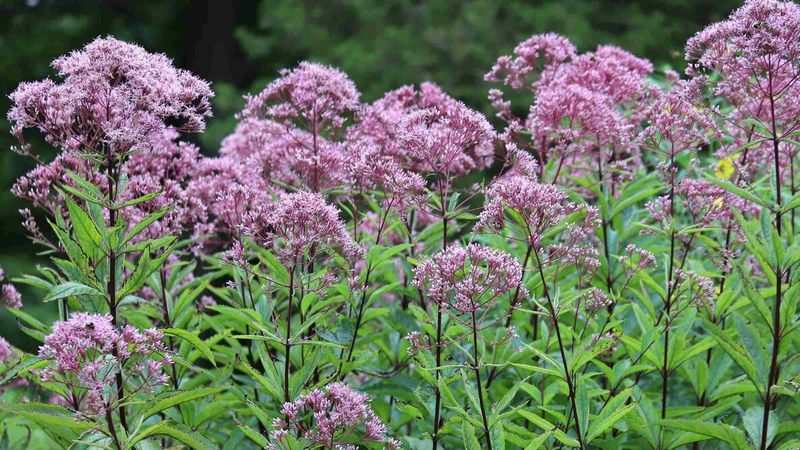
Walk past a natural wet meadow or stream edge in late summer and you will likely spot Joe-Pye weed standing tall with its dusty pink flower clusters catching the light. In the wild, it can reach six feet or more without any help at all.
Move it into a rich, well-watered garden bed, though, and the story can change quickly.
Fertile soil and consistent moisture push this native perennial to grow even taller and faster than it would in leaner conditions. Stems that shoot up quickly can be less sturdy than those that grow at a natural pace.
After a heavy rain, a big Joe-Pye weed plant in a rich border can lean noticeably, especially if it is not getting full sun on all sides.
Placing one or two sturdy wooden or metal stakes around the clump and loosely tying stems to them gives the plant enough support without constricting it.
Another option is to plant Joe-Pye weed near other tall, sturdy companions like switchgrass or ironweed. They can provide natural mutual support while creating a naturalistic planting style.
Compact cultivars such as Little Joe and Baby Joe are much shorter than the straight species and rarely need any staking at all. They work well in smaller yards or tighter borders where a six-foot plant would quickly overwhelm the space.
Choosing the right cultivar for your site is always the easiest first step.
4. Help New England Asters Stay Upright Before Bloom
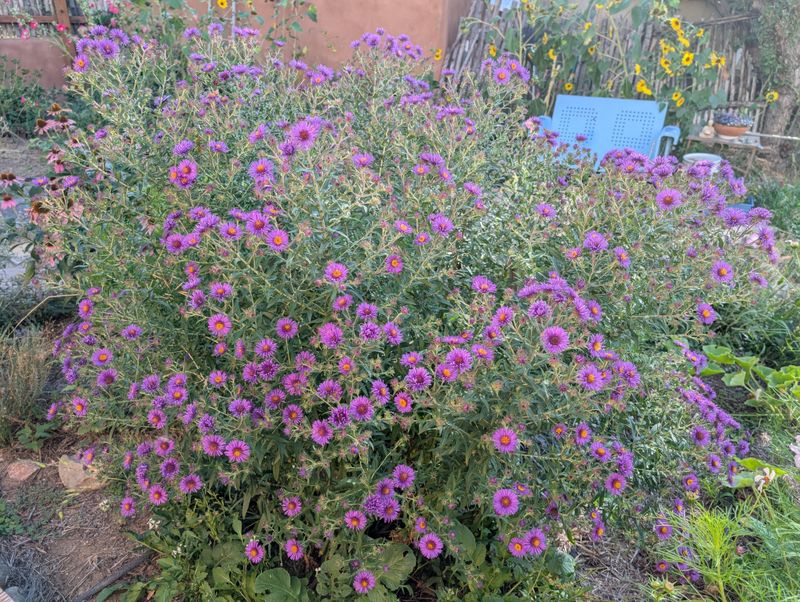
Come September, New England asters are some of the most vibrant plants in any local garden. They are covered in small purple, pink, or white daisy-like flowers that pollinators absolutely love.
Getting them to that point without a leaning, tangled mess takes a little planning earlier in the season.
The challenge is that New England asters grow tall through summer before they bloom in fall. By late August, a plant that started at knee height can be chest-high and top-heavy.
Pinching or cutting stems back by about one-third in late May or early June encourages the plant to branch out and stay shorter and bushier.
Many experienced gardeners do this once or twice before mid-July and end up with compact, self-supporting plants by the time flowers open.
Ohio State University Extension recommends this approach for managing height in tall fall-blooming perennials.
If plants are already tall by late summer, a few discreet stakes and loose ties can prevent the worst flopping without hurting the plant. Full sun is essential for strong, upright growth.
Asters grown in part shade tend to stretch toward the light and become floppy well before bloom time. Avoiding overly rich, heavily fertilized soil also helps, since too much nitrogen pushes lush, soft growth that cannot support its own weight.
Well-drained average soil and good sun exposure produce the sturdiest plants with the most flowers.
5. Let Purple Coneflower Stand Strong Without Fuss
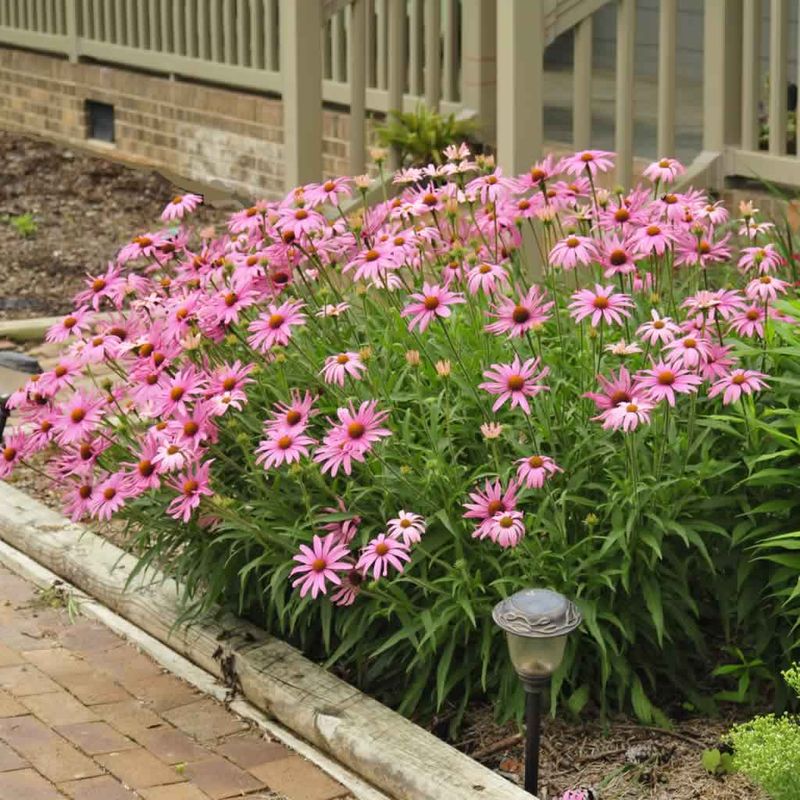
Purple coneflower has earned its reputation as one of the most reliable perennials in local gardens. A big part of that reputation comes from its naturally upright, sturdy habit.
The stems are thick and strong, and the flowers sit on top without pulling the plant sideways the way heavy double blooms can. In a sunny, well-drained spot, most coneflowers stand through summer storms without any help at all.
That said, even this tough plant has its limits. Grow it in too much shade and the stems will stretch toward the light, becoming longer and weaker than they would be in full sun.
Rich, heavily amended soil can push fast, soft growth that flops more easily than growth on leaner ground. Crowded plants compete for light and air, which leads to the same stretching problem.
Spacing plants about 18 to 24 inches apart and planting in full sun gives coneflowers the conditions they need to stay upright on their own.
As a middle-of-the-border plant, purple coneflower pairs well with black-eyed Susan, little bluestem, and ornamental grasses. Those plants share its preference for sunny, well-drained conditions.
The seed heads that form after bloom are worth leaving in place through fall and winter. Birds feed on them heavily, and the dried stems add structure to the garden long after the growing season ends.
It is a plant that earns its space in almost every way.
6. Trust Black-Eyed Susan To Hold Its Shape
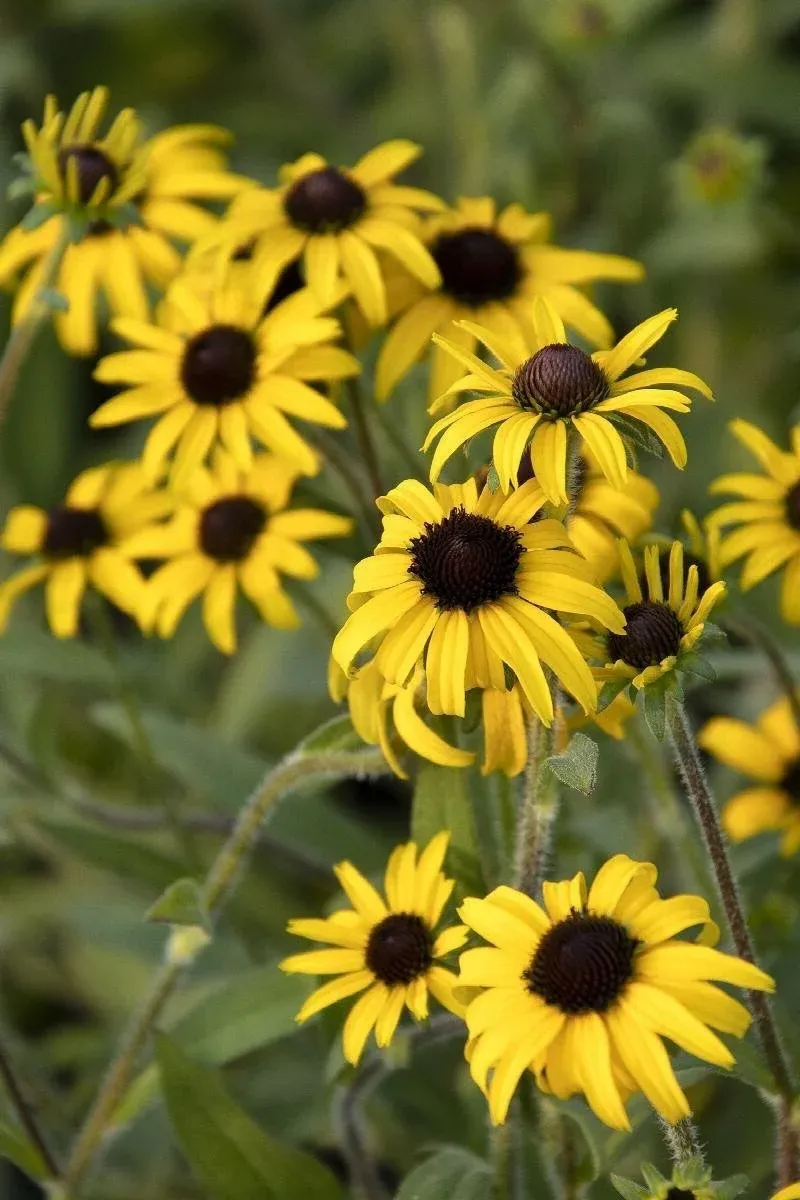
Cheerful and tough, black-eyed Susan is the kind of plant that shows up every summer and gets to work without asking for much.
The bright yellow flowers with their dark centers are a familiar sight in sunny borders, roadside plantings, and pollinator gardens all across this state.
In full sun with average to lean soil, the stems hold themselves upright through most of the summer without any staking at all.
It works especially well in informal borders and meadow-style plantings where a relaxed, slightly wild look fits the design. Planting in groups of three or more creates a natural mass that provides some mutual support while also making a stronger visual impact than single scattered plants.
Rudbeckia hirta is the annual or biennial type, and Rudbeckia fulgida is a reliable perennial species. Both are common in local gardens and tend to be self-supporting in the right conditions.
Late in the season, older stems can start to spread or flop a little, especially after seed heads form and the stems dry out. Cutting tired stems back by about one-third after the first flush of bloom can encourage fresh growth and tidy things up.
It can do that without removing all the seed heads that birds and pollinators rely on. Avoiding heavy fertilizer is also key.
Too much nitrogen pushes lush, floppy growth and actually reduces the number of flowers the plant produces. Let the soil stay lean and the sun stay strong.
7. Count On Butterfly Weed To Stay Compact And Upright
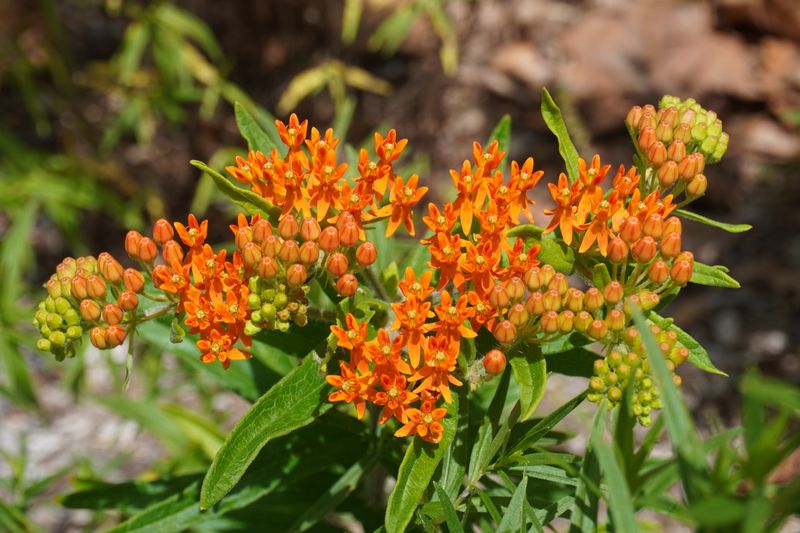
Bright orange flower clusters in midsummer, monarch butterflies hovering overhead, and stems that stand without help are all part of butterfly weed’s appeal. It delivers a lot without asking for much in return.
This native milkweed species stays considerably shorter and more compact than many other perennials in the same family. It usually tops out between one and two feet tall in a typical garden setting.
The key to keeping butterfly weed sturdy and self-supporting is matching it to the right site. It thrives in full sun with well-drained, even sandy or gravelly soil.
Heavy clay soil that stays wet after rain is not where this plant wants to be. Wet, poorly drained conditions weaken the roots, slow establishment, and can cause the plant to lean or decline over time.
Dry slopes, sunny rock gardens, and pollinator beds with good drainage are ideal placements in local landscapes.
One important thing to know before planting is that butterfly weed develops a deep taproot that makes it very difficult to move once it is established. Choose its permanent spot carefully and plant it there from the start.
It is also slow to emerge in spring, often not showing any growth until late May, so marking its location helps prevent accidental digging.
Once it settles in, it is remarkably long-lived and low-maintenance, rarely needing division, fertilizer, or any kind of structural support.
It simply grows, blooms, and feeds pollinators season after season.
8. Leave Little Bluestem To Stand Tall On Its Own
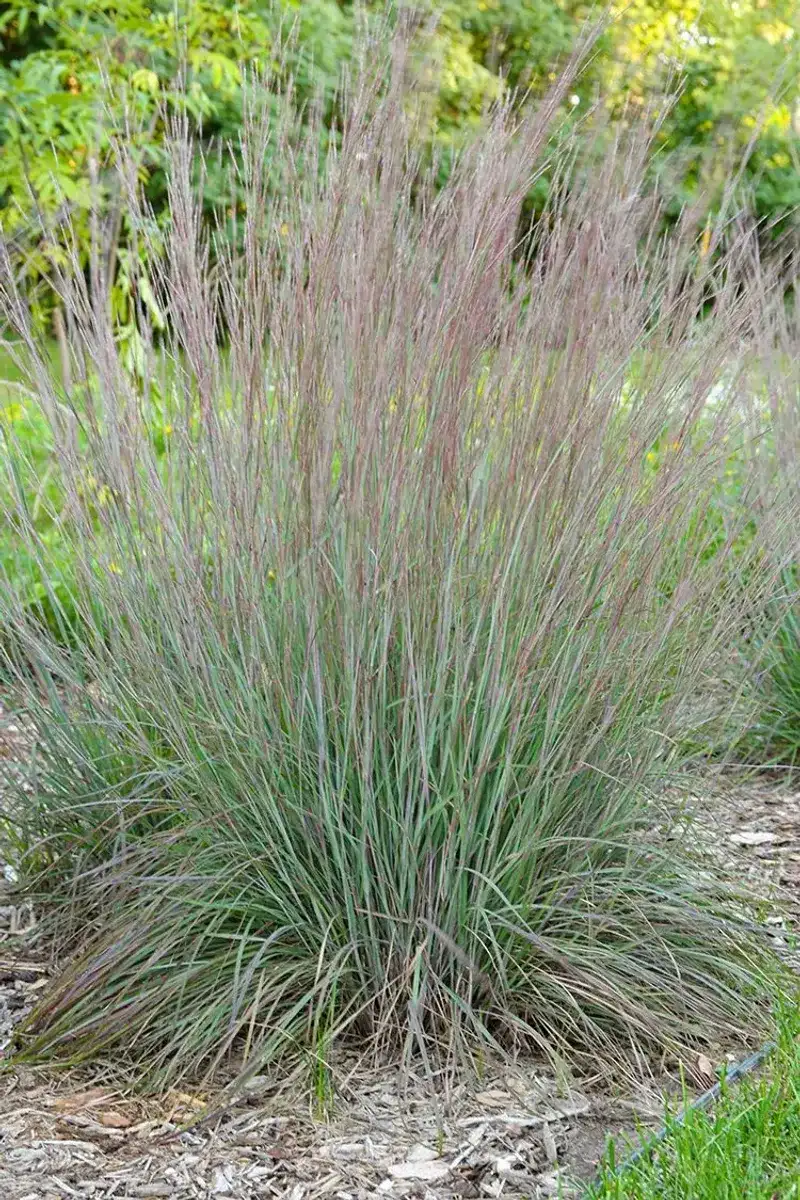
When most perennials have finished for the year and the garden starts to look tired, little bluestem is just hitting its stride.
The stems turn a rich bronze-red in fall, the silvery seed heads catch the light on cool mornings, and the whole plant holds its upright structure well into winter.
Birds pick through the seed heads for months, and the dried stems add texture and movement to the garden long after the last frost.
In sunny, lean, well-drained soil, little bluestem is one of the most structurally reliable plants you can grow in this region.
It is a warm-season native grass that evolved on open prairies and dry hillsides, which means it is built for conditions that would stress many other plants.
It does not need rich soil, regular fertilizer, or extra water once established. Giving it those things actually works against it.
Overly rich or moist soil causes the clumps to open up in the center and flop outward, losing the tight, upright form that makes the grass so appealing.
Too much shade produces the same floppy result, with stems leaning toward light rather than growing straight up. Plant it in full sun, skip the compost amendments, and let it find its footing in average to lean soil.
It fits naturally into meadow plantings, sunny mixed borders, and low-maintenance slopes where other plants struggle. Few plants give as much seasonal interest with as little effort as this native grass does.